Small Hours

Wine Enthusiast Best Wine Restaurants
Our verdict
Small Hours belongs to Minneapolis’s growing wine-restaurant conversation: casual in posture, serious in its cellar signals, and part of a Northeast dining district that has moved beyond brewery-adjacent snacking. Its inclusion in Wine Enthusiast’s Best Wine Restaurants 2025 list places it in a national frame without turning the room into a formal tasting-menu temple.

Pearl is the En Primeur Club membership app, where members save venues, book tables and use the concierge.
The menu
What to order
- Tinned fish conservas with house accoutrements
- Seasonal vegetable plates
- Wine-friendly share plates
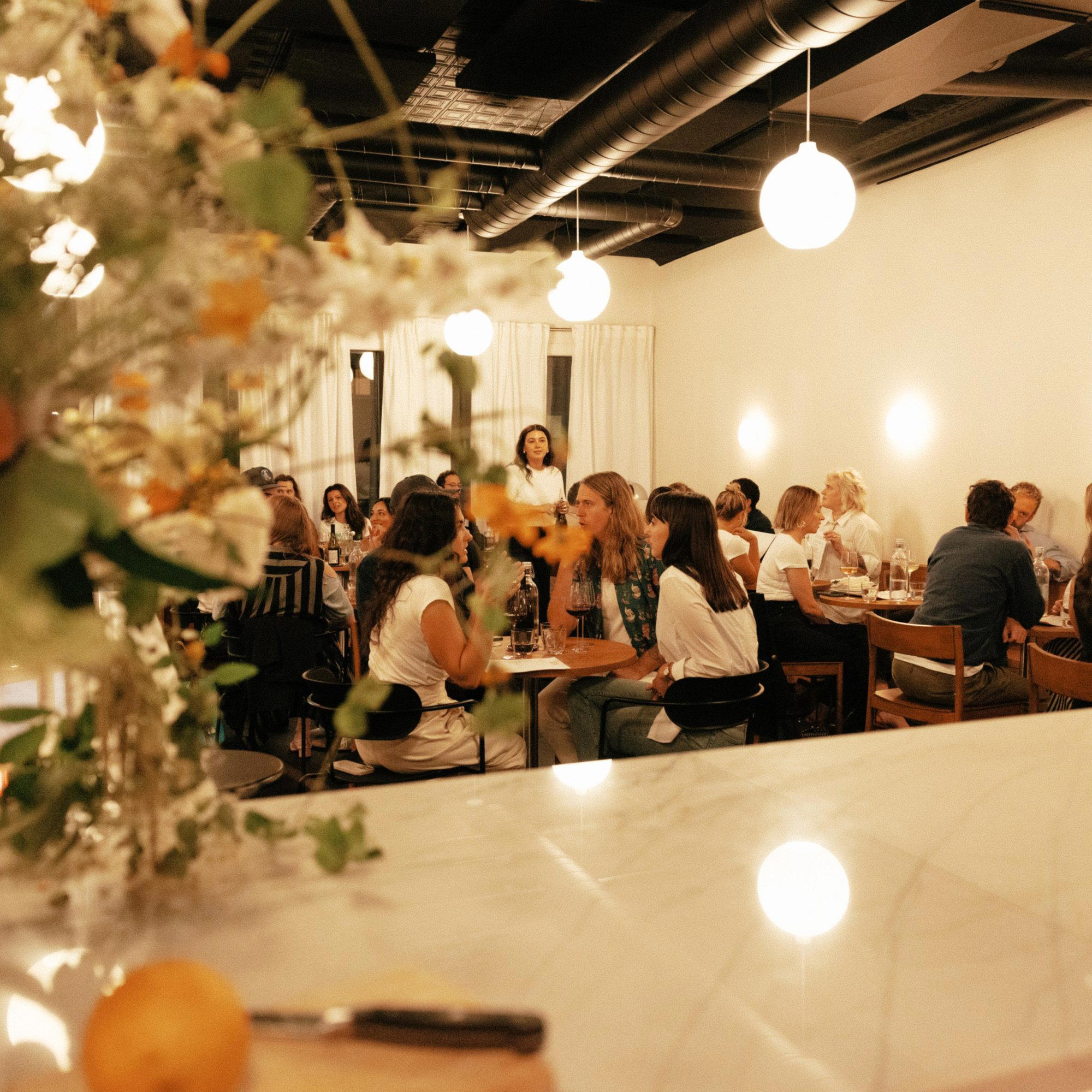
Approaching Small Hours in Minneapolis, the first read is compression, not ceremony: a city room framed around conversation, bottles, and a dining-room rhythm between bar culture and restaurant culture. That distinction matters in Minneapolis, where dining identity can stretch from old civic institutions to newer places that treat wine as part of the main proposition, not an accessory.
The national signal is clear. Wine Enthusiast included Small Hours in its Best Wine Restaurants 2025 list, recognition that places it within a national conversation about restaurants where wine is central to the experience. Small Hours reads less like a conventional restaurant with a background wine list than part of a broader American shift toward lower-formality rooms with higher wine ambition.
Minneapolis and the new wine-room grammar
Minneapolis has become one of the country’s more elastic dining cities because it absorbs informality without losing seriousness. Casual drinking culture trained diners to move across rooms rather than commit to one white-tablecloth evening; stronger restaurants now make wine, snacks, and dinner feel part of the same night. Small Hours fits: not an old-guard ceremonial room, not a generic expense-account room, and not a tasting-menu counter.
That matters because Minneapolis has several dining traditions competing for attention. The city still loves institution dining, where local memory is part of the meal. It also has polished urban dining rooms serving different definitions of adult dining. Small Hours occupies another lane: a wine-first city format where the point is not nostalgia or corporate polish but curation at human scale.
The comparison is not only local. Across American cities, wine bars have moved beyond the old binary of Europhile seriousness or casual by-the-glass looseness. Stronger versions now behave more like restaurants: the food has to matter, the bottle selection has to justify attention, and the room has to feel good without turning didactic. Inclusion on a wine-restaurant list matters more than a generic popularity cue because it places the venue within a dining category with its own standards.
Wine as culture, not decoration
Wine-led dining has cultural roots in the table, not the cellar. In many dining cultures, a wine bar can function as a neighborhood room where the bottle is tied to time of day, appetite, and conversation. The American version took longer to mature because wine service was often coded as luxury performance or retail education. The newer model is more useful: drinkers can order seriously without ceremony, and diners can treat wine as the frame for the meal rather than a trophy purchase.
Small Hours sits inside that correction. Award recognition places it among restaurants where wine is central to the editorial identity, while the Minneapolis context keeps the form grounded. This city tends to distrust overbuilt dining theater. Its strongest rooms make a direct case: clear purpose, local utility, and enough point of view to justify crossing town. That sensibility is shared, in different registers, across the local map, from address-driven curiosity to more defined local references collected in our full Minneapolis restaurants guide.
There is also a regional angle. Wine culture in the Midwest is often described from the coasts, flattening what makes these rooms interesting. The strongest Midwestern wine restaurants are not simply trying to mimic coastal or European templates. They work by connecting skilled selection with warmer service and a room that can hold regulars. In Minneapolis, that balance is especially valuable during colder months, when dining rooms serve as social infrastructure as much as culinary destinations.
How to place it in a Minneapolis night
Read Small Hours as part of an evening built around Minneapolis, not a single destination detached from the city. It suits diners who care about wine context, flexible pacing, and a room that does not need a luxury script to feel considered. For visitors building a broader itinerary, the city offers parallel tracks: hotels in our full Minneapolis hotels guide, drinking rooms in our full Minneapolis bars guide, regional producers and cellar-adjacent stops in our full Minneapolis wineries guide, and cultural planning in our full Minneapolis experiences guide.
The Minneapolis comparison set is broad. Jax Cafe and Gasthof Zur Gemutlichkeit speak to older civic dining traditions. Hai Hai represents the city’s more colorful contemporary neighborhood energy. Carbon Kitchen + Market and Secret Headquarters at Betty Danger's Country Club show how much of Minneapolis hospitality identity depends on hybrid formats and mood. Small Hours is quieter in concept, but Wine Enthusiast recognition gives it a sharper national category: the wine restaurant as cultural form.
For readers tracking similar shifts elsewhere, the through-line runs beyond Minnesota. Other cities have drinking-food formats, casual counters, neighborhood rooms, and regionally specific restaurants that ask the same question in different accents. The shared issue is not sameness of cuisine or service style, but how a format tells diners what kind of attention a meal deserves.
Small Hours is strongest as a Minneapolis answer to that question. The reason to pay attention is not a single chef narrative, named dish, or theatrical promise. It is how a Minneapolis room makes wine feel central without importing formality wholesale. That is where the city’s dining culture is moving: toward smaller, sharper rooms that understand pleasure as structure, not excess.
Frequently asked questions
Is Small Hours good for families?
Small Hours is a Minneapolis spot recognized by Wine Enthusiast Best Wine Restaurants 2025, so the clearest confirmed context is wine-driven dining.
What's the overall feel of Small Hours?
Small Hours reads as a wine-led Minneapolis spot rather than a generic casual bar.
Is Small Hours open every day?
Check Small Hours directly for current days and hours before planning a visit.
What's Small Hours's location?
Minneapolis.
What is Small Hours known for?
Small Hours is known for landing on Wine Enthusiast’s Best Wine Restaurants 2025 list. That recognition places it in the wine-driven dining conversation rather than the casual bar category.
Price and Recognition
Nearby venues at a similar price tier for orientation.
| Venue | Cuisine | Price | Awards | Notes |
|---|---|---|---|---|
| Small HoursThis venue (the venue you are viewing) | Hi-fi wine bar with seasonal small plates & tinned fish | $50–100 | Wine Enthusiast Best Wine Restaurants | Not listed |
| Jax Cafe | Classic American Steakhouse | $50–100 | Not listed | Not listed |
| Gasthof Zur Gemutlichkeit | Authentic German | Not listed | Not listed | Not listed |
| Hai Hai | Southeast Asian Street Food | $30–50 | James Beard Award Best Chef: Midwest · Diners, Drive-Ins and Dives Featured Restaurant | No specific awards or Michelin stars mentioned, but it is noted as a James Beard-nominated restaurant in the area and highly regarded by reviewers for its creative cuisine and quality[1]. (mid-range), noted for being fun and affordable with a variety of flavorful dishes[4]. |
| Carbon Kitchen + Market | Charcoal-Grilled American Grill | $20–30 | Not listed | Not listed |
Recognition history
Dated appearances from independent guides and award organizations, with the underlying list record or original source where available.
Wine Enthusiast Best Wine Restaurants
Wine Enthusiast
Continue exploring
More in Minneapolis
Restaurants in Minneapolis
All restaurants in Minneapolis →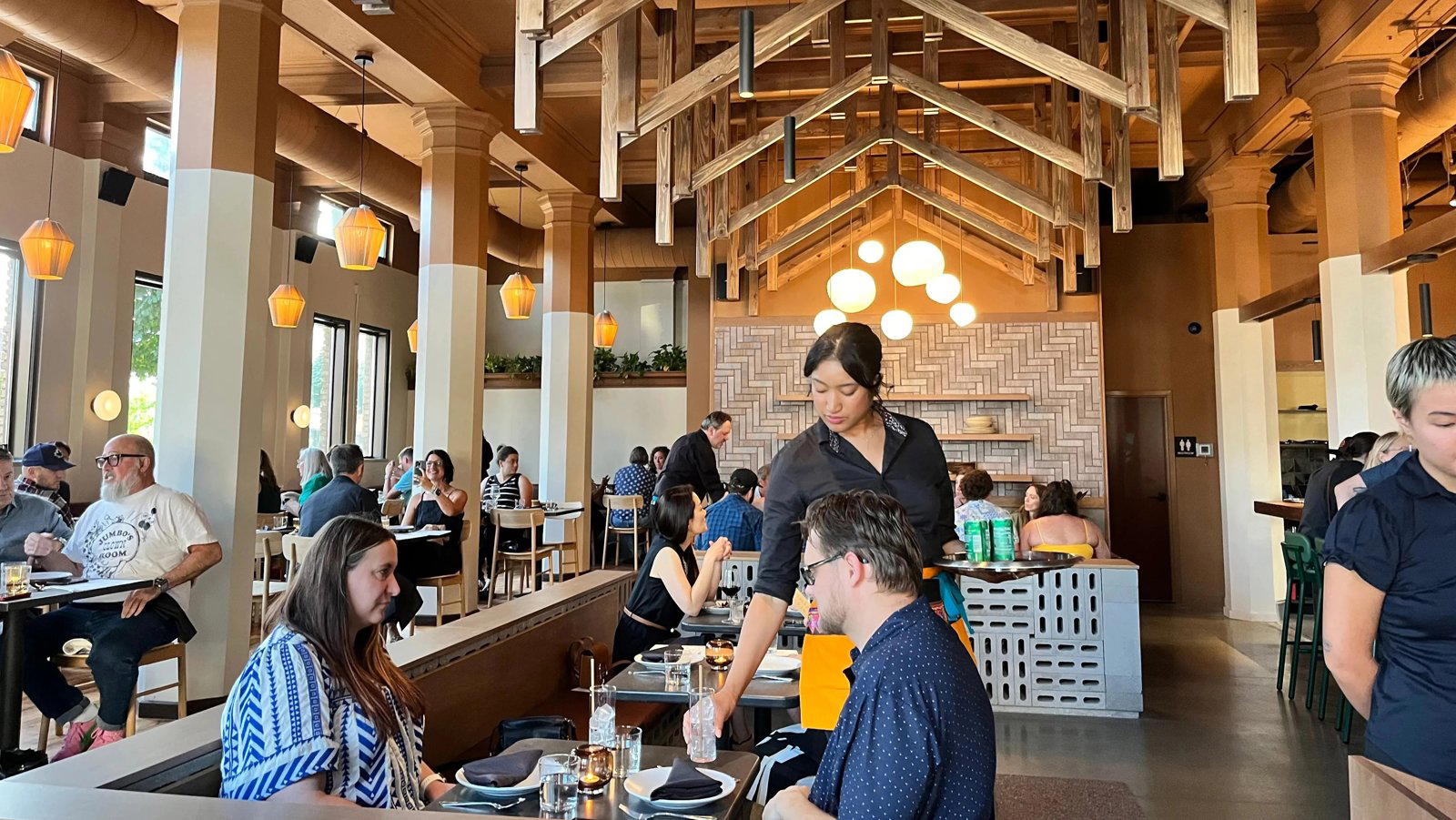
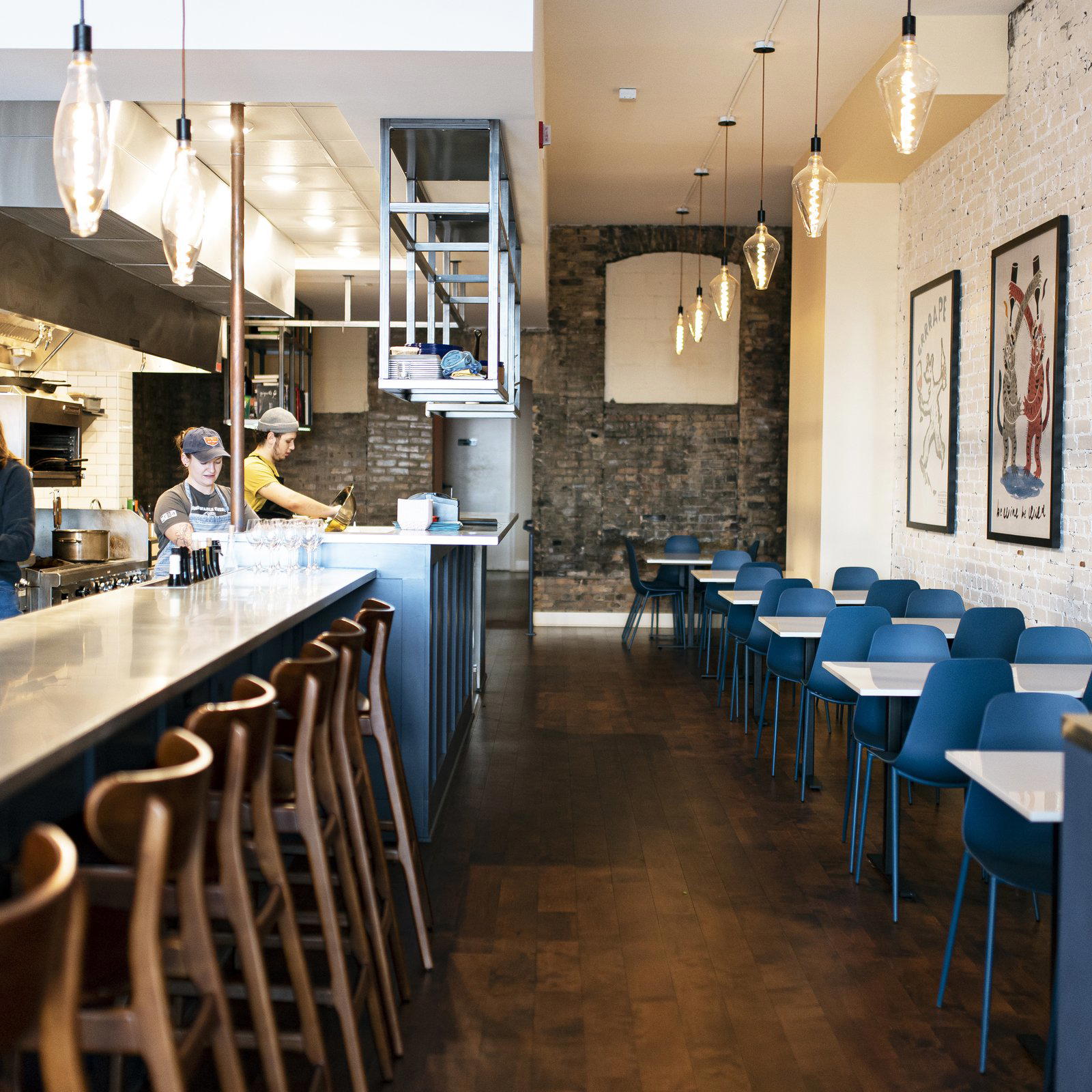
Bars in Minneapolis
All bars in Minneapolis →

Small Hours
The wine
- Wine program
- Deep wine list
- Extensive wine list
- Sommelier-led
- Natural wine
- Zero-proof drinks
Details
- Intimate
- Cozy
- Modern
- Trendy
- Sophisticated
- Date Night
- Casual Hangout
- After Work
- Late Night
- Solo
- Group Dining
- Design Destination
- Standalone
- Private Dining
- Live Music
- Wine Cellar
- Natural Wine
- Extensive Wine List
- Sommelier Led
- Zero Proof
- Natural Wine
- Local Sourcing
- Small Plates
- A La Carte
- Wine
- Low ABV Cocktails
- Non Alcoholic Options
Current opening hours
- Monday
- Closed
- Tuesday
- Closed
- Wednesday
- 5–11 PM
- Thursday
- 5–11 PM
- Friday
- 5 PM–12 AM
- Saturday
- 5 PM–12 AM
- Sunday
- 5–10 PM
Hours can change for holidays and private events. Hours as of .
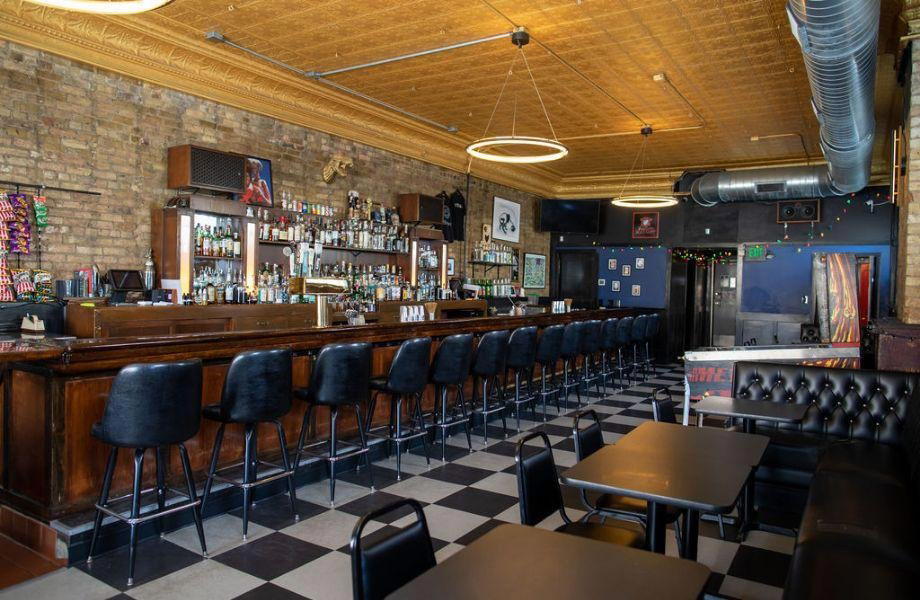
An intimate, design-forward listening bar with warm, dim lighting, acoustically treated walls, and focused but conversational sound—more like a cozy living room with great speakers than a loud bar.