Safari


Star Wine List · White Guide Denmark Restaurants - Fine Level
Our verdict
Safari occupies a relaxed corner of Nørrebro, where the menu follows a produce-led logic built around vegetables, fish, and occasional meat served family-style or à la carte. The wine list skews toward natural producers, giving the room a neighbourhood-restaurant feeling that sits apart from Copenhagen's tasting-menu circuit. It is a useful reference point for how the city's casual dining tier handles ingredient-focused cooking without the formality of its starred peers.

Pearl is the En Primeur Club membership app — saves, bookings, and concierge access live there. Same editors, same standards.
- Address
- Baggesensgade 9, 2200 København, Denmark
- Phone
- +45 27 62 22 22
- Hours
- Mon–Sat 5:30 PM–12 AMSun Closed
- Website
- restaurantsafari.dk
- Directions
- Get directions
- Booking
- Book on the venue's website
Nørrebro's Produce Logic
Copenhagen's dining conversation tends to orbit its starred flagships: the omakase-inflected precision of Koan, the Michelin-crowned ambition of Geranium, the conceptual scale of Alchemist. Below that stratum, however, a different kind of restaurant has been consolidating in the city's residential neighbourhoods: ingredient-led, format-flexible, and allergic to ceremony. Safari, on Baggesensgade in Nørrebro, belongs to that cohort. The address alone signals something: Baggesensgade sits in a stretch of the district that functions as an extension of the Jægersborggade corridor, an area that has spent the better part of a decade developing a dining identity grounded in craft and informality rather than prestige architecture or tasting-menu theatre.
The Physical Container
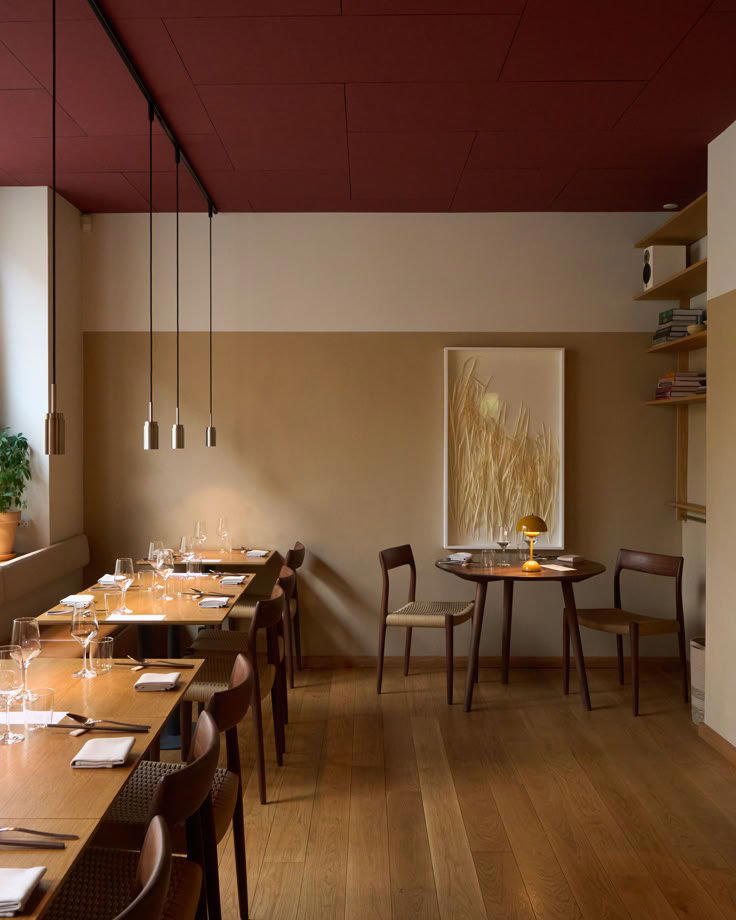
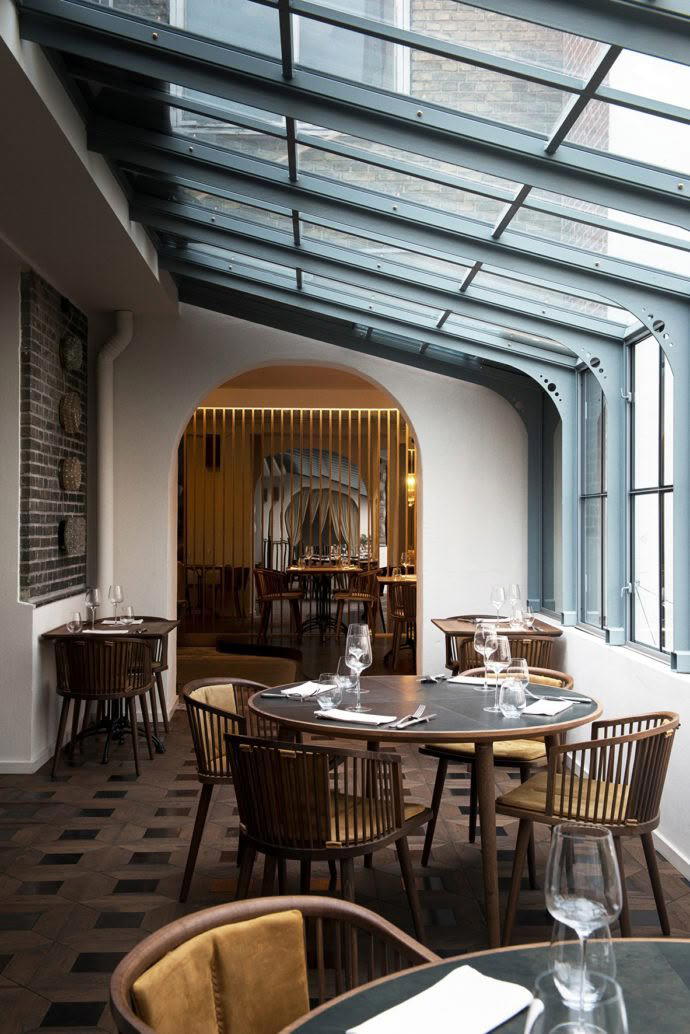
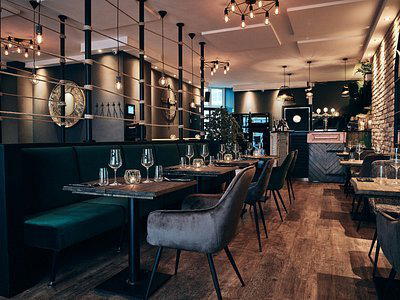
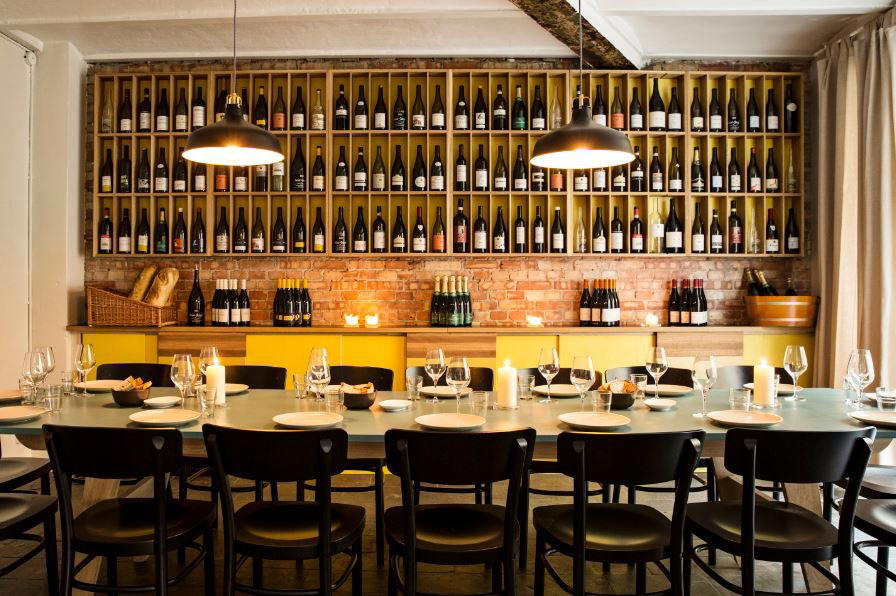
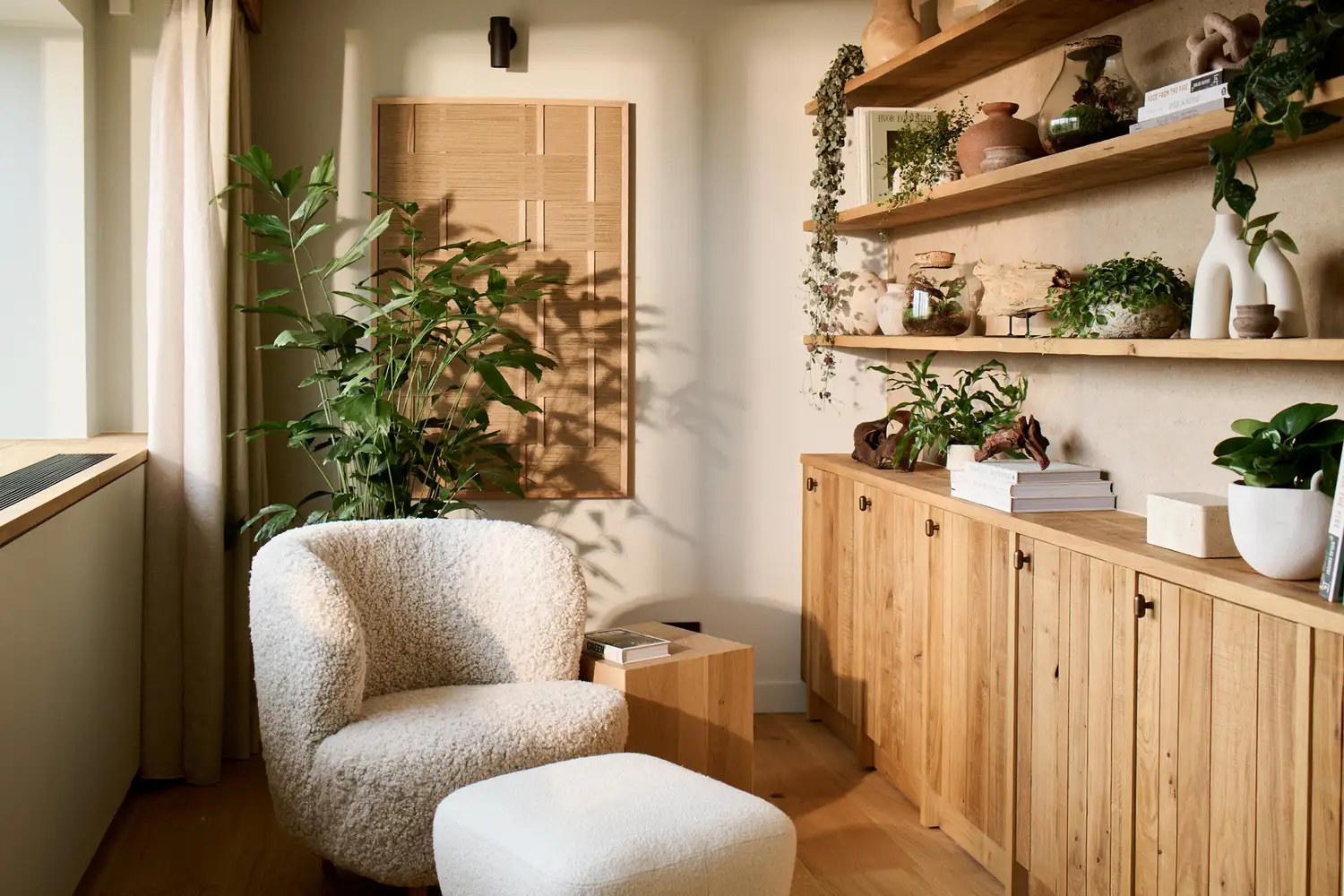
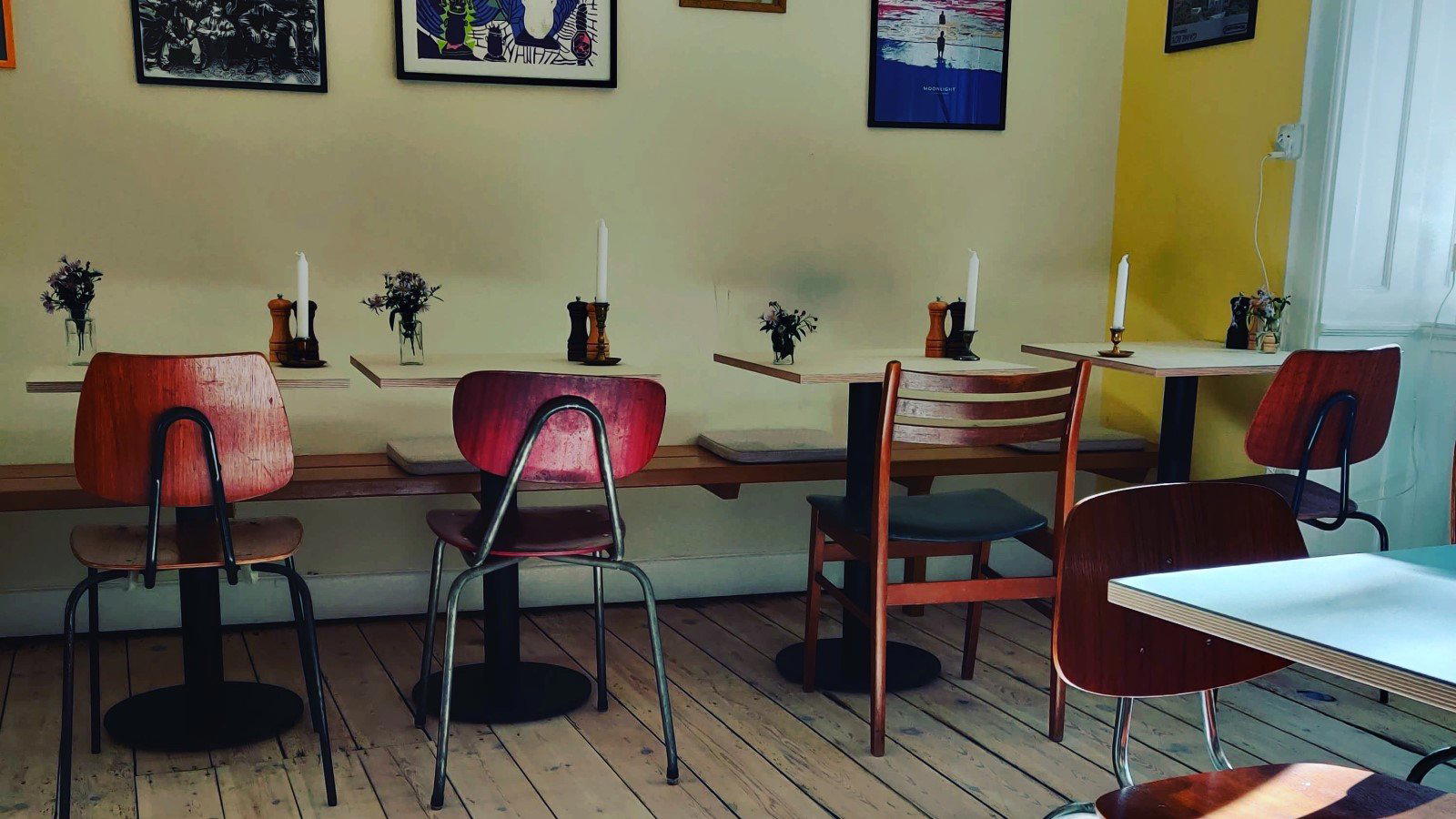
Neighbourhood restaurants in Copenhagen's denser districts tend to occupy spaces that predate their current use: former corner shops, old workshop units, ground-floor apartments repurposed with minimal intervention. The result is an aesthetic that favours raw material over designed finish. Safari follows this pattern. Baggesensgade 9 is not a large footprint, and the interior reflects Nørrebro's preference for stripped-back rooms where the cooking does the communicating rather than the decor. The seating arrangements in spaces of this type typically prioritise density and conviviality over privacy, placing tables close enough that conversations bleed between them and the room functions as a single shared space rather than a collection of discrete dining experiences. That physical intimacy is a deliberate feature of the format, not an accommodation to square footage constraints. It is what separates this tier of Copenhagen dining from the hushed, carefully spaced rooms of the city's fine-dining tier.
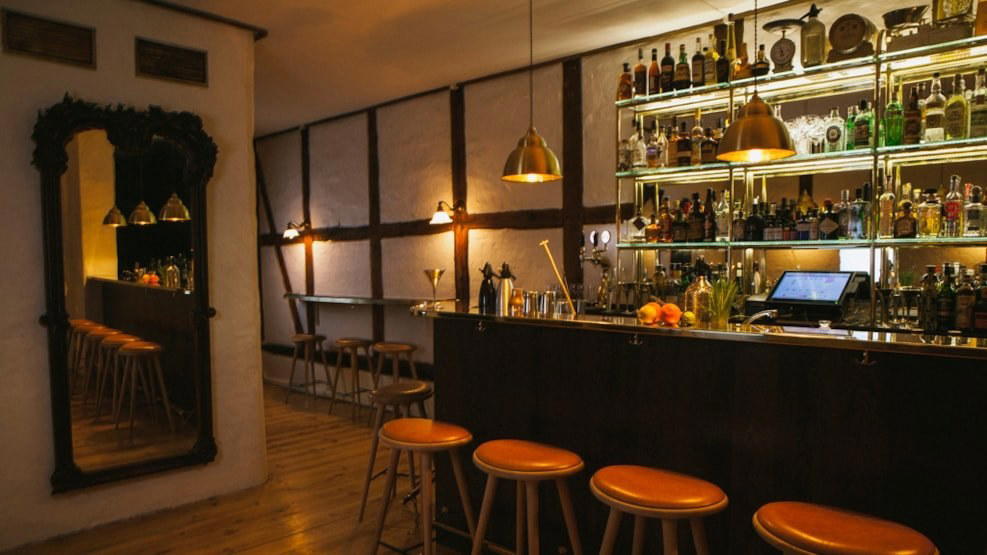
For a city that has spent considerable energy exporting a certain image of Nordic minimalism, Copenhagen's informal restaurant rooms often read as warmer and less austere than that reputation suggests. Exposed surfaces, ambient light levels calibrated for evening sociability, and service that moves at the rhythm of the room rather than a choreographed sequence all contribute to an environment where the meal feels embedded in neighbourhood life rather than extracted from it.
Menu Architecture: Vegetables, Fish, Occasion Meat
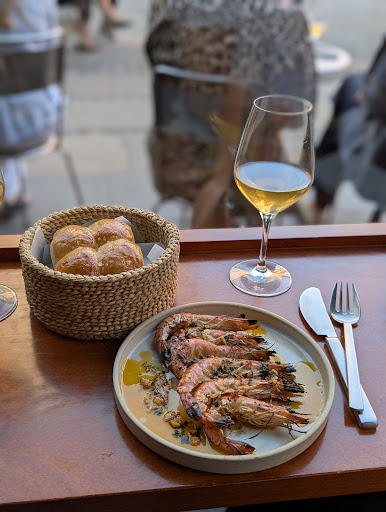
Safari's menu operates on a direct hierarchy: vegetables first, fish second, meat as a less frequent element. This is not the same as a vegetarian or plant-forward tasting menu in the way that Copenhagen's more architecturally ambitious restaurants might frame it. The approach here is closer to how restaurants in this price register across Scandinavia have started thinking about protein distribution, reflecting both cost structures and a broader shift in how diners in the region are composing their meals. The option to eat family-style or à la carte gives the table agency that a fixed tasting format removes. Family-style dining in particular suits the room's social configuration, where sharing dishes becomes an extension of the physical proximity the space enforces.
Fish-led menus at this price tier in Copenhagen occupy an interesting position in the broader Nordic tradition. The country's access to the North Sea and the Baltic means that fish cookery is not a specialty niche but a baseline competency, and restaurants in Nørrebro and similar neighbourhoods can work with high-quality product without the sourcing complexity that drives the more elaborate procurement narratives of the city's top-tier restaurants. At Noma and its successors, fish and seafood became subjects of extended technical elaboration. At Safari's level, the relationship is more direct, less mediated by process.
Natural Wine as Neighbourhood Currency
The wine programme at Safari follows a logic that has become near-standard in Copenhagen's casual-dining tier: natural producers, a list that privileges texture and character over varietal legibility, and an approach to service that assumes the guest is curious rather than expert. Natural wine has moved from point of differentiation to table stakes in this segment of the city's restaurant scene. Where a decade ago a natural wine list signalled a particular set of ideological commitments, it now reads more as shorthand for a kind of hospitality sensibility: lower intervention, greater informality, a preference for producers whose work aligns with the food's own ingredient-led ethos.
Orange wines are a frequent presence in lists of this type, given their structural compatibility with vegetable-forward cooking and their ability to handle fish without the flatness that some lighter whites bring to the table. Copenhagen's drinking culture has absorbed this format thoroughly enough that it no longer requires explanation on a menu or justification from a sommelier. It is simply how this tier of restaurant operates.
Where Safari Sits in the Copenhagen Picture
To understand Safari's position, it helps to map the range. At one end of the spectrum, Copenhagen holds some of the most scrutinised and technically demanding restaurants in Europe. Kadeau brings Bornholm's larder to central Copenhagen with a preserved-and-fermented precision that demands full attention. Jordnær in Gentofte operates at a Michelin two-star level that places it in conversation with European fine dining more broadly. At the other end, Nørrebro's neighbourhood restaurants serve a local population that eats out frequently and expects cooking of genuine quality without the corresponding formality or price point. Safari occupies the latter space, functioning as a local restaurant that happens to take its sourcing and its wine list seriously, rather than a destination restaurant that has chosen an accessible postcode.
This is a meaningful distinction in a city where the gap between the two tiers has narrowed considerably. The influence of Noma on Copenhagen's cooking culture was not limited to its direct alumni or its immediate imitators: it raised the baseline across the city, including in neighbourhood rooms that operate at a fraction of the cost. Safari is a product of that raised baseline, even if it sits nowhere near the fine-dining circuit that includes Geranium or Alchemist.
Planning a Visit
Safari is located at Baggesensgade 9 in the 2200 postcode, which places it in northern Nørrebro, accessible from the city centre by bicycle, the 5C bus, or a short taxi ride from the lakes. For broader context on where to stay while exploring this part of the city, our full Copenhagen hotels guide covers options across price tiers and neighbourhoods. If the evening calls for something beyond dinner, our Copenhagen bars guide maps the city's drinking scene with the same granularity. For a wider view of where Safari sits among Copenhagen's restaurants, including the full range from neighbourhood spots to starred destinations, see our full Copenhagen restaurants guide. Travellers interested in Denmark's dining scene beyond the capital will find reference points at Frederikshøj in Aarhus, Henne Kirkeby Kro, Alimentum in Aalborg, ARO in Odense, and Domæne in Herning. For international comparison points in the fish-and-seafood register, Le Bernardin in New York City represents the formal end of the spectrum, while Emeril's in New Orleans offers a different model of ingredient celebration in a relaxed-format room. Copenhagen's broader cultural and experiential offerings are covered in our full Copenhagen experiences guide, and wine-focused travellers can consult our Copenhagen wineries guide for the region's producers.
Frequently asked questions
Is Safari child-friendly?
The family-style serving format at Safari suits shared-table dining, which tends to work well with children who can eat across a range of vegetable and fish dishes. Nothing in the venue's setup points toward a formal or adult-only environment. That said, Baggesensgade 9 is a neighbourhood restaurant rather than a dedicated family venue, so a quieter weekday visit is a sensible call with young children.
Is Safari formal or casual?
Safari sits firmly on the casual end of the Copenhagen dining spectrum. The Nørrebro address, family-style service option, and natural wine list all signal a relaxed neighbourhood format rather than a ceremony-forward room. Think of it as the same register as the area's other produce-driven locals, not the white-tablecloth tier of the city's starred flagships.
What awards or recognition does Safari have?
Safari has received recognition including: The food at Safari is based on vegetables and fish, also with one or two meat servings. They serve family-style or à la carte. The wine selection is based on natural wines with a nice selection of ora....
What should I order at Safari?
The menu is structured around vegetables first, fish second, with meat appearing as a less frequent element — so the vegetable and fish courses are where the kitchen's attention is most concentrated. The family-style option lets a table cover more of the menu than à la carte ordering, which makes it the more efficient format for a first visit. The natural wine list is worth treating as part of the meal rather than an afterthought.
What's the address for Safari?
Safari is located at Baggesensgade 9, 2200 København, Denmark, Copenhagen.
How far ahead should I plan for Safari?
Safari is a Nørrebro neighbourhood restaurant rather than a destination counter with a months-long waitlist, but Copenhagen's better casual-dining spots fill quickly, particularly on weekends. Checking availability a week or two in advance is a reasonable baseline.
Recognition, Side-by-Side
Comparable venues nearby, for context on price, style, and recognition.
| Venue | Cuisine | Price | Awards | Notes |
|---|---|---|---|---|
| SafariThis venue — the venue you are viewing | Modern European sharing plates with Italian influences | $30–50 | Star Wine List · White Guide Denmark Restaurants - Fine Level | Not listed |
| Restaurant Lamar | Modern European Family-Style | $20–30 | Star Wine List | Vesterbro-Kongens Enghave |
| Maple Casual Dining | European Bistro | $50–100 | Not listed | Vesterbro-Kongens Enghave |
| Gro Spiseri | Organic Seasonal European | Not listed | We're Smart World 3 Radishes | Østerbro |
| Bavette | French Steakhouse | Not listed | Not listed | Indre By |
| Ravelinen | Traditional Danish | $50–100 | Not listed | Indre By |
Recognition history
Dated appearances from independent guides and award organizations, with the underlying list record or original source where available.
Star Wine List
Star Wine List
White Guide Denmark Restaurants - Fine Level
White Guide