

Star Wine List · White Guide Denmark Restaurants - Masters Level
Our verdict
One of Denmark's most historically significant hotels, Ruths has drawn summer visitors from Copenhagen to Skagen's northern tip for well over a century. The hotel sits at the edge of a landscape defined by North Sea light, artist colonies, and a dining tradition that prizes local catch and seasonal Nordic produce. It remains a fixed point in the Danish summer ritual of heading north.

Pearl is the En Primeur Club membership app — saves, bookings, and concierge access live there. Same editors, same standards.
- Address
- Hans Ruths Vej 1, 9990 Skagen, Denmark
- Phone
- +45 98 44 11 24
- Website
- ruths-hotel.dk
- Directions
- Get directions
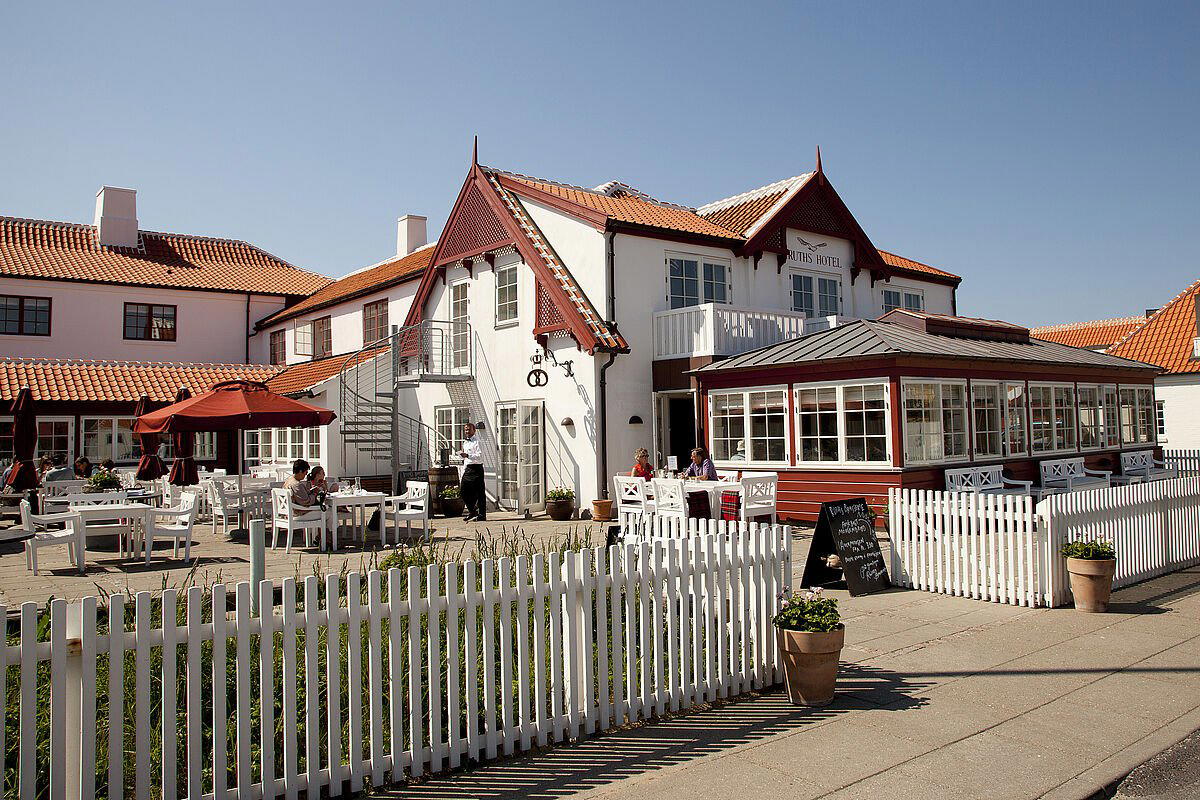
Where the North Sea Ritual Begins
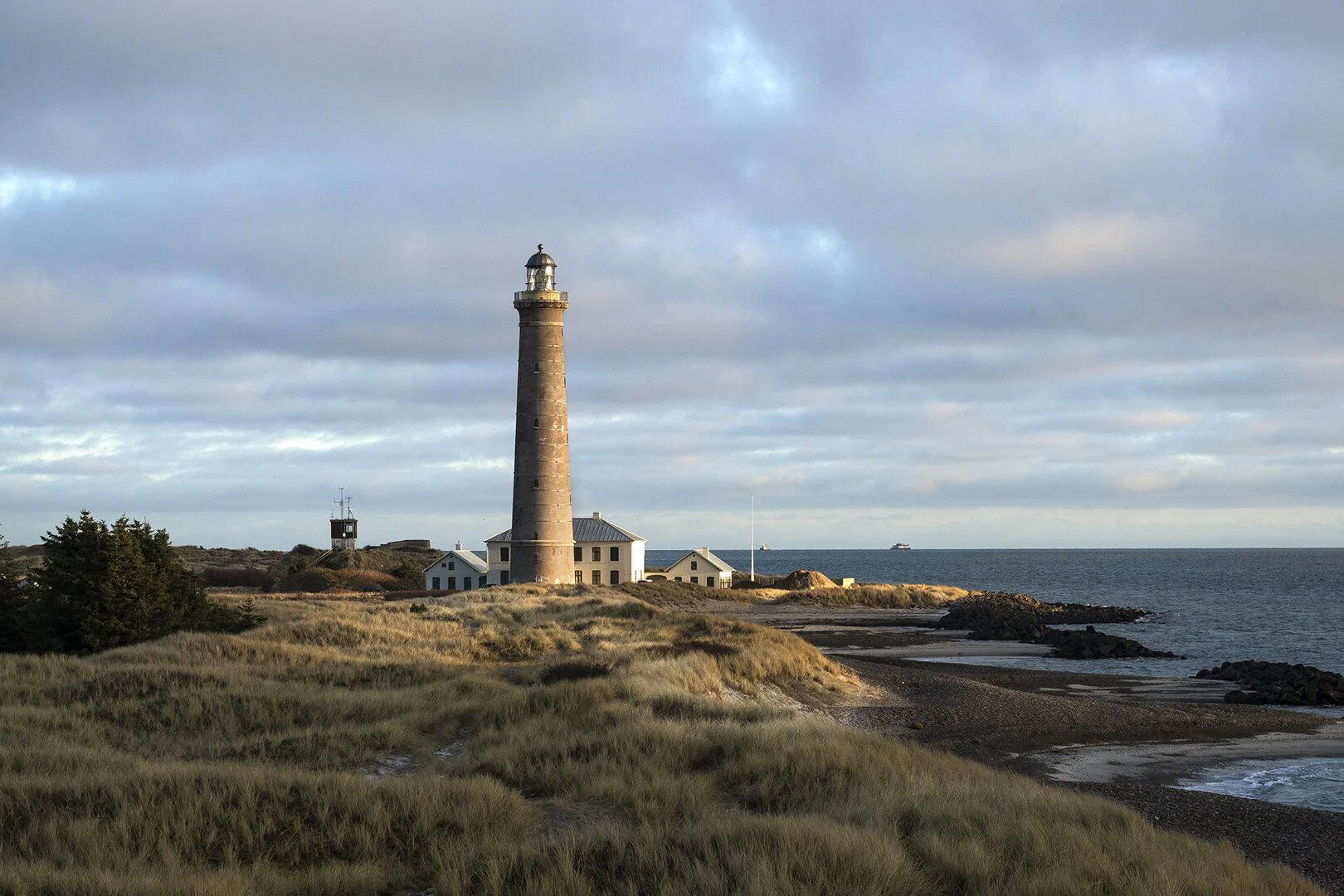
Skagen occupies a specific place in the Danish imagination that no other coastal town quite replicates. It sits at the very tip of Jutland, where the Skagerrak and Kattegat converge in visible, churning conflict, and where the light arrives at an angle that made it irresistible to a generation of Scandinavian painters in the late nineteenth century. The journey north from Copenhagen, whether by car across the bridge or by train through Jutland, has long been understood as something more than logistics. It is a seasonal act, a deliberate exit from the city's pace into something slower and more elemental. Ruths hotel, at Hans Ruths Vej 1, sits within that tradition not as a passive backdrop but as one of the fixed points around which the ritual organises itself.
The hotel is one of the most historically recognised in Denmark, and its reputation has been sustained over generations of summer visitors making the same pilgrimage north. Families who came decades ago send their children now. Copenhagen's professional class, which discovered Skagen as a warm-weather alternative to the crowded capital, has made Ruths a consistent part of that summer grammar. Understanding the hotel means understanding that cycle: it does not need to reinvent itself each season because its guests are, in large part, returning.
Skagen's Dining Tradition and Where Ruths Sits Inside It
The dining culture in Skagen draws from two overlapping traditions. The first is the harbour, which still lands plaice, sole, and langoustine from waters that Michelin-recognised chefs elsewhere in Denmark source specifically for their provenance. The second is the summer-house sensibility: long tables, unhurried pacing, meals that stretch across an afternoon or an evening without apology. At its most accomplished, this tradition sits alongside some of Denmark's most serious restaurant cooking. Jordnær in Gentofte and Frederikshøj in Aarhus represent the technical ceiling of contemporary Nordic cuisine, while Henne Kirkeby Kro in Henne has shown that rural Danish hospitality and serious cooking are not mutually exclusive propositions. Ruths positions itself differently: as a destination that earns its place through continuity and context rather than through innovation or awards-circuit recognition.
Comparison worth making in Skagen itself is with Brøndums hotel, another historically significant address whose walls are hung with work from the Skagen Painters. Both properties carry the weight of that cultural moment; both attract guests who are as interested in where they are eating as in what they are eating. The difference is primarily one of atmosphere and audience. For dining options that represent the more contemporary end of Skagen's offer, Blink provides a useful counterpoint, with a format built around a shorter, more focused menu.
The Rhythm of a Meal Here
In hotels of this vintage and character, the dining ritual carries its own conventions. Guests rarely arrive in a rush. The proximity to the harbour, the quality of the evening light, and the hotel's accumulated sense of occasion all encourage a pace that urban restaurants have to construct artificially. A table at Ruths is typically a commitment to the evening rather than a transaction within it. That unhurried register is less a service philosophy than a product of where the hotel sits, geographically and historically, within Danish hospitality.
The ingredients available to any serious kitchen in Skagen represent one of the strongest regional arguments in Scandinavian cooking. The cold waters of the northern Kattegat produce shellfish and flatfish with a clarity and sweetness that kitchens further south pay premium prices to access. Hotels operating in this context have an obligation, which the best of them meet, to let that provenance carry weight on the plate rather than burying it beneath technique. The broader Danish dining tradition, which has spent two decades in conversation with Noma in Copenhagen, has largely settled on a version of this principle: restraint in preparation, seriousness about sourcing.
Beyond Skagen, Denmark's regional dining network has expanded significantly. Alimentum in Aalborg, ARO in Odense, Domæne in Herning, Dragsholm Slot Gourmet in Hørve, and Frederiksminde in Præstø each reflect the degree to which serious cooking has dispersed beyond Copenhagen. Ruths sits within a different tier of that picture, one defined by historical identity and summer destination status rather than by tasting-menu ambition, but the broader context matters: guests arriving in Skagen are increasingly calibrated to expect something more than functional hotel cooking.
Planning a Stay in Skagen
Skagen operates on a pronounced seasonal calendar. The summer months, June through August, account for the majority of visitor traffic, and hotels at Ruths' level fill well in advance during that window. Guests travelling from Copenhagen should expect a journey of approximately four to five hours by train, or slightly less by car, making this a destination that rewards a stay of at least two nights rather than a day trip. The northern tip of Denmark offers enough beyond the hotel itself, including the shifting sand dune of Råbjerg Mile, the Skagen Museum's collection of Skagen Painters work, and Grenen, the actual meeting point of the two seas, to justify the extended commitment. For a broader picture of what Skagen offers across categories, see our full Skagen restaurants guide, our full Skagen hotels guide, our full Skagen bars guide, our full Skagen wineries guide, and our full Skagen experiences guide.
For international visitors comparing Ruths to hotel-restaurant combinations in other contexts, the frame of reference is less the technically driven formats of Le Bernardin in New York City or Emeril's in New Orleans and more the European tradition of the grand provincial hotel: a property where the dining room is inseparable from the building's history, and where the guest is expected to slow down to match the rhythm of the place.
Frequently asked questions
How do I find Ruths hotel?
Ruths hotel is located at Hans Ruths Vej 1, 9990 Skagen, Denmark, Skagen.
What awards or recognition does Ruths hotel have?
Ruths hotel has received recognition including: Ruths is one of the most historical and well-known hotels in Denmark. Every summer, many people from the northern part of Copenhagen travel to Skagen and Ruths. The hotel is located right next to the....
What do people recommend at Ruths hotel?
Guests consistently point to the hotel's dining room, which draws on Skagen's harbour landings of plaice, sole, and langoustine. The setting itself is part of the draw: Ruths is one of the most historically recognised hotels in Denmark, and the dining experience carries the weight of that context. Arriving without a reservation in peak summer is a gamble worth avoiding.
Can I walk in to Ruths hotel?
Skagen's summer season, running June through August, concentrates the majority of visitor traffic in a short window, and Ruths is among the town's most established addresses. Walk-ins may find availability outside those months, but the hotel's reputation as one of Denmark's most recognised coastal properties means advance booking is the standard approach for summer stays or dining.
What's the signature at Ruths hotel?
The signature is less a single dish than a position: Ruths sits adjacent to the harbour at the northernmost tip of Jutland, where the Skagerrak and Kattegat meet. That geography shapes the kitchen's sourcing, with locally landed seafood central to the menu. The hotel's long-standing status in Danish coastal culture gives it a weight that newer properties in the region cannot replicate.
Can Ruths hotel accommodate dietary restrictions?
Hotels of Ruths' standing and operational history in Denmark typically coordinate dietary requirements when notified at the time of booking. Given the kitchen's reliance on locally sourced seafood from Skagen harbour, guests with specific restrictions are best served by contacting the hotel directly at Hans Ruths Vej 1, 9990 Skagen, ahead of their visit.
Why do so many Copenhagen visitors make the trip to Ruths Hotel in Skagen each summer?
Ruths has drawn visitors from Copenhagen and the northern regions of Denmark for generations, a pattern documented in its awards record as one of the country's most historically significant hotels. Skagen itself occupies a particular place in Danish cultural memory, associated with the late 19th-century artists' colony that made the town's light and landscape famous. For many Danish travellers, a summer stay at Ruths is less a holiday choice than a seasonal ritual.
What It’s Closest To
Comparable venues nearby, for context on price, style, and recognition.
| Venue | Cuisine | Price | Awards | Notes |
|---|---|---|---|---|
| Ruths hotelThis venue — the venue you are viewing | French Brasserie | Not listed | Star Wine List · White Guide Denmark Restaurants - Masters Level | Not listed |
| Brøndums hotel | Classic Danish Fine Dining | $50–100 | Star Wine List · Wine Spectator Best of Award of Excellence | Skagen |
| Blink | Seasonal Nordic Seafood | Not listed | Star Wine List | Skagen |
| Pakhuset | Danish Seafood | $20–30 | Not listed | Skagen harbor |
| Hjorths Badehotel | Modern Danish Seasonal | $50–100 | Not listed | Kandestederne, Skagen |
| Ôke | Modern Japanese-Nordic Fine Dining | $150–200 | 1 Michelin Star | Skagen |
Recognition history
Dated appearances from independent guides and award organizations, with the underlying list record or original source where available.
Star Wine List
Star Wine List
White Guide Denmark Restaurants - Masters Level
White Guide
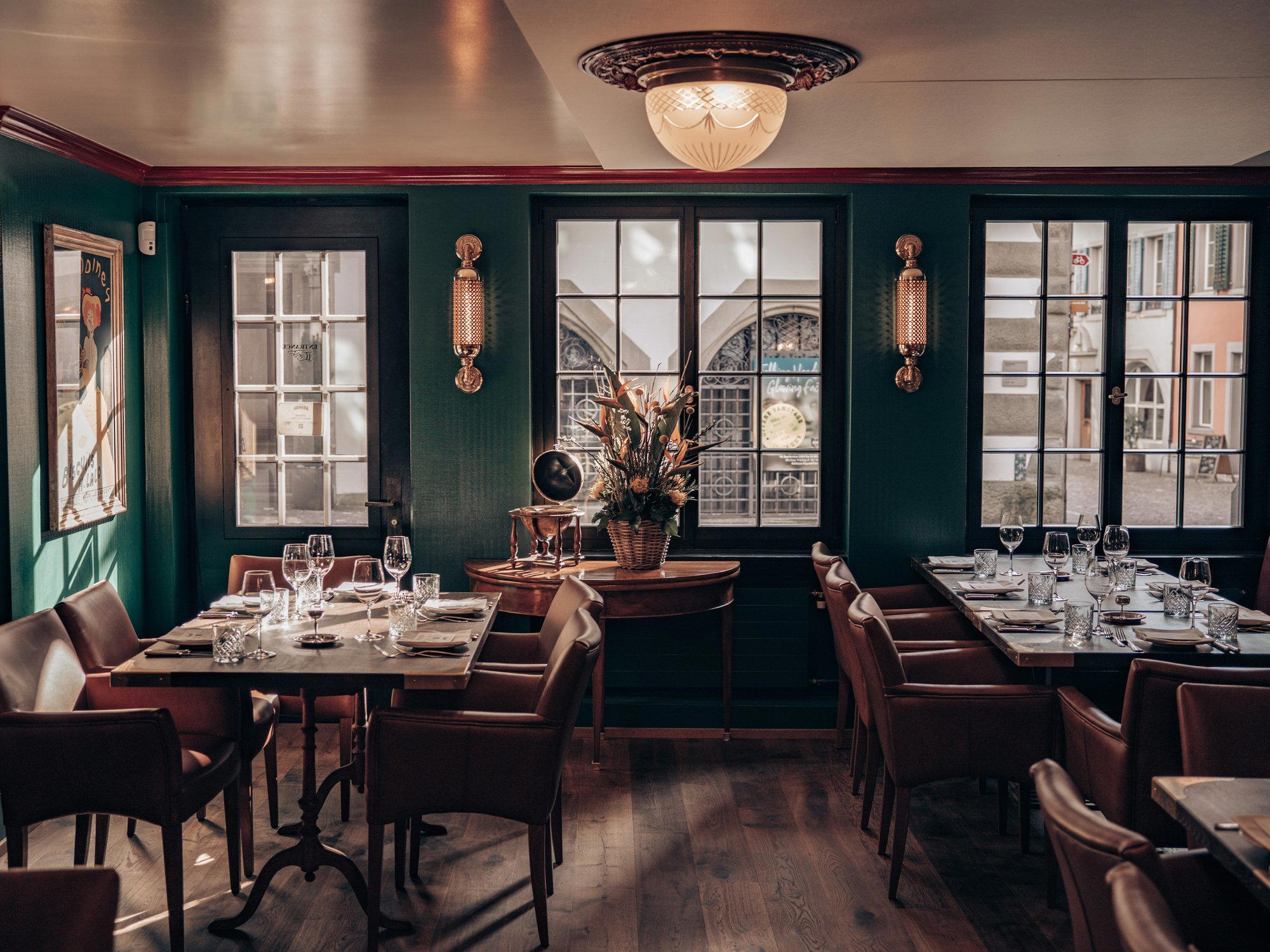
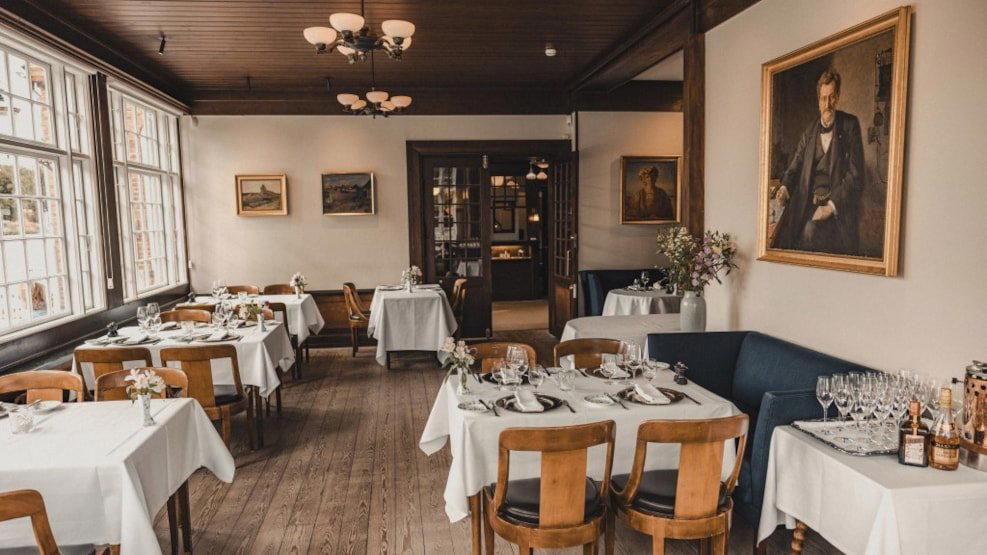
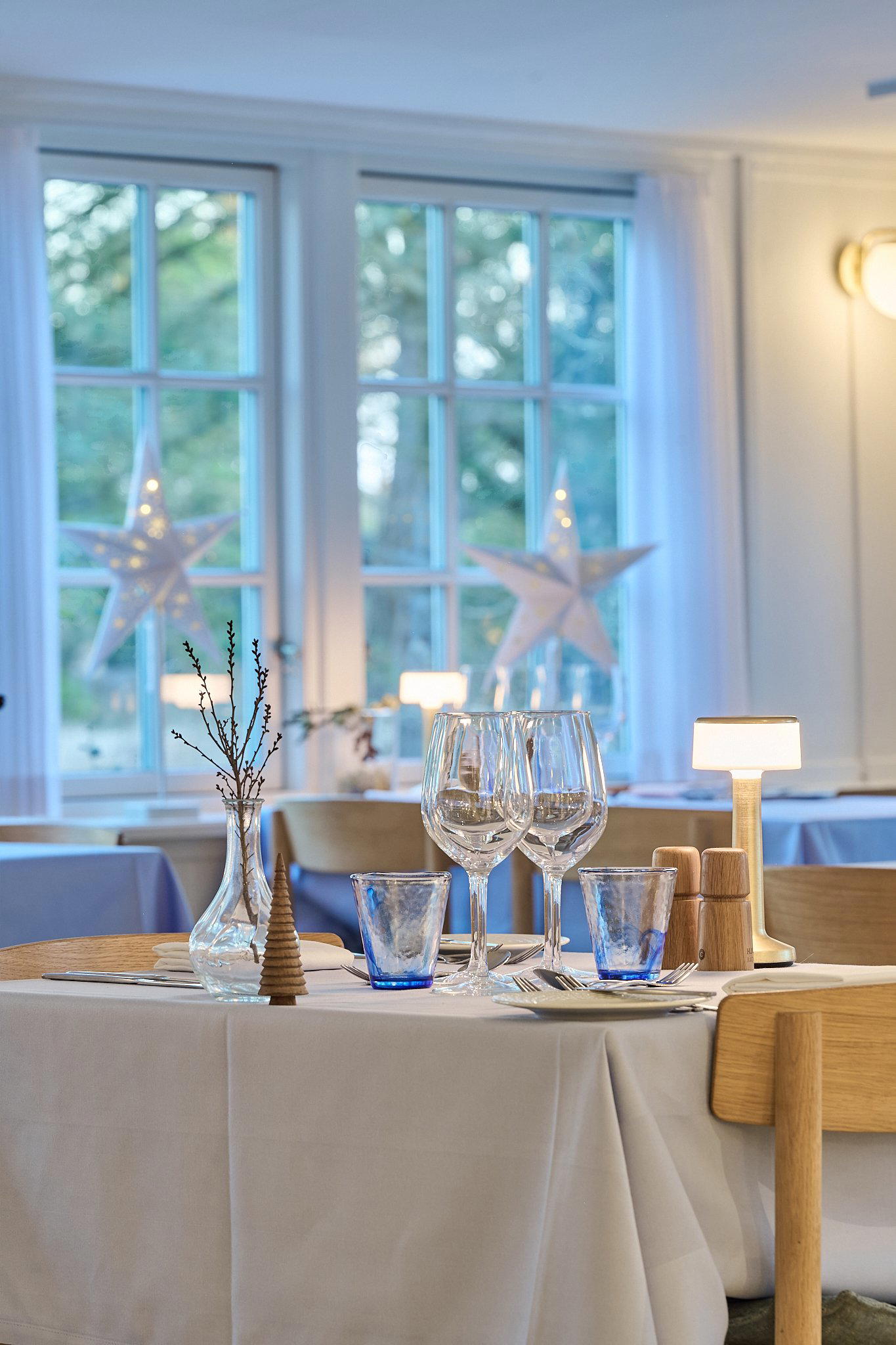
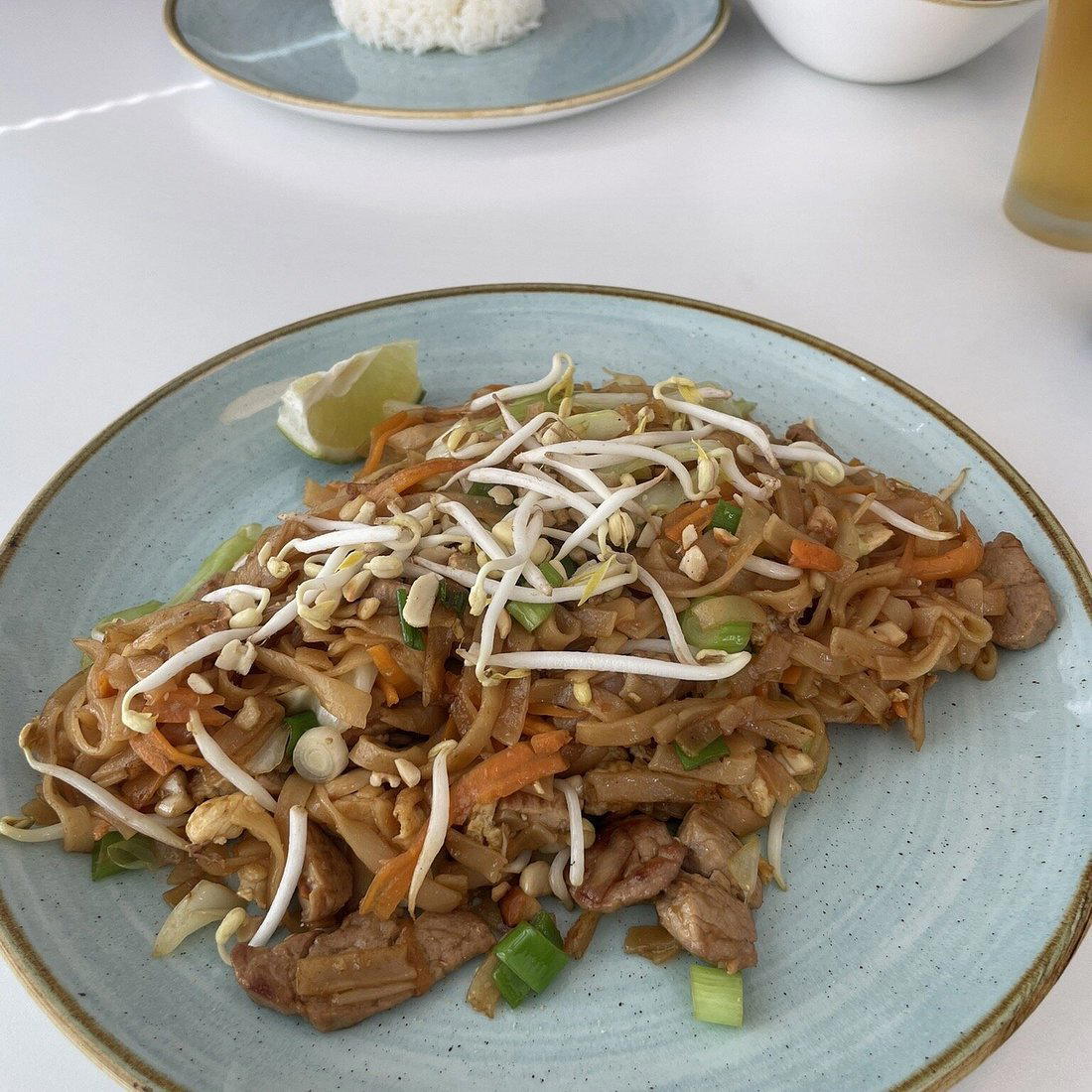

Ruths hotel
The wine
- Wine program
- Curated wine list
- Extensive wine list
Details
- Elegant
- Cozy
- Sophisticated
- Date Night
- Special Occasion
- Hotel Restaurant
- Extensive Wine List
- A La Carte
- Vegetarian Friendly
Cozy and inviting with stylish rooms, quiet atmosphere, and attentive service praised in guest reviews.