
Blink sits at the tip of Denmark on Fyrvej 36, where the North Sea and Skagerrak converge and ingredient sourcing is shaped by geography as much as by choice. Recognised by Star Wine List with a White Star in 2024, it occupies the quieter, more serious end of Skagen's dining scene, a town whose fishing heritage gives its kitchens a supply chain that most restaurants can only approximate.
Pearl is the En Primeur Club membership app — saves, bookings, and concierge access live there. Same editors, same standards.
- Address
- Fyrvej 36, 9990 Skagen, Denmark
- Phone
- +45 22 28 80 80
- Website
- blinkblinkblink.dk
- Directions
- Get directions
 Saves & bookings on Pearl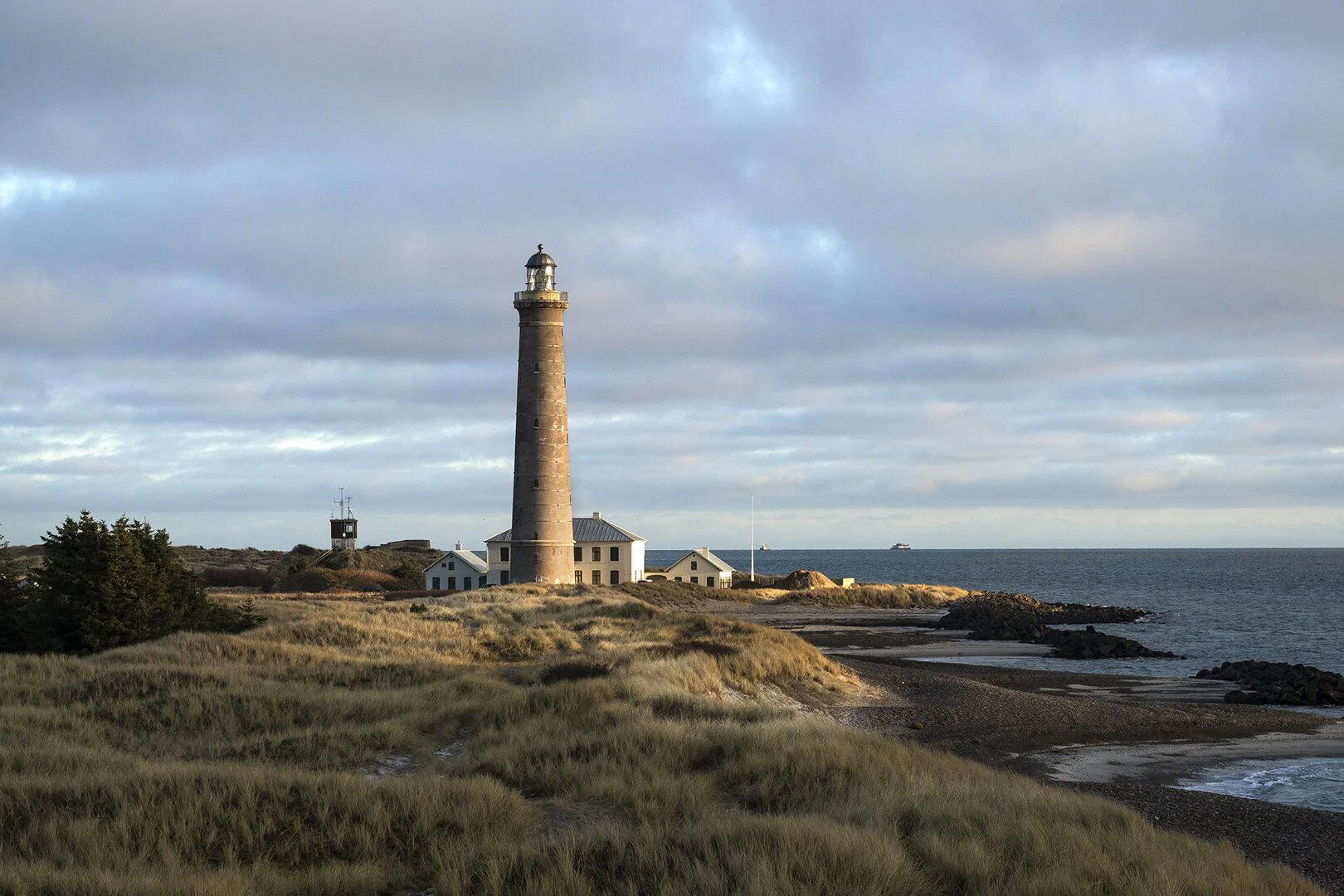
Where the Two Seas Meet the Plate
Blink is a restaurant in Skagen, Denmark, with. Skagen sits at the northernmost tip of the Jutland peninsula, where the North Sea and the Skagerrak meet in a visible collision of currents at Grenen. That geography is not incidental to its food culture. The same waters that made Skagen a working fishing port for centuries now supply its restaurants with a proximity to raw material that shapes how they cook. Blink, at Fyrvej 36, operates inside that tradition, positioned close to the lighthouse road that runs toward the headland, it draws on a coastal supply chain that is, by any practical measure, as short as it gets in Denmark.
The restaurant earned a White Star from Star Wine List, published in April 2024, which places it among a curated tier of addresses recognised for serious wine programs alongside their food. That combination, committed wine selection in a location defined by seafood proximity, positions Blink within a specific niche: serious, ingredient-led dining at the geographic edge of the country, where sourcing is a function of place rather than marketing language.
The Sourcing Logic of the Far North
The New Nordic movement, which Noma in Copenhagen codified into international vocabulary over the past two decades, argued that Scandinavian kitchens should draw from their immediate environment with discipline and specificity. That argument has since filtered through the Danish dining scene at every price point and in every region. In Skagen, the argument barely needs making. The fishing boats go out and come back. The catch moves from harbour to kitchen in hours rather than days. What arrives on the plate carries a provenance that restaurants elsewhere spend considerable effort trying to simulate.
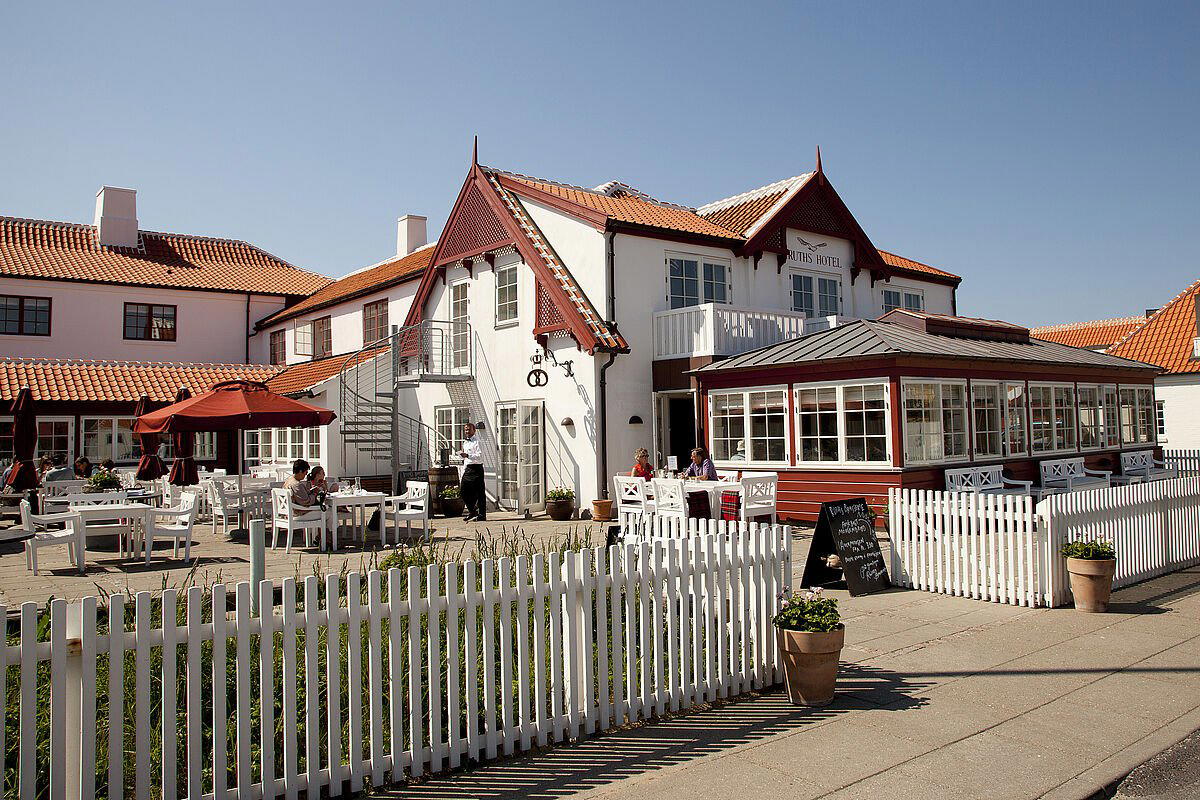
This is the sourcing context that makes Skagen worth taking seriously as a dining destination, not merely as a scenic stop on a Jutland road trip. Addresses like Brøndums hotel and Ruths hotel have built long-standing reputations around exactly this proximity. Blink enters that conversation as a more contemporary register, the White Star recognition from Star Wine List signals a kitchen that takes what the coast provides and matches it against a wine program with editorial intent.
Compare this to how similar sourcing ambitions play out elsewhere in Denmark. Henne Kirkeby Kro in Henne on the west Jutland coast, or Dragsholm Slot Gourmet in Hørve on Zealand, operate from comparable premises: proximity to a particular landscape gives the kitchen a supply logic that urban restaurants cannot replicate regardless of sourcing budget. At Blink, the relevant raw material is oceanic rather than agricultural, and the North Sea and Skagerrak deliver a depth of choice, from flatfish and crustaceans to cold-water shellfish, that reflects the specific character of the meeting point at Grenen.
Skagen's Dining Position in the Wider Danish Scene
Denmark's fine dining concentration sits heavily in Copenhagen, where Jordnær in Gentofte, Frederikshøj in Aarhus, and Alchemist occupy the highest recognition tiers. Outside the capital and Aarhus, serious dining tends to cluster around destination properties, restaurants whose location is itself the argument for the journey. Skagen fits this model precisely. It is not a convenient stop; it requires intention. Visitors do not pass through on the way to somewhere else. That self-selection filters toward guests who are already invested in the experience, which creates conditions where a kitchen can take sourcing and wine seriously without the commercial pressure of high-volume foot traffic.
Regional peers like Alimentum in Aalborg and ARO in Odense operate within cities that provide a steady local dining population. Blink and its Skagen contemporaries depend more heavily on seasonal visitors and destination travellers, which concentrates the dining season and raises the stakes for each service. That dynamic tends to sharpen kitchens: when the window is short, the sourcing relationships, the menu decisions, and the wine list all need to be prepared with clarity.
Wine Recognition and What It Signals
Star Wine List's White Star designation is awarded to restaurants that demonstrate a coherent, well-considered wine offering, it is not an automatic accolade for length of list or price ceiling. Earning it at a coastal destination restaurant in a small Danish town suggests a program with genuine curation behind it, one that speaks to the kitchen's output rather than operating independently of it. The pairing logic at a seafood-proximate restaurant like Blink tends toward cool-climate whites, textured Burgundian styles, and Champagne, though without the specifics of the current list it would be reductive to be more prescriptive than that. What the White Star confirms is that wine is being taken seriously as part of the meal's architecture.
This positions Blink in an interesting comparable set internationally. Coastal tasting-menu restaurants with serious wine programs, the category that includes addresses like Le Bernardin in New York City at its most formal expression, tend to share a conviction that the provenance of the ingredient and the sourcing logic of the cellar should reinforce each other. At Blink's scale and setting, that ambition reads differently: less ceremony, more directness, the informality that comes from operating at the edge of the world rather than the centre of a major city.
Planning Your Visit
Skagen is a seasonal destination in the way that lighthouse-road restaurants tend to be: summer draws the largest volume of visitors, and the long Danish summer evenings create a dining atmosphere with almost no equivalent elsewhere in the country. Fyrvej 36 is accessible by car from Skagen town centre, along the road toward the lighthouse and Grenen headland. Given the town's size and the concentration of serious dining options, it is worth approaching Skagen as a short stay rather than a day trip, the full Skagen hotels guide covers accommodation options for those combining dinner at Blink with a longer visit to the peninsula. For context on the wider food and drink scene, the Skagen restaurants guide, Skagen bars guide, Skagen wineries guide, and Skagen experiences guide cover the full range of what the tip of Denmark currently offers.
At-a-Glance Comparison
Comparable venues nearby, for context on price, style, and recognition.
| Venue | Cuisine | Price | Notes |
|---|---|---|---|
| BlinkThis venue — the venue you are viewing | Seasonal Nordic Seafood | $$ | Not listed |
| Skagen Bryghus | Danish Brewery Gastropub | $$ | Skagen |
| Hjorths Badehotel | Modern Danish Seasonal | $$$ | Kandestederne, Skagen |
| Pakhuset | Danish Seafood | $$ | Skagen harbor |
| Ruths hotel | French Brasserie | $$$ | Højen |
| Brøndums hotel | Classic Danish Fine Dining | $$$$ | Skagen |
Recognition history
Dated appearances from independent guides and award organizations, with the underlying list record or original source where available.
Star Wine List
Star Wine List
Continue exploring
More in Skagen
At a Glance
- Minimalist
- Cozy
- Scenic
- Modern
- Date Night
- Casual Hangout
- Waterfront
- Open Kitchen
- Natural Wine
- Local Sourcing
- Street Scene
Current opening hours
- Monday
- Closed
- Tuesday
- Closed
- Wednesday
- Closed
- Thursday
- Closed
- Friday
- 10 AM–4 PM
- Saturday
- Closed
- Sunday
- Closed
Hours can change for holidays and private events. Last verified .
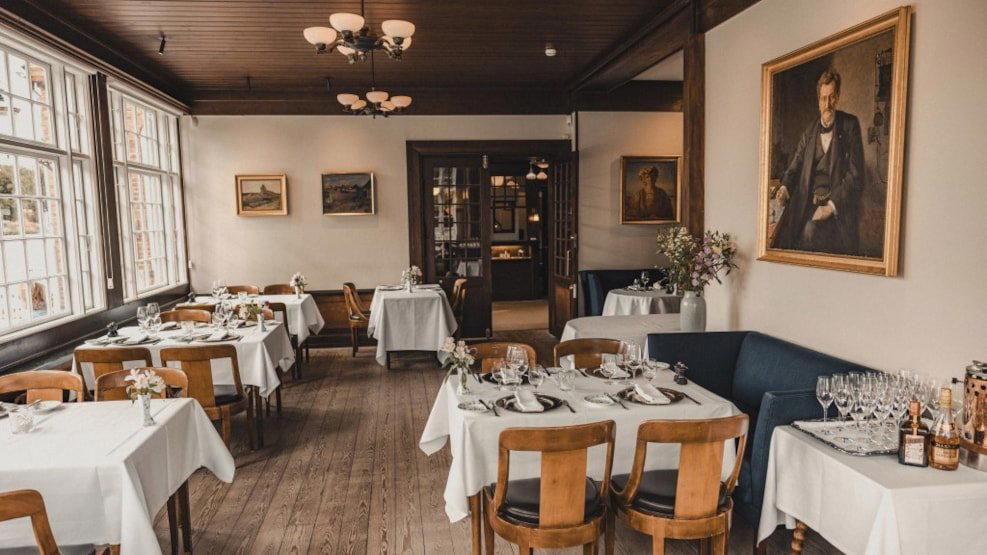
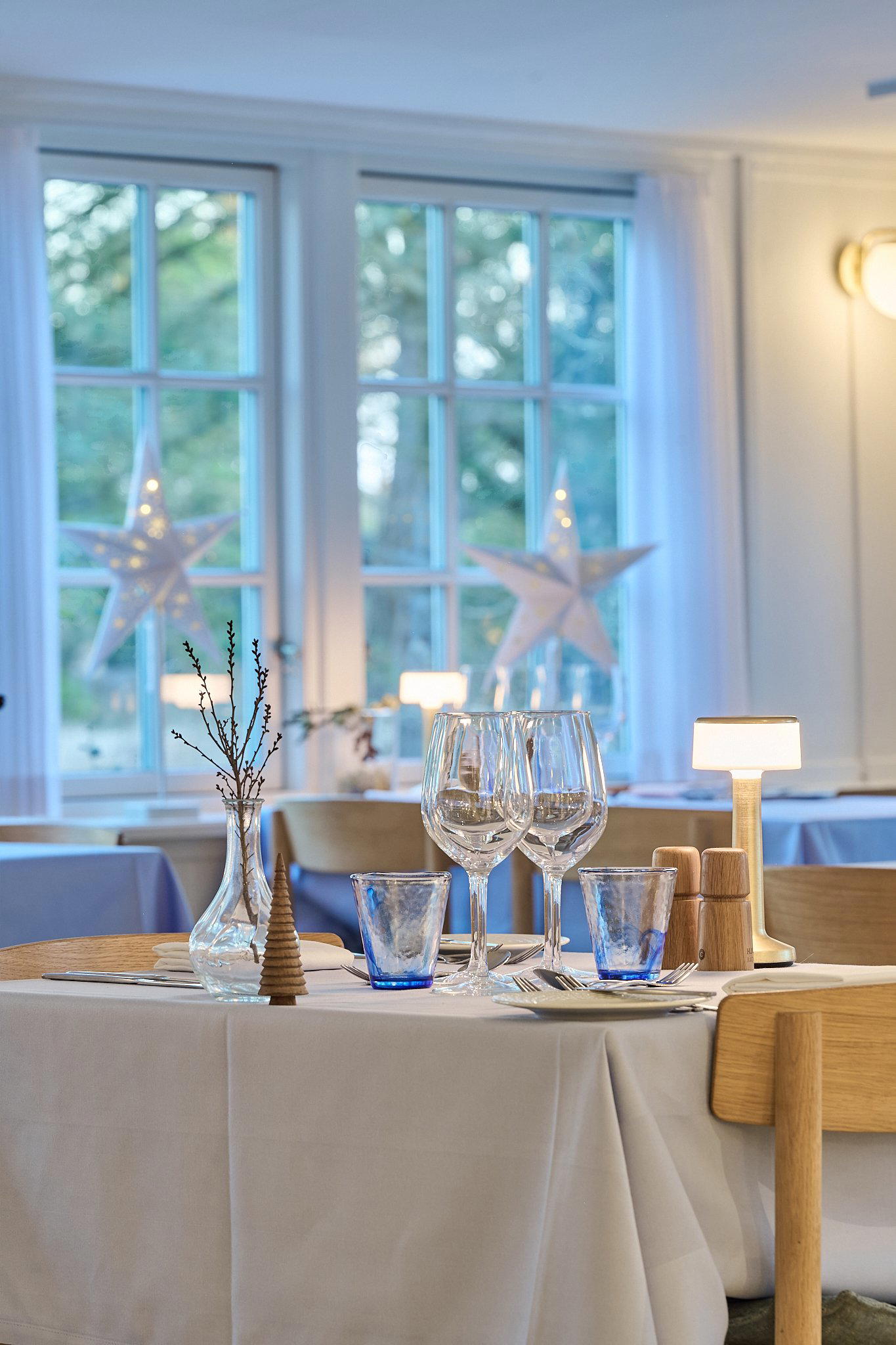
Minimalist Scandinavian design with pale tones, natural woods, large windows framing coastal dunes and natural light, creating a quietly dramatic and relaxed coastal atmosphere.