
Tabelog 100 #61
Our verdict
RUSTEAKS belongs to Tokyo’s compact steak-and-grill tier rather than the city’s wagyu-theatre circuit. Its reputation rests on aged beef, lamb, oysters, wine service, and repeat selection for Tabelog’s Steak / Teppanyaki EAST 100, making it a Hiroo address for diners who want the meal paced around grilling, sharing, and bottle choice rather than counter performance.

Pearl is the En Primeur Club membership app, where members save venues, book tables and use the concierge.
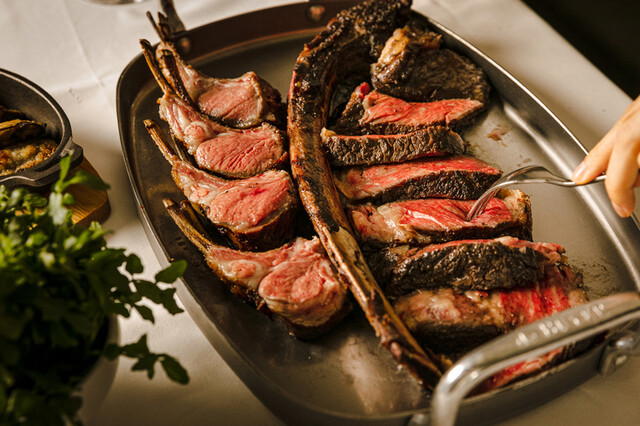
Tokyo’s dining rhythm can be quieter than the ceremony of its most formal rooms and less performative than its late-night gloss. In that setting, the steakhouse ritual becomes pacing, heat, wine, and balance between richness and restraint. RUSTEAKS suits this Tokyo mood: a grill-led room for a business table, family meal, or small celebration without turning dinner into theatre.
Tokyo runs several luxury meat traditions in parallel. Teppanyaki foregrounds chef and iron plate; yakiniku hands responsibility to the table; sukiyaki and shabu-shabu build ritual through broth, egg, and sequence. The American-leaning steakhouse sits apart: large-format appetite, purposeful sides and vegetables, wine as structure, and a tempo that lets the table talk. It is easy to do lazily and difficult to do with discipline in a city quick to notice heat control, trimming, seasoning, and value.
A Tokyo steak ritual built around heat, wine, and the table
Read RUSTEAKS not as a generic Western restaurant in Tokyo, but as one of the city’s grill-led dining rooms competing on execution and meal architecture. The specific appeal is less about importing a template than about making a steakhouse format work in Tokyo: direct cooking, appetite, conversation, and a table that can move at its own pace.
The category listing, steak, American, hamburger, signals range. This is not kaiseki logic translated into beef, nor a tasting-menu steak counter. It belongs to the steakhouse family, built on appetite and occasion, but the Tokyo version must meet sharper expectations around portion control, smoke, seasoning, and service rhythm. Tabelog’s recognition of RUSTEAKS in 2025, with a listed score of 3.69 and dinner budget of JPY 10,000 - JPY 14,999, gives the room a measurable signal in that competitive field. The award does not formalize the meal; it places the restaurant in a peer group where consistency matters.
Tokyo is a logical setting. The city draws business diners, long-stay residents, and visitors seeking polished restaurants without turning every meal into a high-ceremony event. Compared with nearby or related dining choices such as MANOIR, Pellegrino and ペレグリーノ, or local staples including Chuka Kosai JASMINE Hiroo honten and fummy's grill, the steakhouse proposition is less about a chef’s extended sequence than the social mechanics of a table: what to order, how the evening should move, how much wine to open, and whether the meal is for conversation or ceremony.
The etiquette is less formal than fine dining, but the decisions matter
Steakhouse etiquette in Tokyo rewards clarity. Order with the table in mind, not as isolated plates. If steak anchors the meal, supporting dishes can widen it without making dinner a scattered survey. The point is not a hushed counter progression, but a sequence of choices that sharpens or dulls the evening.
Wine is another signal in this style of restaurant. The steakhouse format often works best when the bottle shapes the meal and the table’s appetite sets the pace. For Tokyo diners used to omakase, this is another kind of control: the guest decides how expansive or restrained the evening should feel.
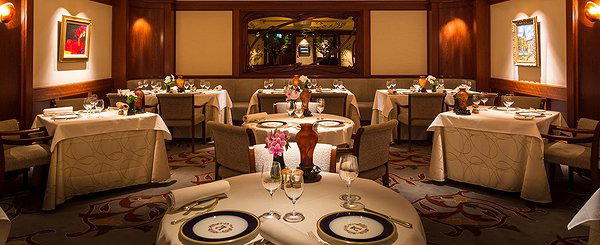
The room’s tone is best understood as polished rather than ceremonial. RUSTEAKS sits in the category space of steak, American cooking, and hamburger, which gives it more flexibility than a strict counter format while still asking the table to treat the meal as deliberate. That balance is what separates a serious steak dinner from a casual stop.
Mixed groups should still plan ahead. Steak-led rooms can be easy for some diners and complicated for others, especially when preferences or restrictions differ across a table. The safer etiquette is to confirm any specific needs before the meal rather than negotiate them once seated.
How it fits into a wider Tokyo itinerary
RUSTEAKS makes sense on an itinerary that already includes Tokyo’s more ritualized dining forms. A visitor spending one night on yakitori, another on charcoal or seafood, and another on a different urban format gets a clearer picture of how Tokyo handles heat, sequence, and conviviality across categories. A Tokyo steakhouse dinner then becomes comparative, not a fallback Western option.
That comparison extends across Japan’s broader dining map, from curry specialists and regional casual rooms to Kyoto minimalism, visual cafe culture, and meat served through Japanese customs such as sukiyaki. The useful contrast is not a list of names, but the way each format assigns responsibility: chef, counter, grill, broth, bottle, or table. RUSTEAKS belongs to the table-led side of that spectrum.
The broader lesson is that Tokyo rewards diners who choose format before fame. Steak in Tokyo is not imitating the city’s sushi counters or French tasting rooms. It works when the table wants a slower, bottle-aware dinner with enough structure to feel deliberate and enough looseness for conversation. For wider planning, Our full Tokyo restaurants guide gives the dining context, while Our full Tokyo hotels guide, Our full Tokyo bars guide, Our full Tokyo wineries guide, and Our full Tokyo experiences guide help place the meal inside a larger trip. Travellers extending the comparison overseas can treat unnamed Japanese dining rooms abroad as reminders that dining rituals change meaning when they cross borders.
Frequently asked questions
What price level is RUSTEAKS?
Pricing at RUSTEAKS is listed as Dinner: JPY 10,000 - JPY 14,999; Lunch: JPY 3,000 - JPY 3,999.
What's RUSTEAKS's location?
RUSTEAKS is located in Tokyo.
Do they take walk-ins at RUSTEAKS?
The provided listing does not establish walk-in availability. Treat same-day seating as uncertain and contact the restaurant directly at +81-3-6277-1963.
What has RUSTEAKS built its reputation on?
RUSTEAKS is listed by Tabelog Hyakumeiten for 2025, with a score of 3.69. Its categories are steak, American, and hamburger.
Can RUSTEAKS adjust for dietary needs?
The provided listing does not specify dietary accommodations. Diners with specific needs should contact the restaurant in advance, especially for a steak-led meal in Tokyo.
Cuisine Context
Comparable venues by cuisine and category.
| Venue | Cuisine | Price | Awards | Notes |
|---|---|---|---|---|
| RUSTEAKSThis venue (the venue you are viewing) | Modern Steakhouse | $100–150 | Tabelog 100 #61 | Not listed |
| Ochiai Rou Steak House Tokyo | Modern Wagyu Teppanyaki Steakhouse | $100–150 | Tabelog 100 #70 | Minato |
| Wolfgang's Steakhouse Marunouchi Tokyo | Classic American Steakhouse | $150–200 | Star Wine List · Wine Spectator Best of Award of Excellence | Chiyoda |
| Ginza Hirayama | Binchotan-grilled A5 Wagyu steakhouse | $500+ | Tabelog 100 #63 | Chūō |
| Kuriya Otona Kurogi | Japanese sweets & kakigori cafe | $20–30 | Tabelog 100 #81 | Ueno |
| Manten Sushi (まんてん鮨) | Edomae Omakase Sushi | $50–100 | Not listed | Marunouchi |
Recognition history
Dated appearances from independent guides and award organizations, with the underlying list record or original source where available.
Tabelog 100 #61 · No. 61
Tabelog · Tabelog 100 - Steak / Teppanyaki - EAST - 2025
Continue exploring
More in Tokyo
Restaurants in Tokyo
All restaurants in Tokyo →



Bars in Tokyo
All bars in Tokyo →







Details
- Sophisticated
- Modern
- Classic
- Elegant
- Cozy
- Date Night
- Business Dinner
- Group Dining
- Special Occasion
- Standalone
- Design Destination
- Extensive Wine List
- Sommelier Led
- Local Sourcing
- A La Carte
- Wine
- Gluten Free Options
A polished, modern steakhouse atmosphere with a warm, grown-up feel and a focus on wine-friendly dining.