Our verdict
On Kasarmikatu in Helsinki's Kaartinkaupunki district, Rioni occupies a section of the city where European dining formats sit alongside Finland's evolving restaurant scene. The address places it among a cluster of neighbourhood tables that operate outside the high-visibility Michelin circuit, making it a reference point for diners who want specificity without the theatre of the tasting-menu format.

Pearl is the En Primeur Club membership app — saves, bookings, and concierge access live there. Same editors, same standards.
- Address
- Kasarmikatu 25, 00130 Helsinki, Finland
- Phone
- +358505512264
- Hours
- Mon–Thu 4–11 PMFri 4 PM–12 AMSat 1 PM–12 AMSun 1–10 PM
- Website
- rioni.fi
- Directions
- Get directions
- Booking
- Book on the venue's website
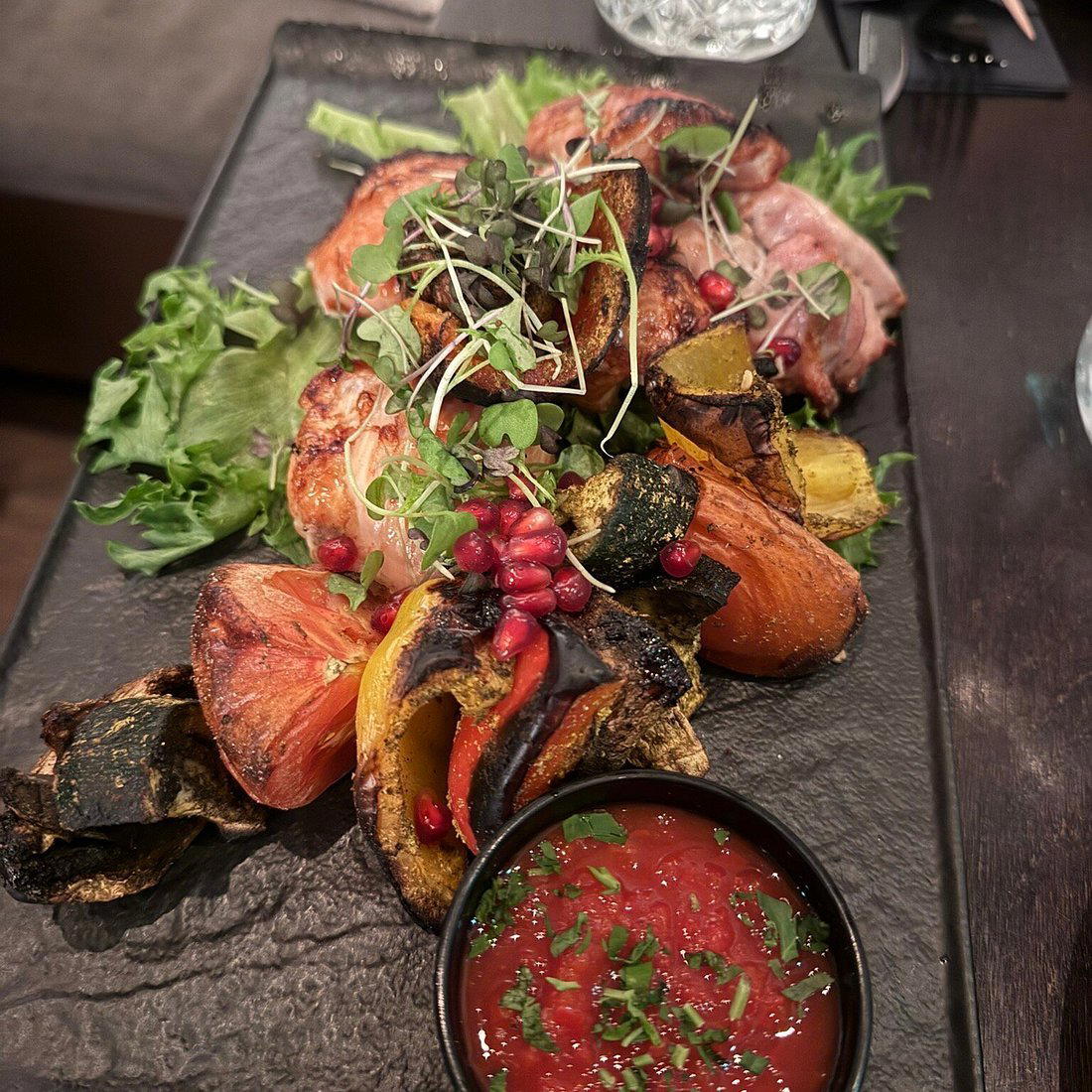
Kasarmikatu and the Geometry of Helsinki Dining
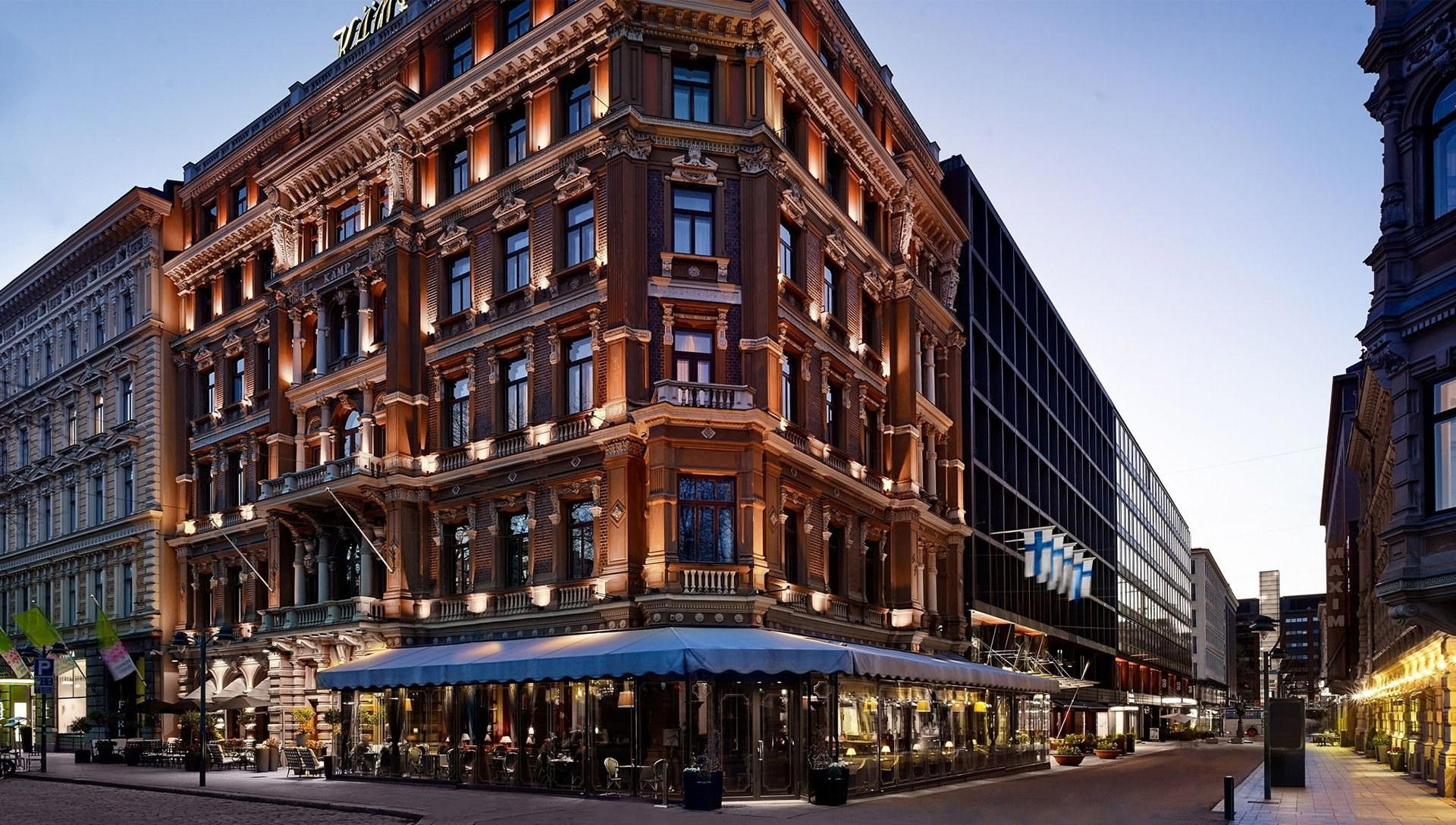
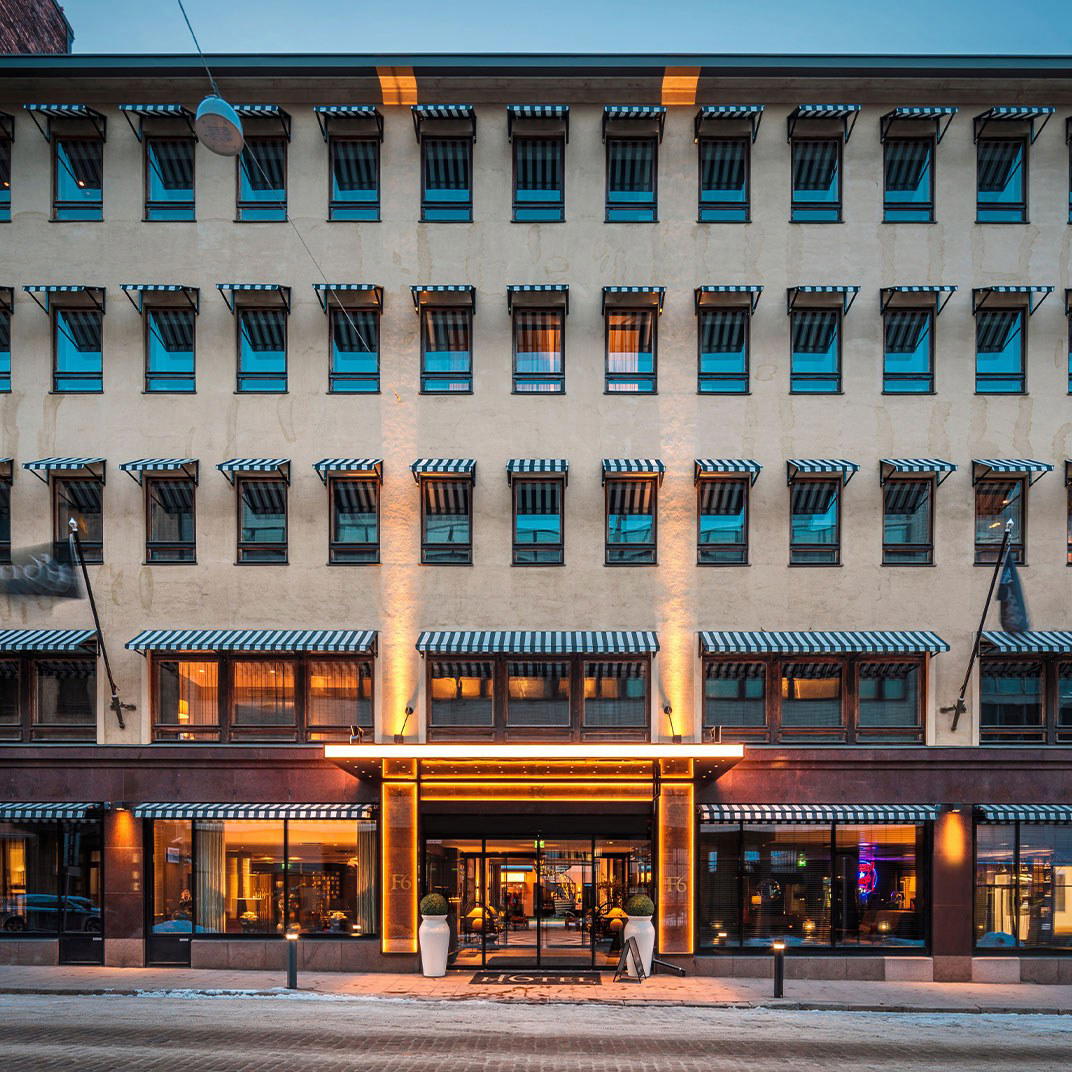
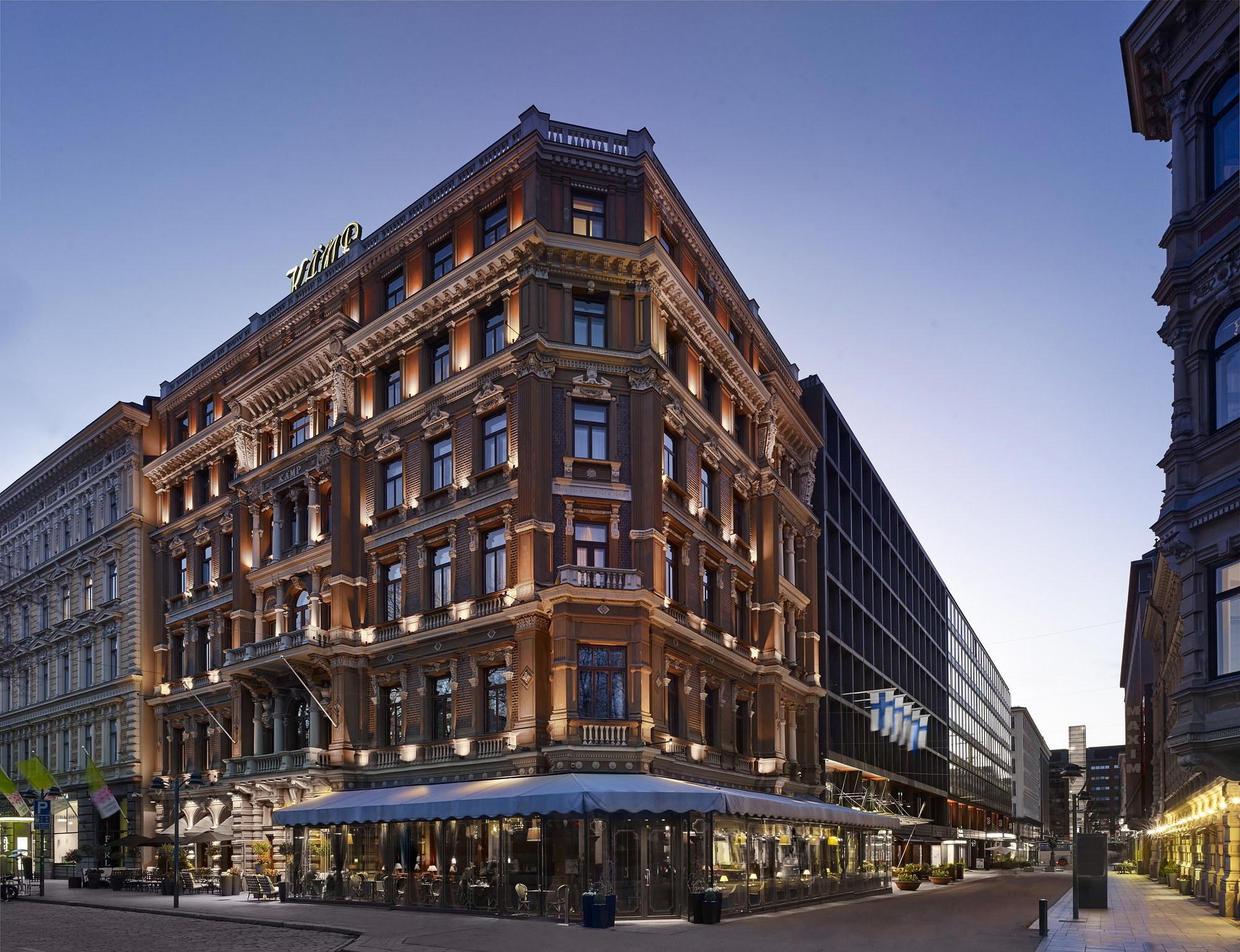
There is a particular kind of restaurant block in European capitals where the address does a lot of quiet work. Kasarmikatu, the street that runs through Helsinki's Kaartinkaupunki district, is that kind of address. The buildings are solid and Baltic in character, the pedestrian tempo is unhurried, and the restaurants that anchor the street tend to operate with a degree of permanence that the trendier corridors of Kallio or the waterfront do not always sustain. Rioni, at number 25, sits inside this grammar. The approach is low-key by design: no illuminated signage competing for attention, no queue management theatre. The exterior reads as a place that expects its guests to already know where they are going.
Helsinki's dining scene has split, over the past decade, into broadly two operating modes. The first is the internationally oriented tasting-menu format, represented by houses like Palace, Grön, and Olo, where the benchmark is the Michelin guide and the pricing reflects that positioning. The second is a more informal but still technically serious tier, where European bistro sensibility meets Nordic produce cycles and the expectation is a proper meal rather than a programmatic experience. Rioni belongs to a conversation that orbits closer to the latter category, though the Kasarmikatu address and the neighbourhood's general register push it above the casual end of that spectrum.
The Sensory Register of the Interior
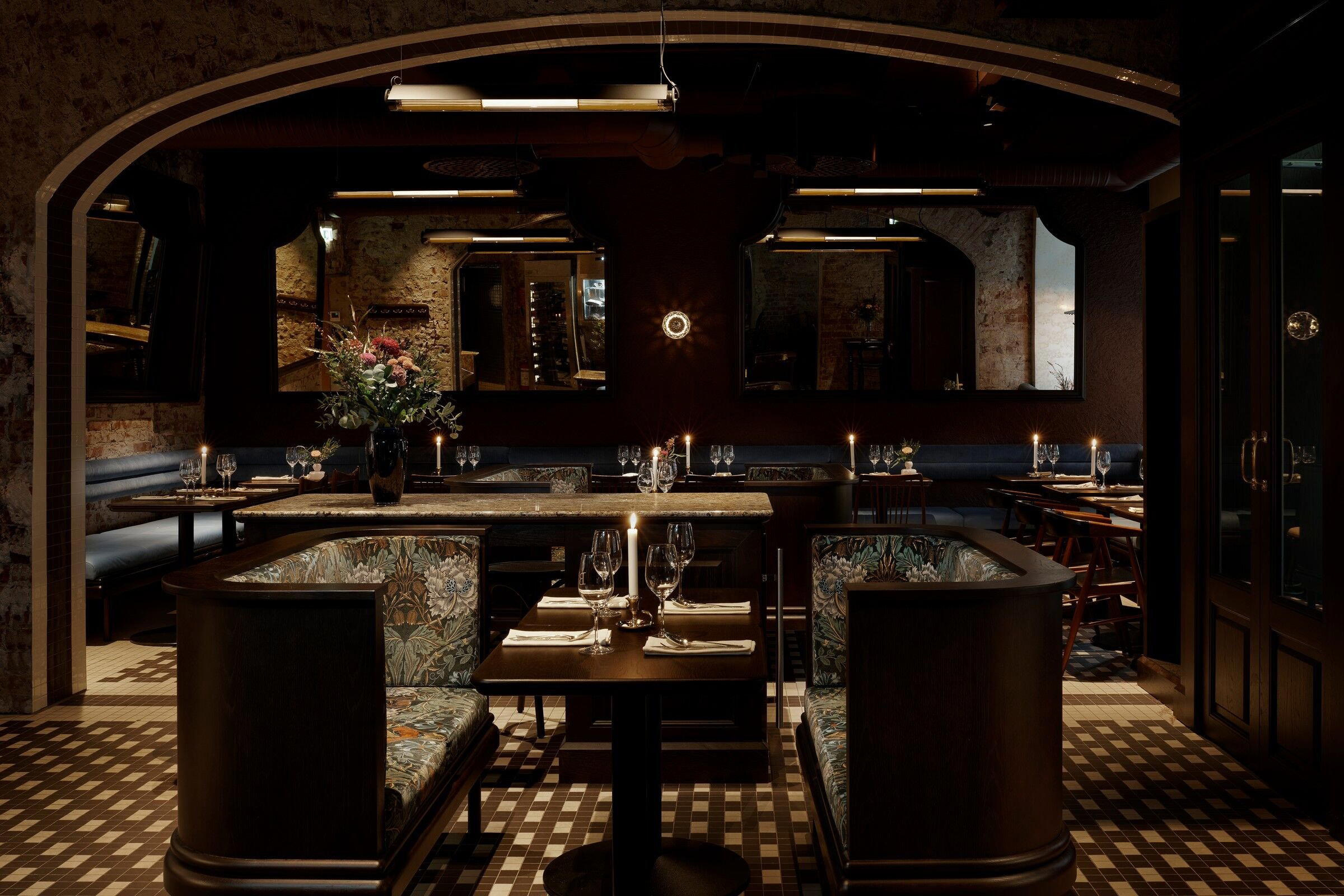
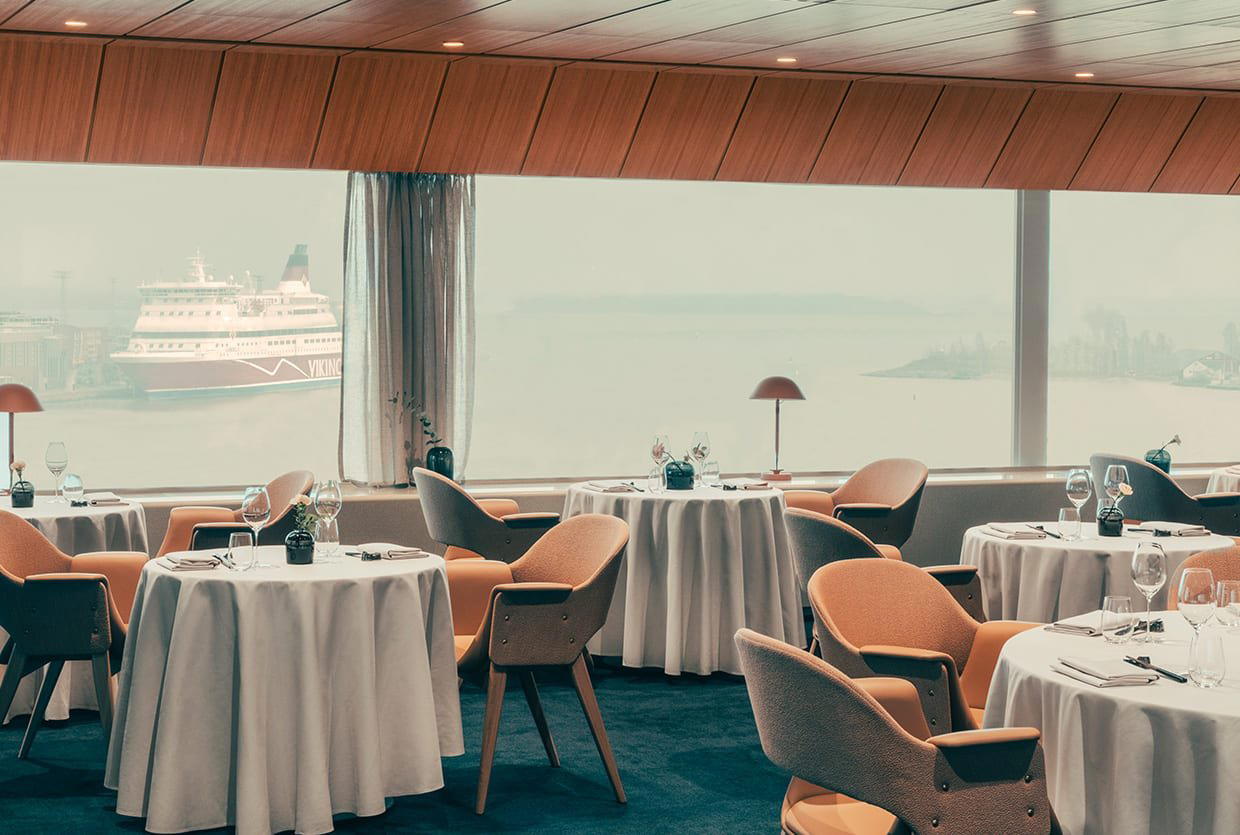
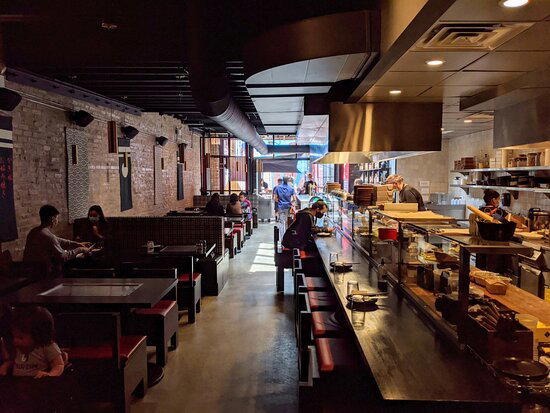
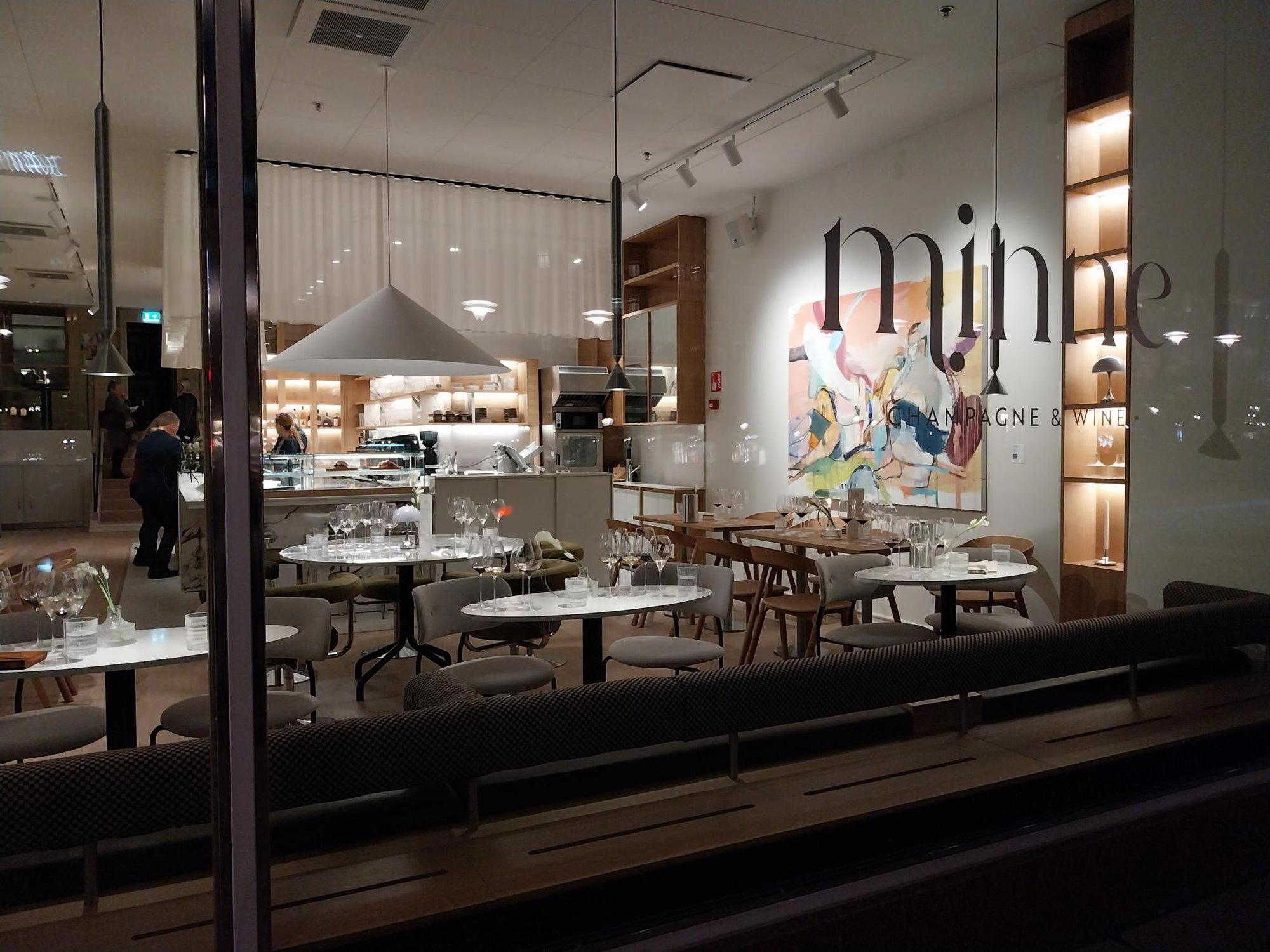
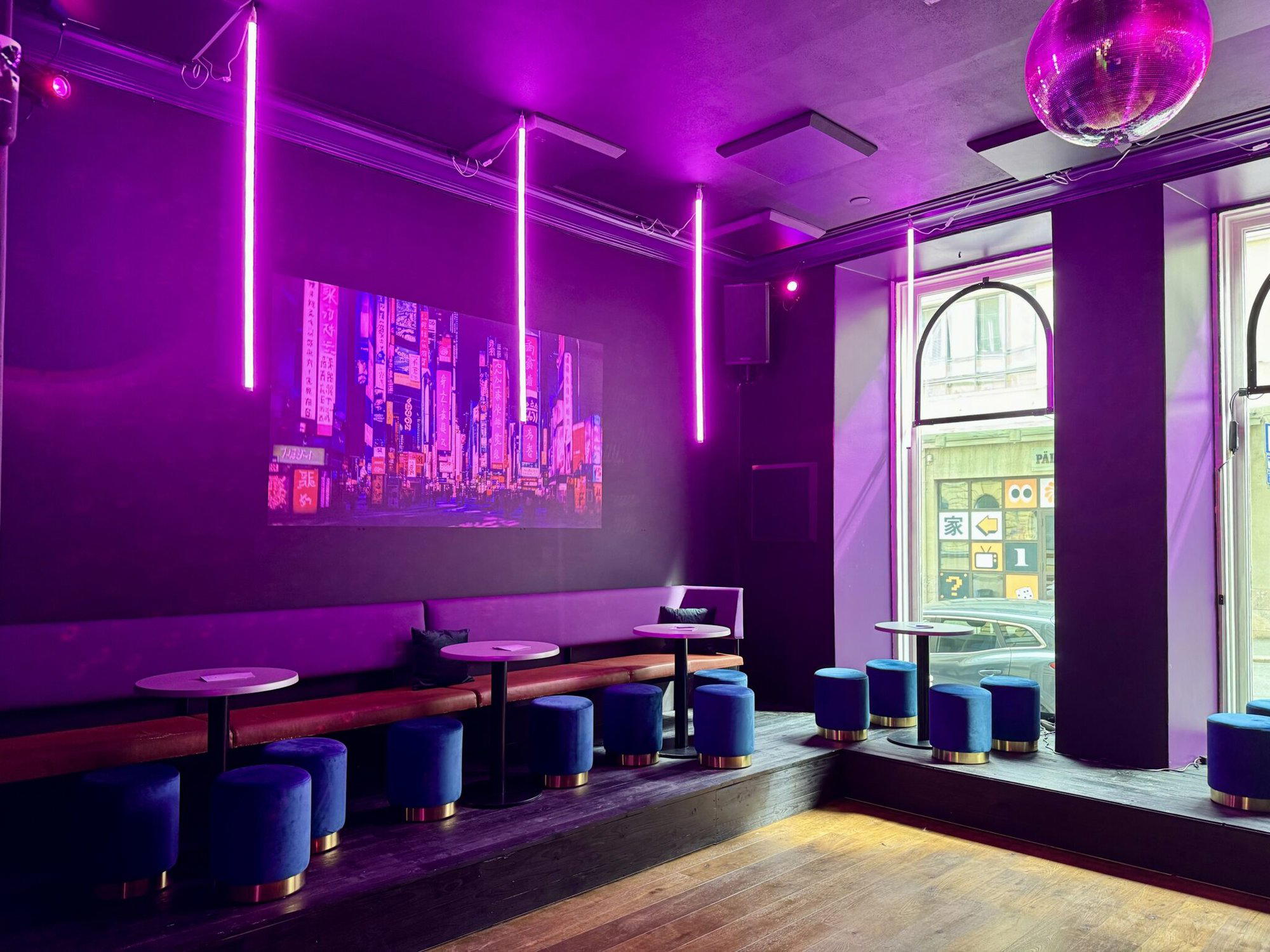
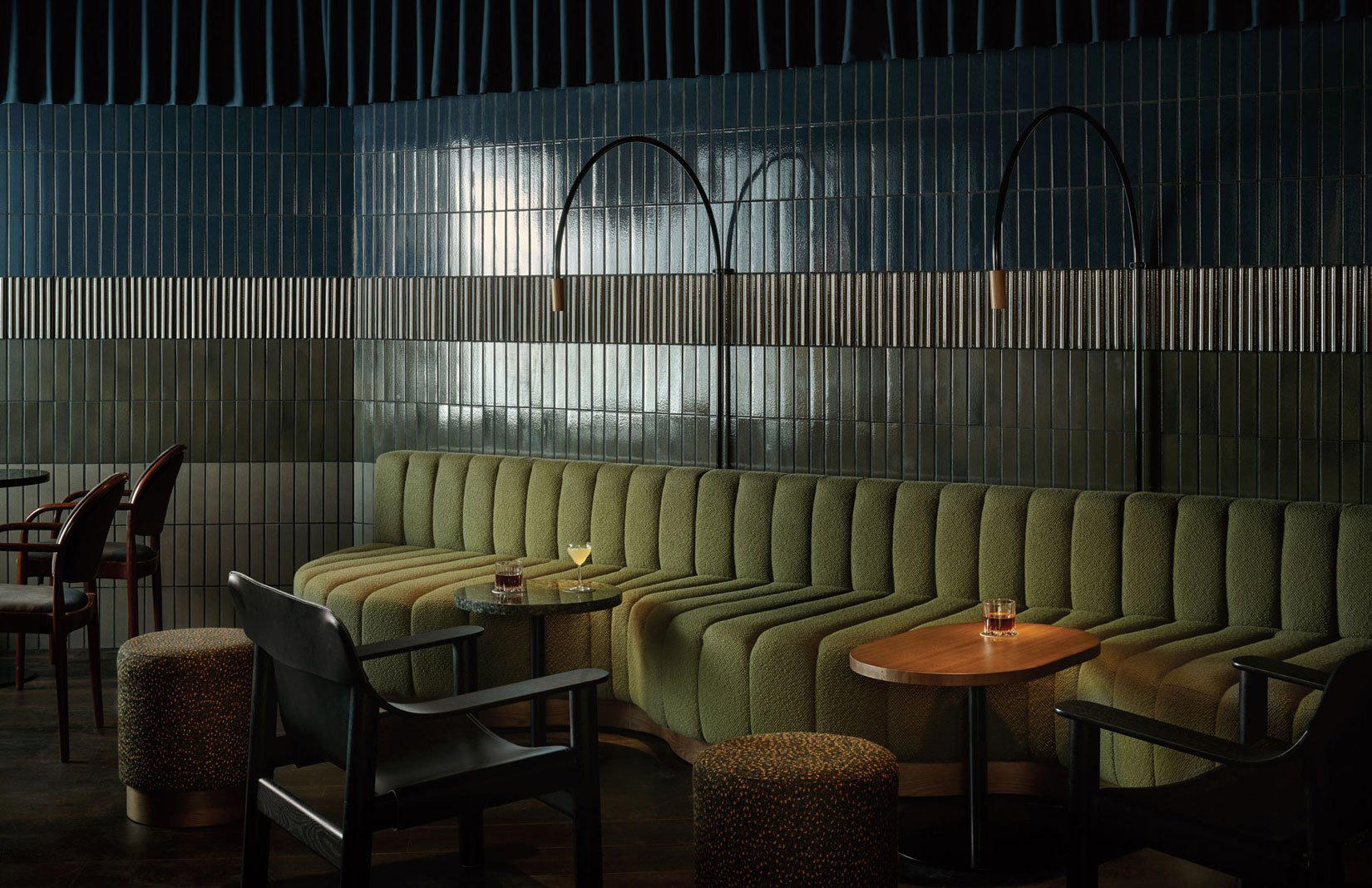
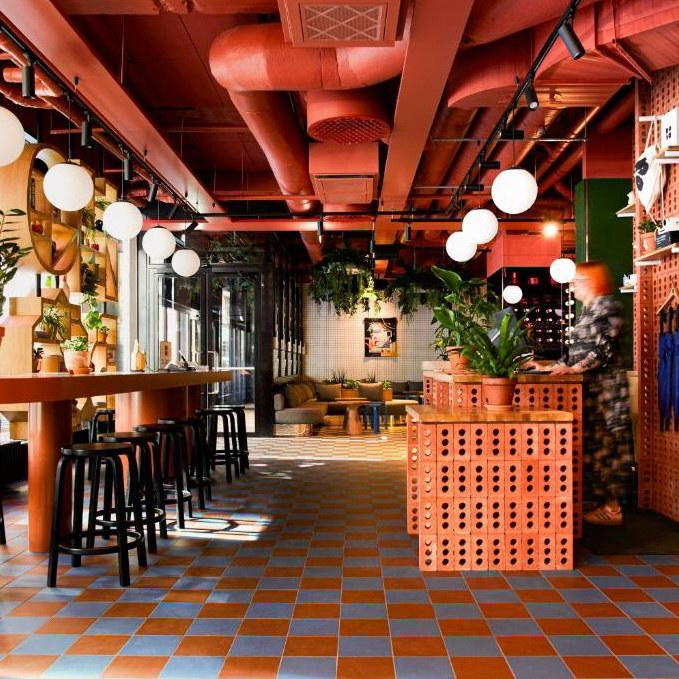
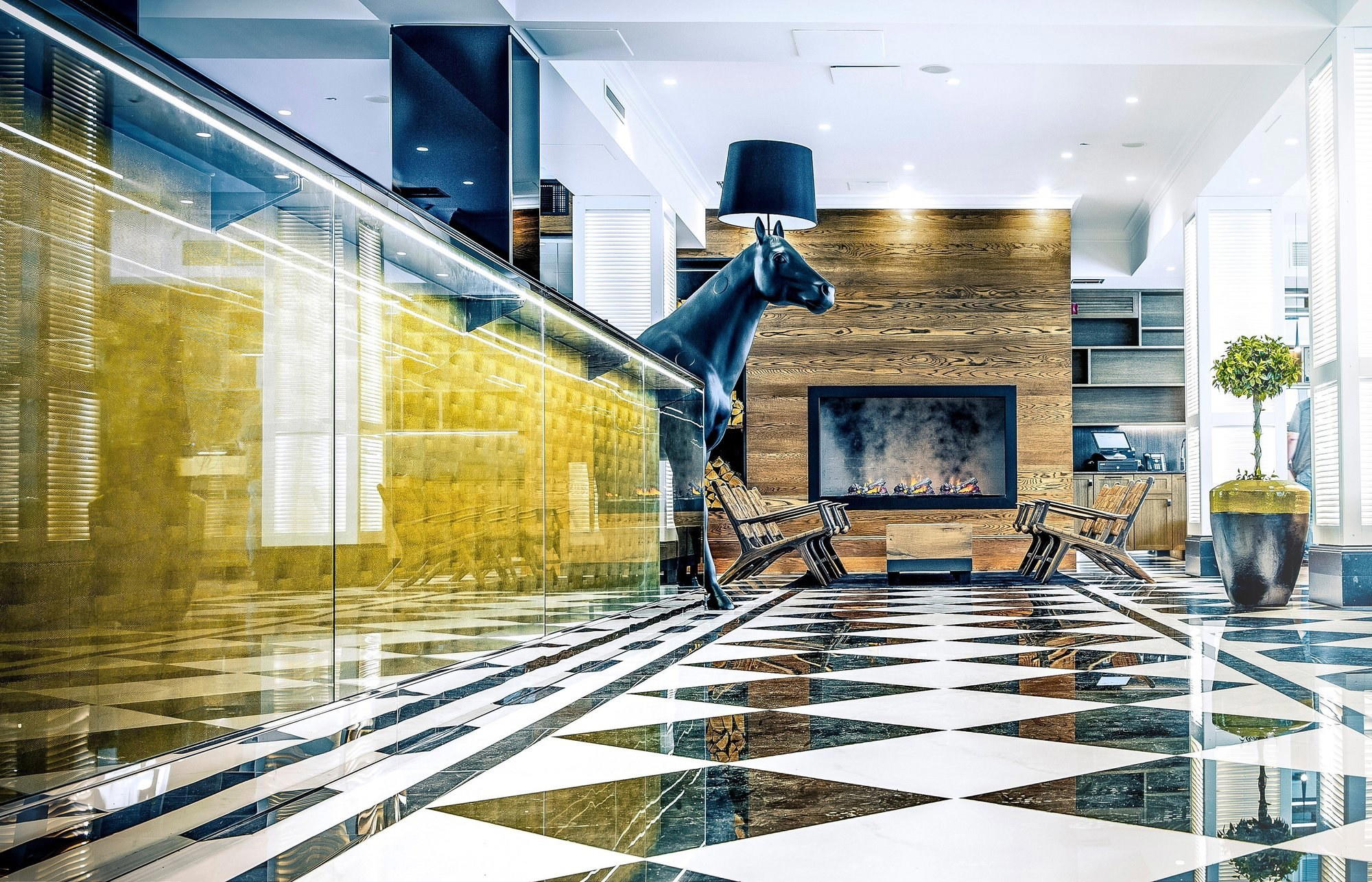
Helsinki's restaurant interiors in the Kaartinkaupunki zone tend toward the restrained. The building stock is older, the ceiling heights are workable rather than grand, and the most considered rooms in the area earn their atmosphere through material honesty rather than decorative volume. What you typically encounter in a room of this character is the layered sound of a full dining room operating at a civilised level, the smell of good cooking moving from kitchen to table without the aggressive ventilation that strips a room of its warmth, and a quality of light that shifts between the long Finnish summer evenings and the contained, candle-assisted darkness of winter service. These are not incidental details. They are the conditions under which a certain kind of European dining makes sense, and Kasarmikatu provides them reliably.
For context on how Helsinki's broader dining geography distributes itself, the Michelin-recognised tier runs from the waterfront at Palace through the more ingredient-led formats of Finnjävel Salonki and The ROOM by Kozeen Shiwan. Below that tier in price but not always in intent sits a group of neighbourhood addresses that include Rioni. The separation matters because it defines the guest's role in the room: at the tasting-menu houses, the guest is an audience; at the neighbourhood tier, the guest is a participant in an ongoing local rhythm.
What the Address Signals About Cuisine
The name Rioni references the Rioni River in Georgia, the Caucasian country, which runs from the Greater Caucasus range westward to the Black Sea. Georgian cuisine has developed a distinct international profile over the past several years, partly through the diaspora restaurant scene in cities like Berlin, Paris, and Tbilisi's own expanding hospitality sector, and partly through a broader Western appetite for fermented, walnut-based, and vegetable-forward cooking that doesn't fit neatly into either the Mediterranean or the Nordic frameworks. In Helsinki, where the dominant fine-dining mode is Nordic produce with European technique, a Georgian reference point occupies a deliberate niche. The cuisine's structural logic, built around dishes like khachapuri, khinkali, and the walnut-herb pastes that anchor much of the cold table, translates well to Nordic ingredient cycles and to the Finnish preference for honest, filling cooking that still rewards attention.
The comparison set also reaches internationally: the way a focused Georgian or Eastern European room operates in a northern capital shares structural DNA with how a Korean-rooted house like Atomix in New York or a seafood institution like Le Bernardin each occupy a deliberate niche within a larger, more competitive field. The logic is the same even when the price tier and the ambition differ considerably.
Planning a Visit
Kasarmikatu 25 is walkable from the centre of Helsinki, a short distance from the Esplanade and the Senate Square precinct. The neighbourhood is quiet enough that arrival on foot is the obvious approach from most central accommodations. For visitors building a wider Finnish itinerary, the EP Club covers the regional picture in detail: Kaskis in Turku and VÅR in Porvoo represent the day-trip dining case, while Bistro Henriks in Tampere anchors the second-city option. Further afield, Hai Long in Rovaniemi, Filipof in Joensuu, Gösta in Mänttä, Figaro in Jyväskylä, JJ's BBQ in Salo, Vintti in Hameenlinna, and Hejm in Vaasa complete the national picture for those extending their travels. The full overview is available in our Helsinki restaurants guide.
Contacting the venue directly via the address at Kasarmikatu 25 is the reliable approach. Given the neighbourhood's general character and the size typical of this class of Helsinki restaurant, booking ahead for weekend service is the pragmatic assumption, particularly during the summer months when Helsinki dining fills earlier and stays fuller through the long evenings.
Where Rioni Sits in the Wider Helsinki Argument
Helsinki's restaurant conversation in 2024 and 2025 has continued to move toward specificity. The broad Nordic-Scandinavian framing that defined the city's international reputation through the 2010s has fractured productively: there are now Georgian, Korean, Middle Eastern, and hyper-local Finnish rooms competing within the same attentive dining public. Rioni's address and its apparent positioning in the neighbourhood-serious tier place it in that more specific, post-Nordic moment. For the diner who has already done the Michelin circuit across Palace, Finnjävel Salonki, and Olo, and wants to understand what the city's dining culture looks like at the level below the tasting-menu tier, Kasarmikatu 25 is a reasonable and geographically logical next stop.
Frequently asked questions
What is the signature dish at Rioni?
Can I walk in to Rioni?
What is Rioni known for?
How does Rioni handle allergies?
Is Rioni worth the price?
Is Rioni a good choice for a first visit to Georgian cuisine in Helsinki?
The Minimal Set
Comparable venues nearby, for context on price, style, and recognition.
| Venue | Cuisine | Price | Awards | Notes |
|---|---|---|---|---|
| RioniThis venue — the venue you are viewing | Authentic Georgian | $20–30 | Not listed | Not listed |
| HogoHuone | Rum & Cocktails Bar | $20–30 | Falstaff Bar - 88 Falstaff Points | Torkkelinmaki, Rum & Cocktails Bar |
| Restaurant Quartier | Nordic Bistro | $30–50 | Not listed | Ullanlinna, Nordic Bistro |
| Kosmos | Traditional Finnish with French, Swedish & Russian Influences | $50–100 | Not listed | Kluuvi, Traditional Finnish with French, Swedish & Russian Influences |
| Runar | Craft Cocktail Bar | $10–20 | Falstaff Bar - 92 Falstaff Points | Kaartinkaupunki, Craft Cocktail Bar |
| Gastro Hub | Georgian & International | $20–30 | Not listed | Kluuvi, Georgian & International |
Details
- Cozy
- Rustic
- Group Dining
- Casual Hangout
- Special Occasion
- Open Kitchen
- Extensive Wine List
- A La Carte
- Small Plates
- Georgian Wine
- Vegetarian Friendly
- Vegan Options
- Gluten Free Options
Current opening hours
- Monday
- 4–11 PM
- Tuesday
- 4–11 PM
- Wednesday
- 4–11 PM
- Thursday
- 4–11 PM
- Friday
- 4 PM–12 AM
- Saturday
- 1 PM–12 AM
- Sunday
- 1–10 PM
Hours can change for holidays and private events. Last verified .
Warm and inviting atmosphere with atmospheric surroundings ideal for enjoying rich Georgian flavors.