Dabkeh
Dabkeh brings Lebanese culinary tradition to Fort-de-France, where the name itself references a collective folk dance rooted in Levantine culture. Located in Martinique's capital at 97200 Fort-de-France, the restaurant sits within a dining scene that blends French Caribbean cooking with traces of the island's broader diasporic influences. For visitors exploring beyond the island's Creole mainstream, it represents a distinct detour into Middle Eastern flavour territory.
Pearl is the En Primeur Club membership app — saves, bookings, and concierge access live there. Same editors, same standards.
- Address
- 97200 Fort-de-France
- Directions
- Get directions
 Saves & bookings on Pearl
Where the Levant Meets the Antilles
Fort-de-France is not a city that hides its French inheritance. The administrative capital of Martinique carries the culinary DNA of metropolitan France overlaid onto a Caribbean foundation of Creole spice, salt cod, and rum. That particular combination dominates the city's dining identity so thoroughly that any restaurant working outside those coordinates reads as a deliberate counterstatement. Dabkeh, named for the line dance performed at weddings and celebrations across Lebanon, Syria, Jordan, and Palestine, positions itself as exactly that kind of counterstatement.
Lebanese diaspora cooking has taken root in some unexpected corners of the Caribbean and Latin America over the past century. Communities that emigrated in the late nineteenth and early twentieth centuries brought flatbread technique, preserved citrus, slow-cooked legumes, and the habit of building a meal from many small plates rather than one dominant centrepiece. In Martinique, that tradition has been largely invisible within the restaurant economy. A venue that takes its name from a symbol of collective Levantine identity is, in this context, doing something that goes beyond menu selection.
The Cultural Weight of a Name
Dabkeh as a dance is communal by design. Performers link arms or hands and move in coordinated steps that require each participant to match the group's rhythm. The form is documented across the Levant and among diaspora communities worldwide, and it carries associations of resilience and shared identity that are especially resonant when the dance is performed far from its geographic origin. A restaurant choosing this name in Fort-de-France is not making an arbitrary branding decision. It is signalling an orientation toward community, hospitality, and cultural continuity.
That kind of naming choice tends to align with a broader approach to how food is served and understood. Lebanese restaurant culture, in its most traditional expression, treats the table as a shared space. Mezze arrives not as a prelude to an individual main course but as the architecture of the entire meal. Hummus, labneh, kibbeh, fattoush, and grilled meats come as a sequence of shared plates, with conversation and time built into the format. Whether Dabkeh operates in this mode specifically is something prospective visitors should confirm directly, but the cultural logic of the name points in that direction.
Fort-de-France's Broader Dining Map
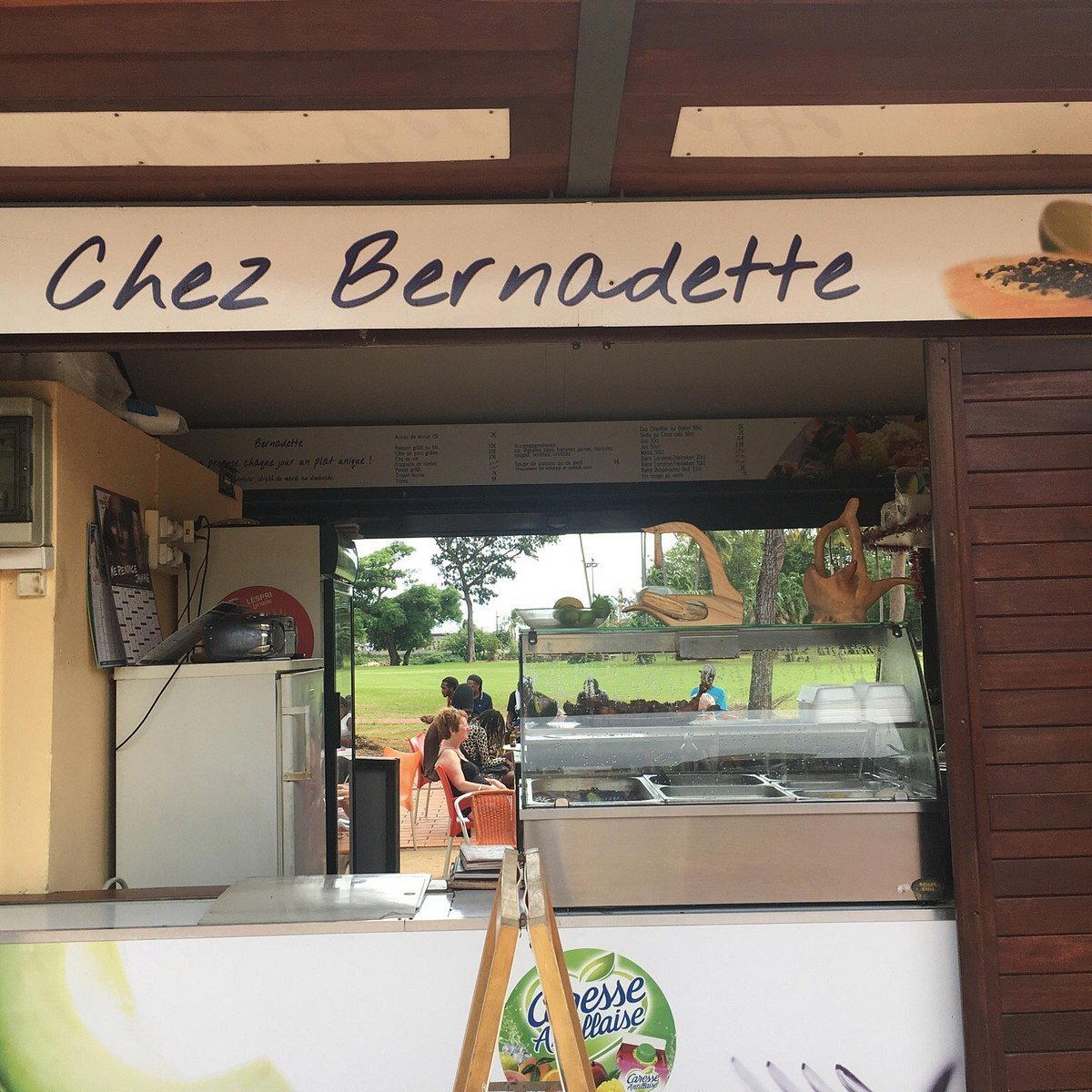
To understand where Dabkeh sits, it helps to read the wider dining context of Fort-de-France. The city's strongest culinary identity is anchored in Creole cooking: dishes built around colombo spice blends, fresh seafood, plantain, and local vegetables prepared with techniques shaped by both African and French influences. Chez Bernadette represents the kind of local Creole address that visitors often seek out first, while Pitaya Thaï Street Food shows that the city does accommodate non-Caribbean Asian formats within its dining mix.
Beyond Fort-de-France, the island's dining ambitions extend into more formally ambitious territory. Le Petibonum in Le Carbet draws significant attention for its positioning at the intersection of fine dining and Martinican ingredient sourcing, while addresses like Rue Felix Eboue in Bellefontaine speak to the island's appetite for dining experiences anchored to specific localities. The full picture of where Fort-de-France's restaurants sit relative to each other is mapped in our full Fort De France restaurants guide.
Dabkeh operates in a space that none of these addresses occupies: a restaurant whose cuisine comes from a distinct diasporic tradition, carrying a name weighted with cultural meaning, in a city where that tradition has not historically been prominent in the restaurant economy. For travellers who have spent time in cities where Lebanese cooking is well-represented, from the mezze-heavy restaurants of Beirut to the Lebanese-Brazilian hybrids of São Paulo, arriving at a venue like this in Martinique carries an additional layer of interest.
What to Know Before You Go
The venue data available for Dabkeh at its Fort-de-France address (97200) does not include confirmed hours, a listed phone number, or a website, which means advance planning requires either direct contact on arrival or checking current listings through local directories or mapping services. In a city where restaurant hours can vary seasonally and where smaller independent venues sometimes operate on schedules that do not reflect what appears online, arriving with flexibility is advisable. The absence of a listed booking method suggests walk-in may be the primary access route, but this is worth verifying before making the trip a centrepiece of an evening's itinerary.
No price range, seat count, or dress code is on record. Lebanese restaurant formats in general trend toward casual to smart-casual presentation, with the emphasis on food and conviviality over formal service codes, though individual venues vary considerably. Similarly, no awards or critical recognitions are on record for Dabkeh, which places it outside the tier of venues that carry Michelin or 50 Best credentials. The reference point here is neighbourhood credibility and cultural specificity rather than formal critical validation of the kind seen at venues like Le Bernardin in New York City, Atomix in New York City, or HAJIME in Osaka. Those are different tiers operating under different frameworks entirely.
For travellers building an itinerary across multiple dining categories, the kind of informal cultural specificity that Dabkeh represents sits alongside rather than below formally awarded venues. A meal that gives genuine access to a diasporic culinary tradition in an unexpected geography has its own value, distinct from the tasting-menu credentials of addresses like Reale in Castel di Sangro, Uliassi in Senigallia, or Piazza Duomo in Alba.
Price and Positioning
| Venue | Price |
|---|---|
| DabkehThis venue — the venue you are viewing | This venue |
Continue exploring
More in Fort De France
Restaurants in Fort De France
Browse all →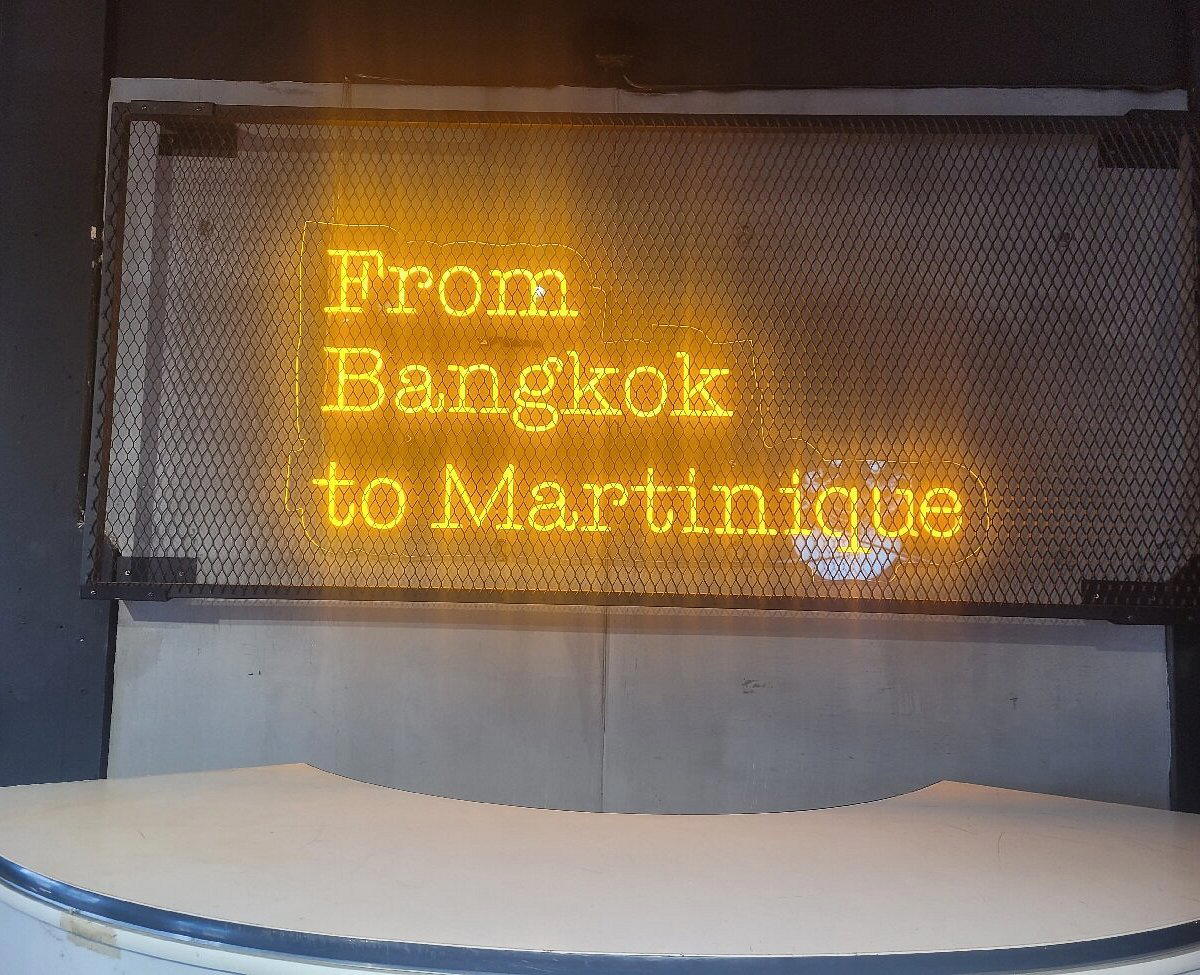
Bars in Fort De France
Browse all →
At a Glance
- Casual
- Lively
- Casual Hangout
- After Work
Casual fast-food atmosphere with friendly staff and welcoming service.
Know Before You Go
- Getting there
- 97200 Fort-de-France