Rubie's sits on Rue Centre in Pointe-Saint-Charles, one of Montreal's most quietly evolving dining corridors. The address places it within a neighbourhood that has shifted from working-class utility toward considered, independent hospitality without losing its structural character. For visitors tracing the city's dining scene beyond the Plateau and Mile End circuits, this is a useful reference point.
Pearl is the En Primeur Club membership app — saves, bookings, and concierge access live there. Same editors, same standards.
- Address
- 2194B Rue Centre, Montréal, QC H3K 1J4, Canada
- Phone
- +1 438 381 3838
- Website
- rubiesmtl.com
- Directions
- Get directions
 Saves & bookings on Pearl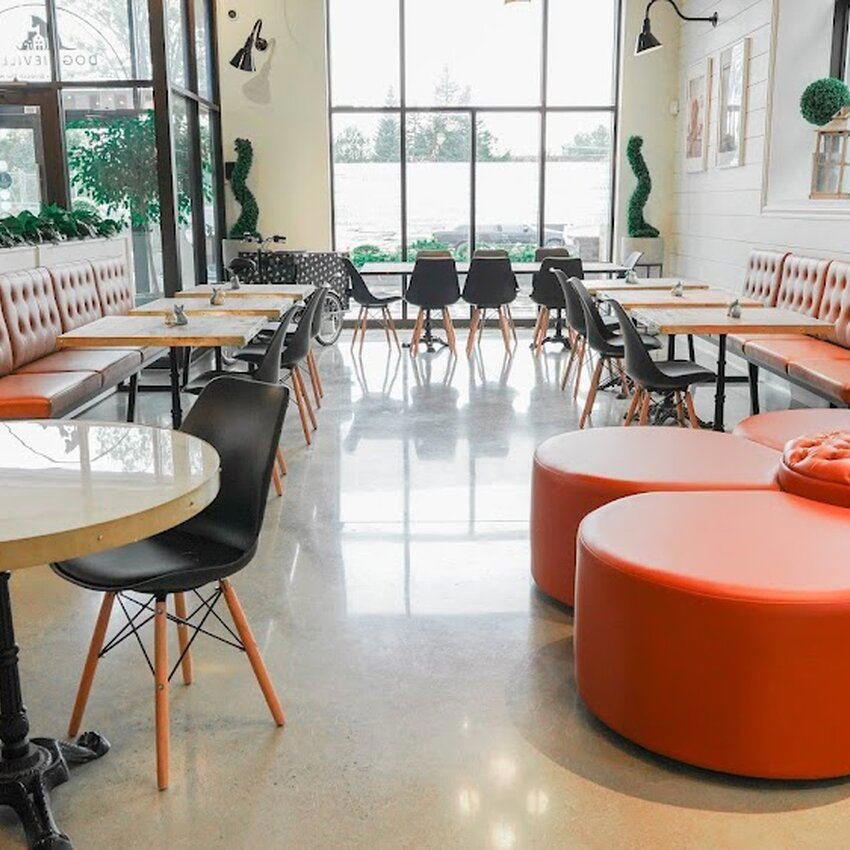
Pointe-Saint-Charles and the Architecture of Neighbourhood Dining
Montreal's dining geography has never been perfectly flat. Certain neighbourhoods carry institutional weight — the Plateau's bistro density, the Mile End's cafés, Old Montreal's heritage rooms — while others develop a quieter credibility that takes longer to register on a visitor's radar. Pointe-Saint-Charles sits in the second category. The neighbourhood's built environment still carries the industrial sobriety of its working-class past: low brick facades, wide streets, a physical scale that resists the gentrification pressure that has compressed other parts of the city into self-conscious prettiness. Dining rooms that open here tend to fit that register, occupying spaces with structural honesty rather than decorative noise.
Rue Centre is the neighbourhood's commercial spine, and 2194B places Rubie's within that corridor, in a stretch where independent operators have gradually replaced the utilitarian retail that once defined the strip. The address is a useful marker for how this part of the city is changing: not through sudden transformation, but through the slow accumulation of places that take the neighbourhood seriously on its own terms. For context on Montreal's broader dining geography, EP Club's full Montreal restaurants guide maps the city's key corridors and the distinct character each carries.
The Physical Container: Reading the Space at Rubie's
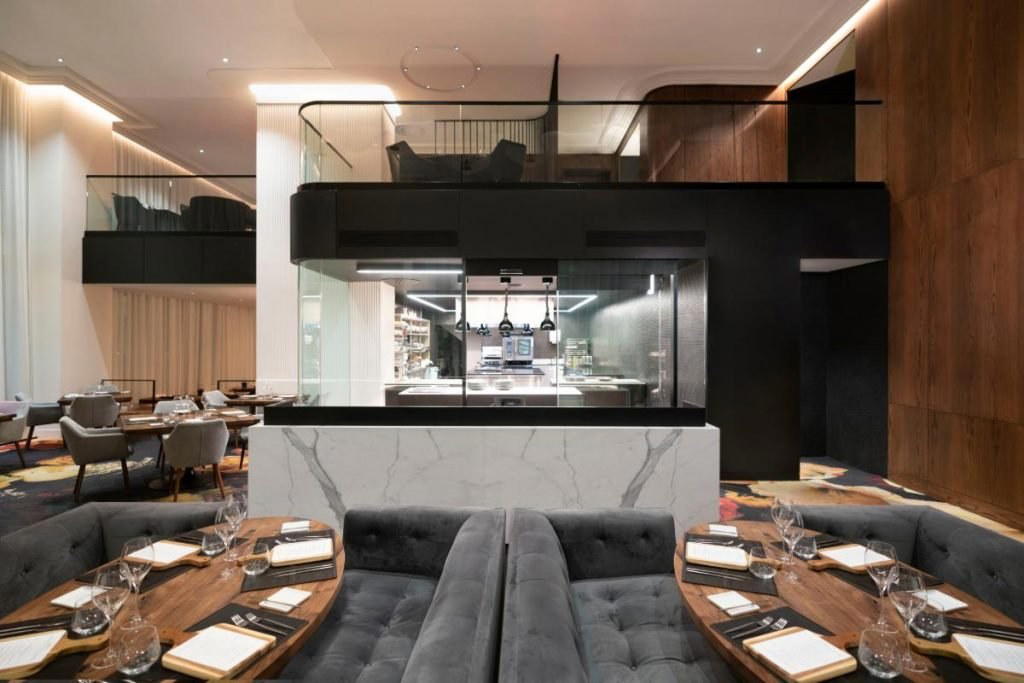
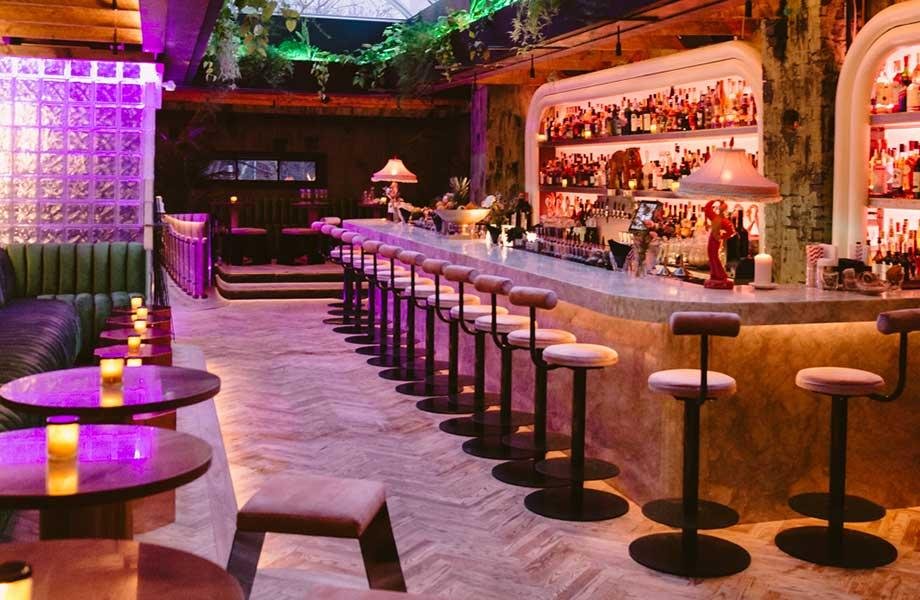
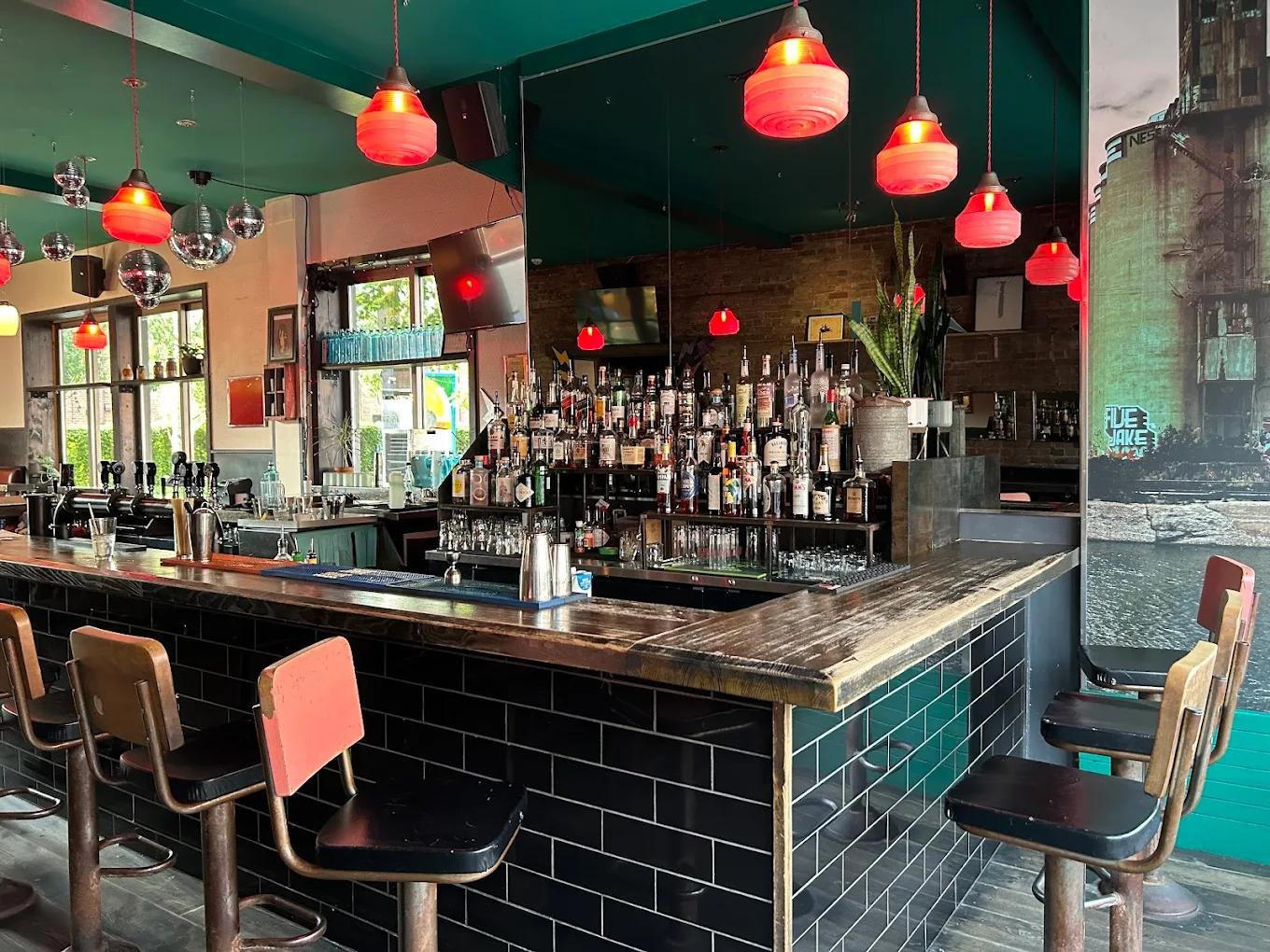
In a city where dining rooms often signal their ambitions through material choices, the exposed brick of a renovated warehouse, the terrazzo floors of a purpose-built room, the salvaged wood of a converted industrial space, the physical container matters as a first statement. Pointe-Saint-Charles interiors tend toward a particular kind of restraint: rooms that acknowledge the neighbourhood's material history without performing nostalgia for it. The leading spaces in this corridor use what's already there, working with the proportions and surfaces of buildings that were built for function rather than atmosphere, and finding in that utility a different kind of warmth.
This approach to space connects directly to how diners experience a meal. A room that doesn't compete for attention allows the food and the social transaction of eating to move to the foreground. Montreal's most enduring neighbourhood rooms, from the long-running bistros of the Plateau to the more recent independents of Verdun, have generally understood this. The dining room as container, rather than the dining room as spectacle, produces a different quality of evening: less performed, more habitual in the leading sense, closer to what neighbourhood dining actually means in a city that takes it seriously.
For comparison, the larger dining production that defines rooms like Jérôme Ferrer's Europea or the considered modernism of Mastard operates in a different register entirely, spaces where the interior design functions as part of a broader statement about the cuisine's ambitions. Neighbourhood rooms like those on Rue Centre ask a different question: not how to impress, but how to become part of a community's regular rhythm.
Where Rubie's Sits in the Montreal Scene
Montreal's independent restaurant scene has never been monolithic. The city runs several parallel tracks simultaneously: the formal French tradition represented by rooms like Sabayon, the casual neighbourhood anchors that function as daily infrastructure, and a middle tier of places that carry genuine culinary intention without the price architecture of the city's top-end rooms. Pointe-Saint-Charles has historically been home to the second category, with the neighbourhood's demographic base supporting places that prioritise accessibility and regularity over occasion dining.
The Rue Centre corridor has begun attracting operators who sit at the intersection of neighbourhood accessibility and genuine culinary seriousness, the same shift that transformed parts of Verdun and Villeray before property economics pushed ambition toward less central addresses. Rubie's address positions it within that evolving context. It occupies a zone between the purely utilitarian and the aspirationally fine dining that has become one of the more interesting spaces in Montreal's restaurant scene. Nearby operators like 3 Pierres 1 Feu and Abu el Zulof suggest that the corridor is developing the kind of independent density that characterises a neighbourhood with genuine dining identity rather than a collection of isolated openings.
Montreal in Canadian Context
Understanding Rubie's requires some sense of where Montreal sits within the broader Canadian dining scene. The city operates differently from Toronto, where rooms like Alo anchor a scene built around formal tasting menus and investment-grade interiors, or Vancouver, where AnnaLena represents a coastal informality that nonetheless carries serious technical weight. Montreal's distinctiveness lies partly in the depth of its neighbourhood restaurant culture: the city has a higher tolerance for the unglamorous address and the unpretentious room than most Canadian cities of comparable size.
That tradition extends well beyond the province. Places like Narval in Rimouski or the destination-format dining of Tanière³ in Quebec City demonstrate that serious culinary intention in Quebec is not confined to Montreal's central neighbourhoods. But Montreal remains the most accessible entry point for visitors trying to read the province's dining character, and Pointe-Saint-Charles offers a version of that character that the tourist-facing circuits of the Plateau and Old Montreal don't. Further afield, Restaurant Pearl Morissette in Lincoln, Eigensinn Farm in Singhampton, and Fogo Island Inn Dining Room in Joe Batt's Arm each represent a different model of how Canadian restaurants can build identity around place rather than proximity to a metropolitan dining establishment. Rubie's modest neighbourhood address is, in its own way, an argument for the same principle.
Planning Your Visit
Rubie's is located at 2194B Rue Centre in Pointe-Saint-Charles, accessible by metro via the Charlevoix station on the Green Line, which puts the address within a short walk without requiring a car. As with most neighbourhood independents in this part of the city, arriving with some flexibility on timing is sensible: Rue Centre operates at a different pace from the Plateau's busier bistro corridors, and the neighbourhood rewards visitors who treat the evening as an exploration rather than a scheduled transaction. Specific booking methods, hours, and pricing are best confirmed directly with the venue, as these details are not currently documented in EP Club's database.
Frequently Asked Questions
What's the leading thing to order at Rubie's?
EP Club does not currently hold verified menu data for Rubie's, and specific dish recommendations require confirmation from the venue directly. For reference points on the broader Pointe-Saint-Charles corridor and comparable Montreal operators, the EP Club Montreal guide covers the city's key cuisine types and price tiers. Visitors seeking formal tasting menu formats in the city should also consider Sabayon or Europea as reference points for what the city's higher-end rooms are producing.
What's the ideal way to book Rubie's?
Montreal's neighbourhood independents, particularly on corridors like Rue Centre, generally take reservations by phone or through their own booking systems rather than through centralised platforms, a pattern that differs from the city's higher-profile rooms, where online booking windows of two to four weeks are common. For Rubie's specifically, EP Club does not hold current contact or booking data, so visiting the venue directly or checking their current online presence is the practical approach. For context on how booking difficulty tracks with price tier across the city, the EP Club Montreal restaurants guide provides useful orientation.
Is Rubie's suitable for a casual weeknight dinner, or is it more of a special-occasion destination?
The Rue Centre address and Pointe-Saint-Charles setting place Rubie's firmly within Montreal's neighbourhood dining tradition rather than the occasion-dining circuit anchored by rooms like Mastard or Europea. In the Quebec dining context, neighbourhood rooms of this type tend to function as regular-rotation addresses rather than destination events, which makes a casual weeknight the natural mode of engagement. Visitors approaching from outside the city who want to understand how Montrealers actually eat, as opposed to how the city's top-tier rooms perform for an international audience, will find this corridor a more grounded reference point than the tourist-facing Plateau circuit.
Cost and Credentials
| Venue | Cuisine | Price | Awards |
|---|---|---|---|
| Rubie'sThis venue — the venue you are viewing | Not listed | This venue | Not listed |
| L’Express | Not listed | $$ | French Bistro, $$ |
| Schwartz’s | Not listed | $ | Delicatessen, $ |
| Toqué | Not listed | $$$$ | French, $$$$ |
| Jérôme Ferrer - Europea | Modern Cuisine | $$$$ | Michelin 1 Star |
| Mastard | Modern Cuisine | $$$ | Michelin 1 Star |
At a Glance
- Cozy
- Casual
- Casual Hangout
Casual takeout spot with focus on comfort food.
Know Before You Go
- Getting there
- 2194B Rue Centre, Montréal, QC H3K 1J4, Canada