Royal

A Michelin Plate-recognised all-day spot in Old Town Alexandria, Royal keeps Latin American cooking accessible without sacrificing technique. The arepa at breakfast has earned legitimate local following, while the intimate upstairs dining room handles dinner with masa gnocchi and pork empanadas that punch above the price point.
Pearl is the En Primeur Club membership app — saves, bookings, and concierge access live there. Same editors, same standards.
- Address
- 730 N St Asaph St, Alexandria, VA 22314
- Phone
- (703) 548-1616
- Website
- royalrestaurantva.com
- Directions
- Get directions
 Saves & bookings on Pearl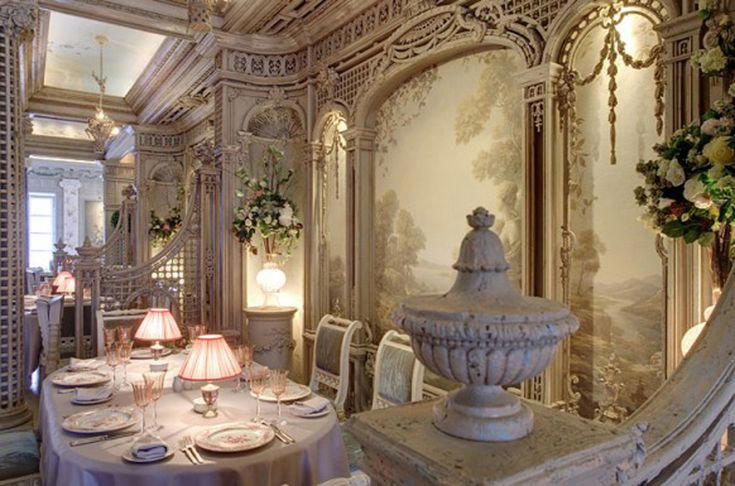
Where Old Town Alexandria Meets Pan-American Cooking
Alexandria's Old Town dining scene tends to split between white-tablecloth formality and casual neighbourhood spots with little ambition beyond the familiar. In a metro area where Latin American cooking increasingly commands the upper tiers, as seen at spots like Causa and Seven Reasons, Royal's decision to stay accessible and low-maintenance reads as a deliberate positioning rather than a limitation.
Pan-American cooking in D.C. has broadened considerably over the past decade. Where once the category meant a narrow band of Central American and Mexican-inflected menus, restaurants now draw from Peruvian, Colombian, Venezuelan, and Argentinian traditions simultaneously, often within a single tasting format. Royal works in this wider register: masa appears both in the classic arepa form and reimagined as gnocchi, a construction that places it closer to the ingredient-led fusion visible at addresses like Mono in Hong Kong and ZEA in Taipei than to a strictly regional Latin American kitchen.
The All-Day Format and What It Means for How You Eat Here
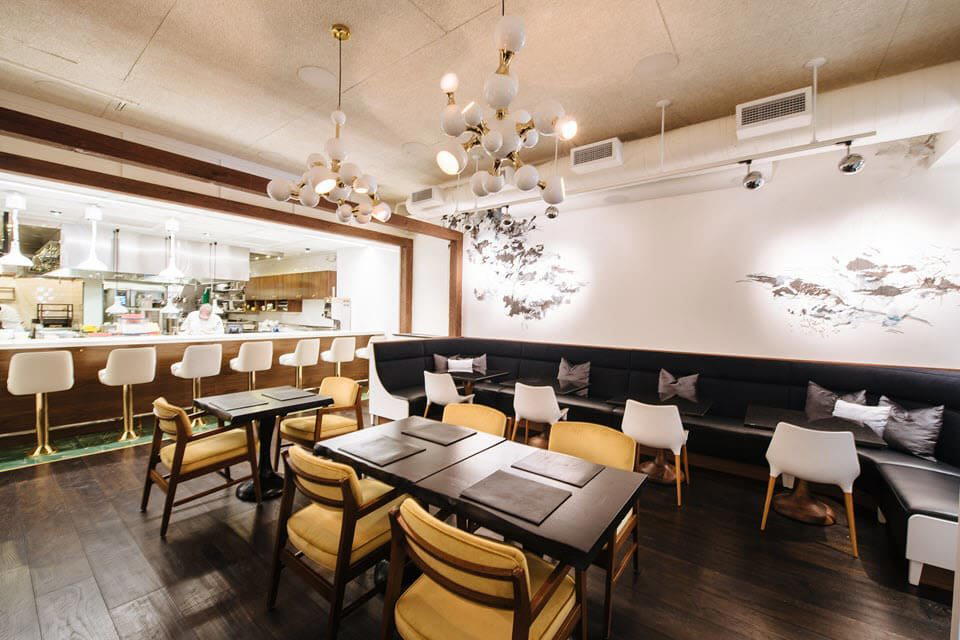
All-day dining has become a meaningful structural category in American cities, occupying the space between the brunch-only model and the dinner-focused tasting counter. The format rewards venues that can execute across multiple meal occasions without a drop in quality, and it tends to favour menus built around technique rather than occasion. Royal's light, airy room supports this rhythm: the atmosphere is described as quaint and relaxed, built for repeat neighbourhood use rather than destination occasions.
Breakfast is the meal most discussed in the restaurant's public record, and the arepa is the anchor. The preparation is Venezuelan-Colombian in origin, a seared masa cake that here arrives wrapped and filled with fried egg, tomato, cotija, and avocado. The presentation, reportedly resembling a wrapped parcel, is tactile and direct, the kind of dish that functions as a local litmus test. In cities where Latin American breakfast traditions have taken hold, the arepa has become a marker of how seriously a kitchen takes its source material. A well-executed version requires the masa to hold structural integrity while yielding at the cut, and the balance of fat, acid, and salt in the filling determines whether the dish earns repeat visits.
Dinner in the Upstairs Room: Empanadas, Masa Gnocchi, and the Aji Thread
The dinner offering draws guests to the second-level space, which retains original architectural details. This kind of interior continuity, preserved rather than renovated, signals something about the venue's relationship to its building and neighbourhood. In Old Town Alexandria, where Federal-period architecture sets the streetscape, working with existing detail rather than against it tends to create a more coherent dining environment.
The pork empanadas are the dish most associated with the dinner menu in available accounts: the filling is seasoned with aji, a broad category of chilli common across Andean cooking from Peru to Ecuador, and finished with garlic. Aji-based preparations carry a specific flavour logic, fruity and grassy heat rather than blunt capsaicin intensity, and they appear across both Peruvian causa traditions and Colombian coastal cooking. Their use here positions the kitchen within that broader South American register rather than a single national cuisine.
Masa gnocchi is the menu item that most directly illustrates the fusion dimension of Royal's approach. Traditional Italian gnocchi depends on potato starch for its texture; replacing that base with masa produces a denser, more mineral bite, closer to a filled dumpling than a yielding Italian gnocchi. Braised beef and maitake mushrooms provide contrasting textures and depth, while herbs provide lift. The dish exists in a small category of Latin-European hybrids appearing at contemporary addresses across North America, a technique-first approach to masa that treats the ingredient as a platform rather than a fixed cultural artefact. For comparison in the D.C. context, the experimental register here sits structurally closer to Imperfecto: The Chef's Table than to the more Peruvian-specific menu at Causa.
How Royal Sits in the D.C. Latin American Scene
Washington D.C.'s Latin American dining tier has expanded at both ends of the market. At the leading, multi-course tasting formats and premium ingredient sourcing have produced restaurants that compete nationally. At the accessible end, the category risks becoming diffuse. Royal's Michelin recognition in 2024 is a meaningful signal in this context.
Compared with the $$$$ positioning of Causa or comparably priced venues like Albi and Oyster Oyster, Royal's $$ positioning places it in a different decision framework entirely. It is not competing on occasion dining but on quality-per-visit, a model that tends to produce higher repeat rates and stronger local loyalty than destination restaurants. The 1,102-review count at a 4.4 average supports this reading: the volume suggests habitual rather than occasional use.
Internationally, the growing appetite for accessible Latin American addresses that bridge tradition and technique is visible at venues from New York to Hong Kong. The conversation about what Latin fusion means, whether it preserves or dilutes source traditions, is active across the broader category. Royal's approach, using masa in two distinct preparations, grounding empanadas in Andean aji logic, and maintaining an all-day format, suggests a kitchen interested in the ingredient and technique side of that conversation rather than in branding.
For broader reference points in the Latin American fusion category globally, Mono in Hong Kong and ZEA in Taipei offer useful comparisons in how the Pan-American register is travelling. For high-investment American dining in other cities, Le Bernardin in New York, Alinea in Chicago, Lazy Bear in San Francisco, Emeril's in New Orleans, The French Laundry in Napa, and Single Thread Farm in Healdsburg mark the upper tier of what the American dining scene produces.
Know Before You Go
- Address: 730 N St Asaph St, Alexandria, VA 22314
- Price range: $$ (accessible; below most D.C. Latin American peers)
- Recognition: Michelin Plate (2024) 4 / 5 (1,102 reviews)
- Format: All-day dining; breakfast through dinner
- Upstairs room: Intimate second-level space with original architectural details; used primarily for dinner
- Getting there: Old Town Alexandria is Metro-accessible via the Blue and Yellow lines (King Street station)
Comparable Options
Comparable venues nearby, for context on price, style, and recognition.
| Venue | Cuisine | Price | Notes |
|---|---|---|---|
| RoyalThis venue — the venue you are viewing | Latin American | $$ | Not listed |
| Osteria Marzano | Modern Italian Osteria | $$ | Franconia |
| Union Street Public House | Classic American Gastropub | $$ | Old Town |
| Rice & Noodles Thai Gourmet | Thai Gourmet Noodles | $$ | Franconia |
| Taco Jalisco | Authentic Mexican Taqueria | $$ | Richmond Highway |
| Joe Theismann's Restaurant | American Sports Bar | $$ | Old Town |
Recognition history
Dated appearances from independent guides and award organizations, with the underlying list record or original source where available.
Michelin Plate
Michelin
Michelin Plate
Michelin
Continue exploring
More in Alexandria
Restaurants in Alexandria
Browse all →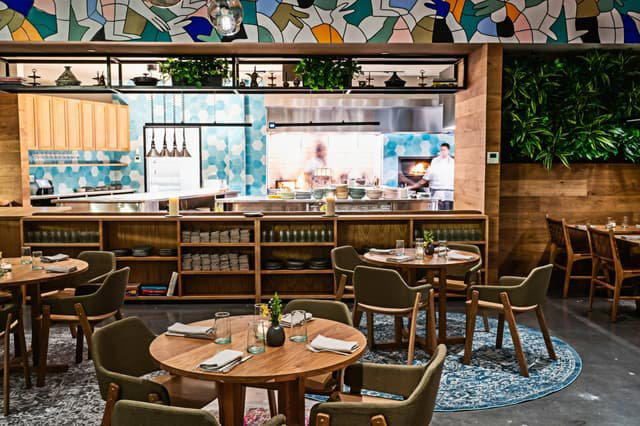
Bars in Alexandria
Browse all →
Hotels in Alexandria
Browse all →


At a Glance
- Cozy
- Casual
- Intimate
- Casual Hangout
- Brunch
- Open Kitchen
Current opening hours
- Monday
- 8 AM–10 PM
- Tuesday
- 8 AM–10 PM
- Wednesday
- 8 AM–10 PM
- Thursday
- 8 AM–10 PM
- Friday
- 8 AM–11 PM
- Saturday
- 7 AM–11 PM
- Sunday
- 7 AM–10 PM
Hours can change for holidays and private events. Last verified .
Casual, comfortable, eclectic neighborhood cafe with cozy seating including outdoor tables, small bar, and intimate upstairs space with original details.