
Tabelog 100 #54
Our verdict
rokuhachikyuujuuba brings Sichuan and Chinese cooking into Nagoya’s small-format dining conversation, with a bar-adjacent feel rather than a formal banquet-room register. Its 2026 Tabelog 100 Chinese EAST selection, 21-seat scale, wine and cocktail direction, and mid-range pricing make it a sharper choice for diners who want heat, pace, and atmosphere without moving into Nagoya’s high-ticket kaiseki tier.

Pearl is the En Primeur Club membership app, where members save venues, book tables and use the concierge.
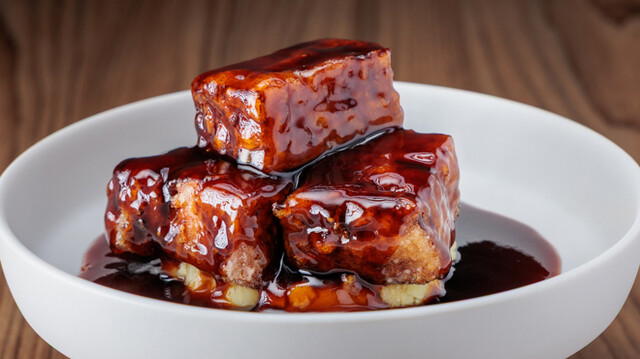
The menu
What to order
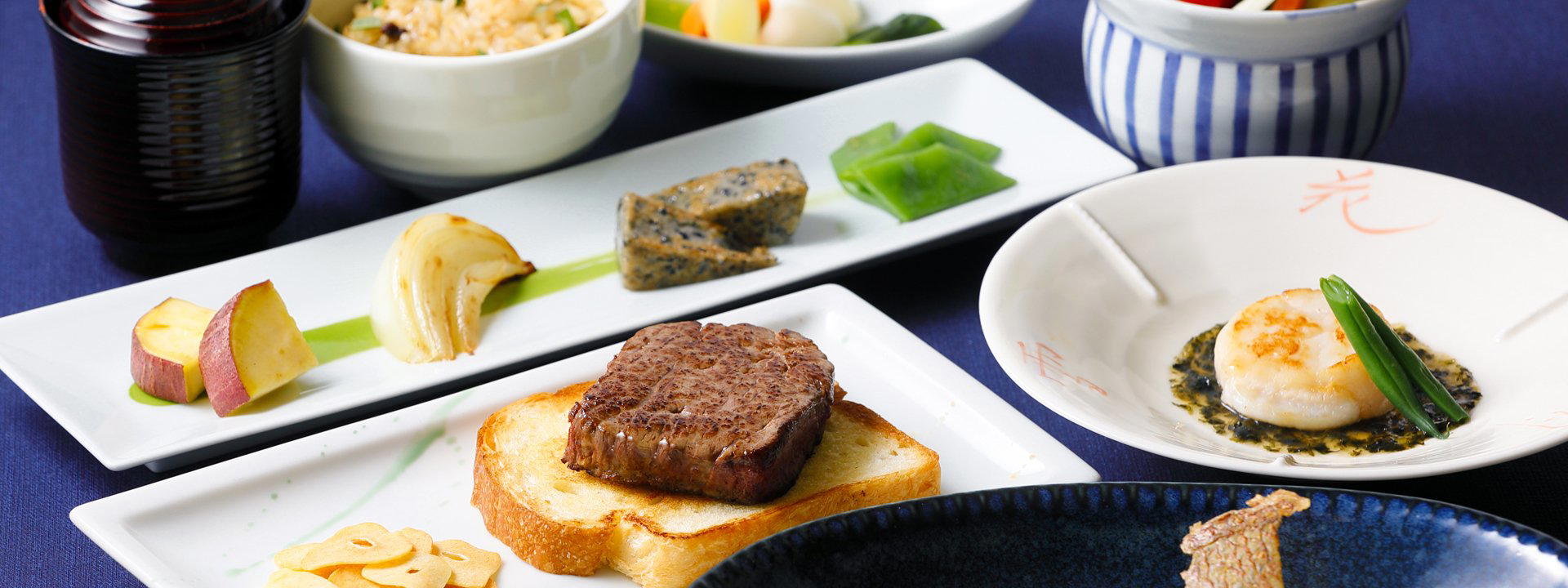
- Shark Fin Soup Lunch Course
- Limited 2 Sets Weekday Lunch Course
- Rokuhachikyuuju's Signature Dishes Comprehensive Course
Nagoya is not only station-tower dining rooms and hotel lobbies. The approach here can be lower-key and better suited to the city’s casual-serious restaurants: practical, food-led, and able to carry a drinking mood without turning the evening into ceremony. In that setting, rokuhachikyuujuuba reads less like a grand Chinese restaurant than a Sichuan-Chinese place with baru instincts, the kind of address where social energy can sit naturally beside a flavour-driven dinner.
Nagoya’s dining identity is often reduced to local comfort staples, but the city’s sharper contemporary eating also happens in restaurants that borrow from multiple formats. Sichuan cooking has become a useful test case. It rewards precision, but it can also work in a more social register than formal Japanese tasting menus. That matters in a city where dinner can move from business polish to relaxed drinking without needing a change of mood. The Tabelog Hyakumeiten 2026 recognition puts this restaurant inside a wider Chinese-cuisine conversation rather than just a local one, and its 3.67 Tabelog score gives the recognition some public-rating weight.
Sichuan heat in a bar-sized Nagoya room
The format is the point. A baru category changes the way Chinese food is read. Banquet cooking usually depends on scale: large tables, shared plates, multiple rounds, and a rhythm built for groups. A Chinese restaurant with bar-like cues shifts attention toward immediacy. It lets seasoning, pacing, and drink compatibility feel central, without forcing the formality of a chef’s-counter tasting menu.
The listed categories, Sichuan, Chinese, and baru, explain the hybrid clearly. Baru is not decorative branding here; it signals a drinking tempo. The restaurant belongs in the same Nagoya conversation as casual but ambitious dining, rather than only the formal Chinese bracket. That puts it at a different angle from comparison rooms such as Japanese cuisine Takamitsu or Onkui Sekio, where travellers may be looking for a different kind of evening. It also sits in a different lane from Taylor Tail and can be weighed against Binchotan Yakiniku Takechiyo for travellers deciding what kind of dinner energy they want, though the experience here is built around Chinese and Sichuan categories.
For a broader read on where this fits, Our full Nagoya restaurants guide is the useful starting point. The city’s dining scene is broad enough that a Sichuan-bar hybrid should not be treated as an outlier; it belongs to a middle tier where atmosphere, drink compatibility, and category clarity matter as much as cuisine label. Other Nagoya dining rooms show how varied the city’s restaurant map becomes once the search moves beyond a single station-core checklist.
Recognition without the stiffness of a destination dining room
A Tabelog Hyakumeiten selection is not the same signal as Michelin formality. It usually rewards category strength and user confidence within Japanese dining culture, and in Chinese cuisine it can favour restaurants that regular diners actually return to rather than rooms designed only for anniversaries. That distinction is useful here. The public recognition points to a restaurant that has earned attention within its category while still reading as a usable Nagoya address rather than a room to admire from a distance.
The pricing strengthens that reading. Dinner sits in the JPY 5,000 to JPY 5,999 range, with lunch in the JPY 1,000 to JPY 1,999 range. For Nagoya, that keeps the restaurant in a persuasive middle band: expensive enough to suggest intent, accessible enough for a repeat dinner rather than a once-a-year booking. The service format is best understood practically: this is the kind of address to choose when the meal should feel focused, social, and flavour-led, rather than ceremonially extended.
The smarter read is this: treat rokuhachikyuujuuba as a category-recognised Nagoya restaurant rather than as a universal solution for every kind of night out. It can work when the room’s pace and the group’s expectations line up; it is less obviously the answer when a long, quiet, formal dinner is the goal.
How to place it in a Nagoya itinerary
Strongest use case is an evening when the city’s dining plan needs flavour and motion rather than ceremony. Nagoya has high-spend Japanese rooms, yakiniku options, and casual cafés and snack formats for lower-commitment stops. This restaurant occupies the lane between: drink-aware, Sichuan-leaning, and recognised in a category where consistency matters.
Travellers building a full city plan should separate the dinner decision from the rest of the itinerary. Hotels, bars, wineries, and experiences answer different questions in Nagoya: where to sleep, where to drink after dinner, whether there is any wine-country logic nearby, and which cultural formats deserve time. Use Our full Nagoya hotels guide, Our full Nagoya bars guide, Our full Nagoya wineries guide, and Our full Nagoya experiences guide to keep those decisions from collapsing into one generic city list.
Within Japan and beyond, the better comparison is not cuisine-for-cuisine but format-for-format: restaurants that make a clear idea feel immediate. That logic connects to other dining in Nagoya and elsewhere: different cuisines, same editorial question. Does the format make the food feel more focused? Here, the answer is yes, because the Chinese-tavern idea has enough structure, recognition, and category clarity to justify a place in a Nagoya dining plan.
Frequently asked questions
Would rokuhachikyuujuuba be comfortable with kids?
For families, the better question is fit rather than a blanket yes or no. rokuhachikyuujuuba is a Nagoya restaurant with a social, flavour-led feel, so groups should plan around the room’s pace and the kind of meal they want.
Is rokuhachikyuujuuba better for a quiet night or a lively one?
It reads more like a social restaurant than a hush-and-whisper dining address. The Sichuan, Chinese, and baru categories point toward a looser evening in Nagoya rather than a highly formal dinner.
How much does it cost to eat at rokuhachikyuujuuba?
Pricing at rokuhachikyuujuuba is listed as dinner JPY 5,000 - JPY 5,999 and lunch JPY 1,000 - JPY 1,999.
Where exactly is rokuhachikyuujuuba?
Nagoya.
Can I walk in to rokuhachikyuujuuba?
Walk-in availability is not something to assume from the recognition alone. With a Tabelog Hyakumeiten 2026 selection and a 3.67 Tabelog score, the safer approach is to plan ahead, especially for dinner.
Quick Comparison
Nearby venues at a similar price tier for orientation.
| Venue | Cuisine | Price | Awards | Notes |
|---|---|---|---|---|
| rokuhachikyuujuubaThis venue (the venue you are viewing) | Modern Sichuan Chinese Tavern | Not listed | Tabelog 100 #54 | Not listed |
| China Sichuan Kinsui En | Authentic Sichuan Chinese | Not listed | Tabelog 100 #78 | Kita |
| China Hanten Shunju | Modern Shanghai Chinese with Chubu regional ingredients | $50–100 | Tabelog 100 #71 | Naka |
| Jinsei Gyoza | Casual Chinese Gyoza & Ramen Shop | $10–20 | Tabelog 100 #26 | Nakagawa |
| PORKMAN | Japanese Yakiniku & Horumon Izakaya | $20–30 | Tabelog 100 #30 | Naka |
| Yakiniku Horumon Koshin | Yakiniku & Horumon Japanese BBQ | $30–50 | Tabelog 100 #50 | Higashi |
Recognition history
Dated appearances from independent guides and award organizations, with the underlying list record or original source where available.
Tabelog 100 #54 · No. 54
Tabelog · Tabelog 100 - Chinese cuisine - EAST - 2026
Continue exploring
More in Nagoya
Restaurants in Nagoya
All restaurants in Nagoya →





rokuhachikyuujuuba
The wine
- Extensive wine list
- Sake program
- Craft cocktails
Details
- Lively
- Modern
- Trendy
- Sophisticated
- Group Dining
- Casual Hangout
- Special Occasion
- After Work
- Open Kitchen
- Standalone
- Sake Program
- Craft Cocktails
- Extensive Wine List
- Street Scene
- Set Menu
- A La Carte
- Shaoxing Wine
- Wine
- Original Drinks
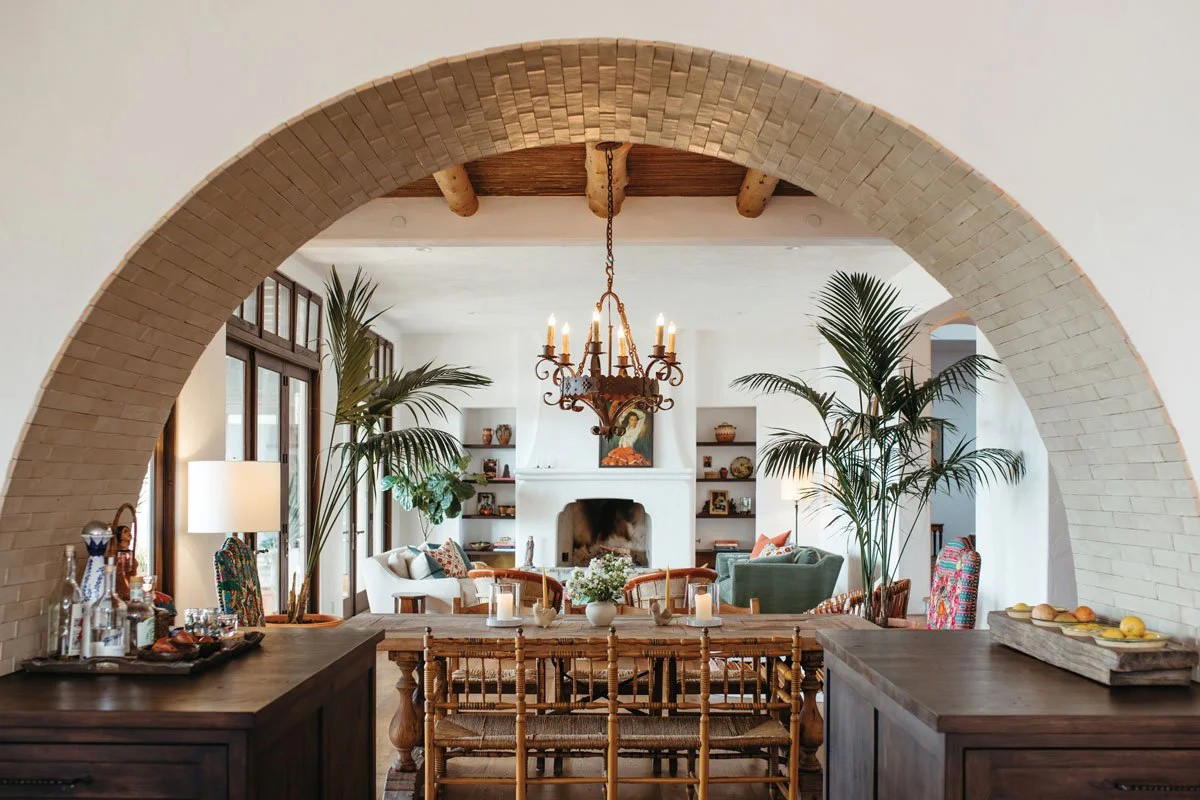
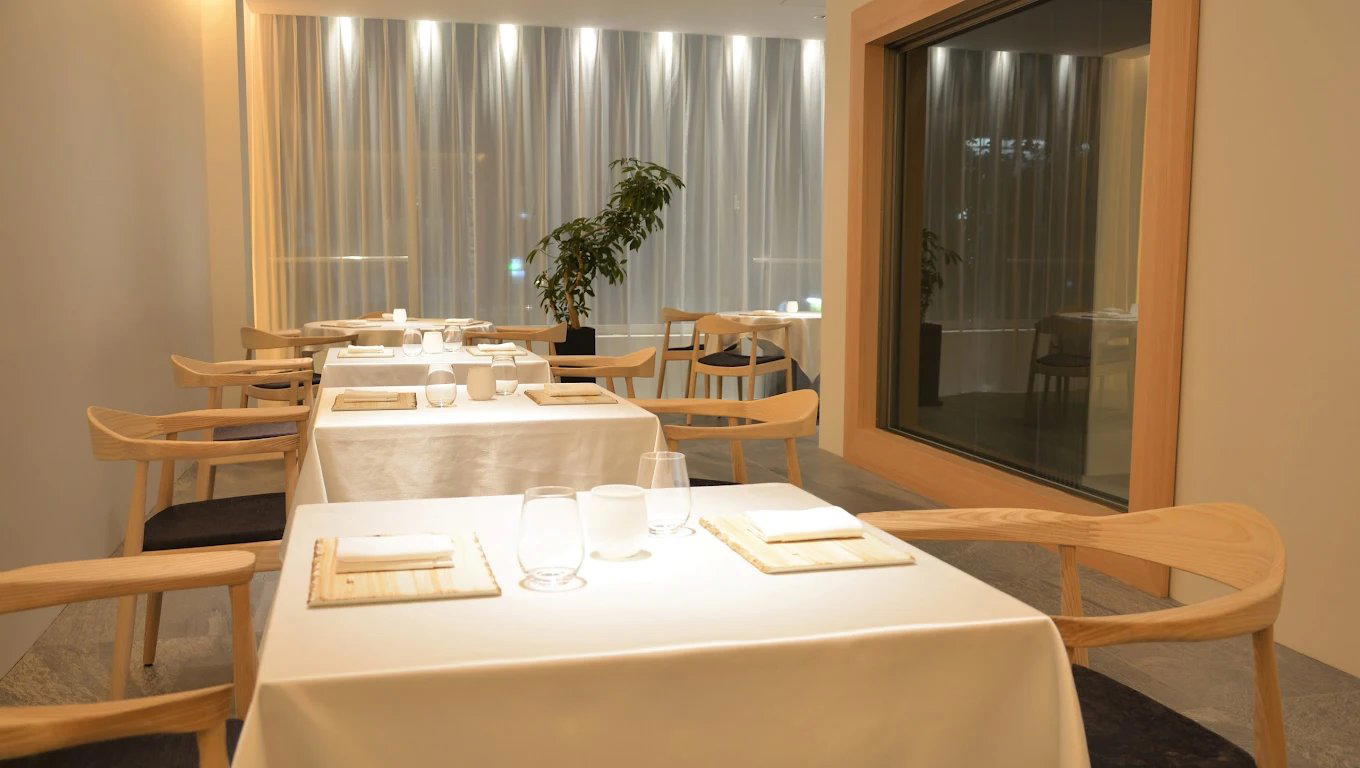
A lively, stylish sakaba setting with a relaxed feel and an open kitchen that adds energy and a sense of theater to the room.