
Tabelog 100 #83
Our verdict
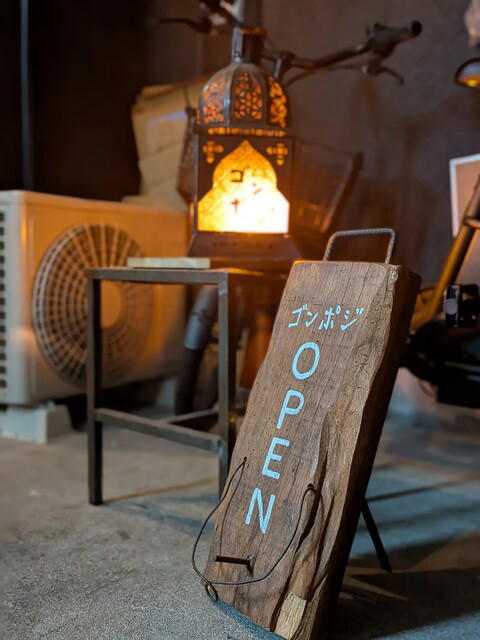
Rojiura Sakaba Gompoji brings Fukuoka’s tachinomi culture into a compact Nishijin setting, with counter seating, fish-led izakaya cooking, sake, shochu, and wine. Its selection for Tabelog 100 - Tachinomi - 2025 places it in a national conversation about standing-bar dining rather than the city’s better-known ramen and yatai circuits.

Pearl is the En Primeur Club membership app, where members save venues, book tables and use the concierge.
The menu
What to order
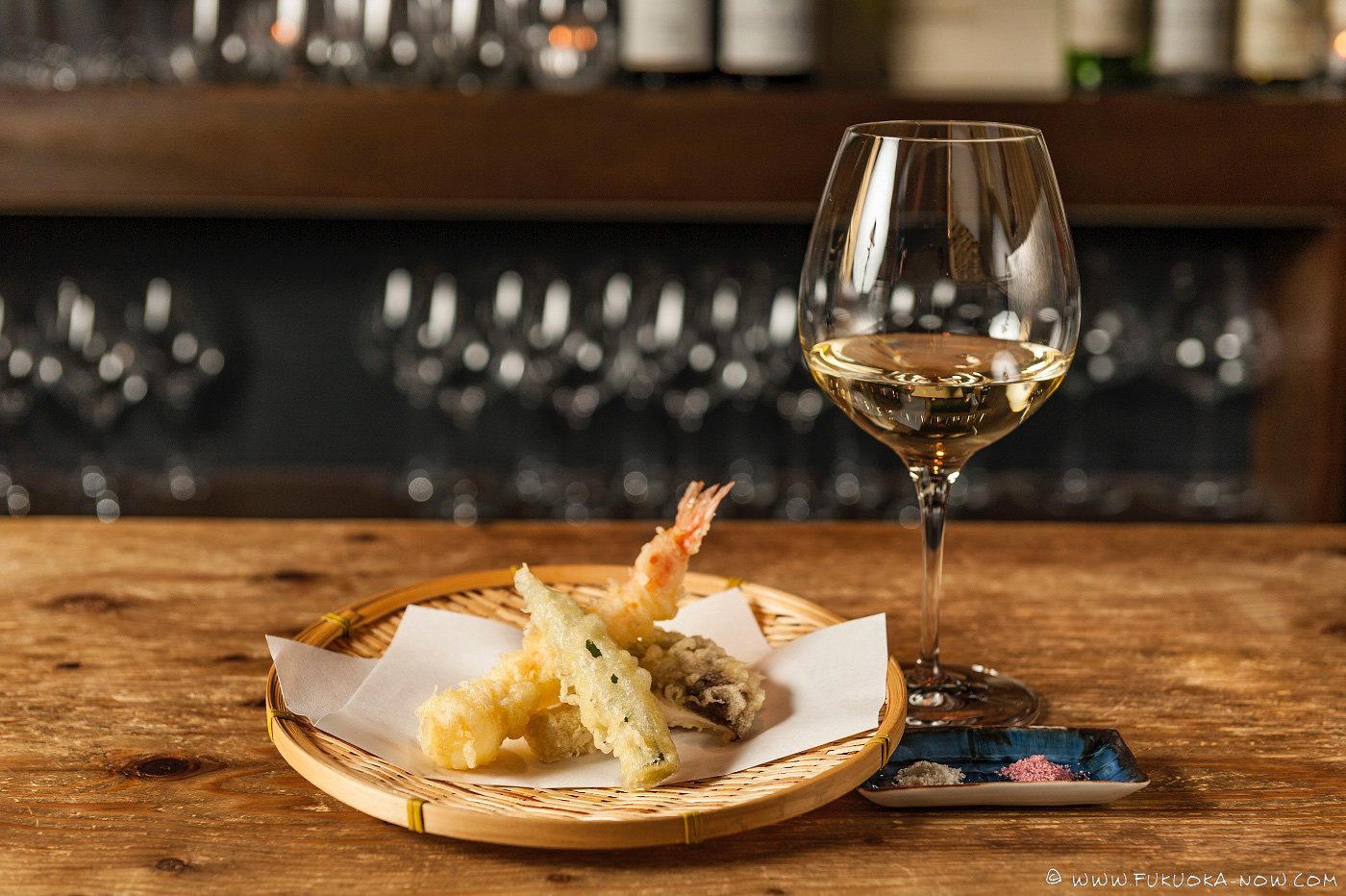
- Fresh sashimi with homemade condiments
- Orange chicken
- Fried anago
In Fukuoka, the evening dining rhythm is often less theatrical than in the city’s busiest nightlife areas. The interest sits in smaller rooms, tavern settings, and places where the distance between drink, cook, and customer can feel narrow. Izakaya culture depends on that compression: direct service, compact pacing, and food that can hold its ground beside drinks without becoming a full-course performance.
Rojiura Sakaba Gompoji belongs to that category of Fukuoka dining that rewards attention to format. The venue is identified as an izakaya, a Japanese-style tavern, rather than as a formal restaurant. That matters in a city where casual dining can still be highly intentional; the serious question is how a tavern organizes drinking, ordering, and pace, not whether it performs as destination fine dining.
Fukuoka izakaya dining with tavern pace at the center
Izakaya dining is often misunderstood outside Japan as a budget shorthand. At its better end, it is a discipline of pace and proportion. The food has to arrive in forms that make sense with a glass in hand, the drink offering has to support the evening rather than sit in the background, and the room cannot rely on the leisurely spacing of a restaurant built for long tasting menus. Gompoji’s 2025 Tabelog Hyakumeiten recognition is the relevant trust signal here: it places the venue inside a list for its field, a category that has its own standards rather than borrowing prestige from fine dining.
Fukuoka gives this format unusually strong context. The city’s food identity is often reduced to a few famous dishes, but its everyday drinking culture is broader than that shorthand suggests. Izakaya cooking sits naturally beside Japan’s drinking traditions, while contemporary tavern evenings can move across different styles of beverage in the same sitting. The result is not fusion for its own sake; it is a practical response to how people now eat and drink in Japanese cities.
Within Fukuoka, that balance feels especially local. The city supports casual dining across different styles and budgets: Nishishin Hatsuki Honten, Yakitori Benkei Nishijin ten, Shokudo Shiotosake, Tsukune Seisakusho, and Bajo So all sit within the wider field of Fukuoka dining. Against that backdrop, Gompoji reads less like a generic stop and more like a tavern specialist, where the izakaya category and listed evening price range of JPY 4,000 - JPY 4,999 carry the experience.
The tavern format is the point, not a consolation prize
Tavern dining changes the social contract of an evening meal. Large restaurant formats can encourage diners to settle into a long, self-contained dinner; an izakaya places more emphasis on sequence, glassware, and the rhythm of orders. In tavern-led dining, the format is not incidental. It controls pace. Gompoji belongs to the low-fuss side of Fukuoka dining, where timing, ordering rhythm, and party size can matter as much as the individual dishes.
This is where Fukuoka’s drinking culture differs from the postcard version of the city. The famous images are communal, outdoor, and transient. Small tavern settings are more contained: less spectacle, more repetition, and a stronger dependence on regulars and informed diners. An izakaya in this setting is not trying to compete with the city’s most famous queues or with formal dining rooms. It occupies the middle ground between snack-led drinking and restaurant-level attention, a space that Japan’s izakaya tradition has always handled better than almost anywhere else.
For readers building a wider Fukuoka itinerary, that distinction helps. A night around izakaya dining should not be planned like a single grand dinner. It works better as one sharp, focused stop within a broader evening, especially for travelers comparing Fukuoka’s casual food culture against the city’s more formal dining rooms. For broader mapping, see Our full Fukuoka restaurants guide, with hotel context in Our full Fukuoka hotels guide, drinks coverage in Our full Fukuoka bars guide, regional drinking context in Our full Fukuoka wineries guide, and cultural planning through Our full Fukuoka experiences guide.
How it fits into a Fukuoka eating day
The useful way to read Gompoji is as part of Fukuoka’s after-dark grammar. Lunch may belong to quick meals, set menus, or counter-style stops elsewhere; dinner opens into taverns and small drinking rooms. Travelers who want range rather than repetition can place it beside other Fukuoka dining rooms across the city. That wider field outlines a place where casual does not mean careless, and where specialization often beats breadth.
Seen nationally, the same pattern appears across Japan’s more focused small-format dining. A traveler comparing genres might look beyond Fukuoka to other compact restaurants, taverns, and casual specialists in major Japanese cities. Outside Japan, the same interest in compact Japanese formats appears in exported versions of tavern and snack-bar culture, though Fukuoka’s version remains more closely tied to local drinking culture than to export polish.
The editorial case for Gompoji is not excess. It is scale, category, and cultural fit. A Fukuoka izakaya recognized in a 2025 Tabelog Hyakumeiten context says more about contemporary local dining than another checklist of famous dishes. It points to a city where serious eating often happens in modest rooms, where drinking food carries intent without ceremony, and where taverns offer a calmer counterpoint to the better-known central scenes.
Frequently asked questions
Is Rojiura Sakaba Gompoji suitable for children?
Rojiura Sakaba Gompoji is an izakaya in Fukuoka. That format generally suits adults more naturally than families with young children, especially for an evening service built around tavern dining and drinks.
Is Rojiura Sakaba Gompoji formal or casual?
It reads as casual rather than formal: an izakaya in Fukuoka with a listed price range of JPY 4,000 - JPY 4,999. Its 2025 Tabelog Hyakumeiten recognition signals quality, not white-tablecloth formality.
How much does it cost to eat at Rojiura Sakaba Gompoji?
Pricing at Rojiura Sakaba Gompoji is listed as JPY 4,000 - JPY 4,999.
Is Rojiura Sakaba Gompoji open every day?
Specific opening hours are not provided here; check directly with Rojiura Sakaba Gompoji before visiting.
Where do I go for Rojiura Sakaba Gompoji?
Fukuoka.
Budget and Context
Comparable venues at a glance for context.
| Venue | Cuisine | Price | Awards | Notes |
|---|---|---|---|---|
| Rojiura Sakaba GompojiThis venue (the venue you are viewing) | Japanese Izakaya | $30–50 | Tabelog 100 #83 | Not listed |
| Shinshu Soba Murata | Traditional Soba & Tempura | $20–30 | Tabelog 100 #49 | Hakata, Traditional Soba & Tempura |
| Jidori Shokudo Magaribuchi ten | Japanese Jidori Chicken BBQ | $20–30 | Tabelog 100 #99 | Sawara, Japanese Jidori Chicken BBQ |
| Rankan | Traditional Japanese Kissaten Coffee House | $10–20 | Not listed | Dazaifu, Traditional Japanese Kissaten Coffee House |
| 枯淡 | Edomae Sushi Omakase | $200–300 | Not listed | Chūō, japanese |
| Akasaka Komikan | Traditional Japanese Izakaya | $30–50 | Tabelog 100 #40 | Chūō, Traditional Japanese Izakaya |
Recognition history
Dated appearances from independent guides and award organizations, with the underlying list record or original source where available.
Tabelog 100 #83 · No. 83
Tabelog · Tabelog 100 - Tachinomi - 2025
Continue exploring
More in Fukuoka
Restaurants in Fukuoka
All restaurants in Fukuoka →
Details
- Cozy
- Intimate
- Lively
- Casual Hangout
- After Work
- Solo
- Group Dining
- Standalone
- Sake Program
- Beer Program
- Street Scene
- A La Carte
- Sake
- Beer
Current opening hours
- Monday
- 5:30–11 PM
- Tuesday
- 5–11 PM
- Wednesday
- 5–11 PM
- Thursday
- 5–11 PM
- Friday
- 5–11 PM
- Saturday
- 2–10:30 PM
- Sunday
- 2–8:30 PM
Hours can change for holidays and private events. Hours as of .
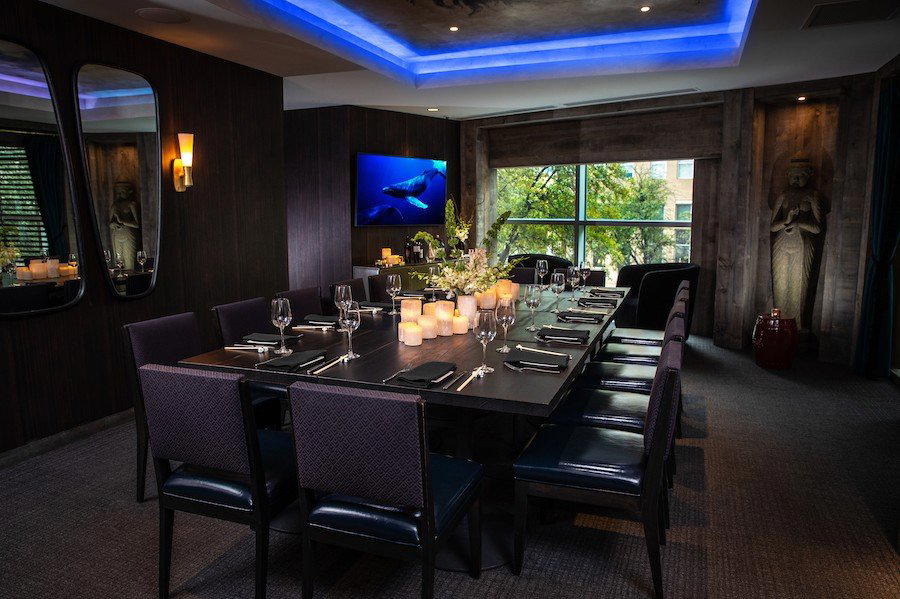
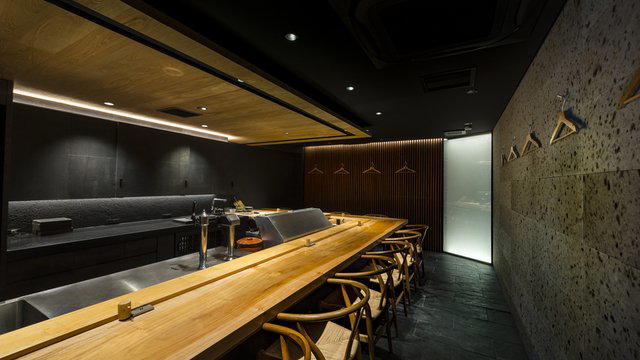
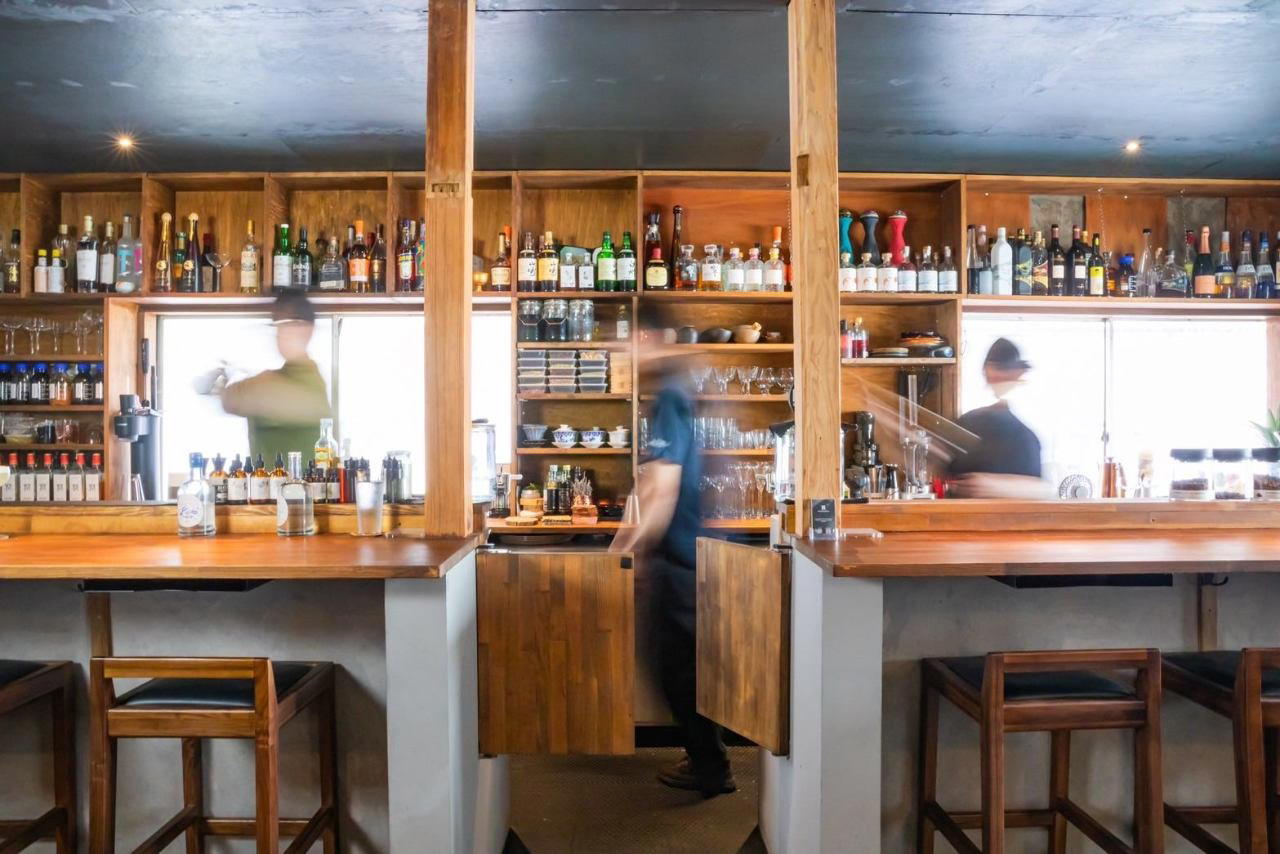
A small, tucked-away tavern atmosphere suited to relaxed drinks and conversation with close friends.