River's Bend
Our verdict
River's Bend sits along the Green Bay corridor in Howard, Wisconsin, where the Upper Midwest's farm-and-water geography shapes what ends up on the plate.

Pearl is the En Primeur Club membership app, where members save venues, book tables and use the concierge.

Wisconsin's dining conversation tends to anchor itself around Milwaukee and Madison, but Howard and the broader Green Bay metro operate with their own logic: a food culture shaped by Midwestern agricultural density, Great Lakes freshwater access, and a working-class pragmatism that resists the kind of performance-first dining that dominates bigger markets. That context matters when reading any Howard address. Sourcing is not a marketing position here; it is a structural reality. Farms are close. The water is close. The supply chain is short by default.
Ingredient Geography: The Upper Midwest Advantage
The Upper Midwest holds a sourcing advantage that coastal dining scenes spend considerable money trying to approximate. Wisconsin alone produces more than a quarter of the country's cheese output and carries one of the densest concentrations of working dairy farms in North America. The Fox Valley corridor adds freshwater fish, walleye and perch in particular, drawn from Lake Winnebago and the connected lake system that flows through this region. For a restaurant with river-bend geography in its name and its address, that freshwater tradition is the most natural anchor.
Across the American fine-dining conversation, ingredient sourcing has moved from differentiator to baseline expectation. Properties like Single Thread Farm in Healdsburg and Blue Hill at Stone Barns in Tarrytown have built their entire identities, and their critical reputations, on the argument that proximity and seasonality are the most important variables on the plate. In the Midwest, that argument does not require the same constructed theater, because the geography does the work. Howard is surrounded by the raw material; the kitchen's job is to get out of the way.
That restraint-first philosophy, when applied to Great Lakes freshwater fish and Wisconsin dairy, produces a regional character that sits apart from the seafood-centric sourcing narratives you find at a place like Le Bernardin in New York City or Providence in Los Angeles. Those counters operate at the highest technical level, but they source globally by necessity. A Fox Valley kitchen sources locally by proximity. The culinary argument is different, and so is the result on the plate.
Howard in the Regional Dining Picture
Green Bay and Howard do not draw the same volume of food-media attention as Chicago, where Alinea anchors one extreme of the progressive American dining spectrum, or San Francisco, where Lazy Bear occupies a format-driven position with communal-table ticketed dinners. That lower profile is partly structural, smaller city, smaller critical press presence, and partly a function of Wisconsin's hospitality culture, which tends toward substance over spectacle.
That gap between attention and quality is well-documented in mid-size Midwestern dining markets. Frasca Food and Wine in Boulder spent years building a nationally recognized program in a city that most food writers overlooked. Bacchanalia in Atlanta established a sourcing-led identity before the city's dining scene attracted serious national coverage. Howard operates in a similar register: a city where the food can be ahead of the critical narrative. For our full Howard restaurants guide, see our full Howard restaurants guide.
The river-adjacency is not incidental in a town like Howard. The Fox River system has shaped settlement patterns, industry, and food culture across northeastern Wisconsin for two centuries. Restaurants that position themselves in relation to that geography, literally and conceptually, are drawing on something with actual historical depth. That is a different kind of credibility than the award-driven signaling you find at Addison in San Diego or the tasting-menu prestige of The Inn at Little Washington, and it speaks to a different dining audience.
The Broader Midwest Sourcing Conversation
Sourcing-led dining has proliferated across the American interior in the past decade, producing a generation of kitchens that treat regional specificity as a primary creative constraint. Brutø in Denver frames its menu around fermentation and local agriculture. Causa in Washington, D.C. builds a Peruvian-rooted program around hyper-specific ingredient provenance. ITAMAE in Miami applies Japanese technique to South Florida's fishing culture. Each of these represents a version of the same underlying argument: that the most interesting food comes from the tension between a culinary tradition and the specific geography it operates within.
In Howard, the relevant tension is between the Midwestern comfort-food inheritance, Friday fish fry culture runs deep across Wisconsin, and it is not something to dismiss as low-stakes, and the sourcing precision that the same agricultural base can support at a more ambitious level. A kitchen that understands both registers, that can honor the Friday-night walleye tradition while applying a more considered approach to how that fish is sourced, handled, and served, occupies a genuinely interesting position in the regional dining picture. The comparison set is not Chicago or New York; it is the specific character of northeastern Wisconsin food culture at its most thoughtful.
For reference points further afield in the sourcing-led dining conversation, the contrast with Korean-rooted precision at Atomix in New York City or the Italian-inflected sourcing discipline at 8 1/2 Otto e Mezzo Bombana in Hong Kong clarifies what makes regional American sourcing narratives distinctive: the absence of imported tradition forces a kitchen to define its own culinary logic from the ground up. That is harder than it sounds, and when it works, it produces something more specific than any international format can.
Planning a Visit
Howard sits just west of Green Bay proper, accessible from Highway 41 and the local road network that connects the Fox Valley communities. Given the absence of published booking or hours data, contacting the restaurant directly in advance is the practical approach for any party, particularly on weekends, when Green Bay-area dining spots serving a regional audience tend to fill earlier than city-dwellers expect. Visitors coming from the broader Chicago or Milwaukee corridor should factor in the drive and plan accordingly; Howard does not have the hotel density of a major metro, so Green Bay accommodations serve as the natural base.
Frequently asked questions
Is River's Bend a family-friendly restaurant?
Howard's dining culture runs toward casual accessibility, and a neighborhood address on Riverview Drive in the Green Bay metro suggests River's Bend serves a local, mixed-age crowd rather than a formal dining room with dress-code expectations. The Fox Valley communities generally support restaurants that work for both weeknight family dinners and adult evenings out. For confirmed hours, seating formats, and any age-specific policies, contacting the venue directly before visiting is the practical step.
Is River's Bend better for a quiet night or a lively one?
Howard sits west of Green Bay proper, away from the waterfront bar corridors and downtown foot traffic that drive louder room energy. A Riverview Drive address in a neighborhood-serving geography points toward the quieter end of the scale, the kind of room where conversation carries without competing with a DJ or a full bar crowd.
Where exactly is River's Bend located, and how do you get there from Green Bay?
River's Bend is at 792 Riverview Dr in Howard, Wisconsin, a community that sits immediately west of Green Bay and connects to the broader Fox Valley via Highway 41 and local surface roads. The Riverview Drive corridor runs close to the Fox River watershed, giving the area its geographic character. Howard is a short drive from downtown Green Bay, making River's Bend accessible for visitors staying in the city center without requiring a long detour.
What dish is River's Bend famous for?
Northeastern Wisconsin's strongest culinary argument historically runs through dairy, freshwater fish from the Fox River watershed, and cold-climate produce, so those ingredients represent the regional context any serious Howard kitchen would likely work within. For the current menu, the venue's address at 792 Riverview Dr, Howard is the starting point for a direct inquiry.
Where do I go for River's Bend?
River's Bend is located at î792 Riverview Dr, Green Bay, WI 54303, Howard.
A Quick Peer Check
Comparable venues nearby, for context on price, style, and recognition.
| Venue | Cuisine | Price | Awards | Notes |
|---|---|---|---|---|
| River's BendThis venue (the venue you are viewing) | Traditional Wisconsin Supper Club Steak & Seafood | Not listed | Not listed | Not listed |
| Mackinaws Grill & Spirits | Rustic American Grill | $20–30 | Not listed | Green Bay |
| Kroll's East | Classic American Diner | $10–20 | Not listed | East Side |
| Peters' Boyz Texas BBQ | Texas BBQ | $20–30 | Not listed | Kimberly |
| Story Hill BKC | New American Share Plates | Not listed | Wine Spectator Best of Award of Excellence | Story Hill |
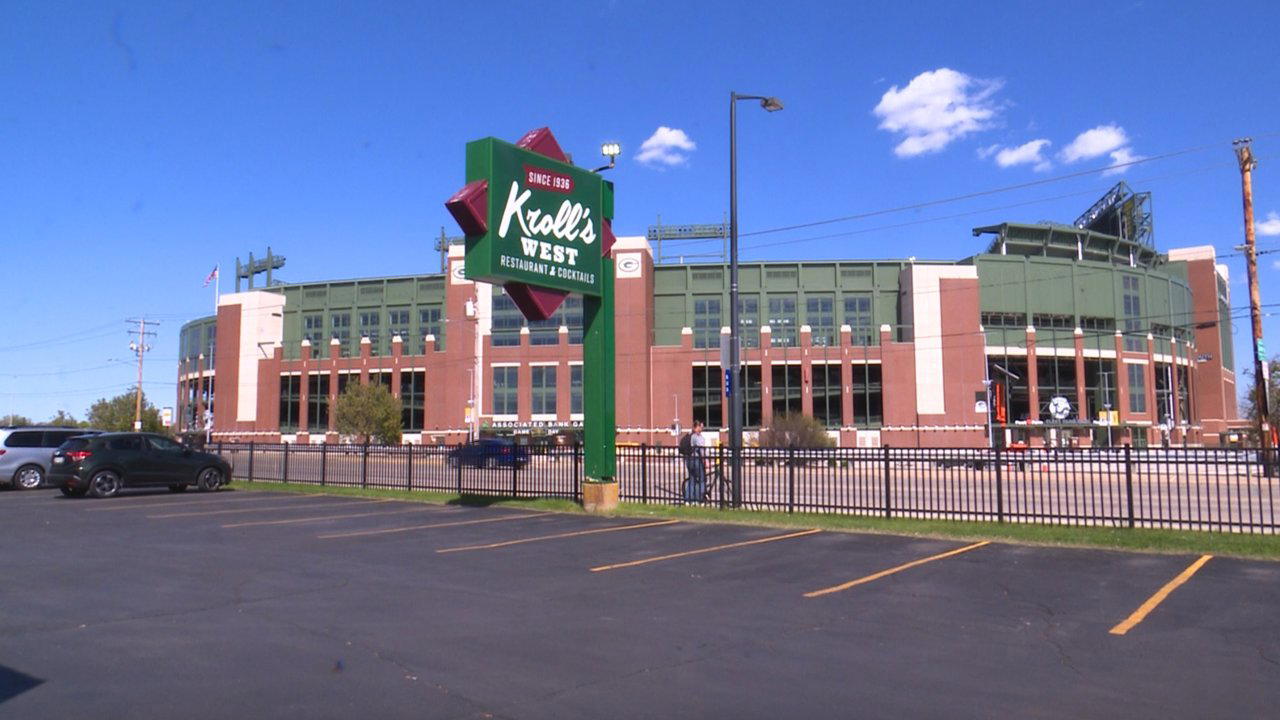
| Kroll's West | Classic American Diner | $20–30 | Not listed | Ashwaubenon |
Continue exploring
More in Howard
Restaurants in Howard
All restaurants in Howard →
Details
- Classic
- Cozy
- Scenic
- Family
- Group Dining
- Special Occasion
- Waterfront
- Waterfront
- A La Carte
Current opening hours
- Monday
- Closed
- Tuesday
- 3–9 PM
- Wednesday
- 3–9 PM
- Thursday
- 3–9 PM
- Friday
- 3–10 PM
- Saturday
- 3–10 PM
- Sunday
- 10 AM–2 PM, 4–8 PM
Hours can change for holidays and private events. Hours as of .
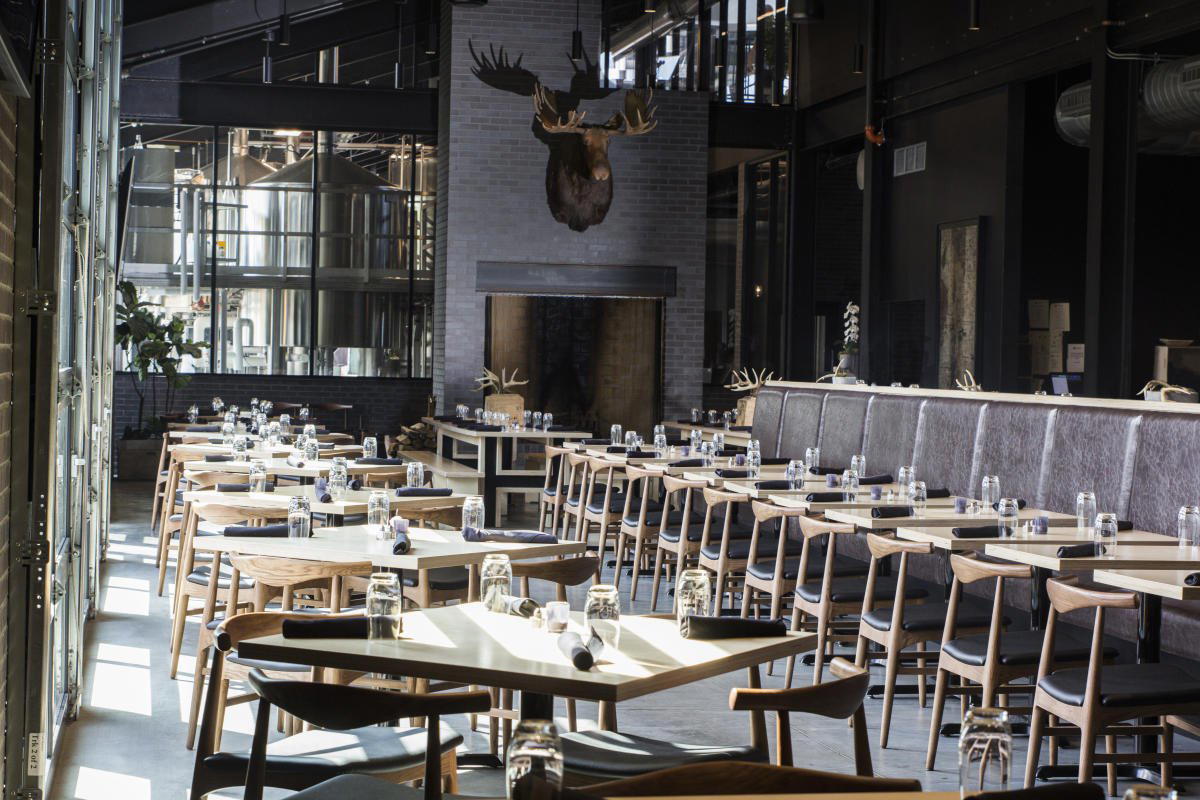
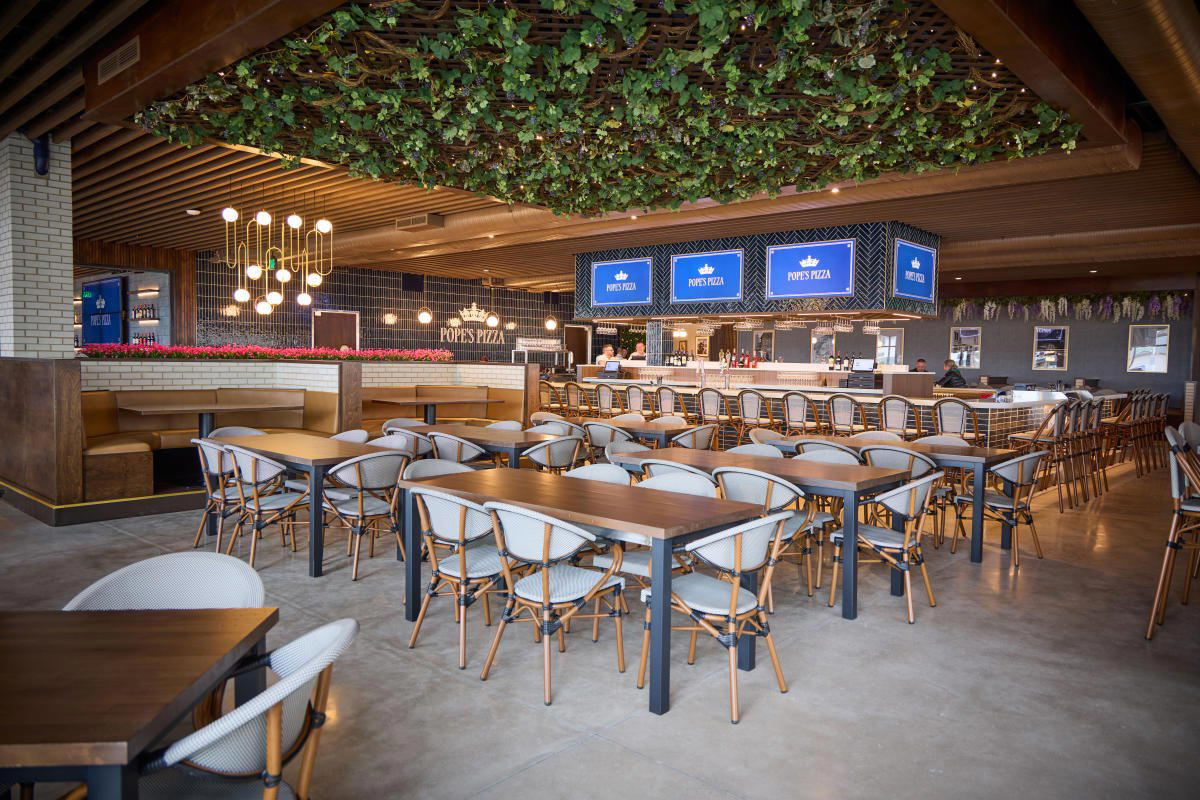
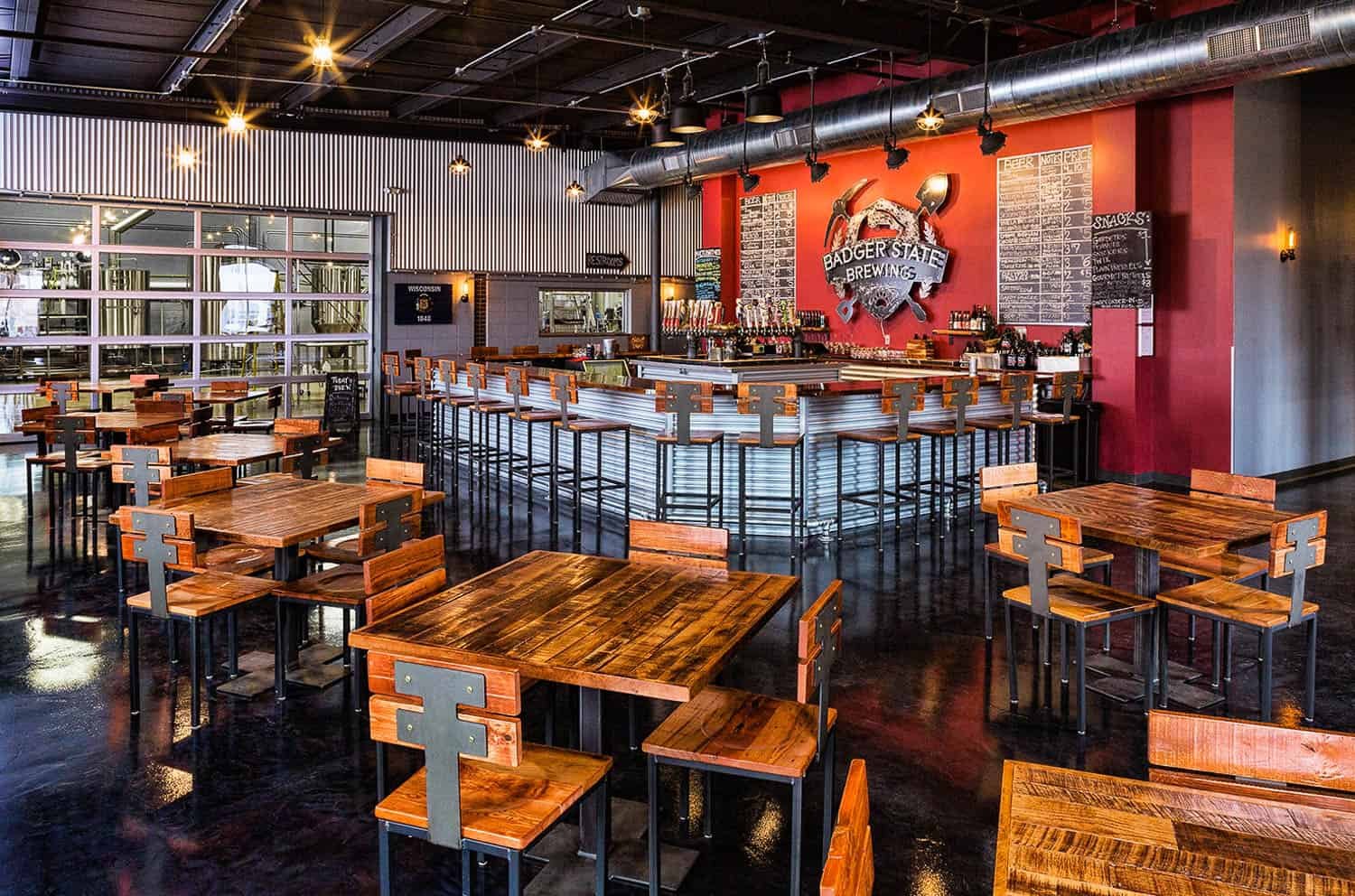
Spectacular riverside ambiance with a touch of class in a renovated space featuring a large granite-top bar.