Angelina
Angelina sits on North Adams Street in downtown Green Bay, a corner of the city where independent dining has gradually displaced chain anchors. The kitchen's orientation toward ingredient sourcing places it in a growing tier of Wisconsin restaurants that treat provenance as a structural commitment rather than a menu footnote. For the Green Bay dining scene, that positioning is notable.
Pearl is the En Primeur Club membership app — saves, bookings, and concierge access live there. Same editors, same standards.
- Address
- 117 N Adams St, Green Bay, WI 54301
- Phone
- +19204377248
- Website
- angelinagb.com
- Directions
- Get directions
 Saves & bookings on Pearl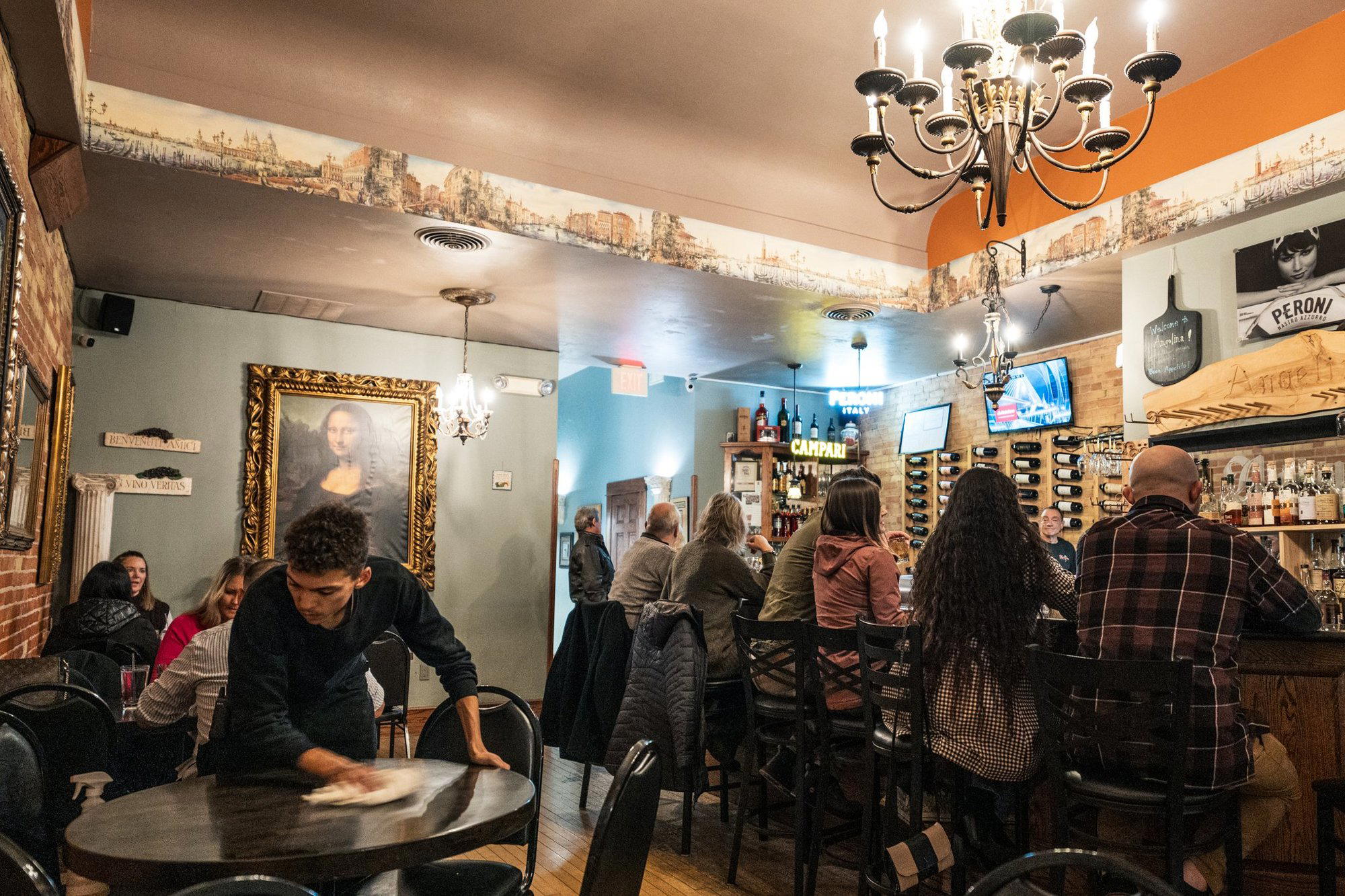
Downtown Green Bay and the Sourcing Question
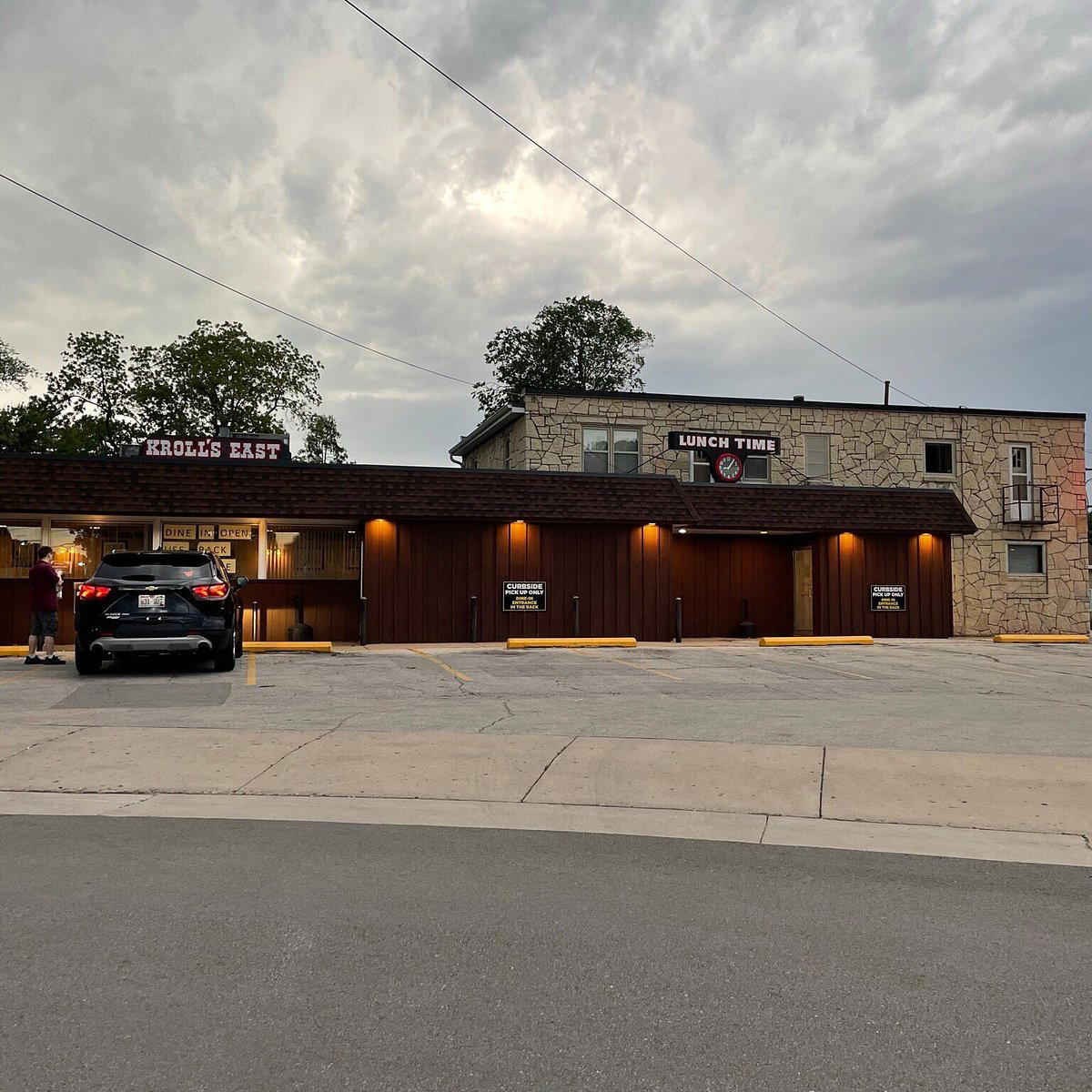
Green Bay's dining identity has long been defined by supper clubs, fish fries, and the kind of casual Midwestern hospitality that places like Kroll's East have anchored for generations. What has shifted in the past decade is the emergence of a smaller, more considered tier: restaurants where the supply chain receives the same attention as the plate itself. That shift mirrors what has happened in larger Midwestern cities, and Angelina, at 117 N Adams St, sits inside that broader movement.
The question of where food comes from has become one of the defining editorial lines in American fine dining. Restaurants like Blue Hill at Stone Barns in Tarrytown and Single Thread Farm in Healdsburg have made sourcing the structural backbone of their entire program, not a seasonal talking point. The interesting question for a city like Green Bay is how that philosophy translates when the surrounding agricultural region offers something genuinely different from the Hudson Valley or Sonoma County. Wisconsin's dairy, its Great Lakes proximity, and its cold-climate produce calendar are not secondary credentials. They are a distinct identity, and restaurants willing to commit to them have a more specific story to tell than those that simply source broadly.
The Dining Room and What the Address Signals
North Adams Street in downtown Green Bay runs through a block that has seen gradual reinvestment over recent years. The address places Angelina within walking distance of the city's performing arts venues and the Fox River corridor, a location that attracts both pre-theater diners and the smaller professional and creative class that has helped sustain independent restaurants in mid-sized Midwestern cities. That demographic tends to read sourcing credentials as a signal of seriousness, which means the market for ingredient-forward cooking in this part of the city is more developed than it might appear from the outside.
The broader Green Bay dining scene rewards some comparison. Plae Bistro and Mackinaws Grill and Spirits have each carved distinct positions in the market. Grapevine Café and Delilah's represent other points on the spectrum. What differentiates venues at the upper end of the Green Bay market is less the price point than the coherence of the editorial position: does the kitchen have a point of view it can sustain across seasons, or is the menu a collection of well-executed dishes without a unifying argument? Ingredient sourcing, when it is genuine rather than decorative, answers that question.
Sourcing as Structure, Not Decoration
The restaurants that have made one durable case for provenance-led cooking are those that treat it as a constraint, not a marketing layer. At Smyth in Chicago, the sourcing geography is narrow enough that the menu is effectively a seasonal document. Atelier Moessmer Norbert Niederkofler in Brunico has taken the alpine region argument further than almost anyone in Europe, treating local geography as the only legitimate frame for the kitchen's decisions. These are extreme versions of a principle, but they illustrate what separates a genuine sourcing commitment from the rhetorical version that appears on menus without changing what is actually cooked.
Wisconsin offers a specific set of raw materials that most of the country cannot replicate. The dairy infrastructure alone, which underpins everything from fresh curds to aged cave cheeses, gives a committed kitchen access to product that restaurants in coastal cities pay a premium to import. Cold-climate vegetables, freshwater fish from Lake Michigan and Green Bay's own waters, and a pork and beef supply from smaller regional operations represent a sourcing argument that is genuinely place-specific. When a restaurant commits to that geography, it is not simply following a national trend. It is doing something that only makes sense in this particular part of the Midwest.
For context, this kind of regional commitment has driven particularly discussed restaurants in American dining over the past two decades. The French Laundry in Napa built its reputation partly on the density of the agricultural network surrounding Yountville. Providence in Los Angeles has made the sourcing of sustainable seafood a structural pillar. Addison in San Diego leans into Southern California's year-round growing season as a competitive advantage. The principle scales across price points and geographies. What matters is whether the commitment is structural or cosmetic.
Where Angelina Sits in the Green Bay Context
Green Bay is not a city that attracts the kind of national dining attention that flows toward Milwaukee or Madison, but that has as much to do with population size and critical infrastructure as it does with what the restaurants are actually doing. Mid-sized Midwestern cities have consistently produced serious cooking without the accompanying press coverage, and the dining press has been slow to correct for that bias. The relevant comparable set for a restaurant like Angelina is not necessarily Le Bernardin in New York City or Atomix in New York City. It is the tier of regionally serious restaurants that operate in markets where the competitive set is smaller but the sourcing geography is, in certain respects, more interesting.
Restaurants in the sourcing-forward tier tend to attract a specific kind of diner: someone who reads the menu as a document about the season and the region rather than a list of options. That diner is present in Green Bay, if in smaller numbers than in larger metro markets. The question is whether the local restaurant operating in that tier can maintain the discipline required to keep sourcing central when the easier commercial path is to broaden the menu and soften the commitments. The restaurants that have held the line, from Lazy Bear in San Francisco to Emeril's in New Orleans in its own terms, have generally done so by building a local audience that values the specificity rather than treating it as an obstacle.
The address on North Adams Street is accessible on foot from most of the downtown hotel stock, and the surrounding block offers enough pre- and post-dinner options to anchor a full evening without requiring a car. For a city of Green Bay's size, that kind of walkable dining concentration represents a structural asset that the leading independent restaurants have learned to use. Whether Angelina is among them at any given moment depends on when you visit and what the kitchen is working with, which is, in the end, exactly as it should be for a restaurant with sourcing at its core.
The argument holds in Green Bay as well as it does anywhere.
Planning Your Visit
Angelina is located at 117 N Adams St in downtown Green Bay, within the walkable core of the city. The restaurant is recommended for reservations and is open Monday through Saturday from 5 to 10 PM, with Sunday closed. The downtown location means parking options are available in the surrounding blocks, though the address is accessible on foot from several downtown accommodations. For broader context on dining in Green Bay across different price points and styles,
At-a-Glance Comparison
Comparable venues nearby, for context on price, style, and recognition.
| Venue | Cuisine | Price | Notes |
|---|---|---|---|
| AngelinaThis venue — the venue you are viewing | Authentic Italian | $$ | Not listed |
| Mackinaws Grill & Spirits | Rustic American Grill | $$ | Green Bay |
| Z Harvest Cafe | Fresh American Cafe | $$ | University Ave area |
| Plae Bistro | Contemporary American Bistro | $$$ | Bellevue |
| Republic Chophouse | Modern Urban Steakhouse | $$$ | downtown |
| Kroll's East | Classic American Diner | $$ | East Side |
Continue exploring
More in Green Bay
Restaurants in Green Bay
Browse all →
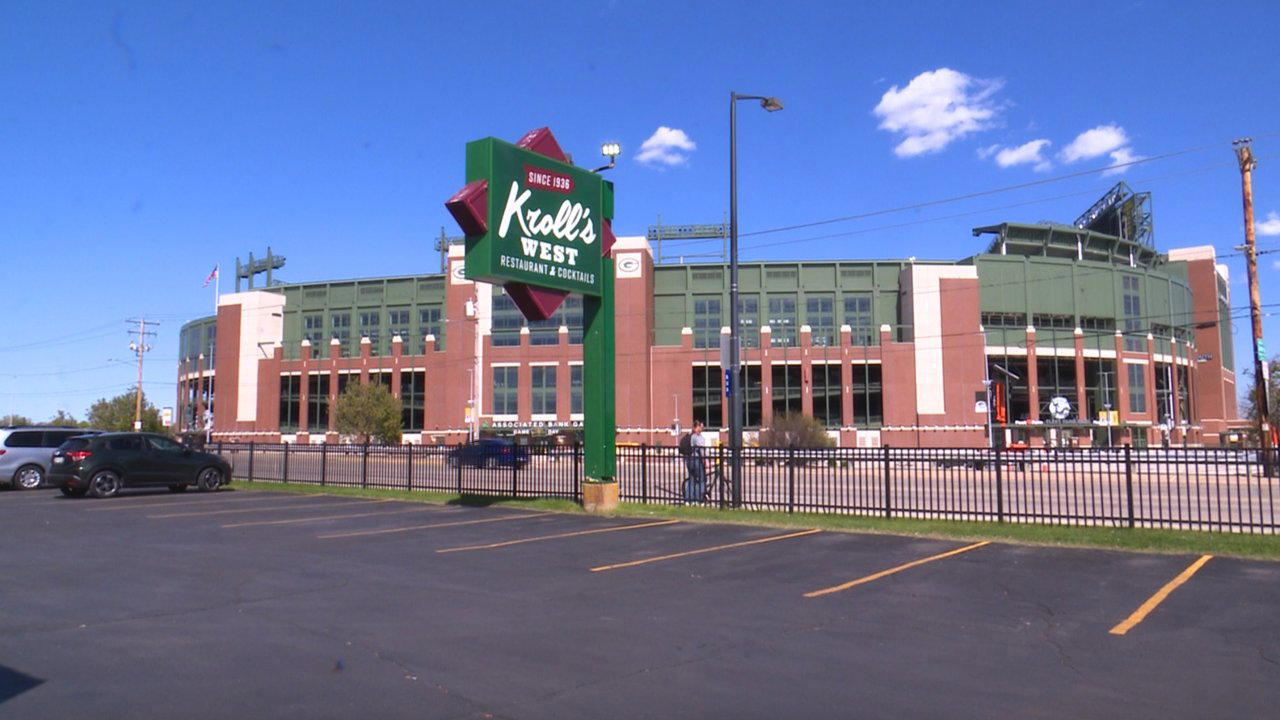
Bars in Green Bay
Browse all →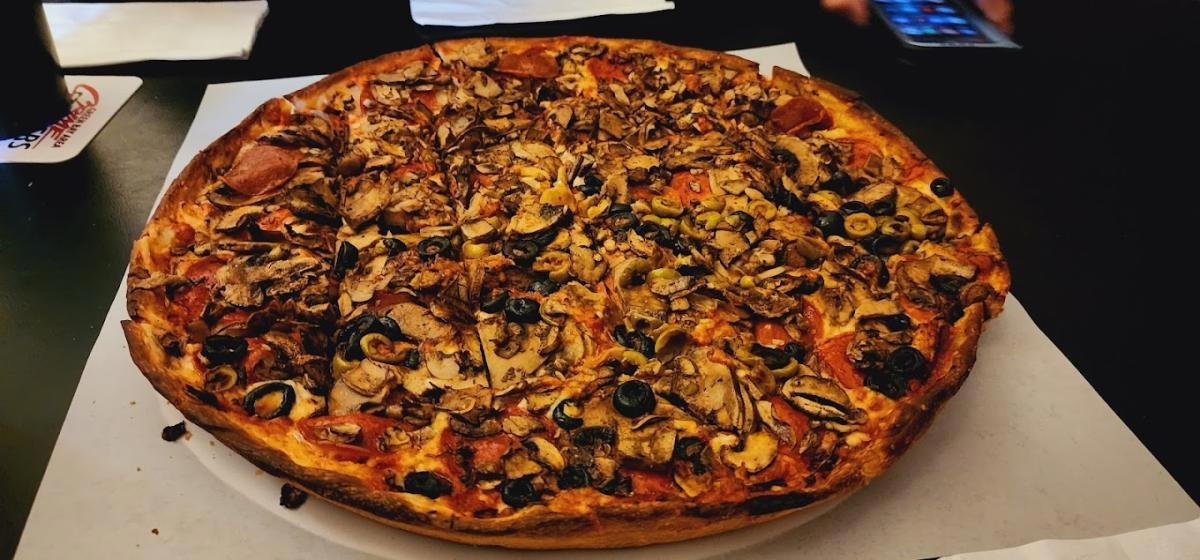
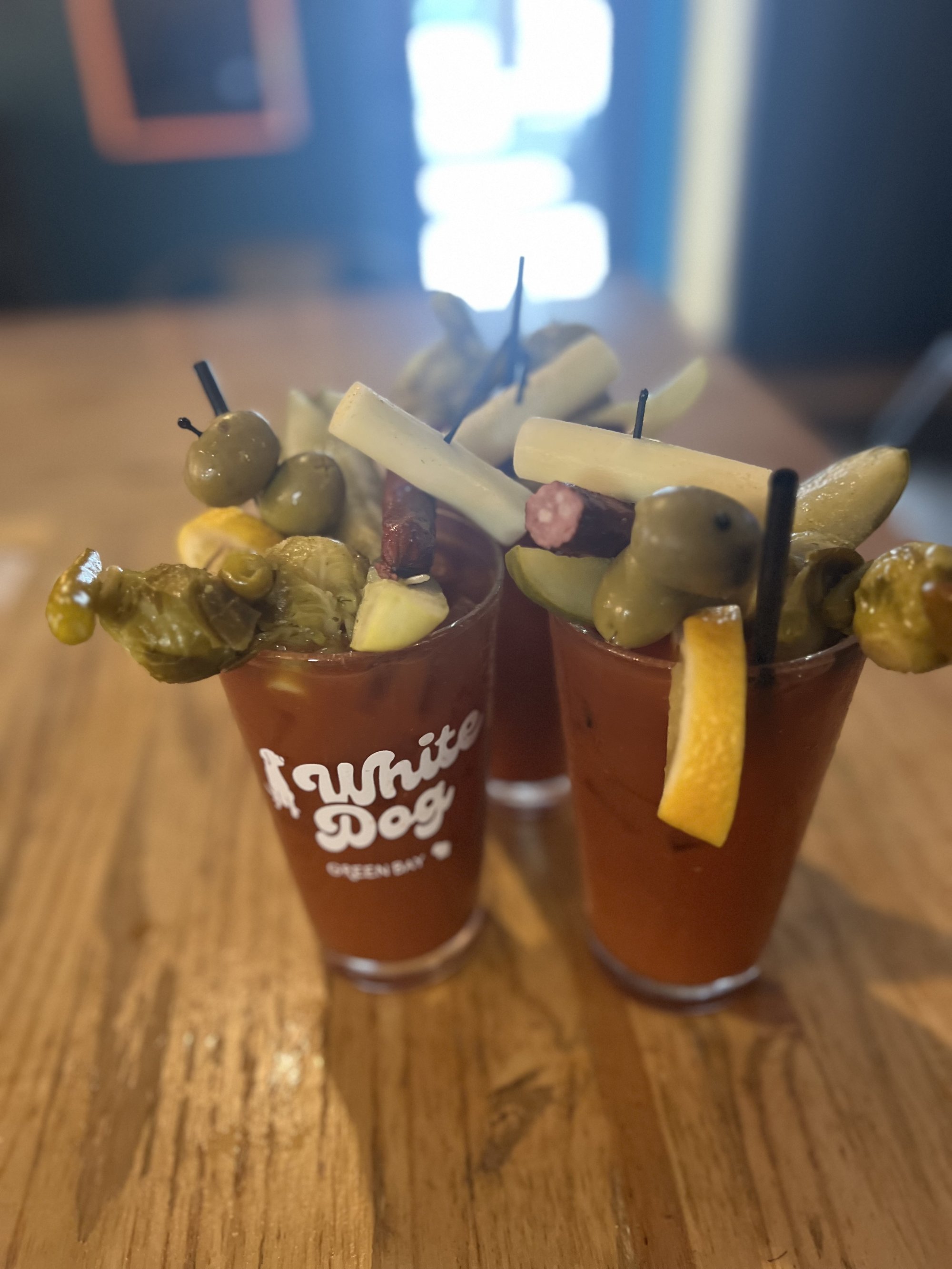

Hotels in Green Bay
Browse all →
At a Glance
- Cozy
- Intimate
- Elegant
- Date Night
- Special Occasion
- Family
- Standalone
Current opening hours
- Monday
- 5–10 PM
- Tuesday
- 5–10 PM
- Wednesday
- 5–10 PM
- Thursday
- 5–10 PM
- Friday
- 5–10 PM
- Saturday
- 5–10 PM
- Sunday
- Closed
Hours can change for holidays and private events. Last verified .
Intimate upper level atmosphere with warm, cozy setting praised for romantic dinners and excellent service.