Rivas



Michelin Plate · Guía Repsol 2 Soles · Macarfi 7.7 Food Rating
Our verdict
A family-run restaurant in the Salamanca countryside, Rivas has been cooking traditional Castilian food for over fifty years, drawing on produce from its own market garden and sourcing tuna directly from the port of Barbate. Holding the Michelin Plate in both 2024 and 2025, it sits at the honest, ingredient-focused end of rural Spanish dining, with a mid-range price point that reflects the format rather than the ambition.

Pearl is the En Primeur Club membership app, where members save venues, book tables and use the concierge.
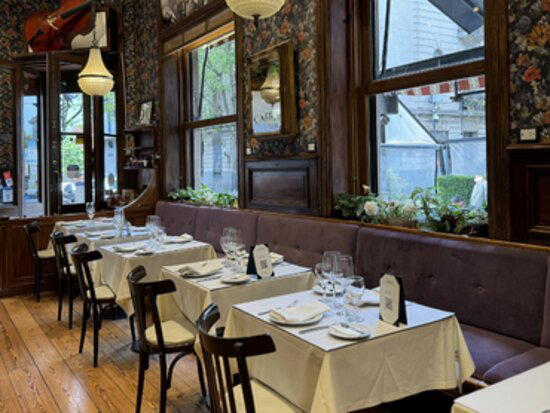
Where the Salamanca Countryside Comes to the Table
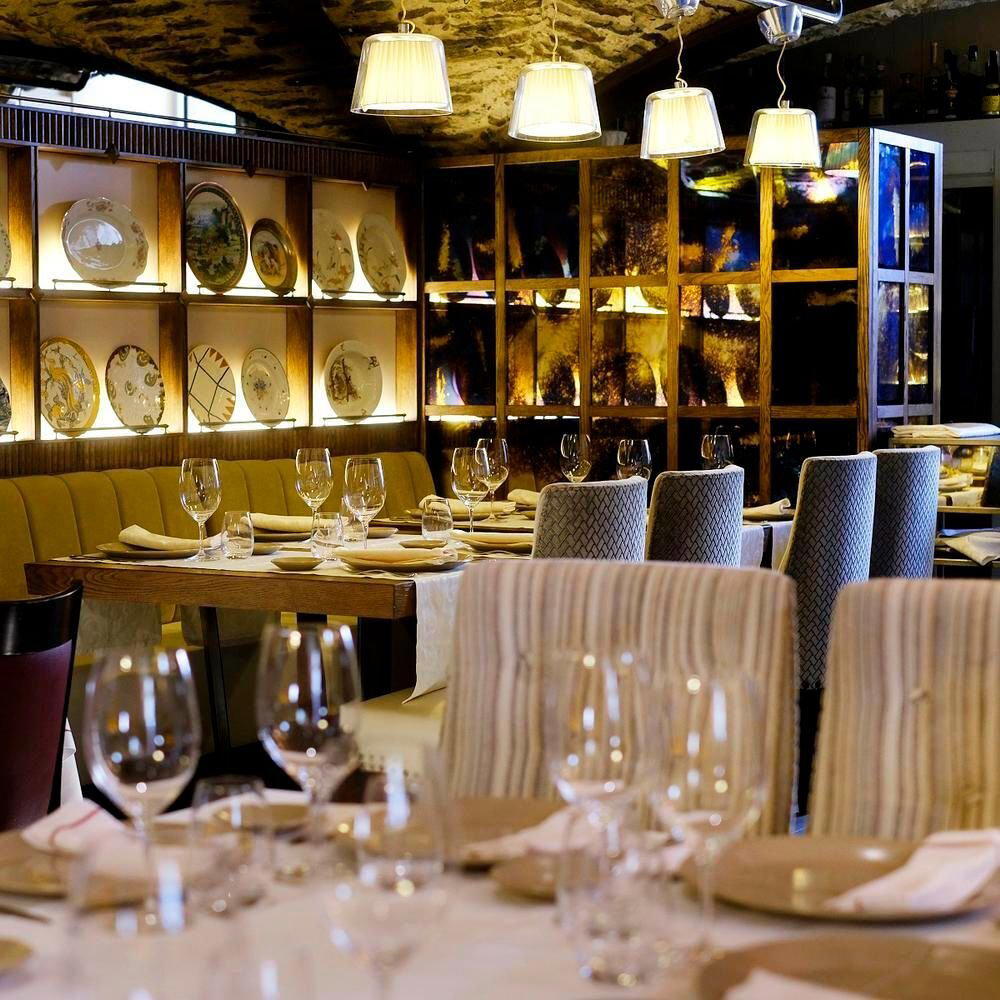
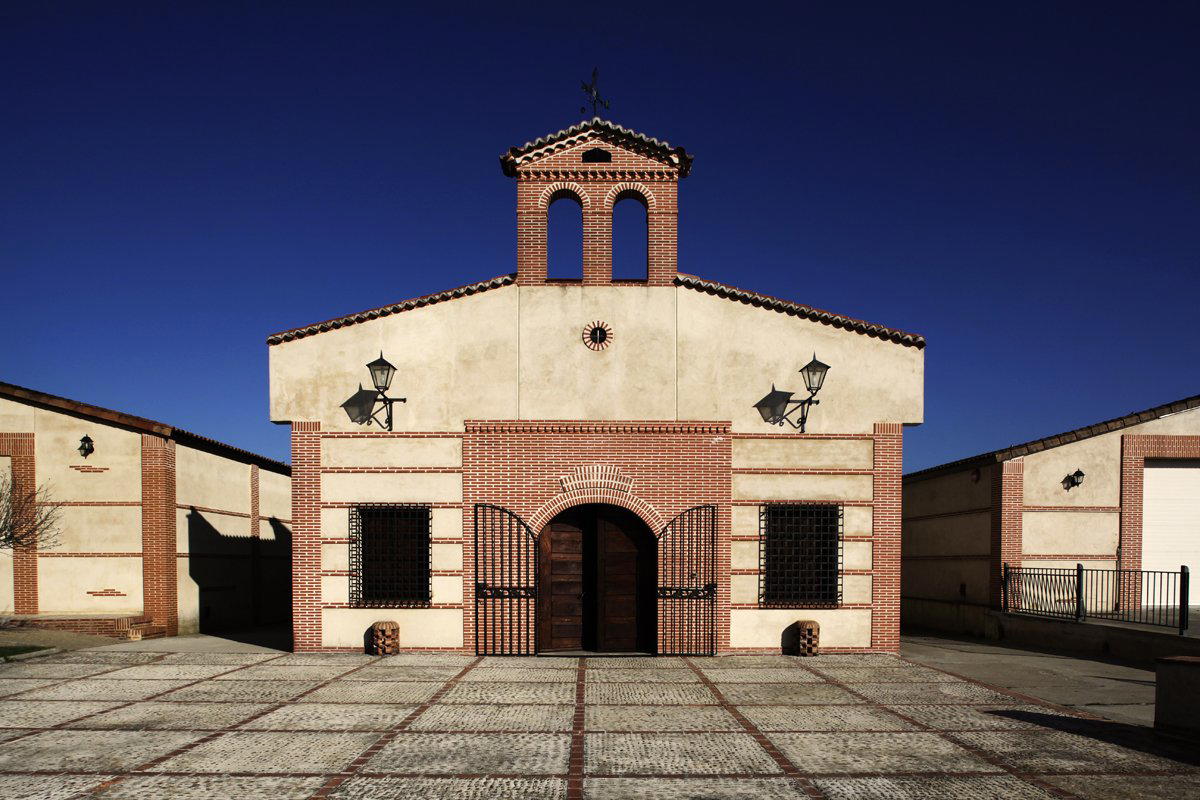
The road into Vega de Tirados runs through open Castilian farmland, the kind of flat, dry terrain that has shaped the cooking of this province for centuries. Rivas sits on that road, its modern exterior marking it clearly against the landscape without architectural pretension. Inside, wood and cement share the dining room in equal measure, giving the space a grounded, functional warmth that is characteristic of the better rural restaurants across Salamanca. This is not the kind of room that draws attention to its own design. It draws attention to what arrives at the table.
For over fifty years, Rivas has been taking orders here. That tenure places it in a specific category of Spanish provincial restaurant: places that have survived multiple generations of culinary fashion by doing one thing with steady conviction. The cooking is traditional, the sourcing is local, and the kitchen shows no signs of pivoting toward abstraction. In a region where restaurants at the top of the creative Spanish canon, from El Celler de Can Roca in Girona to Disfrutar in Barcelona, represent one pole of ambition, Rivas represents something equally deliberate at the other end: fidelity to place and ingredient over technique and spectacle.
From the Market Garden to the Dining Room
The ingredient sourcing at Rivas is the clearest expression of its editorial identity as a restaurant. The kitchen draws vegetables directly from its own market garden, a detail that shifts the conversation from provenance-as-marketing to provenance-as-operational-logic. When a restaurant controls its own vegetable supply, the menu follows the harvest rather than the other way around. That discipline produces food that is seasonal by necessity rather than by trend.
The Iberian pork that features persistently across the menu is similarly rooted in the immediate geography. Salamanca province sits adjacent to some of the most productive dehesa pasture in Spain, the oak-studded lowland habitat that underpins Iberian pig production at its finest. Stews built around this ingredient carry a regional specificity that cannot be replicated by sourcing from further afield. The same logic applies to the roasts, which form the structural backbone of Castilian cooking and remain, at Rivas, a point of emphasis rather than an afterthought.
Fresh fish section, priced by weight and varying with daily availability, adds range to a menu that could otherwise read as entirely land-locked. This is a format common in northern Spain and increasingly adopted in quality-focused provincial restaurants, where the daily pricing model signals both transparency and genuine fluctuation in supply.
The Tuna Connection
Among everything on the menu, the red tuna is the most specific expression of Rivas's sourcing philosophy. Traditionally caught red tuna from the port of Barbate in Cadiz has become the restaurant's most distinctive ingredient story, significant enough that the kitchen organises themed days around it each year, with large fish brought directly from the port. Barbate sits at the centre of the almadraba tuna season, the ancient trap-fishing tradition that runs through late spring and early summer along the Strait of Gibraltar coast. The fish processed through these operations are among the most traceable in European waters: specific boat, specific trap, specific week of the catch.
For a restaurant in inland Salamanca to maintain this kind of direct relationship with a specific port and fishing tradition is not incidental. It reflects the same sourcing logic that governs the vegetable garden: go directly to the origin and shorten the chain. That Rivas has built an annual event around this connection suggests the relationship is structural, not occasional. Visitors planning a trip around the tuna days should check availability in advance, as the format draws dedicated repeat visitors.
Spain's broader conversation about sustainable seafood is increasingly visible at the creative end of the market, from Aponiente in El Puerto de Santa María to Ricard Camarena in València. At Rivas, the approach is less conceptual and more practical: find the source, keep the chain short, cook it simply enough that the ingredient remains the point.
Recognition and What It Reflects
The Michelin Plate, awarded in both 2024 and 2025, is the guide's signal that a restaurant merits attention without reaching the star tier. In the context of the Michelin presence across Spain, which runs from three-star operations like Arzak in San Sebastián, Azurmendi in Larrabetzu, and Martin Berasategui in Lasarte-Oria through to rural mid-range tables, the Plate designation for a countryside restaurant at the €€ price point is a meaningful signal. It places Rivas in a cohort of restaurants that Michelin considers worth a deliberate visit rather than a convenient stop.
At that volume and score, the rating reflects consistent performance over a meaningful sample size. Rural Spanish restaurants at this price point often accumulate ratings from regulars, travellers stopping on longer routes, and local families alike, and a sustained 4.7 suggests Rivas delivers reliably across all three groups.
Comparable traditional-cuisine operations with Michelin recognition include Auga in Gijón and Auberge Grand'Maison in Mûr-de-Bretagne, both of which anchor their menus in regional sourcing with a similarly grounded cooking register. The comparison is instructive: across European provincial dining, the most durable restaurants in this tier tend to be those with the clearest ingredient identity.
Planning a Visit
Rivas sits on the C. Carretera in Vega de Tirados, Salamanca province, at the €€ price point, which places it firmly in the accessible range for the quality on offer. The restaurant operates at a mid-capacity rural scale, though specific seating numbers are not published. For the annual tuna days, advance planning is advisable given the format's loyal following. The address in a small Salamanca village means the drive in is part of the experience, and the journey from Salamanca city itself is short enough for a comfortable lunch excursion.
For those building a wider picture of what the area offers beyond this restaurant, the full Vega de Tirados restaurants guide provides additional context, alongside guides for hotels, bars, wineries, and experiences in and around the town. For those using Rivas as an anchor for a longer visit to western Castile, Atrio in Cáceres sits in the same broad region and offers a contrasting register at the upper creative end of Extremaduran cooking. And for those drawn specifically to the Basque and creative end of Spanish dining, Mugaritz in Errenteria and DiverXO in Madrid represent the opposite pole of what Spanish restaurants are currently doing, which makes Rivas's deliberate traditionalism all the more distinct by comparison.
Frequently asked questions
Is Rivas good for families?
Rivas has been a family-run restaurant for over half a century, and that continuity shapes the welcome, the dining rooms feel closer to a large family table than a formal dining room. The €€ price point keeps a multi-course meal accessible, and a menu built around roasts, stews, and straightforward fish of the day suits a range of ages without demanding any specialist interest in cuisine.
How would you describe the vibe at Rivas?
The interior mixes wood and cement in a way that reads as grounded rather than decorated, modern enough to feel intentional, rooted enough to match the Castilian farmland outside. This is a Michelin Plate restaurant in the Salamanca countryside, not a destination tasting-menu room; the atmosphere follows the food, which is honest, seasonal, and tied to place.
What kind of recognition has Rivas received?
Rivas has received recognition including: A family-run restaurant with a modern exterior and welcoming dining rooms featuring a mix of wood and cement that has been taking orders in the Salamanca countryside for over half a century. In the kitchen, the focus is very much on traditi….
What do people recommend at Rivas?
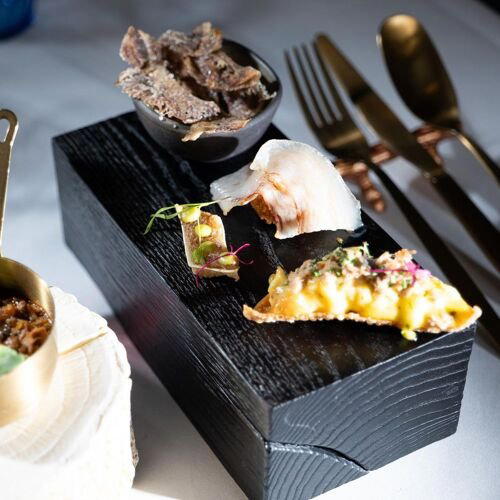
The traditionally caught red tuna is the dish the restaurant has built a calendar around, Rivas organises annual tuna days with fish brought directly from the port of Barbate, which signals how seriously the kitchen takes it. Beyond the tuna, the menu's recurring threads are Iberian pork, slow-cooked stews, and vegetables from the restaurant's own market garden, all of which reflect the sourcing philosophy that earned the Michelin Plate in 2024 and 2025.
What's the pricing like at Rivas?
Pricing at Rivas is listed as €€.
Where do I go for Rivas?
Rivas is located at C. Carretera, 33, 37170 Vega de Tirados, Salamanca, Spain, Vega de Tirados.
Fast Comparison
| Venue | Cuisine | Price | Awards | Notes |
|---|---|---|---|---|
| RivasThis venue (the venue you are viewing) | Traditional Castilian with Modern Twists | $30–50 | Michelin Plate · Guía Repsol 2 Soles | Not listed |
| Aponiente | Avant-Garde Marine Seafood | $200–300 | 3 Michelin Stars · World's 50 Best #84 | Progressive - Seafood, Creative |
| Arzak | Contemporary Basque Fine Dining | $300–500 | 3 Michelin Stars · World's 50 Best #31 | Modern Basque, Creative |
| DiverXO | Avant-Garde Spanish Tasting Menu | $300–500 | 3 Michelin Stars · World's 50 Best #4 | Progressive - Asian, Creative |
| El Celler de Can Roca | Creative Catalan Fine Dining | $300–500 | 3 Michelin Stars · World's 50 Best #2 | Progressive Spanish, Creative |
| Quique Dacosta | Avant-Garde Spanish Fine Dining | $300–500 | 3 Michelin Stars · World's 50 Best #65 | Creative |
Recognition history
Dated appearances from independent guides and award organizations, with the underlying list record or original source where available.
Michelin Plate
Michelin
Guía Repsol 2 Soles
Guía Repsol
Macarfi 7.7 Food Rating
Macarfi
Full recognition history (5 entries)
Michelin Plate
Michelin
Michelin Plate
Michelin
Continue exploring
More in Vega de Tirados
Restaurants in Vega de Tirados
All restaurants in Vega de Tirados →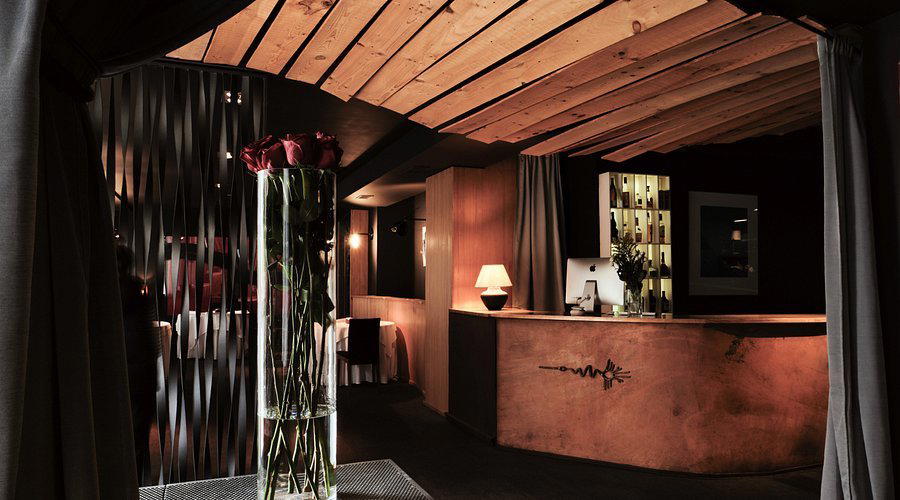
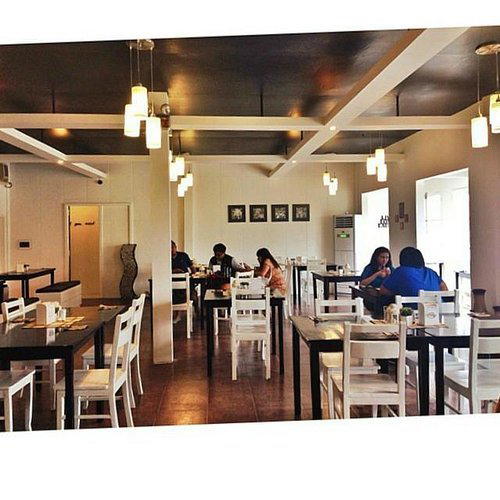
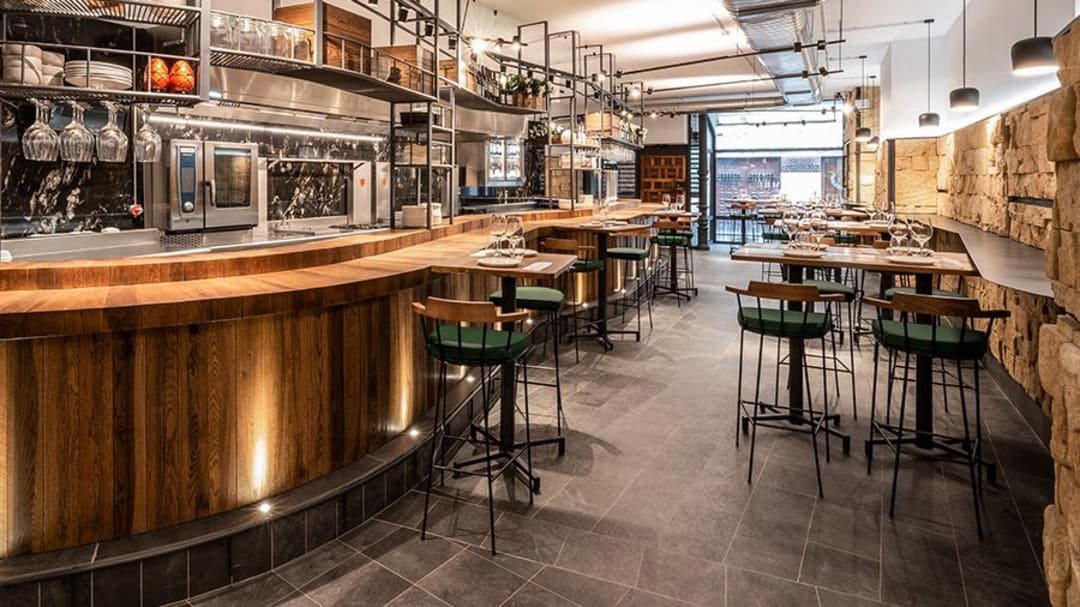
Hotels in Vega de Tirados
Browse all →


Details
- Rustic
- Cozy
- Classic
- Special Occasion
- Business Dinner
- Open Kitchen
- Extensive Wine List
- Local Sourcing
- A La Carte
- Vegetarian Friendly
- Gluten Free Options
Current opening hours
- Monday
- Closed
- Tuesday
- Closed
- Wednesday
- 1:30–8:30 PM
- Thursday
- 1:30–8:30 PM
- Friday
- 1:30–8:30 PM
- Saturday
- 1:30–8:30 PM
- Sunday
- 1:30–8:30 PM
Hours can change for holidays and private events. Hours as of .
Contrasting traditional bar and modern dining room with a welcoming, home-like atmosphere.