.png)
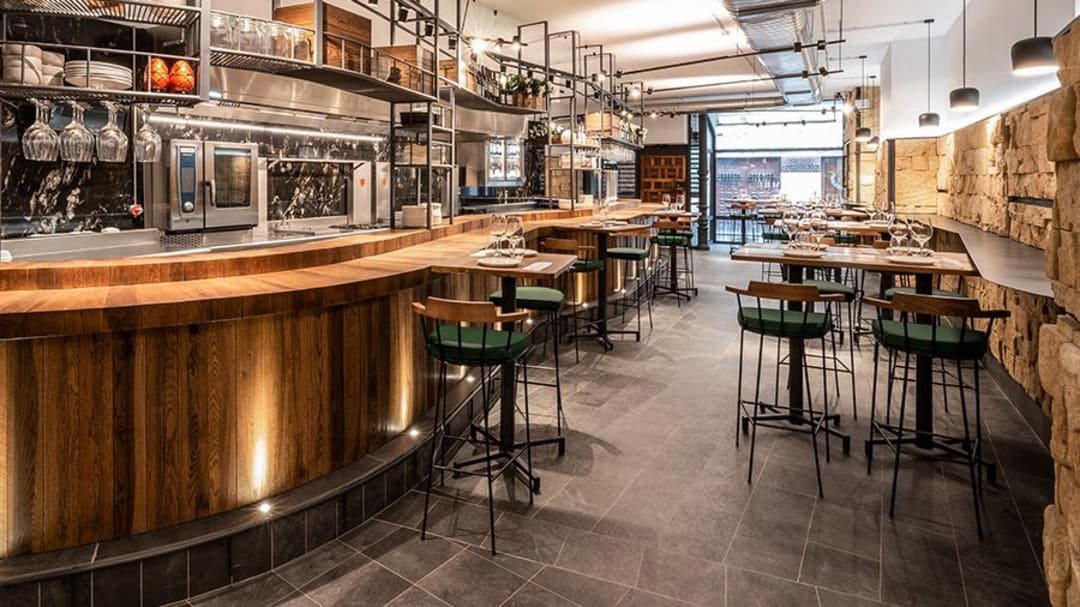
A modern gastro-bar on Prior, minutes from Plaza Mayor, Bambú operates in the space between casual tapas and serious cooking. The open kitchen turns out grilled dishes, braised Iberian pork cheeks, and a chicken chilli doughnut that signals the kitchen's willingness to pull from outside Castile. A tasting menu runs alongside the sharing-plate format, and the room fills daily.
 Discover on Pearl
Pearl is the En Primeur Club membership app — saves, bookings, and concierge access live there. Same editors, same standards.
Where Salamanca's Casual Dining Gets Serious
The gastro-bar format has become one of Spain's more durable dining inventions: a room that reads as relaxed, prices that sit below the white-tablecloth tier, but cooking that refuses to stay in its lane. In Salamanca, a university city where the bar culture runs deep and the Plaza Mayor sets the social gravity of the entire centro histórico, that format finds a natural home. Bambú is a restaurant on Prior 4 in Salamanca serving modern Spanish tapas and grilled meats. Its open kitchen and menu range push the concept further than most.
The address at number four places the bar within the densest pocket of Salamanca's dining corridor, where competition for covers is tight and regulars return on habit rather than occasion. The open kitchen keeps the cooking visible and accountable.
Castilian Foundations, Global References
The menu's breadth is part of its appeal, but its sourcing logic gives it character. Central Castile, the region that surrounds Salamanca, produces some of Spain's most referenced raw materials: Iberian pork from the dehesa, eggs from free-range birds with deep-yellow yolks, pulses, game, and river fish. A kitchen that takes those materials seriously and then applies contemporary technique is working in a strong Spanish tradition, where regional identity and technical ambition are treated as complementary forces.
At Bambú, the braised Iberian pork cheeks are the clearest expression of that approach. Pork cheek, a cut that requires long, careful braising to break down its collagen, has become a reliable indicator of kitchen patience across Castilian cooking. The Iberian designation matters here: pigs raised on acorn pasture in the dehesa produce meat with a fat profile and flavour depth that ordinary pork cannot replicate, and the braising process concentrates those characteristics. The truffled duck egg belongs to the same category of ingredient-first cooking, where the sourcing decision is the primary statement and the technique is in service of the raw material.
The braised avocado with pipirrana is a more pointed choice. Pipirrana is a cold Andalusian salad of tomato, pepper, cucumber, and onion, sometimes extended with tuna or egg, and applying it to braised avocado is the kind of cross-regional conversation that a kitchen with confidence in Castilian identity can afford to have. It references the south without abandoning the central Spanish pantry. Spain's most ambitious kitchens, from Aponiente in El Puerto de Santa María to El Celler de Can Roca in Girona, have long used regional cross-referencing as a creative tool. Bambú does it at a more accessible price point and register.
Format and Menu Structure
The menu divides into tapas, half-plates, and sharing dishes, a graduated format that allows a table to calibrate its own experience. For two people with appetite and curiosity, moving through several half-plates alongside a shared main covers the kitchen's range without the commitment of a full tasting menu. The tasting menu option suits diners who prefer a sequenced meal.
Chicken chilli doughnut is the menu item that most directly signals the kitchen's global awareness. Fried dough as a vessel for savoury filling is a format with roots across multiple culinary traditions, and applying chilli heat to poultry in a Castilian context is a deliberate departure from local convention. At this level, the kitchen is paying attention to flavour registers beyond Castile.
For context on how Bambú fits within Salamanca's broader dining scene, ConSentido and En la Parra represent different points on the city's contemporary restaurant spectrum. Bambú occupies the gastro-bar register: less formal than a full-service restaurant, more technically committed than a conventional tapas bar.
Planning Your Visit
Reservations are recommended, especially on busy evenings. In a city where the dining population includes both a large resident university community and a steady stream of visitors arriving from Madrid, popular rooms near the Plaza Mayor operate under consistent pressure. Arriving without a reservation on a weekend evening is a reasonable risk only if you are prepared to wait or return. For weekday lunch, the window is more generous, though still not guaranteed at peak hours. Calle Prior is walkable from the main train and bus connections that serve the centro, and the proximity to Plaza Mayor means the area is well-served by taxis and the city's local bus routes.
Its reputation is local and specific: a room that respects Castilian ingredients, applies contemporary technique without losing the directness that defines Spanish casual dining, and operates at a register where regulars return rather than pilgrims arrive.
Quick Comparison
Comparable venues nearby, for context on price, style, and recognition.
| Venue | Cuisine | Price | Awards | Notes |
|---|---|---|---|---|
| BambúThis venue — the venue you are viewing | Modern Spanish Tapas & Grilled Meats | $$$ | Bib Gourmand | |
| ConSentido | Contemporary Castilian | $$$ | Michelin Plate | Plaza del Mercado |
| Víctor Gutiérrez | Modern Spanish-Peruvian Fusion | $$$$ | , | Empedrada / near Palacio de Congresos |
| Pascua | Purist Castilian fine dining | $$$ | , | Salamanca |
| En la Parra | Modern Spanish Tasting Menu | $$$$ | Michelin 1 Star | Centro Historico |
| El Almacén | Modern Spanish with Ávila Specialties | $$$ | Michelin Plate | Ávila |
Continue exploring
More in Salamanca
Restaurants in Salamanca
Browse all →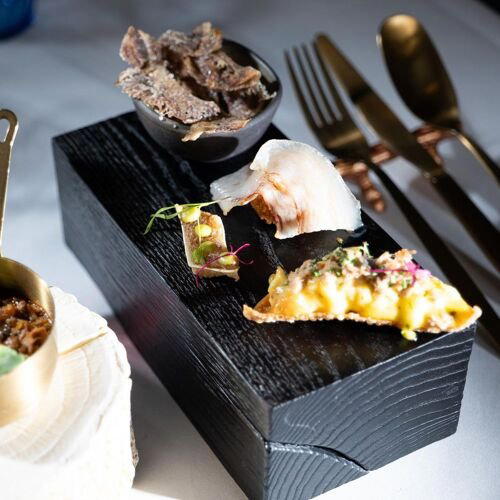
Hotels in Salamanca
Browse all →
Wineries in Salamanca
Browse all →
At a Glance
- Modern
- Cozy
- Elegant
- Date Night
- Group Dining
- Special Occasion
- Open Kitchen
- Extensive Wine List
- Street Scene
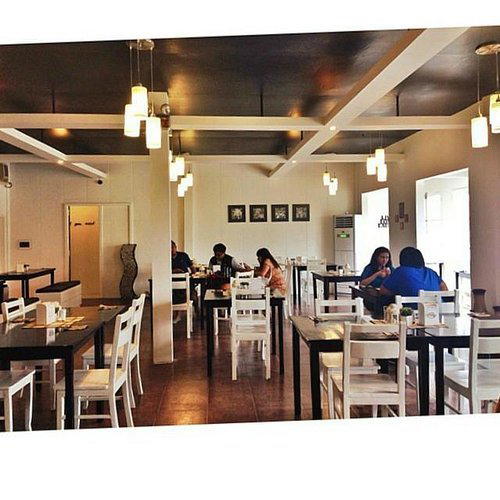
Stylish modern interior with clean design, bustling yet relaxing atmosphere, and warm lighting enhanced by an open kitchen view.