Rivage

On the quayside at Saint-Pierre-Quiberon, Rivage holds a 2025 Michelin Plate, positioning it among the peninsula's most consistent modern cuisine addresses. The €€ price point makes Michelin-recognised cooking accessible without the formality of a full-star house, and the harbour setting ties the kitchen directly to Brittany's coastal larder.
Pearl is the En Primeur Club membership app — saves, bookings, and concierge access live there. Same editors, same standards.
- Address
- 11 Quai Saint-Ivy, 56510 Saint-Pierre-Quiberon, France
- Phone
- +33 2 97 30 91 61
- Website
- rivage-stpierrequiberon.fr
- Directions
- Get directions
 Saves & bookings on Pearl
Where the Quiberon Peninsula Meets the Plate
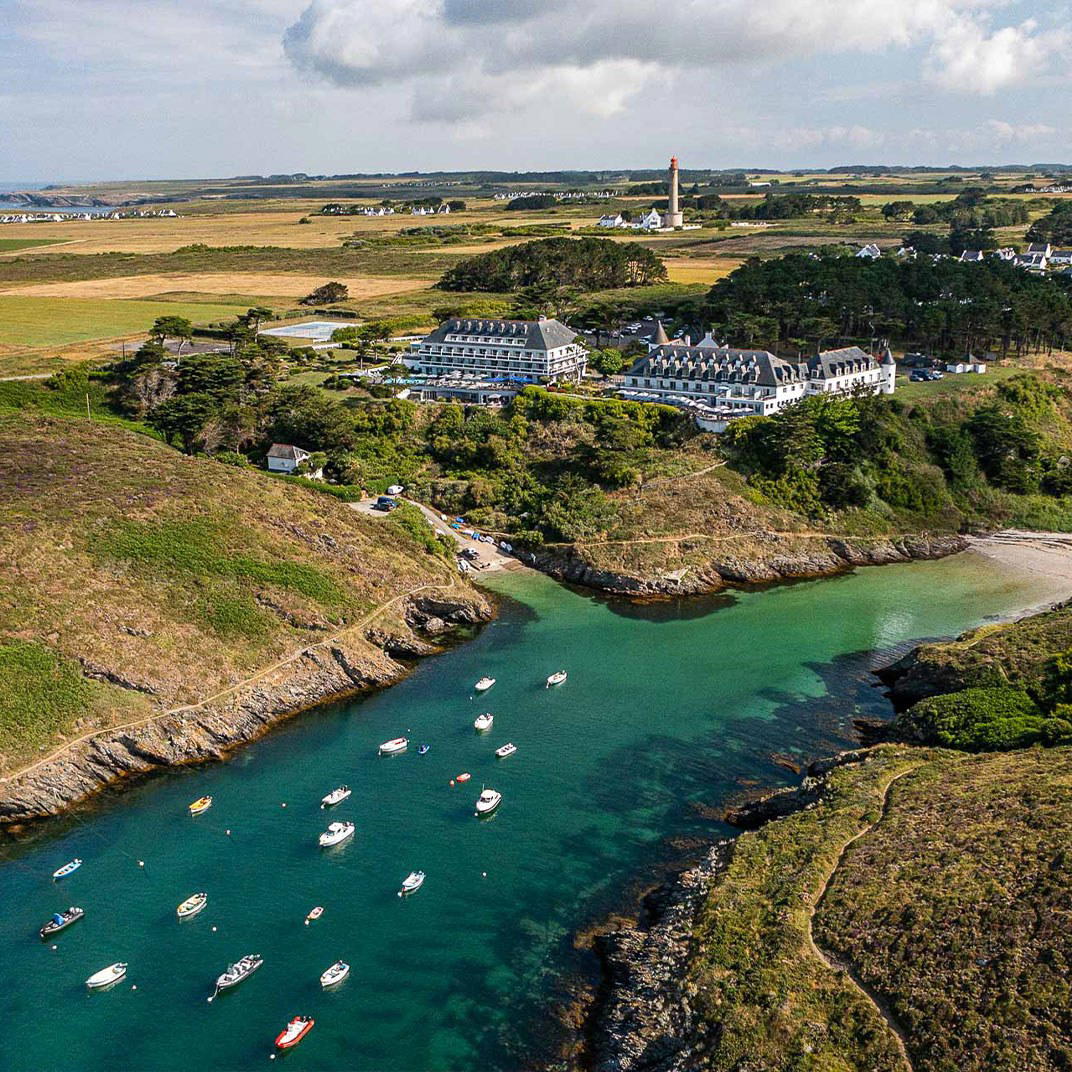
The Quiberon peninsula is a narrow strip of land that juts south into the Atlantic, exposed on its western edge to the open ocean and sheltered on its eastern flank by the Baie de Quiberon. That geography is not incidental to eating here, it is the reason serious kitchens exist at all. The tidal rhythms that sweep through the bay regulate some of France's most productive shellfish beds, while the coastline's proximity to deep Atlantic water means local fish markets receive specimens that chefs in Paris pay a premium to source by overnight courier. Saint-Pierre-Quiberon, the smaller of the peninsula's two main settlements, sits on the calmer bay side. Rivage occupies 11 Quai Saint-Ivy, directly on the harbour frontage, where the practical business of the fishing trade and the ambitions of a modern cuisine kitchen exist within a few hundred metres of each other.
The Ingredient Logic of Coastal Brittany
Brittany's culinary reputation rests on a relatively short list of ingredients that happen to be extraordinary: oysters from the Belon and the Penerf, langoustines from the waters around Belle-Île, turbot and bar caught in the Atlantic swell, and salted butter produced from the milk of cows grazed on coastal pastures. The region's leading kitchens do not merely name these ingredients on the menu, they build their entire format around them, letting the quality of the raw material set the ceiling for what the cooking can achieve. This is a different discipline from the ingredient-transformation approach that defines three-star restaurants in Paris, places like Alléno Paris au Pavillon Ledoyen or the hyper-technical counter at AM par Alexandre Mazzia in Marseille, where the chef's intervention is itself the spectacle. On the Quiberon coast, intervention is most convincing when it is minimal enough to let provenance speak.
Rivage's classification as modern cuisine within that coastal context signals a kitchen that applies contemporary technique to local material rather than importing a repertoire from elsewhere. The Michelin Plate awarded in 2025 confirms that inspectors found cooking worth noting, even if the house does not yet carry a star. In Michelin's framework, the Plate represents food quality that exceeds the baseline, a meaningful distinction in a region where tourist-facing seafood restaurants are plentiful but serious kitchens are fewer. For a point of comparison, consider that recognised addresses elsewhere in France's broader fine-dining tier, from Flocons de Sel in Megève to Bras in Laguiole, built their reputations precisely by anchoring modern technique to what the surrounding land or sea could reliably produce. The Michelin Plate at Rivage places it in a similar trajectory, whatever the eventual outcome of the star conversation.
Reading the Harbour Setting
The quayside position at Saint-Pierre-Quiberon does more than provide a view. A working harbour is a supply chain made visible. Fishermen operating from the Quai Saint-Ivy area bring in catches that a kitchen 50 metres away can receive on a timeline unavailable to any city restaurant. The practical consequence for the diner is freshness measured in hours rather than days, a distinction that matters most with the shellfish and whole fish preparations that characterise Breton modern cuisine at its most direct. Approaching the restaurant from the quay, the transition between the salt air of the bay and the interior of the dining room is as close as French coastal cooking gets to collapsing the distance between sea and table.
A score at that level, over a meaningful sample size, typically reflects a kitchen that performs reliably across service rather than peaking occasionally. It also reflects a room that reads correctly for its price bracket. At €€, Rivage operates in a tier where value is part of the proposition, and where diners from the broader Morbihan region, as well as visitors exploring the peninsula, can engage with Michelin-recognised cooking without the formality or expenditure that a starred address demands.
The €€ Tier in Context
France's Michelin-recognised coastal restaurants span a considerable price range. At the upper end, addresses such as Mirazur in Menton and Troisgros in Ouches charge accordingly for their standing. The middle tier, Michelin-acknowledged but priced for regular visits rather than once-a-year occasions, is where much of France's most confident regional cooking now happens. Rivage's position at €€ with a Plate recognition places it in that middle register, comparable in terms of ambition-to-price ratio to regional addresses such as Auberge du Vieux Puits in Fontjoncouse or Au Crocodile in Strasbourg, kitchens that carry Michelin recognition without the full apparatus of haute cuisine pricing. For the broader French fine-dining tradition, benchmarks like Auberge de l'Ill in Illhaeusern and Paul Bocuse in Collonges-au-Mont-d'Or define the historic high end; Rivage sits closer to the accessible entry point of that continuum. Among modern cuisine references internationally, Frantzén in Stockholm and FZN by Björn Frantzén in Dubai demonstrate how the category performs at its highest capitalisation; Rivage occupies the regional, accessible end of the same genre. The Assiette Champenoise in Reims is another French reference point for what Michelin recognition at different levels implies about kitchen ambition.
Planning a Visit
Saint-Pierre-Quiberon is accessible by road from Vannes in roughly 45 minutes, and the peninsula attracts significantly more visitors between June and September than in the off-season. Booking ahead during summer months is advisable given both the restaurant's recognition and the limited capacity typical of quayside addresses of this scale. The €€ pricing makes Rivage a realistic choice for both lunch and dinner without requiring occasion-specific justification. For visitors building an itinerary around the peninsula, the broader dining, accommodation, and leisure context is covered in our full Saint-Pierre-Quiberon restaurants guide, and practical details on where to stay are in our Saint-Pierre-Quiberon hotels guide. Those extending the visit to the wider peninsula and Morbihan coast will find further context in our bars guide, wineries guide, and experiences guide for the area.
A Quick Peer Check
Comparable venues nearby, for context on price, style, and recognition.
| Venue | Cuisine | Price | Awards | Notes |
|---|---|---|---|---|
| RivageThis venue — the venue you are viewing | Modern French Neo-Bistro | $$$ | Michelin Plate | Not listed |
| Le Beau Rivage | Modern French Bistronomic | $$$ | Michelin Plate | Lac de Guerlédan |
| La Maison Alyette - Domaine de Locguénolé | Traditional French Bistrot | $$$ | Michelin Plate | Kervignac |
| brut. | Modern French Gastronomique | $$$ | Michelin Plate | Saillé |
| Le Yachtman | Traditional Breton Seafood | $$$ | Michelin Plate | Lorient centre |
| Maison Brume | Modern French Farm-to-Table | $$$ | Michelin Plate | Bocage Vendéen |
Recognition history
Dated appearances from independent guides and award organizations, with the underlying list record or original source where available.
Michelin Plate
Michelin
Michelin Plate
Michelin
Continue exploring
More in Saint-Pierre-Quiberon
Restaurants in Saint-Pierre-Quiberon
Browse all →
Bars in Saint-Pierre-Quiberon
Browse all →
At a Glance
- Elegant
- Scenic
- Cozy
- Sophisticated
- Date Night
- Special Occasion
- Celebration
- Waterfront
- Open Kitchen
- Natural Wine
- Sommelier Led
- Local Sourcing
- Sustainable Seafood
- Waterfront
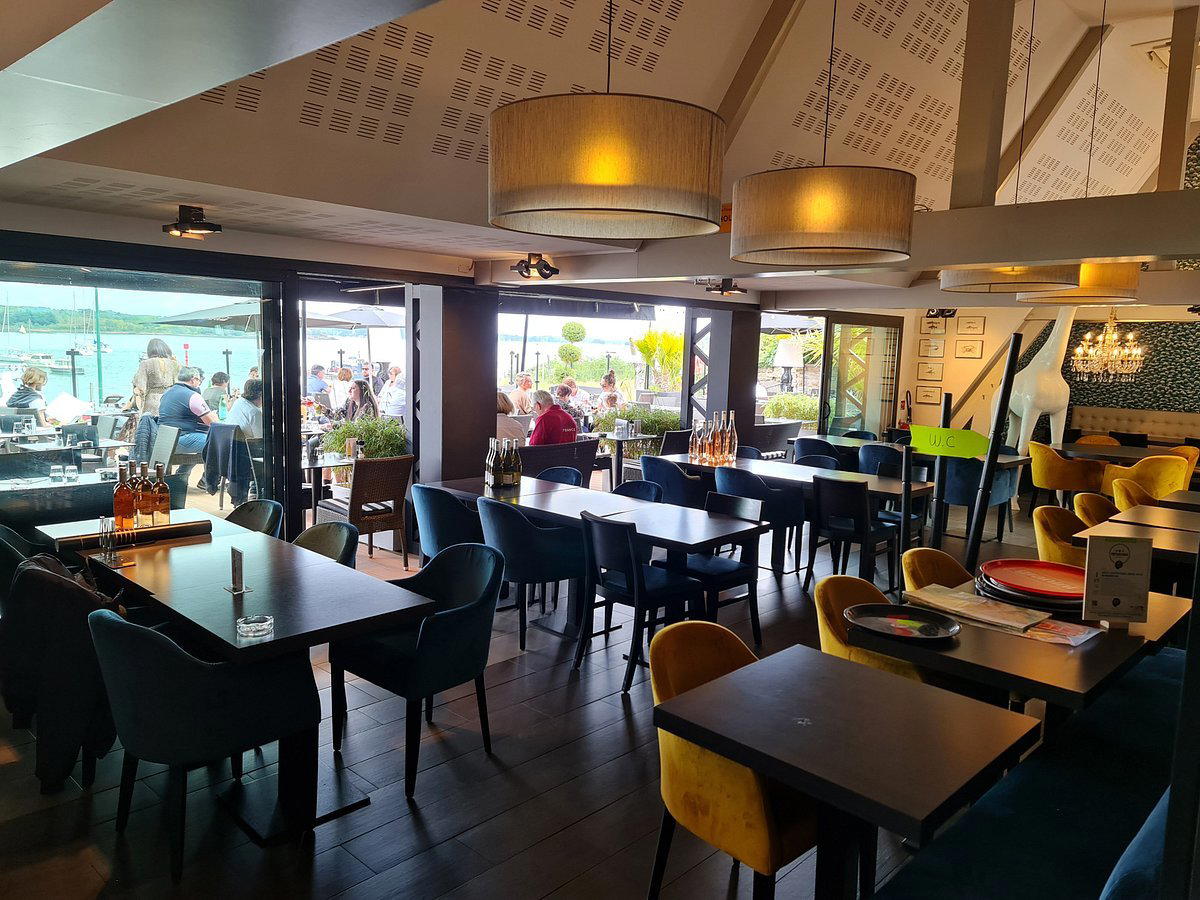
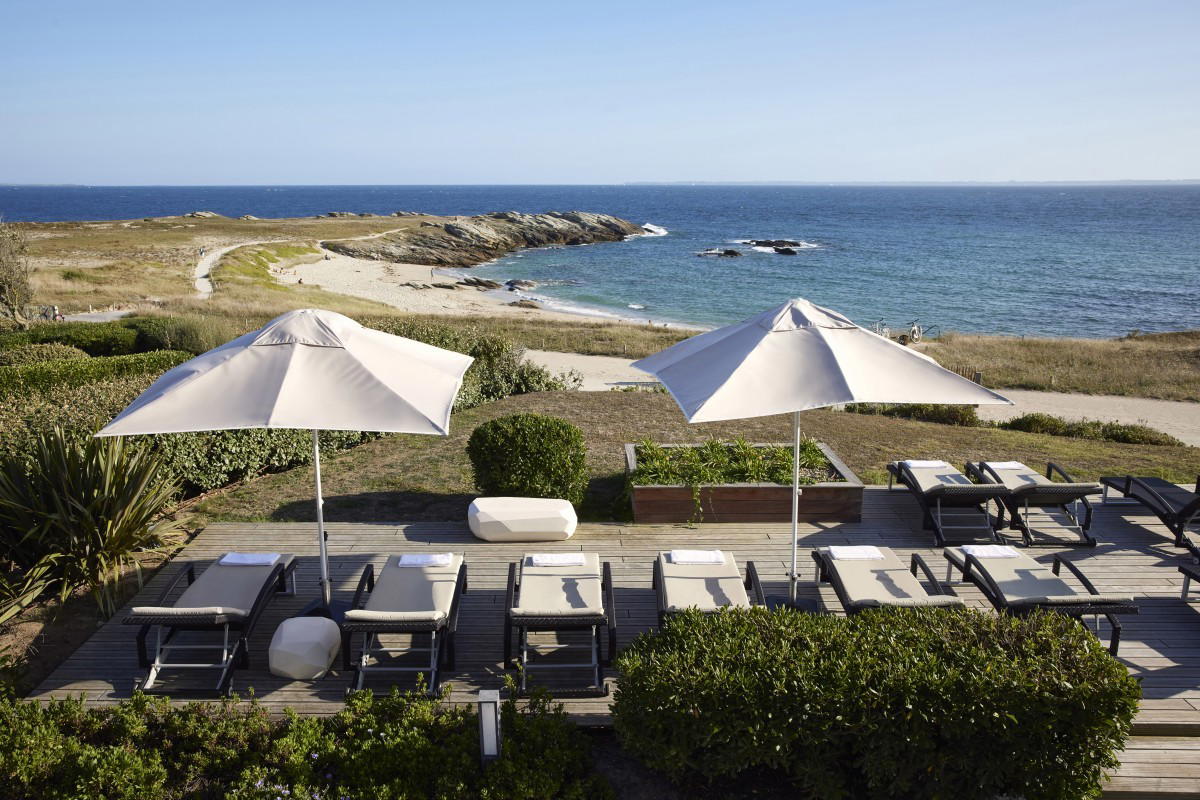
Bright, luminous dining room with wooden tables, white chairs, and large windows offering panoramic bay views; warm, casual yet attentive service in a welcoming atmosphere.