
On the shores of Lac de Guerlédan, Brittany's largest freshwater lake, Le Beau Rivage pairs panoramic water views with contemporary bistronomic cooking from Chef Teddy Le Padellec. Dishes like tartare of asparagus with smoked eel and andouille, and deep-fried cod with smashed vitelotte potatoes, draw on the region's produce with a confident modern hand. A calm, light-filled room makes it the area's most considered dining address.
Pearl is the En Primeur Club membership app — saves, bookings, and concierge access live there. Same editors, same standards.
- Address
- Lac de Guerlédan
- Phone
- +33 2 96 28 52 15
- Website
- le-beau-rivage.fr
- Directions
- Get directions
 Saves & bookings on Pearl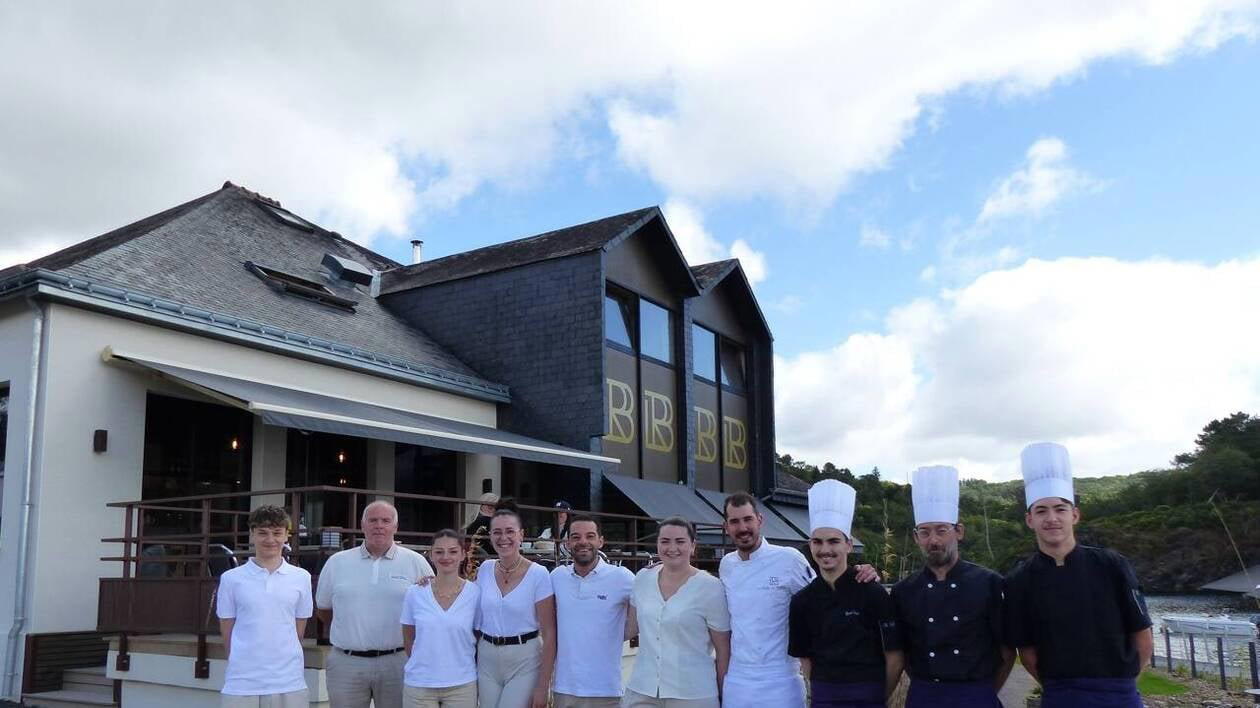
Where the Lake Sets the Table
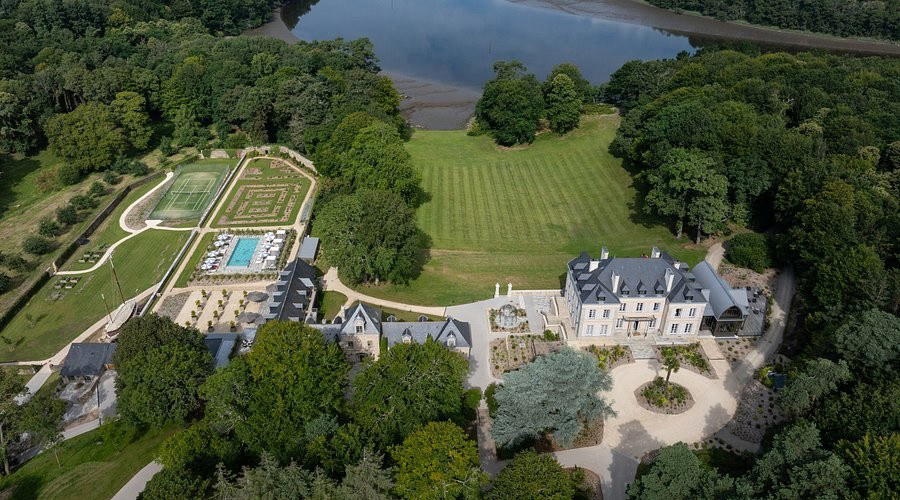
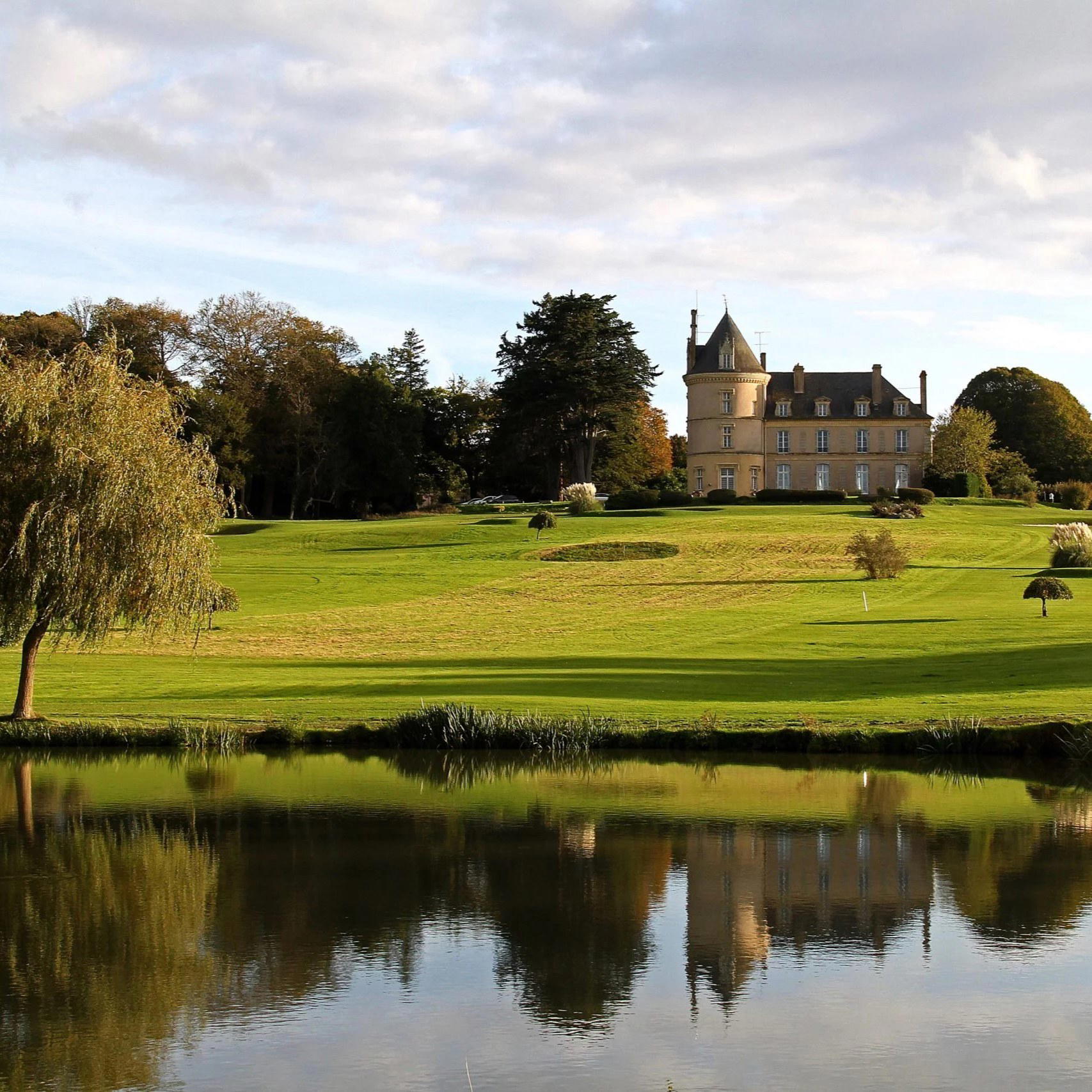
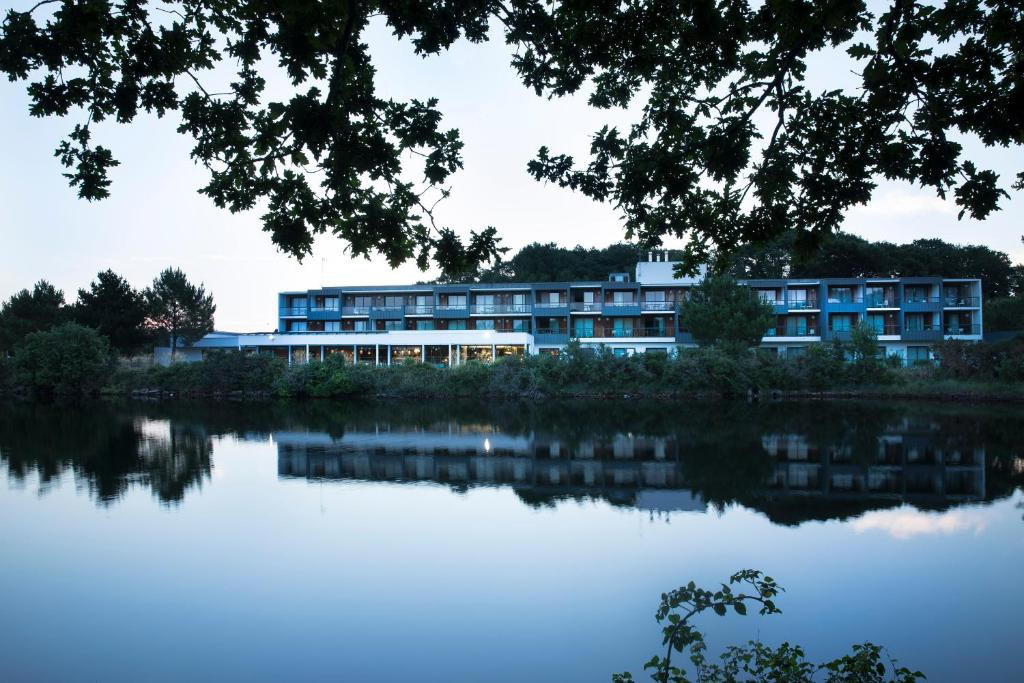
Lac de Guerlédan sits at the geographic and emotional centre of inland Brittany, a reservoir formed by the damming of the Blavet river whose still waters stretch for twelve kilometres through the Argoat, the wooded heartland that most visitors never reach. The restaurant that takes its name from this stretch of shoreline occupies a position that is, by French provincial standards, genuinely privileged: floor-to-ceiling windows facing the water, a room designed to dissolve the boundary between interior and view. In the first dining room especially, the lake is not a backdrop but a presence. Light moves across the surface and into the space, shifting the atmosphere across a lunch service in ways a city dining room simply cannot replicate.
This is the frame within which Chef Teddy Le Padellec's cooking lands. The cuisine is described as contemporary bistronomic, a term that in France carries specific meaning: it sits between the stripped-back simplicity of a traditional bistro and the technical ambition of a gastronomic table. The category has produced some of the country's most interesting cooking over the past two decades, and it travels well to regional contexts where the supply of local produce is strong and the clientele wants food that reads as generous rather than austere. At Le Beau Rivage, the format connects naturally to its surroundings.
Brittany's Larder and What It Means for the Plate
Understanding what Le Beau Rivage puts on the table requires some grounding in what Brittany actually produces. The region is among the more ingredient-rich in France, but its profile is lopsided: the coastal bounty — shellfish, seaweed, Atlantic fish — draws most of the attention, while the interior's contributions are less celebrated. Inland Brittany grows buckwheat, raises pigs, produces andouille de Guémené (one of the country's most distinctive charcuterie products, cured in a coil of intestines layered concentrically), and keeps dairy herds that supply butter of genuine quality. The Monts d'Arrée and the Argoat are not purely scenic; they are a working agricultural zone.
Against that context, the dish construction at Le Beau Rivage reads as locally literate. The tartare of asparagus with smoked eel, andouille and hollandaise sauce brings together three ingredients that require real regional specificity to execute well: asparagus from Breton soil, eel from the lake and river system, and andouille that carries the fermented depth that distinguishes the genuine article from a generic smoked sausage. Hollandaise is the classical anchor, but the combination points outward rather than inward, assembling contrasting textures and smoke registers rather than resolving into comfort. This is the kind of dish that tells you something useful about where you are.
The deep-fried cod with smashed vitelotte potatoes shows a different register: vitelotte is a French heritage potato variety, deep purple-fleshed, with a slightly nutty flavour that standard potato preparations obscure. Smashing rather than puréeing it preserves texture and colour. Cod fried in good fat, plated against that base, is a construction that understands both the ingredient and the visual. It is cooking that makes deliberate choices about what Brittany produces and how to use it without treating regionalism as a marketing exercise. For comparison, consider the farm-rooted sourcing philosophies that define celebrated regional tables elsewhere in France, from Bras in Laguiole in the Aubrac to Auberge du Vieux Puits in Fontjoncouse in the Languedoc. Le Beau Rivage operates at a different scale and register, but the underlying instinct, to read the land and cook from it honestly, is shared.
The Room and Its Logic
The peaceful vibe noted in the venue's own description is not incidental. Lac de Guerlédan draws cyclists, hikers, and kayakers rather than the coastal beach crowd, which means the visitor profile skews toward people who have made a deliberate choice to be in this part of Brittany rather than those passing through. The dining room atmosphere reflects that: unhurried, light-filled, oriented around the view rather than around noise or spectacle. Floor-to-ceiling glazing is the architectural gesture that works well here, and it is used to full effect in the first room, where the water is closest.
Bistronomic dining in France at its leading tends to resist theatre in favour of legibility: the food should be interesting enough to hold your attention without needing explanatory rituals. At a lakeside address in the Breton interior, that restraint suits the register of the place. Compare this approach to the more technically elaborate expressions of modern French cuisine at tables like Mirazur in Menton or Flocons de Sel in Megève, or the rigorous classicism of Auberge de l'Ill in Illhaeusern and Assiette Champenoise in Reims. The restaurant is not positioning itself in that tier.
Planning Your Visit
The restaurant sits on the Lac de Guerlédan shoreline in Caurel, in the Côtes-d'Armor department of Brittany. The address makes it most logical as a destination lunch for those exploring the lake and surrounding forest trails, or as a dinner for visitors staying locally, with the lake light shifting dramatically in the later afternoon hours. Caurel is a small commune, and services are limited beyond the immediate area; arriving by car from Loudéac (roughly 20 kilometres north) or from the town of Mûr-de-Bretagne, which sits at the eastern end of the lake, is the practical approach. For a fuller picture of what Caurel offers, see [our full Caurel restaurants guide](), [our full Caurel hotels guide](), [our full Caurel bars guide](), [our full Caurel wineries guide](), and our full Caurel experiences guide.
How Le Beau Rivage Caurel compares with similar nearby venues.
| Venue | Cuisine | Price |
|---|---|---|
| Auberge Grand'Maison | Traditional Cuisine | €€€ |
| L'Atelier Bistrot | Farm to table | €€ |
| Hyacinthe & Robert | Modern Cuisine | €€ |
Recognition history
Dated appearances from independent guides and award organizations, with the underlying list record or original source where available.
Michelin Plate
Michelin
At a Glance
- Elegant
- Cozy
- Scenic
- Date Night
- Special Occasion
- Waterfront
- Terrace
- Extensive Wine List
- Local Sourcing
- Waterfront
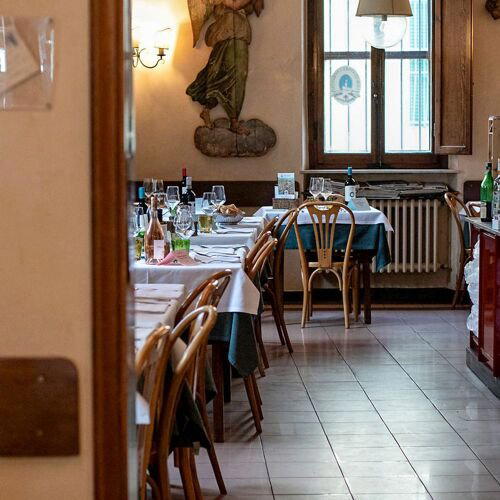
Floor-to-ceiling windows flood the space with natural light, creating a peaceful and light-filled atmosphere.