Maison Brume

In the Bocage Vendéen village of La Chaize-Giraud, Maison Brume delivers contemporary cooking with deep roots in the surrounding land. Chef Tanguy Rattier draws on local producers to build dishes that carry real regional character, hake with aubergine and artichoke, stone-fruit tartlets with precision in the sweetness. This is village France cooking at a serious level.
Pearl is the En Primeur Club membership app — saves, bookings, and concierge access live there. Same editors, same standards.
- Address
- 2 place du Marché
- Phone
- +33 2 51 22 75 33
- Website
- maisonbrume.fr
- Directions
- Get directions
 Saves & bookings on Pearl
Where the Bocage Vendéen Comes to the Table
Maison Brume is a restaurant in La Chaize-Giraud serving Modern French Farm-to-Table cooking at about $55 per person. There is a particular kind of restaurant that only makes sense in its specific geography. Arrive at the market square in La Chaize-Giraud, a small commune in the Vendée département of western France, well away from the Atlantic coast resorts and the tourist infrastructure they attract, and Maison Brume occupies a position that a city restaurant cannot replicate: it is physically inside the supply chain it cooks from. The bocage country that surrounds the village, with its hedgerow-divided pastures, market gardens, and small-scale artisan producers, is not a poetic frame for the menu. It is the menu's foundation.
This matters because contemporary French cooking has split into two broad tendencies. The first is the urban, technique-heavy format, think the creative programs at places like Alléno Paris au Pavillon Ledoyen or the precision-led tasting menus at Mirazur in Menton, where the kitchen's intellectual project often leads the plate. The second is a quieter tradition, alive in provincial France, where the sourcing decision precedes and ultimately shapes the cooking decision. Maison Brume operates in that second register. Chef Tanguy Rattier's cooking is described as contemporary, but the contemporary part is in the technique and the plating; the Vendéen part is in what arrives at the kitchen door each morning.
The Logic of Local Supply in the Vendée
The Bocage Vendéen is not a celebrated gastronomic territory in the way that, say, the Périgord or the Basque coast commands attention. It is inland Vendée: agricultural, traditionally self-sufficient, not built around food tourism. That relative obscurity is part of what makes ingredient-led cooking here function differently than it does at a destination restaurant. The producers Rattier sources from are not supplying a premium dining scene with ten competing kitchens bidding for the same lamb or heritage grain. The relationship between a kitchen of this scale and its immediate agricultural surroundings in a place like La Chaize-Giraud is more direct and less mediated by market prestige.
This is the regional argument for taking rural French restaurants seriously. The broader lineage of French cuisine rooted in local terroir, represented by places as different in scale as Bras in Laguiole or Auberge du Vieux Puits in Fontjoncouse, demonstrates that compelling regional cooking in France often happens at a distance from urban recognition systems. The restaurant sits in that tradition, not yet at that level of documented reputation, but operating with a similar philosophical orientation: the land dictates the plate.
What the Dishes Say About the Sourcing
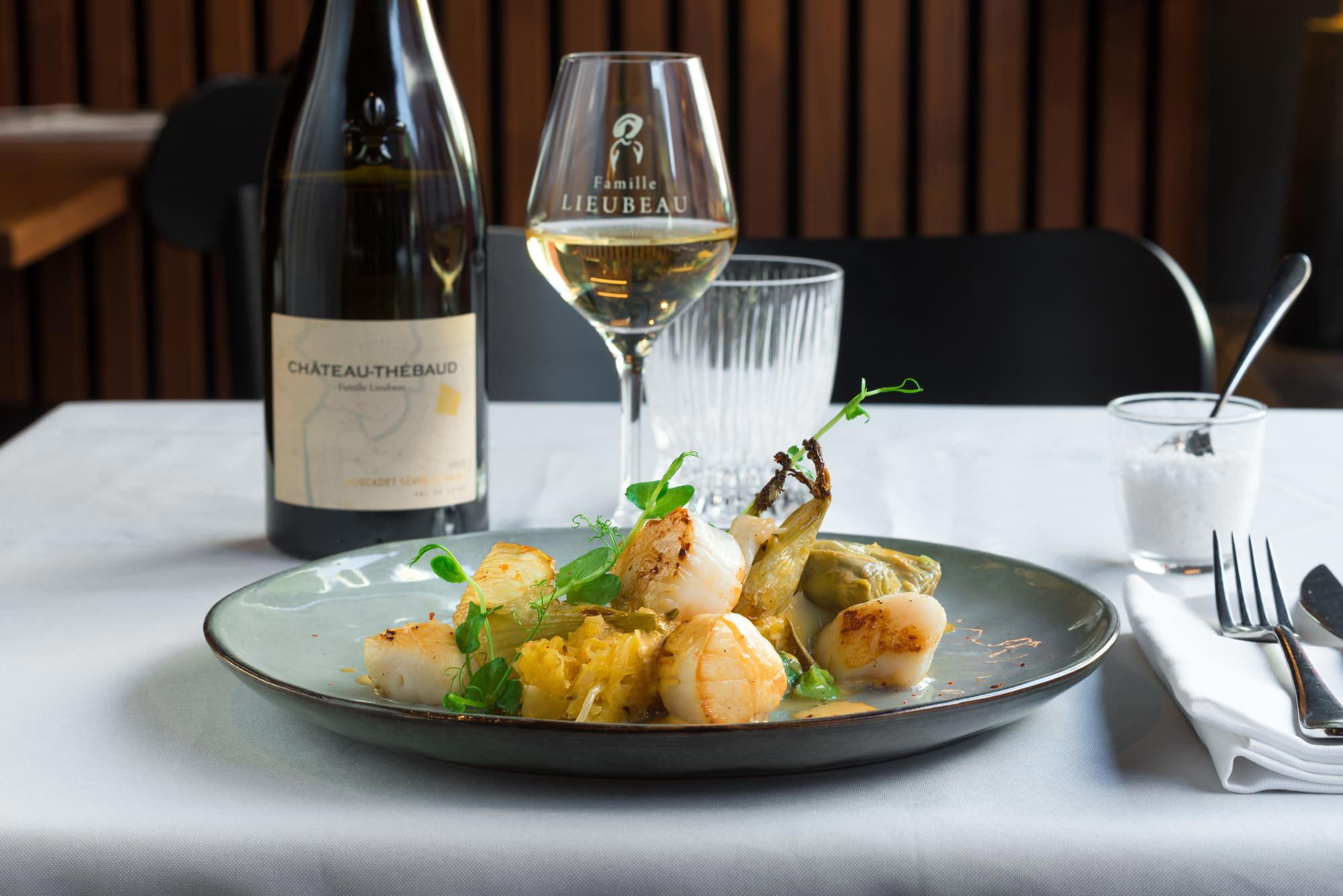
The evidence from the kitchen's output supports the sourcing claim rather than merely asserting it. Hake with aubergine pulp, artichokes, and a full-bodied jus is a dish that requires good fish and good vegetables, neither of which is interesting to cook or eat if the raw material is mediocre. Aubergine cooked to a pulp is a technique that strips away any ambiguity: poor-quality aubergine turns acidic and watery; well-grown aubergine concentrates into something almost unctuous. The combination with artichoke and a reduction-based jus suggests a kitchen working with the confidence that its primary ingredients can carry weight without the distraction of elaborate garnish.
The peach and blueberry tartlet described as carrying a sweetly tart flavour makes the same point from the dessert side. Stone fruit in the Vendée has a short, specific season. A tartlet built around seasonal peach and blueberry, with that precise balance of sweetness and acidity, is seasonal cooking in the literal sense: it exists because those fruits are at a particular moment of ripeness right now, not because they are available year-round on a supplier's refrigerated lorry. These are dishes that argue for their own geography.
For a broader perspective on how ambitious provincial French kitchens approach sourcing across different regions, the contrast with mountain-terroir cooking at Flocons de Sel in Megève or the Alsatian tradition at Au Crocodile in Strasbourg is instructive. Each represents a distinct French regional identity translated into a cooking style; the restaurant is making a comparable argument from Vendéen raw material.
The Atmosphere and the Setting
Approaching a restaurant on a village market square in rural Vendée sets expectations that restaurant does not undercut. This is not a converted farmhouse with architect-designed interiors or a destination address that has built a hospitality campus around itself. The physical setting, a place du Marché address in a small commune, implies a room that is part of the village fabric, not set apart from it. The atmosphere that results from this kind of placement tends toward the genuine rather than the composed: it is the atmosphere of a serious restaurant that happens to exist in a community, rather than a designed experience that has been installed into a rural setting for effect.
Diners arriving from outside the Vendée will notice the quiet. La Chaize-Giraud is not a village with significant passing traffic or a regional draw beyond its immediate agricultural character. That quiet is not a deficiency; it is the condition that makes this type of cooking possible in the first place. The same unmediated access to local supply that defines the kitchen's sourcing approach is a function of the restaurant's distance from the pressures and premiums of urban food culture.
Planning Your Visit
La Chaize-Giraud sits in the Vendée, inland from the coast and accessible by car from La Roche-sur-Yon, the département's main urban centre, roughly 30 kilometres to the southeast. The village is not served by rail directly; a car is the practical option for most visitors. Advance booking is recommended.
Comparable Venues
Comparable venues nearby, for context on price, style, and recognition.
| Venue | Cuisine | Price | Awards | Notes |
|---|---|---|---|---|
| Maison BrumeThis venue — the venue you are viewing | Modern French Farm-to-Table | $$$ | Michelin Plate | Not listed |
| Le 21 | Modern French with seafood focus | $$$ | Michelin Plate | Plage de la Birochère |
| Le François II | Breton Seasonal French Bistro | $$$ | Michelin Plate | Couëron |
| Le Chai | Modern French Bistro | $$$ | Michelin Plate | Sainte-Marie-de-Ré |
| Rivage | Modern French Neo-Bistro | $$$ | Michelin Plate | Portivy |
| Le Bouillon | Modern French Bistronomy | $$$ | Michelin Plate | La Rochelle |
Recognition history
Dated appearances from independent guides and award organizations, with the underlying list record or original source where available.
Michelin Plate
Michelin · 2026 Michelin Plate
Michelin Bib Gourmand
Michelin
Continue exploring
More in La Chaize-Giraud
Restaurants in La Chaize-Giraud
Browse all →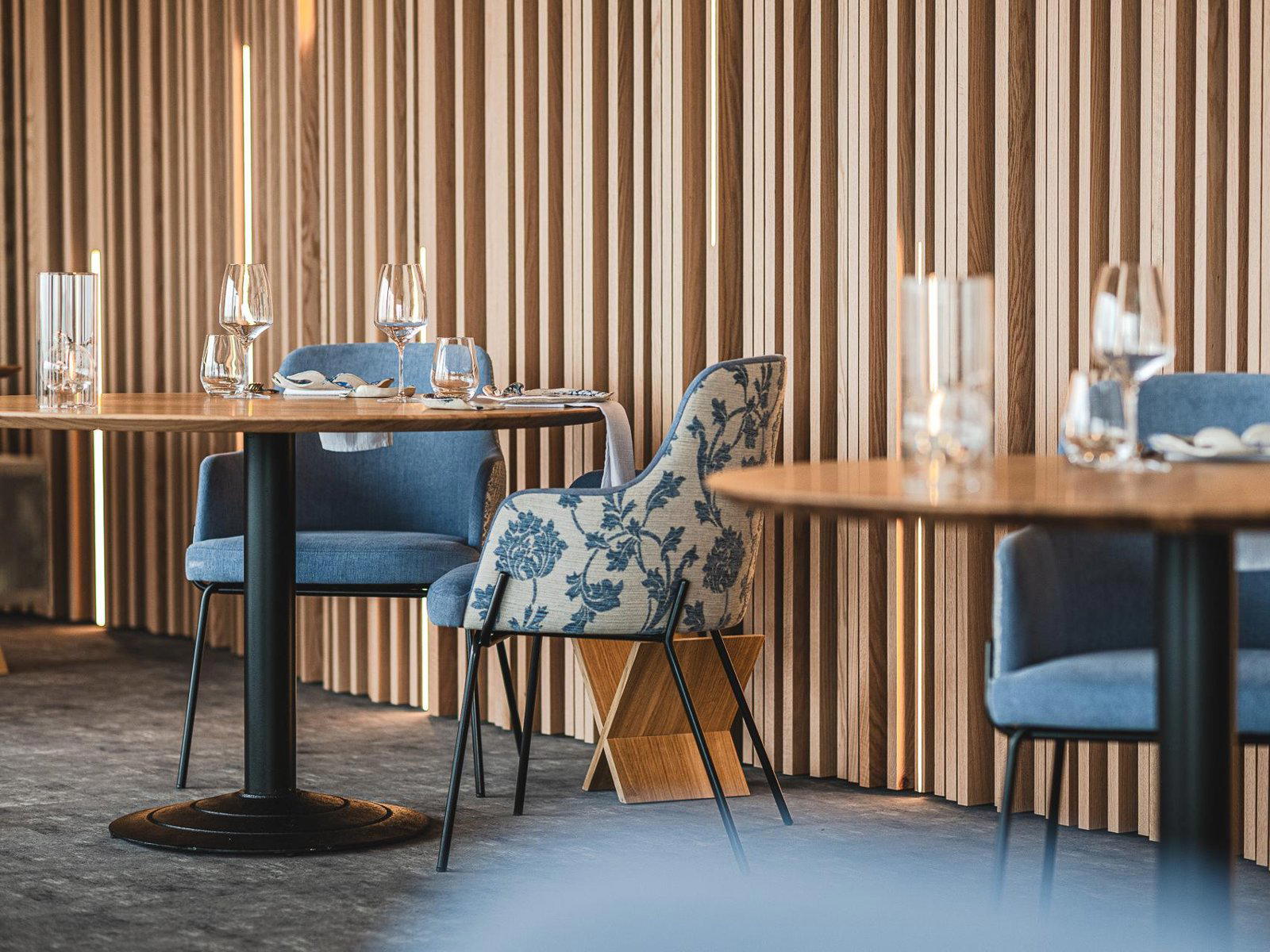
Bars in La Chaize-Giraud
Browse all →
Hotels in La Chaize-Giraud
Browse all →

At a Glance
- Elegant
- Rustic
- Intimate
- Quiet
- Date Night
- Family
- Celebration
- Special Occasion
- Terrace
- Standalone
- Sommelier Led
- Farm To Table
- Local Sourcing
Current opening hours
- Monday
- 12:30–1:45 PM, 7:30–8:45 PM
- Tuesday
- Closed
- Wednesday
- Closed
- Thursday
- 12:30–1:45 PM, 7:30–8:45 PM
- Friday
- 12:30–1:45 PM, 7:30–8:45 PM
- Saturday
- 12:30–1:45 PM, 7:30–8:45 PM
- Sunday
- 12:30–1:45 PM
Hours can change for holidays and private events. Last verified .
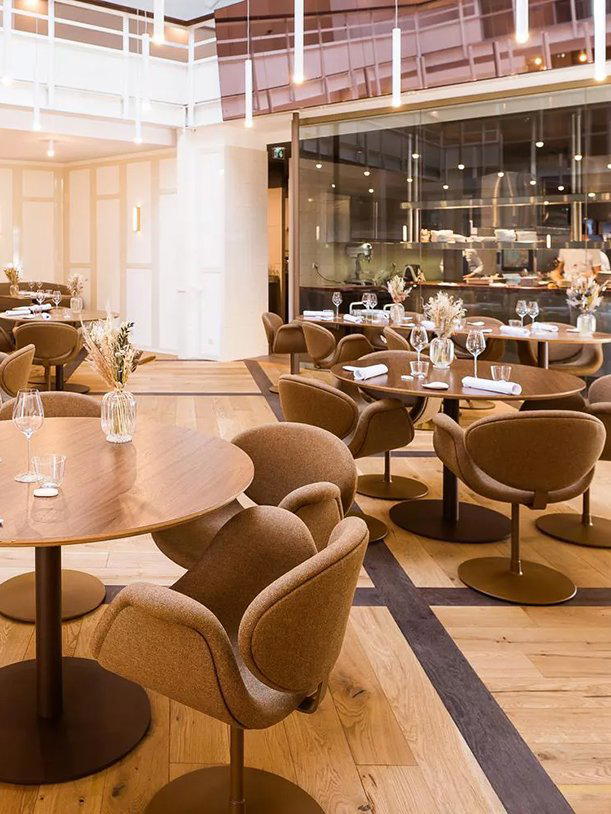
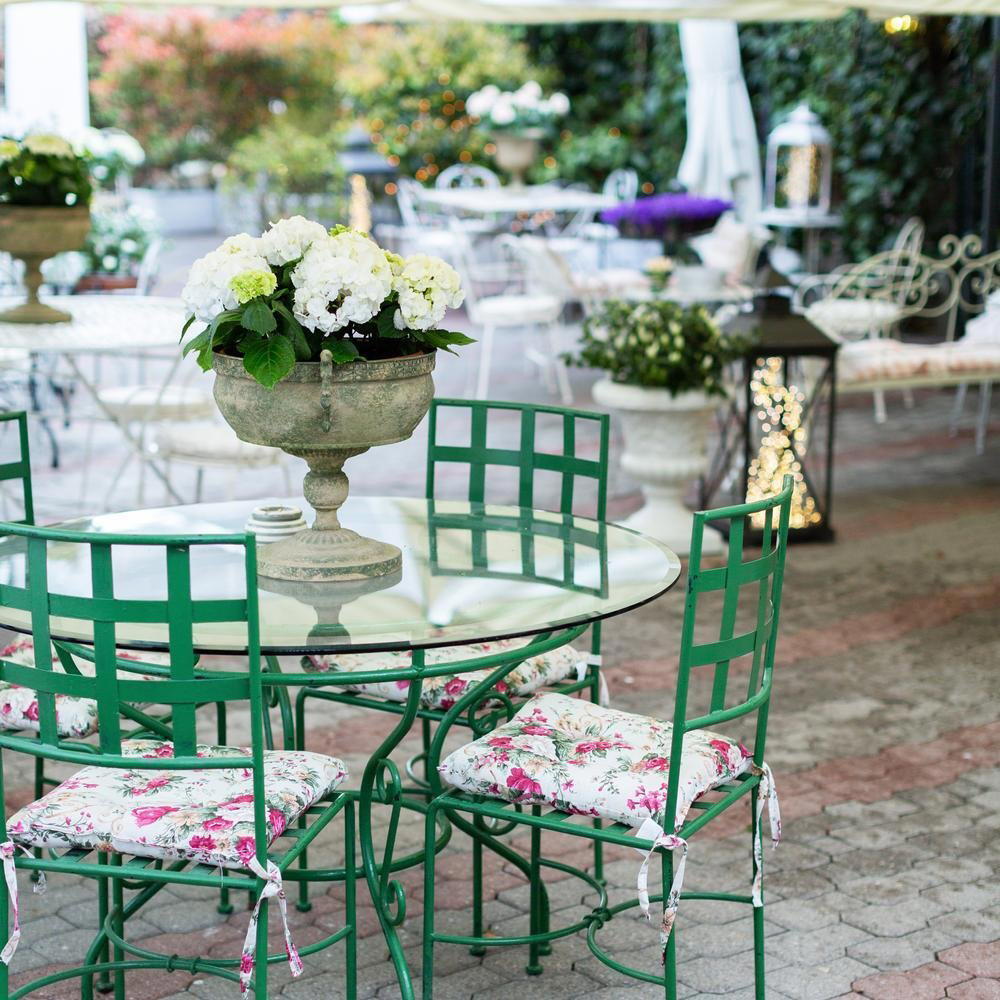
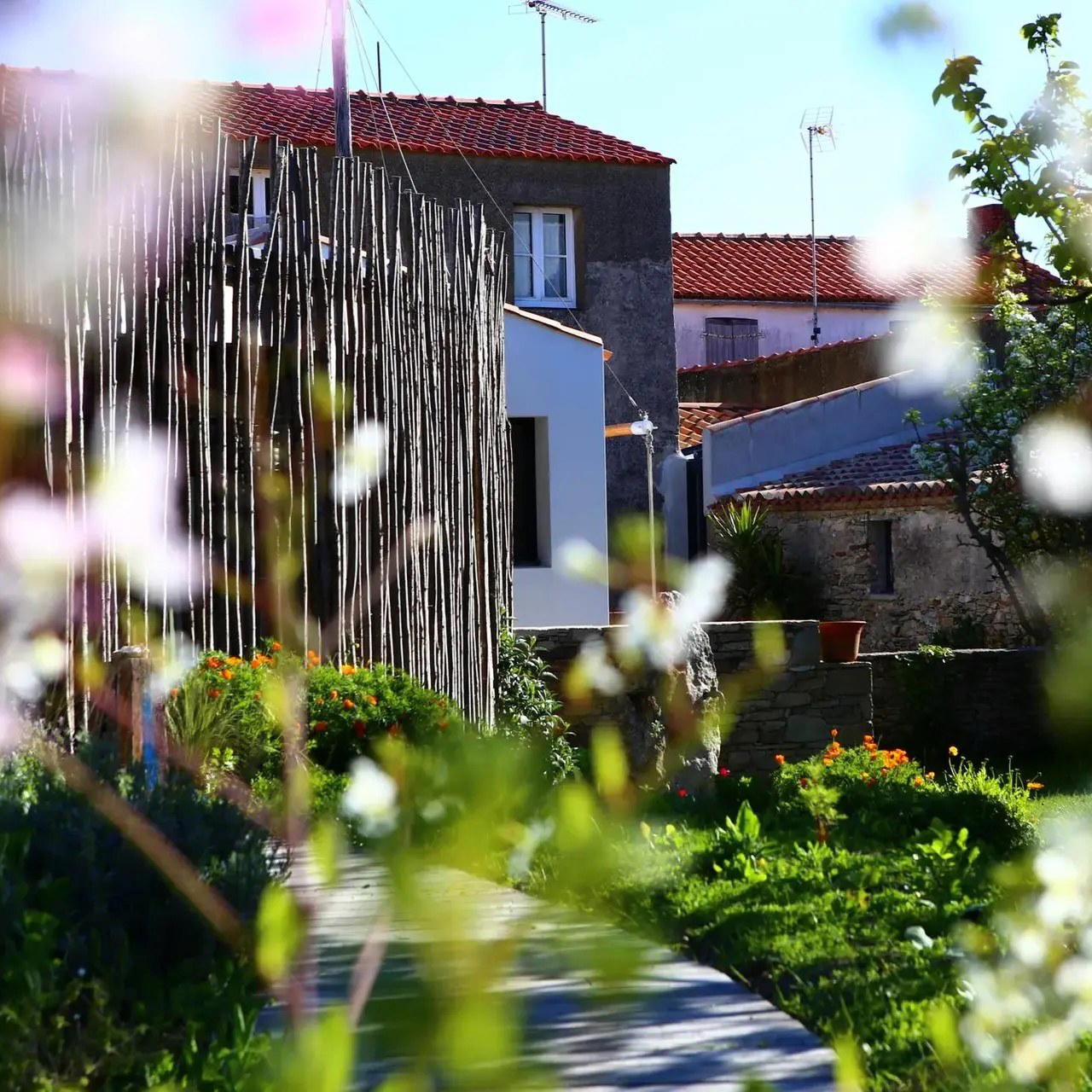
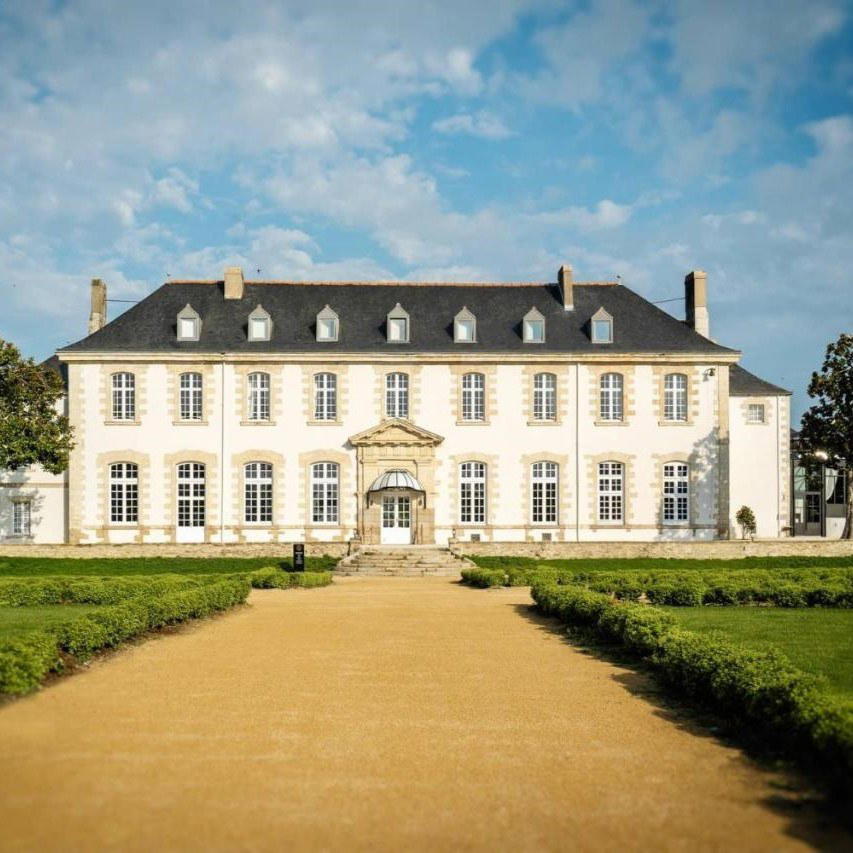
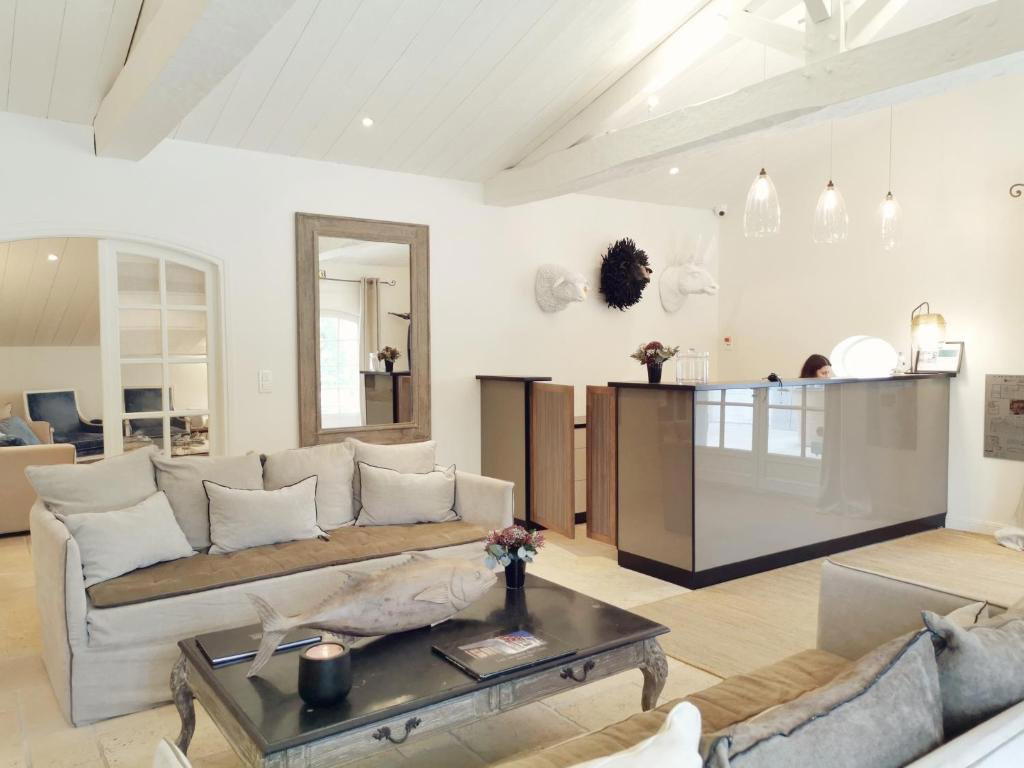
Simple and elegant interior with pleasant natural lighting; shaded outdoor terrace overlooking old stone architecture; warm, professional service in an authentic village setting.