Tabelog 100 #37
Our verdict
Ristorantino Rubero sits in Tokyo’s small-house Italian category, where scale, sourcing, and wine service matter more than spectacle. Its Tabelog Italian TOKYO 100 selection in 2025, 20-seat format, and course structure built around named Japanese meats place it in a careful middle tier between casual Meguro dining and formal destination Italian.

Pearl is the En Primeur Club membership app, where members save venues, book tables and use the concierge.
The menu
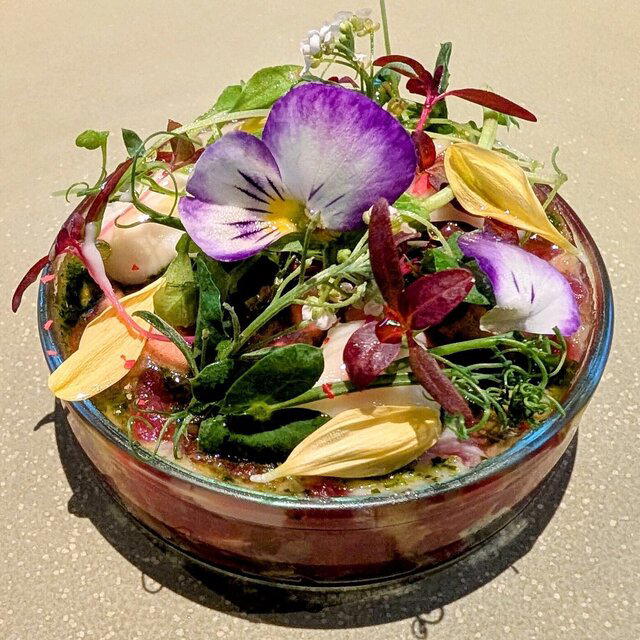
What to order
- Premium Hokkaido lamb course
- Kinka pork course
- Wakasa venison course
- Tosa Akaushi beef course
- Squid-ink garlic rice
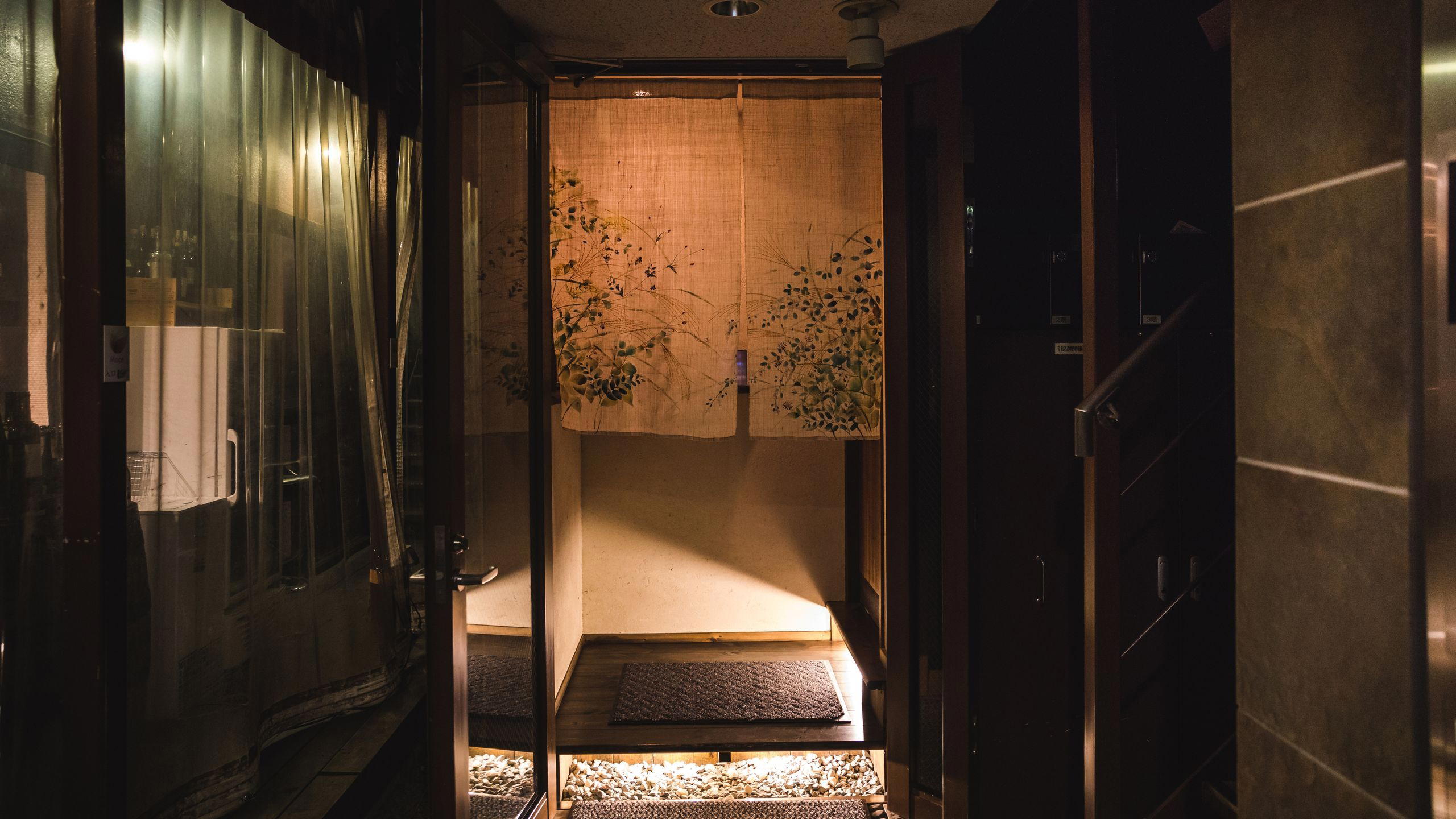
The approach to dinner in Tokyo can change the register before the meal begins: traffic gives way to quieter pockets, and the city’s restaurant density can feel domestic rather than theatrical. That matters for Italian dining here. Some rooms chase imported grandeur; others translate Italian structure through Japanese scale, seasonality, and service culture. Ristorantino Rubero is best read in that latter context: an Italian restaurant whose appeal rests on focus, local recognition, and a format suited to a composed meal rather than spectacle.
Tokyo has long treated Italian cooking as serious craft, from neighborhood pasta counters to formal ristoranti with long wine lists. The sharper distinction now is consistency. Restaurants that sustain attention in a crowded category need more than surface polish; they need a clear point of view, careful service, and cooking that feels intentional in the city’s dining ecosystem. Ristorantino Rubero’s editorial interest comes from that positioning: Italian grammar in Tokyo, with enough recognition to stand out without turning the meal into a luxury performance.
Focused execution gives the Italian format its point of view
Tokyo’s restaurant story often appears through seasonality, precision, and tightly managed formats, but discipline is just as revealing across the broader dining scene. In an Italian course structure, restraint and careful planning can shift the meal from imported clichés toward a more Tokyo-specific kind of intelligence. A concise restaurant format can reduce menu sprawl, focus the experience, and align the room with considered choices rather than generic abundance.
That places Ristorantino Rubero apart from more casual Tokyo options. Tonkatsu Meguro Kogane and Konpira Chaya sit in a lower everyday price band, useful for neighborhood range rather than direct substitution. Clos Des Gourmets, with its European orientation, is closer in mood, while Yakitori Abe and Tori-Shiki show how Tokyo’s counter traditions make repetition, heat, and specialization virtues. The comparison is format-for-format, not cuisine-for-cuisine. Tokyo rewards restaurants that narrow their field and execute within it. An Italian restaurant with a Tabelog score of 3.73 belongs in that disciplined conversation.
The 2025 Tabelog Italian TOKYO 100 selection is the clean trust signal. Tabelog rankings should not be read like Michelin stars, but selection in a focused city category indicates meaningful local recognition in a crowded field. For travelers, that matters more than vague popularity; Tokyo has enough polished Italian rooms that competence can disappear into the noise.
A small-house room suits slower Italian dining
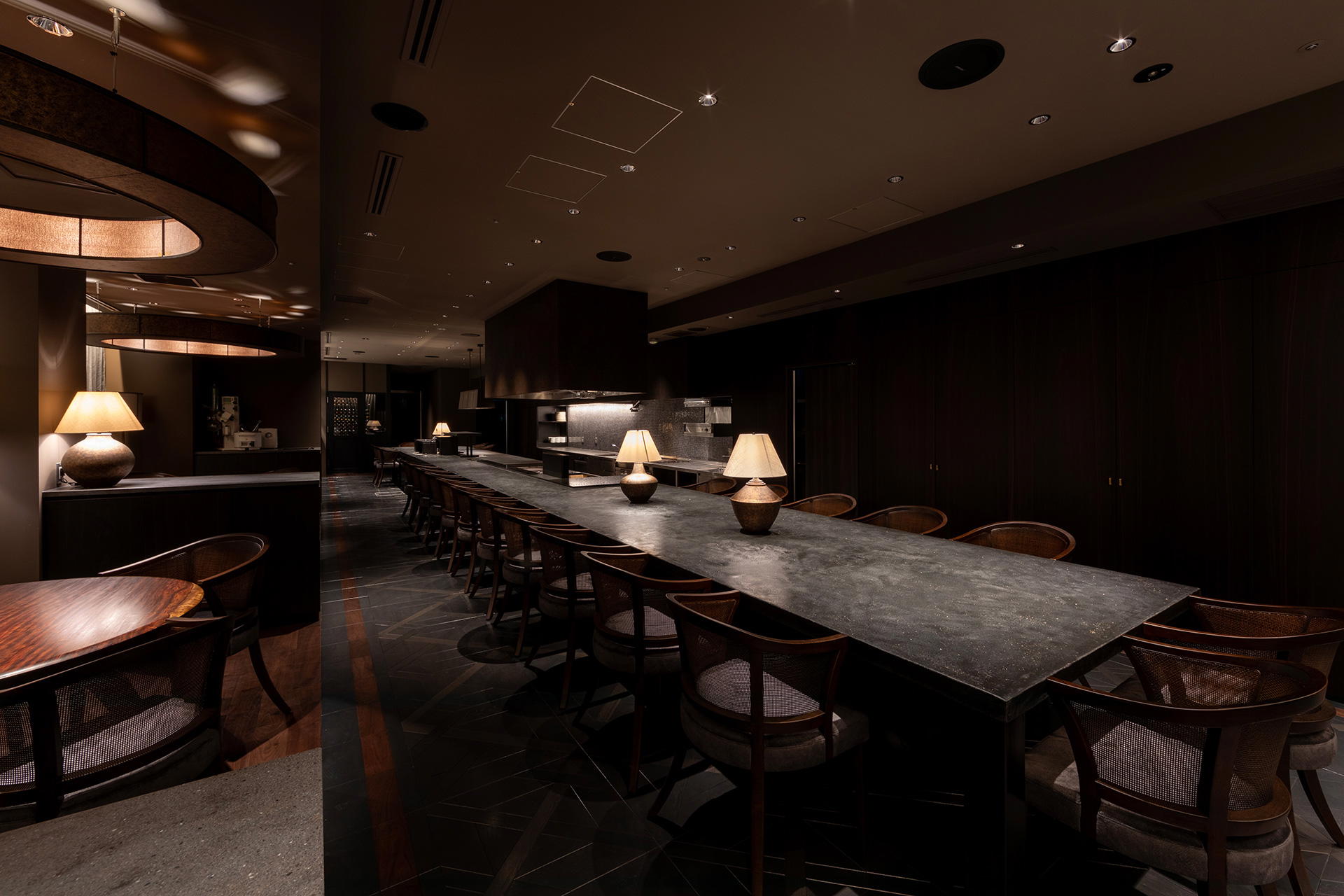
The room’s feel shapes the meal before any plate arrives. A restaurant of this kind depends on pacing, reservation planning, and the ability to make a meal feel personal rather than transactional. That explains why the identity sits closer to a ristorantino than a grand dining room. This is Tokyo Italian for a measured evening: not a loud trattoria or a destination built only around spectacle, but a controlled restaurant where the category and recognition carry the weight.
For readers mapping Tokyo by mood, the city rewards precision over district stereotypes. It has strong transit, dense residential texture, and enough serious restaurants for a targeted evening without turning dinner into a performance. Ristorantino Rubero’s Tokyo location suits travelers who want a focused meal, though the smarter reason to come is category fit: Italian cooking in Tokyo that has earned local recognition rather than relying on imported romance alone.
Its pricing also clarifies the occasion. Dinner is listed in the JPY 8,000 to JPY 9,999 range, with lunch in the JPY 4,000 to JPY 4,999 range. That makes the restaurant more deliberate than a quick refuel but still legible for diners planning an upper-mid-range Tokyo meal. The caveat is tonal, not logistical: it suits guests seeking a composed Italian experience rather than low-cost abundance or a hurried stop between other plans.
Where it fits in a Tokyo dining itinerary
The editorial case is strongest for diners who know Tokyo’s European restaurants are not secondary to its Japanese ones. The city’s Italian scene has its own grammar: exacting service, compact rooms, and reinterpretation of regional Italian formats through Tokyo standards. Ristorantino Rubero is not the obvious first meal for visitors chasing sushi, ramen, or tempura. It is the more interesting second- or third-night choice, especially for travelers who want to see how Tokyo absorbs a foreign cuisine and lets local expectations speak.
Its practical profile favors planning. The price band is clearly above casual dining, and the 2025 Tabelog Italian TOKYO 100 recognition means it should be treated as a restaurant to book with intention rather than an afterthought. Those details define the category. The value lies in a focused Italian meal with Tokyo credibility, not in bargain hunting or maximal variety.
For a wider Tokyo dining map, pair this Italian-in-Tokyo story with sharper contrasts elsewhere: everyday comfort at Konpira Chaya, precision at Tonkatsu Meguro Kogane, European dining at Clos Des Gourmets, and specialization at Yakitori Abe and Tori-Shiki. The broader city context sits in Our full Tokyo restaurants guide, with parallel planning layers in Our full Tokyo hotels guide, Our full Tokyo bars guide, Our full Tokyo wineries guide, and Our full Tokyo experiences guide. Outside this specific comparison set, Tokyo offers many other dining rooms that show how the city turns focus, recognition, and format into distinct restaurant identities.
Frequently asked questions
What's Ristorantino Rubero's location?
Tokyo.
How much does it cost to eat at Ristorantino Rubero?
Pricing at Ristorantino Rubero is listed as Dinner: JPY 8,000 - JPY 9,999; Lunch: JPY 4,000 - JPY 4,999.
What time does Ristorantino Rubero open and close?
Check the restaurant directly for current opening hours before planning a visit.
What makes Ristorantino Rubero worth seeking out?
The draw is its 2025 Tabelog 100 selection for Italian in Tokyo, along with a Tabelog score of 3.73. Dinner is priced at JPY 8,000–JPY 9,999, with lunch at JPY 4,000–JPY 4,999.
Do they accommodate allergies at Ristorantino Rubero?
For allergy needs, contact Ristorantino Rubero directly when booking so the restaurant can confirm what is possible for your visit.
Is Ristorantino Rubero good for families?
Contact Ristorantino Rubero directly to confirm current family arrangements and any needs for children before booking.
Comparison Snapshot
Comparable venues by cuisine and category.
| Venue | Cuisine | Price | Awards | Notes |
|---|---|---|---|---|
| Ristorantino RuberoThis venue (the venue you are viewing) | Modern Italian in a Meguro vintage house | $50–100 | Tabelog 100 #37 | Not listed |
| MANSALVA | Seasonal Modern Italian | $100–150 | Tabelog 100 #26 | Shibuya |
| Napule | Authentic Neapolitan Pizza & Southern Italian Trattoria | $30–50 | Not listed | Minato |
| Ristorante La ciau | Piedmont-influenced Modern Italian | $50–100 | Tabelog 100 #91 | Minato |
| AURELIO | Modern Italian Handmade Pasta & Wine Bar | $50–100 | Gambero Rosso 1 Forchetta | Shibuya |
| K+ | Modern Italian Fine Dining | $100–150 | Tabelog 100 #49 | Minato |
Recognition history
Dated appearances from independent guides and award organizations, with the underlying list record or original source where available.
Tabelog 100 #37 · No. 37
Tabelog · Tabelog 100 - Italian - TOKYO - 2025