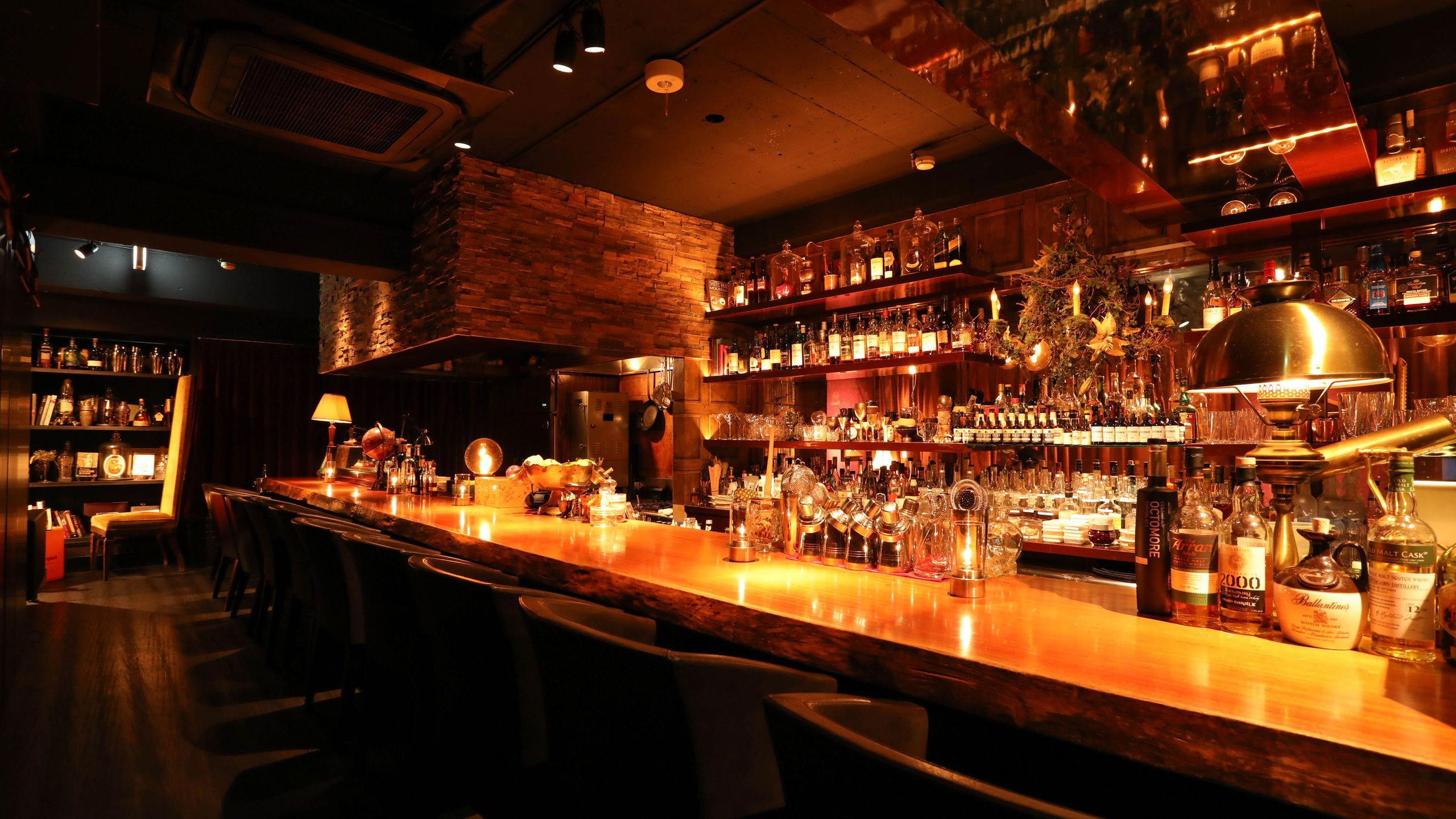
Tabelog 100 #7
Our verdict
Tokyo’s Italian scene has moved well beyond red-sauce nostalgia, and ristorante scintilla belongs to the smaller Naka-Meguro tier where Italian technique meets Japanese meal pacing. Its Tabelog Italian TOKYO 100 selections in 2023 and 2025 place it among the city’s more closely watched Italian rooms, with fish, wine service, and a reservation-led format shaping the experience.

Pearl is the En Primeur Club membership app, where members save venues, book tables and use the concierge.
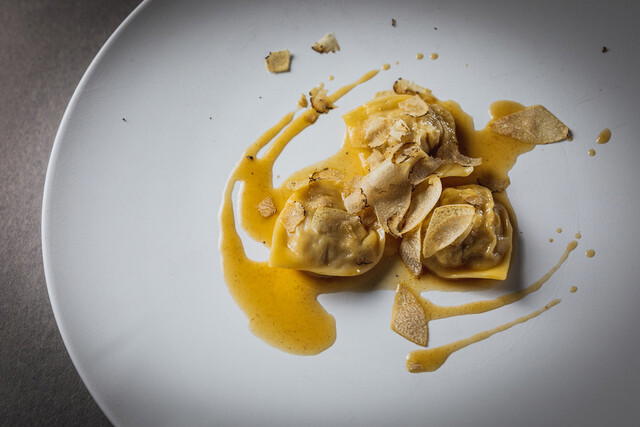
Approach the restaurant through Tokyo and the dining mood shifts quickly: the city’s casual counters and everyday rooms give way to quieter, more deliberate tables, where restaurants trade street-level theatre for controlled pacing. For contemporary Italian dining in Tokyo, that matters. The meal is less about rustic abundance than sequence, restraint, and timing, with each course holding its place in a larger rhythm.
ristorante scintilla fits that pattern. Listed as Italian, wine bar, and innovative, it reflects Tokyo’s current appetite more than any single label can. Italian restaurants here often compete not by reproducing regional orthodoxy, but by adapting Italian structure to local service discipline and a composed dining sensibility familiar from the city’s more focused rooms. The public category mix places this restaurant in a precise bracket: not simply a trattoria, not a grand dining room, and not fusion shorthand, but an Italian format shaped by Tokyo’s preference for detail.
Tokyo Italian dining, measured by pace rather than theatre
Tokyo suits this style. It is broad enough to draw serious diners across many formats, without requiring every meal to carry ceremonial pressure or hotel-dining formality. The city’s stronger restaurants often feel deliberate in scale, using controlled pacing and wine-aware service to create intimacy without performance.
That scale is part of the ritual. In Tokyo, Italian dining at this level often borrows from Japanese ideas of progression: a beginning that calibrates the palate, a middle built around balance and texture, and a finish that avoids excess. The cooking may use Italian grammar, but service expectations are local. Dishes should arrive in a logical sequence, wine should support rather than dominate, and the room should feel composed rather than loud.
The Tabelog Italian Tokyo 100 recognition in 2025 is a useful signal because Italian cooking in Tokyo is crowded. Inclusion does not make a restaurant interchangeable with luxury hotel Italian or old-school pasta houses; it marks a narrower peer group that Japanese diners return to for precision, atmosphere, and consistency. In Tokyo, comparable decisions might include Italian at Cuore Azzurro, Italian dining at Icaro, the focused format of T nakameguro, sushi at UDATSU SUSHI, or meat-focused dining around Wagyu beef Yakiniku Beef Kitchen Nakameguro, but ristorante scintilla’s Italian table has a different social register: slower, wine-aware, and more dependent on pacing than spectacle.
The ritual: wine, restraint, and controlled Italian structure
The public categories tell the story. “Italian” provides the spine, “wine bar” makes drinking central, and “innovative” allows for Tokyo’s habit of refining foreign cuisines through local technique, proportion, and service discipline. That combination is especially telling. Tokyo Italian restaurants in this bracket sit close to the city’s dining calendar, where seasonality and balance are often read through texture, temperature, and portion size as much as sauce or abundance.
This is where the experience separates from casual Italian dining. A more composed Italian meal in Tokyo rarely depends on the heavy markers that define Italian food abroad. The discipline is proportion: acidity for lift, richness held in check, and wine service that supports the meal without flattening it. The wine-bar category strengthens that format, especially where guests are thinking about the relationship between the glass, the pacing, and the kitchen’s sequence.
The occasion also changes the use case. Tokyo diners often separate restaurants by purpose with more precision than visitors expect: counter for concentration, table dining for conversation, and quieter rooms for meals needing discretion. This is not just ambience. The ritual changes by context: a small group can treat the meal as a quiet celebration, while business diners can use the structure of the evening to pace conversation without constant decisions.
For readers mapping Tokyo dining beyond this restaurant, the contrast helps. Other Tokyo dining rooms show different rituals across the city, from casual seafood and grill formats to compact counters and curry specialists. Even more informal addresses remind us that the city’s dining culture is not one hierarchy, but a set of formats with different rules. ristorante scintilla belongs to the wine-aware Italian side of that map, where the pleasure comes from structure rather than noise.
Who this table suits in Tokyo's Italian scene
This is stronger for diners who enjoy Italian grammar but want Tokyo discipline around timing, quiet service, and ingredient focus. It is less suited to anyone seeking a spontaneous bowl of pasta or a high-noise room built around turnover. The smarter comparison is with other composed restaurants where pleasure comes from sequence: how the table settles, how wine is introduced, and how the kitchen moves from lighter preparations to deeper flavours.
There is also practical etiquette embedded in the format. Restaurants built around careful pacing and ingredient planning generally expect diners to state allergies and dislikes before the meal, not at the table. That is common in Tokyo’s dining rooms because late changes can disrupt both the kitchen and the rhythm of service. For visitors used to flexible à la carte systems, this cultural adjustment separates a smooth Tokyo dinner from an awkward one.
Within a broader itinerary, ristorante scintilla works as a Tokyo Italian anchor rather than the city’s only serious meal. Pair it with sushi, grilled meat, curry, or contemporary casual dining elsewhere and Tokyo’s shape becomes clearer. For broader planning, compare it with Our full Tokyo restaurants guide, then build the rest of the trip through Our full Tokyo hotels guide, Our full Tokyo bars guide, Our full Tokyo wineries guide, and Our full Tokyo experiences guide. Travellers extending the comparison across Japan and beyond can also read it against other unnamed dining rooms in major cities, using ristorante scintilla as the Tokyo reference point for Italian, wine-bar, and innovative dining.
Frequently asked questions
What's ristorante scintilla's location?
Tokyo.
What price level is ristorante scintilla?
Pricing at ristorante scintilla is listed as Dinner: JPY 10,000 - JPY 14,999; Lunch: JPY 8,000 - JPY 9,999.
How hard is it to get a table at ristorante scintilla?
It is a Tokyo Italian restaurant with a listed Tabelog score of 3.72, so advance planning is sensible compared with more casual walk-in dining rooms in the city.
What do critics highlight about ristorante scintilla?
The clearest external signal is selection for Tabelog Italian Tokyo 100 in 2025. Its listed profile also points to a precise mix of Italian, wine bar and innovative cooking.
How does ristorante scintilla handle allergies?
As with many Tokyo restaurants, guests should raise allergies or ingredient concerns when booking rather than waiting until arrival, so the restaurant can confirm what is possible.
Is ristorante scintilla good for families?
ristorante scintilla is best considered a composed Tokyo dining room rather than a casual family restaurant. Families should check directly with the restaurant before booking to confirm suitability for their group.
At a Glance
Comparable venues to anchor price and recognition.
| Venue | Cuisine | Price | Awards | Notes |
|---|---|---|---|---|
| ristorante scintillaThis venue (the venue you are viewing) | Modern Italian Fine Dining | $100–150 | Tabelog 100 #7 | Not listed |
| Wagyu beef Yakiniku Beef Kitchen Nakameguro | Premium Wagyu Yakiniku | $50–100 | Tabelog 100 #60 | Not listed |
| Icaro | Northern Italian Trattoria | $150–200 | Tabelog 100 #1 | French |
| UDATSU SUSHI | Modern Omakase Sushi | $200–300 | Michelin Plate | Sushi |
| T nakameguro | Modern Japanese Wagyu T-Bone Steakhouse | $150–200 | Tabelog 100 #11 | Not listed |
| Cuore Azzurro | Authentic Regional Italian | $50–100 | Tabelog 100 #83 | Not listed |
Recognition history
Dated appearances from independent guides and award organizations, with the underlying list record or original source where available.
Tabelog 100 #7 · No. 7
Tabelog · Tabelog 100 - Italian - TOKYO - 2025