Our verdict
On a quiet residential street in western Magdeburg, Ristorante Da Nino Dolce Vita brings Italian dining to a city whose restaurant scene is still finding its international range. The name signals the register: this is neighbourhood Italian rather than formal fine dining, positioned in a local tier that sits distinctly apart from the Michelin-tracked rooms further west in Germany. Address: Ernst-Lehmann-Straße 17, 39106 Magdeburg.

Pearl is the En Primeur Club membership app, where members save venues, book tables and use the concierge.
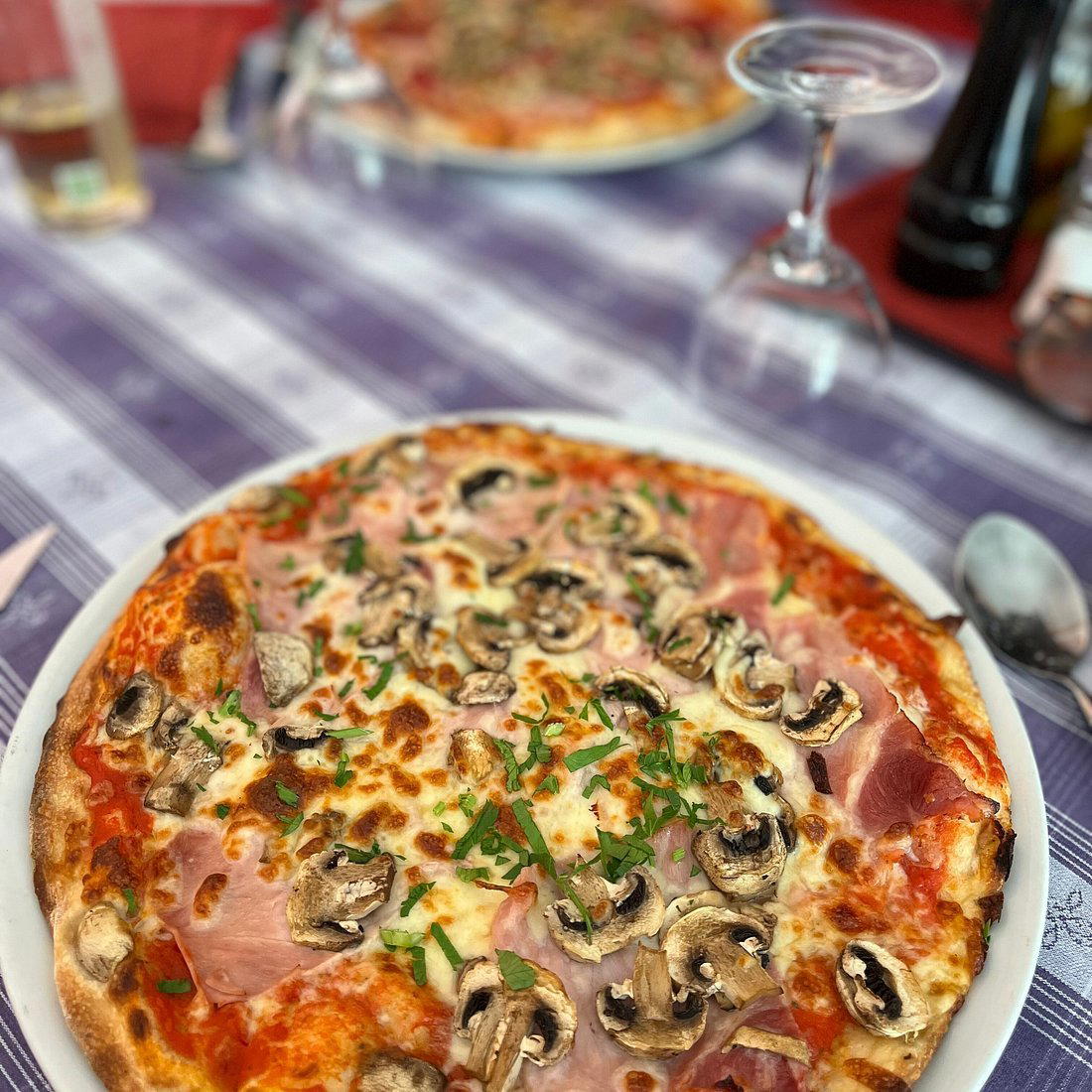
The menu
What to order
- Homemade pasta
- Swordfish
- Catch of the day
Italian in Magdeburg: What the Address Tells You
Ernst-Lehmann-Straße sits in the western residential arc of Magdeburg, away from the cathedral quarter's tourist traffic and the Elbe-facing promenade that draws the weekend crowd. Streets like this one, lined with mid-century apartment buildings and the occasional corner shop, define a different kind of dining geography: places that survive on repeat local custom rather than tourist footfall. Ristorante Da Nino Dolce Vita occupies that position. The name itself makes a promise about register and mood. Dolce vita is a well-worn phrase, but in this context it reads less as aspiration and more as a statement of intent: this is Italian hospitality in a neighbourhood frame, not a fine-dining performance.
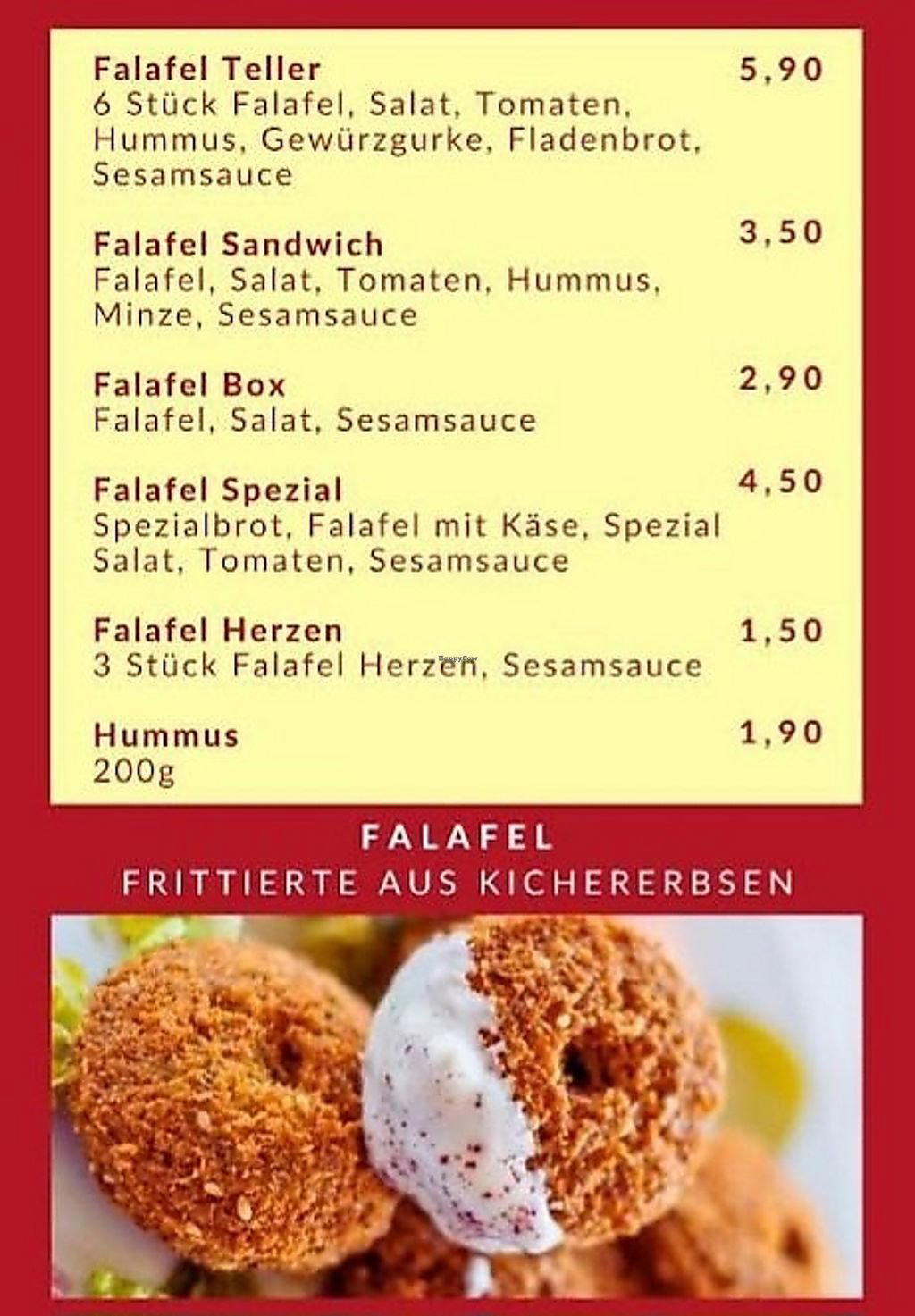
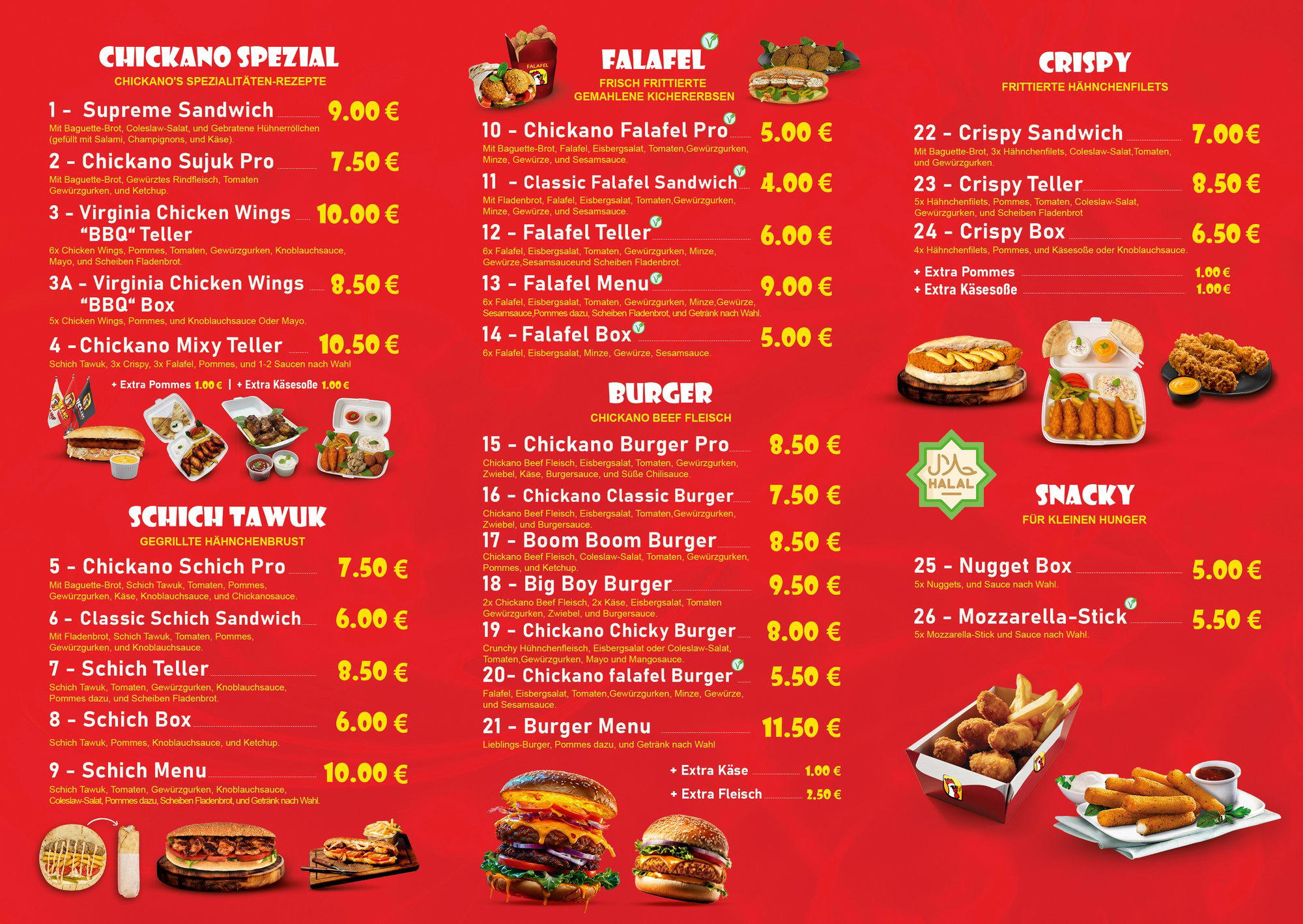
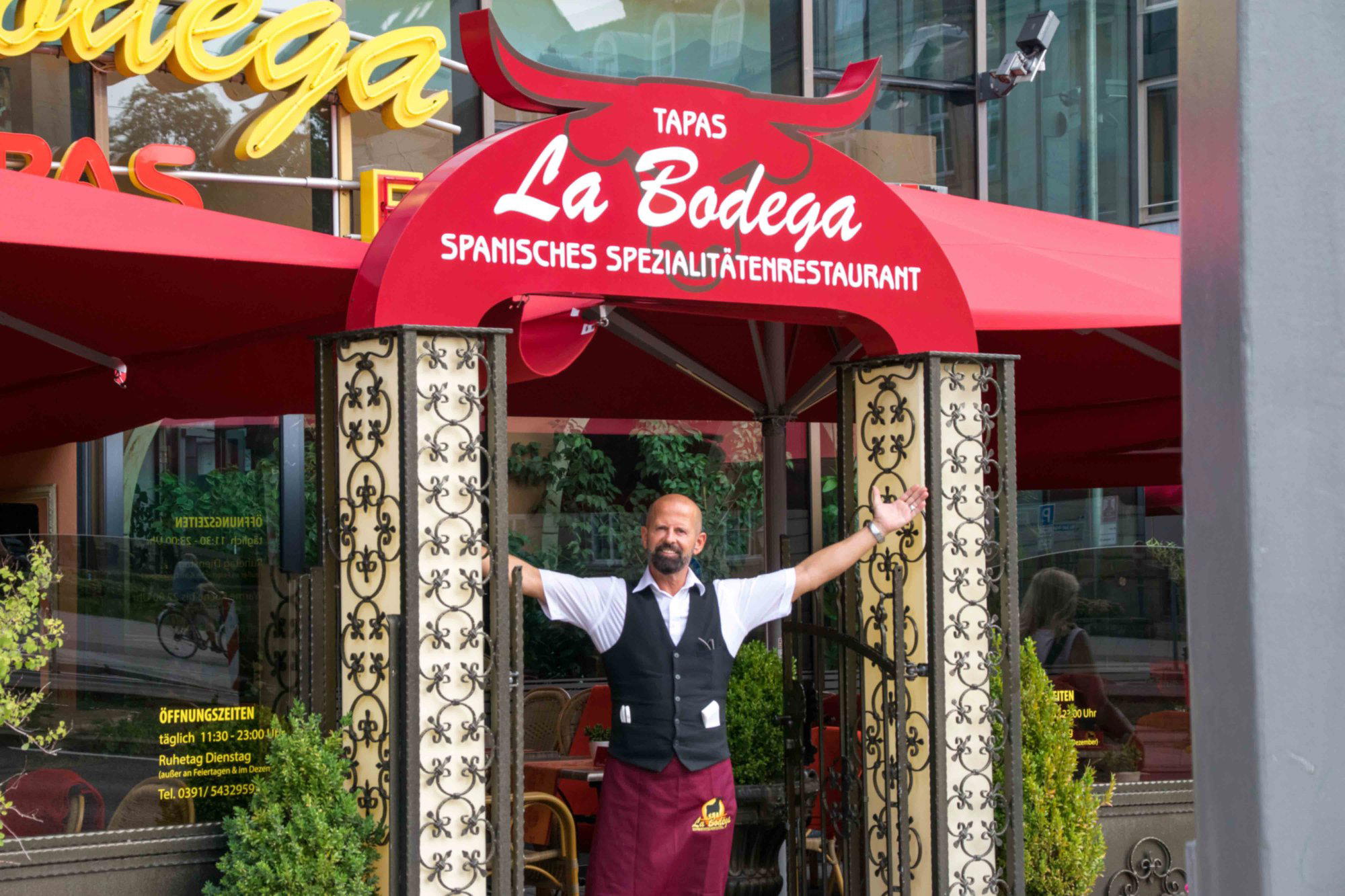
Magdeburg's dining scene has developed unevenly since reunification. The city has a functioning mid-market, with Spanish-influenced rooms like La Bodega Magdeburg, casual formats like Chickano Imbiss, and Korean options such as Chigogi adding international range to the offer. What it lacks, relative to Hamburg or Munich, is a deep bench of destination-tier Italian restaurants. Da Nino Dolce Vita operates in a space where competition is limited but expectations from a local, repeat-visit audience are correspondingly specific.
The Place in Context: Italian Dining in Eastern Germany
Italian restaurants in mid-sized German cities occupy a peculiar position. They are rarely the cutting edge of either Italian regional cooking or German gastronomy, but at their leading they serve a function that more ambitious formats cannot: consistency, warmth, and a menu that rewards the guest who comes back every few weeks. The trattoria model, generous portions, familiar wine list, a kitchen that knows its regulars, has proven more durable in German cities than the wave of concept-driven openings that arrived in the 2010s and quietly closed before the decade ended.
That durability is relevant in a city like Magdeburg, where the dining public is not primarily composed of expense-account diners or food-media enthusiasts. The restaurants that have lasted here, across categories, from the tapas format of Berner und Brown, die Tapasbar im Domviertel in the cathedral district to the more considered offer at Culinaria Restaurant, tend to be those that found a local audience and kept it. Da Nino Dolce Vita's residential location on Ernst-Lehmann-Straße points directly at that strategy.
For comparison, the Michelin-decorated end of German Italian dining operates in an entirely different register. Rooms like Vendôme in Bergisch Gladbach or the technical ambition at JAN in Munich represent a strand of German fine dining that draws on Italian and French influence while building toward award recognition. Da Nino Dolce Vita is not in that competitive set. It sits closer to the everyday Italian that most German cities support at the neighbourhood level: a different category, serving a different purpose.
What Shapes the Experience
Because the venue data available for Da Nino Dolce Vita is limited, no published seat count, no confirmed tasting menu format, no documented awards, the experience here needs to be read through the lens of the category it occupies rather than the specifics it has disclosed. Neighbourhood Italian restaurants in this tier in Germany typically operate on a printed card or short seasonal menu, with pasta and secondi anchored around familiar regional Italian references. The price register at this level in Magdeburg sits below the €30-per-cover threshold that defines the city's more formal mid-market rooms, making it accessible for regular visits rather than occasion dining.
The address on Ernst-Lehmann-Straße means that guests are almost certainly arriving from the surrounding neighbourhoods rather than crossing the city for a destination meal. That shapes everything from the likely booking dynamic, walk-ins are plausible on quieter weekday evenings, though weekends in popular neighbourhood restaurants of this type often benefit from a call ahead, to the atmosphere, which in venues of this kind tends to be informal, regulars-driven, and louder than the lighting might suggest.
Magdeburg's Dining Geography and Where This Fits
Magdeburg is not a city that appears in Germany's fine-dining conversation with any frequency. The Michelin-tracked rooms that define German restaurant ambition are concentrated in the west and south: Aqua in Wolfsburg, Schwarzwaldstube in Baiersbronn, Waldhotel Sonnora in Dreis, Schanz in Piesport, and further afield, Victor's Fine Dining by Christian Bau in Perl, all operate in a different Germany entirely. Even within the capital's orbit, the innovation-forward format of CODA Dessert Dining in Berlin or the classical anchor of Restaurant Haerlin in Hamburg reflect investment levels and dining cultures that Magdeburg's market has not yet developed. ES:SENZ in Grassau is another example of how Germany's starred dining skews toward specific regions and resort contexts.
That gap is not a criticism of Magdeburg. It reflects the economic and demographic realities of a mid-sized eastern German city that is growing its hospitality infrastructure at its own pace. For a traveller arriving from outside the city, the practical implication is that the dining ceiling here sits lower than in Frankfurt or Düsseldorf, but the floor, the quality of a well-run neighbourhood restaurant on a quiet residential street, can be entirely respectable. Da Nino Dolce Vita operates at that floor level, and in its category, that is the right comparison to make. Our full Magdeburg restaurants guide maps the wider picture.
For reference points from further afield: the kind of precision that defines Le Bernardin in New York City or the tasting-counter format of Atomix in New York City represents a different tier of ambition and investment entirely. Placing Da Nino Dolce Vita in that frame is less useful than asking what a neighbourhood Italian on Ernst-Lehmann-Straße can realistically offer a guest who lives nearby or is spending a few days in Magdeburg: familiar cooking, a local atmosphere, and a price point that makes returning easy.
Planning Your Visit
Ernst-Lehmann-Straße 17 is accessible from central Magdeburg by tram or a short taxi ride. No booking platform or phone number is currently confirmed in EP Club's verified data, so arriving during off-peak hours or contacting the restaurant directly through local search is advisable. Hours and reservation policies are best confirmed before travel, as neighbourhood restaurants in this category often keep flexible schedules. Given the residential setting and the likely regulars-based trade, weekend evenings are the sessions most likely to require advance planning.
Frequently asked questions
What's the address for Ristorante Da Nino Dolce Vita?
Ristorante Da Nino Dolce Vita is located at Ernst-Lehmann-Straße 17, 39106 Magdeburg, Germany, Magdeburg.
Is Ristorante Da Nino Dolce Vita suitable for a weeknight dinner in Magdeburg away from the tourist centre?
The address on Ernst-Lehmann-Straße 17 places it firmly in Magdeburg's residential west, which means it draws from the local population rather than passing visitors to the Elbe waterfront or the cathedral. That positioning typically produces a more relaxed, repeat-guest atmosphere than venues competing for tourist footfall. Confirmed hours have not been published, so checking availability before making the trip is advisable.
What should I order at Ristorante Da Nino Dolce Vita?
Italian restaurants in Magdeburg's residential districts typically anchor their offer around pasta and secondi rather than elaborate tasting formats, so the kitchen at Ernst-Lehmann-Straße 17 likely follows that pattern. Visiting directly or calling ahead will give you the most accurate picture of the current menu.
Do they take walk-ins at Ristorante Da Nino Dolce Vita?
No booking platform or confirmed phone number is currently listed for Da Nino Dolce Vita, which makes advance reservation difficult to verify. That ambiguity cuts both ways: it suggests walk-ins may be the primary way to secure a table. Arriving earlier in the evening rather than at peak dinner hours is the safer approach for a residential-street restaurant in Magdeburg.
What is Ristorante Da Nino Dolce Vita known for?
Da Nino Dolce Vita occupies a quiet position on Ernst-Lehmann-Straße in Magdeburg's western residential arc, well outside the cathedral-quarter dining cluster. That address points toward a neighbourhood trattoria model rather than a destination or awards-circuit venue. No Michelin recognition or documented accolades appear in the public record for this restaurant.
The Minimal Set
Comparable venues nearby, for context on price, style, and recognition.
| Venue | Cuisine | Price | Awards | Notes |
|---|---|---|---|---|
| Ristorante Da Nino Dolce VitaThis venue (the venue you are viewing) | Authentic Italian Trattoria | $20–30 | Not listed | Not listed |
| Berner und Brown, die Tapasbar im Domviertel | Spanish Tapas Bar | $20–30 | Not listed | Domviertel, Spanish Tapas Bar |
| Opa - Imbiss | Syrian Fast Food | $10–20 | Not listed | Not listed |
| Landhaus Hadrys | Seasonal German & Mediterranean Fine Dining | $50–100 | Michelin Plate | Magdeburg, Seasonal German & Mediterranean Fine Dining |
| Chickano Imbiss | Halal Chicken Fast Food | Not listed | Not listed | Old Town, Halal Chicken Fast Food |
| Restaurant Kazoku Izakaya | Authentic Japanese Izakaya | $20–30 | Not listed | Not listed |
Continue exploring
More in Magdeburg
Details
- Cozy
- Intimate
- Classic
- Date Night
- Family
- Special Occasion
- Historic Building
- Extensive Wine List
- A La Carte
- Vegetarian Friendly
Current opening hours
- Monday
- Closed
- Tuesday
- 11:30 AM–2:30 PM, 5:30–10 PM
- Wednesday
- 11:30 AM–2:30 PM, 5:30–10 PM
- Thursday
- 11:30 AM–2:30 PM, 5:30–10 PM
- Friday
- 11:30 AM–2:30 PM, 5:30–10 PM
- Saturday
- 11:30 AM–2:30 PM, 5:30–10 PM
- Sunday
- 11:30 AM–2:30 PM, 5:30–10 PM
Hours can change for holidays and private events. Hours as of .
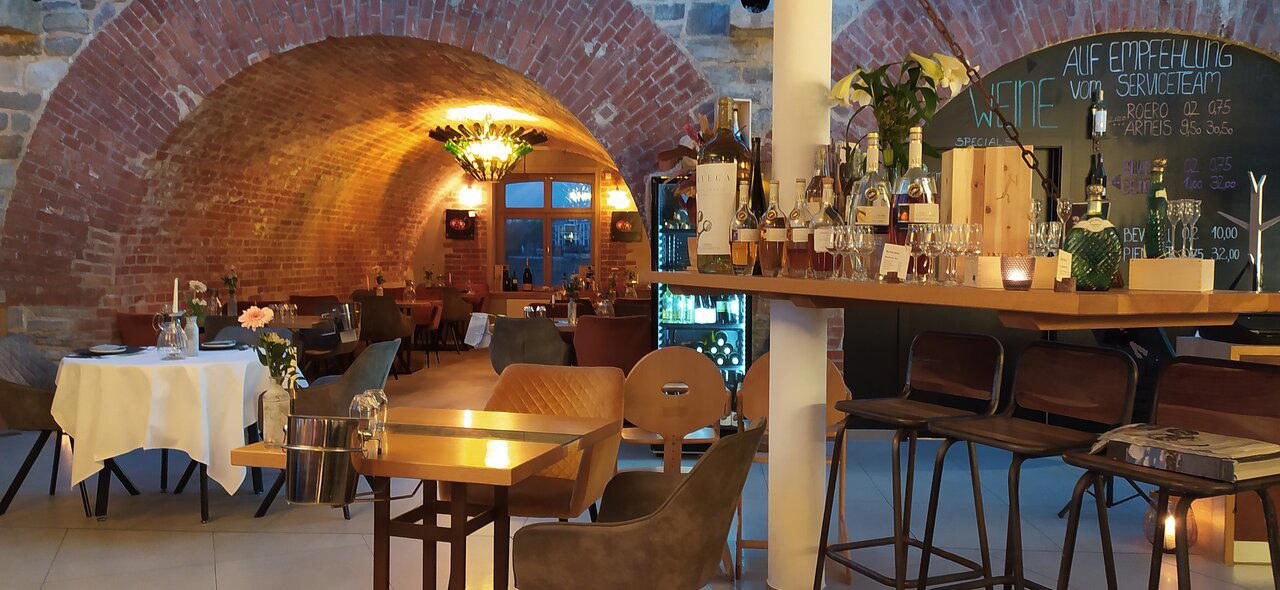
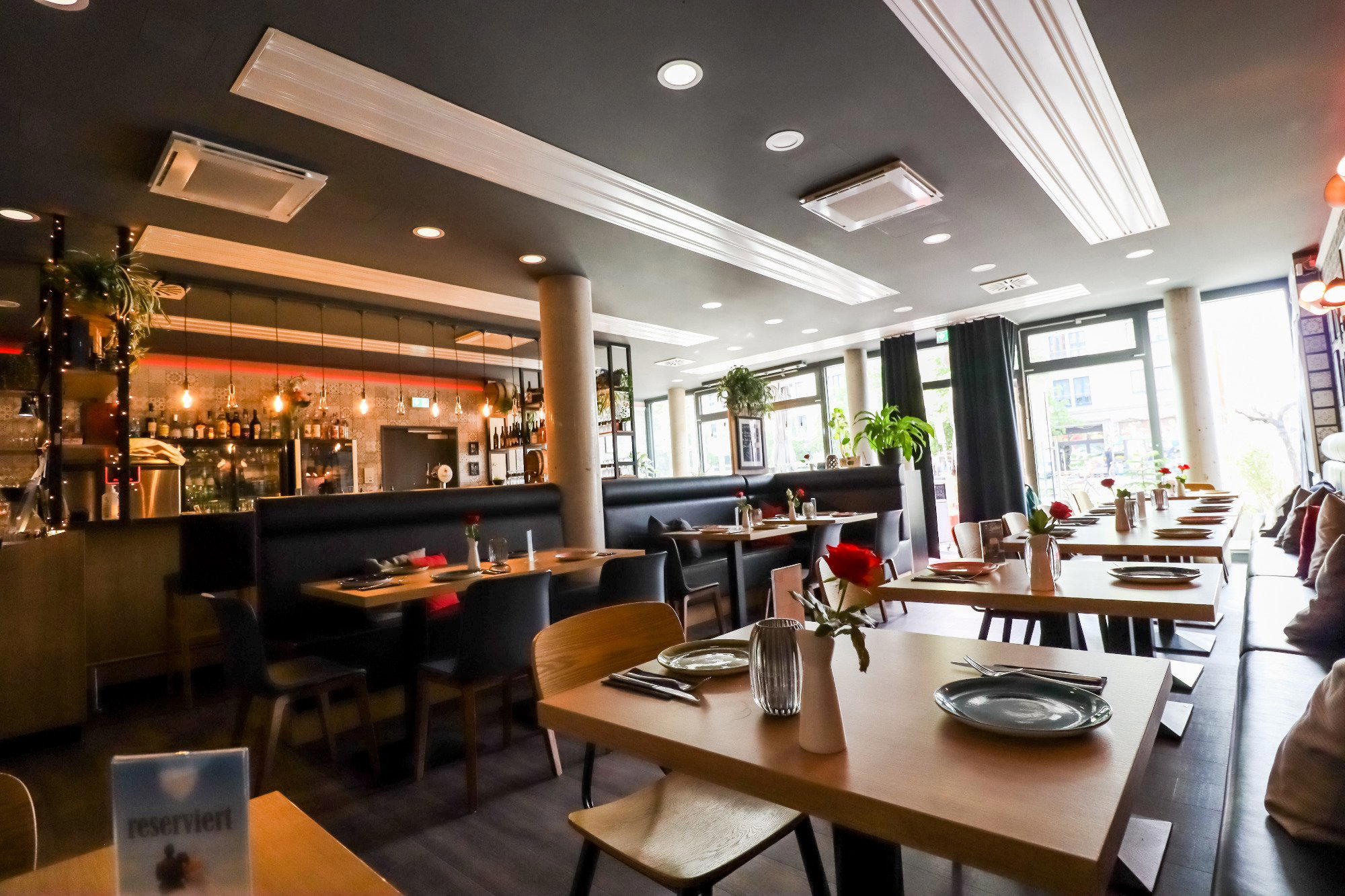
Warm welcoming Italian atmosphere with lush green plants self-painted walls and red-white checkered tablecloths creating a cozy homey feel.