Our verdict
On Domplatz, one of Magdeburg's most historically charged addresses, La Bodega occupies a position that few restaurants in the city can match for sheer setting. The Spanish-influenced name suggests a wine-forward sensibility, and the location beside the cathedral places it squarely in the old city's social and architectural centre. For visitors working through Magdeburg's dining options, it merits serious consideration.

Pearl is the En Primeur Club membership app, where members save venues, book tables and use the concierge.
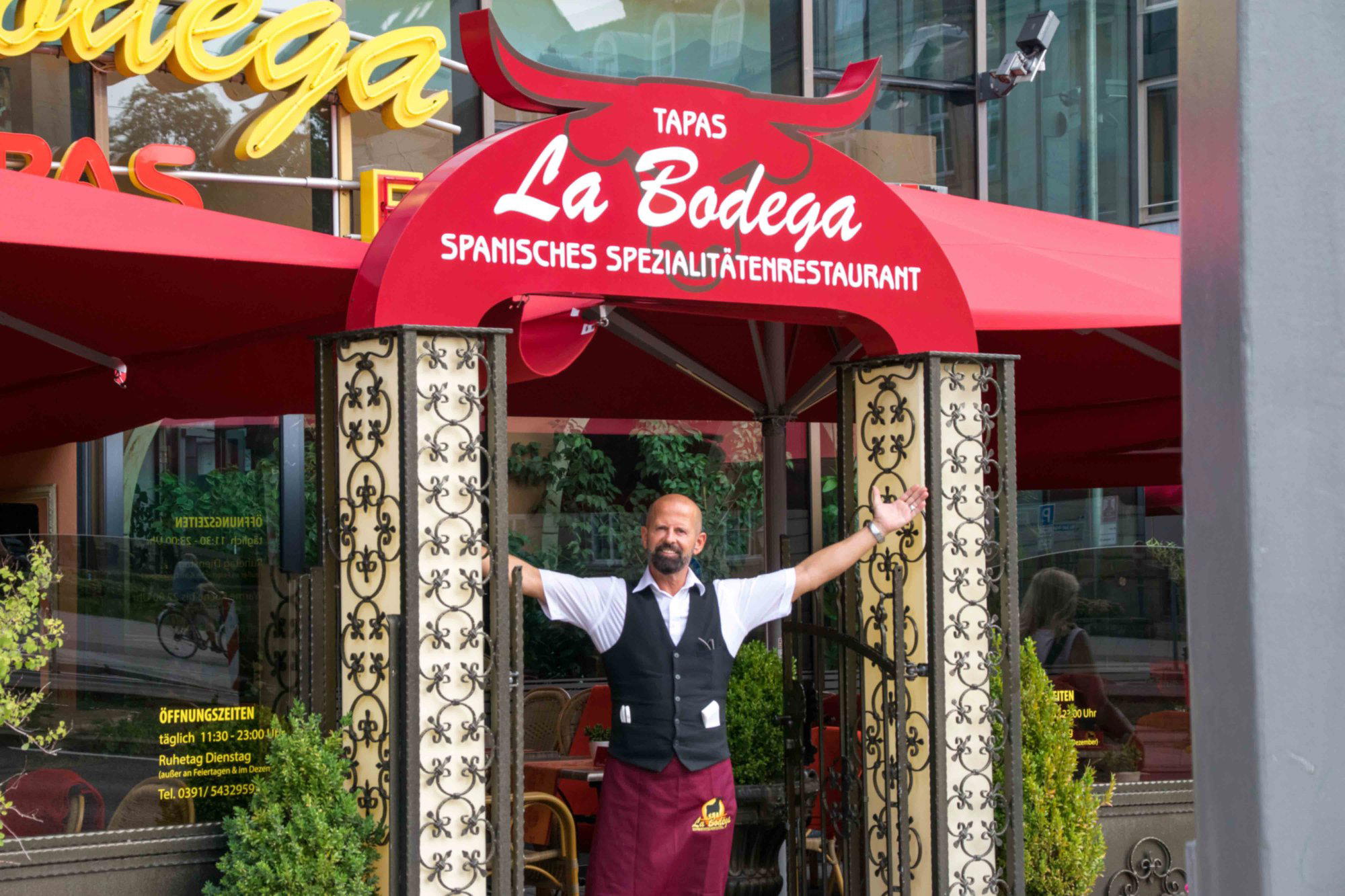
Cathedral Square and the Weight of Place
Domplatz 10-11 is not a neutral address. The square fronting Magdeburg's cathedral, one of the oldest Gothic structures in Germany, has been the city's civic and spiritual centre for centuries. Restaurants that occupy this space inherit that visual gravity whether they seek it or not, and the effect on the dining experience is real: eating within sight of stonework that predates the modern German state changes the register of a meal. La Bodega Magdeburg holds this address, and whatever its format, that physical context sets it apart from the bulk of Magdeburg's restaurant scene, which clusters in neighbourhoods further from the cathedral.
Magdeburg as a dining city is often discussed in terms of its recovery: the Second World War left the historic centre largely destroyed, and the postwar division of Germany meant that rebuilding followed different priorities than in the west. What has emerged over the past three decades is a restaurant culture that is still finding its footing at the higher end, with most serious dining concentrated in a relatively small number of establishments. The city sits in Saxony-Anhalt, a federal state whose agricultural output, including grain, sugar beet, and a range of market garden produce, gives local restaurants access to solid Central German ingredients if they choose to use them. Whether or how La Bodega engages with that regional supply chain is the question worth asking.
The Spanish Register in a Central German Setting
The name La Bodega signals a particular approach. In Spain, a bodega is both a wine cellar and, by extension, a place where wine defines the experience: food follows the bottle rather than the other way around. That tradition has filtered into European restaurant culture in a specific way, producing a format where the wine list carries editorial weight and the kitchen supports it with plates designed for sharing and extended sitting. Spanish-influenced restaurants across Germany have generally landed in one of two camps: those that treat the format as an excuse for casual, relatively low-cost eating built around cured meats and patatas bravas, and those that take the wine-forward model seriously enough to invest in Iberian bottles alongside the food. The Domplatz address suggests La Bodega is not operating in the former camp.
For context on how Spanish and wine-driven formats sit within the broader German dining scene, it helps to look at what is happening elsewhere. Germany's most decorated tables, from Aqua in Wolfsburg and Vendôme in Bergisch Gladbach to JAN in Munich and Schwarzwaldstube in Baiersbronn, operate in a French-influenced fine dining register that has dominated German restaurant culture for decades. That is not a lesser ambition; it is a different one.
Ingredient Sourcing and the Central German Context
For any restaurant claiming a Spanish or Mediterranean identity in Central Germany, sourcing carries particular stakes. The ingredients that define Iberian cooking, Ibérico pork, aged Manchego, olive oil from Andalusia, fresh seafood from Galicia, do not grow in Saxony-Anhalt. A kitchen committed to the format has to decide how far to import those foundations and where to integrate local supply. The most coherent versions of this approach tend to use Spanish staples for the proteins and preserved goods while drawing on regional produce for vegetables, dairy, and fresh seasonal elements. Saxony-Anhalt's growing season is generous in the warmer months, and the region produces asparagus, cucumbers, and root vegetables that translate well into Spanish-influenced preparation.
This sourcing tension is one of the more interesting questions in European regional dining more broadly. The local-produce movement has pushed many kitchens to subordinate cuisine identity to geography, leading to hybrids that sometimes lack coherence. The stronger argument, demonstrated by restaurants like ES:SENZ in Grassau and Waldhotel Sonnora in Dreis, is that sourcing discipline and cuisine identity can coexist when the kitchen is clear about which elements are non-negotiable imports and which can be localised without compromising the dish. For a bodega-format restaurant, the wine list is perhaps the most important sourcing decision of all: whether to anchor in Spanish denominations of origin or to broaden into natural wine territory has significant implications for the experience.
Magdeburg's Dining Scene: Where La Bodega Sits
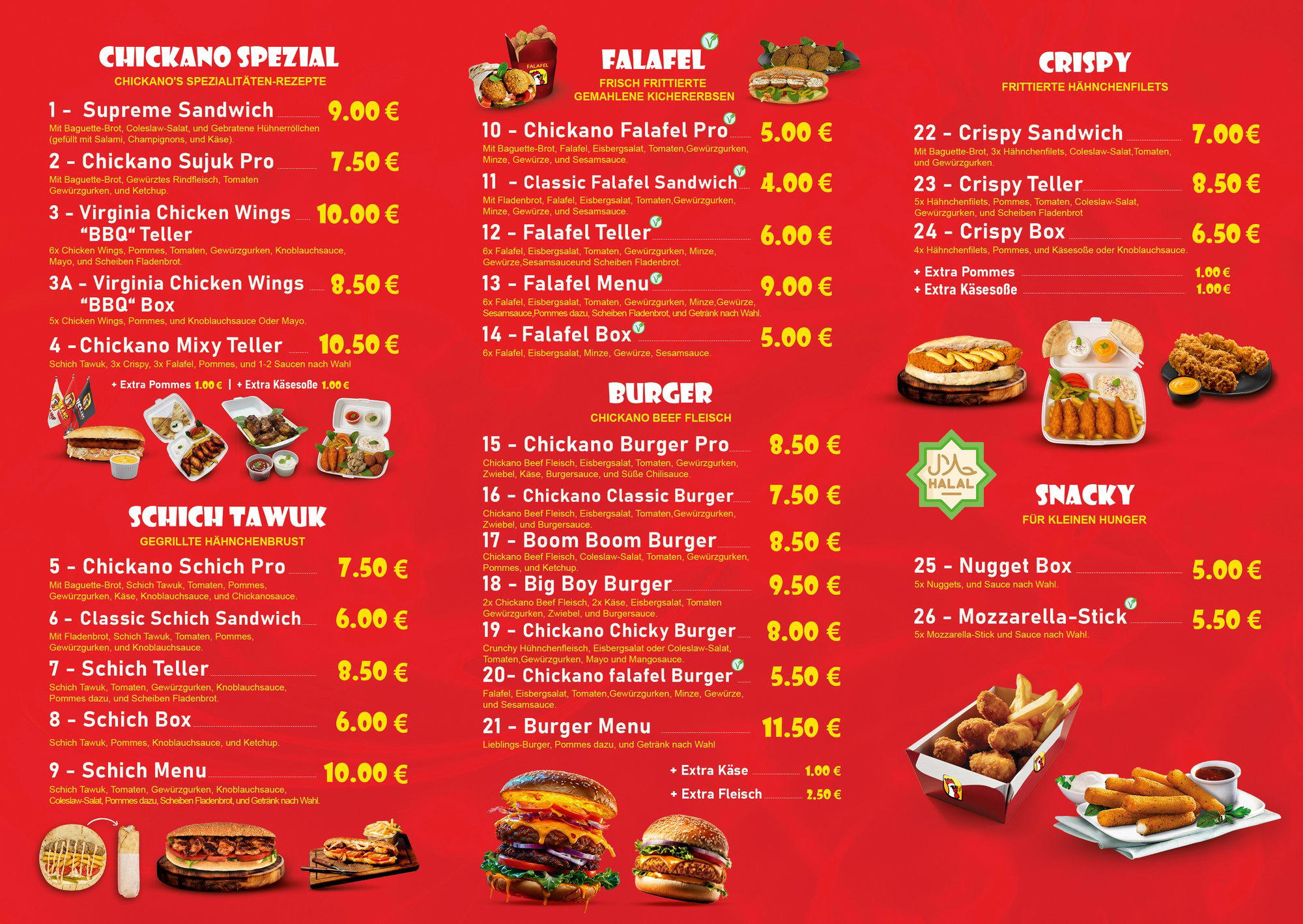
The comparison venues that share Magdeburg's dining landscape offer a useful frame. Berner und Brown, die Tapasbar im Domviertel, is the most direct stylistic neighbour, operating in the same cathedral district with a tapas format that overlaps with La Bodega's implied register. The presence of two Spanish-influenced operations in close proximity within the Domviertel suggests the neighbourhood has developed a particular appetite for this style, or at minimum that the cathedral district's foot traffic and tourist concentration supports it. Culinaria Restaurant represents the more formal end of Magdeburg's dining, while Landhaus Hadrys anchors the country cooking end of the spectrum. Chickano Imbiss and the city's casual operators fill the middle ground. La Bodega, by address alone, positions itself above the imbiss tier and alongside the neighbourhood dining options that trade on atmosphere and setting.
For visitors approaching Magdeburg from further afield, it is worth noting that the city sits roughly midway between Berlin and Hanover, accessible by train in under an hour from the capital. The cathedral quarter is walkable from the main station, and Domplatz itself is a natural stopping point on any visit to the historic centre. For deeper coverage of where La Bodega sits within the wider options, the full Magdeburg restaurants guide maps the city's dining by neighbourhood and format. Those travelling from Berlin might also benchmark the experience against CODA Dessert Dining in Berlin, which represents what a genuinely distinctive format-driven restaurant looks like in a more competitive market.
Planning a Visit
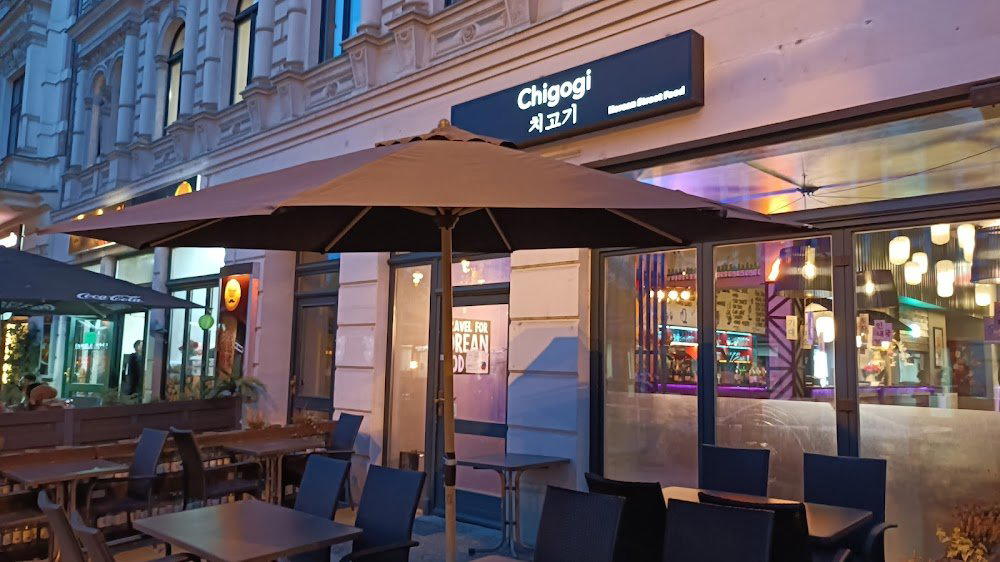
The Domplatz address is direct to reach and well-signed within the historic centre. Given the cathedral district's popularity with visitors to Magdeburg, particularly in summer when the square functions as an outdoor social hub, some forward planning around timing is sensible. Restaurants in this location tend to see heavier traffic on weekends and during Magdeburg's seasonal events calendar. For international reference points on what the bodega format can achieve at its upper range, Le Bernardin in New York City and Atomix in New York City illustrate how format discipline and sourcing rigour combine to define a restaurant's identity independently of its geography. Closer to home, Restaurant Haerlin in Hamburg, Schanz in Piesport, and Victor's Fine Dining by Christian Bau in Perl demonstrate the range of what German dining is doing at the more ambitious end, providing context for how a regional operator like La Bodega fits into the national picture. Also worth exploring nearby is Chigogi, which adds a further dimension to Magdeburg's international dining options.
Frequently asked questions
Where is La Bodega Magdeburg in Magdeburg?
La Bodega Magdeburg is located at Domplatz 10-11, 39104 Magdeburg, Germany, Magdeburg.
How does La Bodega Magdeburg compare to other tapas bars in Magdeburg?
La Bodega's position on Domplatz, directly adjacent to one of Germany's oldest Gothic cathedrals, distinguishes it geographically from most of Magdeburg's comparable venues. The bodega name signals a wine-led Spanish format rather than a generic tapas offering, which places it in a different register from the city's other small-plate options. For a city of Magdeburg's size, a venue framing itself explicitly around the bodega tradition is relatively uncommon in Central Germany.
What's the best thing to order at La Bodega Magdeburg?
The venue's name signals a bodega format, where wine selection and Spanish-style small plates typically anchor the experience. Checking directly with La Bodega at Domplatz 10-11, Magdeburg, before visiting will give you the current menu focus.
Do I need a reservation for La Bodega Magdeburg?
Given the address on Domplatz, a square that draws significant foot traffic due to Magdeburg's cathedral, weekend and evening tables may fill faster than the format suggests. Contacting the venue directly before visiting is the safest approach.
What's La Bodega Magdeburg best at?
The bodega format, by Spanish convention, centres on wine as the organising principle, with food playing a supporting role rather than competing for the lead. At Domplatz 10-11, that positioning sets La Bodega apart from Magdeburg's broader restaurant scene, where few venues frame themselves around wine-cellar culture. It occupies a specific niche in a city whose dining options skew toward conventional restaurant formats.
Can La Bodega Magdeburg adjust for dietary needs?
No dietary accommodation policy is documented for La Bodega Magdeburg. Spanish-style menus built around charcuterie, seafood, and cheese do carry inherent limitations for certain diets, so confirming options with the venue at Domplatz 10-11 before booking is advisable, particularly for vegetarian or allergen-specific requirements.
Is eating at La Bodega Magdeburg worth the cost?
Pricing information for La Bodega Magdeburg isn't on record, so a direct cost-to-value comparison isn't possible here. What can be said is that the Domplatz address places it in one of Magdeburg's most historically weighted settings, and the bodega format generally offers a lower per-head spend than a full tasting-menu restaurant. Confirming current pricing with the venue directly will give the clearest picture.
Comparable Venues
Comparable venues nearby, for context on price, style, and recognition.
| Venue | Cuisine | Price | Notes |
|---|---|---|---|
| La Bodega MagdeburgThis venue (the venue you are viewing) | Authentic Spanish Tapas & Paella | $20–30 | Not listed |
| Berner und Brown, die Tapasbar im Domviertel | Spanish Tapas Bar | $20–30 | Domviertel |
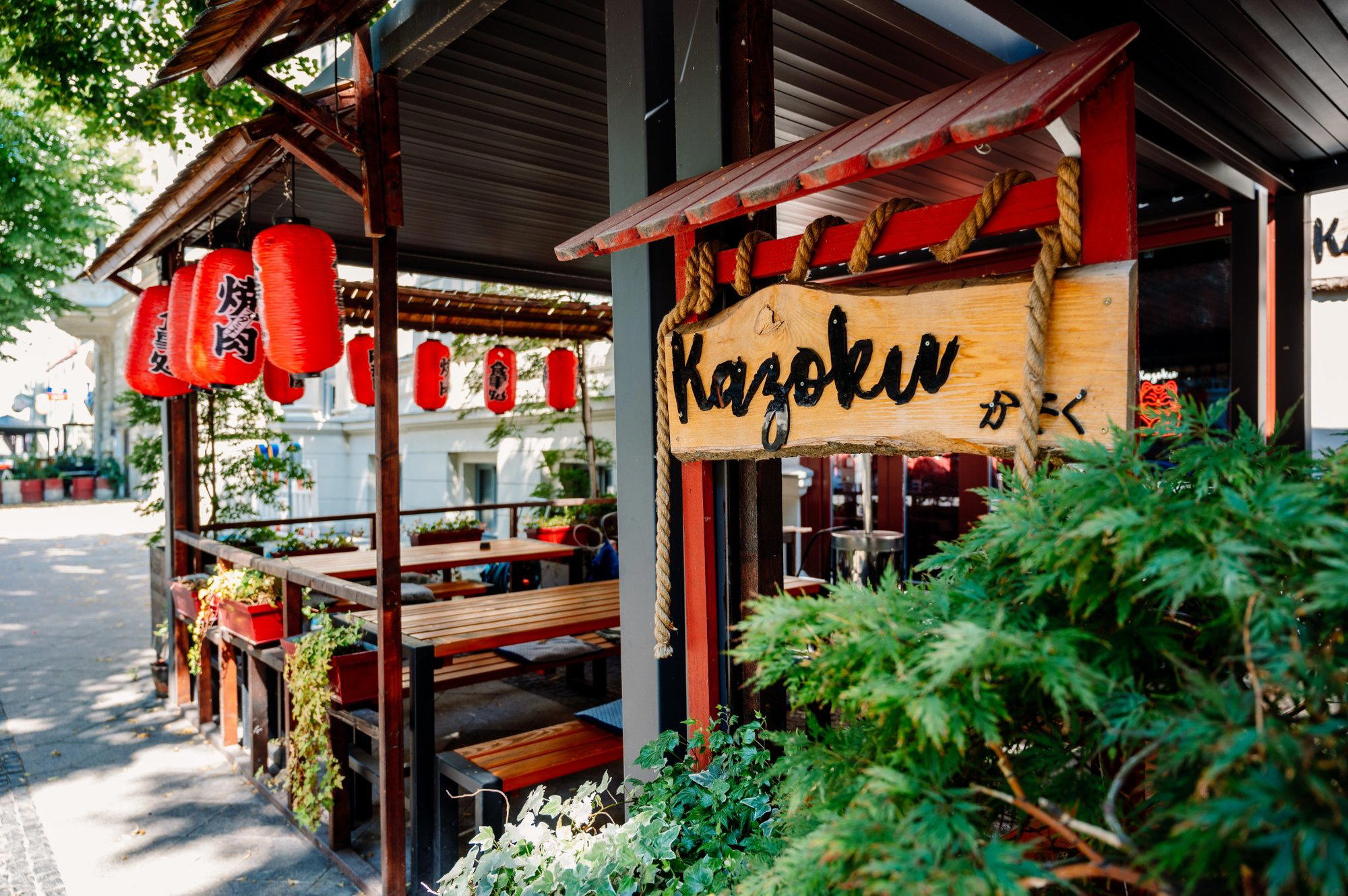
| Restaurant Kazoku Izakaya | Authentic Japanese Izakaya | $20–30 | Magdeburg |
| Chigogi | Korean | Not listed | Berliner Chaussee |
| Opa - Imbiss | Syrian Fast Food | $10–20 | Magdeburg |
| Chickano Imbiss | Halal Chicken Fast Food | Not listed | Old Town |
Continue exploring
More in Magdeburg
Details
- Cozy
- Rustic
- Date Night
- Group Dining
- Family
- Casual Hangout
- Terrace
- A La Carte
- Small Plates
- Vegetarian Friendly
- Vegan Options
Current opening hours
- Monday
- 11:30 AM–11 PM
- Tuesday
- Closed
- Wednesday
- 11:30 AM–11 PM
- Thursday
- 11:30 AM–11 PM
- Friday
- 11:30 AM–11 PM
- Saturday
- 11:30 AM–11 PM
- Sunday
- 12–10 PM
Hours can change for holidays and private events. Hours as of .
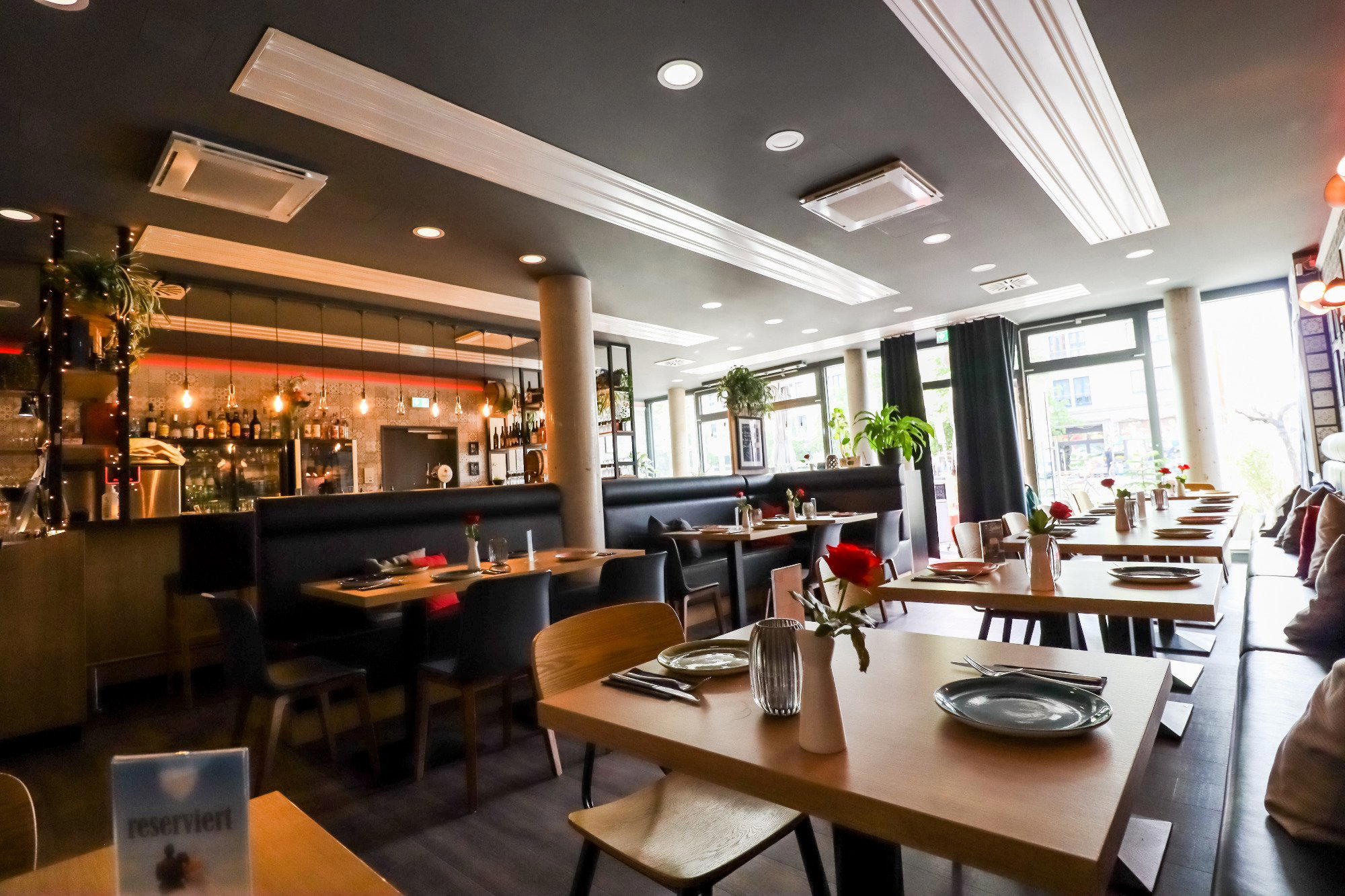
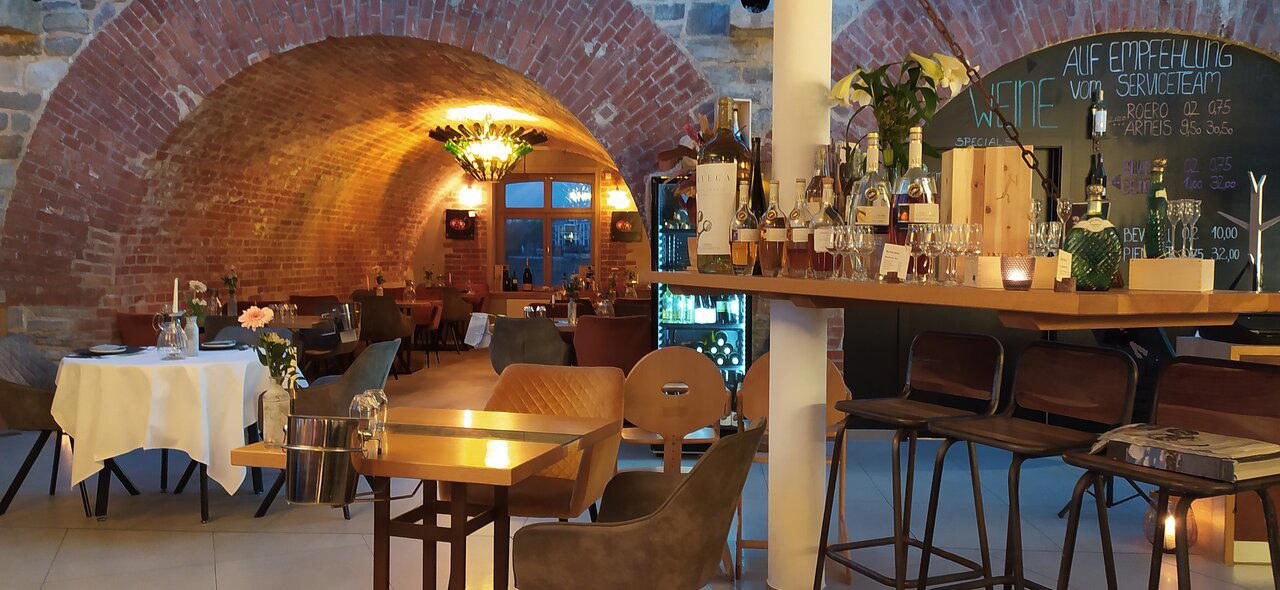
Cozy and inviting with ocher walls, arches, and a genuine Spanish atmosphere.