Risica
Risica brings a Milanese pizzeria and wine bar format to Denver, operating in a city where Italian dining has historically defaulted to red-sauce tradition or upscale tasting menus. The concept occupies a middle register: serious about wine, precise about dough, and calibrated for a room that wants depth without ceremony. It sits in a different competitive tier from both casual neighborhood pizza and the city's fine-dining Italian options.
Pearl is the En Primeur Club membership app — saves, bookings, and concierge access live there. Same editors, same standards.
- Address
- 3463 Walnut St #2, Denver, CO 80205
- Website
- risicadenver.com
- Directions
- Get directions
 Saves & bookings on Pearl
Milan in the Mountain West
Denver's Italian dining scene has long pulled in two directions: the approachable, neighborhood-facing trattoria model at one end, and the white-tablecloth tasting format at the other. What has been harder to find is the middle register that Milan perfected decades ago, the pizzeria-wine bar hybrid where the dough receives the same attention as the cellar, and where eating well doesn't require committing to a three-hour format. Risica positions itself inside that gap, bringing a specifically Milanese sensibility to a city whose Italian options tend toward either casual neighborhood comfort or the elaborately structured end of the spectrum represented by places like Beckon.
The Milanese pizzeria tradition is worth distinguishing from its Neapolitan counterpart. Where Naples codified pizza through strict DOC-style rules, specific flour, specific oven temperature, specific hydration windows, Milan's approach absorbed more of northern Italy's pragmatism and openness to influence. Milanese pizza tends toward thinner, crisper bases that function as a platform for wine-friendly toppings rather than as a self-contained experience. The genre lends itself naturally to the wine bar format because neither the pizza nor the glass dominates; instead, the two reinforce each other across a longer, more conversational evening. That dynamic is what Risica is working with in Denver.
The Room and What It Signals
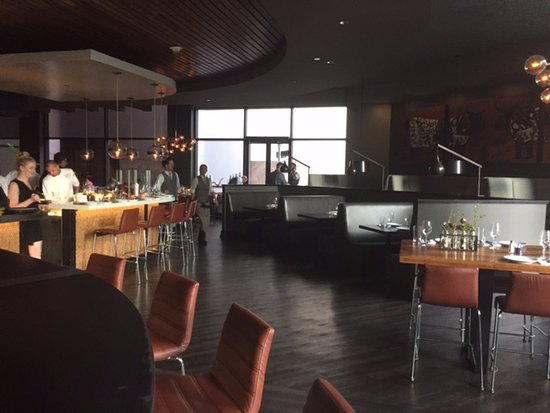
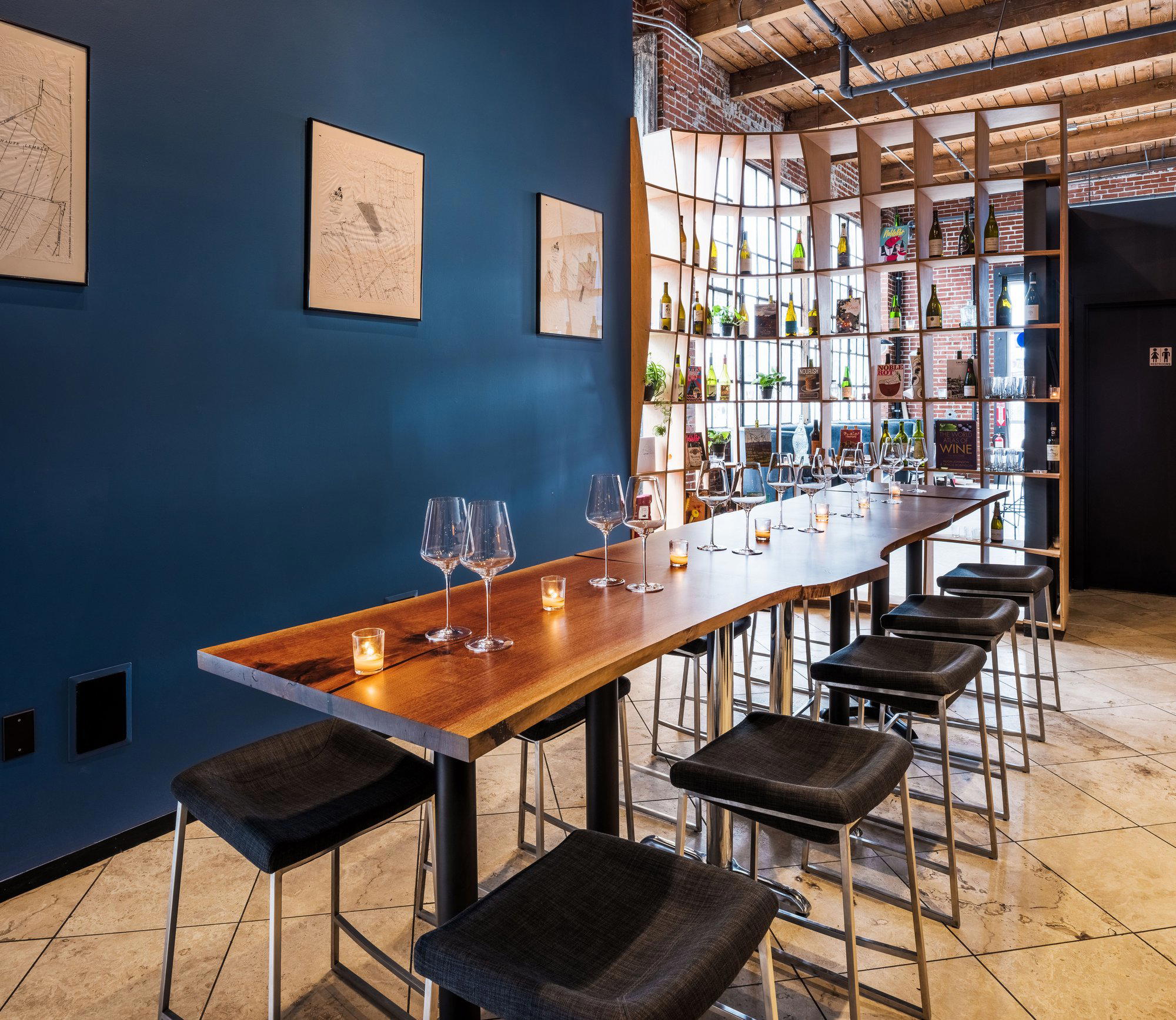
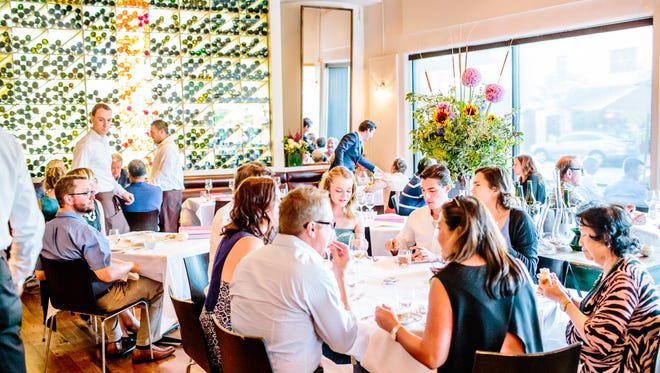
The physical environment at Risica communicates its priorities before a menu arrives. Milanese wine bar interiors typically run toward the spare and functional, stone or tile underfoot, natural materials, lighting calibrated to early evening warmth rather than dramatic effect. The format is designed for lingering without ceremony, which means the service architecture has to carry weight. A room like this lives or collapses on the interaction between what's in the glass, what's on the plate, and how the floor reads the table.
That three-way collaboration between kitchen, cellar, and front-of-house is where the Milanese model either succeeds or stalls. When it works, and the format has worked at reference-level Italian wine bars from Milan to Sydney, it produces a particular kind of evening that neither a purely food-focused tasting menu nor a cocktail bar can replicate. The wine list does editorial work: it signals which regions the program considers seriously, and it sets the vocabulary for the food pairings. In Denver, where the bar and wine program scene has matured considerably over the past decade, diners have developed sharper expectations for cellar depth.
Denver's Italian Tier and Where Risica Sits
Denver's Italian dining tier currently spans a wide range. At the accessible end, Tavernetta operates as a two-dollar-sign Italian with solid regional cooking and a wine list that punches above its price point. At the formal end, the city's contemporary fine dining rooms, including Brutø and The Wolf's Tailor, represent a different competitive set entirely, closer in spirit to the structured progression of places like Lazy Bear in San Francisco or Single Thread Farm in Healdsburg than to anything that identifies primarily as a pizza house.
Risica operates in a register those rooms don't occupy. The pizzeria-wine bar format carries a different expectation of pacing, spend, and interaction. Diners aren't committing to a fixed menu or a predetermined sequence; they're building an evening from the floor up, guided partly by the list, partly by what the kitchen is doing well that week. That kind of flexible, wine-forward Italian dining has fewer representatives in Denver than it does in comparable cities.
The international frame of reference for this format spans a significant range. At the furthest end of the Italian wine bar tradition, rooms like 8 1/2 Otto e Mezzo Bombana in Hong Kong and Alain Ducasse's Louis XV in Monte Carlo show what happens when Italian fine dining scales to full formality. Risica is not competing in that tier. Its comparable set is the serious but unpretentious wine bar, the kind of room where the sommelier's choices carry genuine editorial weight, but where no one expects a jacket.
What the Team Dynamic Produces
Milanese wine bars succeed when the relationship between kitchen and floor is genuinely collaborative rather than transactional. In practice, this means the person choosing the wine list needs to understand how the dough program changes across the evening, what works alongside a fatty, funky antipasto at 7pm behaves differently when the kitchen pivots toward the sweeter, more mineral notes of a late-course dessert pizza. The floor team, in turn, needs to translate that understanding into recommendations that feel like conversation rather than upselling.
The cities where this model has taken root most firmly, Milan itself, but also parts of London's Soho, Melbourne's inner suburbs, and a handful of neighborhoods in New York, share a diner base that has been educated over years to expect more from a pizza-and-wine pairing than a house red poured without comment. Denver is developing that sophistication. Restaurants like Alma Fonda Fina have demonstrated that Denver diners will engage seriously with wine and spirits programs built around a specific culinary tradition, and the city's hotel and hospitality infrastructure continues to attract visitors with the same expectations.
Practical Considerations
Milanese wine bar formats often work well across the middle portion of the week, when the kitchen is past the weekend rush and the floor team has time to guide the room properly. The format rewards repeat visits more than a single-occasion dinner, since the program's depth, in both the pizza variations and the wine list, reveals itself gradually. Reservations are recommended, especially on Friday and Saturday evenings.
The broader reference points, Le Bernardin in New York, Alinea in Chicago, The French Laundry in Napa, Emeril's in New Orleans, represent what happens when American dining absorbs European technique at full scale. Risica is working at a smaller register, but the tradition it draws from is no less specific. The Milanese pizzeria-wine bar is one of the more precisely defined dining formats in Italian regional cooking, and Denver now has a room that takes it seriously.
A Tight Comparison
Comparable venues nearby, for context on price, style, and recognition.
| Venue | Cuisine | Price | Notes |
|---|---|---|---|
| RisicaThis venue — the venue you are viewing | Not listed | $$$ | Not listed |
| Jovanina's Broken Italian | Not listed | $$$ | LoDo, Modern Italian with Colorado Ingredients |
| Shells and Sauce | Not listed | $$$ | Congress Park, Italian-American Trattoria |
| Gusto | Sloan Lake, Modern Italian | $$ | Not listed |
| The Greenwich | Not listed | $$$ | Curtis Park, Contemporary Italian with Sourdough Pizza |
| Senor Bear | Highland, Contemporary Pan-Latin | $$$ | Not listed |
Continue exploring
More in Denver
Restaurants in Denver
Browse all →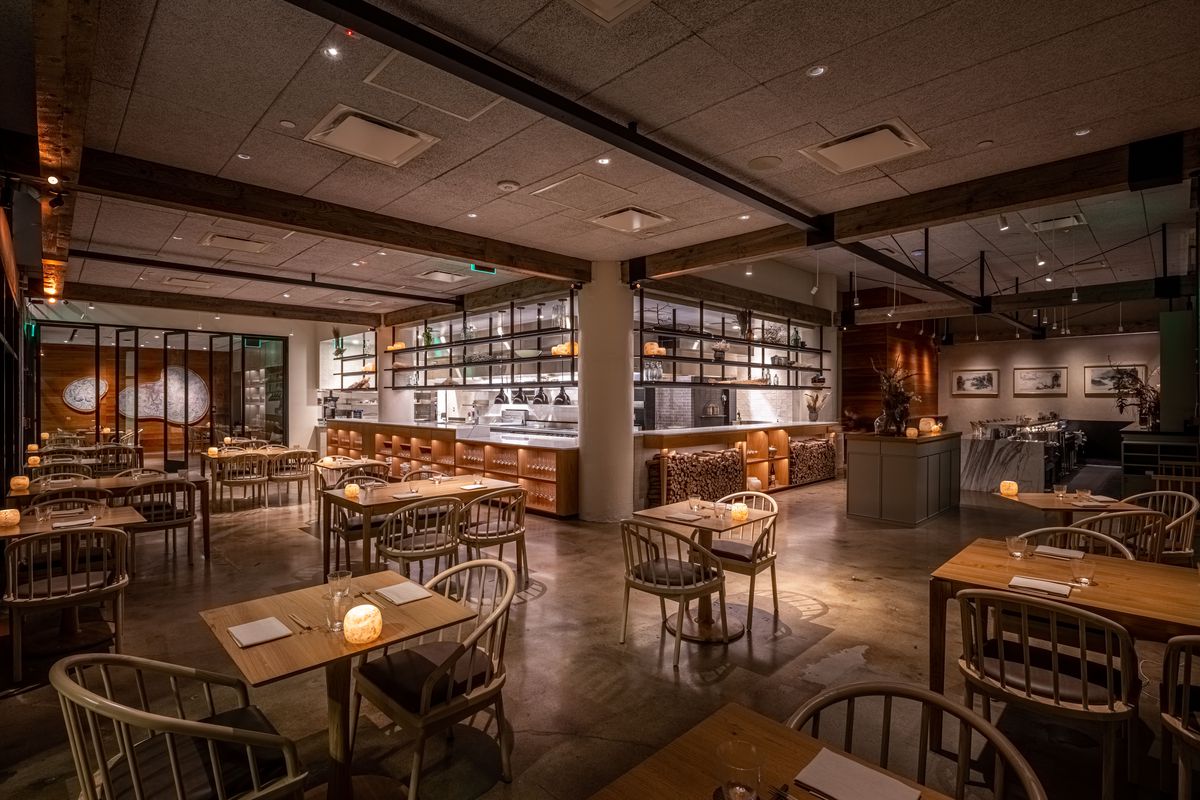
Bars in Denver
Browse all →
Hotels in Denver
Browse all →

At a Glance
- Trendy
- Modern
- Sophisticated
- Date Night
- Casual Hangout
- Open Kitchen
- Extensive Wine List
- Local Sourcing
Sleek design with lively Milanese character in the heart of RiNo.