
Revo Honten sits in Osaka’s yoshoku tradition, where Western-derived dishes are judged less by nostalgia than by beef sourcing, sauce work, and value. Its Tabelog 100 Yoshoku WEST 2025 selection, compact 18-seat format, and focus on steak and hamburger steak place it in a narrower lane than the city’s louder tourist dining circuits.
Pearl is the En Primeur Club membership app — saves, bookings, and concierge access live there. Same editors, same standards.
- Address
- 大阪府大阪市西成区岸里1-3-21
- Phone
- +81666529536
- Website
- tabelog.com
 Saves & bookings on Pearl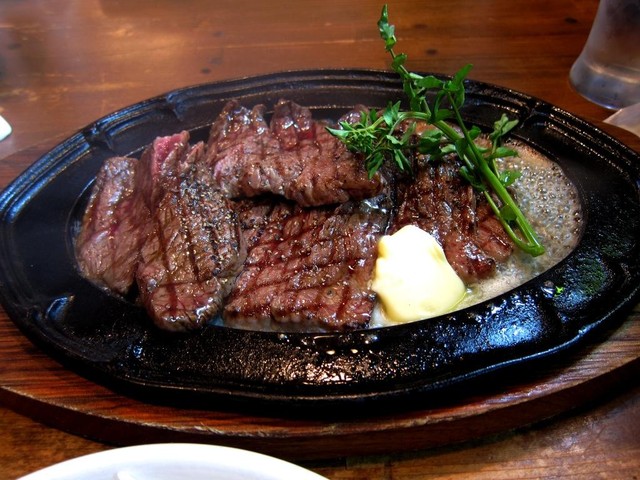
Approaching a house-style restaurant in Kishinosato shifts the Osaka dining register. The city’s restaurant conversation often tilts toward counter sushi, kappo, takoyaki queues, and neon-lit drinking streets, but yoshoku belongs to a quieter grammar: cutlery beside rice, demi-glace beside Japanese pickles, beef treated with the seriousness usually reserved for wagyu counters. Revo Honten belongs to that Osaka category, not as retro decoration, but as a meat-led yoshoku room where Western forms have been absorbed into local habits.
Yoshoku is often misread by visitors as simple comfort cooking. In Kansai, the category is more demanding than that. Hamburger steak, steak plates, fried items, curry, gratin, and hayashi-style sauces depend on reduction, fat management, timing, and the ability to make richness feel deliberate rather than heavy. A Tabelog 100 Yoshoku WEST 2025 selection gives Revo Honten a clear quality signal inside that field, and earlier Tabelog 100 selections in 2020, 2022, and 2023 point to more than a single-year spike.
Osaka yoshoku judged through beef, not nostalgia
The useful comparison is not with fine-dining tasting menus, but with Osaka restaurants that turn a narrow specialty into a reason to cross town. Etchuya sits in a higher dinner bracket, while Oden Marukome occupies a different register of simmered Kansai drinking food. Shinfuji Honten works at a lower price tier, and Itamae Yakiniku Itto Tengachaya honten makes a more direct case for grilled beef culture. Revo Honten’s lane is distinct: yoshoku, steak, and hamburger steak under one compact roof, with the red-meat emphasis doing the work that a long menu might do elsewhere.
That matters because Osaka has always rewarded clarity. The city is impatient with ceremony that does not translate into the plate. Yoshoku survives here when it can compete with the immediacy of kushikatsu, udon, yakiniku, and neighborhood izakaya cooking. The category’s appeal is its double fluency: familiar enough for families and friends, technical enough for diners who notice sauce texture, doneness, and the difference between a casual beef plate and a disciplined one.
The restaurant’s public reputation is tied to black wagyu sourcing and whole-cow auction buying, a detail that explains why rare cuts and value are central to the conversation around the restaurant. That sourcing story should not be mistaken for chef mythology; it is more useful as a lens on the format. Yoshoku restaurants that can control their beef pipeline gain room to price accessibly while offering cuts that would otherwise push a meal into yakiniku or steakhouse territory.
The drinks frame: yoshoku with sake, shochu, wine, and cocktails
The wine-list angle here is less about a grand cellar than about how yoshoku behaves at the table. Steak and hamburger steak can move in several directions: sake with rice and sauce, shochu with fattier beef, wine for the Western side of the cooking, cocktails for a looser dinner. The restaurant lists sake, shochu, wine, and cocktails, which gives the room a wider drinking vocabulary than a strictly beer-and-highball neighborhood meat counter.
That breadth is important in Osaka because many mid-priced restaurants separate food identity from drinks identity. A specialist may cook with precision but leave the beverage choice perfunctory. Here, the available categories suit the hybrid nature of yoshoku itself. Wine does not need to dominate the table; it simply has to make sense beside beef, sauce, and rice. Sake and shochu keep the meal anchored in Japan, while cocktails signal a more casual, mixed-party use case.
The room’s scale sharpens that reading. Eighteen seats, split between tables and counter seating, keeps the experience close to the kitchen’s rhythm without turning it into a performance counter. Private rooms are not part of the format, and the non-smoking policy makes the meal easier to recommend for diners who care about sauce aroma and beef fat without tobacco in the background. Children are welcome, which fits yoshoku’s broad civic role in Japan: this is a cuisine that can serve a serious eater and a family table at once.
How to place it in an Osaka itinerary
For travelers building a wider Osaka plan, the restaurant works better as a neighborhood-specific meal than as a glossy central-district trophy. Tengachaya and Nishinari sit outside the usual Namba-Umeda axis, and that shift is part of the point. Osaka’s dining depth is not confined to the obvious stations. A meal here makes sense for readers already comparing the city’s more casual specialists through Our full Osaka restaurants guide, then balancing food days with Our full Osaka hotels guide, Our full Osaka bars guide, Our full Osaka wineries guide, and Our full Osaka experiences guide.
Within Osaka’s casual dining spectrum, it is useful to read this address alongside smaller-format choices rather than grand restaurants:.cafe, 52CHO-ME BAKERY, 551 Horai (551蓬莱), 99 Pizza Napoletana Gourmet, and a canto (Italian) each show a different way the city absorbs foreign forms into local appetite. Across Japan, that same question of adaptation appears in -Grilled beef Sukiyaki- KAMAKURA TANUKIAN 鎌倉 たぬき庵 in Kamakura. 鮪と炭火焼き うお炭 秋葉原店 in Tokyo.know in Kumamoto, (Shoku) Vietnam in Kawasaki, [Curry Senmon Ten] Maruyama Kyoju. in Sapporo, and [ki:] in Kyoto. For readers tracking Japanese drinking culture abroad, Jōdo Saké Bar in Los Angeles and Onigiri Time in Pasadena extend the comparison beyond Japan.
The editorial case is direct: choose this restaurant when Osaka’s yoshoku tradition is the subject, and beef is the lens. The Tabelog 100 Yoshoku WEST 2025 recognition supplies the external marker; the small room, mixed beverage categories, and steak-hamburger steak focus explain why it belongs in a serious Osaka food itinerary without needing luxury theater around it.
The Quick Read
Comparable venues by category and price.
| Venue | Cuisine | Price | Notes |
|---|---|---|---|
| Revo HontenThis venue — the venue you are viewing | Not listed | $$ | Not listed |
| Rakuraku Udon | Katano, Handmade Udon | $$ | Not listed |
| Stand Tsumamigui | Not listed | $$ | Naniwa, Standing Japanese izakaya & curry bar |
| curry condor | Nishi, Modern Japanese spice curry | $$ | Not listed |
| Nomiba Umeda Umeda | Yodogawa, Modern Japanese Lamb & Soba | $$ | Not listed |
| Taisho Salon Hige to Boin | Not listed | $$ | Taishō, Creative Japanese Standing Bar (Obanzai) |
Recognition history
Dated appearances from independent guides and award organizations, with the underlying list record or original source where available.
Tabelog 100 #94 · No. 94
Tabelog · Tabelog 100 - Yoshoku - WEST - 2025
Continue exploring
More in Osaka
Restaurants in Osaka
Browse all →




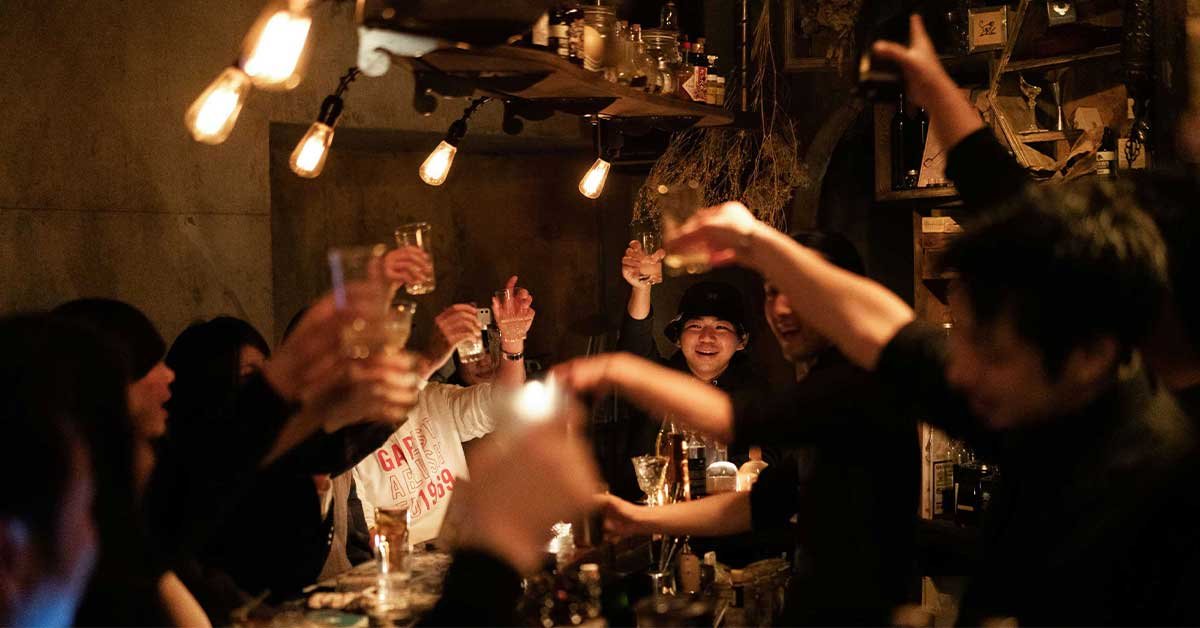
Bars in Osaka
Browse all →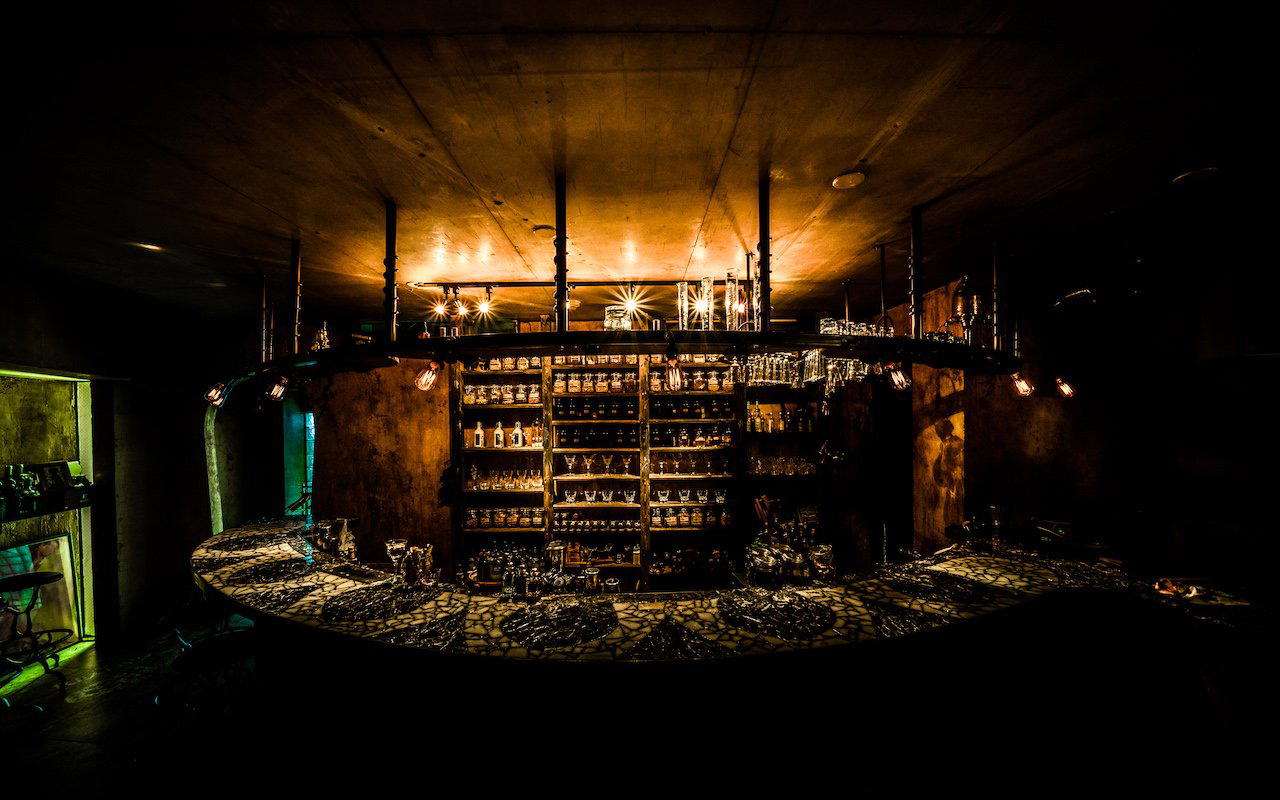
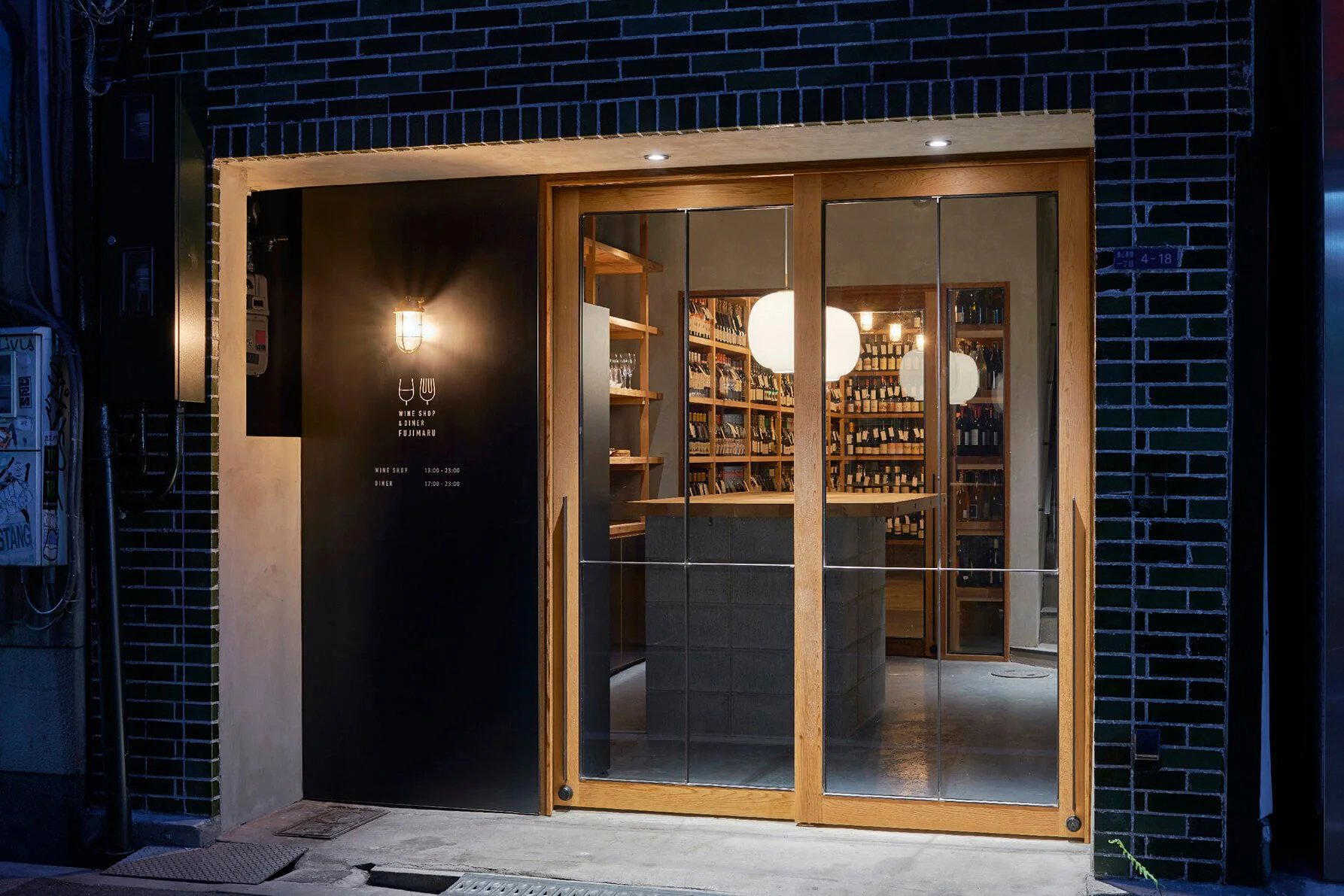
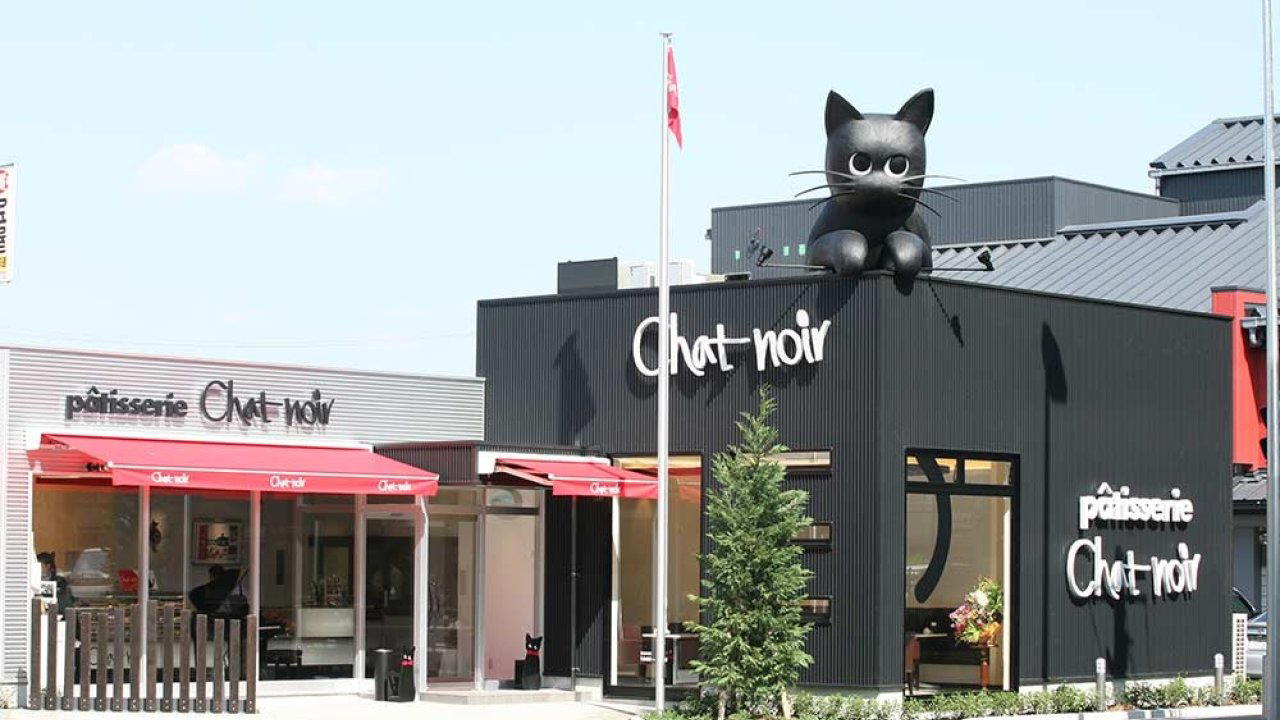

Hotels in Osaka
Browse all →
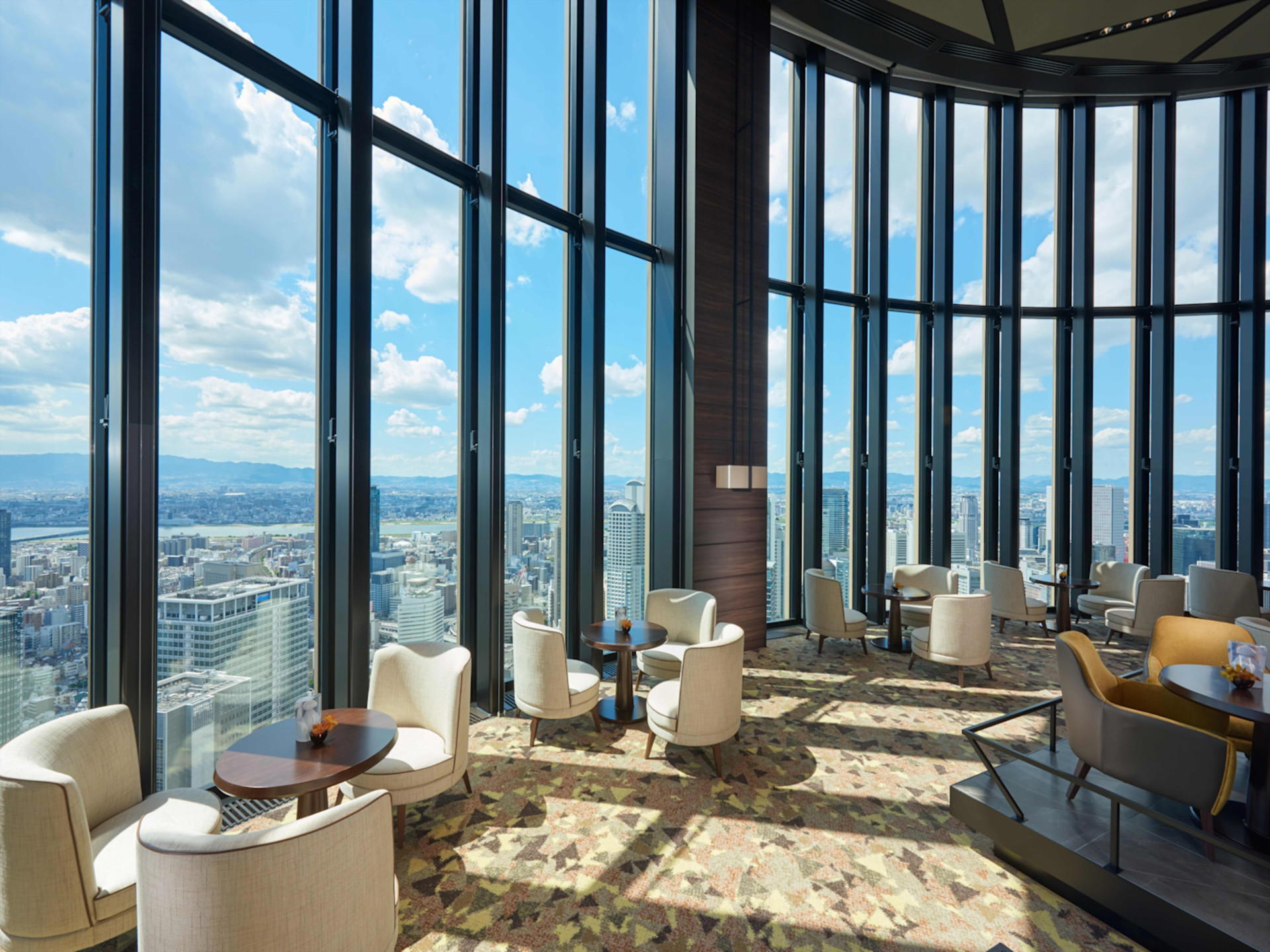



Wineries in Osaka
Browse all →
At a Glance
- Lively
- Cozy
- Classic
- Casual Hangout
- Group Dining
- Family
- Solo
- Late Night
- Standalone
Casual and bustling neighborhood yoshoku restaurant with counter and table seating, bright simple interiors, and an energetic, down‑to‑earth atmosphere centered on sizzling meat dishes.