Revel
Revel occupies a corner of Fremont that has become one of Seattle's more serious dining addresses, where Korean-inflected cooking meets the Pacific Northwest's seasonal instincts. The menu moves between noodles, rice bowls, and shareable plates in a format that rewards ordering widely rather than cautiously. It sits in a comparable set that includes Joule and a handful of other Asian-American kitchens reshaping the city's mid-tier dining conversation.
Pearl is the En Primeur Club membership app — saves, bookings, and concierge access live there. Same editors, same standards.
- Address
- 401 N 36th St, Seattle, WA 98103
- Phone
- +1 206 547 2040
- Website
- revelseattle.com
- Directions
- Get directions
 Saves & bookings on Pearl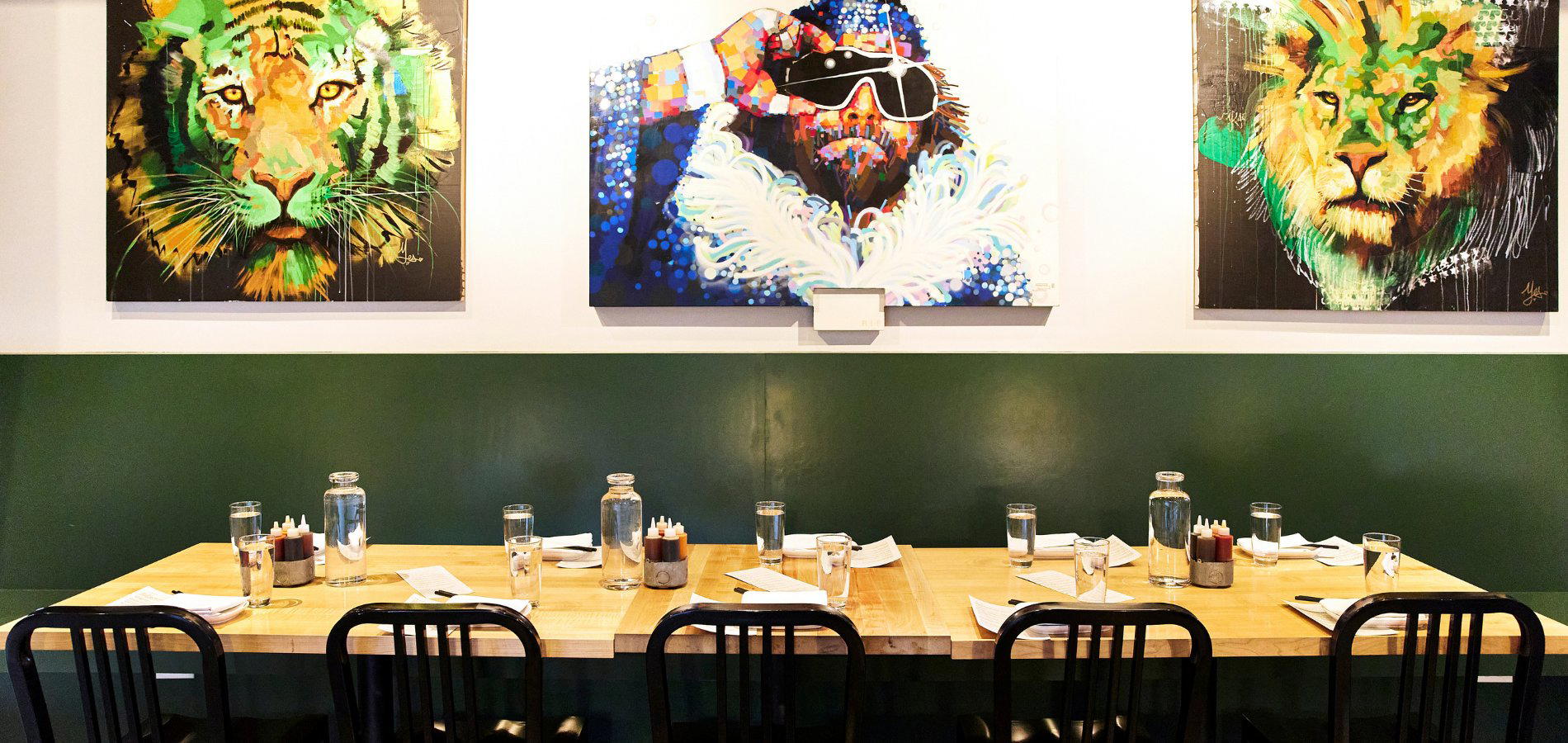
Fremont's Korean-American Kitchen and the Scene It Helped Shape
The corner of North 36th Street in Fremont is not where most visitors to Seattle begin their restaurant research, but it is where some of the city's more consequential dining ideas have taken root. Revel, at 401 N 36th St, occupies a room that reads as casual from the street, the kind of place where the noise level rises early and the tables turn with purpose. That informality is partly a design choice and partly a reflection of how Korean-American cooking has positioned itself in the American dining conversation over the past fifteen years: technically serious, format-flexible, and deliberately approachable in a way that tasting-menu temples are not.
Seattle's restaurant culture has long operated in a lower register than its coastal peers. Where Canlis (New American) represents the city's formal aspirations and 1415 1st Ave signals the kind of destination dining that draws interstate attention, the more interesting story over the past decade has been the cluster of chef-driven, ethnically inflected restaurants that have built loyal followings without the scaffolding of white tablecloths or multi-course commitment. Revel belongs to that cluster, and its evolution tracks a broader shift in how American diners engage with Korean cooking.
The Evolution: From Novelty to Neighborhood Institution
When Korean-American restaurants first gained traction beyond coastal Korean enclaves in the early 2010s, the critical conversation tended to frame them as translations, Korean flavors made legible to non-Korean palates. That framing has largely collapsed. The more useful frame now is one of genuine synthesis: kitchens that draw on Korean technique, fermentation traditions, and flavor architecture while also responding to local ingredients and a dining public that has grown considerably more fluent in the source material.
Revel's position in this evolution is notable. The restaurant has moved through phases that mirror the broader category: an early period of category-definition, a middle stretch of consolidation, and a current mode that feels more settled and less self-conscious about its reference points. That kind of trajectory is common among restaurants that opened around a particular moment of cultural momentum and had to figure out what they were once the momentum normalized. The ones that survive that transition tend to do so by deepening their commitment to craft rather than chasing the next wave.
In the Pacific Northwest specifically, Korean-American cooking has found a productive alignment with the region's ingredient culture. The fermentation traditions that underpin much of Korean cooking, gochujang, doenjang, kimchi in its many forms, sit comfortably alongside the Pacific Northwest's own interest in preservation, pickling, and seasonal sourcing. That overlap is not incidental; it is part of why restaurants like Revel and Joule (New Asian) have been able to develop a local identity rather than operating as outposts of a national trend.
Format, Menu Logic, and What to Order
Revel operates in a format that prioritizes flexibility over ceremony. The menu is built around noodles, rice bowls, and shareable plates, a structure that allows a table of two to eat as broadly or as narrowly as they choose. This is a deliberate departure from the tasting-menu format that dominates the premium tier of American dining, one represented nationally by restaurants like Lazy Bear in San Francisco, Smyth in Chicago, and The French Laundry in Napa. Revel operates in an entirely different register, one where the guest controls the arc of the meal.
The noodle section is where the kitchen's technique tends to be most legible. House-made noodles in Korean-inflected broths and sauces have been a consistent anchor across the restaurant's various iterations, and they remain the clearest expression of what the kitchen does at its most focused. For a first visit, ordering from that section alongside one or two of the shareable plates gives the broadest read on the kitchen's current direction. The rice bowl format, meanwhile, rewards diners who want something more contained, a single composed dish rather than a spread.
Ordering widely is the right instinct here. The menu is priced and portioned for accumulation rather than single-dish sufficiency, and the Korean-American tradition of shared eating maps directly onto how the format is designed. Tables that order conservatively tend to leave having experienced the kitchen's range only partially.
Fremont and the Broader Seattle Dining Address
Fremont has developed a dining identity that is distinct from Capitol Hill's density or Ballard's seafood and beer culture. The neighborhood supports a mix of chef-driven independents and more casual operations, and it has proven a viable location for restaurants that need a loyal local base rather than tourist foot traffic. Revel's address on North 36th places it within walking distance of several other independently owned restaurants and a residential population that eats out frequently and with some sophistication.
For visitors arriving from outside Seattle, Fremont requires a deliberate trip. It is not on the way to Pike Place Market or the waterfront, and it does not appear on the first page of most tourist itineraries. That geographic remove has, helped the neighborhood's restaurants develop a non-performative quality, they are cooking for people who chose to be there rather than people who wandered in. Nearby addresses worth cross-referencing include 1744 NW Market St in Ballard and 2963 4th Ave S further south.
Seattle's position in the national dining conversation has shifted meaningfully over the past decade. Cities like New Orleans, with institutions like Emeril's, or Los Angeles, with Providence, have longer-established fine dining identities. Seattle's contribution has been more concentrated in the mid-tier: restaurants that operate with serious culinary ambition but without the formal apparatus of destination dining. Revel fits that profile, and it sits in a comparable set that also includes the Korean fine dining work being done nationally at places like Atomix in New York City, even if the format and price point are entirely different.
Planning a Visit
Revel is located at 401 N 36th St in Fremont, Seattle, and reservations are recommended. Walk-ins are worth attempting, particularly on weekdays, though weekend evenings tend to fill. Given the shared-plate format, the meal works well with two or more diners; solo visits are possible but limit the range of what you can reasonably order across the menu.
Both ends of that spectrum are producing food worth paying attention to.
Cuisine and Awards Snapshot
Comparable venues nearby, for context on price, style, and recognition.
| Venue | Cuisine | Price | Notes |
|---|---|---|---|
| RevelThis venue — the venue you are viewing | Korean-inspired Fusion | $$ | Not listed |
| Seoul Tofu House | Traditional Korean Tofu House | $$ | Chinatown |
| 409 Roy St | Authentic Thai | $$ | Uptown |
| Oliver's Twist | American Gastropub with Cambodian Influences | $$ | Phinney Ridge |
| Cicchetti | Venetian-Inspired Mediterranean Small Plates | $$ | Eastlake |
| Currant Bistro | American Gastropub Bistro | $$ | Denny Triangle |
Continue exploring
More in Seattle
Restaurants in Seattle
Browse all →
Bars in Seattle
Browse all →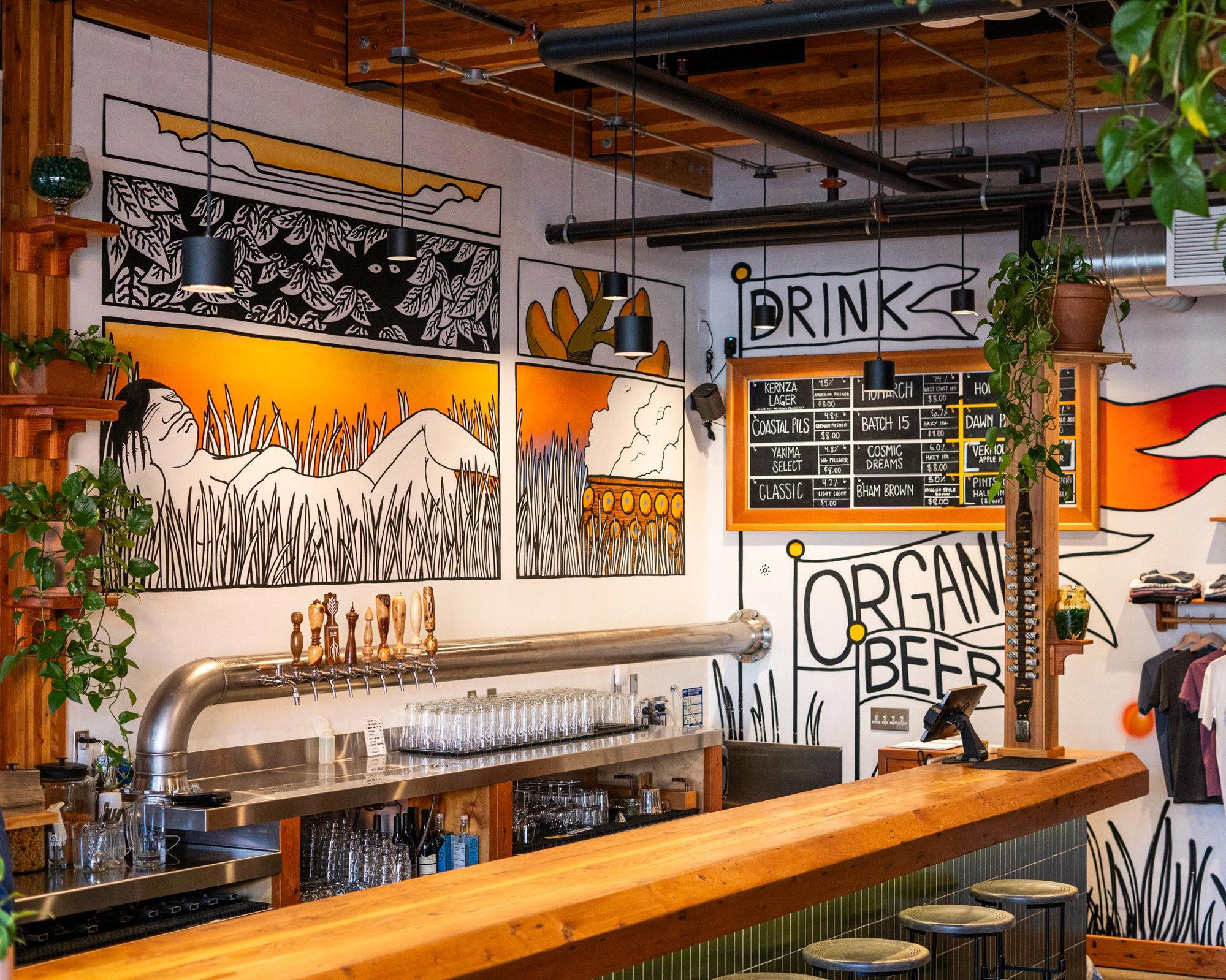
Hotels in Seattle
Browse all →



At a Glance
- Lively
- Trendy
- Modern
- Group Dining
- Casual Hangout
- Date Night
- Open Kitchen
- Craft Cocktails
Current opening hours
- Monday
- Closed
- Tuesday
- 5–9 PM
- Wednesday
- 5–9 PM
- Thursday
- 5–9 PM
- Friday
- 5–10 PM
- Saturday
- 5–10 PM
- Sunday
- 5–9 PM
Hours can change for holidays and private events. Last verified .
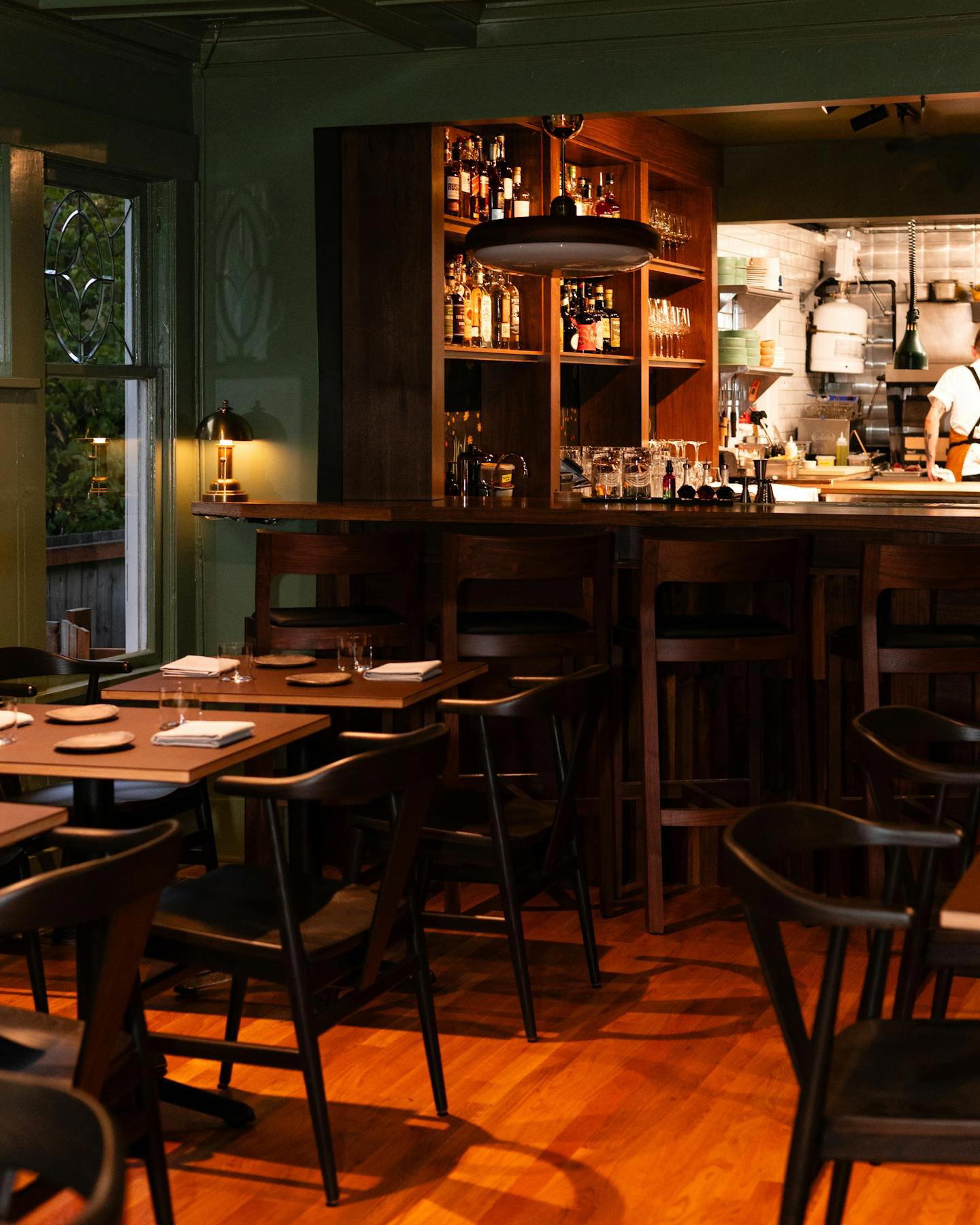
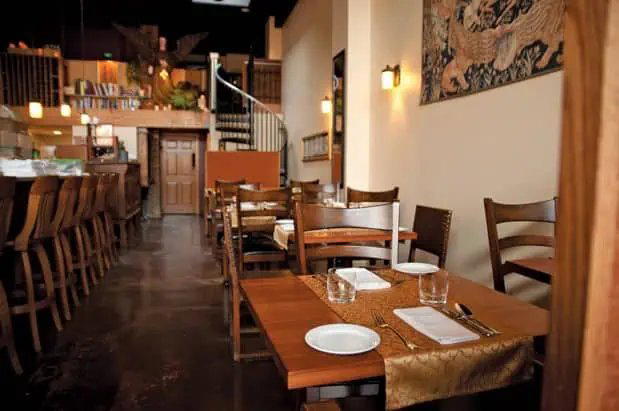
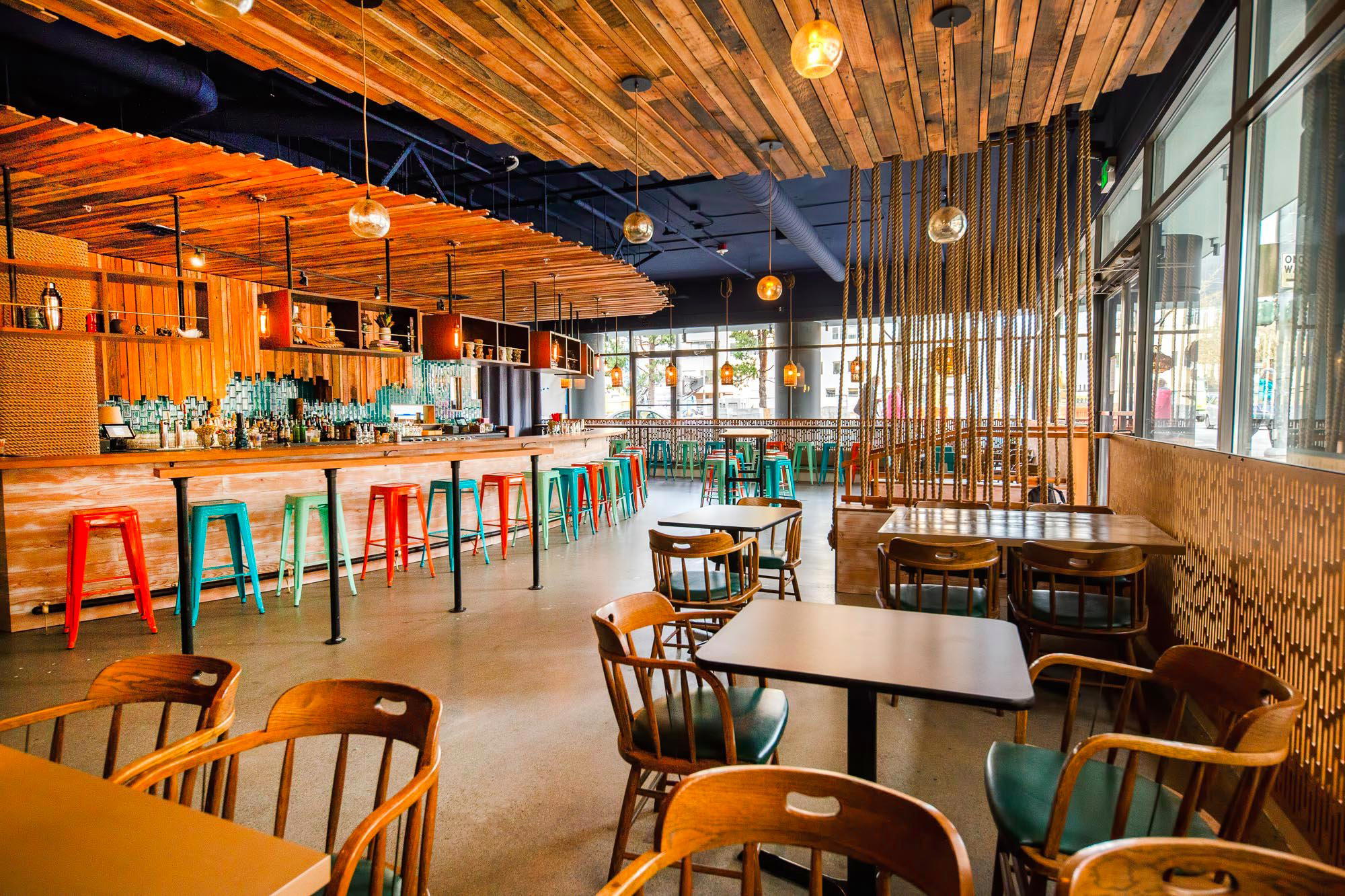
Lively, casual atmosphere with bright art, music, playful decor, and an open kitchen.