Restoran Potkova sits on Ul. bana Josipa Jelačića in Zaprešić, a Zagreb satellite town where the dining culture draws from the agricultural abundance of the Zagorje region. The restaurant operates in a territory where proximity to local producers shapes what arrives on the plate, placing it within a broader Croatian tradition of land-driven cooking that predates the coastal fine-dining circuit by generations.
Pearl is the En Primeur Club membership app — saves, bookings, and concierge access live there. Same editors, same standards.
- Address
- Ul. bana Josipa Jelačića 199, 10290, Zaprešić, Croatia
- Phone
- +38513310838
- Website
- trajbar.hr
- Directions
- Get directions
 Saves & bookings on Pearl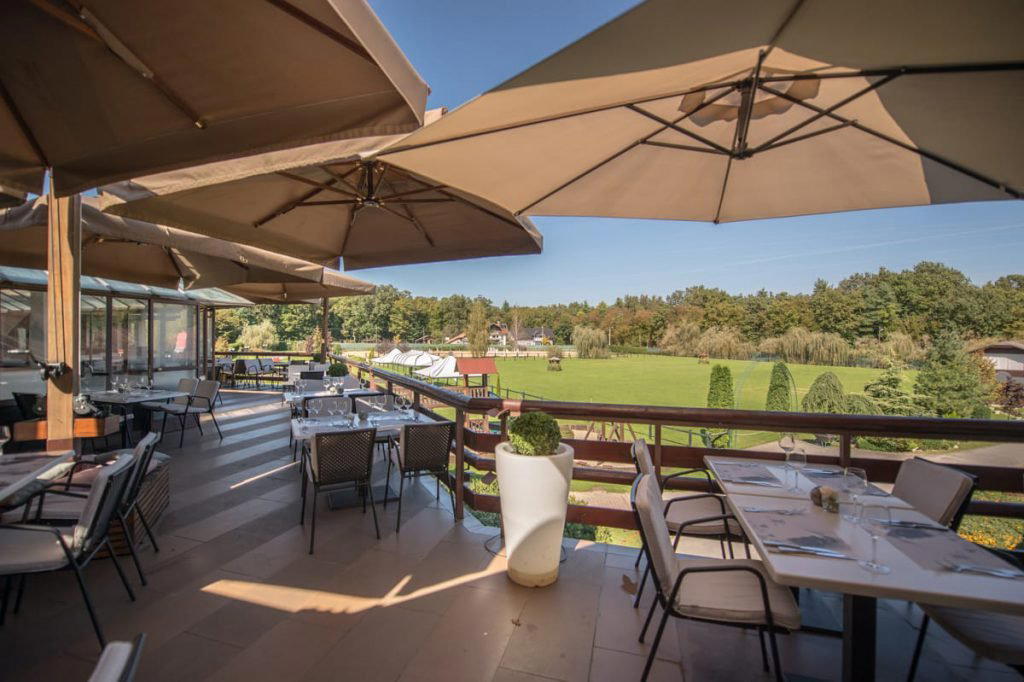
Where the Zagreb Fringe Meets Zagorje's Larder
Zaprešić occupies an interesting position in the Croatian dining map: close enough to Zagreb that it draws urban diners willing to make the short westward trip, yet distinct enough in character that it operates on its own terms. The town sits in the foothills that begin the slow climb toward Hrvatsko Zagorje, a region whose rolling farmland, vineyards, and smallholder agriculture have supplied Zagreb's tables for centuries. Restaurants in this corridor don't need to import their identity from the Dalmatian coast or align themselves with the Adriatic-facing fine-dining circuit. The land provides the argument. Restoran Potkova, addressed at Ul. bana Josipa Jelačića 199, belongs to this geography in a literal sense: its postcode, its street, and its setting all point toward a tradition of cooking that measures quality by proximity rather than prestige.
For readers tracking Croatia's broader restaurant scene, the contrast with the coastal bracket is instructive. Properties like Pelegrini in Sibenik and Restaurant 360 in Dubrovnik operate within a Mediterranean-facing idiom, where the Adriatic defines both the ingredient sourcing and the visual language of the dining room. Agli Amici Rovinj pushes that further into Italian contemporary territory. Inland Croatia, by contrast, draws from a different pantry: cured meats from Zagorje producers, freshwater fish from the Sava and Kupa river systems, dairy from small farms in the hills, and game that reflects the hunting traditions still active across the county. This is not a cuisine that photographs as easily as grilled branzino on a Hvar terrace, but it carries the kind of specificity that rewards a reader willing to travel twenty minutes beyond Zagreb's ring road.
The Sourcing Logic of Inland Croatian Cooking
The ingredient culture of the Zaprešić-Zagorje corridor operates at a scale that larger urban restaurants often struggle to access. Smallholder producers here are accustomed to supplying local establishments rather than wholesalers, which means the supply chain between farm and kitchen can remain short and direct. That model supports a style of cooking where seasonal change is not a marketing concept but a practical reality: what arrives in the kitchen determines what appears on the menu, and the rhythm shifts noticeably through the year. Spring brings foraged greens, wild garlic, and the first asparagus from the lowland fields. Summer tips into stone fruits, tomatoes, and the herb gardens that characterize Zagorje's domestic cooking tradition. Autumn is the larder season, when mushrooms, walnuts, quince, and preserved products from the summer harvest define the table. This cycle is well-documented across the region and applies to any kitchen serious about working with the local supply.
Restaurants in similar positions across Croatia's interior have built strong reputations on exactly this sourcing logic. Korak in Jastrebarsko, a short drive south of Zaprešić toward the Plešivica wine region, has made its name by anchoring a menu firmly in what the surrounding land produces. Cantilly Garden Restaurant in Samobor, to the southwest, operates within a similar radius and draws on the forested terrain that separates the Sava valley from the Slovenian border. These restaurants form a loose inland network that offers a different point of entry into Croatian dining than the coastal circuit, and Zaprešić sits in the middle of that geography.
Positioning Within the Wider Croatian Scene
Croatia's restaurant conversation is still disproportionately weighted toward the coast. The Dalmatian restaurants that appear in international rankings, and the Kvarner properties like Nebo by Deni Srdoč in Rijeka and Alfred Keller in Mali Lošinj, carry a built-in visual advantage that comes from their settings and their alignment with Mediterranean cuisine categories that travel well in international food media. Inland restaurants work against that current, but a smaller number of them have broken through: Dubravkin Put in Zagreb has maintained a serious reputation within the capital precisely because it grounds itself in Croatian produce rather than chasing a more exportable aesthetic.
The price tier sits at about $25 per person. Coastal fine-dining restaurants at the €€€€ level, such as LD Restaurant in Korčula, are priced partly against the tourism premium that the islands and Dalmatian coast command in summer. Inland restaurants in smaller towns like Zaprešić operate in a different pricing environment, where the local catchment area sets the ceiling and where value is measured against the everyday standards of Zagreb-area dining rather than the aspirational benchmark of a destination meal. That structural difference shapes what these restaurants can offer and who their actual audience is.
For readers comparing regional Croatian restaurants, nearby inland and coastal counterparts offer useful contrasts. The conversation around provenance in Croatian cooking extends well beyond any single venue.
Planning a Visit
Zaprešić is accessible from Zagreb in under thirty minutes by regional train, with services running frequently throughout the day from Zagreb Glavni Kolodvor. The restaurant's address on Ul. bana Josipa Jelačića makes it easy to find by car. Current hours are not listed here, and reservations are recommended.
For those planning a wider Zagreb-region itinerary, pairing a visit here with a stop in Plešivica or on the Kvarner coast offers a useful contrast. Properties like Bodulo in Pag and Cubo in Opatija extend that comparison further along the coast for those with more time.
Quick Comparison
Comparable venues nearby, for context on price, style, and recognition.
| Venue | Cuisine | Price | Notes |
|---|---|---|---|
| Restoran PotkovaThis venue — the venue you are viewing | Traditional Croatian Grill | $$ | Not listed |
| Konoba Barba | Traditional Dalmatian Seafood & Grill | $$ | Komiza |
| CHEFlja | Italian Mediterranean | $$ | western Zagreb |
| Ružmarin | Mediterranean Pizza & Grill | $$ | Slatina |
| 9 Bofora | Marina Pizzeria | $$ | Marina Punat |
| Restaurant Pineta | Dalmatian Mediterranean | $$ | Kozino |
Continue exploring
More in Zapresic
Restaurants in Zapresic
Browse all →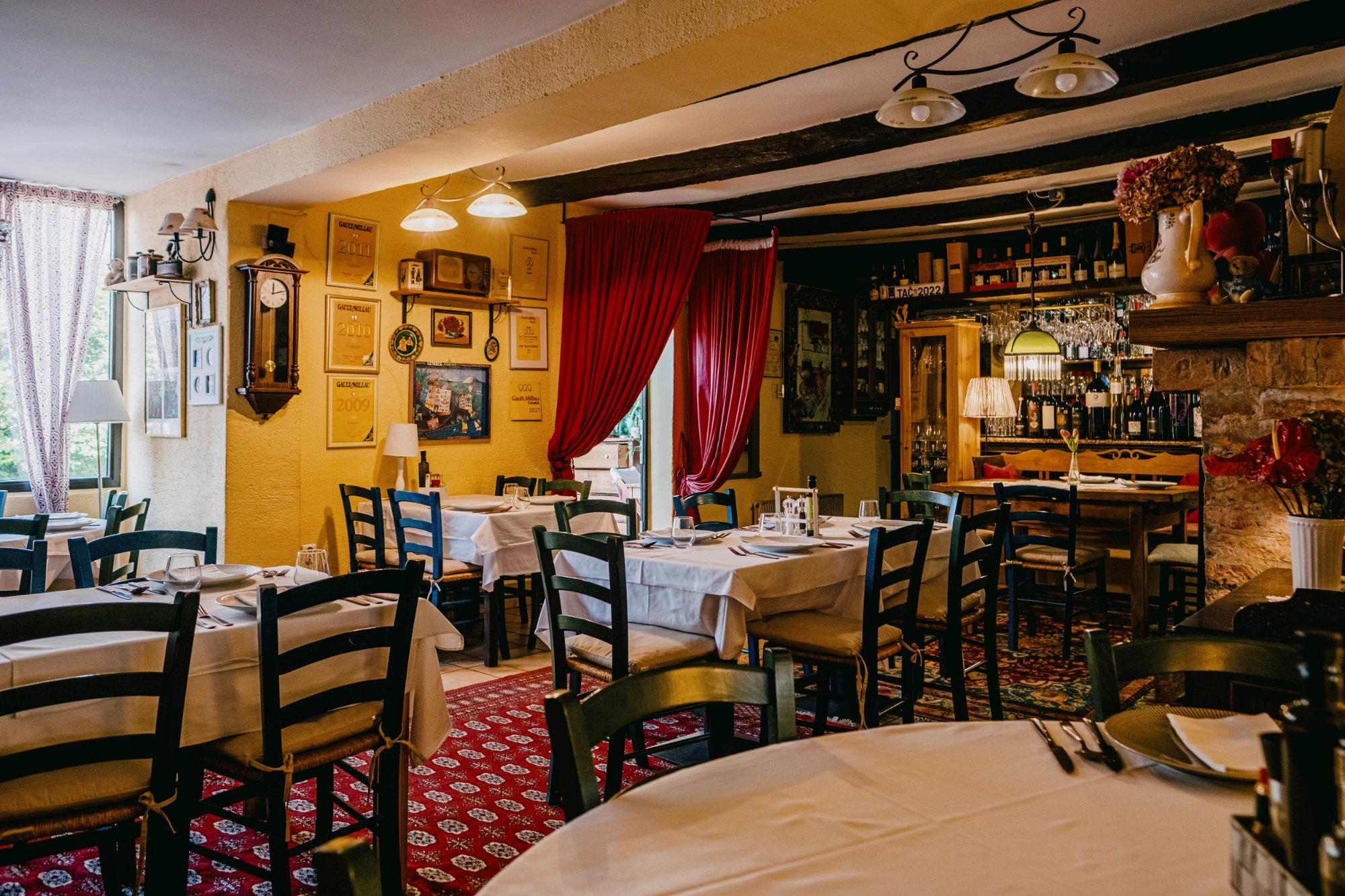
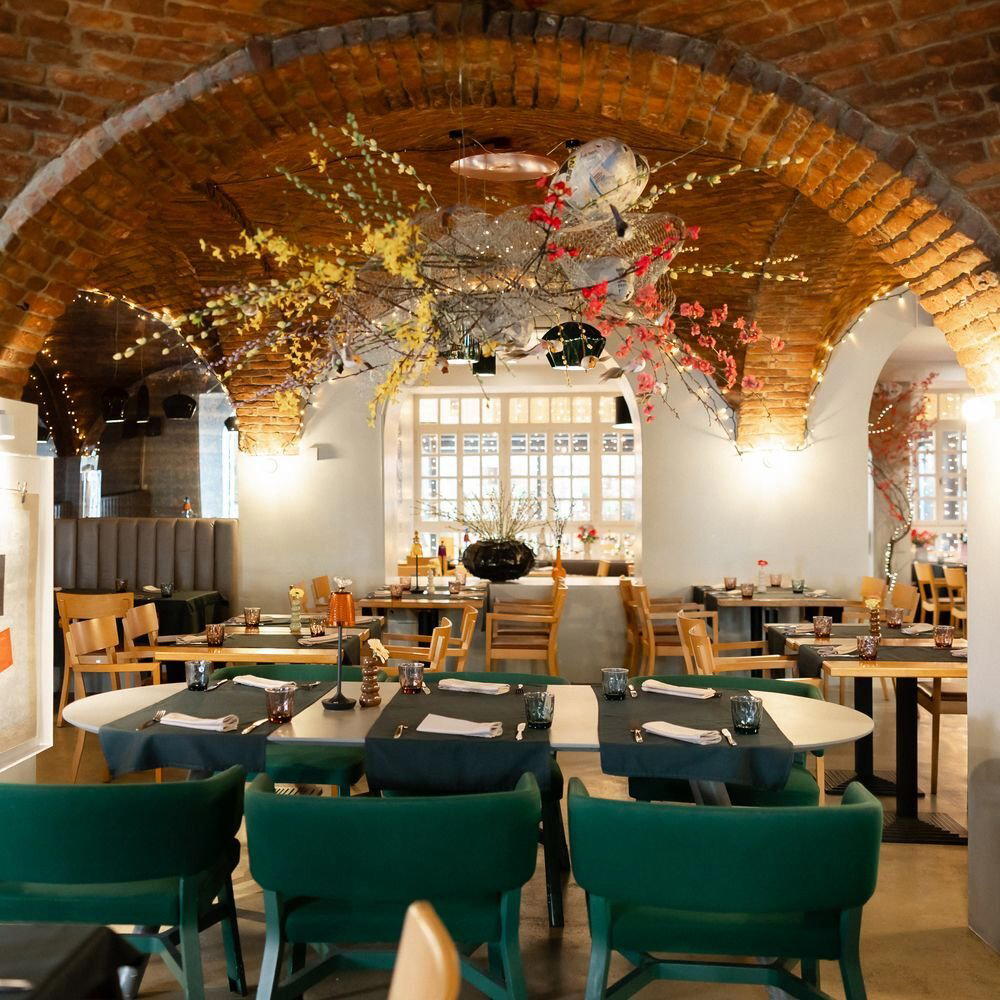
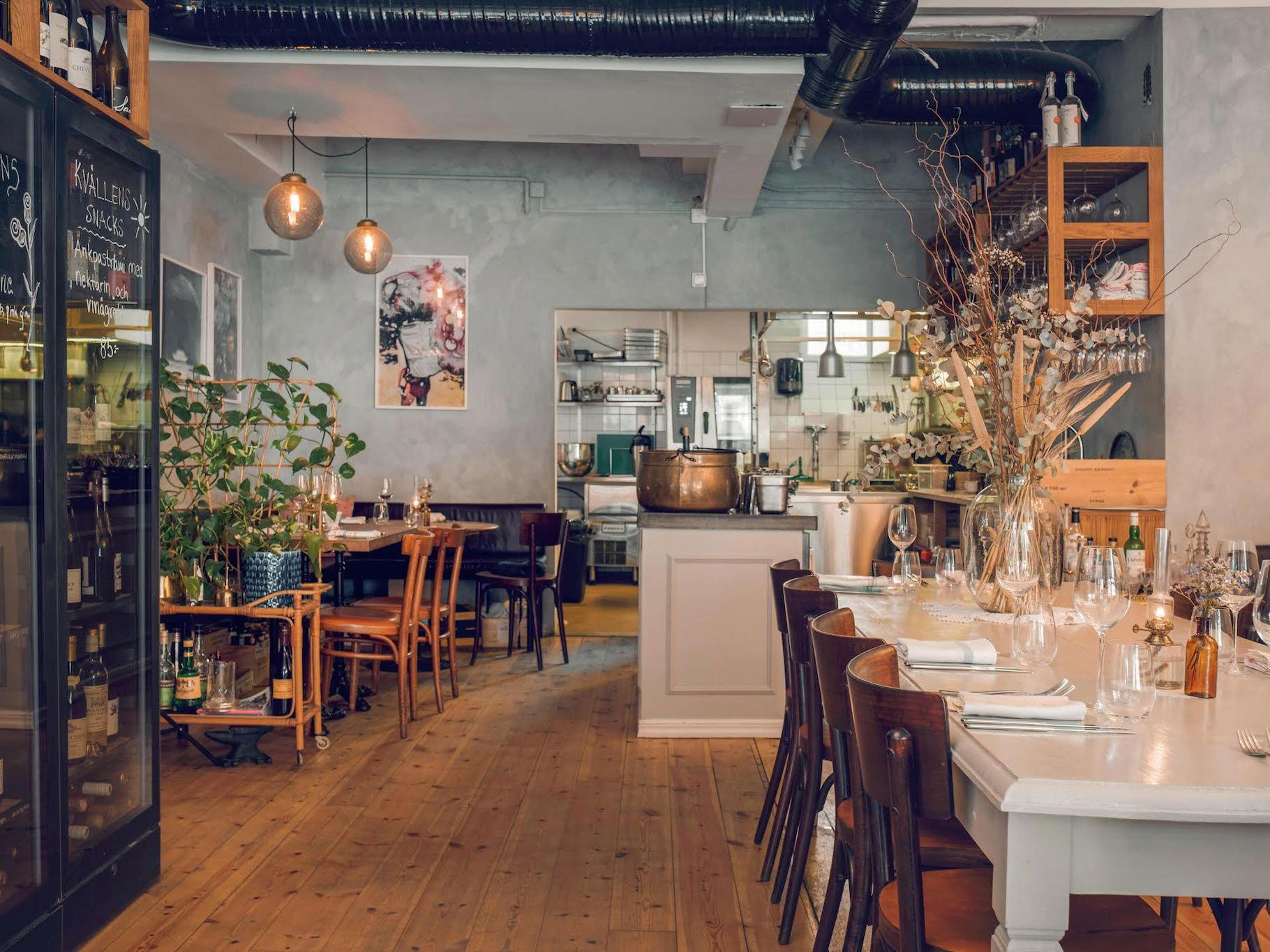
Bars in Zapresic
Browse all →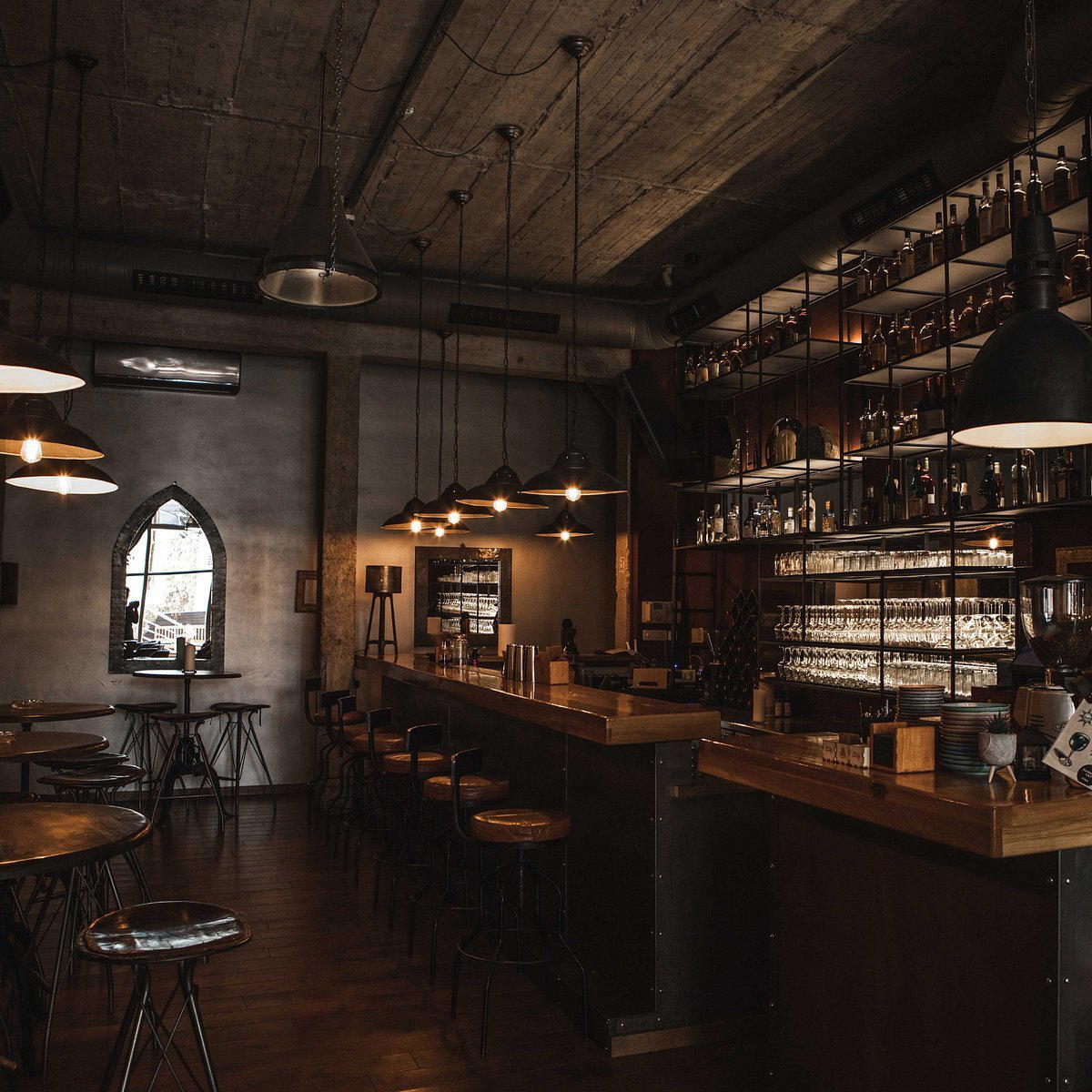
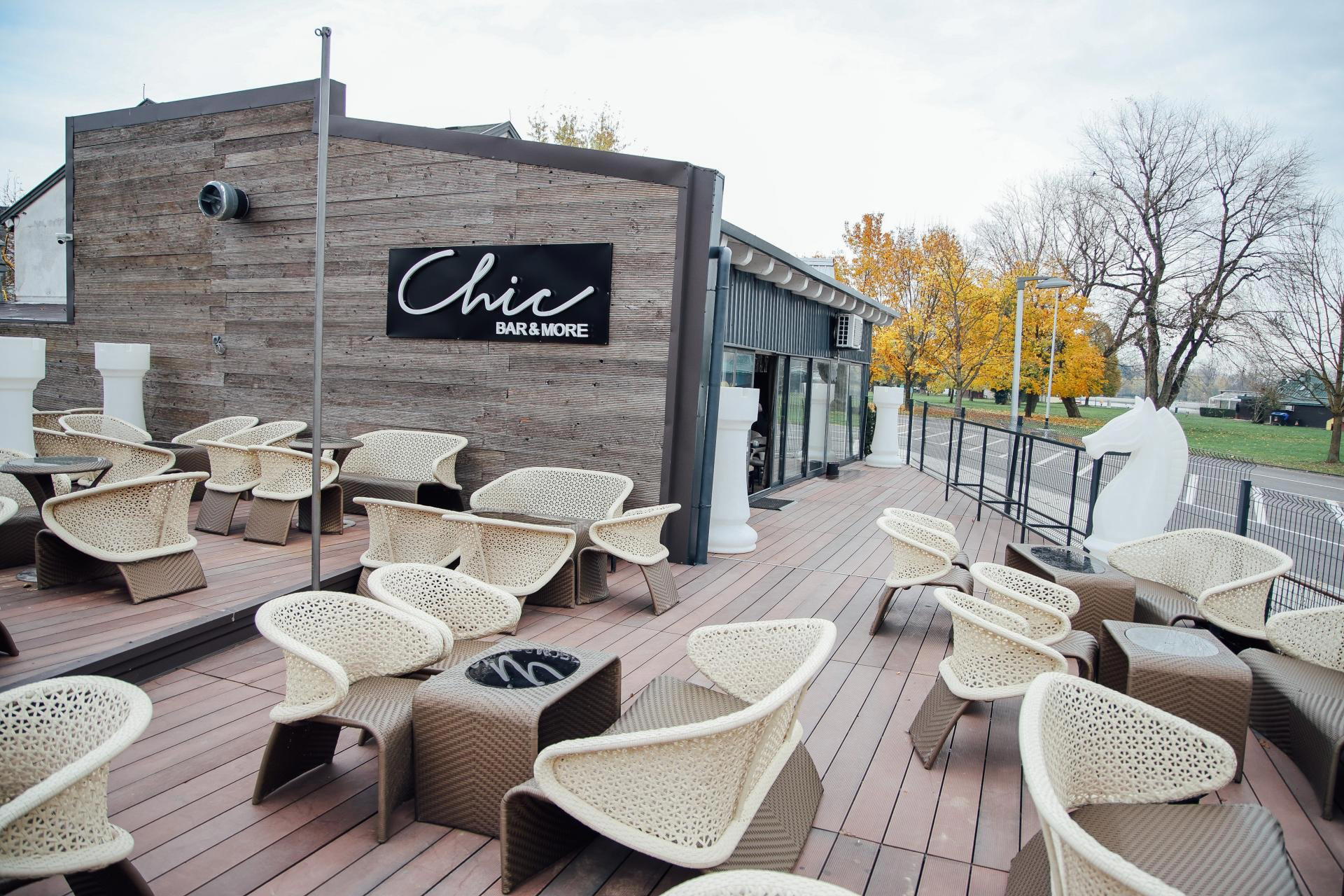
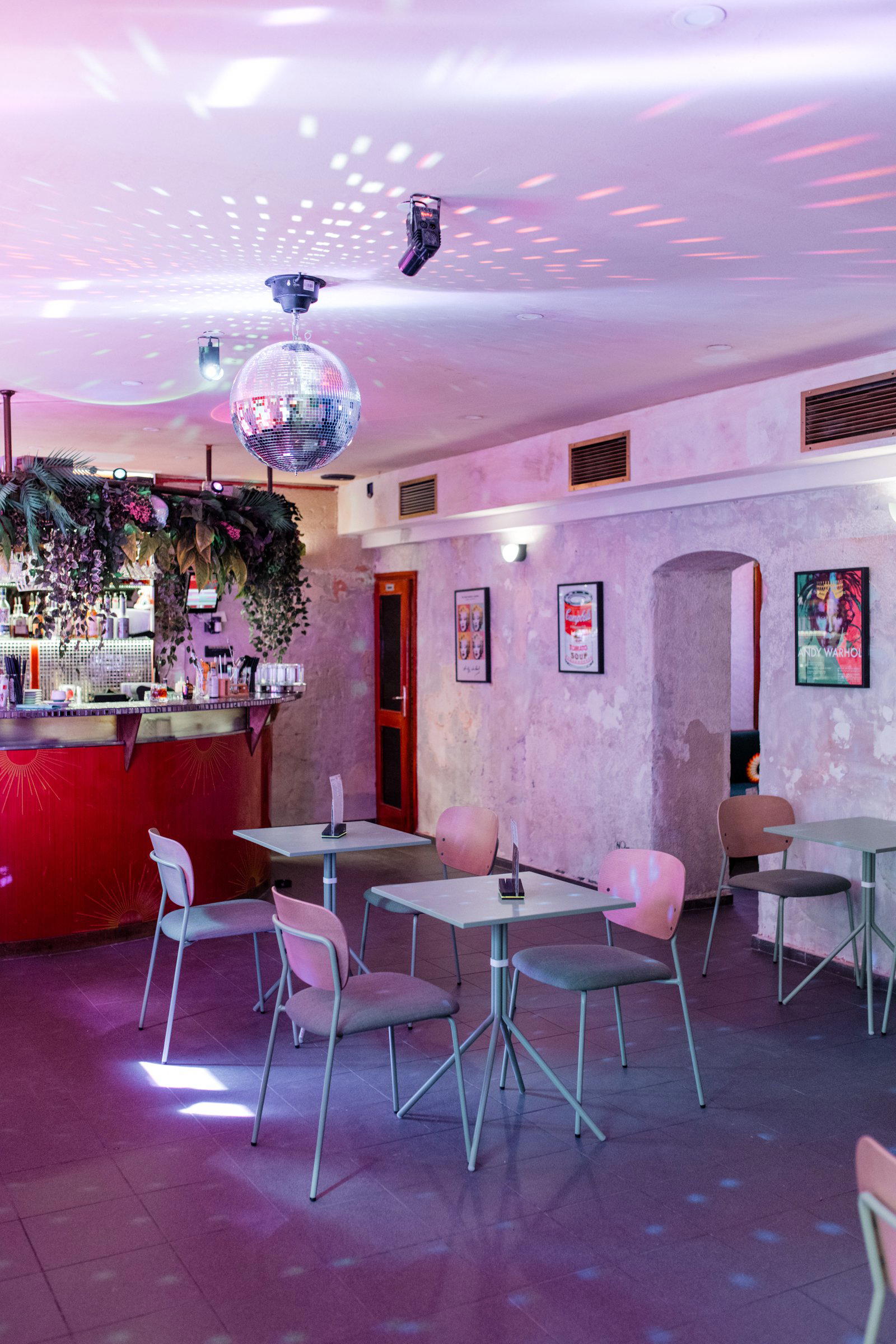
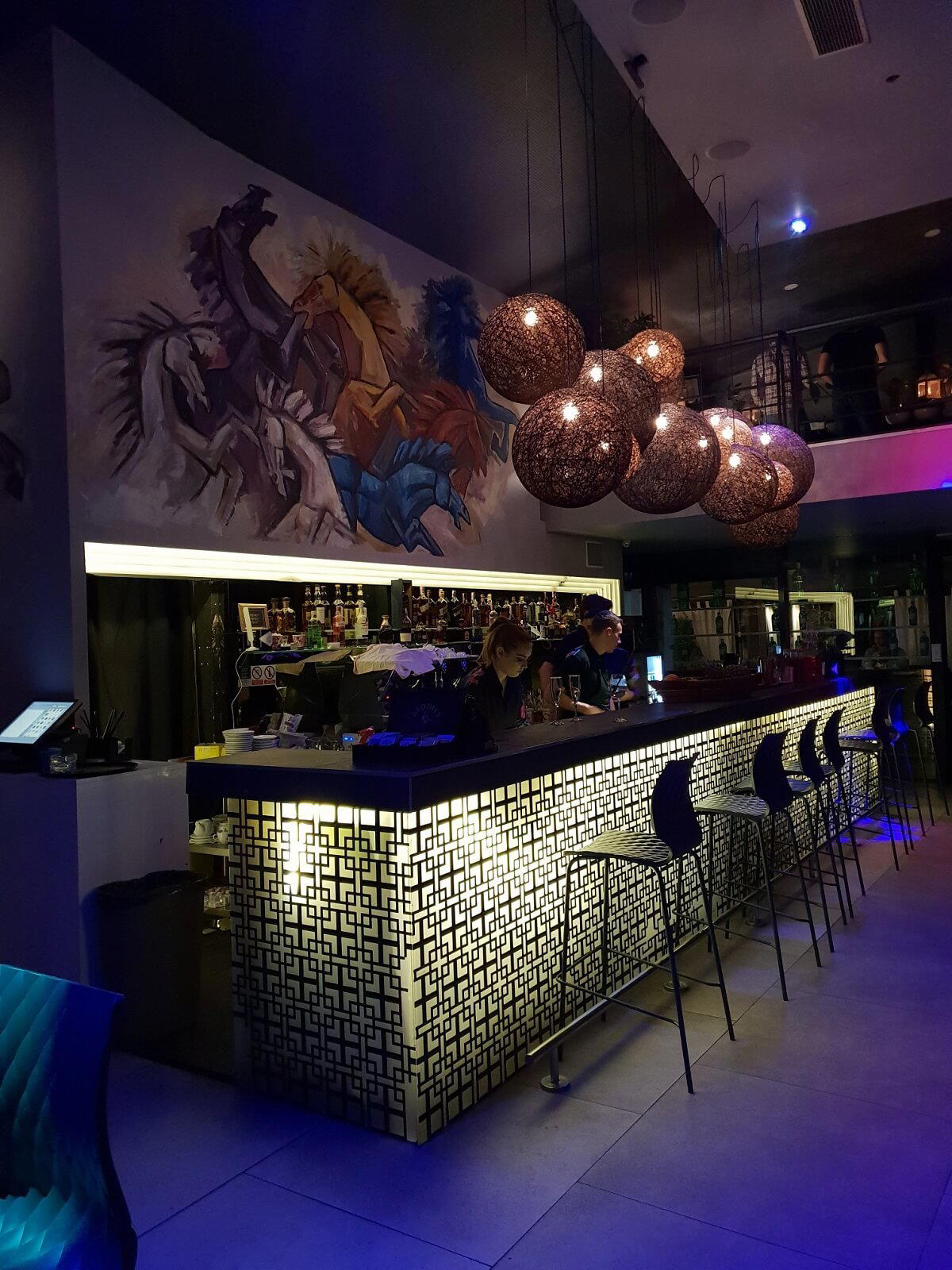
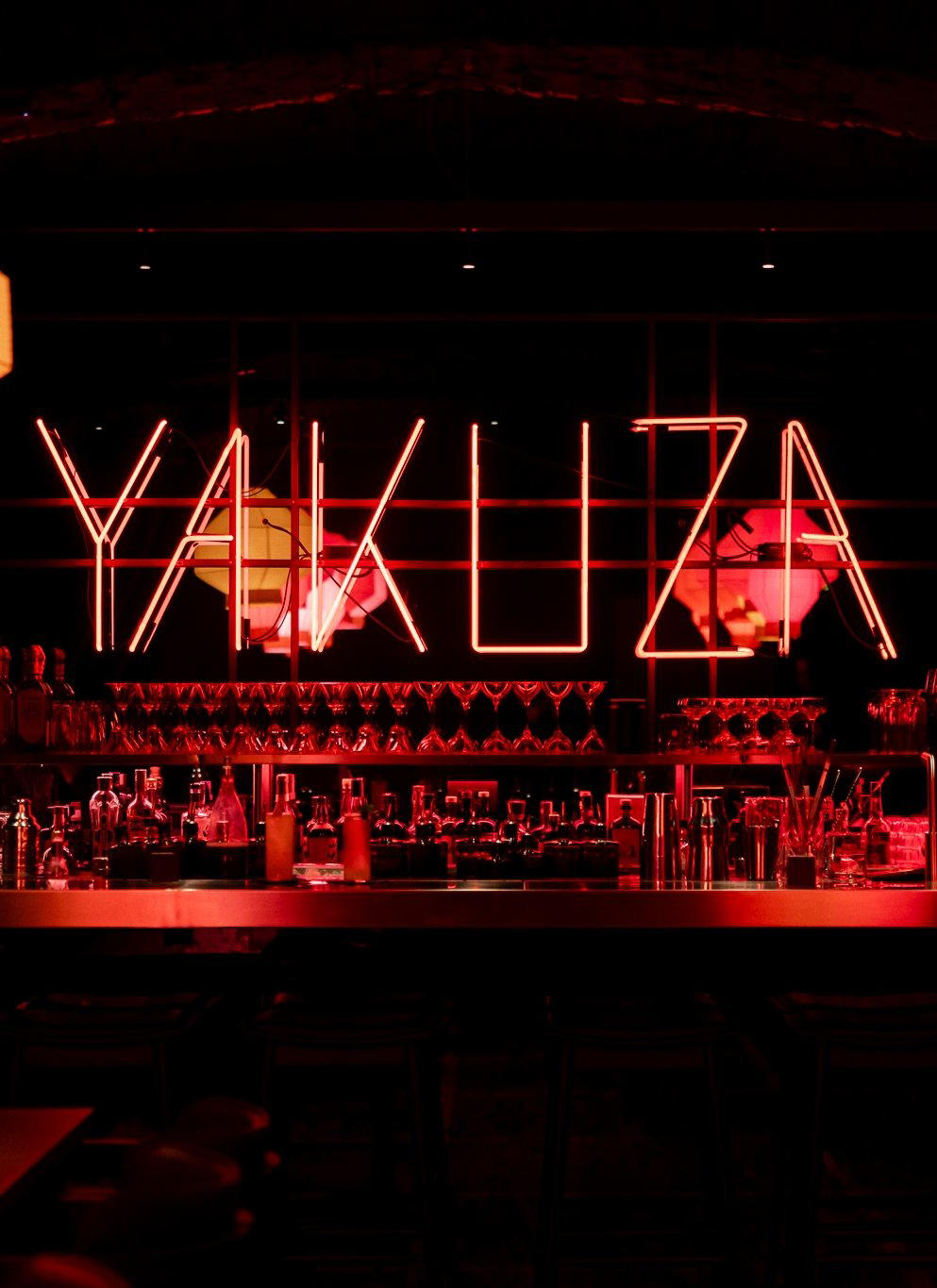
Hotels in Zapresic
Browse all →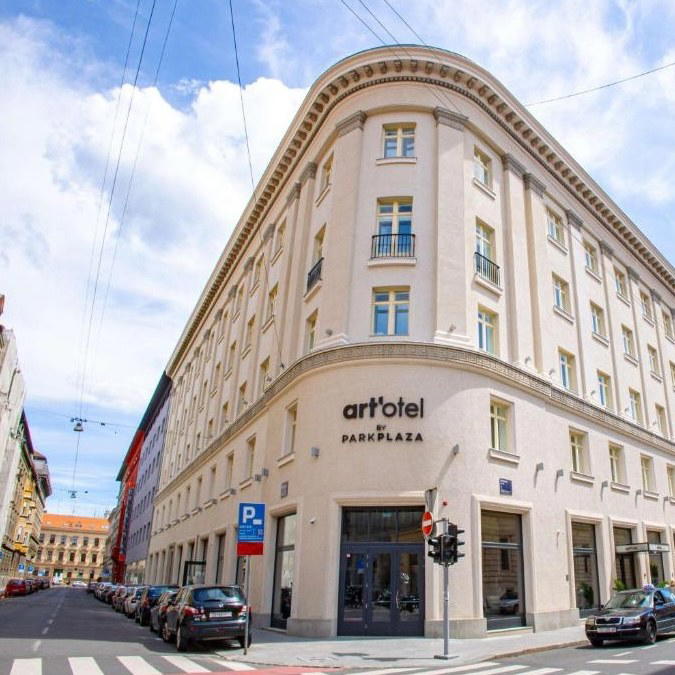

At a Glance
- Classic
- Cozy
- Elegant
- Rustic
- Business Dinner
- Family
- Group Dining
- Casual Hangout
- Garden
- Terrace
- Private Dining
- Beer Program
- Local Sourcing
- Garden
Warm, classical Dalmatian interior design with cozy fireplace seating; elegant outdoor terrace overlooking the equestrian grounds; guests describe feeling like aristocracy at a country home.