Restoran Lu occupies a prominent address on Trg bana Josipa Šokčevića in central Vinkovci, placing it at the civic heart of a city whose culinary identity is rooted in Slavonian tradition. The restaurant draws on the agricultural richness of the surrounding Pannonian plain, where pork, freshwater fish, and field-grown produce have defined the table for generations. For visitors to eastern Croatia, it represents a practical entry point into a regional cuisine that rarely surfaces on the country's tourist trail.
Pearl is the En Primeur Club membership app — saves, bookings, and concierge access live there. Same editors, same standards.
- Address
- Trg bana Josipa Šokčevića 2, 32100, Vinkovci, Croatia
- Phone
- +38532333111
- Website
- restoranlu.com
- Directions
- Get directions
 Saves & bookings on Pearl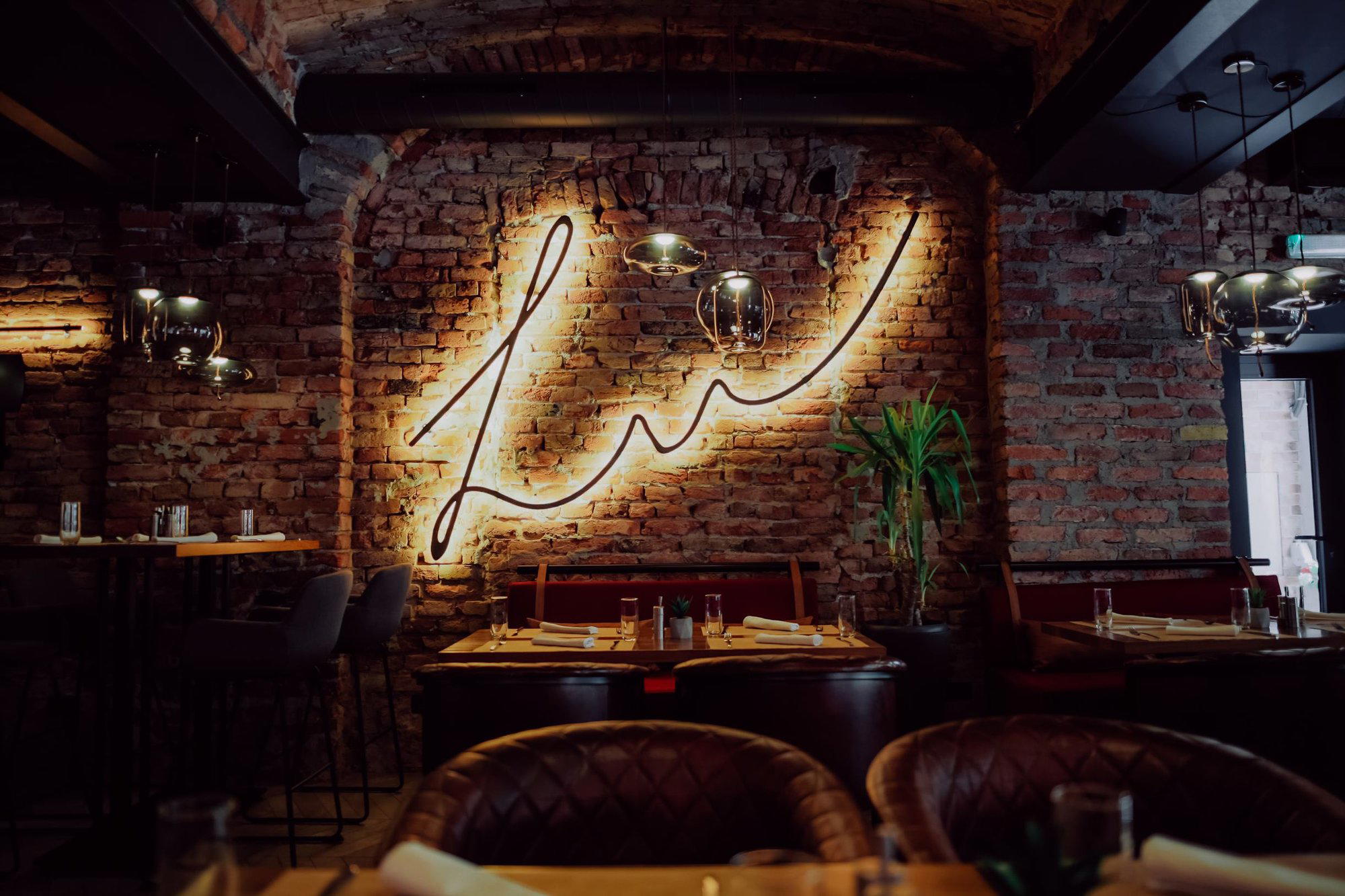
Slavonian Table: What Vinkovci's Dining Scene Tells You About Eastern Croatia
Croatia's dining conversation concentrates almost entirely on the Adriatic coast. Michelin recognition flows toward Dalmatian cities; the country's most-discussed restaurants, from Pelegrini in Sibenik to Restaurant 360 in Dubrovnik and Agli Amici Rovinj, work with olive oil, Adriatic seafood, and Mediterranean produce logic. Inland Slavonia operates on a different axis entirely: the Pannonian plain that stretches east from the Sava River toward the Serbian border is cereal and livestock country, shaped by a food culture that is rich, direct, and almost completely unmediated by tourism.
Vinkovci sits at the eastern edge of that plain, roughly 280 kilometres east of Zagreb, and is among the oldest continuously inhabited settlements in Europe. That historical depth does not translate into a refined restaurant scene in any cosmopolitan sense. What it produces instead is a dining culture anchored in what the land immediately around it yields: pigs raised on the fertile lowlands, freshwater fish from the Bosut and Spačva river systems, and vegetables grown in household and commercial gardens across the surrounding municipalities. The restaurant that operates from Trg bana Josipa Šokčevića, Vinkovci's central civic square, works within that framework.
The Address and What It Signals
Central-square positioning in a mid-sized Croatian provincial city carries specific meaning. These addresses tend to serve a mixed public: local professionals at lunch, families on weekends, occasional visitors passing through on the way to or from Osijek or Vukovar. The format is generally reliable, the cooking classical, and the expectation on both sides of the table clear. This is not the register of, say, Nebo by Deni Srdoč in Rijeka or LD Restaurant in Korčula, where tasting menus and wine programs are the dominant concern. It is something more grounded: a restaurant whose primary audience is the city itself, not a traveller demographic seeking a destination experience.
Approaching the square, the civic architecture of Vinkovci frames the dining context as much as any interior design choice could. The town centre retains the proportions and rhythm of a regional Croatian administrative hub, with the central square serving as the social anchor for daily life. A restaurant at this location is, by default, embedded in the community in a way that coastal venues designed around seasonal tourist flows are not.
Sourcing and the Slavonian Ingredient Logic
Eastern Slavonia's food identity is inseparable from its agricultural base. The region produces some of Croatia's most distinctive raw ingredients: kulen, the paprika-spiced cured sausage that is the single most recognisable Slavonian export; roštilj cuts from free-ranging pork that reflects the region's historic relationship with forest and field grazing; and freshwater fish, particularly carp and catfish, cooked in the brodetto style with peppers, tomatoes, and wine in a preparation called fiš paprikaš. These are not niche or rediscovered ingredients. They are everyday staples in this part of the country, and a restaurant on the main square of Vinkovci operates against that backdrop whether it chooses to lean into the tradition or not.
The sourcing geography matters here in a way it does not for coastal restaurants drawing on the same Adriatic fish markets. A kitchen in Vinkovci has access to produce that is genuinely local in the most direct sense: farms, abattoirs, and market gardens within the immediate municipality. That proximity is a structural feature of the food culture, not a marketing position. Compare this to Croatia's more prominent regional restaurants such as Boskinac in Novalja or Korak in Jastrebarsko, which foreground local sourcing as a deliberate editorial choice. In Slavonia, it tends to be the default.
Where Restoran Lu Sits in the Broader Croatian Context
Croatia's serious dining scene has tiered itself clearly over the past decade. At the upper end, coastal fine-dining venues compete for Michelin attention and international press. A tier below, mid-range restaurants in Zagreb and the larger coastal cities have developed more considered wine programs and contemporary technique. Then there are the regional restaurants of inland Croatia, which operate largely outside that competitive set and are valued for different reasons: consistency, regional specificity, and access to an ingredient tradition that the coast, for all its polish, cannot replicate.
Venues like Dubravkin Put in Zagreb or Krug in Split represent the middle tier at its strongest. Restoran Lu, positioned in a smaller city with a deeply local customer base, operates further down the geographic chain but not necessarily down the quality chain. The comparison set is different: the relevant peer group is other established Slavonian restaurants, not Dalmatian fine-dining rooms. In that context, a central-square address in a city of Vinkovci's scale suggests a level of institutional stability that matters in provincial Croatian dining, where turnover can be high.
Planning a Visit
Vinkovci is accessible by rail from Osijek, roughly 35 kilometres to the northwest, and by road from Vukovar to the north. The town does not function as a tourist destination in its own right for most international visitors, which means that dining here sits inside a different kind of itinerary: a drive through Slavonia, a stopover on the route east, or a deliberate effort to engage with a part of Croatian food culture that receives almost no international coverage. For visitors already in the region, the central square address makes Restoran Lu easy to locate. For those planning specifically around the table, combining a visit with Osijek, which has a more developed restaurant culture, gives the trip greater depth. Coastal comparisons for context are available through venues like Cubo in Opatija, Burin in Crikvenica, or Bodulo in Pag, but none of those translate the landlocked Pannonian tradition that defines this corner of Croatia. For a wider view of where Restoran Lu fits within the local eating scene, see our full Vinkovci restaurants guide.
Specific details on hours, booking, and current pricing were not available at time of publication. Given the venue's position as a central-square restaurant in a working Croatian provincial city, walk-in dining is likely to be the standard mode for most of the week, with reservations advisable for weekend evenings. Contact via the address at Trg bana Josipa Šokčevića 2 is the most reliable starting point for current operational information.
Continue exploring
More in Vinkovci
Restaurants in Vinkovci
Browse all →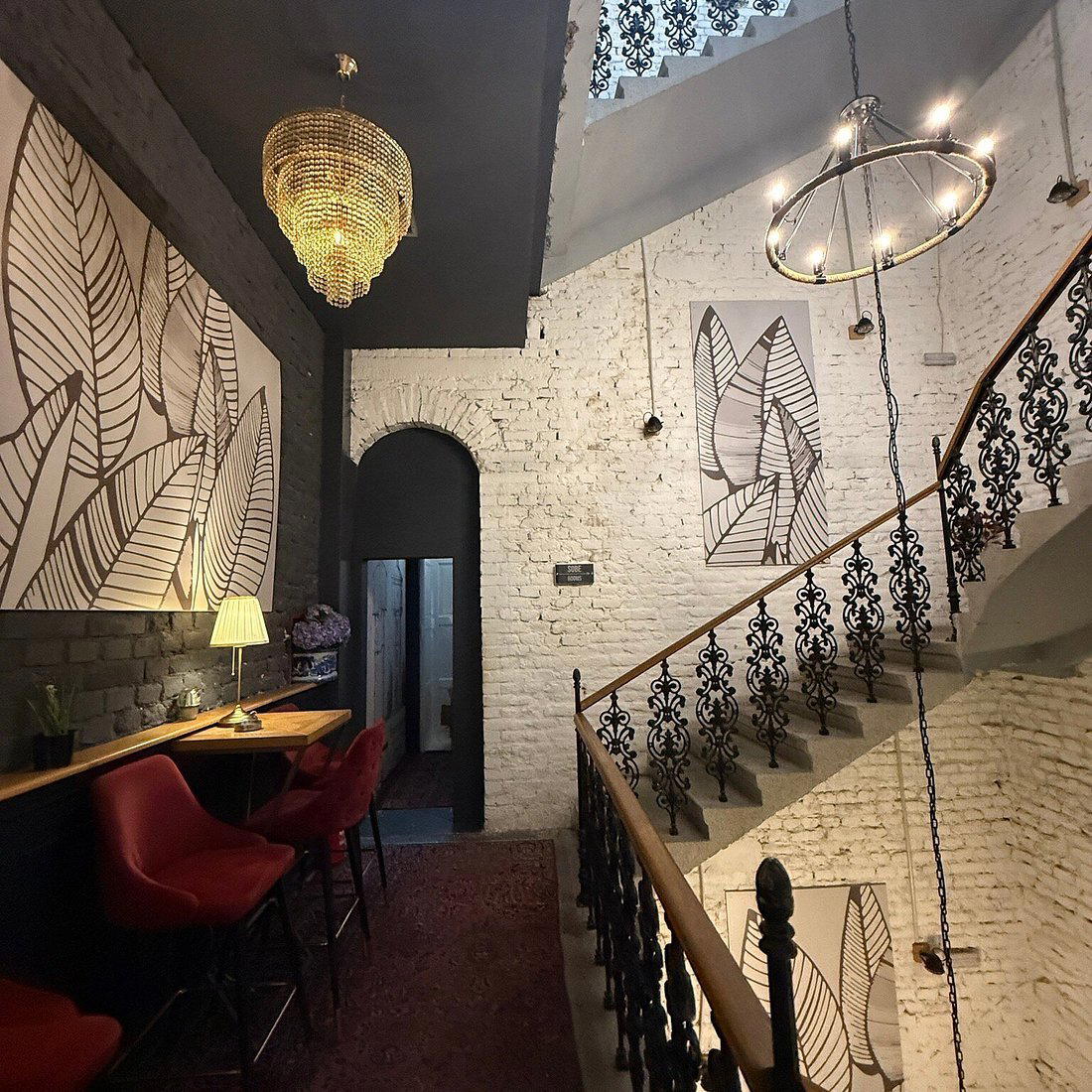
Wineries in Vinkovci
Browse all →
At a Glance
- Elegant
- Sophisticated
- Intimate
- Date Night
- Special Occasion
- Business Dinner
- Open Kitchen
- Extensive Wine List
Current opening hours
- Monday
- Closed
- Tuesday
- 9 AM–11 PM
- Wednesday
- 9 AM–11 PM
- Thursday
- 9 AM–11 PM
- Friday
- 9 AM–12 AM
- Saturday
- 9 AM–12 AM
- Sunday
- 11 AM–11 PM
Hours can change for holidays and private events. Last verified .
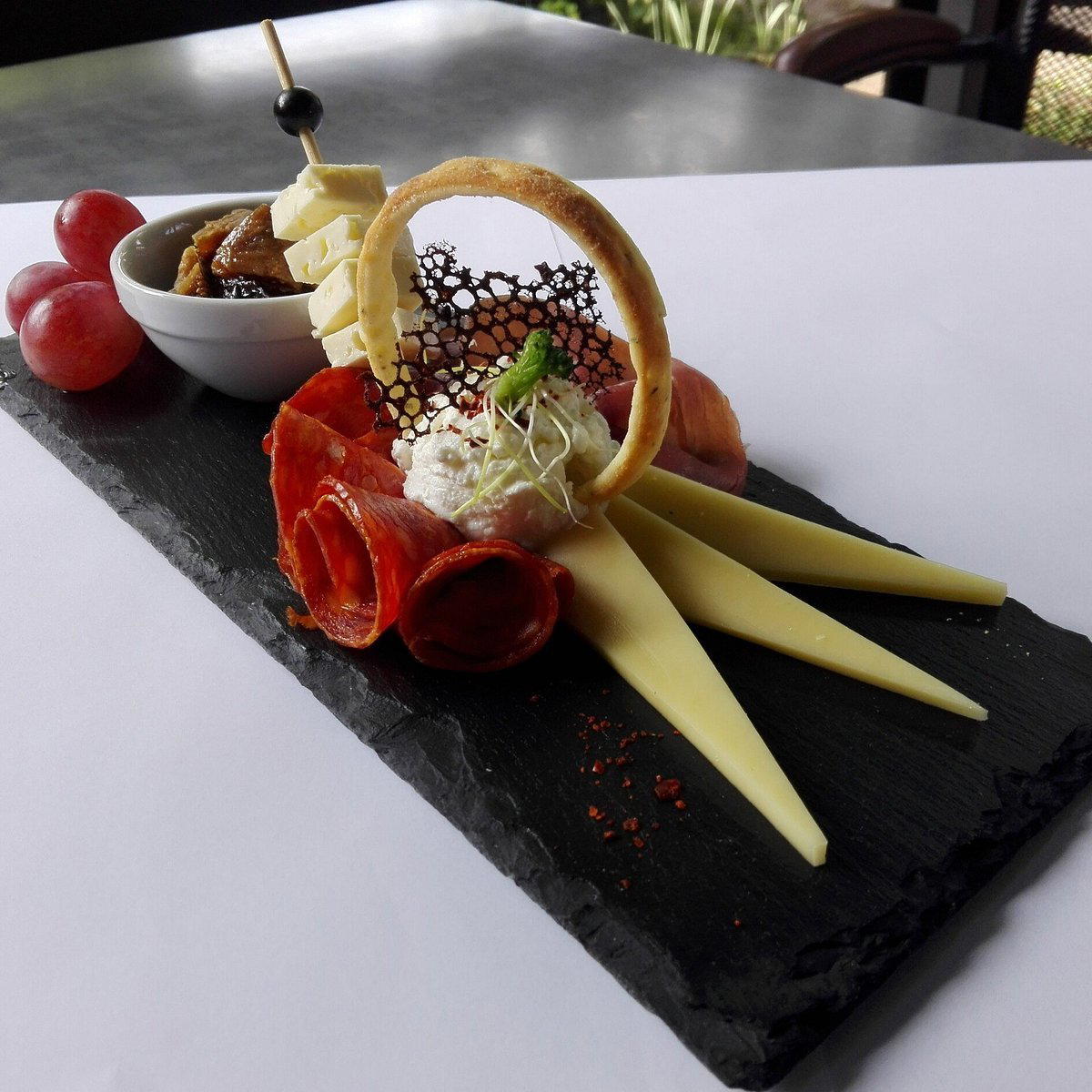
Elegant and attractive setting with polished plating and refined presentation; described as a place where guests feel at home despite the upscale atmosphere.
Know Before You Go
- Getting there
- Trg bana Josipa Šokčevića 2, 32100, Vinkovci, Croatia