Our verdict
Restavracija 9 sits in the village of Vrba in Slovenia's Gorenjska region, a corner of the country where the Alps meet agricultural lowlands and ingredient provenance is baked into the local dining culture. The restaurant operates within a tradition of Slovenian cooking that draws directly from the surrounding landscape, placing it alongside a small cohort of rural destinations worth a deliberate detour from the Julian Alps circuit.

Pearl is the En Primeur Club membership app, where members save venues, book tables and use the concierge.

Where the Julian Alps Drain into the Dinner Table
The road into Vrba, the small settlement in the Žirovnica municipality where Restavracija 9 is addressed at number 37, passes through a part of Gorenjska that most visitors to Slovenia skip entirely. They tend to arrive at Bled, photograph the island church, and leave. The territory between the lake resorts and the lower Sava valley, pastureland, orchard slopes, farmhouse clusters, functions as a kind of buffer zone that the tourist infrastructure has not yet fully colonised. That relative quietness is exactly what makes a restaurant here interesting rather than inconvenient.
In Slovenia's current dining conversation, the venues attracting international attention cluster at specific points: Ana Roš at Hiša Franko in Kobarid, Milka in Kranjska Gora drawing creative visitors to the Triglav edge, Dam in Nova Gorica operating at the Italian border's Mediterranean crossover point. The pattern is consistent: Slovenia's most discussed cooking happens in places that feel just slightly out of reach, where geography enforces a kind of intentionality on the diner's part. Restavracija 9 occupies a comparable position in the Gorenjska interior, off the arterial routes that connect Bled to Kranjska Gora.
Gorenjska and the Ingredient Geography of Alpine Slovenia
Understanding what a restaurant in this part of Slovenia can plausibly source is understanding why the region produces distinctive cooking at all. The Gorenjska region runs from the Karavanke range in the north down to the Kamnik-Savinja Alps in the east, with the Sava river threading through its centre. The agricultural character shifts with altitude: at lower elevations, dairy farming dominates, with the area's cheesemaking traditions tied to mountain pasture grazing cycles. Higher ground yields forest products, mushrooms, game, wild herbs, that have anchored Slovenian rural cooking for generations.
This is the ingredient geography that shapes what a thoughtful kitchen in Vrba has to work with. The broader farm-to-table argument made by restaurants like Grič in Šentjošt nad Horjulom and Gostilna Pri Lojzetu in Vipava rests on Slovenia's unusual density of microclimates, the country compresses Mediterranean, Alpine, and Pannonian conditions into a territory smaller than Switzerland, and Gorenjska represents one of the purest expressions of the Alpine strand within that compression.
The consequence for sourcing is practical and traceable. In this region, a restaurant that claims local provenance is operating within a supply radius that includes working farms in the Sava valley, dairy operations along the Karavanke foothills, and foragers covering the beech and spruce forest zones above the settlements. These are not abstract sourcing claims but specific, verifiable geographies that produce identifiable ingredients with seasonal rhythms: spring ramps from forest edges, summer sheep's milk from higher pastures, autumn mushroom flushes, winter game and cured meats. A kitchen that works with these materials seriously is engaging with one of Europe's more coherent alpine larders.
Placing Restavracija 9 in the Gorenjska Dining Context
Slovenia's rural restaurant tier has diversified considerably over the past decade. The older model, the gostilna, a hybrid inn and tavern serving direct regional standards, remains common and often excellent, with venues like Gostilna Pr'Bizjak in Preddvor and Gostišče Karavla 297 in Trzic representing a strong neighbourhood dining tradition in this same mountain corridor. What has changed is the emergence of a middle tier: restaurants that retain a rural address and ingredient regionalism but apply more deliberate technique, moving beyond the gostilna formula without attempting the full tasting-menu ambition of Slovenia's Michelin-recognised addresses.
Restavracija 9's location in Vrba, a village leading known to Slovenians as the birthplace of the national poet France Prešeren, places it within a community that carries a certain cultural weight disproportionate to its size. That context is not irrelevant to how a restaurant in the village positions itself, there is a version of Gorenjska identity, rooted in literary nationalism and agricultural heritage, that the area's leading dining rooms reflect in their sourcing and menu logic, even when they do not make that framing explicit.
For context on how similar rural Slovenian addresses operate within a wider national scene, Hiša Linhart in Radovljica, just a few kilometres south, demonstrates how deeply a restaurant can anchor itself in local heritage and still attract an audience beyond regional regulars. Gostilna Mlinar in Idrija makes a comparable case in the west. The Slovenian dining public has become considerably more sophisticated about this tier of cooking, and restaurants in the Gorenjska interior benefit from a traveller base that now routes through the region as a destination rather than a pass-through.
For those tracking Slovenia's broader scene from urban anchors, Restavracija Strelec in Ljubljana and Pavus in Lasko represent the direction the country's more formally structured dining has taken. The contrast with a rural Gorenjska address is instructive: what Ljubljana venues do with technique and presentation, places like Restavracija 9 are more likely to do with proximity to raw material. Both approaches have their advocates, and increasingly the argument for the rural option is the stronger one when ingredient quality and seasonal honesty are the primary criteria.
Getting There and Planning Your Visit
Vrba sits within the Žirovnica municipality, accessible from the A2 motorway connecting Ljubljana to Jesenice and the Austrian border. The nearest larger town is Lesce, which also serves the regional airport (Lesce-Bled, handling smaller aircraft and charter traffic) and has a train station on the Ljubljana-Jesenice line. From Bled, the drive to Vrba takes under fifteen minutes, which makes Restavracija 9 a realistic dinner option for visitors based at the lake without requiring a longer commitment. The address, Vrba 37, places it in the village proper rather than on a highway strip, which means approaching on local roads through agricultural land rather than via commercial development.
Given the venue's rural location and the general Slovenian convention at this restaurant tier, booking ahead is advisable, particularly on weekends when Gorenjska draws domestic visitors from Ljubljana as well as international tourists using Bled as a base. The region's tourism season peaks between June and September, with a secondary winter season around skiing at Kranjska Gora, but autumn, mushroom season, game season, the tail of the summer vegetable harvest, represents an arguably stronger case for visiting a kitchen oriented around local ingredient cycles.
For a broader picture of what the region offers across dining formats, our full Žirovnica restaurants guide maps the options across price tiers and cooking styles, including venues that complement rather than duplicate what Restavracija 9 represents in the local picture. Readers planning wider Slovenian itineraries may also find value in cross-referencing against coastal options like Gostišče Neptun in Piran, the wine country cooking of Turistična Kmetija Breg in Brda, and the Styrian perspective offered by Hiša Denk in Zgornja Kungota, venues that collectively illustrate the range of Slovenia's regional ingredient traditions and how different kitchens are working with them. Those interested in higher-ambition international comparators might also consider how Slovenia's leading fits into a global framework through venues like Le Bernardin in New York City or Atomix in New York City, both of which show what rigorous ingredient sourcing and kitchen discipline look like at a different scale and investment level.
Frequently asked questions
Is Restavracija 9 a family-friendly restaurant?
Restavracija 9 is addressed at Vrba 37 in the Žirovnica municipality, a rural settlement with a pace that suits unhurried, multi-generational meals rather than high-turnover dining. The Gorenjska village setting implies the kind of relaxed, unpretentious environment typical of this tier of Slovenian restaurant. Contacting the venue directly before visiting with young children is advisable to confirm seating arrangements and menu scope.
Is Restavracija 9 better for a quiet night or a lively one?
Vrba is a small settlement within Žirovnica municipality, not an urban dining strip, so the default register here leans toward quiet rather than animated. Restaurants at this address in rural Gorenjska tend to draw local regulars and visitors seeking something removed from city noise. If you want a convivial weekend atmosphere, calling ahead to check what's on is worth doing.
How far is Restavracija 9 from Lake Bled, and is it worth combining both in a day trip?
Restavracija 9 is addressed at Vrba 37 in the Žirovnica municipality, which sits along the same A2 motorway corridor that connects Ljubljana to Jesenice, placing it within a short drive of the Bled area. The proximity makes a combined itinerary straightforward: Bled draws the visitor traffic, while a meal at a Gorenjska village restaurant like Restavracija 9 offers a more grounded encounter with the region's cooking. Confirm current opening hours directly before building your schedule around it.
What's the must-try dish at Restavracija 9?
What the Gorenjska region reliably produces is excellent freshwater fish from alpine rivers, cured meats, and seasonal foraged ingredients from the Julian Alps foothills, the building blocks of credible cooking in this part of Slovenia. Ask the kitchen what is freshest on the day you visit.
Where exactly is Restavracija 9?
Restavracija 9 is located at Vrba 37, 4248 Lesce, Slovenia, Zirovnica.
Do I need a reservation for Restavracija 9?
Booking ahead is sensible for any rural Slovenian restaurant of this kind, particularly on weekends when local demand concentrates. Arriving without a reservation in a small Gorenjska village risks finding the kitchen at capacity.
What's the standout thing about Restavracija 9?
Its location within the Žirovnica municipality, directly in the shadow of the Julian Alps and the agricultural corridor of Gorenjska, is the most substantive claim this restaurant can make. That geography connects a kitchen at this address to some of Slovenia's most distinctive raw ingredients: alpine dairy, river fish, foraged herbs, and cold-climate produce. Few dining rooms in the country sit as close to their ingredient sources.
Comparable Spots, Quickly
Comparable venues nearby, for context on price, style, and recognition.
| Venue | Cuisine | Price | Awards | Notes |
|---|---|---|---|---|
| Restavracija 9This venue (the venue you are viewing) | Modern European Fine Dining | $20–30 | Not listed | Not listed |
| Kult316 | Modern Slovenian Contemporary | $20–30 | Not listed | Šentvid |
| Bistro Bombina | Slovenian Bistro | $10–20 | Not listed | Trbovlje |
| Bistro Štorja | Modern Slovenian Bistro | Not listed | Michelin Plate | Postojna |
| Dom na Joštu | Slovenian Seasonal European | $20–30 | Not listed | Sveti Jošt nad Kranjem |
| Restaurant Mangrt | Slovenian-Asian Fusion Fine Dining | Not listed | Michelin Plate | Log pod Mangartom |
Continue exploring
More in Zirovnica
Restaurants in Zirovnica
All restaurants in Zirovnica →
Bars in Zirovnica
Browse all →

Details
- Modern
- Cozy
- Date Night
- Special Occasion
- Mountain
- A La Carte
- Tasting Menu
- Vegetarian Friendly
Current opening hours
- Monday
- Closed
- Tuesday
- 8 AM–10 PM
- Wednesday
- 8 AM–10 PM
- Thursday
- 8 AM–10 PM
- Friday
- 8 AM–10 PM
- Saturday
- 8 AM–10 PM
- Sunday
- 8 AM–10 PM
Hours can change for holidays and private events. Hours as of .
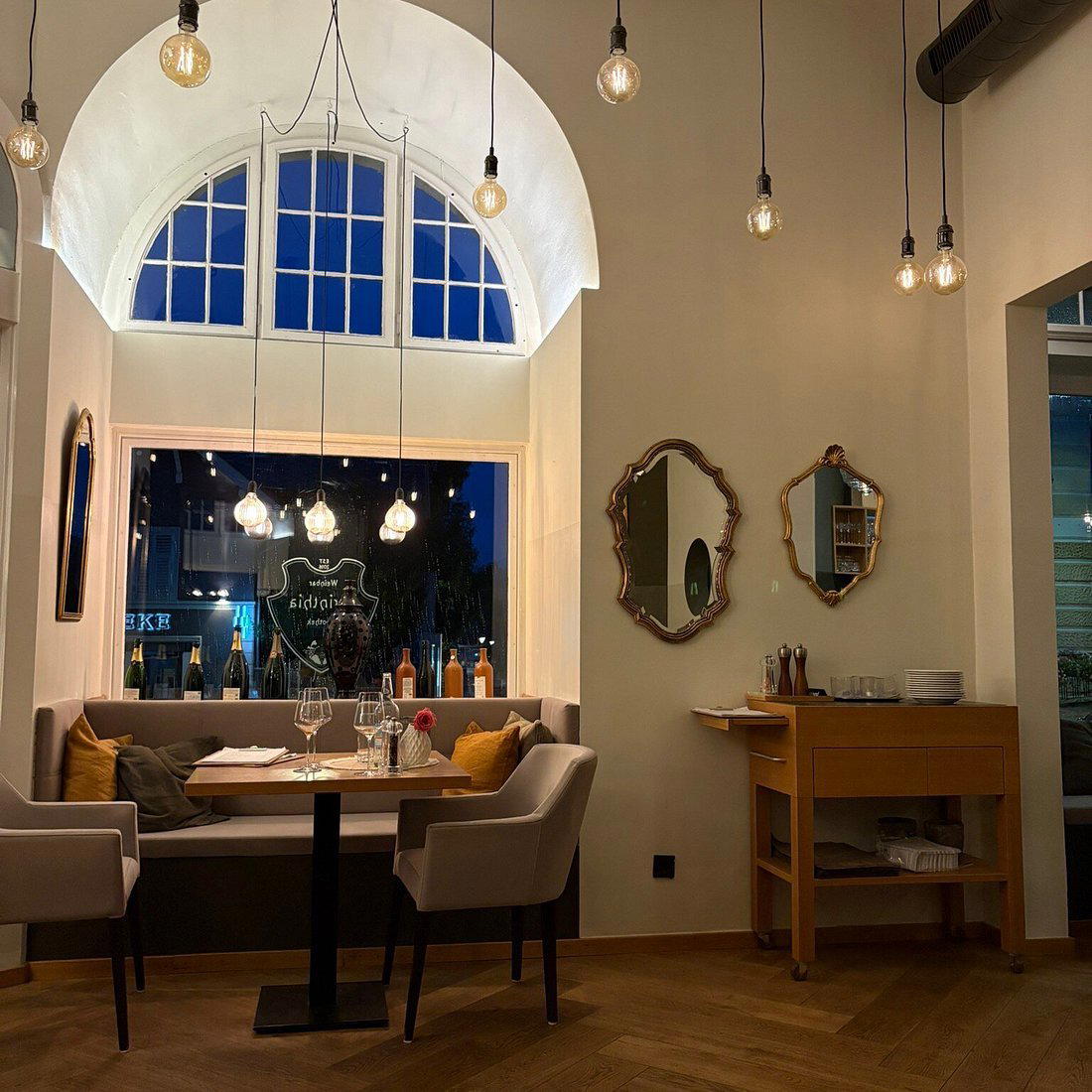
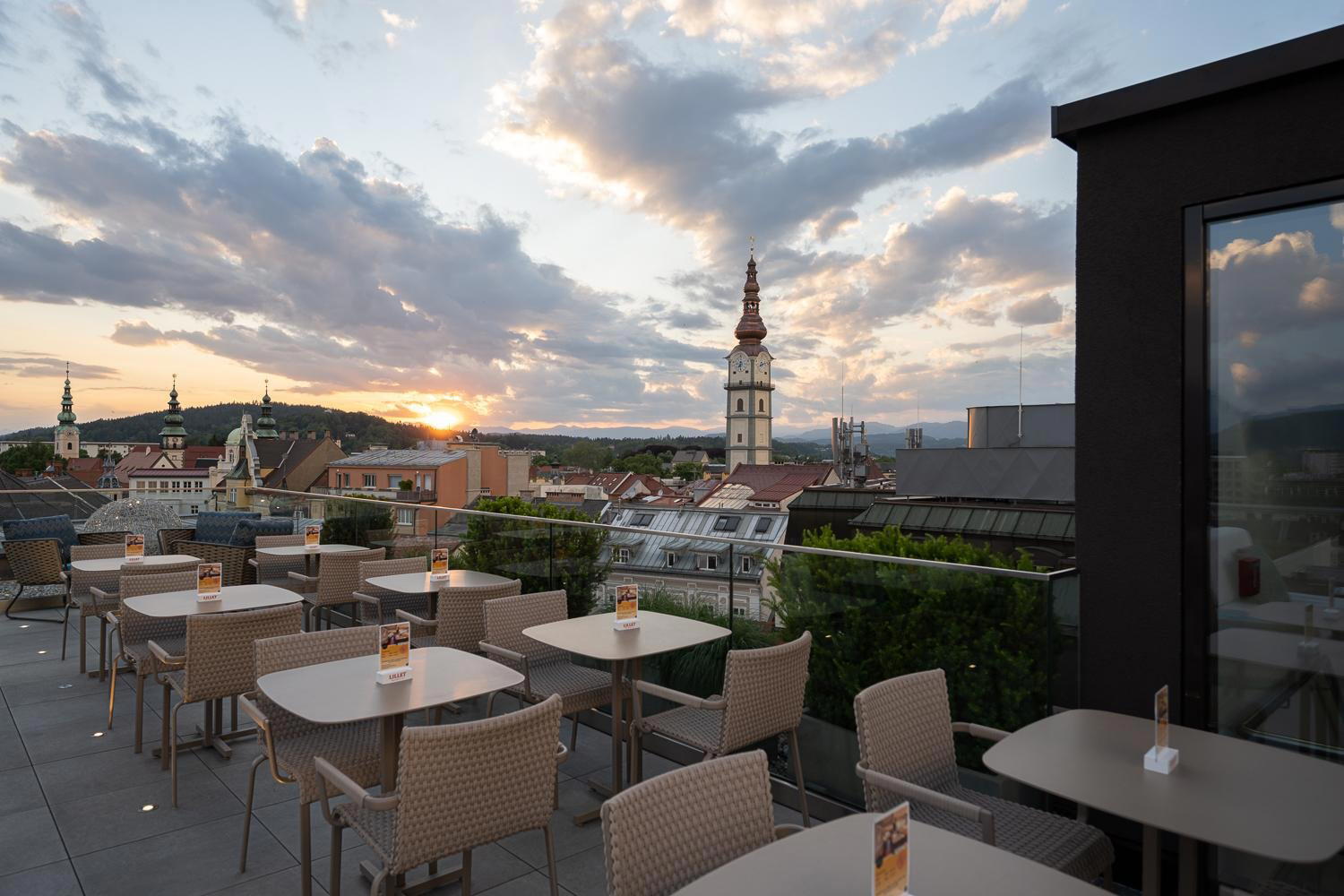
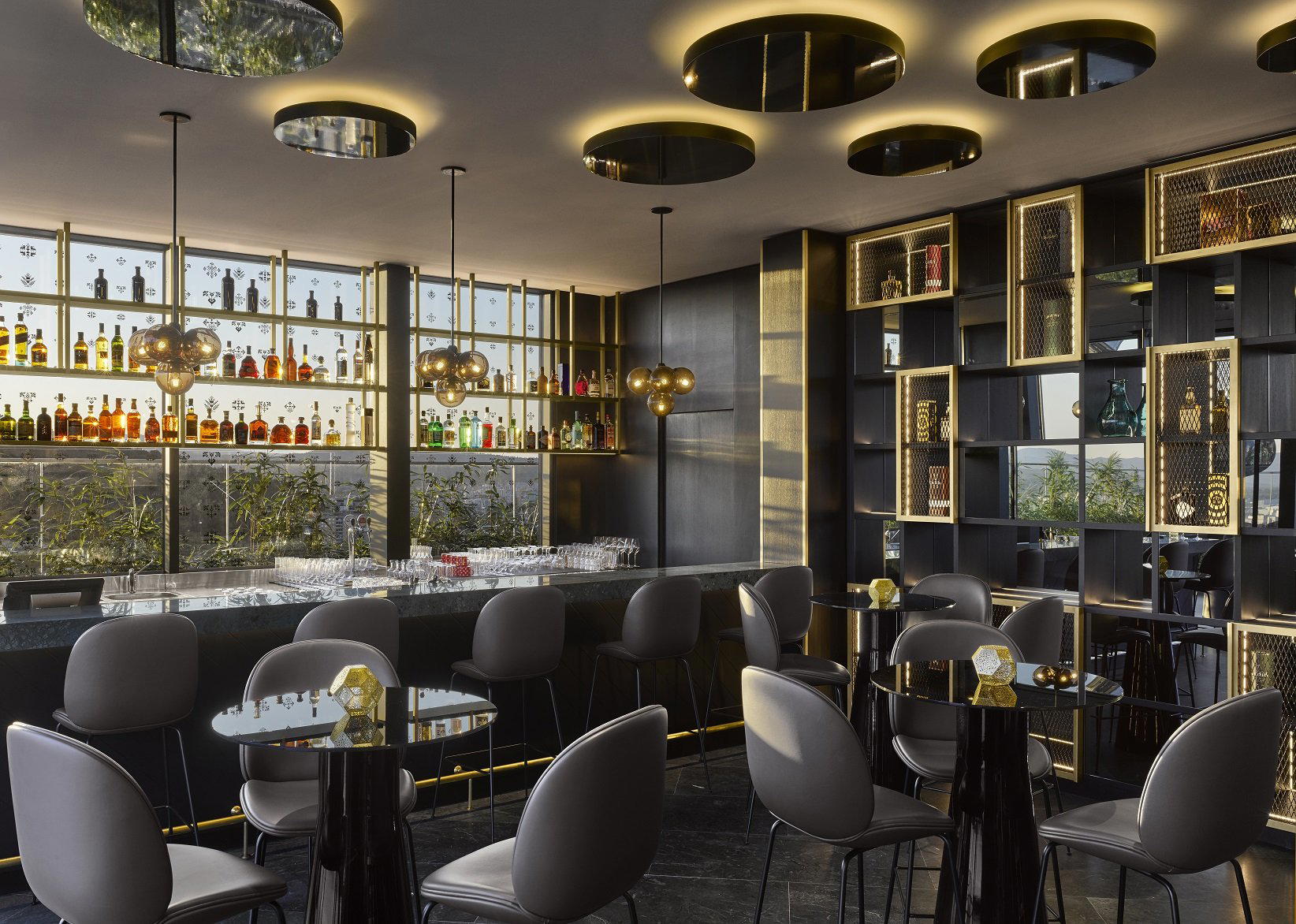
Relaxed modern lounge atmosphere with great service.