Dom na Joštu sits on the heights above Kranj at Sveti Jošt nad Kranjem, a hilltop address that puts it in a different category from the town's street-level dining. The approach rewards those who plan ahead: the setting frames alpine Slovenia in a way that few restaurants near Kranj can match, and the kitchen draws from the agricultural traditions of the Gorenjska region. A clear point of difference in the local dining scene.
Pearl is the En Primeur Club membership app — saves, bookings, and concierge access live there. Same editors, same standards.
- Address
- Sveti Jošt nad Kranjem 2, 4000 Kranj, Slovenia
- Phone
- +38630715719
- Website
- domnajostu.si
- Directions
- Get directions
 Saves & bookings on Pearl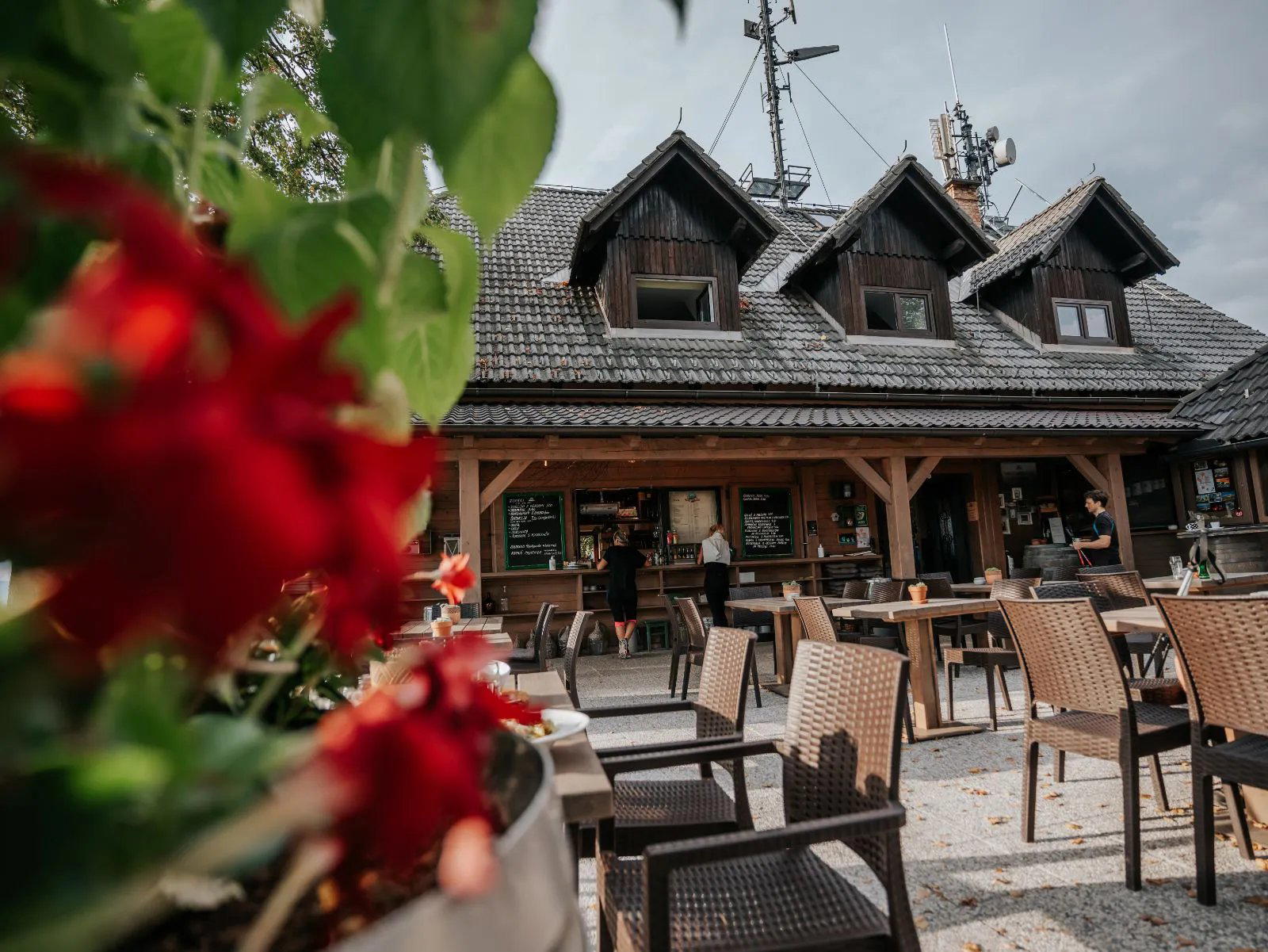
A Hilltop Tradition Above Kranj
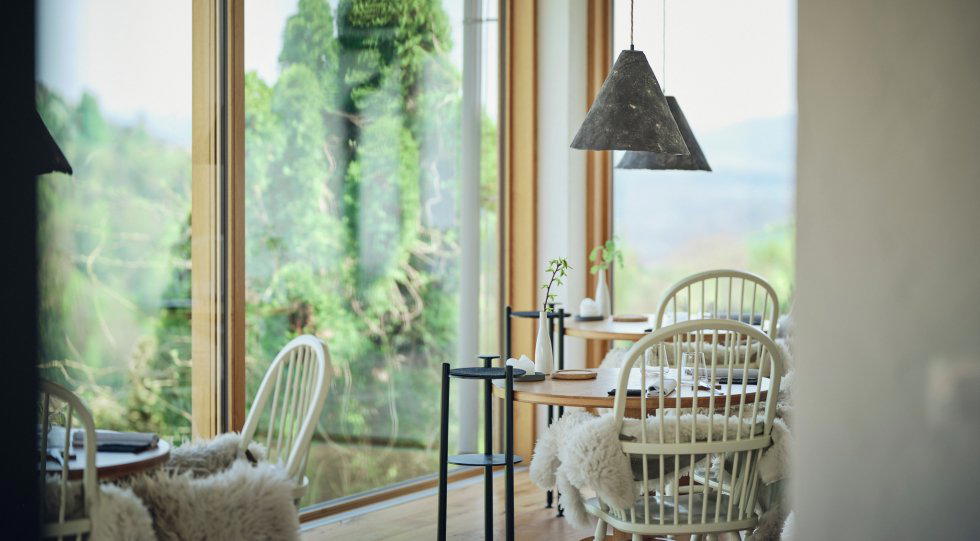
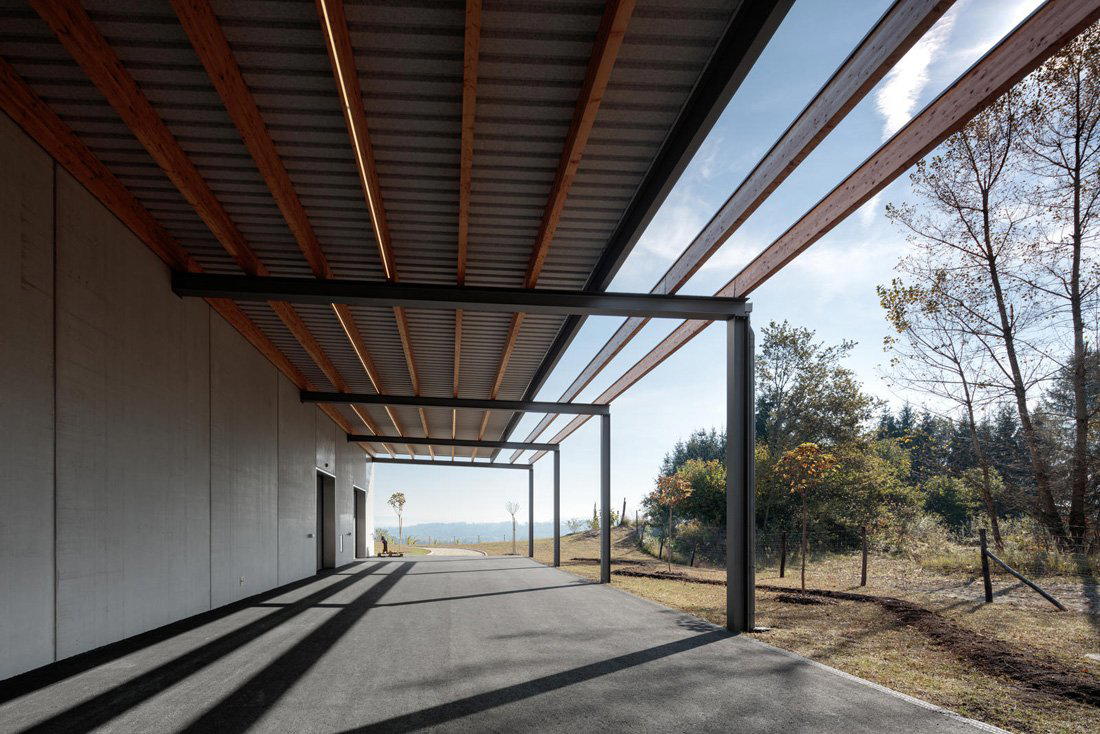
Slovenia's Gorenjska region has long operated a category of dining that urban food culture tends to undervalue: the highland gostilna positioned not for foot traffic but for pilgrimage. These are places reached by a deliberate drive up a narrow road, where the act of arrival is part of the meal's logic. Dom na Joštu, at Sveti Jošt nad Kranjem 2, sits squarely in that tradition. The hill of Sveti Jošt rises above Kranj with views that pull across the Sava valley toward the Karawanken range, and the building commands those sightlines in the manner of a working alpine refuge rather than a designed viewpoint restaurant. Stone, timber, and the particular quiet of a place that relies on the surrounding countryside for its identity, this is the atmosphere before you have ordered anything.
What makes this format compelling, and worth understanding before you arrive, is how it differs from the town-centre dining options clustered in Kranj itself. Gostilna Krištof handles traditional cuisine at street level with a different pace and clientele logic. Pr' Končovc and Gostilna Pr. Matičku anchor the more local, everyday registers of Kranj dining. Dom na Joštu operates in a separate register entirely, one defined by altitude and by the expectation that guests have made a specific, considered decision to be there. You will not happen upon it.
Where the Food Comes From
The editorial angle that makes highland Gorenjska restaurants worth examining seriously is ingredient sourcing. In the valleys and uplands around Kranj, the growing tradition is short-supply-chain by necessity as much as philosophy: distances between farm and kitchen are compressed, and the rhythm of what appears on the plate follows local agricultural cycles more closely than menus in Ljubljana's competitive restaurant scene tend to. Gorenjska cooking draws on dairy from alpine pastures, foraged produce from surrounding forests, game from hunting grounds that are part of daily rural life, and freshwater fish from Sava tributaries. These are not marketing categories, they are the practical realities of what the land around Sveti Jošt produces.
This matters when considering what Dom na Joštu represents in the context of Slovenian dining more broadly. The country has developed a tier of destination restaurants that compete on international terms: Hiša Franko in Kobarid has placed Slovenian ingredients on a global stage, and Hiša Linhart in Radovljica operates with a similar credential-bearing seriousness. What the highland gostilna category offers is not a lower-grade version of that model but a distinct one, where the sourcing story is embedded in place and community rather than deployed as a fine-dining narrative device. The distinction is worth keeping in mind when calibrating expectations.
Gorenjska's culinary backbone has always been the high-altitude pastoral economy: sheep and cattle grazed on summer pastures, mushrooms and berries gathered from surrounding woodland, cured meats produced through winter-preservation traditions that predate commercial refrigeration. A restaurant on a hill like Sveti Jošt, if it is operating in the spirit of that tradition, draws from producers and foragers whose relationship with the land is generational. This is the sourcing logic that makes the highland gostilna a meaningful category rather than simply a scenic backdrop for otherwise unremarkable cooking.
Positioning Within Slovenia's Wider Dining Scene
Slovenia's restaurant geography rewards visitors who understand how the country's premium dining is distributed. Ljubljana holds the densest concentration of credentialed kitchens, including Restavracija Strelec. But the more interesting dining tradition, for those willing to travel, runs along the country's regional corridors: the Vipava valley produces Gostilna Pri Lojzetu, Kobarid has Hiša Franko, and the Nova Gorica border region anchors Dam. Gorenjska, which encompasses Kranj and the peaks behind it, sits at the northern end of this geography, separated from the Karawanken Alps by a cultural boundary that has kept the cooking rooted in alpine Central European tradition while Slovenian wine country to the west has pulled in more Mediterranean influence.
The restaurant occupies a niche within this regional picture: a hilltop address close enough to Kranj to serve as a destination from the town, but with an atmosphere and sourcing logic that aligns it more naturally with the rural gostilna tradition than with urban restaurant programming. The comparison set is not Picerija Orli or Projekt Burger in central Kranj, but rather places like Gostilna Skaručna in Vodice and Grič in Šentjošt nad Horjulom, which share the logic of countryside setting, local sourcing, and a guest profile that skews toward purposeful visitors rather than passing trade.
For those building a Slovenian itinerary that moves beyond the headline restaurants, the Gorenjska highlands represent an underexplored register. The region's ingredient culture, from its cured meats to its dairy to its foraged woodland produce, has not received the international editorial attention that the Vipava valley's wine-driven cuisine or Ana Roš's Soča valley cooking have attracted. That asymmetry is an opportunity for visitors who arrive with context.
Planning a Visit
The restaurant is reached by road from Kranj, following signs toward Sveti Jošt nad Kranjem, a hill route that requires your own transport or a local taxi, as public access is limited. Given the nature of the address, For reference on what premium Slovenian hospitality looks like at the highest tier, Pavus in Laško, Milka in Kranjska Gora, and Hiša Denk in Zgornja Kungota offer useful calibration points across different regions.
A Quick Peer Check
Comparable venues nearby, for context on price, style, and recognition.
| Venue | Cuisine | Price | Notes |
|---|---|---|---|
| Dom na JoštuThis venue — the venue you are viewing | Slovenian Seasonal European | $$ | Not listed |
| Picerija Orli | Neapolitan-style Sourdough Pizza | $$ | Tenetiše |
| Pr' Končovc | Traditional Slovenian Farmhouse | $$ | Javornik |
| Gostilna Pr. Matičku | Slovenian Game & Local Cuisine | $$ | suburbs |
| Restavracija Brioni | Contemporary French-Slovenian Cuisine | $$$ | Kranj Town Center |
| Projekt Burger | Gourmet Slovenian Burgers & Steaks | $$ | Savski Otok (island) |
Continue exploring
More in Kranj
Restaurants in Kranj
Browse all →
Bars in Kranj
Browse all →
Hotels in Kranj
Browse all →

At a Glance
- Scenic
- Cozy
- Rustic
- Family
- Casual Hangout
- Celebration
- Terrace
- Panoramic View
- Historic Building
- Extensive Wine List
- Local Sourcing
- Mountain
Peaceful and tranquil hilltop setting with beautiful terrace views, warm welcoming atmosphere, and beautifully presented dishes.