On Calle Valdemoro in Getafe, Restaurante Molcajete & Tejolote takes its name from the volcanic stone tools that have shaped Mexican cooking for millennia. The restaurant's identity is announced before the first dish arrives: these are not decorative references but working instruments, a signal that the kitchen orients itself toward process and tradition rather than approximation. Within Getafe's growing international dining scene, it occupies a specific niche that Madrid's central districts rarely offer at this scale.
Pearl is the En Primeur Club membership app — saves, bookings, and concierge access live there. Same editors, same standards.
- Address
- C. Valdemoro, 62, 28901 Getafe, Madrid, Spain
- Phone
- +34672621710
- Website
- molcajeteytejolote.com
- Directions
- Get directions
 Saves & bookings on Pearl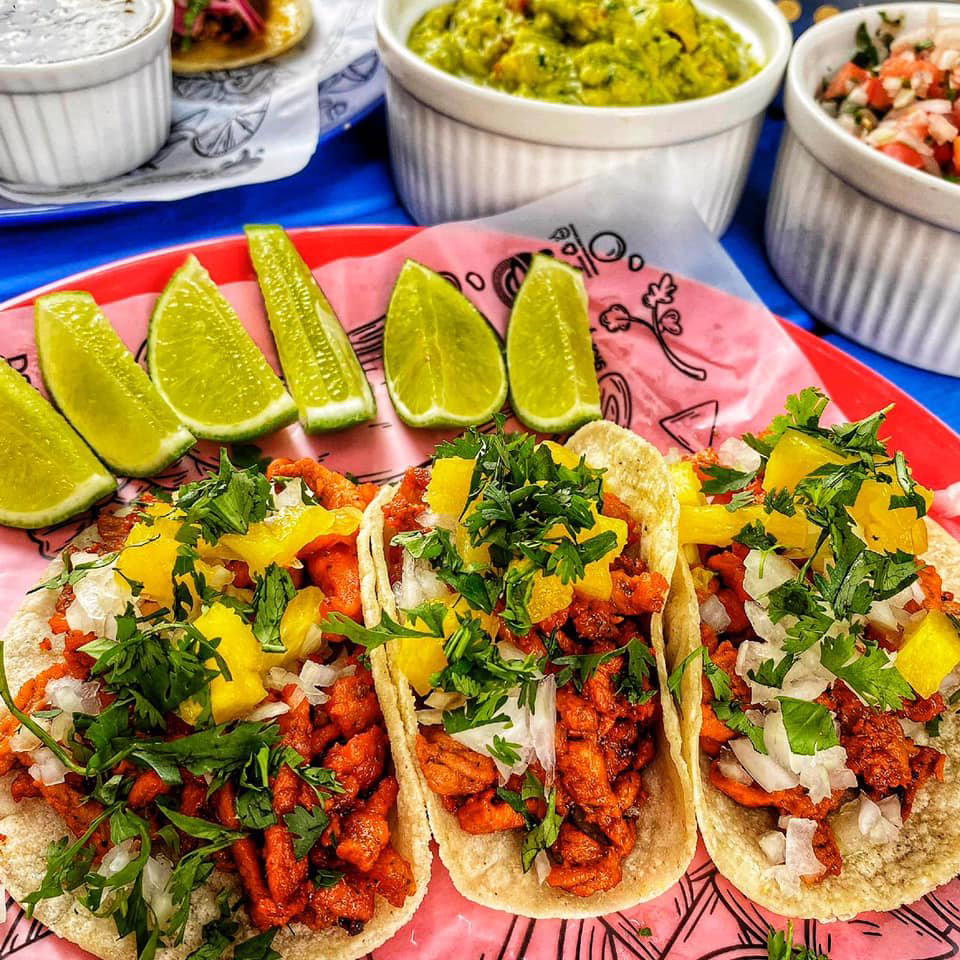
Stone, Fire, and the Logic of Mexican Ritual in Getafe
The molcajete and the tejolote, the volcanic basalt mortar and its pestle, are among the oldest continuously used culinary instruments in the world. Long before the taco became global shorthand for Mexican food, these tools were grinding chillies, tomatoes, and seeds into salsas and pastes with a texture that no blender replicates: slightly coarse, aerated by the porous stone, carrying the faint mineral signature of the rock itself. A restaurant that takes those tools as its name is making a specific argument about what kind of Mexican cooking it intends to practise. Restaurante Molcajete & Tejolote GETAFE is an Authentic Mexican restaurant in Getafe, Madrid, with. On Calle Valdemoro in Getafe, Restaurante Molcajete & Tejolote makes that argument with its signage before you step through the door.
Getafe sits in the southern metropolitan belt of Madrid, a city that has developed a genuine dining culture largely independent of the capital's scene. While Madrid's centre draws international attention, DiverXO in Madrid operates at a different register entirely, Getafe's restaurants answer to a local clientele with specific expectations around value, consistency, and familiar formats. Within that context, a restaurant named for pre-Columbian kitchen tools is a deliberate statement of culinary positioning.
The Ritual Architecture of the Meal
Mexican dining, at its most traditional, is organised around a sequence of preparations that reward patience. Salsas arrive first, often made to order in the stone vessel that gives this restaurant its name, and the pace of the table follows from there. This is not fast-casual Mexican; the molcajete as a serving vessel, filled with braised proteins, vegetables, and sauce, kept warm by the heat-retentive stone, is a format that requires the table to sit with the dish, to work through it as it changes temperature and flavour over time. That unhurried cadence is part of what separates this register of Mexican cooking from the burrito-and-quesadilla tier that dominates European approximations of the cuisine.
Spain has a complicated but productive relationship with Latin American food traditions. The colonial exchange that moved ingredients between continents, tomatoes, chillies, cacao travelling east; pork, dairy, and wheat travelling west, left a culinary overlap that gives Spanish diners a familiarity with some Mexican flavours without full fluency in the cuisine's deeper logic. A restaurant in this mould can work that familiarity strategically, introducing smoke and acid and dried-chilli complexity to palates already attuned to bold, ingredient-forward cooking. Elsewhere in Getafe, the city's international range is visible in venues like El Libanés for Lebanese cooking and La Venganza De Malinche, which takes a different approach to Mexican traditions. The neighbourhood also supports Celestial Burger for more casual formats and Asador Errazki for Basque-inflected grilling, alongside Casa de Pías (Modern Cuisine) at the contemporary end of the local spectrum.
What the Name Commits To
Naming a restaurant after kitchen tools rather than a place, a chef, or an aspirational concept is a form of editorial restraint. It commits the kitchen to a method. The molcajete demands hand-ground salsas; the tejolote implies physical labour over mechanical shortcuts. This is the same instinct that drives the farm-to-table framing in fine dining, but expressed through a longer lineage. The stone tools that appear in Aztec-era codices are the same tools used in Mexican home kitchens today, and a restaurant that centres them is claiming continuity with that tradition rather than a reimagined version of it.
That claim is most visible in how the salsas function at the table. In Mexican cooking, salsa is not a condiment in the European sense, a small bowl on the side, optional, decorative. It is structural: the flavour base that ties proteins and starches together, the element that changes the dish's register depending on whether it carries dried ancho depth or fresh tomatillo brightness. A kitchen that grinds these to order, in stone, is signalling that the salsa is the point, not the garnish.
Getafe as a Context for This Kind of Restaurant
Spain's most celebrated restaurants operate at a scale and register that sits far from Getafe's Calle Valdemoro. El Celler de Can Roca in Girona, Arzak in San Sebastián, Azurmendi in Larrabetzu, Mugaritz in Errenteria, Martin Berasategui in Lasarte-Oria, Quique Dacosta in Dénia, Aponiente in El Puerto de Santa María, Ricard Camarena in València, and Cocina Hermanos Torres in Barcelona all operate within a fine-dining infrastructure built around tasting menus, deep wine lists, and critical recognition. This restaurant occupies a different function entirely: it is neighbourhood dining organised around a specific culinary tradition, in a part of the Madrid metropolitan area where that tradition is not crowded out by competition. That relative scarcity gives it a clarity of purpose that restaurants in denser markets sometimes lose.
Internationally, the comparison points for serious Mexican cooking in European cities trend toward London and Paris, where a generation of Mexican chefs trained in fine-dining environments have opened destination restaurants. Spain has been slower to develop that tier outside of a handful of Madrid addresses. A restaurant in Getafe working from traditional tools and methods is operating in a gap rather than against direct competition. For readers who benchmark against restaurants like Atomix in New York City or Le Bernardin in New York City, the register is different, but the commitment to technique as a foundational value has a parallel logic.
Cuisine Lens
Comparable venues nearby, for context on price, style, and recognition.
| Venue | Cuisine | Price | Notes |
|---|---|---|---|
| Restaurante Molcajete & Tejolote GETAFEThis venue — the venue you are viewing | Authentic Mexican | $$ | Not listed |
| Asador Errazki | Basque and Navarre Grill | $$$ | Getafe |
| La Venganza De Malinche | Authentic Mexican Taqueria | $$ | Getafe centro |
| Restaurante El Tostadero. | Spanish Gastrobar | $$$ | La Cibelina |
| Celestial Burger | Modern American Burgers | $$ | Getafe |
| La Trasiega | Modern Spanish Market Cuisine | $$$ | Getafe |
Continue exploring
More in Getafe
Restaurants in Getafe
Browse all →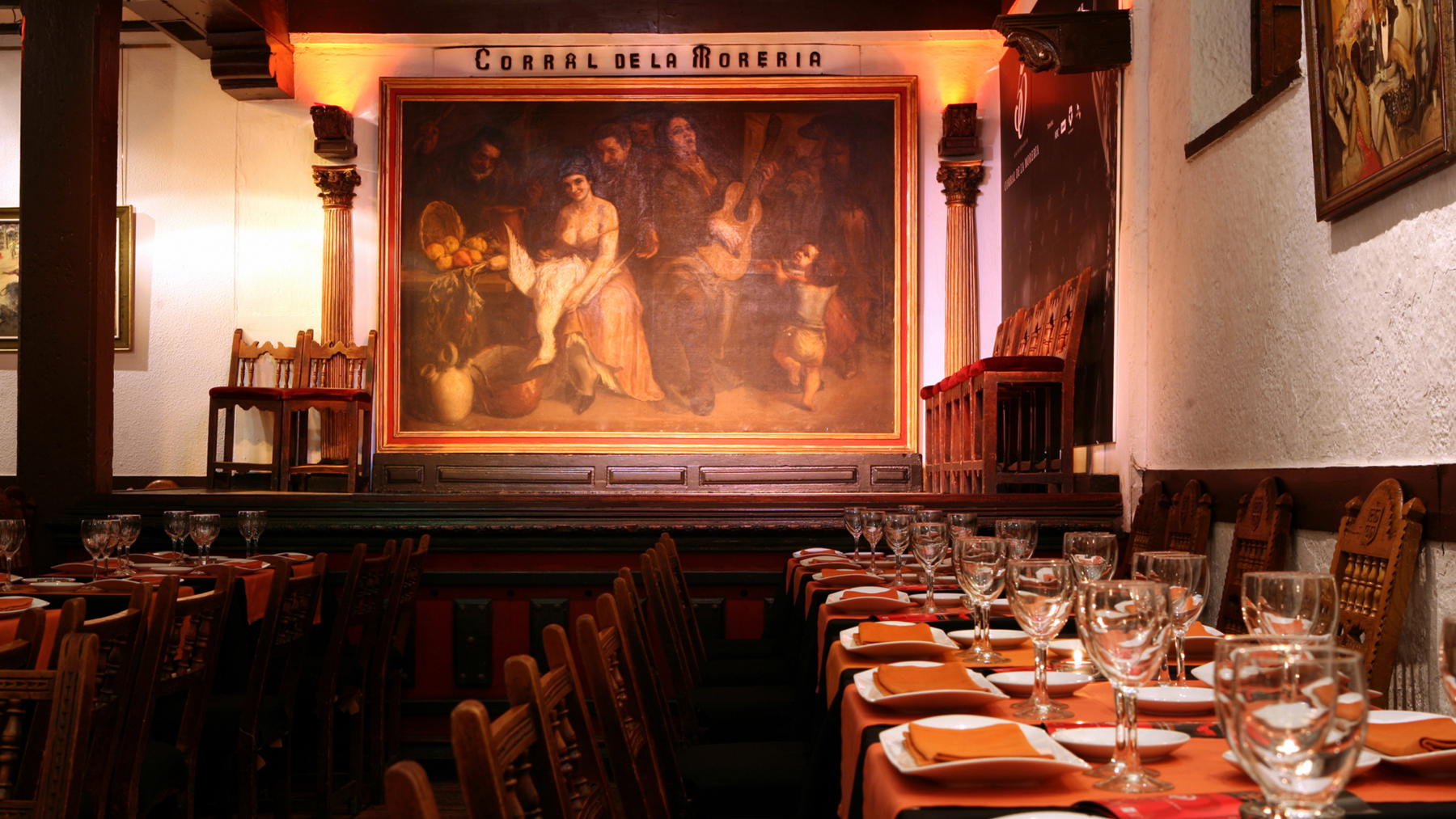
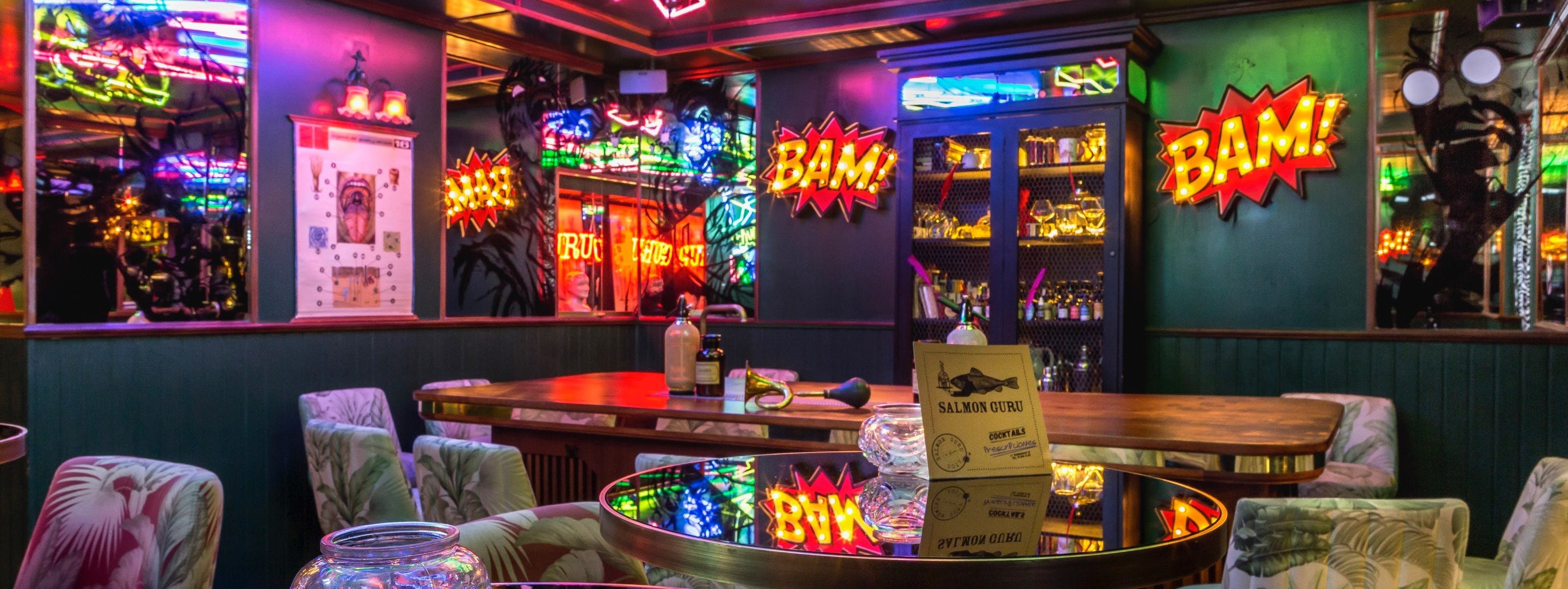
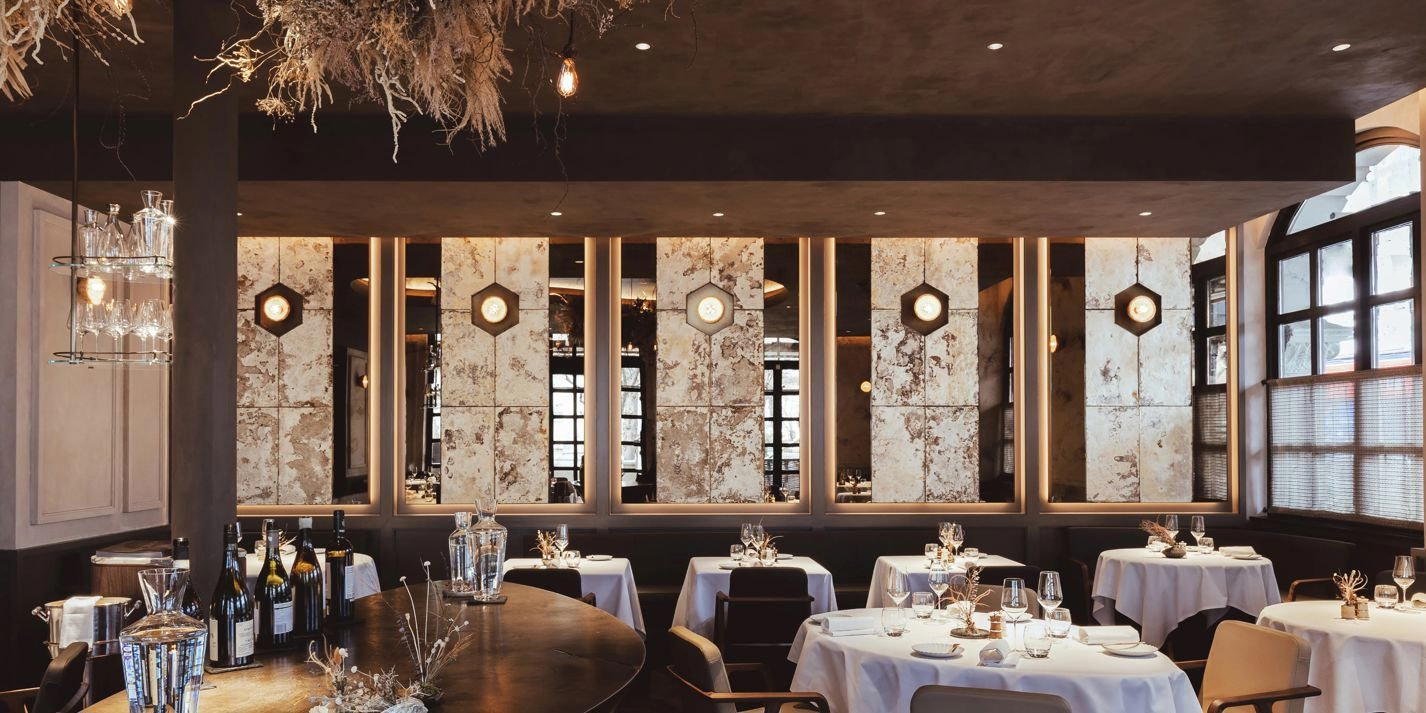
Bars in Getafe
Browse all →
Hotels in Getafe
Browse all →


At a Glance
- Cozy
- Lively
- Casual
- Family
- Group Dining
- Casual Hangout
- Standalone
- Beer Program
Current opening hours
- Monday
- Closed
- Tuesday
- 8–11:30 PM
- Wednesday
- 8–11:30 PM
- Thursday
- 8 PM–12 AM
- Friday
- 1:30–5 PM, 8 PM–12 AM
- Saturday
- 1:30–5 PM, 7:30 PM–12 AM
- Sunday
- 1:30–5 PM, 8–11 PM
Hours can change for holidays and private events. Last verified .
Warm and intimate cozy atmosphere with lively Mexican character; small but welcoming space with attentive service.