
Canto Redondo gives Amarante’s bistro tradition a contemporary reading: local ingredients, Portuguese recipes, and a lighter creative hand rather than formal fine-dining ceremony. Chef Emiliano Savio’s kitchen fits a city where river-town hospitality, Minho produce, and Douro-adjacent wine culture meet at the table.
Pearl is the En Primeur Club membership app — saves, bookings, and concierge access live there. Same editors, same standards.
- Address
- Largo do Paço 6
- Phone
- +351 255 410 830
- Website
- widget.thefork.com
- Directions
- Get directions
 Saves & bookings on Pearl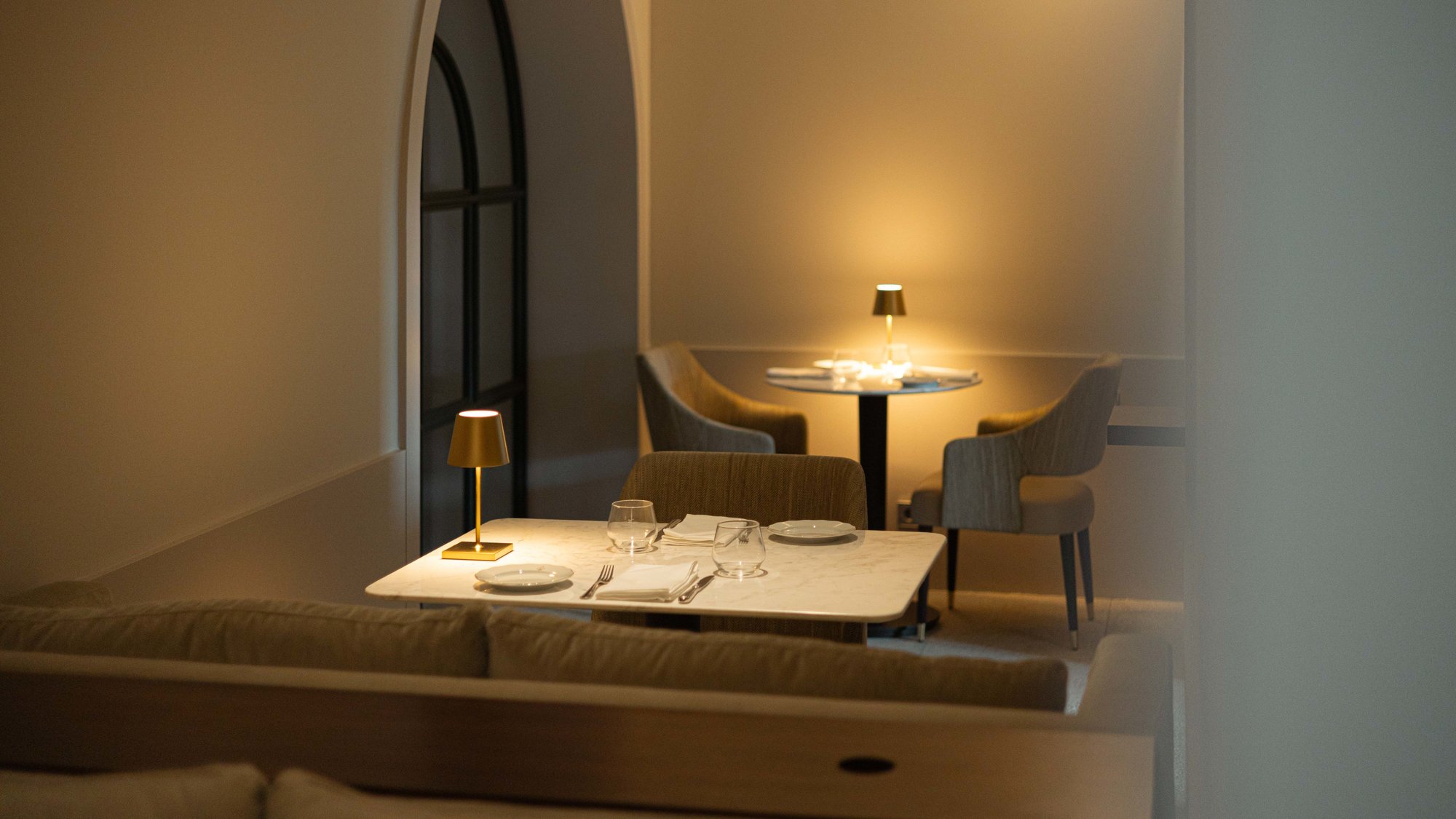
Amarante’s dining rhythm is set by stone, river light, and the slower tempo of a northern Portuguese town that has never needed to perform urban urgency. Around the historic centre, restaurants tend to speak in a familiar register: regional produce, generous cooking, and a respect for dishes that travel through households before they reach restaurant menus. Casa da Calçada (Portugese) and Largo do Paço (Portuguese Traditional) sit close to the more formal end of that local conversation; Canto Redondo works in a looser bistro key, where tradition is allowed to move without being stripped of its accent.
Portuguese bistro cooking with Amarante soil under it
The useful way to read this restaurant is not as a break from Portuguese cooking, but as a smaller-format correction to two common extremes: rustic nostalgia on one side, tasting-menu formality on the other. Bistro-style cuisine gives the kitchen room to keep pleasure at the centre, while fresh local ingredients anchor the cooking in the region rather than in a generic contemporary European template. That matters in Amarante, where the city’s position in northern Portugal gives the table a different mood from Lisbon’s cosmopolitan dining rooms or the Algarve’s seafood-led resort circuit.
The stated culinary idea is clear: traditional recipes are updated, with contemporary turns rather than wholesale reinvention. Chef Emiliano Savio is the named kitchen lead, but the stronger editorial point is the format. In Portugal, the modern bistro has become a useful middle lane for cooks who want access to local producers and regional memory without committing every plate to heritage preservation. Canto Redondo belongs to that lane: accessible in spirit, creative in tone, and more interested in appetite than ceremony.
That places it beside a broader Portuguese pattern. In Lisbon, 100 Maneiras in Lisbon shows how authorial cooking can pull from national references while speaking an urban language. In Porto and Vila Nova de Gaia, 1638 Restaurant & Wine Bar in Porto and 1638 Restaurant by Nacho Manzano in Vila Nova de Gaia sit in a more wine-and-destination dining frame. Canto Redondo’s point is quieter: a town-scale bistro reading of Portuguese food, with provenance doing more work than theatre.
Where the northern Portuguese table gets less rigid
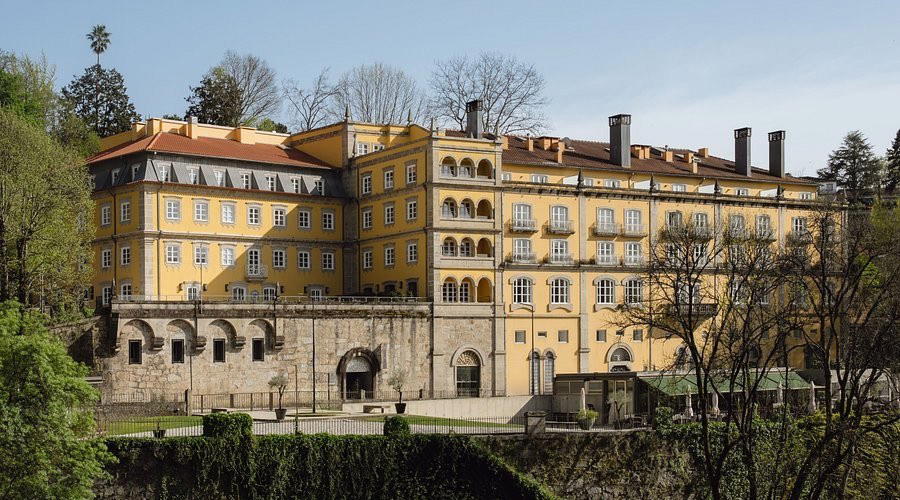
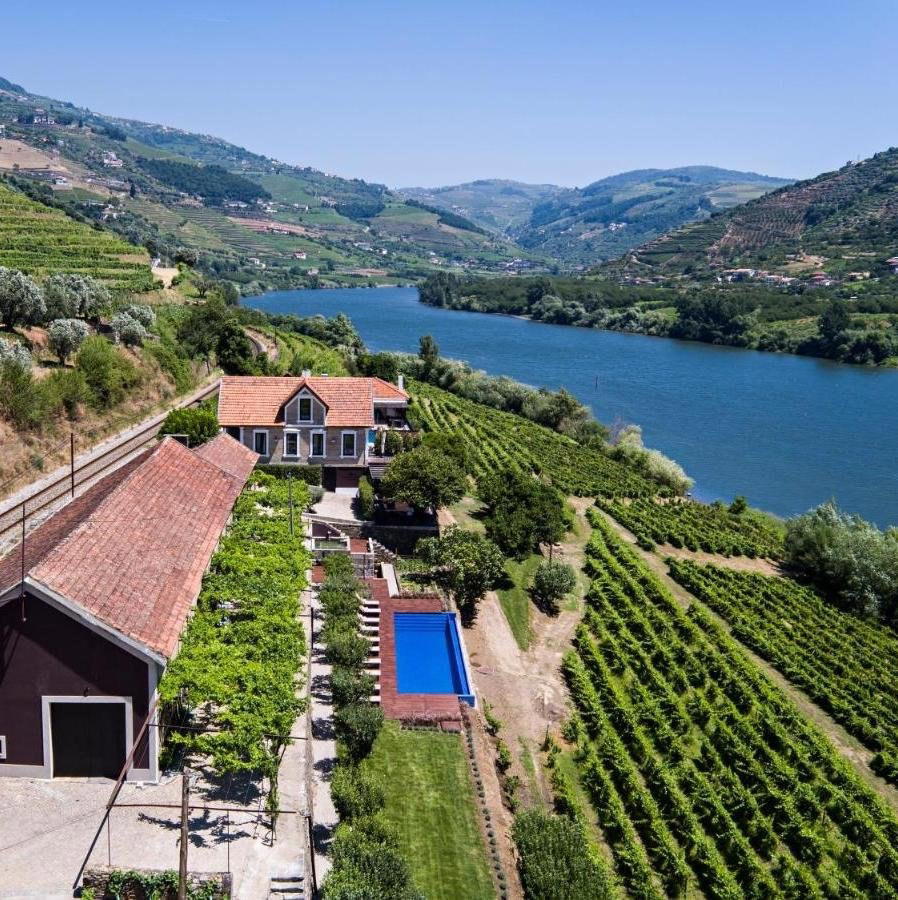
Amarante is not a city of anonymous restaurant rows. Its appeal lies in compression: historic streets, hotel dining, river-facing walks, and small addresses that make sense as part of a day rather than as isolated appointments. For a wider read on the city’s dining map, Our full Amarante restaurants guide is the natural companion, especially when pairing a bistro meal with the area’s hotel, bar, winery, and cultural options through Our full Amarante hotels guide, Our full Amarante bars guide, Our full Amarante wineries guide, and Our full Amarante experiences guide.
The ingredient argument is the strongest one here. Northern Portuguese cooking is often defined by depth rather than flash: greens, river and inland traditions, preserved know-how, and wines that carry the influence of nearby regions. A bistro format can either flatten that identity into familiar plates or sharpen it by letting produce and recipe memory lead. The restaurant’s stated emphasis on fresh, local ingredients points to the latter ambition. The value is not in novelty for its own sake; it is in making inherited cooking feel current without sanding away its regional grain.
Portugal’s smaller-city restaurants often make their case through proportion. 16Legoas in Peso da Régua belongs to a Douro context where wine country shapes expectations before the first course. 34 in Guimaraes works from another historic northern city with its own civic identity. 3 Pipos in Tonda and A Bolota in Terrugem underline how regional restaurants outside major capitals can carry serious local meaning without adopting metropolitan codes. Amarante fits that pattern, and this address reads strongest when judged on that scale.
A relaxed choice for diners who want context, not choreography
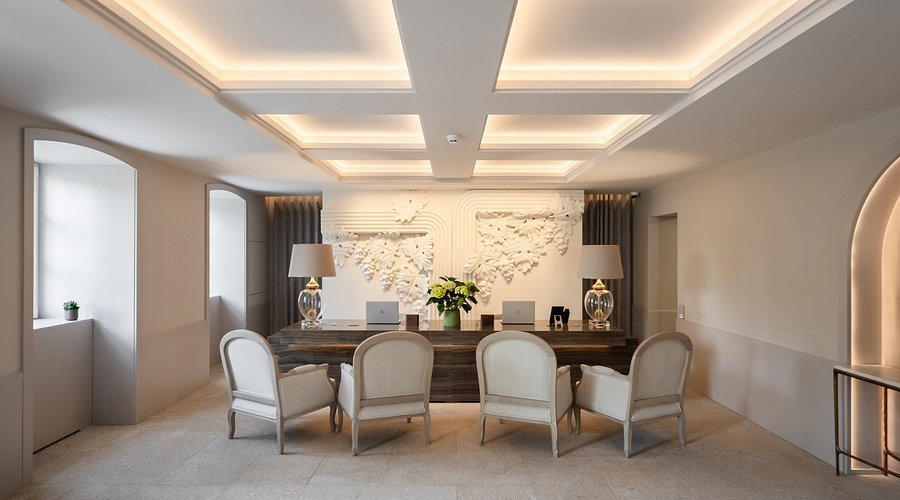
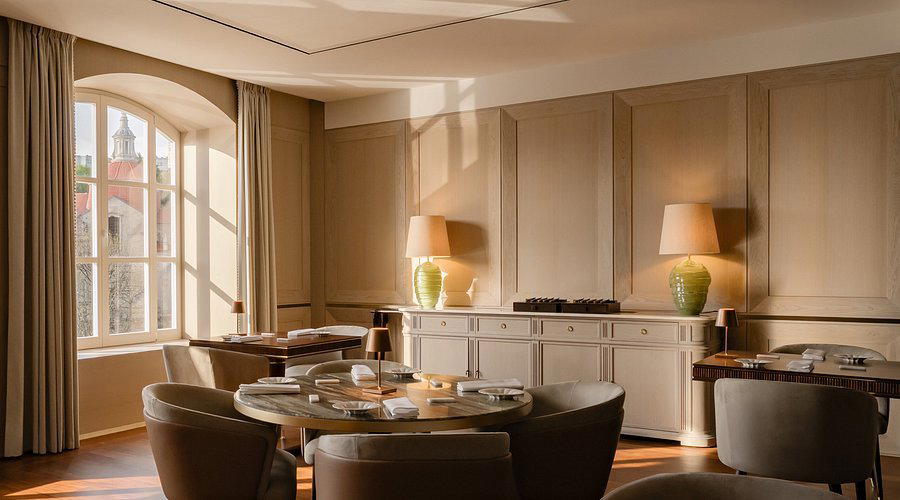
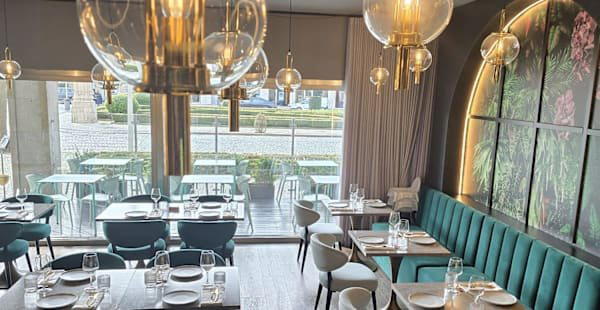
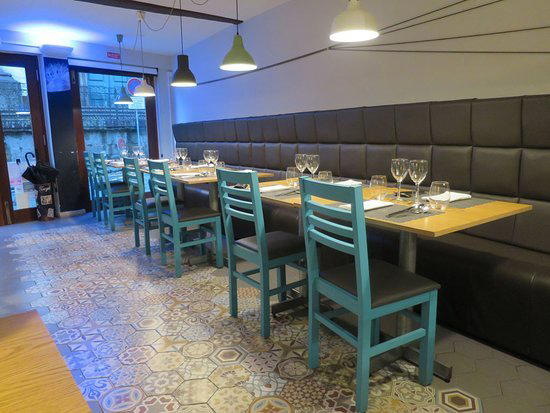
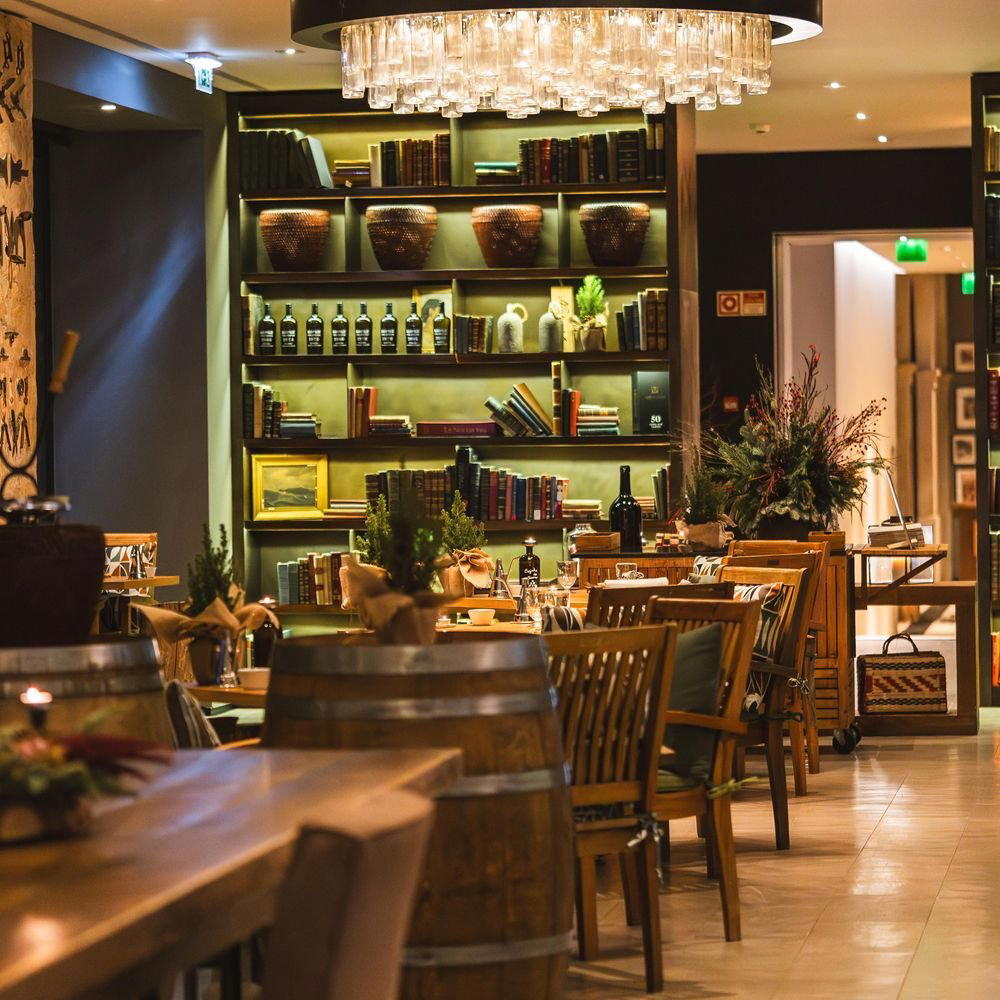
The room’s appeal is described through elegance rather than spectacle, which suits the bistro brief. This is not the setting for diners seeking a rigid fine-dining sequence or a destination built around formal service cues. It is better understood as a Portuguese restaurant with a contemporary pulse, useful for travellers who want the city’s food culture in a less ceremonial register after seeing the historic centre or staying locally.
There is also a practical editorial distinction to make. Bistro-style cooking travels well across countries, but its meaning changes by place. Artefact, Bistro-style cuisine in Québec and Avaton Bar, Bistro-style cuisine in Halkidiki may share the same broad category, yet their regional logic is entirely different. In Amarante, the form is useful because it can translate Portuguese comfort, local sourcing, and creative updates into a meal that does not require the stiffness of occasion dining.
For travellers building a northern Portugal route, the smarter comparison is not only with nearby formal rooms but with the day’s rhythm. À Margem offers another Amarante reference point, while coastal and southern addresses such as 2 Passos in Almancil show how far Portuguese restaurant identity shifts with geography. The restaurant’s place in that national picture is specific: a small-city bistro where provenance, updated tradition, and ease carry the argument. Choose it when the meal should feel rooted in Amarante rather than detached from it.
At-a-Glance Comparison
Comparable venues by cuisine and price in the same metro.
| Venue | Cuisine | Price | Notes |
|---|---|---|---|
| Canto RedondoThis venue — the venue you are viewing | Portuguese Fine Dining | $$$ | Not listed |
| Largo do Paço | Modern Mediterranean with Portuguese influences | $$$$ | Amarante |
| Casa da Calçada | Modern Portuguese Mediterranean Fine Dining | $$$$ | Largo do Paço |
| Honest Greens | Healthy Mediterranean Bowls | $$ | Santo Ildefonso |
| Cajú | Healthy Mediterranean & Portuguese | $$ | Guimaraes |
| Casa de Chá da Boa Nova | Modern Seafood Fine Dining | $$$$ | Leça da Palmeira |
Recognition history
Dated appearances from independent guides and award organizations, with the underlying list record or original source where available.
Relais Chateaux Award
Relais Chateaux
At a Glance
- Elegant
- Sophisticated
- Classic
- Cozy
- Date Night
- Business Dinner
- Celebration
- Special Occasion
- Hotel Restaurant
- Standalone
Classic and elegant, with a seductive atmosphere, art-filled rooms, lilac-toned walls, armchairs, and large mirrors.