Brasserie Schwarzenstein


Brasserie Schwarzenstein sits in Geisenheim's Rosengasse, at the heart of one of Germany's most significant wine-growing towns in the Rheingau. The brasserie format places it in a tier between the region's castle-dining institutions and its more casual wine-tavern staples, making it a practical anchor for visitors combining vineyard exploration with a proper sit-down meal.
Pearl is the En Primeur Club membership app — saves, bookings, and concierge access live there. Same editors, same standards.
- Address
- Rosengasse 32, 65366 Geisenheim, Germany
- Phone
- +4949672299500
- Website
- burg-schwarzenstein.de
- Directions
- Get directions
 Saves & bookings on Pearl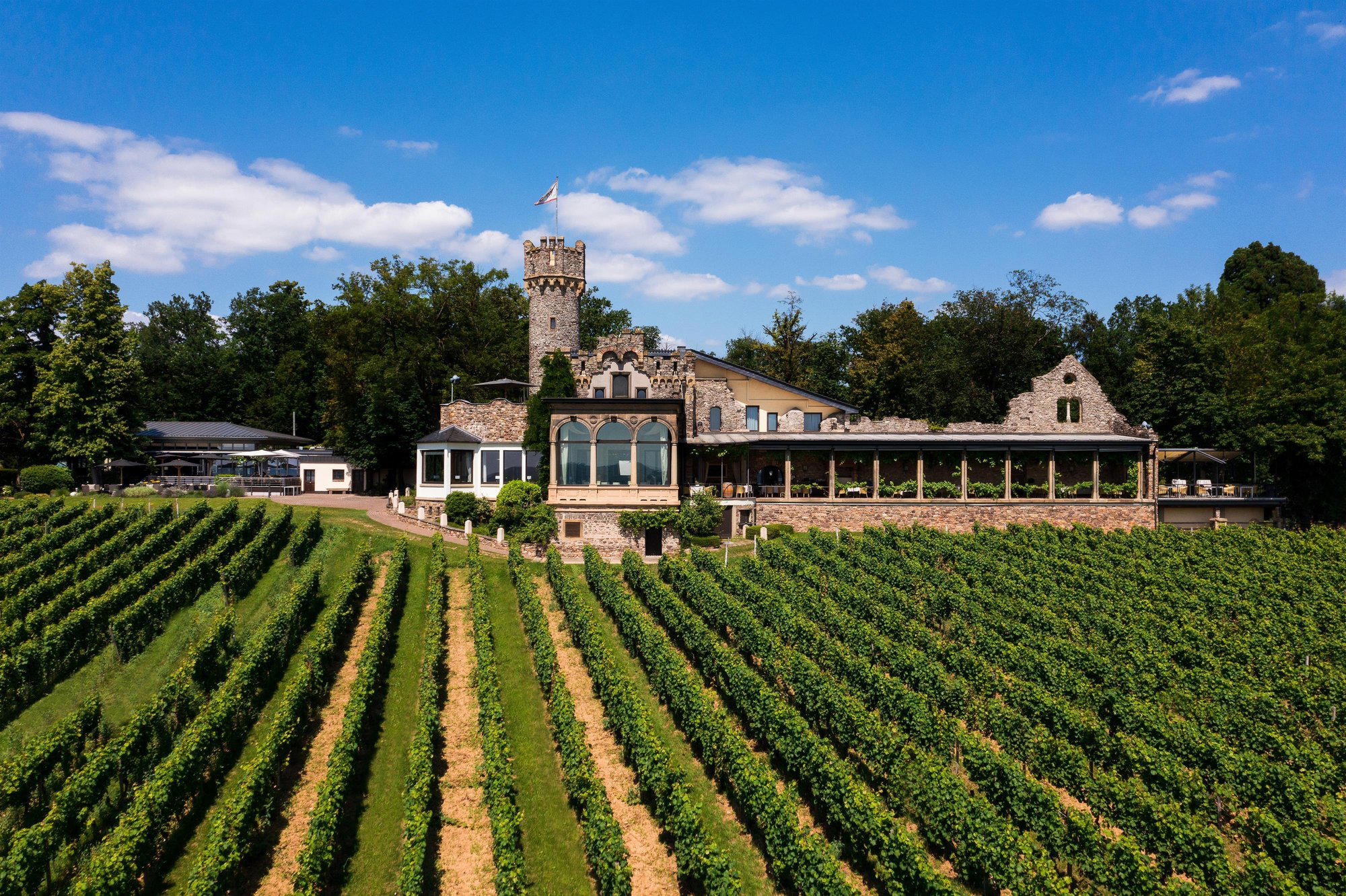
Where the Rheingau Comes to the Table
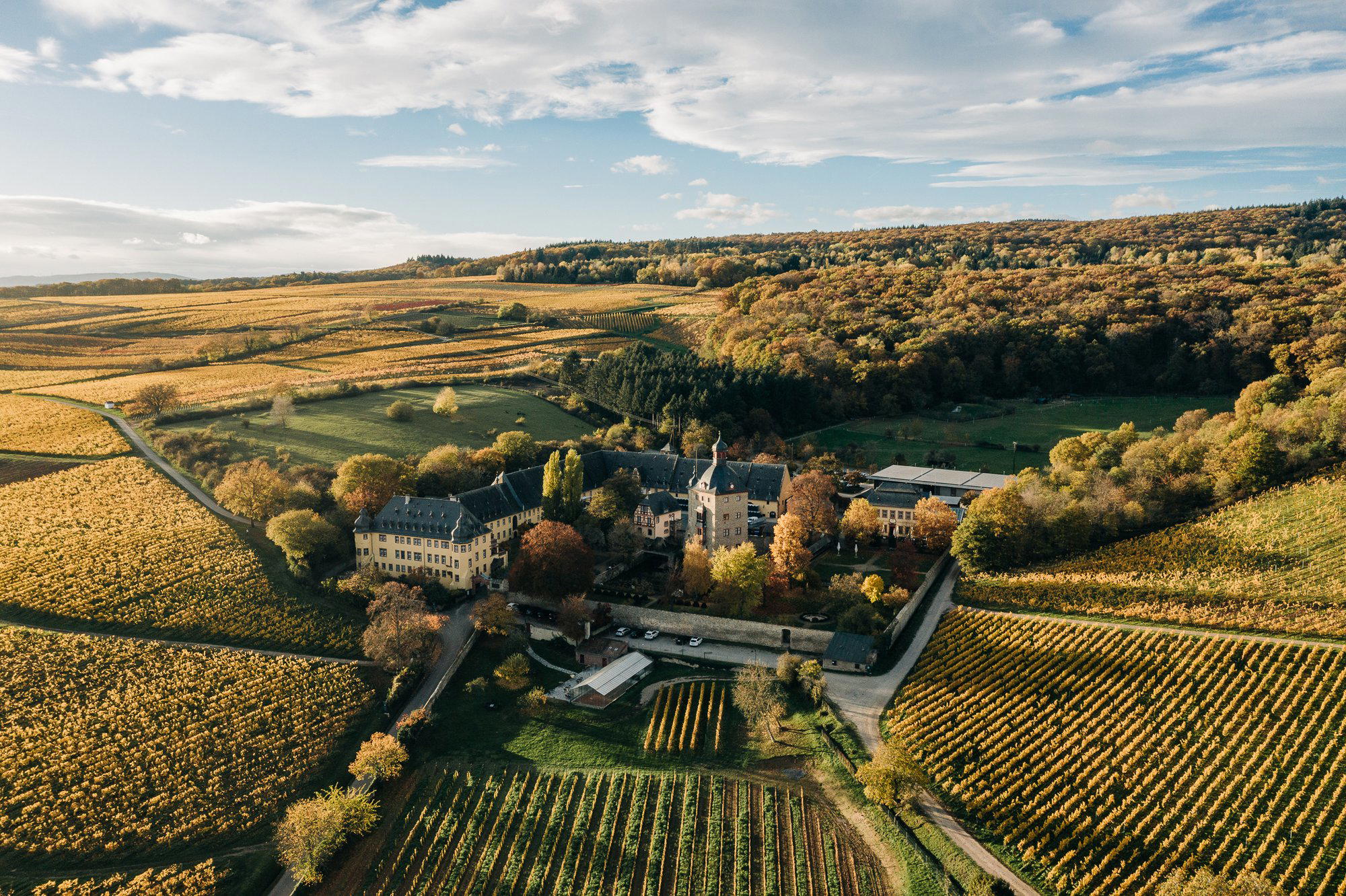
Geisenheim occupies a specific position in German food and wine culture that most visitors underestimate until they arrive. This is not a town that performs its wine identity for tourists — it houses one of Europe's most respected viticulture research universities, and the producers who shape Rheingau Riesling work fields that run almost to the town's edge. Restaurants operating here are, by proximity alone, embedded in an ingredient story that more celebrated dining cities have to construct artificially. Brasserie Schwarzenstein, on Rosengasse 32, sits within that context. The address is a short walk from the Rhine promenade and the vine-lined routes that define this stretch of the valley.
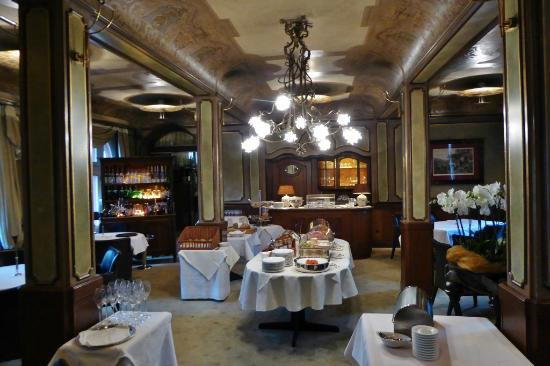
The brasserie format occupies a particular niche in German dining. It signals something more deliberate than a Weinstube but less ceremonial than the full fine-dining apparatus — a register that suits the Rheingau well, where the wines themselves are the main event and the food should hold its own without competing for attention. That positioning matters when you consider the rest of Geisenheim's dining options: Müllers auf der Burg operates at the €€€ classic cuisine tier inside a castle setting, while Burg Restaurant and Burgrestaurant anchor the traditional German end of the spectrum. Restaurant Schlossschänke and Zwei und Zwanzig round out a town that, for its size, carries a disproportionate concentration of sit-down options with genuine culinary intent. See our full Geisenheim restaurants guide for a broader map of the scene.
Ingredient Geography: What the Rheingau Provides
The editorial angle that matters most in a town like Geisenheim is sourcing, where the food comes from, and whether the kitchen's supply chain reflects the landscape outside the window. The Rheingau is not primarily a food-production region in the way that, say, the Moselle valley's kitchen gardens or the Black Forest's game and dairy traditions define those places. Its agricultural identity is almost entirely viticultural. But that singular focus has downstream effects: the estates that control these vineyards also manage some of the most carefully tended agricultural land in Germany, and the hospitality culture that has grown up around wine tourism creates demand for produce that local growers and market suppliers have learned to meet.
Brasserie cooking in a wine-forward context typically draws on what pairs: river fish from the Rhine, seasonal game from the Taunus hills to the north, locally grown asparagus in late spring (a serious ritual in this part of Hesse), and the kind of charcuterie and cheese traditions that cross the border influence of Alsace and the Palatinate. These are not niche or precious ingredient stories, they are the practical geography of what grows and moves through this corridor of Germany. A brasserie operating on Rosengasse is positioned to source from the same regional network that supplies the more formally structured restaurants in Wiesbaden and Frankfurt, forty minutes east by car or rail.
For comparison, the ingredient-sourcing discipline at Germany's most recognised restaurants, Schwarzwaldstube in Baiersbronn, Aqua in Wolfsburg, or Vendôme in Bergisch Gladbach, operates at a level of specificity and documentation that the brasserie tier rarely matches. But the Rheingau's comparative advantage is proximity: ingredients that arrive here travel shorter distances than they do to most urban kitchens in the country.
The Brasserie in Its Peer Context
Germany's fine dining conversation tends to concentrate on a handful of high-profile addresses: JAN in Munich, CODA Dessert Dining in Berlin, Victor's Fine Dining by Christian Bau in Perl, ES:SENZ in Grassau, Schanz in Piesport, Waldhotel Sonnora in Dreis, and Restaurant Haerlin in Hamburg. Brasserie Schwarzenstein does not operate in that tier. Internationally, the brasserie format at places like Le Bernardin in New York City or the community-dinner model of Lazy Bear in San Francisco shows what ambition within a format can look like. Schwarzenstein's version of the brasserie is shaped by a different set of pressures: the scale of the town, the wine-tourism calendar, and the expectation that the wine list will carry significant weight in the dining experience.
In the Rheingau, that is not a limitation. It is the premise. The restaurants that try to operate independently of the wine culture here tend to struggle for identity. Those that embed themselves in it, building menus that function as vehicles for Rheingau Riesling, Spätburgunder, and the occasional Weissburgunder from the cooler Taunus-facing slopes, find a natural audience among the estate visitors, the university community, and the Frankfurt clientele that treats this stretch of the Rhine as its weekend dining corridor.
Planning a Visit
Geisenheim is accessible from Frankfurt in under an hour by regional train, with the line running along the Rhine through Wiesbaden and Rüdesheim. The town itself is compact enough to walk between the riverside, the university district, and Rosengasse without needing a car. For visitors combining a meal at Brasserie Schwarzenstein with a broader day in the region, the spring asparagus season (late April through June) and the autumn harvest period (September through October) represent the strongest moments to visit, both for ingredient quality on local menus and for the energy the winemaking calendar brings to the towns along this stretch of the Rhine. Booking ahead is advisable during harvest weekends, when the region draws visitors from across Germany and the Netherlands.
In Context: Similar Options
| Venue | Cuisine | Price | Awards |
|---|---|---|---|
| Brasserie SchwarzensteinThis venue — the venue you are viewing | This venue | Not listed | Not listed |
| Burg Restaurant | German Traditional | German Traditional | Not listed |
| Müllers auf der Burg | Classic Cuisine | €€€ | Classic Cuisine, €€€ |
Recognition history
Dated appearances from independent guides and award organizations, with the underlying list record or original source where available.
Michelin Plate
Michelin · 2026 Michelin Plate
Relais Chateaux Award
Relais Chateaux
Continue exploring
More in Geisenheim
Restaurants in Geisenheim
Browse all →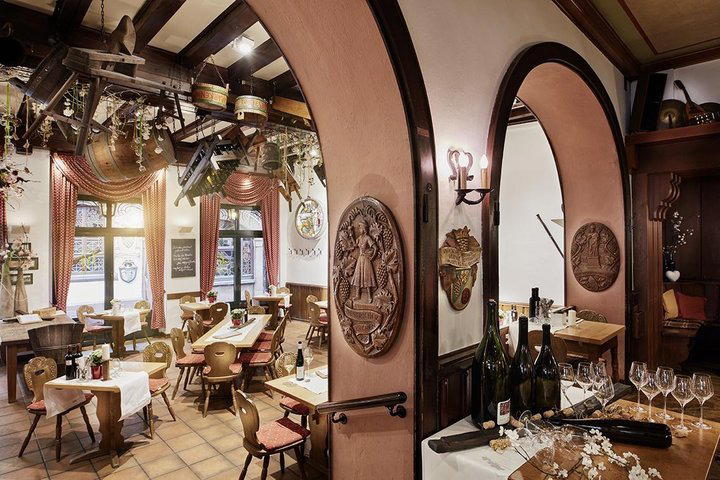
Bars in Geisenheim
Browse all →

Hotels in Geisenheim
Browse all →
At a Glance
- Elegant
- Sophisticated
- Scenic
- Date Night
- Special Occasion
- Business Dinner
- Terrace
- Historic Building
- Hotel Restaurant
- Extensive Wine List
- Local Sourcing
- Vineyard
- Street Scene
Current opening hours
- Monday
- Closed
- Tuesday
- Closed
- Wednesday
- Closed
- Thursday
- Closed
- Friday
- 6–10:30 PM
- Saturday
- 6–10:30 PM
- Sunday
- 12:30–2:30 PM, 6–10:30 PM
Hours can change for holidays and private events. Last verified .
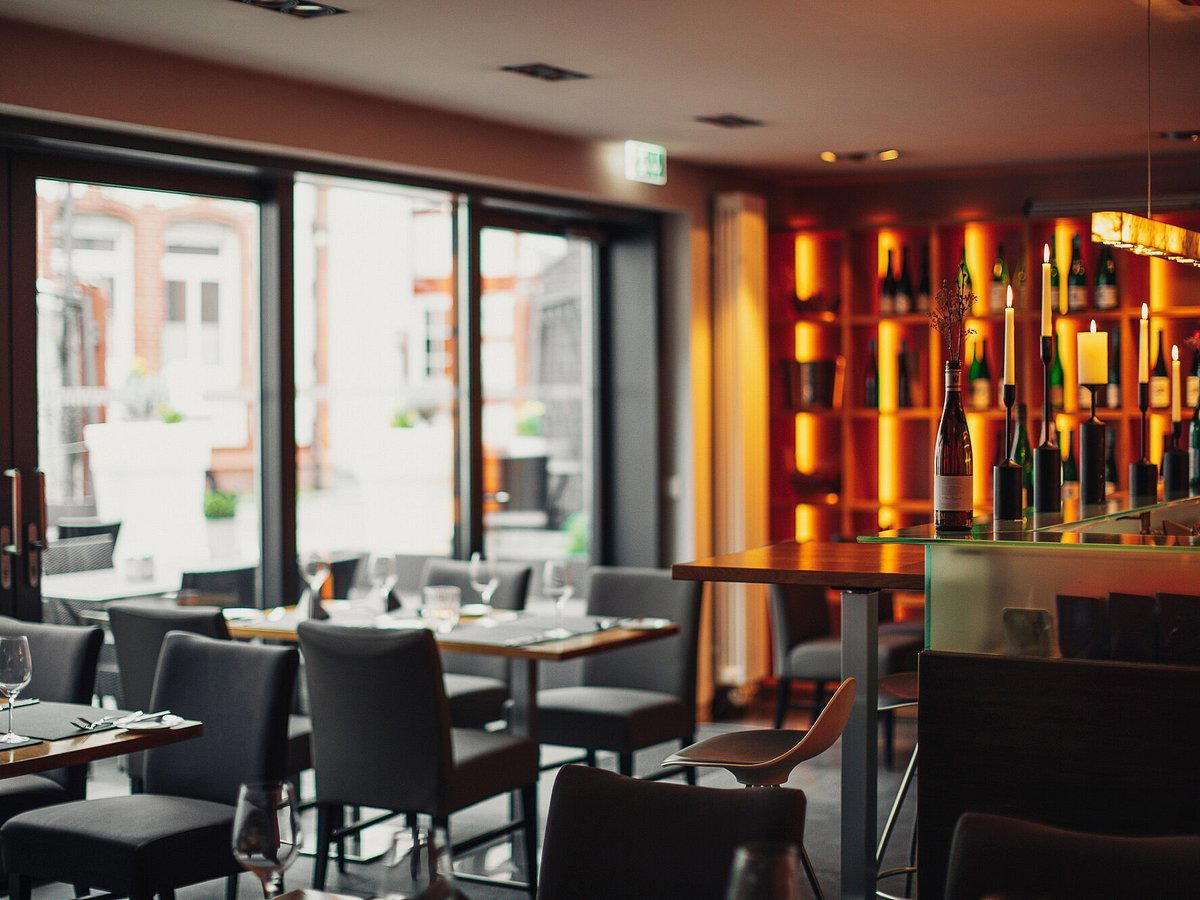
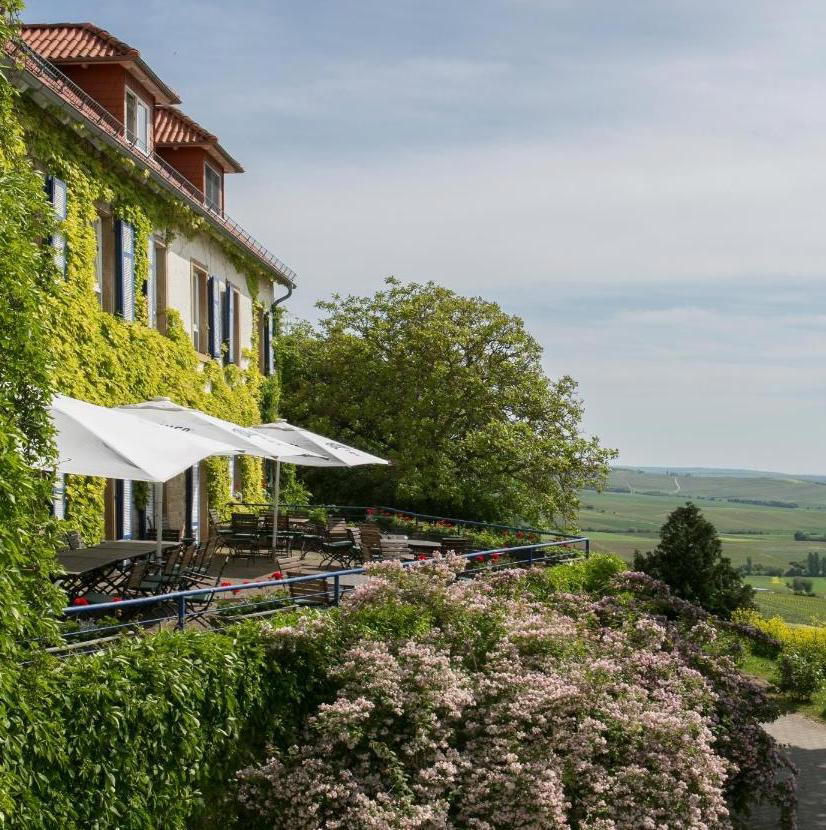
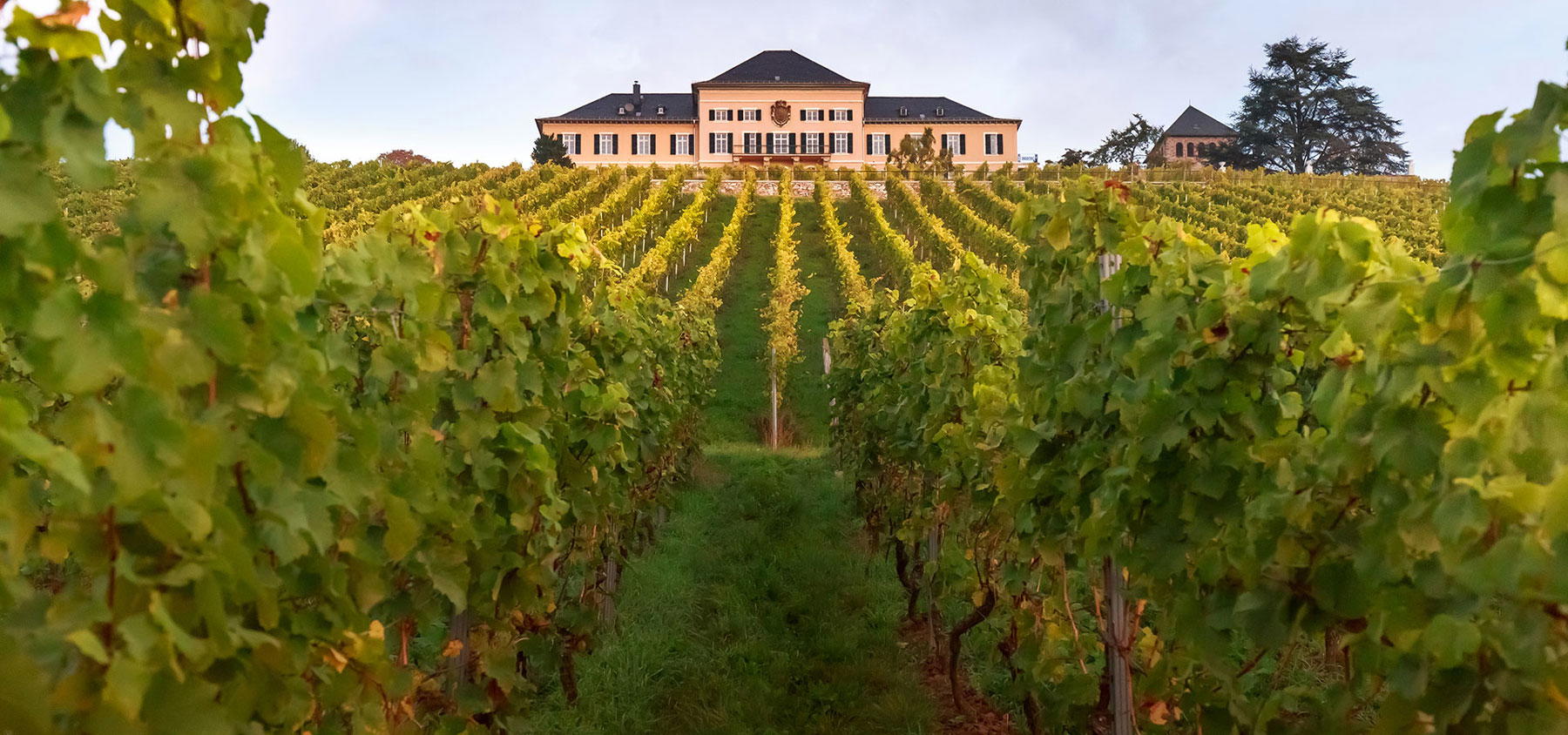
Elegant and relaxed atmosphere in a modern glazed pavilion with magnificent terrace views.
Know Before You Go
- Getting there
- Rosengasse 32, 65366 Geisenheim, Germany