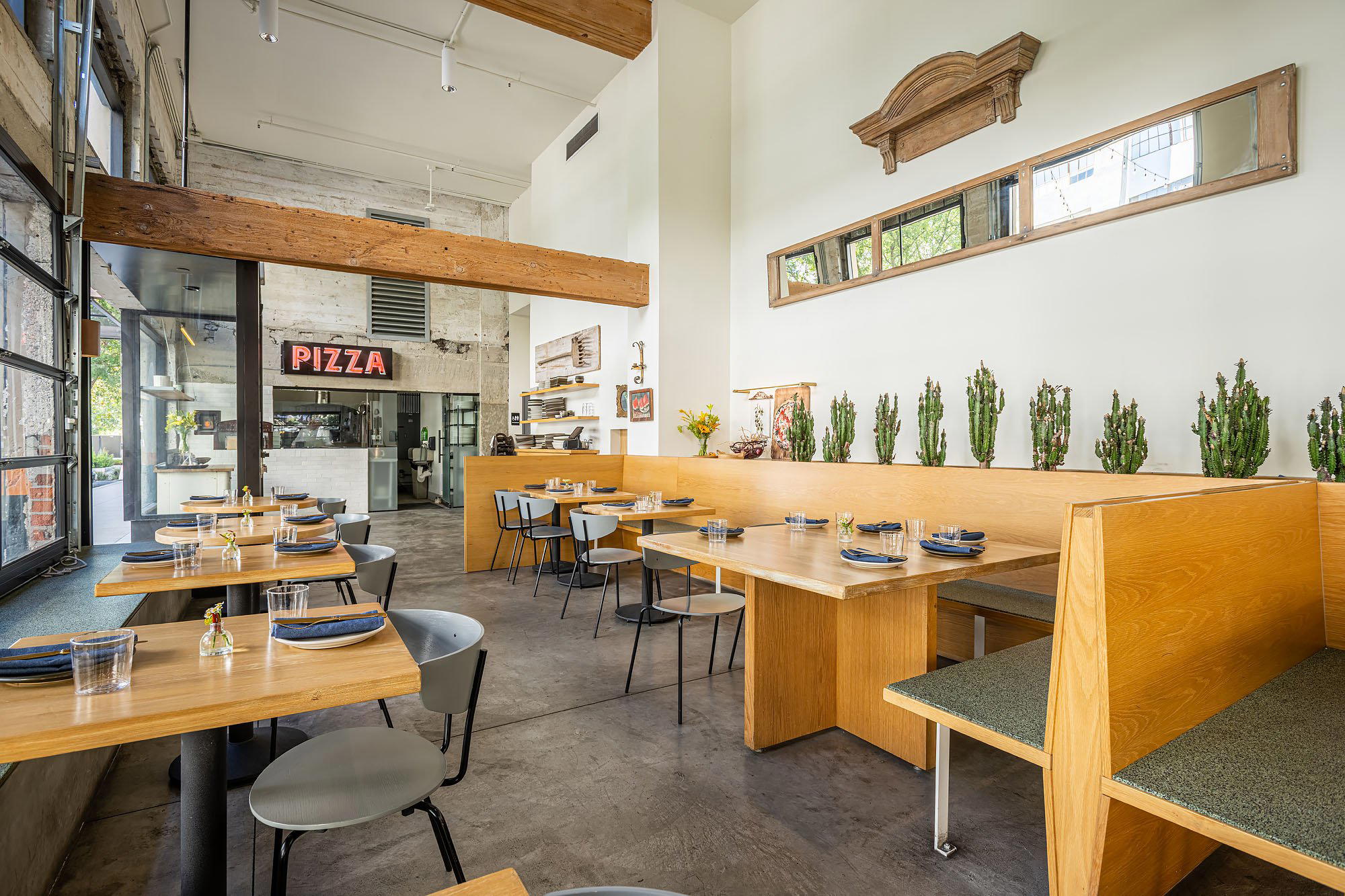
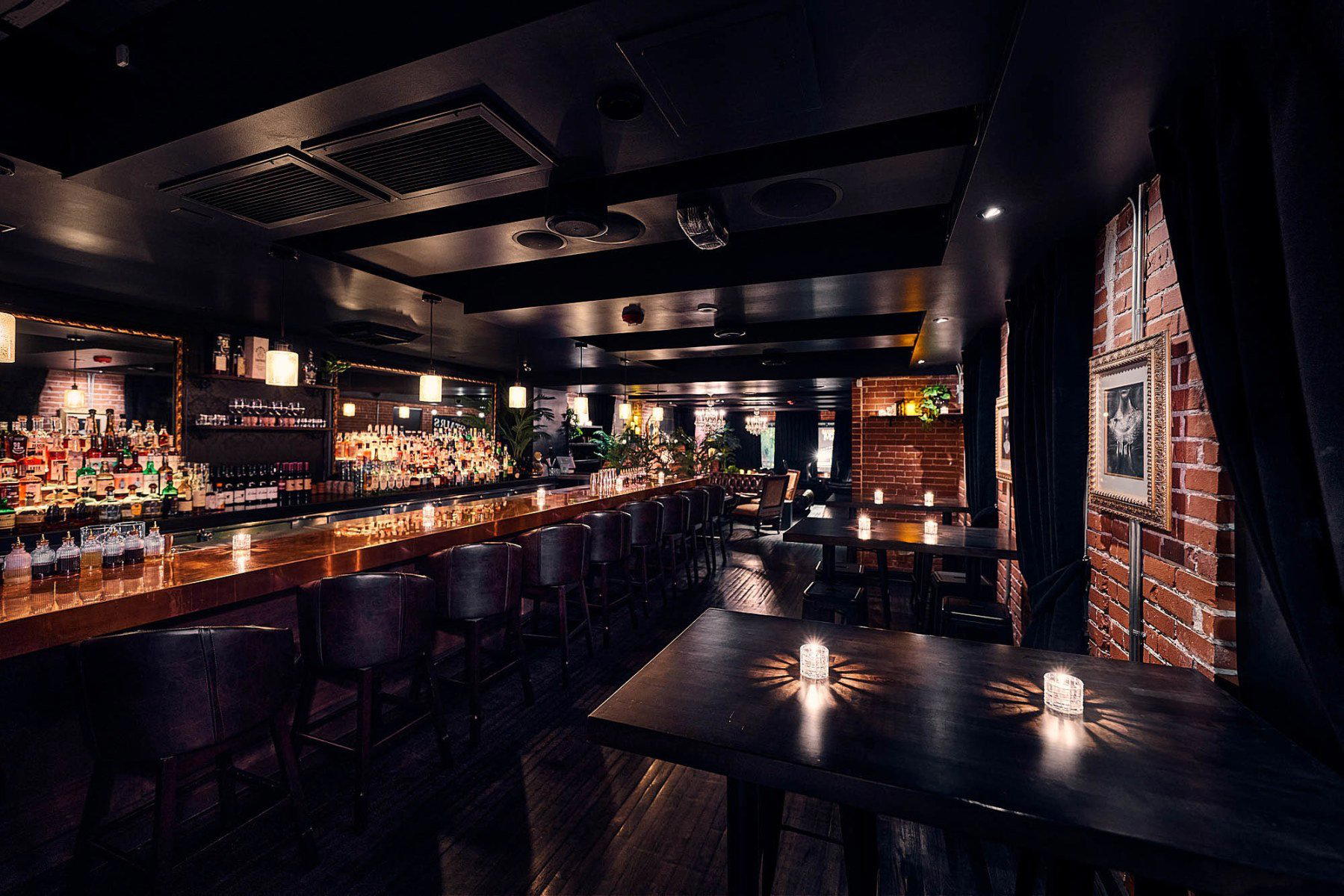
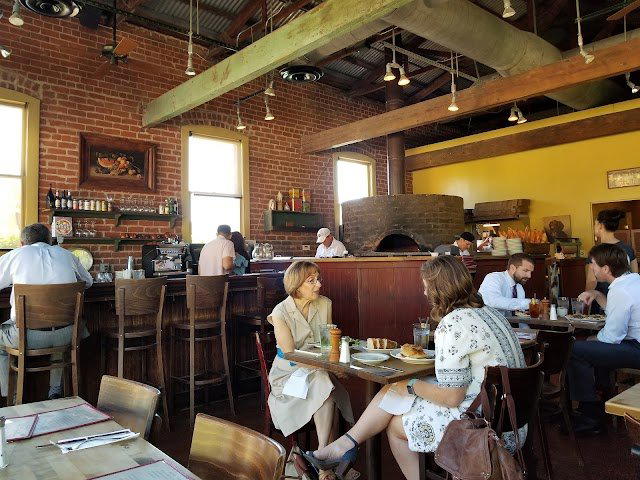
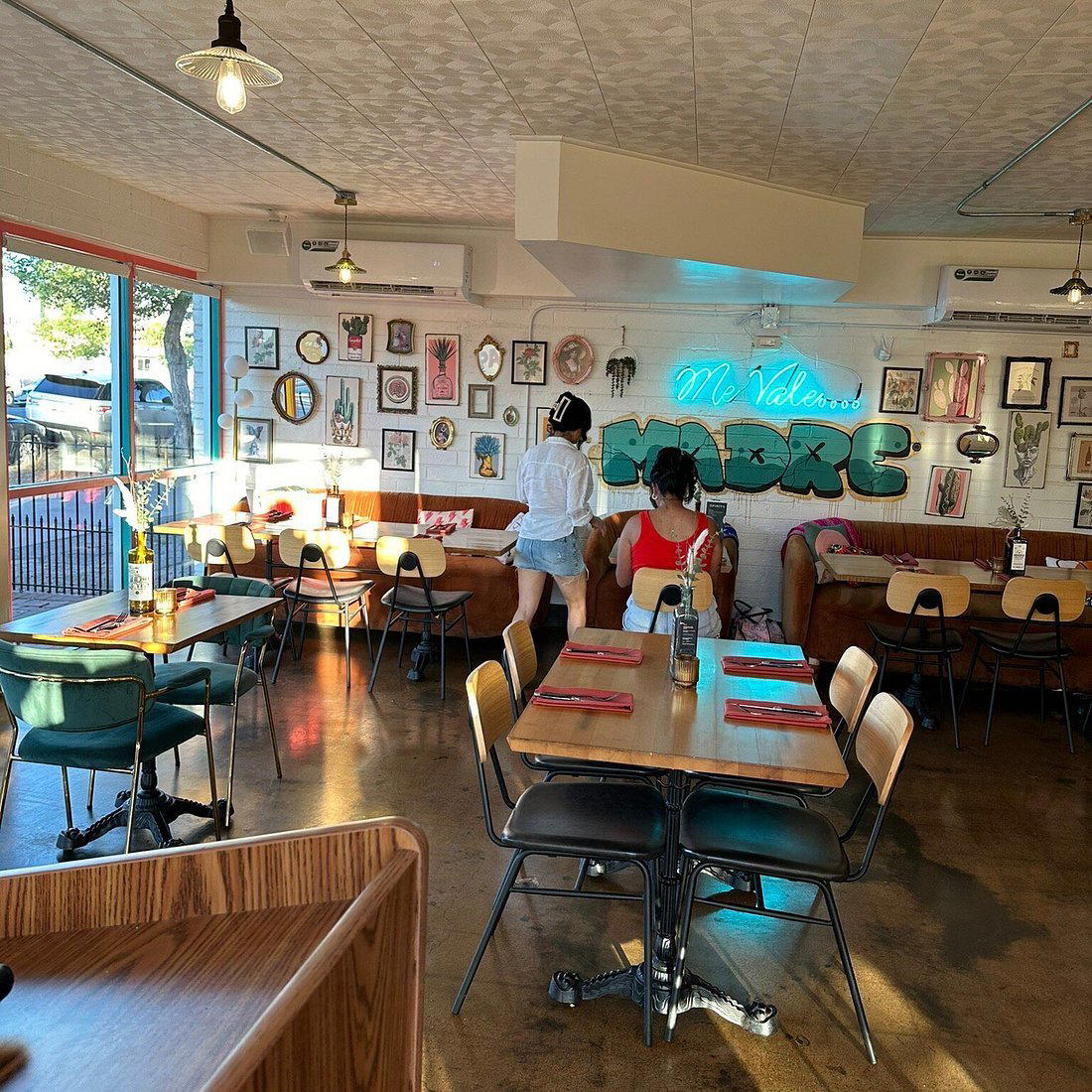
Restaurant Progress

James Beard Award Semi Finalist
Our verdict
Restaurant Progress occupies a mid-century address on West Montecito Avenue in Phoenix, operating within a neighbourhood where the city's dining identity is actively being renegotiated. The restaurant sits at a point in the Phoenix dining conversation where independent operators are pushing against the national-chain gravity that has defined much of the metro for decades. Its position on Montecito places it adjacent to some of the city's more considered independent dining.

Pearl is the En Primeur Club membership app, where members save venues, book tables and use the concierge.
The menu
What to order
- Scallop crudo
- Chicken and dumplings
- Strawberries and cream
West Montecito and the Phoenix Independent Dining Shift
Phoenix has spent the better part of two decades building a serious independent restaurant culture alongside its sprawling franchise geography. The stretch of central Phoenix that includes West Montecito Avenue sits within that independent corridor, a zone where operators have chosen neighbourhood addresses over the high-visibility corridors of Scottsdale or Camelback. Restaurant Progress, at 702 W Montecito Ave, belongs to this spatial logic: a deliberate address choice in a part of the city that rewards the kind of dining that doesn't announce itself from a highway billboard.
This pattern is not unique to Phoenix. Across American cities where mid-century commercial strips have been reclaimed by independent operators, the dynamic follows a recognisable arc: a neighbourhood that was overlooked becomes a proving ground, and the restaurants that establish themselves early tend to define the character of the block for years. West Montecito sits at a stage in that arc where enough serious operations have arrived to make the area legible to a dining-out audience, without yet becoming a destination in the way that, say, Roosevelt Row has for galleries and bars.
The Sensory Register of the Neighbourhood
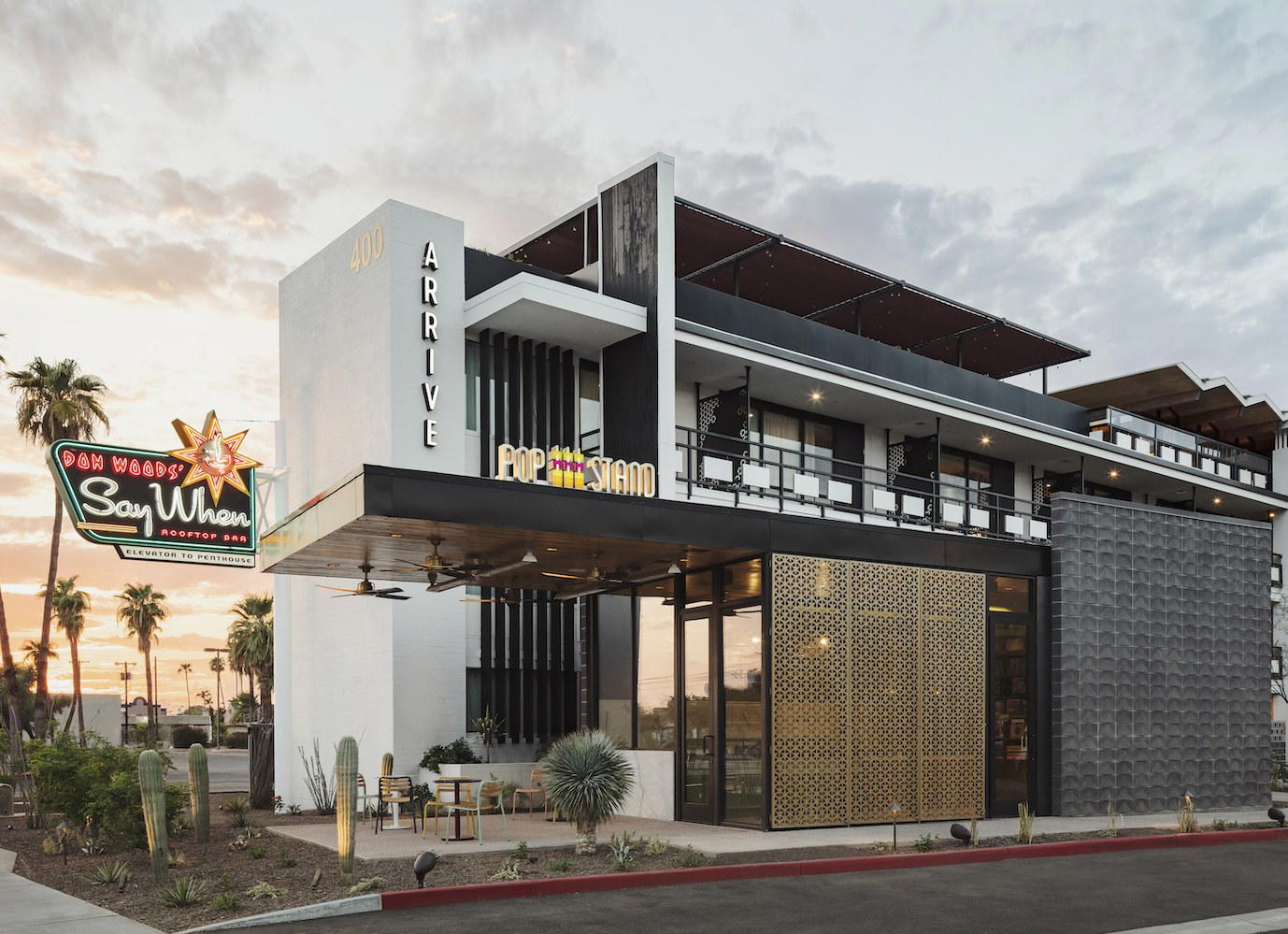
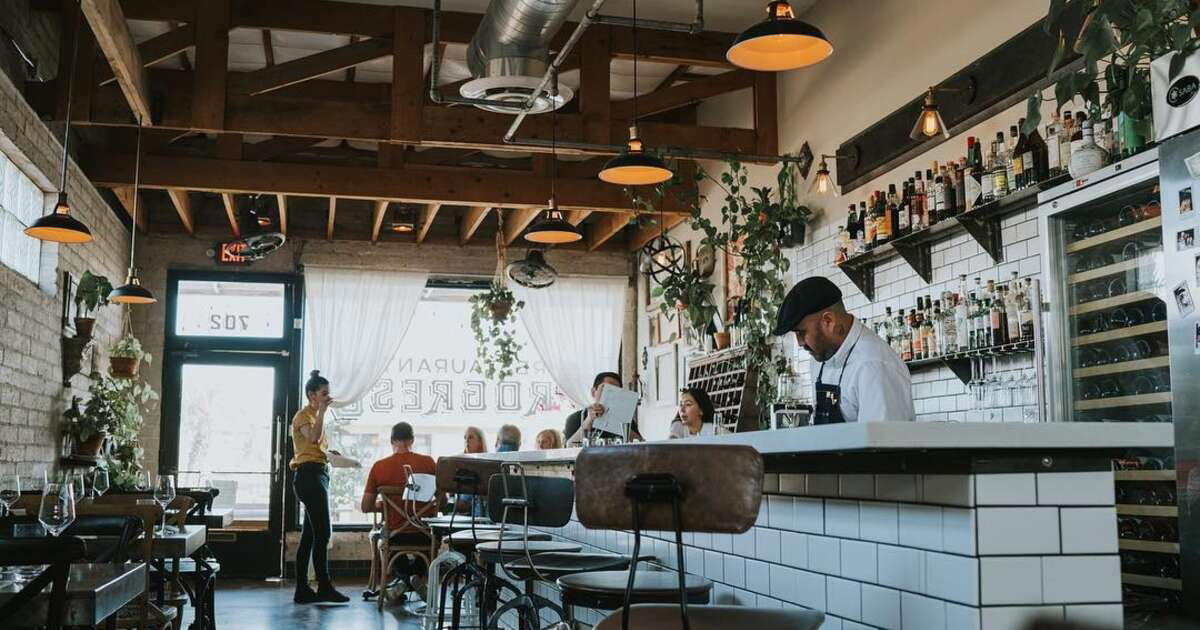
Arriving at this part of Phoenix carries a particular atmospheric quality that differs sharply from the city's glassy new-build restaurant districts. The streetscape is lower, quieter, and more heterogeneous, with mid-century commercial architecture sitting alongside newer infill. The light in central Phoenix at dusk has a quality that the glass towers of the Biltmore corridor don't allow: it moves across older facades in ways that reward the walk from a parked car. The sensory experience of dining in this neighbourhood begins before you enter any room.
That physical context matters for understanding what Restaurant Progress is doing at this address. Restaurants that choose older, quieter blocks in Phoenix are making a statement about their relationship to the city's dominant hospitality logic, which has historically defaulted to resort adjacency or high-footfall corridors. An address on West Montecito is a different kind of positioning, one that asks the diner to make a small act of intention rather than stumble in from a shopping district.
The Phoenix dining scene at the level where serious independent operators compete now includes a range of reference points: Vincent Guerithault on Camelback has held its position as the city's French Southwestern standard-bearer for decades, while younger operators like Bacanora have staked out a more rooted Sonoran identity. Lom Wong represents the kind of singular Thai cooking that has emerged from the city's less-heralded immigrant dining tradition. These are the reference coordinates for serious independent dining in Phoenix, and Restaurant Progress sits within that broader conversation about what the city's dining identity is becoming.
Phoenix in the National Tasting-Menu Context
American fine dining has undergone a structural reorganisation over the past decade, with serious tasting-format restaurants appearing in cities that previously sat outside the recognised circuit. That circuit once ran through a handful of coastal and major inland addresses: Le Bernardin in New York City, Alinea in Chicago, The French Laundry in Napa, Providence in Los Angeles. The expansion of serious cooking into Sun Belt cities has added Phoenix to the conversation, though the city's restaurant culture remains more identified with its casual and mid-range operators than with its fine dining tier.
For context on the national range, operators like Lazy Bear in San Francisco, Blue Hill at Stone Barns in Tarrytown, Single Thread Farm in Healdsburg, and Addison in San Diego represent a cohort of American restaurants where the dining experience is built around deep specificity of place and ingredient. The Inn at Little Washington and Atomix in New York City occupy different registers of that same seriousness. Phoenix's serious operators are in dialogue with this national field even when they aren't directly competing within it.
Internationally, the frame extends further: 8 1/2 Otto e Mezzo Bombana in Hong Kong and Emeril's in New Orleans represent the kind of anchoring institutional presence that cities develop over decades. Phoenix is at an earlier stage of that institutional formation, which is part of what makes the independent operators on streets like West Montecito worth tracking.
The Neighbourhood's Dining Texture
Central Phoenix's more considered dining addresses now form a loose geography that connects Roosevelt Row to the stretches of central corridors where older commercial buildings have been repurposed. Pane Bianco represents one model of this: a focused, quality-first operation that has built a loyal following without expanding its format. 5 & Diner occupies a different register entirely, anchoring the retro-American comfort end of the neighbourhood's dining spectrum. The texture of central Phoenix dining is heterogeneous, which is precisely what makes it interesting as a context for a restaurant with ambitions beyond the casual.
Visitors approaching Restaurant Progress from out of town should factor in Phoenix's driving geography. The city's public transit coverage remains limited compared to its coastal peers, and West Montecito is most practically reached by car. Rideshare services cover the address without difficulty, and the surrounding blocks offer street parking that is accessible outside of event nights at nearby venues. Those travelling from Scottsdale or the East Valley should plan for the cross-city drive time, which can range from twenty minutes to considerably more depending on the time of day.
For a full survey of where Restaurant Progress sits within the broader Phoenix dining field, the EP Club Phoenix restaurants guide maps the city's serious independent operators against the neighbourhood and cuisine variables that matter most for planning a visit.
Planning Your Visit
Given the limited publicly available data on Restaurant Progress, prospective diners should approach the venue directly for current hours, pricing, and booking availability. Independent restaurants at this address tier in Phoenix have in recent years operated with formats that shift seasonally, and confirming current service days before making a special trip is advisable. The address at 702 W Montecito Ave is confirmed.
Frequently asked questions
What dish is Restaurant Progress famous for?
Contact the restaurant directly to ask about the current menu before visiting, as independent operators at this address tier in Phoenix often adjust their programmes seasonally. For context on what the Phoenix scene rewards at the serious independent level, the cuisine approaches at Bacanora and Vincent Guerithault on Camelback represent two poles of the city's culinary conversation.
How far ahead should I plan for Restaurant Progress?
If Restaurant Progress operates as a tightly seated independent in central Phoenix, the general pattern for this category in the city suggests that weekend reservations benefit from at least two to three weeks of lead time, while high-demand evenings at recognised independents can book further out. Award recognition, if any, would extend that window significantly. Confirm current booking conditions directly with the venue; the address is 702 W Montecito Ave, Phoenix, AZ 85013.
What is Restaurant Progress leading at?
Based on its positioning as an independent operator in central Phoenix's more considered dining corridor, Restaurant Progress sits within a cohort of restaurants whose strength lies in focused, intentional cooking rather than the high-volume formats that dominate the metro's mainstream dining. The cuisine type and chef credentials are; for verified assessments of the Phoenix independent dining tier, the EP Club Phoenix guide provides the broader context.
What if I have allergies at Restaurant Progress?
Diners with dietary restrictions or allergies should contact the restaurant directly in advance of visiting; this is advisable at any independent restaurant in Phoenix regardless of the format. The confirmed address is 702 W Montecito Ave, Phoenix, AZ 85013, which can be used to locate current contact information through local directory sources.
Is Restaurant Progress a good choice for a special occasion dinner in central Phoenix?
Independent restaurants operating on quieter central Phoenix streets like West Montecito tend to offer a more considered atmosphere than the high-volume resort-adjacent venues that dominate the metro's special-occasion dining. Restaurant Progress, at 702 W Montecito Ave, sits within a neighbourhood cohort that includes focused operators like Lom Wong and Pane Bianco, suggesting a diner base that values intentionality over spectacle. Confirm current format and availability directly with the venue before planning a special-occasion visit.
At a Glance
Comparable venues nearby, for context on price, style, and recognition.
| Venue | Cuisine | Price | Awards | Notes |
|---|---|---|---|---|
| Restaurant ProgressThis venue (the venue you are viewing) | Modern American | $50–100 | James Beard Award Semi Finalist | Not listed |
| Doughbird | Pizza & Rotisserie Chicken | $30–50 | Not listed | Midtown Phoenix, Pizza & Rotisserie Chicken |
| Flour & Thyme | Contemporary American with Wood-Fired Grill | $30–50 | Not listed | Copper Square, Contemporary American with Wood-Fired Grill |
| Yellowbell | Authentic Southwestern | Not listed | Not listed | Biltmore Villas, Authentic Southwestern |
| Gertrude's - Phoenix | Modern Arizona Contemporary American | $30–50 | Not listed | Minnesota Court, Modern Arizona Contemporary American |
| Grand Ballroom at the Peak | American Banquet Cuisine | $50–100 | Not listed | Skyline Heights, American Banquet Cuisine |
Recognition history
Dated appearances from independent guides and award organizations, with the underlying list record or original source where available.
James Beard Award Semi Finalist
James Beard Award