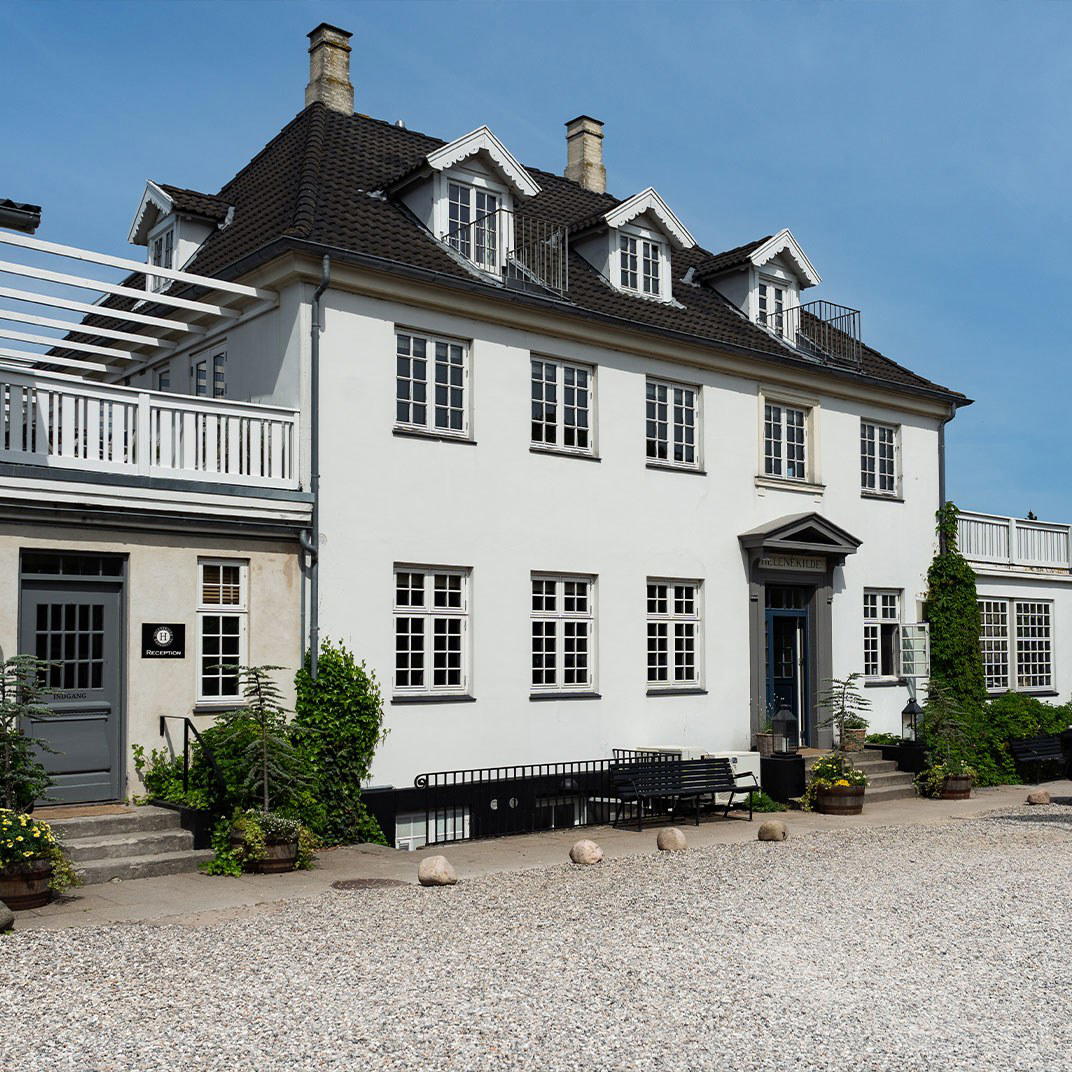
Restaurant Gondola sits on Jernbanevej in central Holbæk, a fjord town roughly 75 kilometres west of Copenhagen that has quietly developed a more considered dining scene than its size might suggest. The address places it within walking distance of Holbæk's main commercial strip, making it a practical choice whether you're arriving by rail or on foot. For context on what surrounds it, the EP Club guide to Holbæk covers the full local picture.
Pearl is the En Primeur Club membership app — saves, bookings, and concierge access live there. Same editors, same standards.
- Address
- Jernbanevej 1, 4300 Holbæk, Denmark
- Phone
- +4551140518
- Website
- restaurantgondola.dk
- Directions
- Get directions
 Saves & bookings on Pearl
Holbæk at the Table: What the Town's Dining Scene Tells You Before You Arrive
Holbæk occupies an interesting position in the Danish provincial dining conversation. It sits close enough to Copenhagen, around 75 kilometres by rail, with direct services from Copenhagen Central that take under an hour, to feel the influence of the capital's new Nordic momentum, yet far enough removed that its restaurants operate on a different logic entirely. Expectations are reset by geography. The reference points here are not the tasting-menu laboratories of the capital's inner districts but rather the kind of settled, neighbourhood-anchored restaurants that Danes have always trusted for a midweek dinner or a slow Sunday lunch. Restaurant Gondola, at Jernbanevej 1, sits inside that civic fabric.
The broader Danish provincial scene has matured considerably over the past decade. Whereas fine dining was once concentrated almost entirely in Copenhagen, at places like Geranium in Copenhagen and Jordnær in Gentofte, the intervening years have seen serious kitchens take root in Aarhus, Odense, and smaller towns across Sjælland and Jutland. Operations like Frederikshøj in Aarhus, ARO in Odense, and Henne Kirkeby Kro in Henne have demonstrated that geography no longer determines ambition. The effect on smaller-city restaurants like those in Holbæk is real: local diners who travel for work or leisure carry back higher expectations, and kitchens adjust accordingly.
The Gondola Address: Railway Square and What It Signals
Jernbanevej, Railway Road, is a functional address in most Danish towns. It tends to sit at the junction between the transit infrastructure and the town's commercial life, which means foot traffic, visibility, and a clientele that arrives on its own terms rather than making a destination pilgrimage. For a restaurant, that address is a statement of intent: you are here to serve the town, not to perform for it. The placement of Restaurant Gondola at Jernbanevej 1 places it squarely in that tradition of civic hospitality, the kind that Holbæk residents rely on across the week rather than reserve for special occasions.
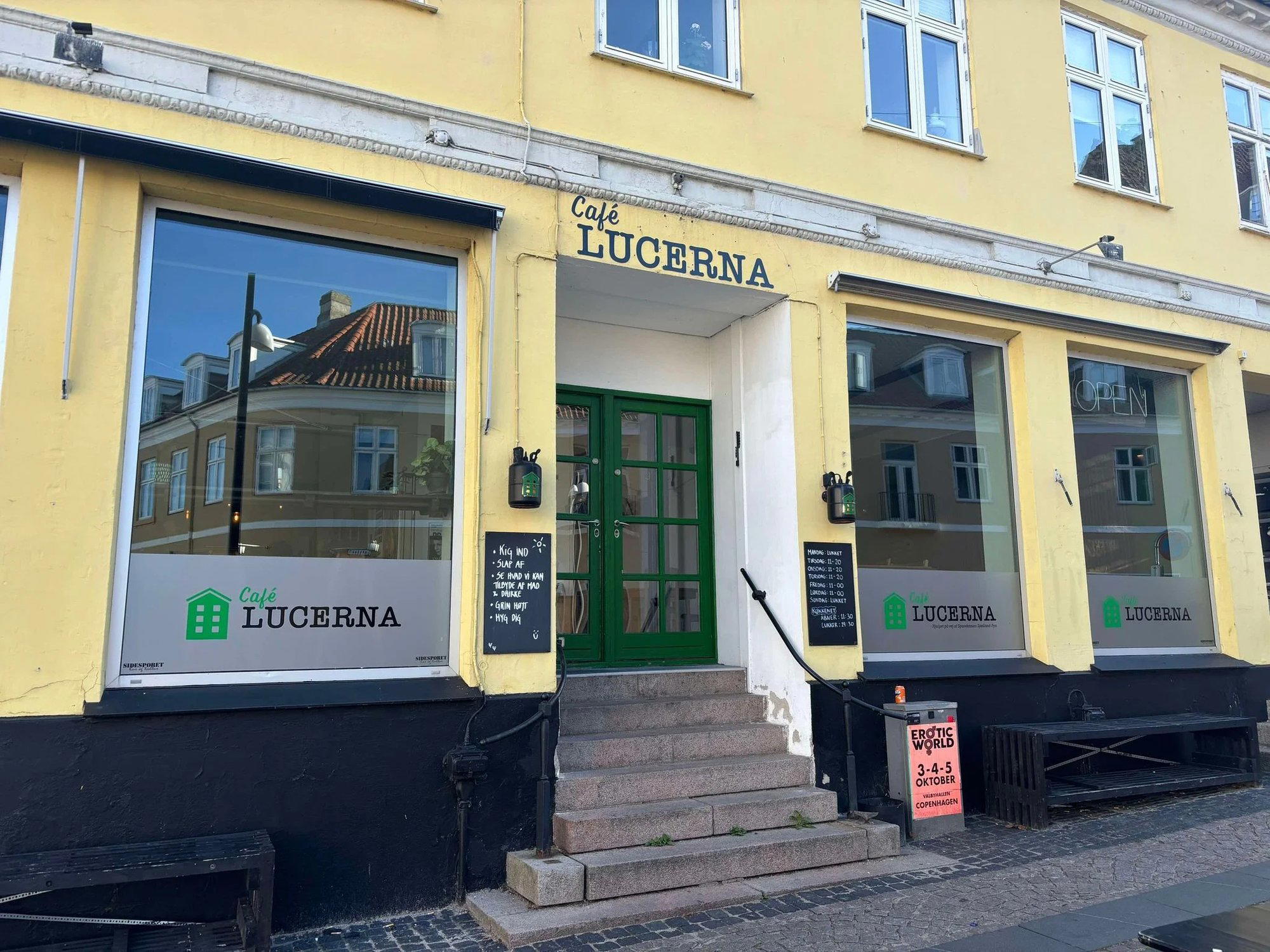
Holbæk's immediate dining neighbourhood includes a cluster of cafes and bistros that collectively suggest a town comfortable with its own scale. Bistrot La Cannelle and Cafe Svanen represent the lighter, cafe-forward end of the local offer. Cafe Vivaldi, Cafe Zehros, and Café Korn fill the middle ground. Within that local comparable set, a restaurant called Gondola, with its distinct name and a central railway-square address, positions itself as something with a slightly different register, even if the specifics of its menu and format require direct investigation to confirm.
Lunch Versus Dinner in a Provincial Danish Setting
The lunch-dinner divide matters more in provincial Danish towns than it does in Copenhagen, where both services tend to operate with roughly similar formality and price expectation. In towns like Holbæk, lunch typically functions as a working meal: faster, less ceremonial, priced to attract local office workers, tradespeople, and shoppers passing through. The smørrebrød tradition, open-faced rye sandwiches with rotating seasonal toppings, remains the default framework for the midday meal in many Danish provincial kitchens, and a well-executed lunch service often tells you more about a kitchen's technical foundations than a dressed-up evening menu does.
Evening service in this context shifts toward something more deliberate. Tables fill later, pacing slows, and the menu typically extends to include multi-course options or a broader selection of meat and fish mains. For visitors arriving from Copenhagen or from further afield, combining a Holbæk stop with a visit to Dragsholm Slot Gourmet in Hørve, which sits nearby on the Sjælland coast, the dinner window is generally the better entry point for assessing a restaurant's full range. Dragsholm's proximity makes the Holbæk-to-Hørve pairing a reasonable one for a day centred on the region's dining offer.
The mood difference between the two services is also social. Danish lunch tends to be quieter, more focused, less wine-led. Dinner in a provincial town like Holbæk carries more of a communal event quality, families marking something, couples settling in for a long evening, local regulars who know the staff by name. That rhythm, common across Sjælland's smaller towns, is worth accounting for when deciding which service suits your visit.
Denmark's Provincial Dining in International Context
It is useful to position Holbæk's dining scene against the broader arc of Scandinavian gastronomy, because that arc explains why even small-city restaurants in Denmark operate with a certain baseline seriousness. The influence of Copenhagen's new Nordic movement, which placed Danish cuisine at the centre of a global conversation about foraging, fermentation, and seasonal discipline, has filtered outward over fifteen years. Institutions abroad, Le Bernardin in New York City and Atomix in New York City, operate in their own distinct traditions, but the international appetite for Nordic precision that those conversations helped fuel has had a downstream effect on how Danish diners evaluate their local restaurants. Standards have risen, and provincial kitchens have followed.
That broader context is visible in how Denmark's regional dining has developed. Beyond Copenhagen, restaurants like Alimentum in Aalborg, Domæne in Herning, LYST in Vejle, and Frederiksminde in Præstø have each carved out identities tied to their local geography rather than mimicking the capital. Holbæk's position on the Isefjord gives it its own set of local ingredients and seasonal rhythms that a kitchen operating with any seriousness will reflect.
Planning Your Visit
Holbæk is straightforwardly reachable from Copenhagen by direct train, with the journey running under an hour from Copenhagen Central Station, which makes it a realistic day-trip destination or a stop within a broader Sjælland itinerary. Restaurant Gondola's address at Jernbanevej 1 places it a short walk from Holbæk Station, removing any need for a taxi or car.
What It’s Closest To
Comparable venues nearby, for context on price, style, and recognition.
| Venue | Cuisine | Price | Notes |
|---|---|---|---|
| Restaurant GondolaThis venue — the venue you are viewing | Authentic Italian | $$$ | Not listed |
| Maskinværkstedet | European Tapas & Small Plates | $$$ | Holbæk Havn |
| I TRE GUSTI | Authentic Italian Pizza & Pasta | $$ | Holbæk |
| pizzeria Anni70 | Neapolitan Pizza | $$ | Holbæk |
| Masami Sushi | Sushi Restaurant | Not listed | Holbæk |
| Bistrot La Cannelle | French-British Bistro | $$$ | Holbæk |
Continue exploring
More in Holb K
Restaurants in Holb K
Browse all →
Bars in Holb K
Browse all →
Hotels in Holb K
Browse all →
At a Glance
- Classic
- Date Night
- Family
- Standalone
Current opening hours
- Monday
- 4–10 PM
- Tuesday
- 4–10 PM
- Wednesday
- 4–10 PM
- Thursday
- 4–10 PM
- Friday
- 4–10 PM
- Saturday
- 4–10 PM
- Sunday
- 4–10 PM
Hours can change for holidays and private events. Last verified .
Classic Italian atmosphere in a central location.