
Star Wine List
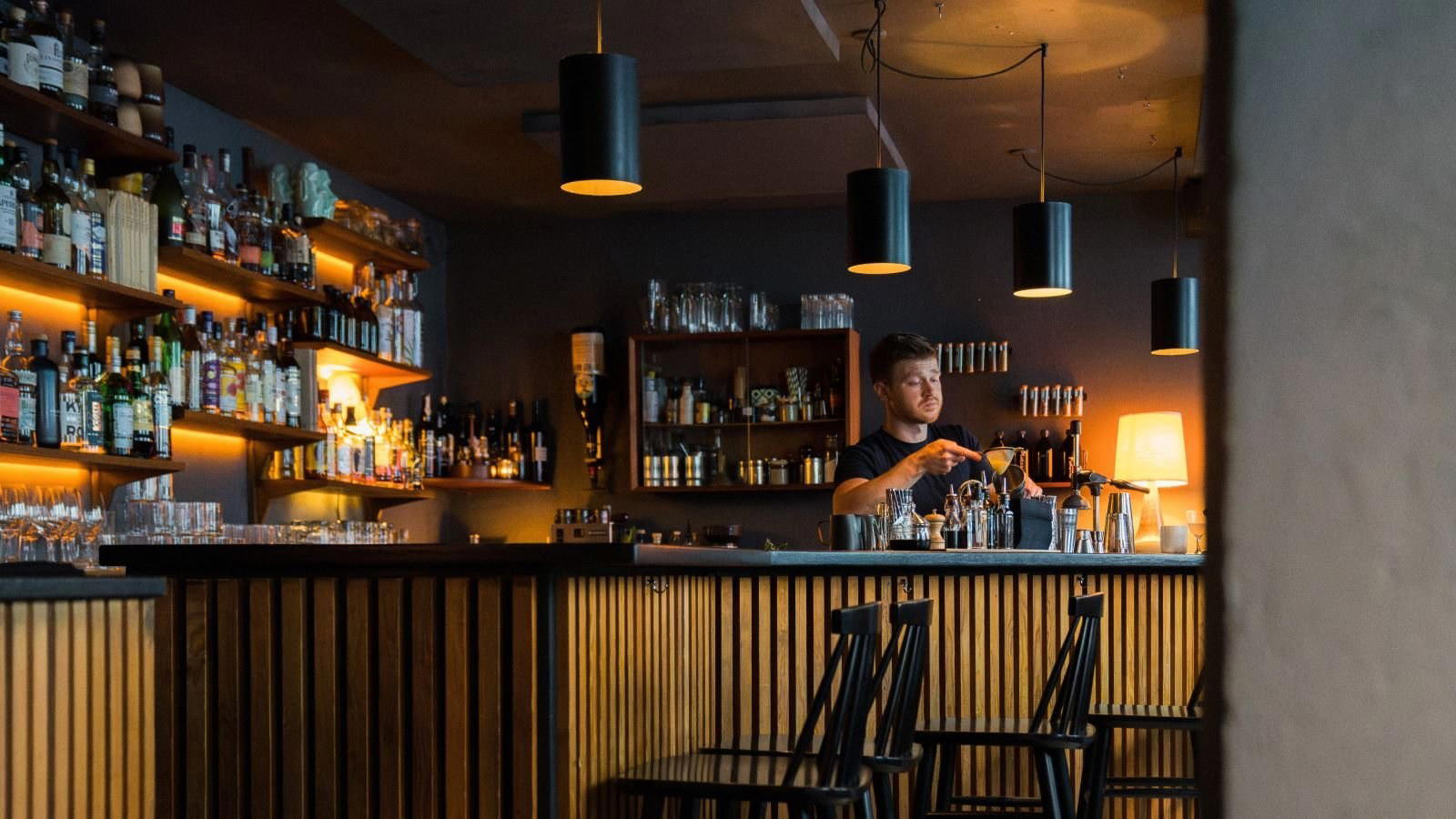
Hugos No. 19 occupies a Brogade address in Køge that punches well above the town's profile, recognised by Star Wine List 2026 for a programme that rewards the kind of attention most provincial Danish bars don't ask for. The wine list is the main event, but the bar counter is worth your time regardless of what you're drinking.

Pearl is the En Primeur Club membership app, where members save venues, book tables and use the concierge.
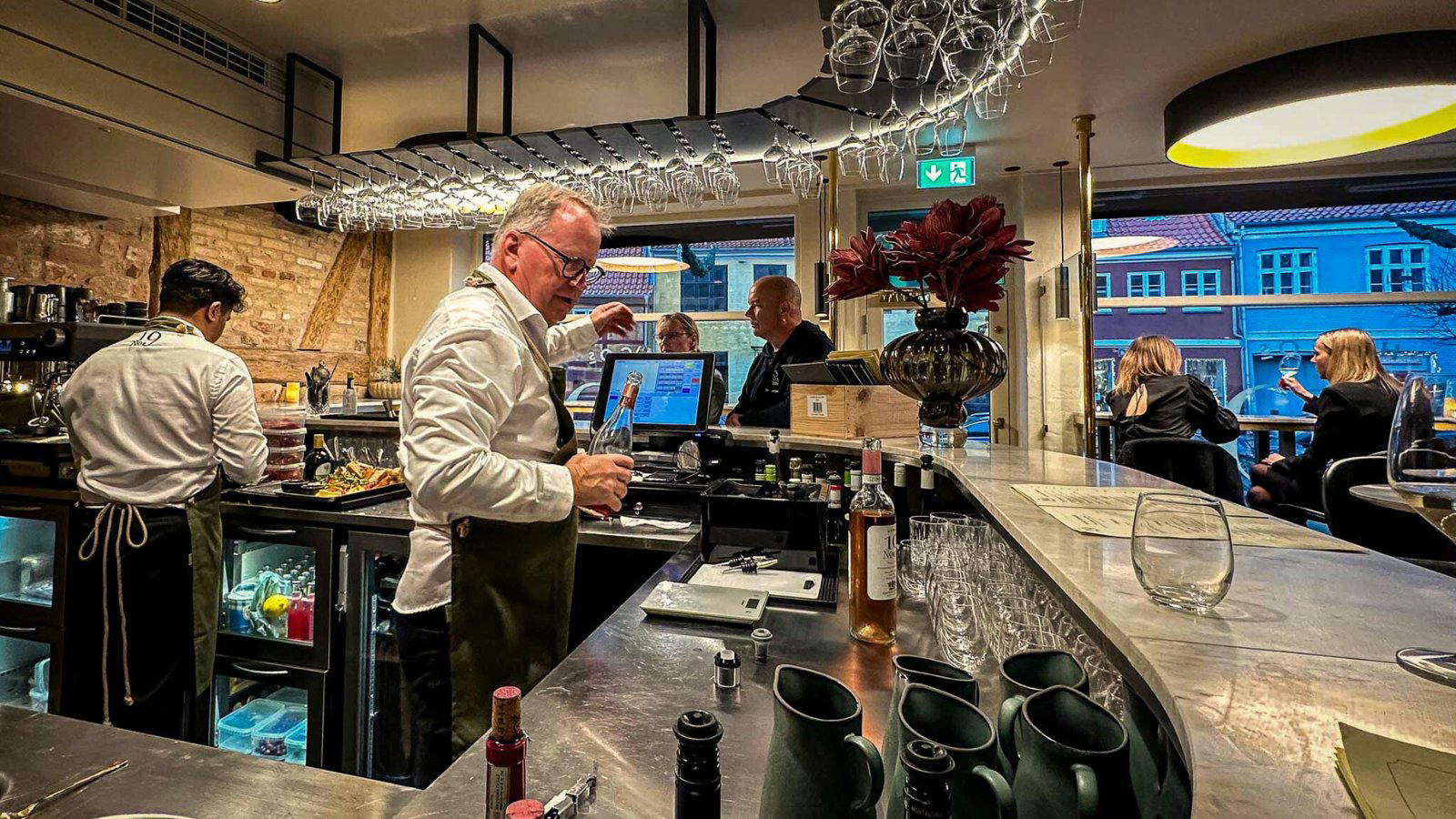
Køge's Wine Counter and What It Says About Denmark's Provincial Bar Scene
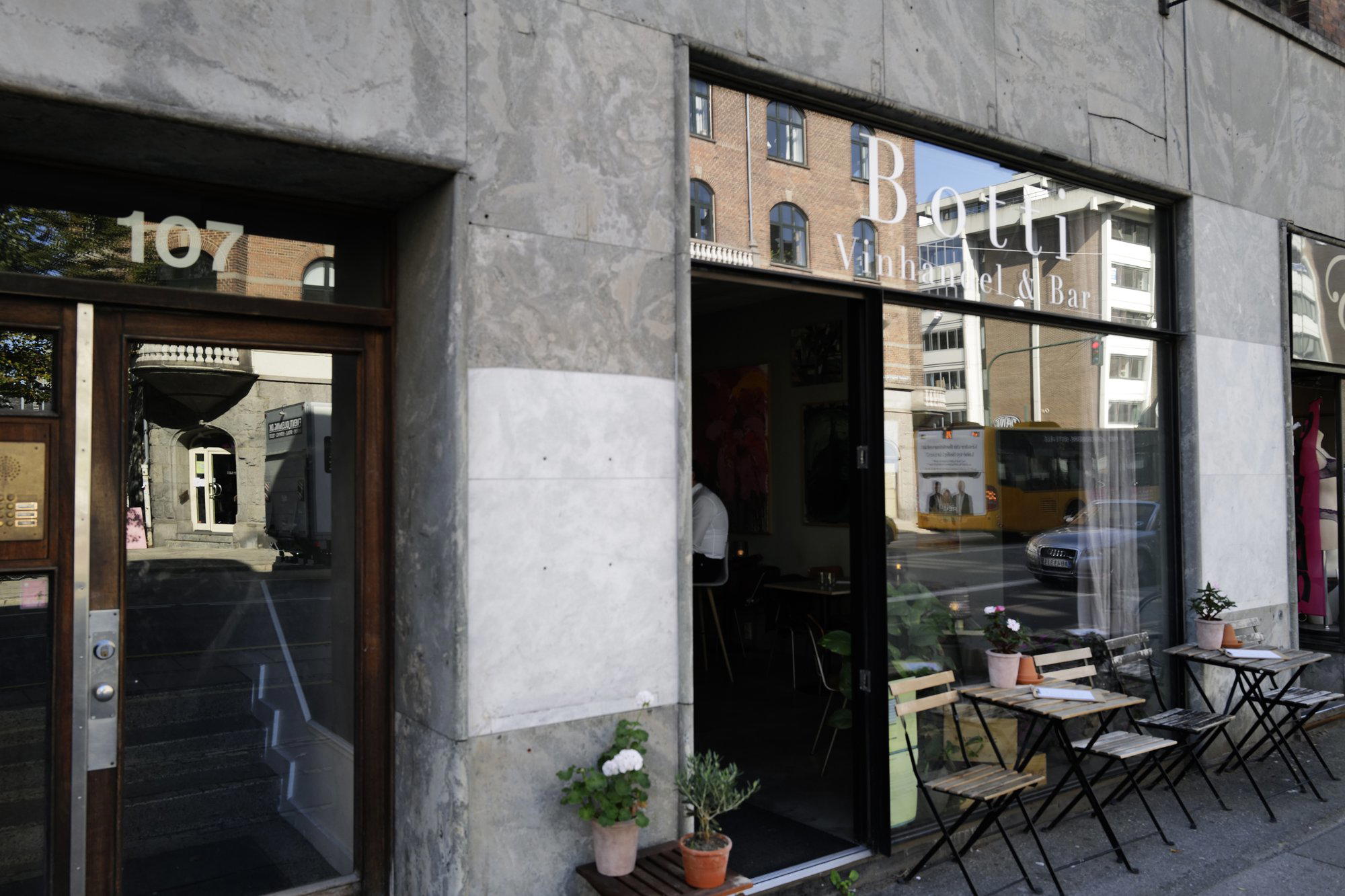
The old market towns along Denmark's eastern coast have long deferred to Copenhagen when serious drinking is the subject. Køge, with its preserved half-timbered streetscape and a population that barely reaches 40,000, sits roughly 40 kilometres south of the capital and has rarely entered the national conversation about wine bars. That is beginning to change, and Hugos No. 19 at Brogade 19 is the clearest local evidence of why. The address is central, Brogade is one of Køge's main arteries, close to the medieval church square, and the building itself belongs to the architectural vernacular that defines the town's historic core. Walk along the street and you read the bar as part of that fabric rather than as an intrusion on it.
What the exterior doesn't announce is the seriousness of what's being poured inside. Star Wine List awarded Hugos No. 19 recognition in 2026, a credential that carries specific weight because Star Wine List evaluates programmes rather than settings. The award places this Køge address in a tier occupied by a small number of Danish bars operating outside the capital's concentrated dining ecosystem, alongside venues like Oasis Vinbar in København K and Visselulles Vinbar in Sønderborg, both of which have built reputations by treating provincial wine service as a discipline in its own right.
The Broader Shift in Danish Bar Drinking
Copenhagen's bar culture has matured through several distinct phases. The cocktail-led scene that produced venues like Bird in Copenhagen ran alongside a natural wine movement that gave the capital some of Northern Europe's more interesting wine-focused counters. What Copenhagen proved, and what is now filtering through to secondary cities, is that serious drink programming doesn't require a large-city population to sustain itself. Aarhus demonstrated this earlier than most, with bars like Bardok in Aarhus building credentialed programmes that competed with capital benchmarks on list depth and service quality.
Køge arriving at this conversation through Hugos No. 19 is consistent with that pattern. The town draws day-trippers from Copenhagen, the regional train runs frequently and the journey takes under 40 minutes, which means the bar's potential audience extends well beyond the local catchment. Visitors oriented toward wine rather than beach or museum will find a reason to add the Brogade address to an itinerary, particularly given how few Star Wine List-recognised venues exist outside the major Danish cities.
Wine Programme Credentials and What They Imply
The Star Wine List recognition in 2026 is the strongest available public signal about the programme's depth. Star Wine List evaluates selection breadth, producer diversity, pricing transparency, and service knowledge, which means the award implies structural competence rather than a single standout bottle. Among Danish venues with similar recognition, the common pattern involves lists that balance accessible entry points with genuine depth in at least one or two regions or styles, giving regulars something to pursue over multiple visits.
How Hugos No. Bars like No 43 in Hørsholm represent the kind of suburban-Danish model where a tight, list can outperform larger urban operations on focus and value. Hugos No. 19 appears to operate in a similar register.
For context on how wine bar programmes at this level compare internationally, Star Wine List's recognised venues range from European neighbourhood counters to operations like Kumiko in Chicago, which pairs its drinks programme with fine dining credentials, or cocktail-forward bars that have developed serious wine components. The Køge bar is recognisably a wine-first operation in a broader global category that has grown significantly over the past decade as drinkers have become more specific about what they want from a bar sitting.
Placing Hugos No. 19 in the International Bar Tier
Star Wine List recognition alone positions a venue above the majority of bars that will never submit their programmes for evaluation. Across markets as different as Bar Leather Apron in Honolulu, Jewel of the South in New Orleans, Julep in Houston, Superbueno in New York City, and The Parlour in Frankfurt on the Main, the credentialed bar tier shares certain operational characteristics: a programme with editorial point of view, staff who can explain why a specific producer appears on the list, and a selection that changes in response to availability rather than being fixed by contract. The Brogade address places Hugos No. 19 in that company, which is a meaningful claim for a bar operating in a town of this scale.
The comparison isn't about size or ambition matching those larger-city venues directly. It's about belonging to the same evaluative category, where a list is treated as an argument rather than an inventory. That kind of intellectual seriousness in a drink programme tends to attract a specific type of guest: one who reads lists before sitting down, who asks follow-up questions, and who returns because the programme has moved on since their last visit.
Planning a Visit
Køge is on the regional rail network and accessible from Copenhagen in under 40 minutes on the B line, making Hugos No. 19 a realistic destination for a half-day or evening from the capital. Brogade 19 is within easy walking distance of Køge station, which reduces any navigation requirement on arrival. No current booking details or opening hours appear in public records, so confirming availability before travelling is advisable, contact information may be available through the venue directly or via local listings. Those combining the bar with a broader Køge visit will find the historic centre compact enough to explore on foot in an afternoon before settling in at the counter in the evening. Our full Køge restaurants guide covers the wider dining and drinking context for the town if you're planning a longer stay.
Comparison Snapshot
Comparable venues nearby, for context on price, style, and recognition.
| Venue | Cuisine | Price | Awards | Notes |
|---|---|---|---|---|
| Hugos No. 19This venue (the venue you are viewing) | beer_bar | $20–30 | Star Wine List | Not listed |
| Nørrebro Bryghus | beer_bar | $20–30 | Not listed | Nørrebro |
| Veranda | wine_bar | $20–30 | Star Wine List · Falstaff Wine Bar - Listed | Nørrebro |
| Melo Wine Bar | wine_bar | $30–50 | Star Wine List | Indre By |
| Mikkeller Bar | beer_bar | Not listed | Not listed | Vesterbro-Kongens Enghave |
| Sir | beer_bar | Not listed | Not listed | Indre By |
Recognition history
Dated appearances from independent guides and award organizations, with the underlying list record or original source where available.
Star Wine List
Star Wine List
Continue exploring
More in Køge
Bars in Køge
All bars in Køge →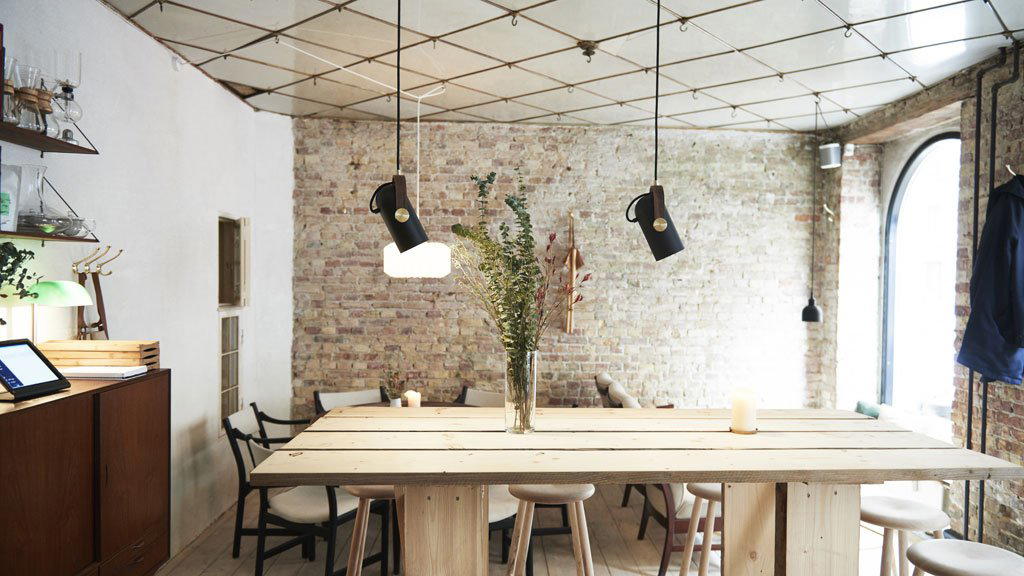
Restaurants in Køge
Browse all →
Hotels in Køge
Browse all →
Wineries in Køge
Browse all →
Details
- Cozy
- Historic
- Intimate
- Casual Hangout
- After Work
- Group Outing
- Historic Building
- Live Music
- Seated Bar
- Outdoor Terrace
- Craft Beer
Current opening hours
- Monday
- 12–11 PM
- Tuesday
- 12–11 PM
- Wednesday
- 12–11 PM
- Thursday
- 12–11 PM
- Friday
- 12 PM–2 AM
- Saturday
- 10 AM–2 AM
- Sunday
- 12–6 PM
Hours can change for holidays and private events. Hours as of .
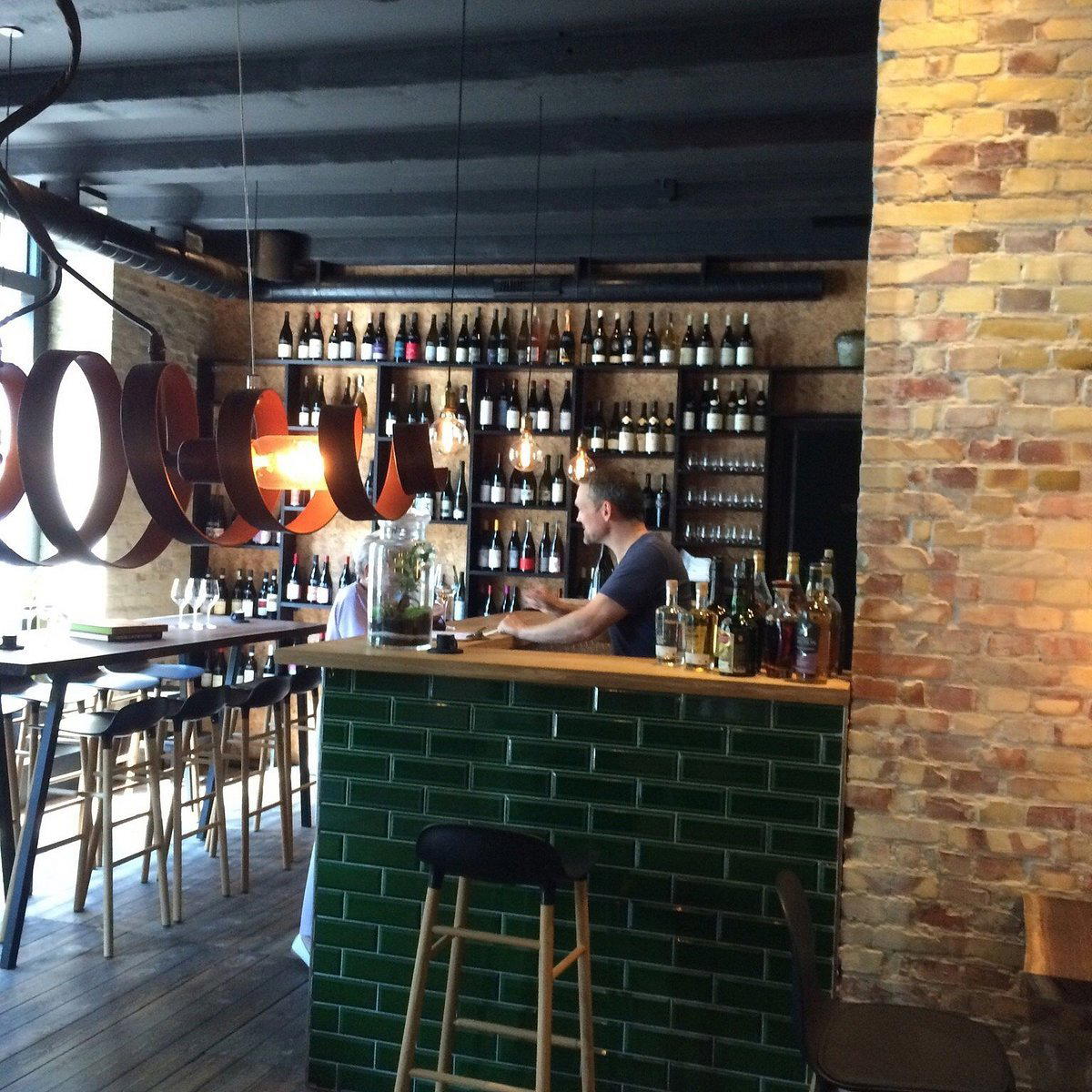
Cozy and authentic with brick walls, low ceilings, open fireplace, and relaxed historic atmosphere.