Restaurant Gasthof Tenne
In the Bernese Oberland village of Lenk, Gasthof Tenne occupies a address that speaks to the region's tradition of alpine hospitality rooted in local produce and communal eating. The gasthof format, part inn, part restaurant, positions it within a dining culture that prizes seasonal sourcing and mountain-village rhythm over metropolitan polish. For visitors to the Simmental valley, it represents a grounded alternative to resort-circuit dining.
Pearl is the En Primeur Club membership app — saves, bookings, and concierge access live there. Same editors, same standards.
- Address
- Bühlbergstrasse 15, 3775 Lenk, Switzerland
- Phone
- +41337332222
- Website
- tenne-lenk.ch
- Directions
- Get directions
 Saves & bookings on Pearl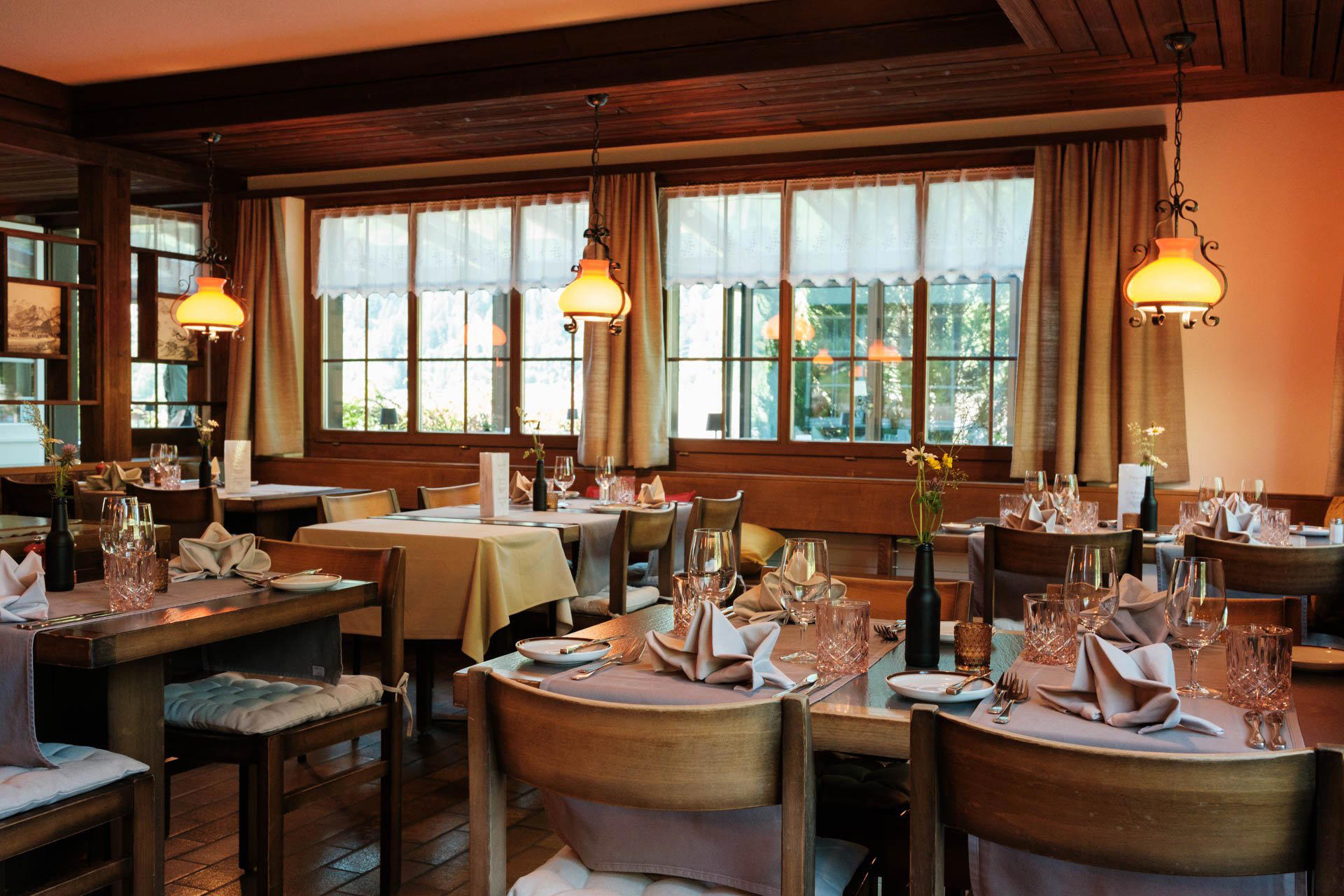
Alpine Gasthof Dining and the Bernese Oberland Table
The gasthof is a format that predates the modern restaurant by centuries in the German-speaking Alpine world. Part tavern, part kitchen, part meeting place, it grew from the logic of mountain hospitality: what the valley produced, the kitchen cooked; what the kitchen cooked, the village ate. In Lenk, a compact resort town at the head of the Simmental valley in the Bernese Oberland, that tradition persists in a handful of establishments that have resisted the pull toward international resort menus. Restaurant Gasthof Tenne, on Bühlbergstrasse 15, sits within that continuity. Its address places it in the residential-adjacent fabric of Lenk rather than on the main tourist thoroughfare, which already signals something about its orientation: this is a room shaped by local habit as much as by seasonal visitor traffic.
The Simmental valley is among the more agriculturally legible parts of Switzerland. The cattle breed bearing the valley's name, Simmental, or Simmentaler, has been raised here for more than a thousand years and remains central to the region's food identity. Cheese production in the Bernese Oberland, particularly in the styles associated with the broader Berner Alpkäse tradition, depends on summer pasture milk from these highland farms. A kitchen working within the gasthof tradition in Lenk draws from this context almost by default: the supply chain is short, the ingredients are identifiable by origin, and the cooking tends to reflect what that supply chain offers at any given point in the year.
What Ingredient Sourcing Looks Like at This Altitude
Switzerland's mountain restaurant culture operates under constraints that shape menus more directly than chef preference alone. At altitude, in a valley with limited road access and a climate that compresses the growing season, sourcing from far afield carries both logistical cost and a certain cultural awkwardness. The gasthof tradition responds to this by leaning into what is close: dairy from the surrounding farms, meat from valley-raised cattle, root vegetables and preserved goods that carry the larder through winter months. This is not a philosophy imposed by fashion, it is the practical logic of mountain cooking that long predates the contemporary sourcing movement.
For a diner coming from the Swiss fine-dining circuit, where venues like Schloss Schauenstein in Fürstenau or Memories in Bad Ragaz apply similar ingredient-proximity thinking at a significantly higher price point and production level, the gasthof offers a different register of the same underlying argument. The sourcing logic is comparable; the formal ambition is not. That distinction is worth holding in mind when approaching Tenne. It is not competing with the country's three-star tier, venues like Hotel de Ville Crissier in Crissier or Cheval Blanc by Peter Knogl in Basel operate in a wholly different register, nor is it attempting to. Its comparable set is the alpine village kitchen, and within that category, proximity to ingredient origin is the primary measure of quality.
Swiss mountain cooking at this level tends toward dishes where preparation is secondary to material quality: a rösti that lives or dies by the potato variety and fat used, a cheese course whose interest depends entirely on which producer's wheel you are eating and at what point in its aging. The broader repertoire of Bernese cooking, älplermagronen, geschnetzeltes, hearty braises built around local cuts, rewards good sourcing in the same way that a Burgundian bistro rewards good wine. The cooking is a frame for the ingredient, not an argument against it.
Lenk in the Context of the Simmental Dining Scene
Lenk is a resort of modest scale compared to the Bernese Oberland's more prominent winter destinations. Its dining scene is correspondingly compact, with a handful of hotel restaurants and independent kitchens serving a population that swells in ski season and again in summer walking months. The Chalet Lenk Restaurant represents the more resort-facing end of local dining; Tenne occupies a somewhat different position in that small ecosystem. For a fuller picture of what the town offers, maps the options across categories and price points.
Switzerland's alpine restaurant culture has become a reference point internationally, partly because it connects locavore sourcing to a much older tradition rather than presenting it as a contemporary innovation. When chefs at focus ATELIER in Vitznau or IGNIV Zürich by Andreas Caminada foreground Swiss producers, they are drawing on a sourcing culture that village kitchens like Tenne have maintained without interruption. The fine-dining tier made it legible to an international audience; the gasthof tier kept it alive in between. Restaurants elsewhere in the Swiss urban circuit, from Einstein Gourmet in Sankt Gallen to Colonnade in Lucerne, draw on similar supply networks at different price and format levels.
For visitors to Lenk who have been tracking the broader Swiss table, whether through resort dining in Da Vittorio in St. Moritz, French-inflected fine dining at La Table du Lausanne Palace, or the southern Italian-Ticinese register of La Brezza in Ascona, the gasthof offers a grounding counterpoint. It is worth understanding as a category before evaluating as an individual table.
Planning a Visit
Lenk is reachable by train from Bern via Zweisimmen on the Goldenpass line, a journey of roughly 90 minutes that itself passes through the Simmental agricultural corridor, a useful orientation for what lands on the plate. The town's hotel stock and restaurant scene both operate on a seasonal rhythm, with peak capacity in the winter ski months and a secondary surge through July and August walking season. Visiting outside those windows typically means a quieter room and more direct engagement with local rather than tourist-facing service. Restaurant Gasthof Tenne's address at Bühlbergstrasse 15 places it within easy walking distance of the village centre. Given, contacting the restaurant directly on arrival or through local accommodation is the practical approach. Dress is informal; the gasthof format in this region does not carry formal dress expectations.
A Quick Peer Check
Comparable venues nearby, for context on price, style, and recognition.
| Venue | Cuisine | Price | Notes |
|---|---|---|---|
| Restaurant Gasthof TenneThis venue — the venue you are viewing | Traditional Swiss Local Cuisine | $$ | Not listed |
| Chalet Lenk Restaurant | Modern Swiss Seasonal | $$$ | Lenk im Simmental |
| Rostiger Anker | Swiss-Style Pan-European Seasonal Bistro | $$ | Kleinhueningen |
| Emmentaler Schaukäserei | Traditional Swiss Cheese Restaurant | $$ | Affoltern im Emmental |
| Rosenburg Wolfhausen | Traditional Swiss Cuisine | $$ | Wolfhausen |
| Gasthof zum Schlüssel | Traditional Swiss Regional Cuisine | $$ | Ueberstorf |
Continue exploring
More in Lenk
Restaurants in Lenk
Browse all →
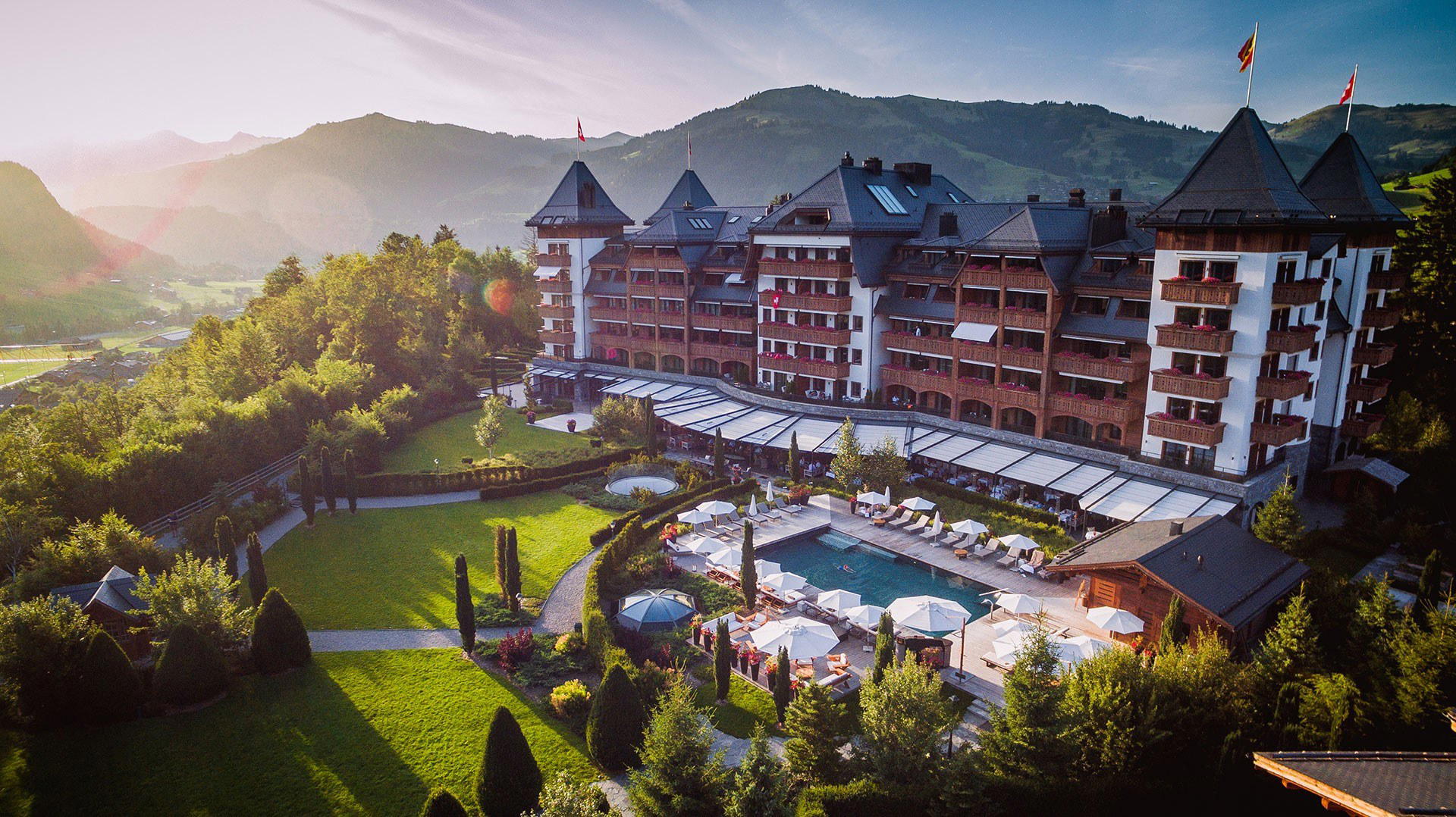
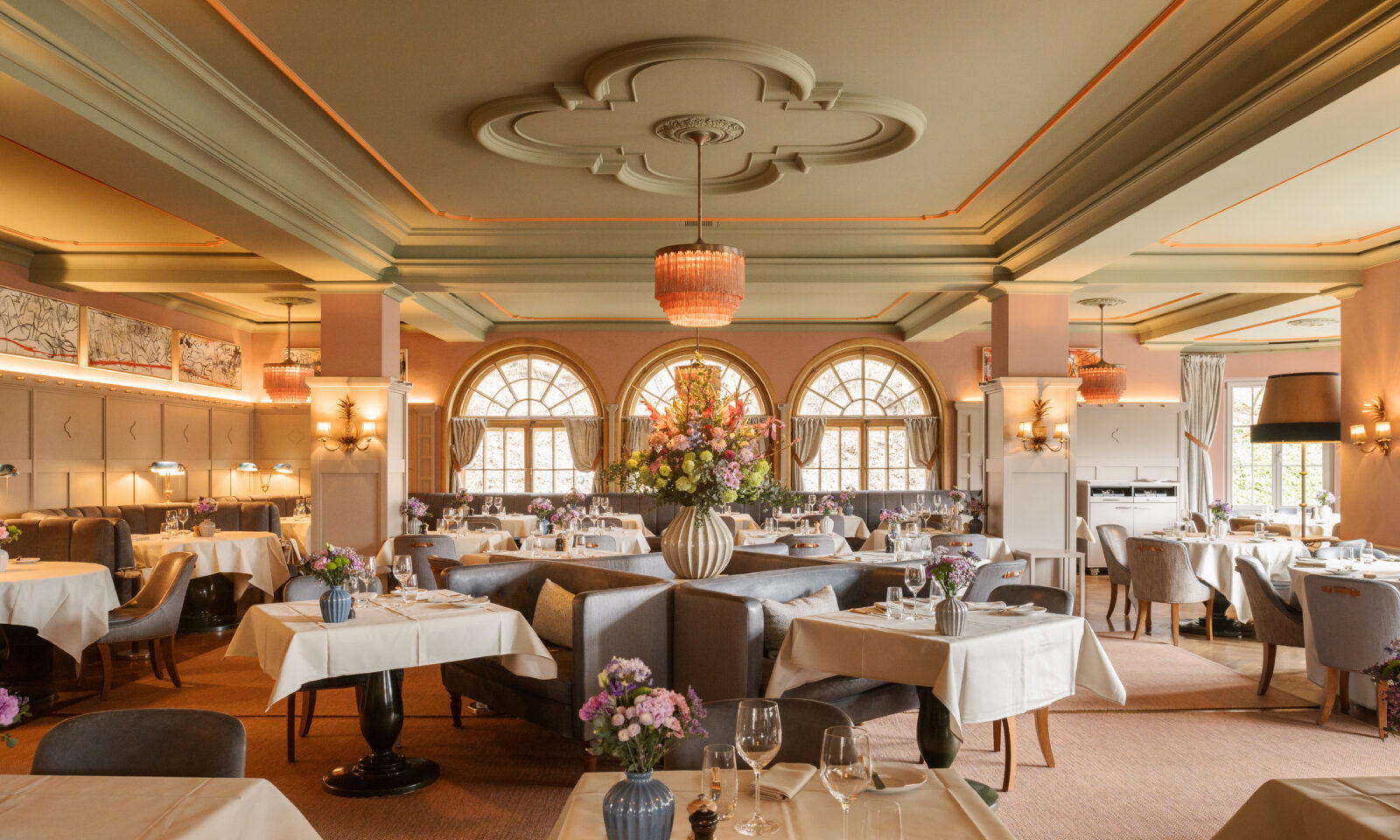
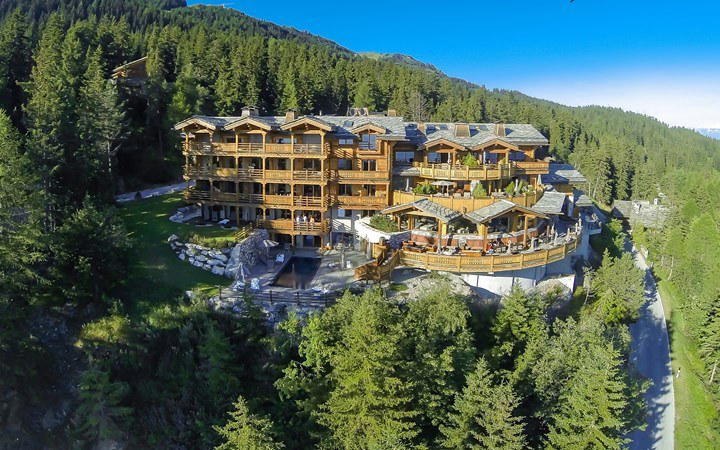
At a Glance
- Rustic
- Cozy
- Classic
- Family
- Casual Hangout
- Historic Building
- Hotel Restaurant
- Mountain
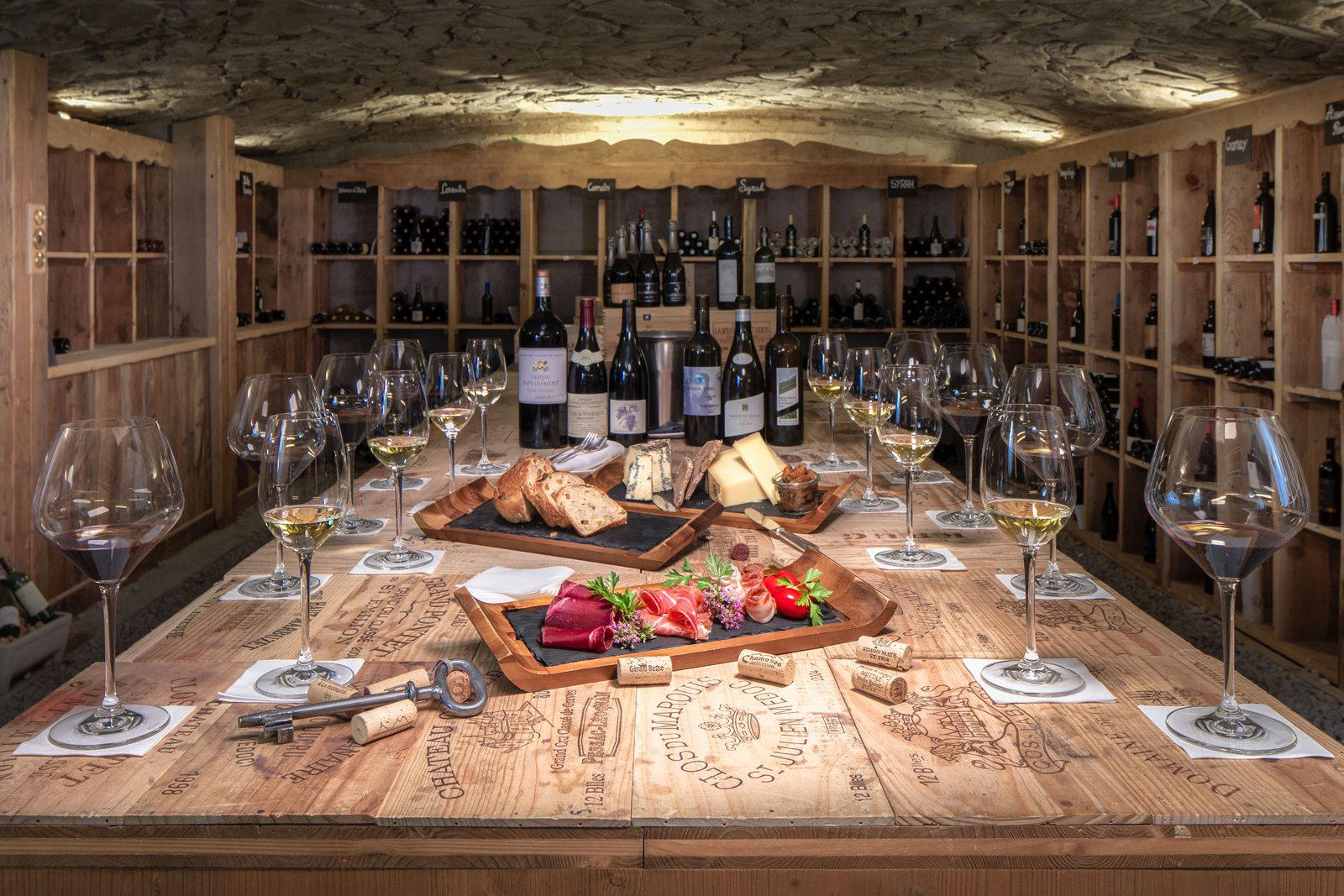
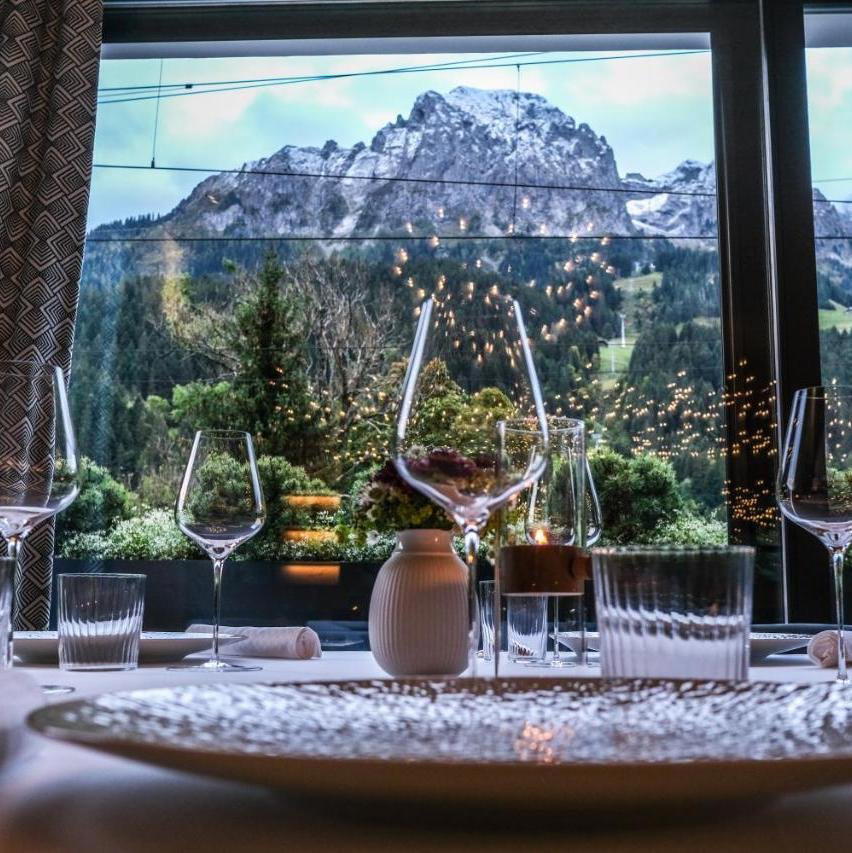
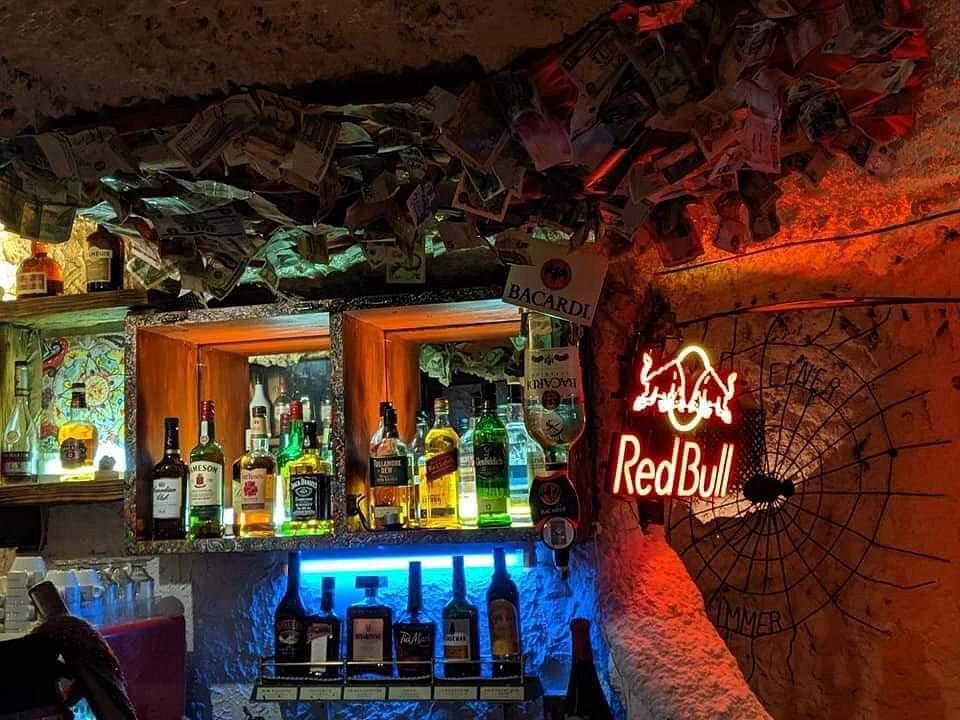
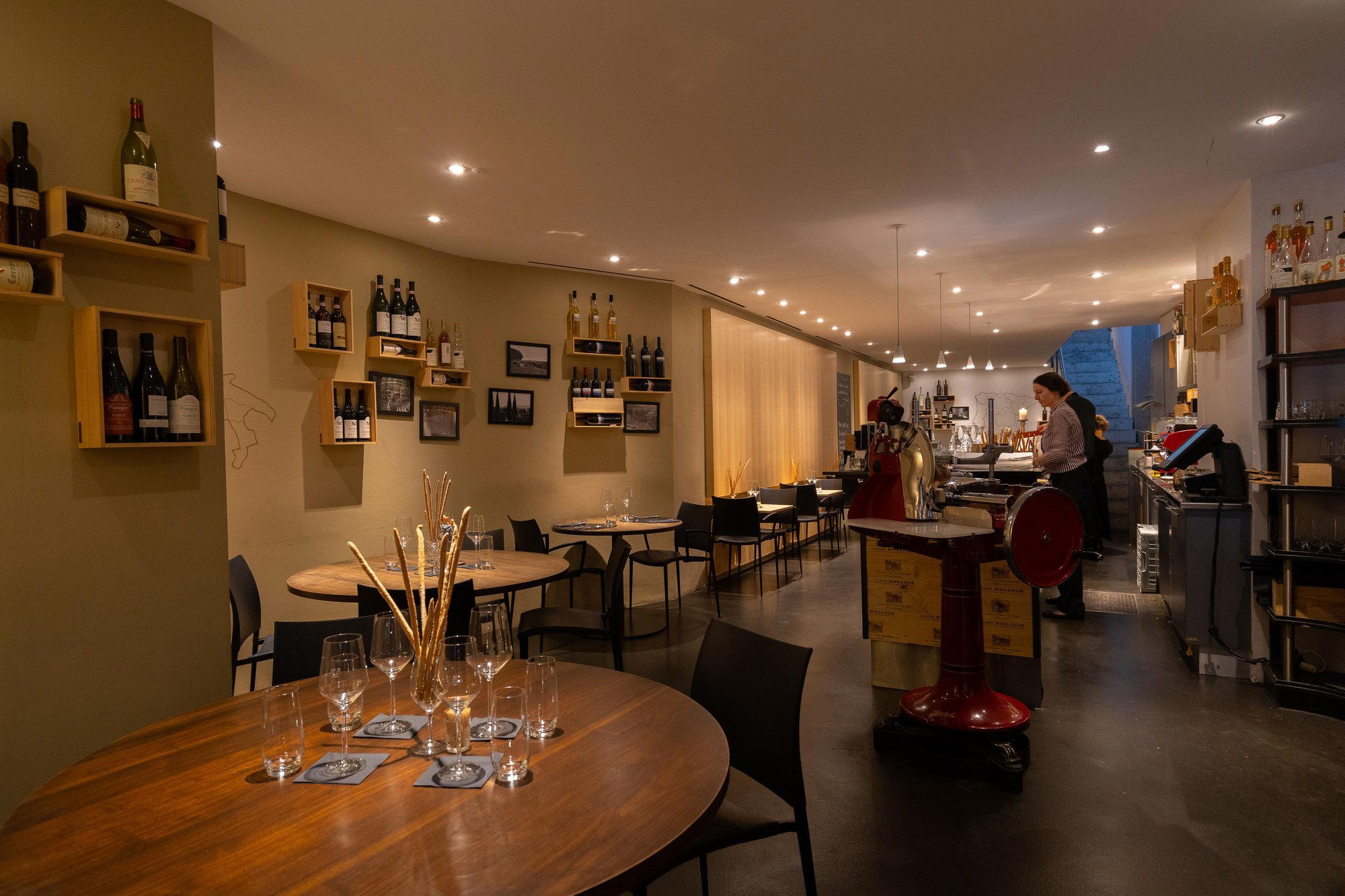
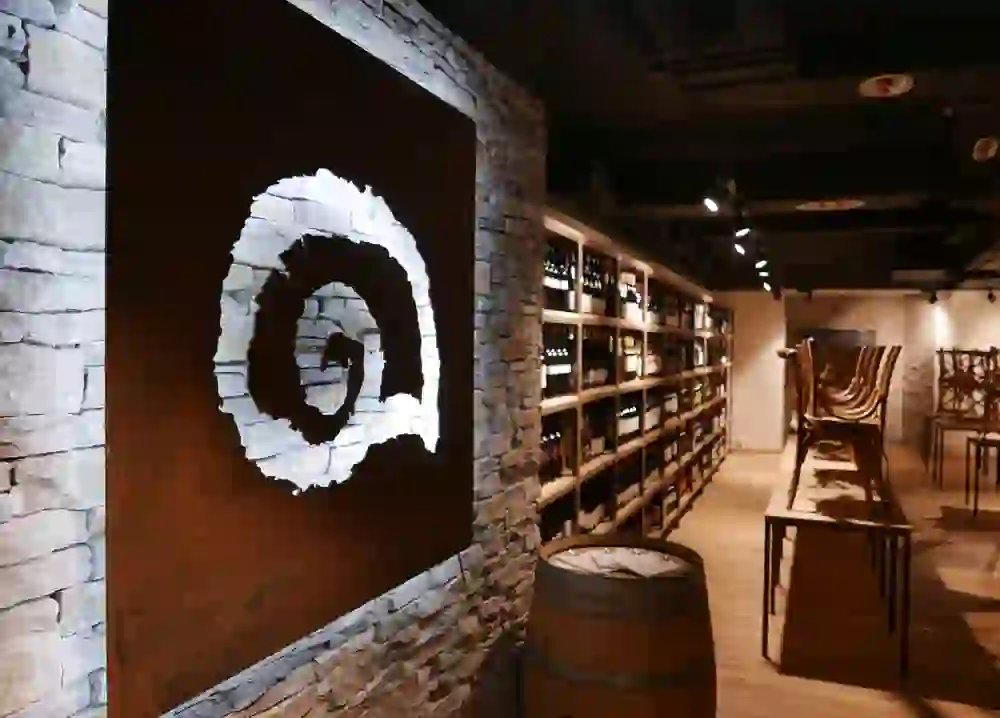
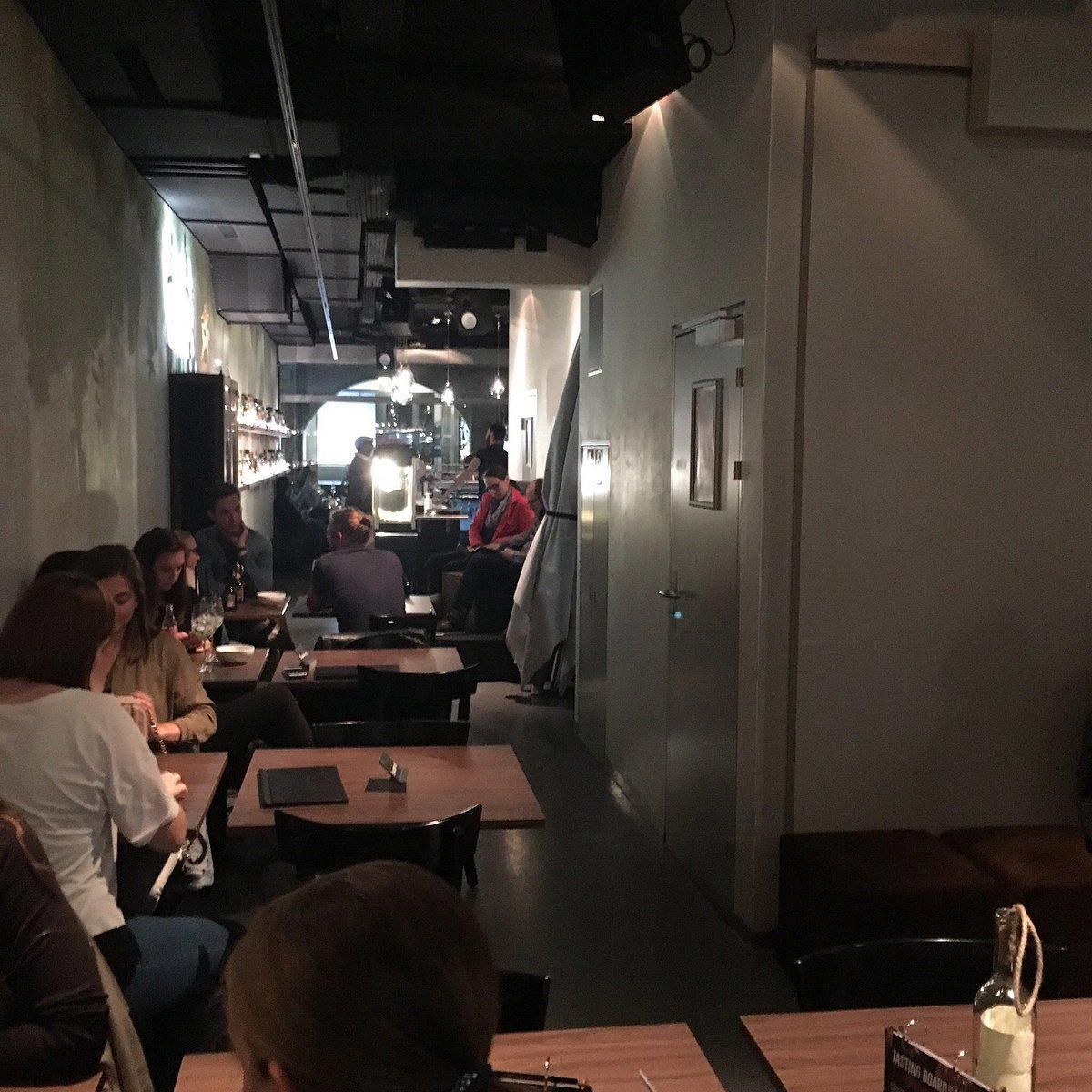
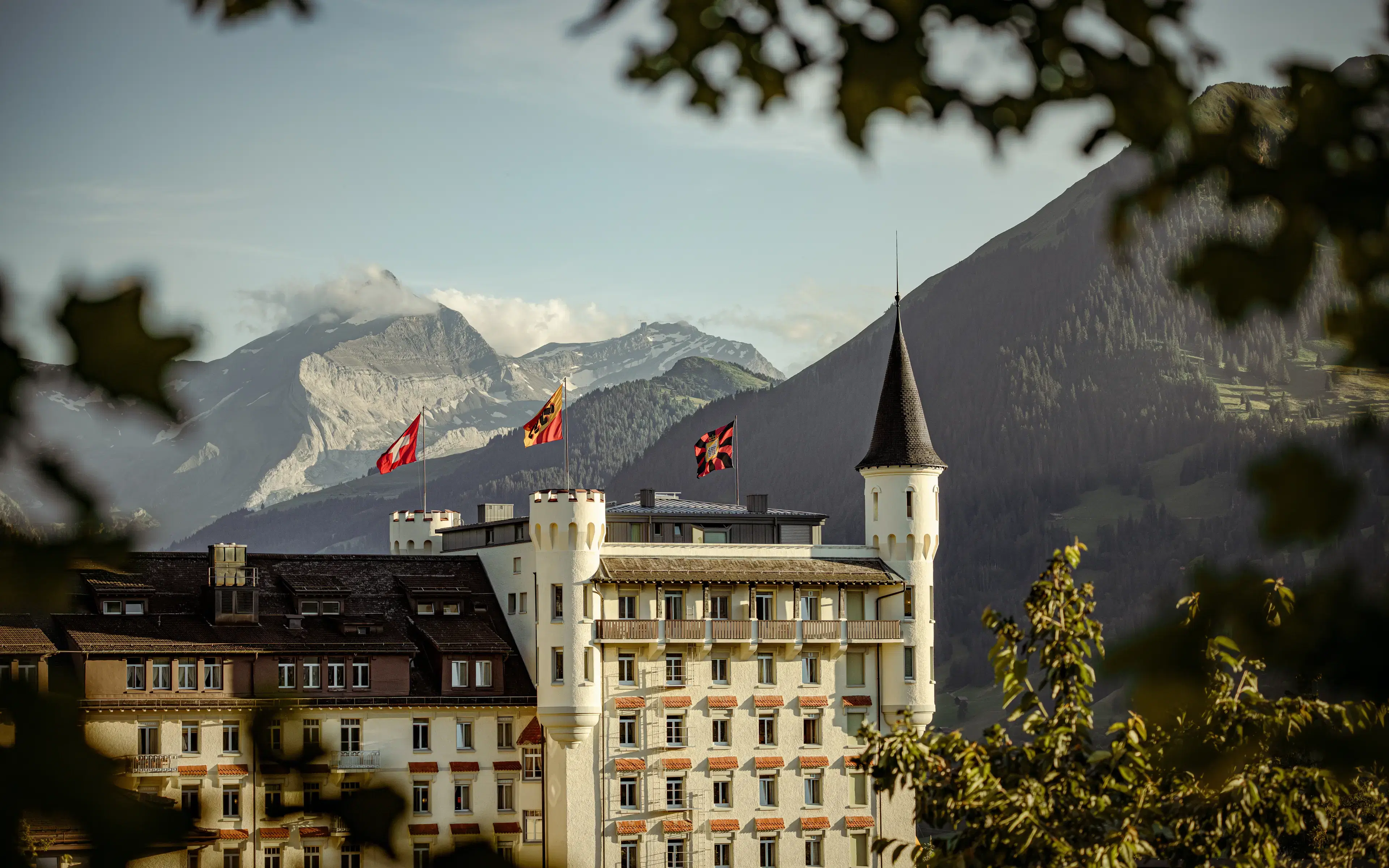
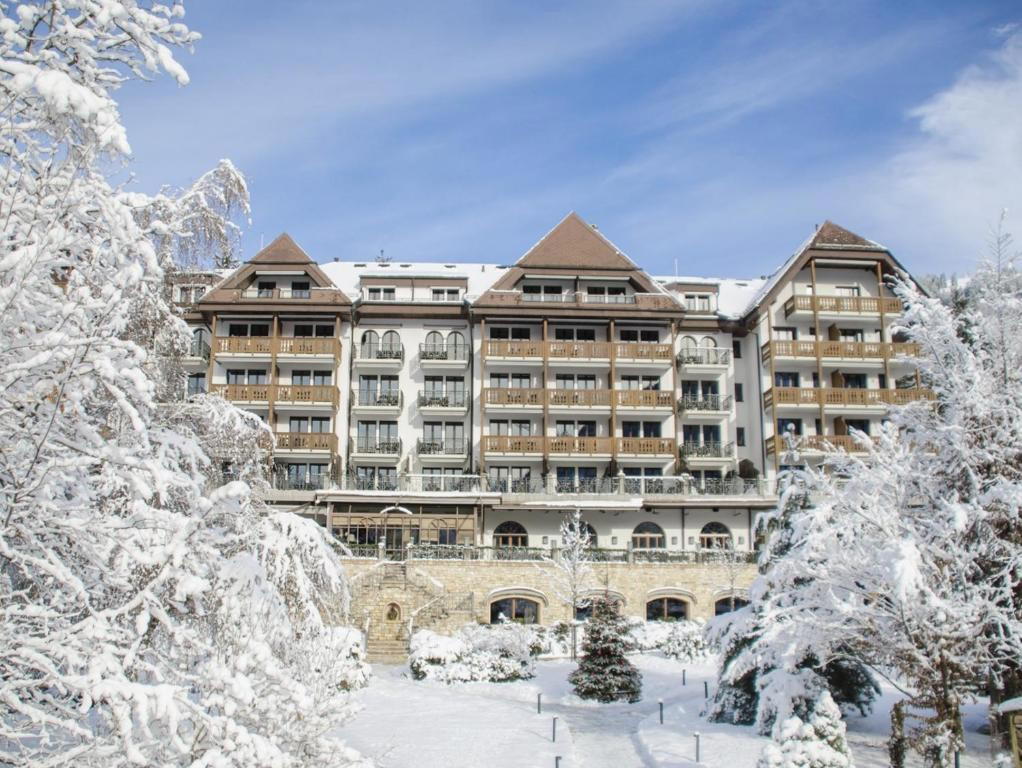
Warm, comfortable atmosphere blending tradition with rustic charm, ideal for relaxed dining after outdoor activities.