Rosenburg Wolfhausen
Rosenburg Wolfhausen sits on Landstrasse in the Zürcher Oberland, a village-scale address that positions it within Switzerland's quieter dining circuit rather than its metropolitan fine-dining corridor. With sparse public data available, the restaurant rewards direct inquiry, a pattern common to the more self-contained, locally rooted establishments that define rural Swiss hospitality at its most grounded.
Pearl is the En Primeur Club membership app — saves, bookings, and concierge access live there. Same editors, same standards.
- Address
- Landstrasse 31, 8633 Wolfhausen ZH, Switzerland
- Phone
- +41552431142
- Website
- rosenburg.ch
- Directions
- Get directions
 Saves & bookings on Pearl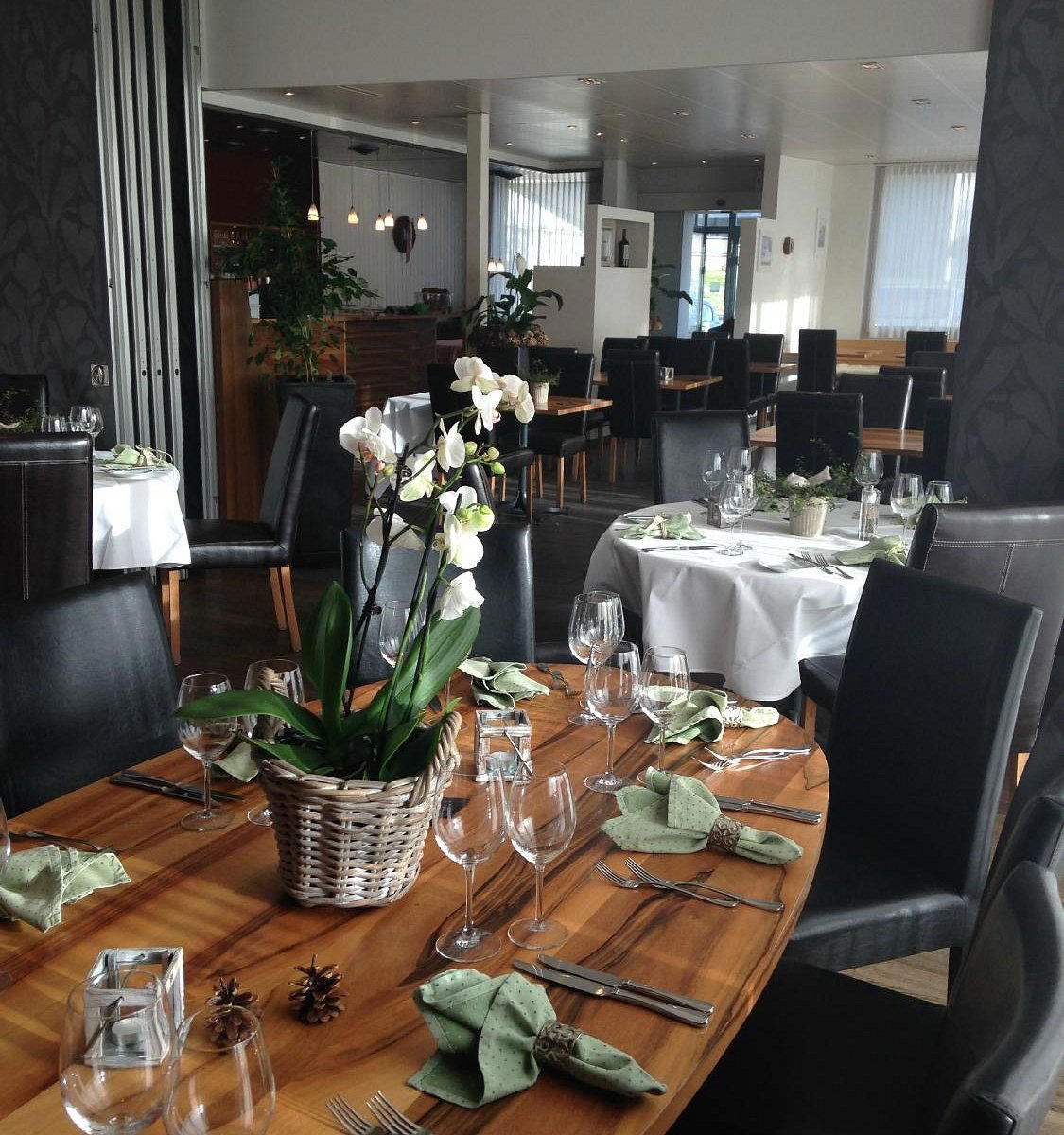
Where the Zürcher Oberland Sets the Table
But that coverage creates a shadow. The villages of the Zürcher Oberland, the rolling, lake-threaded hinterland east of Zurich, operate on a different register entirely, one where the dining relationship is local first, and where the sourcing logic of the kitchen is shaped by geography as much as ambition. Rosenburg Wolfhausen, addressed at Landstrasse 31 in the small commune of Wolfhausen, belongs to this quieter circuit. It is not competing with Schloss Schauenstein in Fürstenau or Memories in Bad Ragaz for international recognition. Its frame of reference is the immediate region: the farms, the producers, and the communities that define Zürcher Oberland life.
This distinction matters. In Switzerland's premium tier, the world occupied by Hotel de Ville Crissier in Crissier, Cheval Blanc by Peter Knogl in Basel, and focus ATELIER in Vitznau, the sourcing conversation tends toward curated networks, named farms, and cross-regional supply chains assembled by chefs with international training. At the village level, the sourcing conversation is simpler and often more direct: the producer is local by default, the seasonal rhythm is non-negotiable, and the kitchen's identity is shaped by what is available within a short radius. That is the culinary logic that applies in Wolfhausen.
The Setting on Landstrasse
Wolfhausen is a locality within the municipality of Bubikon, in the district of Hinwil. The Zürcher Oberland here is characterised by agricultural land, forested slopes, and a built environment that reflects centuries of incremental Swiss rural development rather than any single architectural moment. Landstrasse, the main road, runs through this landscape with the unhurried linearity of a route designed for local movement, not tourism. An address on Landstrasse signals embeddedness in that local fabric, the kind of positioning that in Swiss rural contexts often correlates with a clientele that is predominantly regional and a menu that reflects what the surrounding land produces through the year.
The approach to a place like this is different from the approach to a destination restaurant. There is no dramatic arrival sequence, no designed threshold moment. What the setting offers instead is continuity with the landscape, the sense that what arrives on the plate has not travelled far to get there. In Switzerland's agricultural zones, that proximity is a sourcing credential in itself. The Zürcher Oberland has dairy farming, market gardening, and forestry within close range; a kitchen rooted here draws on a supply base that does not require logistical complexity to be seasonal and fresh.
Ingredient Logic in a Regional Kitchen
The sourcing argument for regional Swiss kitchens, as distinct from the high-profile destination rooms, rests on a different kind of traceability. At addresses like Magdalena in Schwyz or Maison Wenger in Le Noirmont, sourcing is an explicit creative and philosophical position, documented and communicated as part of the restaurant's identity. In a village context, the sourcing is often structural rather than philosophical: local because the supply chain makes local the practical default, seasonal because the infrastructure for year-round imported produce is less developed than in urban centres.
This is not a lesser form of sourcing discipline. In many respects, it is a more honest one. The kitchen at a rural Swiss address does not need to construct a localism narrative, the localism is built into the geography. What the diner gains, in exchange for less documentation and fewer name-checked producers, is a directness of connection between landscape and plate that the destination restaurant sometimes has to work hard to approximate. For readers who track where Switzerland's most ambitious kitchens source their ingredients, from the Alpine producers supplying 7132 Silver in Vals to the Ticino networks behind La Brezza in Ascona, the regional kitchen offers a useful counterpoint: less theatre, more baseline.
Placing Rosenburg in the Swiss Dining Circuit
Switzerland's documented fine dining circuit is concentrated in a relatively small number of urban and resort addresses. The Michelin-recognised rooms cluster in Geneva, Zurich, Basel, and a handful of Graubünden destinations. The space between those poles is occupied by a much larger, less visible network of local and regional restaurants that sustain the everyday dining culture of Swiss towns and villages. Rosenburg Wolfhausen sits within that network, at an address that is not on the international radar in the way that IGNIV Zürich by Andreas Caminada in Zurich, Einstein Gourmet in Sankt Gallen, or Da Vittorio in St. Moritz are on that radar.
That positioning is neither a limitation nor a selling point in isolation, it is simply a description of the tier and the context. For the reader comparing Swiss dining options, the relevant comparable set for Rosenburg is the village and small-town restaurant category across the Zürcher Oberland, not the starred rooms of the urban centres or the international comparison points like Le Bernardin in New York City or Atomix in New York City. Within that regional comparable set, a physical address on the main road through Wolfhausen suggests an establishment oriented toward regular local custom rather than occasion dining drawn from a wide catchment.
Planning a Visit
The practical approach for a visit is direct contact with the restaurant at its Landstrasse address. For those travelling from Zurich, Wolfhausen is reachable by regional train via the Zürcher Oberland Bahn to Bubikon or Rüti, with local onward connection. The village is also accessible by car from the A3 motorway corridor. For readers building a Swiss itinerary that includes both regional and destination addresses, Colonnade in Lucerne and La Table du Lausanne Palace in Lausanne provide contrasting reference points for what the country's more formally documented dining tier looks like.
At-a-Glance Comparison
Comparable venues nearby, for context on price, style, and recognition.
| Venue | Cuisine | Price | Notes |
|---|---|---|---|
| Rosenburg WolfhausenThis venue — the venue you are viewing | Traditional Swiss Cuisine | $$ | Not listed |
| Ziegelhütte | Swiss Regional Country-Style | $$ | Schwamendingen |
| Weisser Wind | Traditional Swiss | $$ | Fluntern |
| Bederhof | Swiss Home-Style Classics | $$ | Albisgutli |
| Restaurant Brasserie Johanniter | Swiss Restaurant & Eventraum | Traditional Swiss Brasserie | $$ | Oberstrass |
| Gemeindehaus Beringen | Traditional Swiss Cuisine | $$ | Beringen Centre |
Continue exploring
More in Wolfhausen
Restaurants in Wolfhausen
Browse all →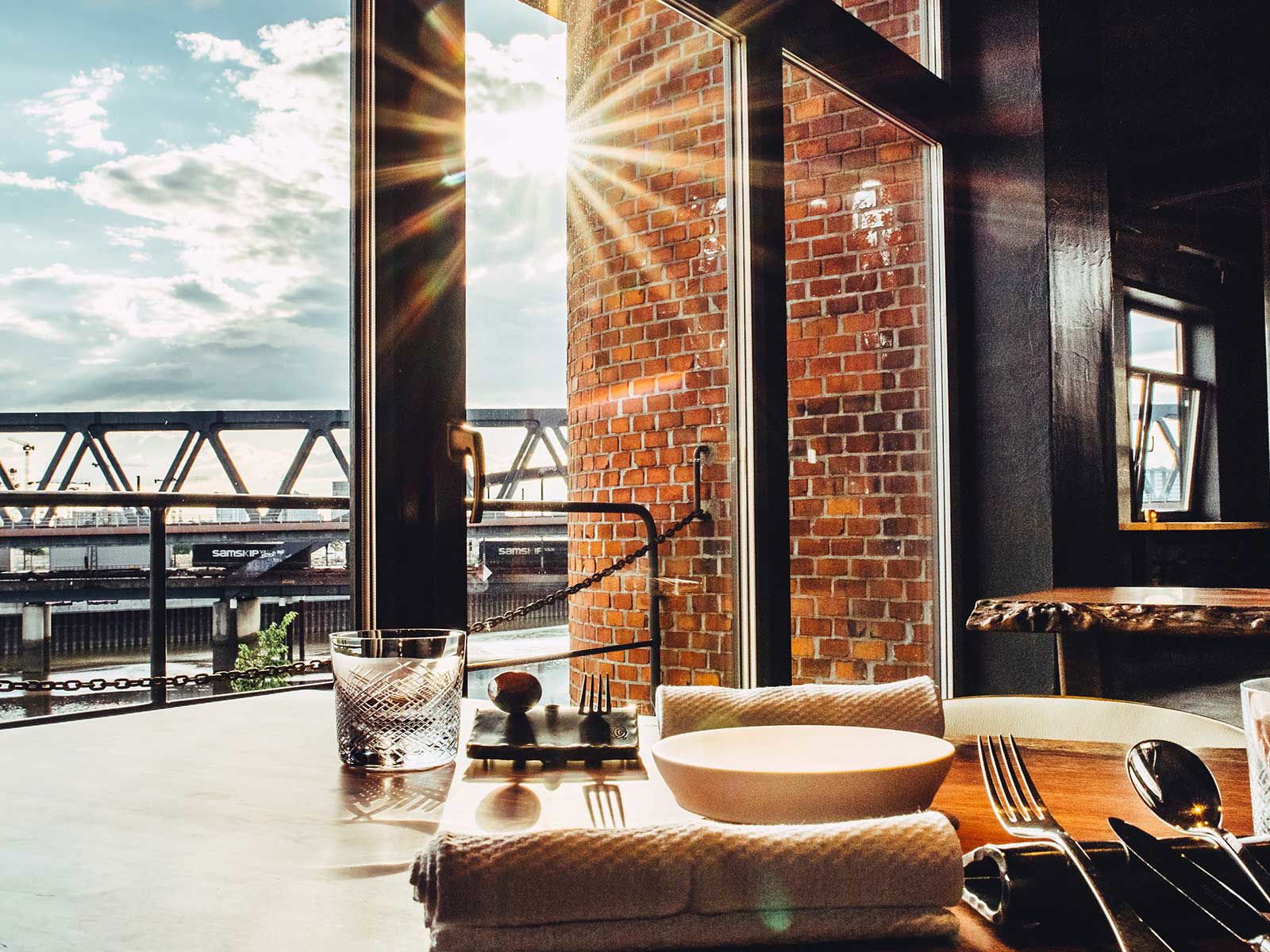
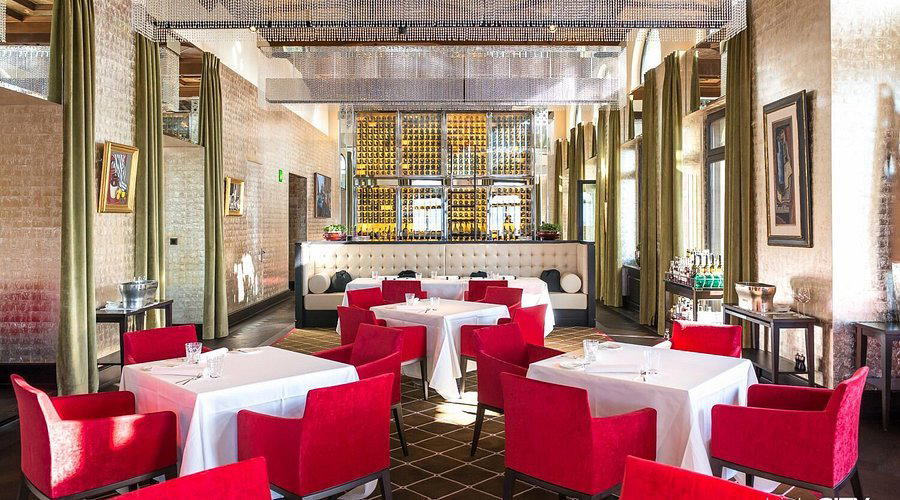
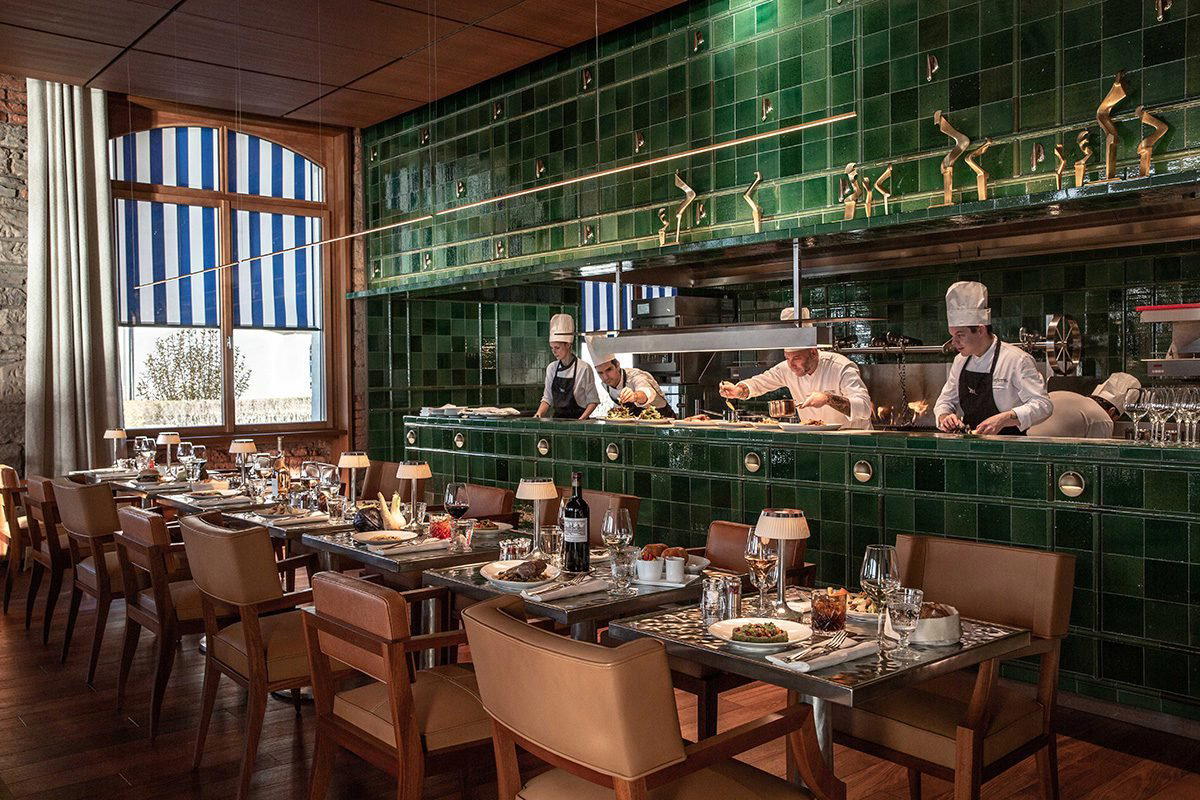
Bars in Wolfhausen
Browse all →
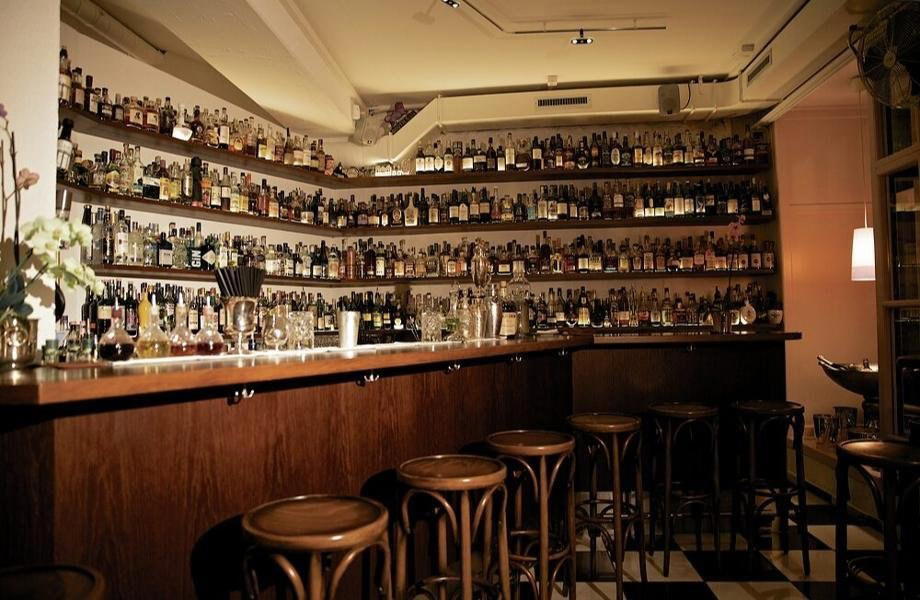
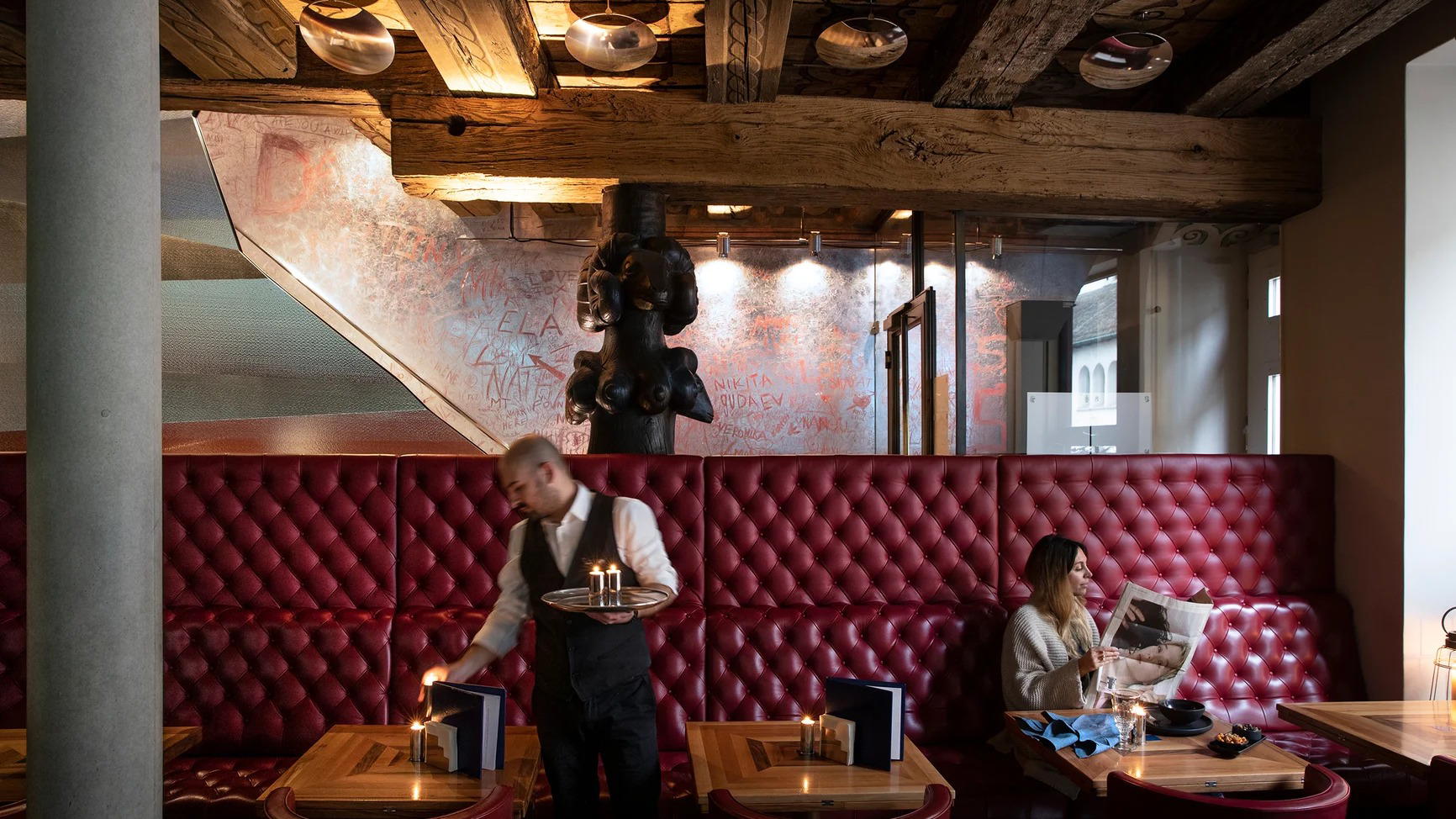
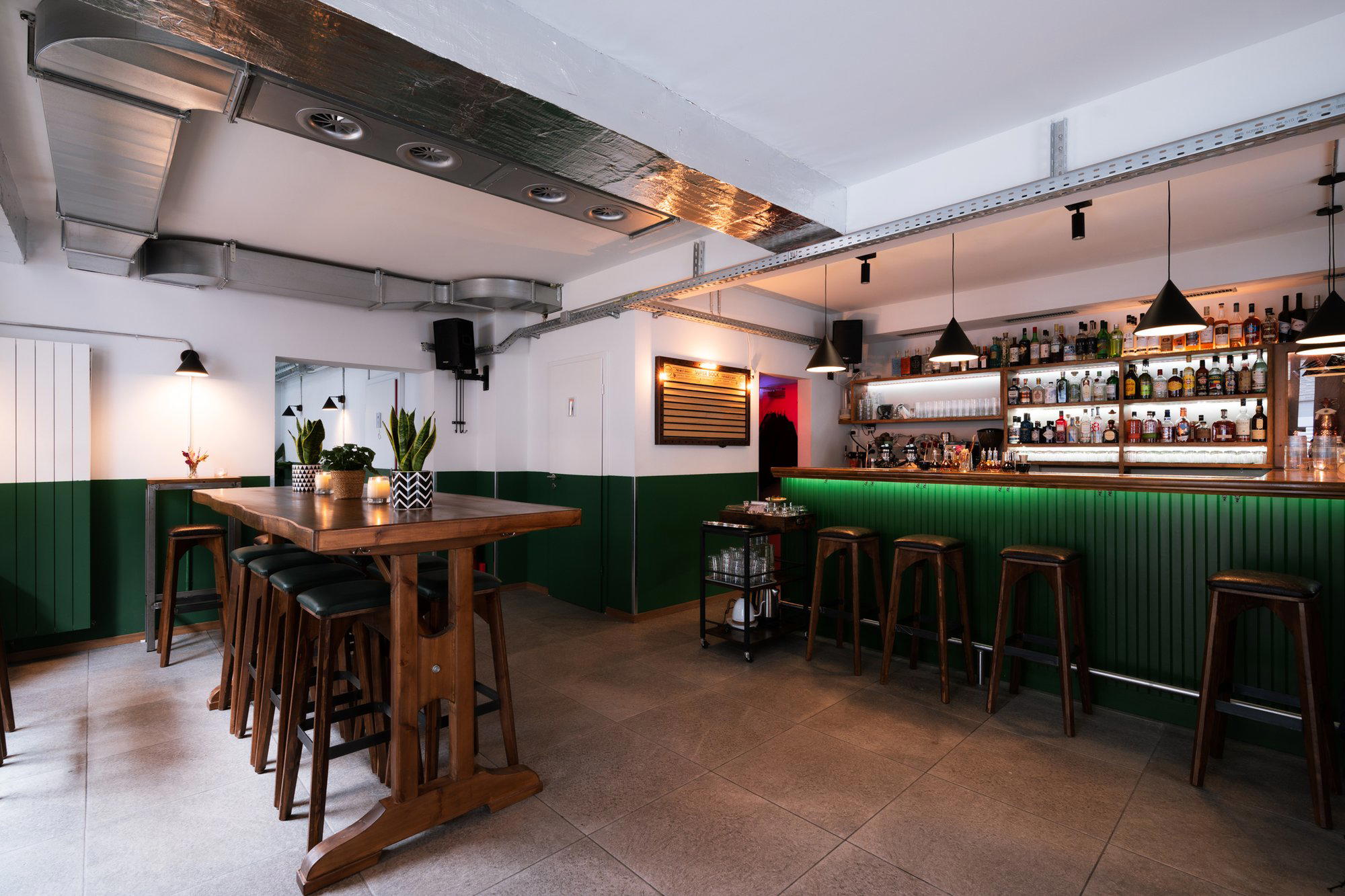
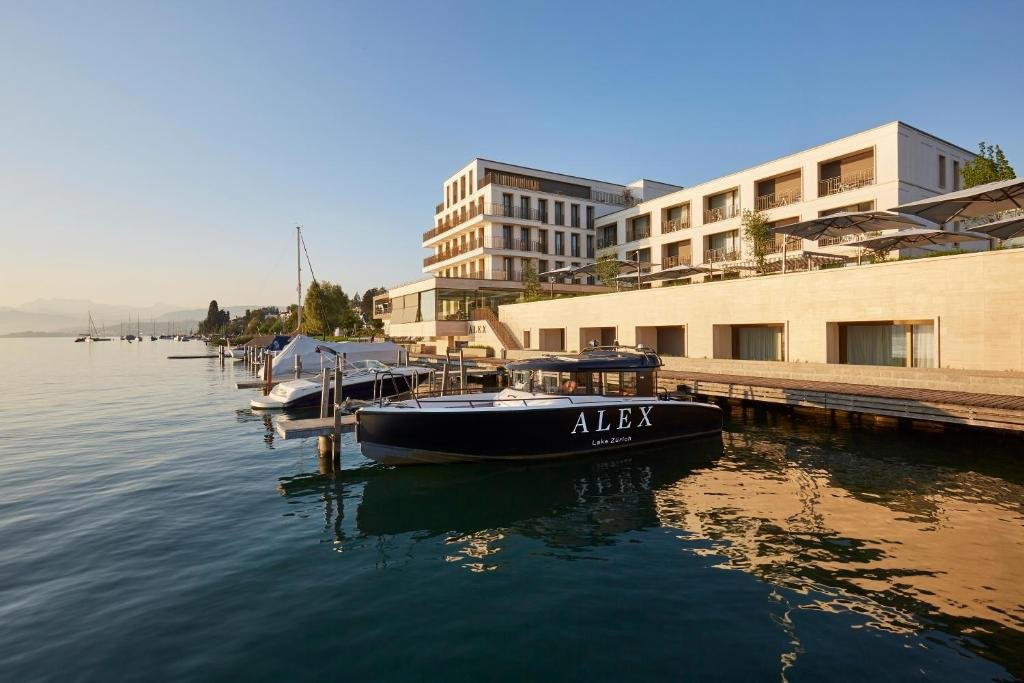
At a Glance
- Cozy
- Classic
- Rustic
- Casual Hangout
- Family
- Group Dining
- Hotel Restaurant
Current opening hours
- Monday
- Closed
- Tuesday
- 10 AM–2 PM, 5–11 PM
- Wednesday
- 10 AM–2 PM, 5–11:30 PM
- Thursday
- 10 AM–2 PM, 5–11:30 PM
- Friday
- 10 AM–2 PM, 5–11:30 PM
- Saturday
- 11 AM–2 PM, 5–11:30 PM
- Sunday
- Closed
Hours can change for holidays and private events. Last verified .