Chalet Lenk Restaurant
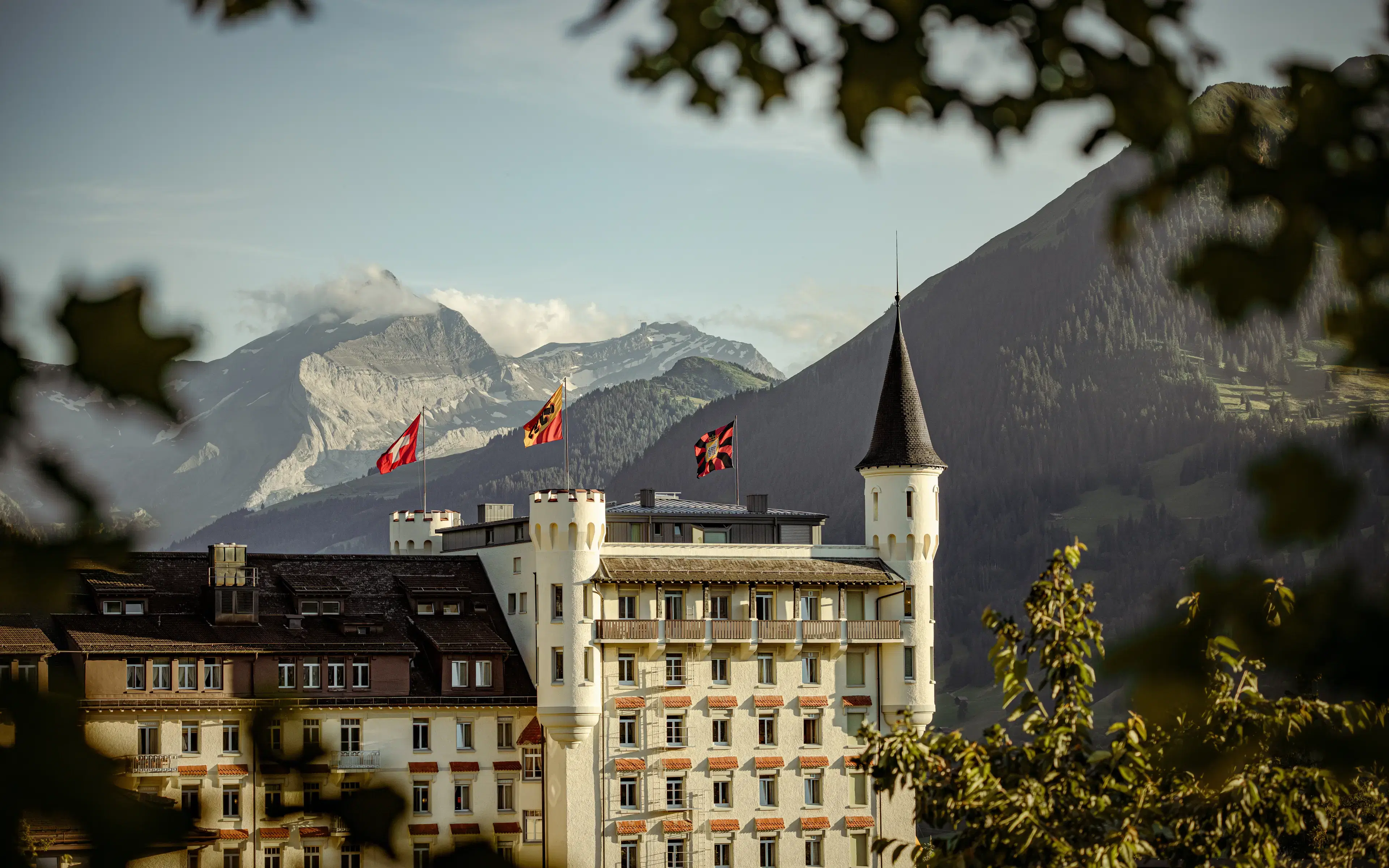
In the Bernese Oberland ski village of Lenk, Chalet Lenk Restaurant operates from a traditional Alpine address on Badgässli 10. The setting draws on the region's mountain-farming heritage, where proximity to local producers shapes what arrives on the table. For visitors exploring the Simmental valley's dining options, it sits alongside neighbouring addresses like Restaurant Gasthof Tenne as part of a small but considered local scene.
Pearl is the En Primeur Club membership app — saves, bookings, and concierge access live there. Same editors, same standards.
- Address
- Badgässli 10, 3775 Lenk, Switzerland
- Phone
- +41 33 550 11 54
- Website
- chaletlenk.ch
- Directions
- Get directions
 Saves & bookings on Pearl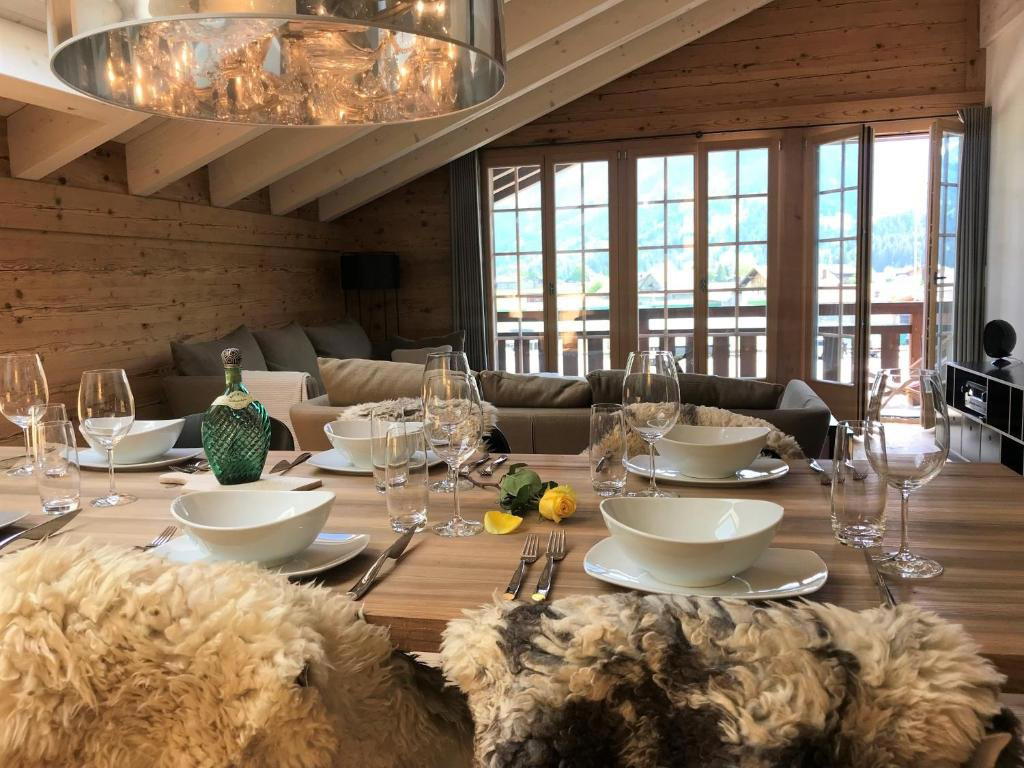
Alpine Sourcing and the Simmental Table
The Bernese Oberland has long operated on a principle that distances between farm and kitchen stay short by necessity as much as philosophy. In a valley like Lenk's Simmental, that compression is structural: the mountain terrain limits what can be imported at reasonable cost and quality, so kitchens have historically worked with what the surrounding pastures, forests, and streams provide. Chalet Lenk Restaurant, addressed at Badgässli 10 in the centre of this compact ski village, sits inside that tradition. Whether the menu leans toward Rösti and braised meats in winter or lighter preparations when the high pastures open in summer, the sourcing logic of the Simmental tends to anchor what ends up on the plate.
This is a region where the cattle breed itself carries appellation weight. Simmental cattle, exported globally for crossbreeding, are raised here in the valley that gave them their name, and the beef that comes from locally kept herds has a traceability that restaurants in Zurich or Geneva spend considerable effort trying to replicate at a remove. For a chalet-format restaurant in the village itself, that proximity is simply the default condition of operating here.
What the Setting Tells You Before You Sit Down
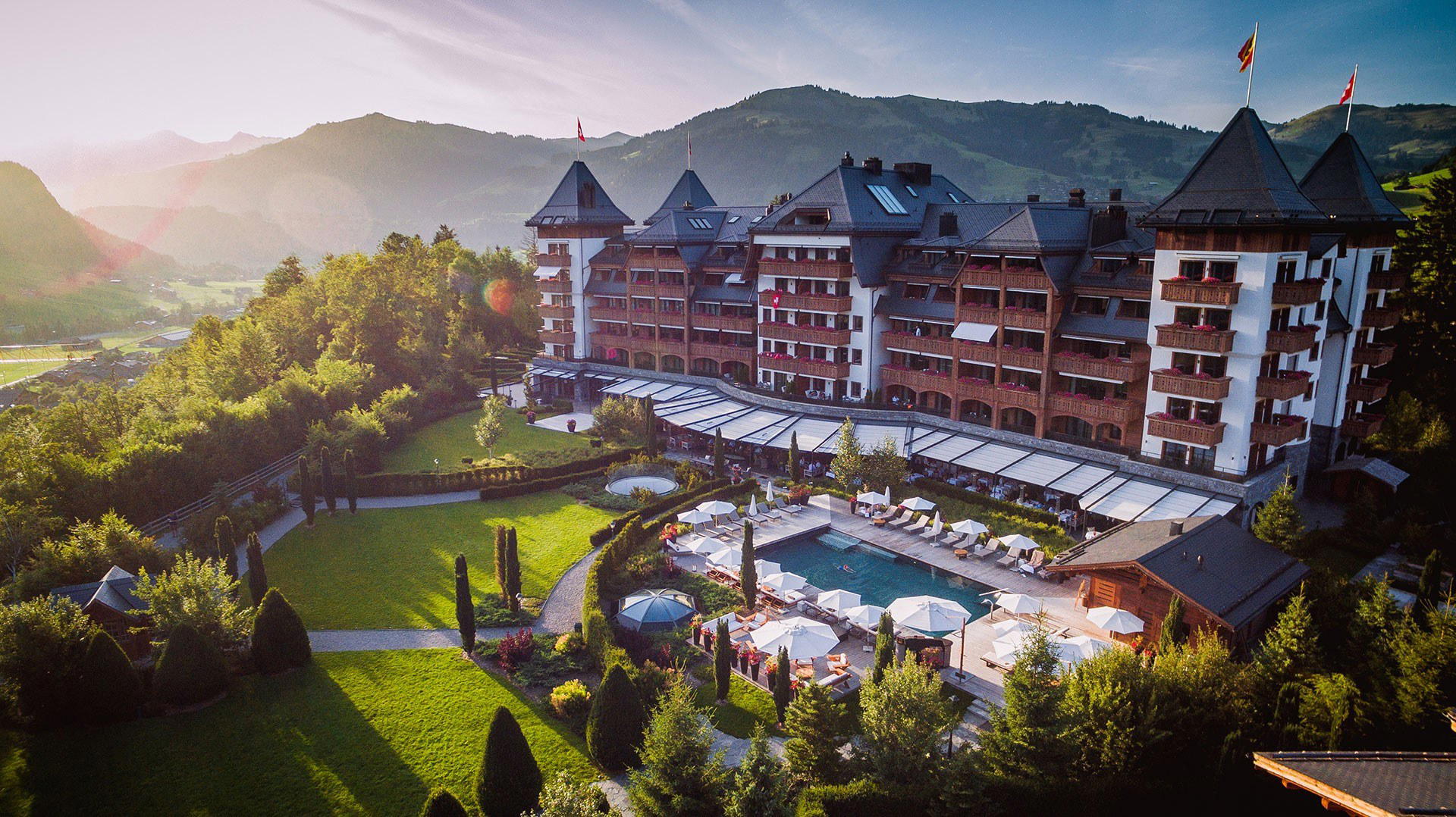
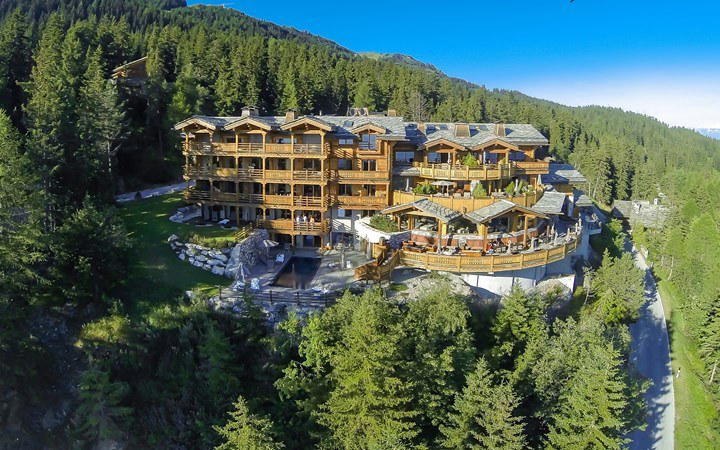
Arriving at a chalet restaurant in an Alpine ski village like Lenk carries its own set of expectations, and those expectations are not accidental. The chalet format, with its timber construction, pitched rooflines, and interior warmth designed against mountain cold, frames the meal before any menu is presented. The physical environment signals a particular register: hearty over precious, communal over theatrical, seasonal over global.
Lenk itself sits at roughly 1,100 metres in the upper Simmental, a village built around winter skiing and summer hiking rather than the more internationally calibrated resort circuits of Verbier or Zermatt. That positioning matters for understanding what a restaurant here is doing. The audience is largely Swiss domestic visitors supplemented by returning European guests who know the village well, a different crowd from the international luxury-resort tourist. The dining room, if it follows the chalet pattern common to the area, is likely to feel oriented toward that repeat, locally rooted guest rather than the first-time luxury traveller requiring orientation.
For visitors arriving from further afield, the practical approach is to treat Lenk as a base for several days rather than a single-night stop. The village's dining options are small in number but coherent in character. Restaurant Gasthof Tenne represents the other anchor of the local scene, and the two addresses together give a reasonable picture of what Lenk's kitchen culture currently offers. A fuller sense of the options across the wider area is covered in our full Lenk restaurants guide.
The Ingredient Logic of Mountain Kitchens
Swiss Alpine cooking has undergone a significant reappraisal over the past two decades, driven partly by the success of destination restaurants in comparable mountain settings and partly by a broader European interest in regional produce specificity. Addresses like Schloss Schauenstein in Fürstenau and Memories in Bad Ragaz have made the case at the highest price tier that Swiss regional ingredients, treated with contemporary technique, can anchor menus that compete on an international reference frame. Closer to the village-restaurant format, La Table du Valrose in Rougemont operates in a neighbouring Alpine valley context and offers a useful peer comparison for what refined but geographically grounded cooking can look like at this altitude.
The Simmental's pantry is specific. Beyond its namesake cattle, the valley produces dairy at a scale and quality that feeds into Switzerland's cheese export identity. Gruyère and Emmental production regions sit close enough that the raw material for fondue, raclette, and the broader canon of melted-cheese dishes is genuinely local here in a way it cannot be for a restaurant in a lowland city. A kitchen working seriously with these ingredients is not reaching for import exotica; it is drawing on what the surrounding farms have produced for centuries.
Game is the other significant seasonal variable. The forests of the Bernese Oberland support red deer, chamois, and boar, and the autumn hunting season has historically shaped what appears on menus across the region from September through November. If Chalet Lenk Restaurant follows the pattern common to Alpine kitchens in this altitude range, the late-season menu is likely to reflect that calendar shift in a way that the summer or midwinter offerings do not.
Where Lenk Sits in Swiss Dining
Switzerland's restaurant scene at the highest recognition tier concentrates in the Romandy and larger German-Swiss cities: Hotel de Ville Crissier in Crissier, Cheval Blanc by Peter Knogl in Basel, Maison Wenger in Le Noirmont, and Einstein Gourmet in Sankt Gallen each operate within larger urban or suburban catchments that allow the booking volume and price points required for that tier. Mountain resort restaurants that have reached comparable recognition levels, such as Da Vittorio in St. Moritz, have typically done so inside internationally branded hotel infrastructure or with a celebrity-chef attachment that extends their reach beyond the local guest.
Lenk does not operate in that register, and Chalet Lenk Restaurant should not be assessed against that reference point. The relevant comparable set is the network of mid-mountain village restaurants across the Bernese Oberland and broader Swiss Alps that serve a loyal regional audience with cooking rooted in local produce and seasonal rhythm. Within that comparable set, consistency of sourcing and the quality of the raw material tend to matter more than technical ambition or menu innovation.
For context on what technically ambitious Swiss cooking looks like at addresses closer to the Lenk area, Mammertsberg in Freidorf and focus ATELIER in Vitznau both demonstrate how Swiss-sourced ingredients can anchor menus at a higher level of elaboration. Further afield, The Japanese Restaurant in Andermatt illustrates how international concepts have been grafted onto Swiss Alpine resort settings with varying degrees of coherence. The contrast points back to what locally rooted village kitchens like the one at Lenk are actually doing: serving a community and its visitors with food that reflects where it comes from.
Planning a Visit
Lenk is most easily reached by train via Zweisimmen on the Montreux-Oberland-Bernois line, with the journey from Bern running roughly 90 minutes depending on connections. The village is compact enough that Badgässli 10 is walkable from the station and from the main ski lift infrastructure. Reservations are recommended, and the restaurant opens Wednesday through Sunday for lunch and dinner, with Monday and Tuesday closed.
For readers interested in the broader context of what Swiss village dining can offer at various price and ambition levels, the EP Club coverage of addresses like Skin's in Lenzburg, Taverne zum Schäfli in Wigoltingen, and La Brezza in Ascona traces some of the variation in how Swiss kitchens handle regional identity across different geographic and format contexts. For international comparison points on what ingredient-led cooking looks like at the apex of the format, Le Bernardin in New York City and Lazy Bear in San Francisco each demonstrate how sourcing specificity and producer relationships can become the central editorial logic of a restaurant's identity.
Fast Comparison
Comparable venues nearby, for context on price, style, and recognition.
| Venue | Cuisine | Price | Notes |
|---|---|---|---|
| Chalet Lenk RestaurantThis venue — the venue you are viewing | Modern Swiss Seasonal | $$$ | Not listed |
| Restaurant Gasthof Tenne | Traditional Swiss Local Cuisine | $$ | Lenk im Simmental |
| Restaurant 1903 | Refined Swiss with Mediterranean Influences | $$$ | Wengen |
| Kultur Lokal Rank | Modern Swiss with live music | $$$ | Oberstrass |
| Olympia | Modern Swiss Fusion | $$ | Breitfeld |
| Restaurant Nova | Modern Swiss Fine Dining | $$$ | Flims Dorf |
Continue exploring
More in Lenk
Restaurants in Lenk
Browse all →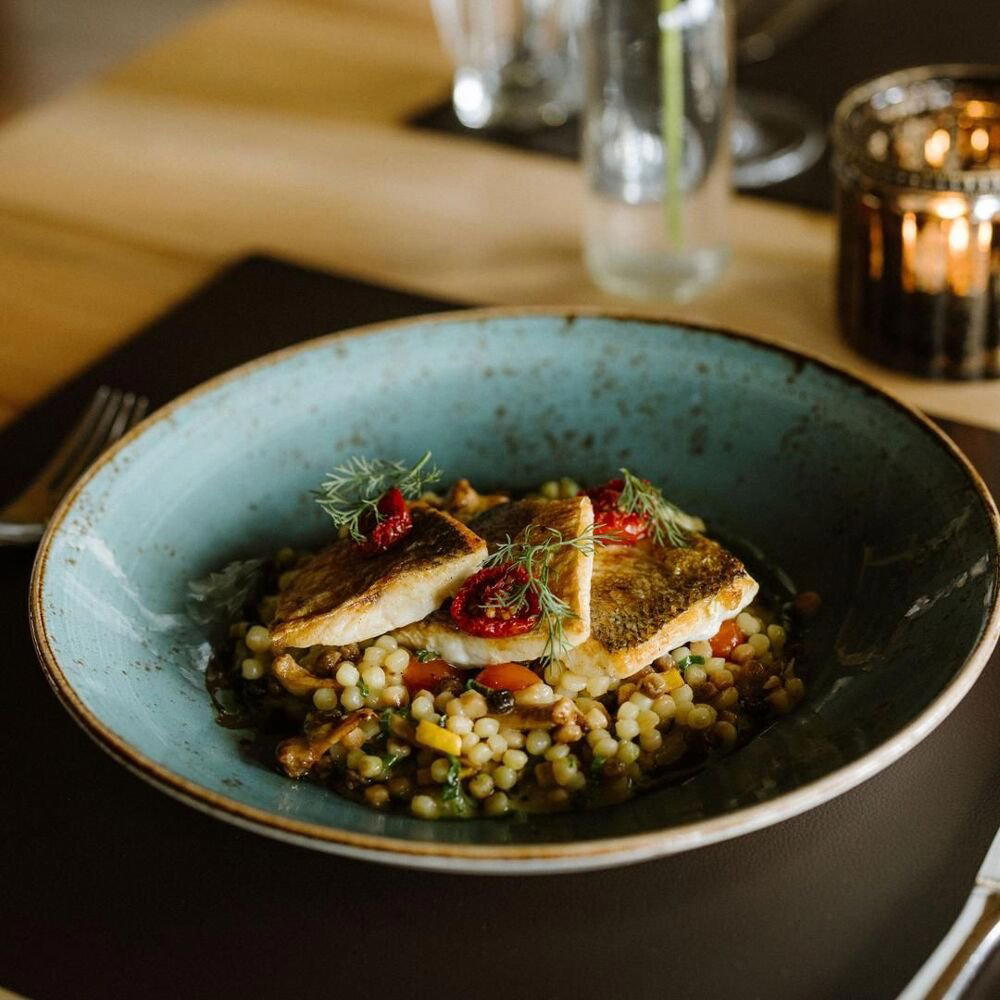
At a Glance
- Cozy
- Rustic
- Scenic
- Modern
- Date Night
- Family
- Special Occasion
- Standalone
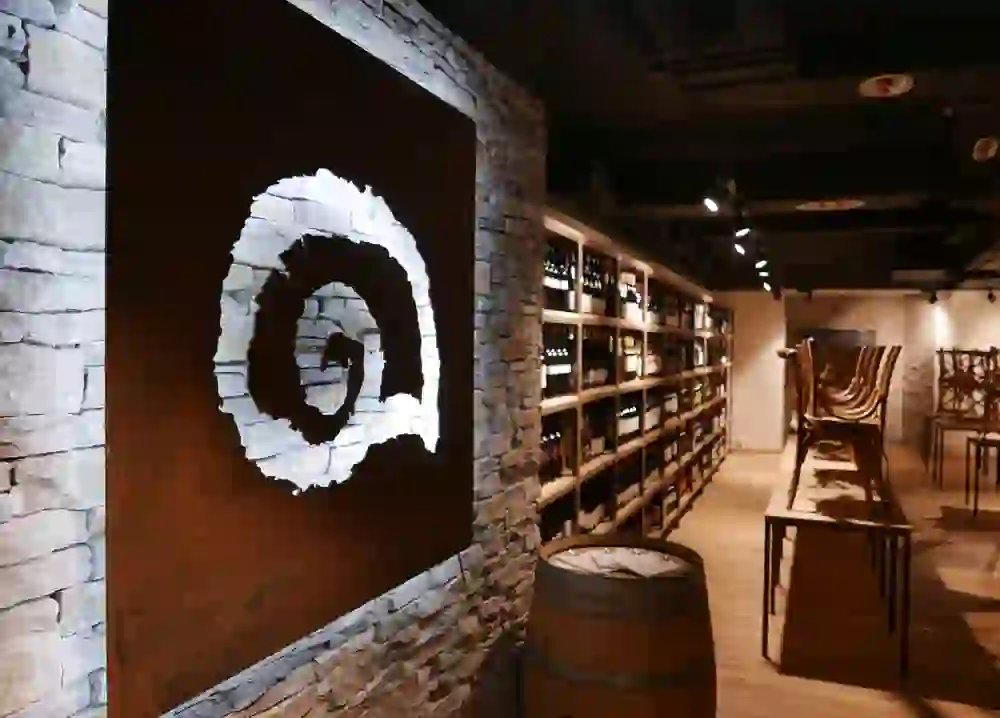
- Extensive Wine List
- Local Sourcing
- Mountain
Current opening hours
- Monday
- Closed
- Tuesday
- Closed
- Wednesday
- 11:30 AM–2 PM, 6–11 PM
- Thursday
- 11:30 AM–2 PM, 6–11 PM
- Friday
- 11:30 AM–2 PM, 6–11 PM
- Saturday
- 11:30 AM–2 PM, 6–11 PM
- Sunday
- 11:30 AM–2 PM, 6–10 PM
Hours can change for holidays and private events. Last verified .
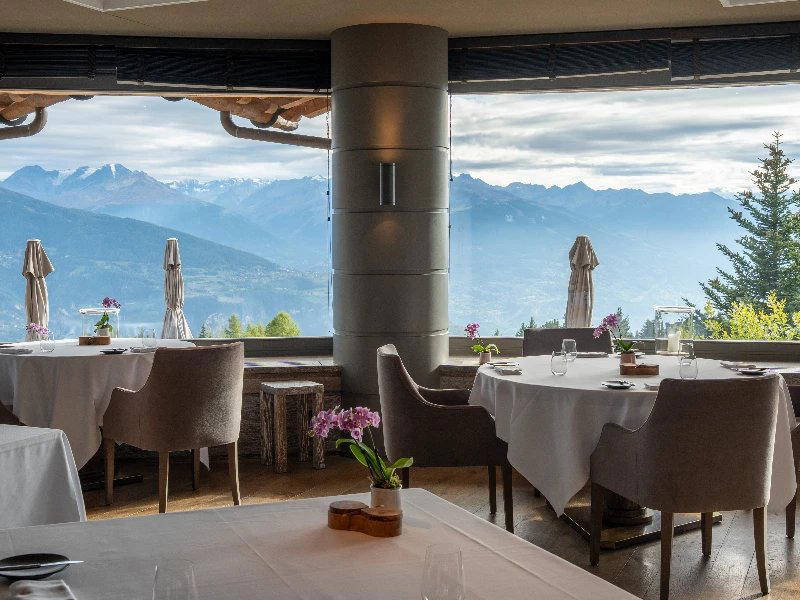
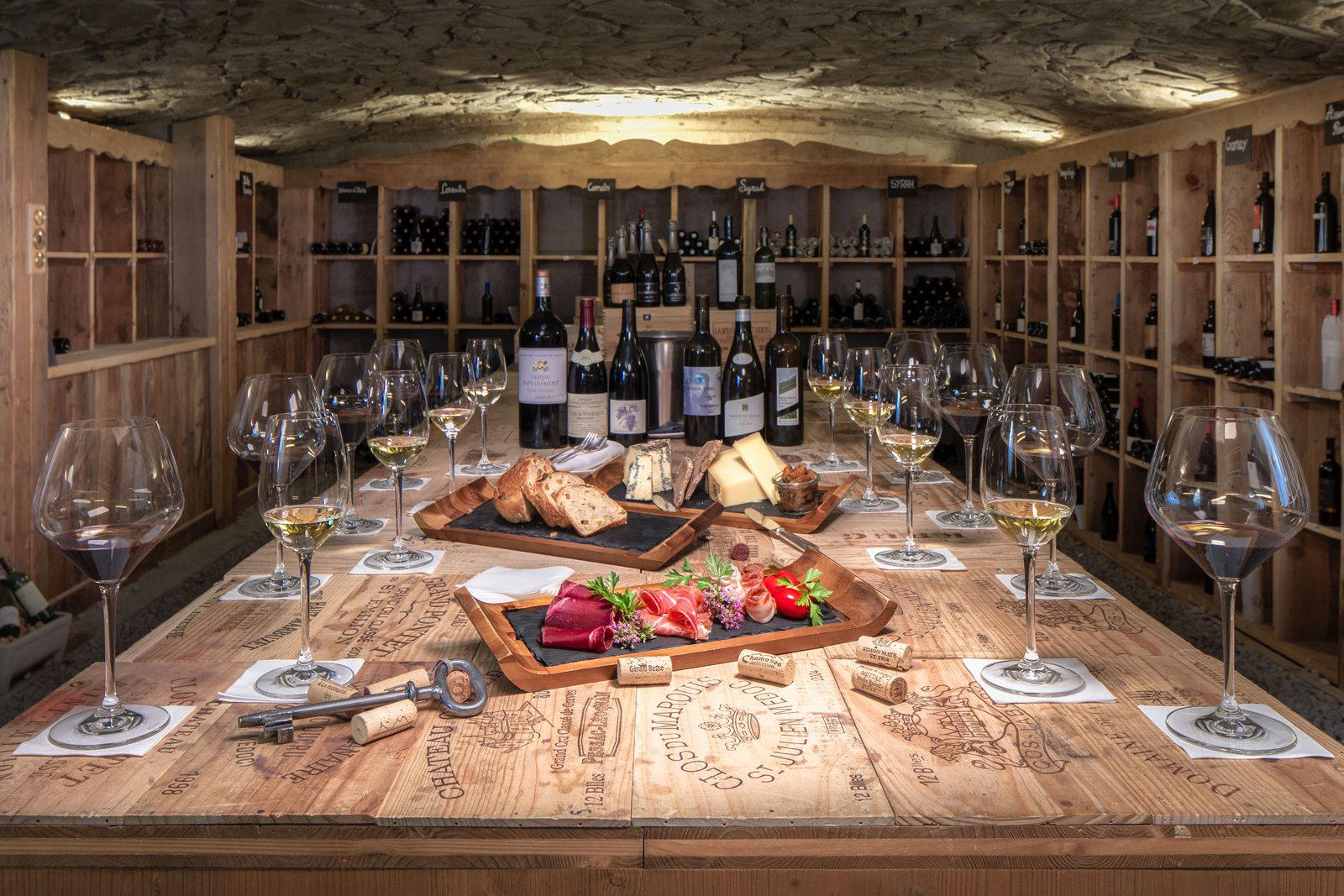
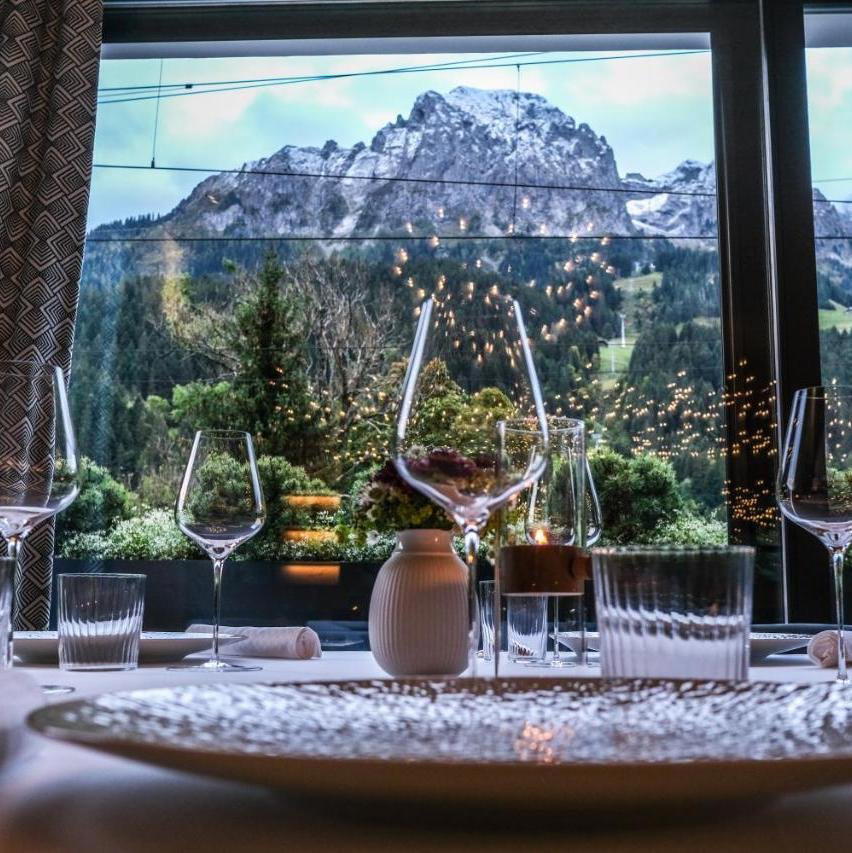
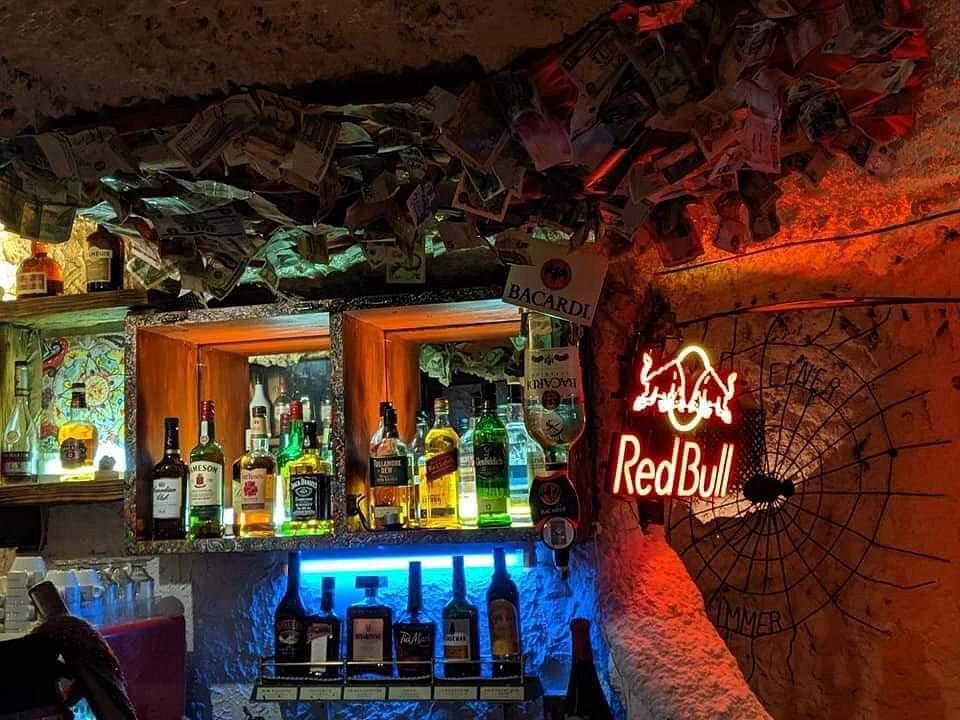
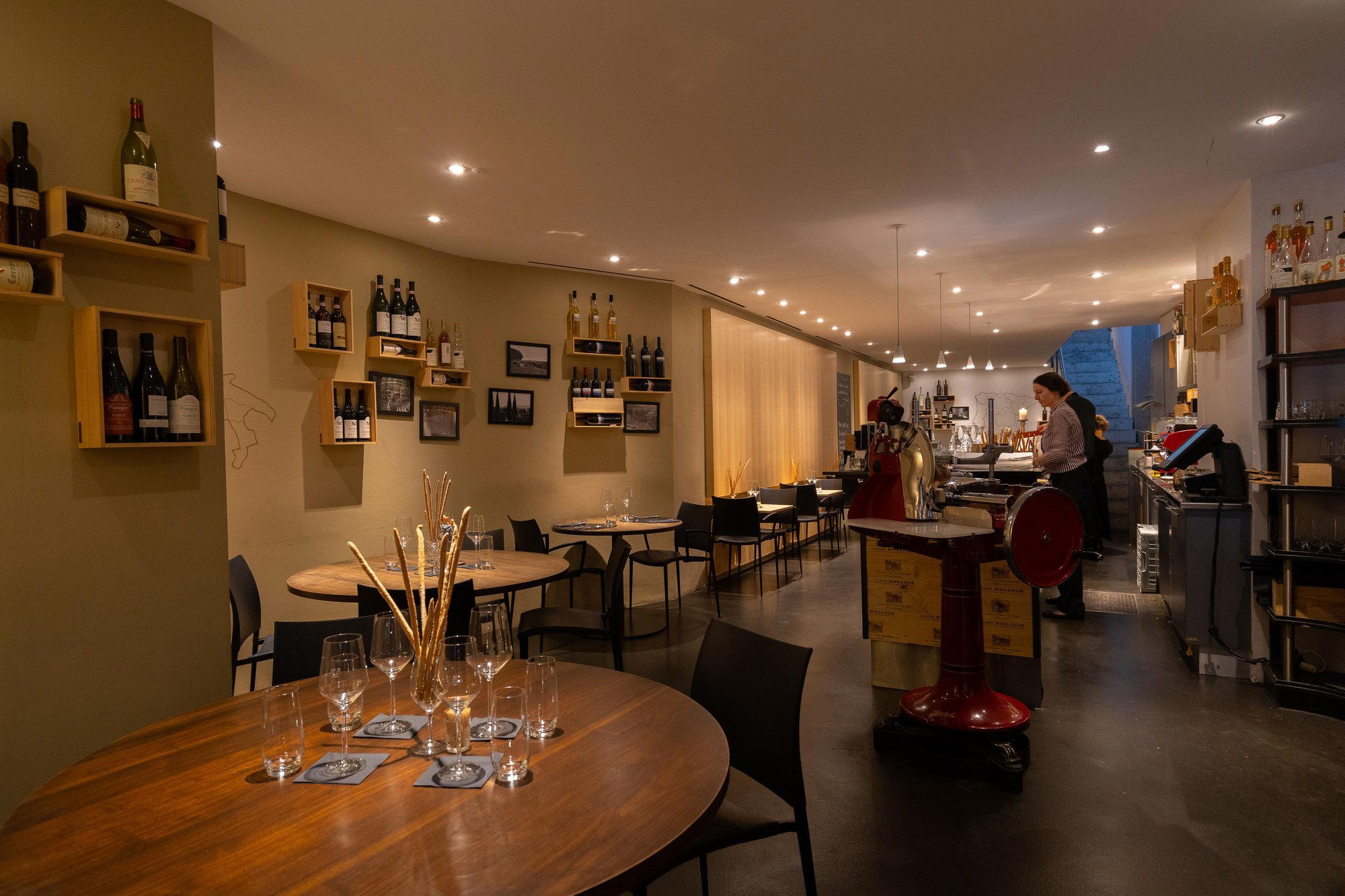
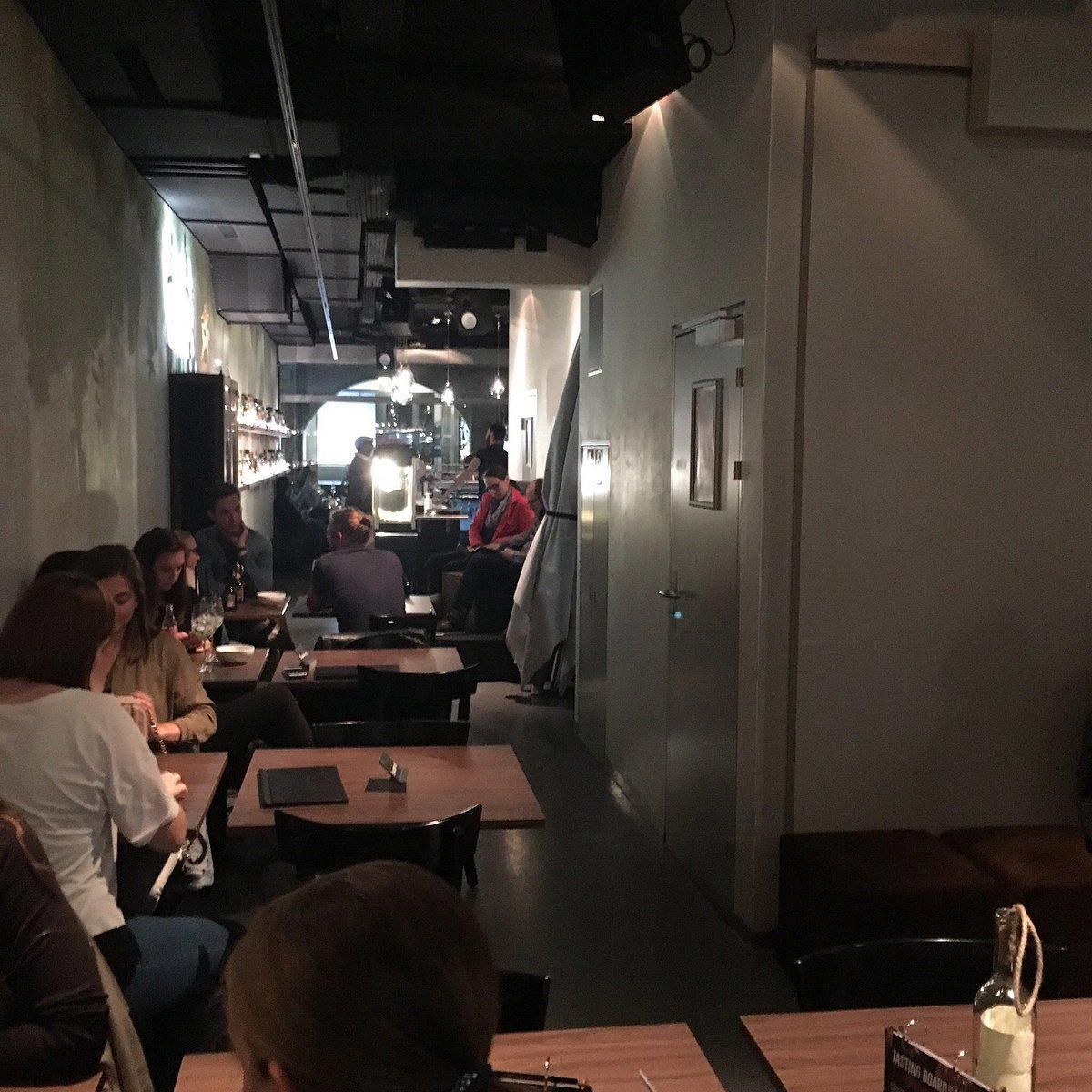
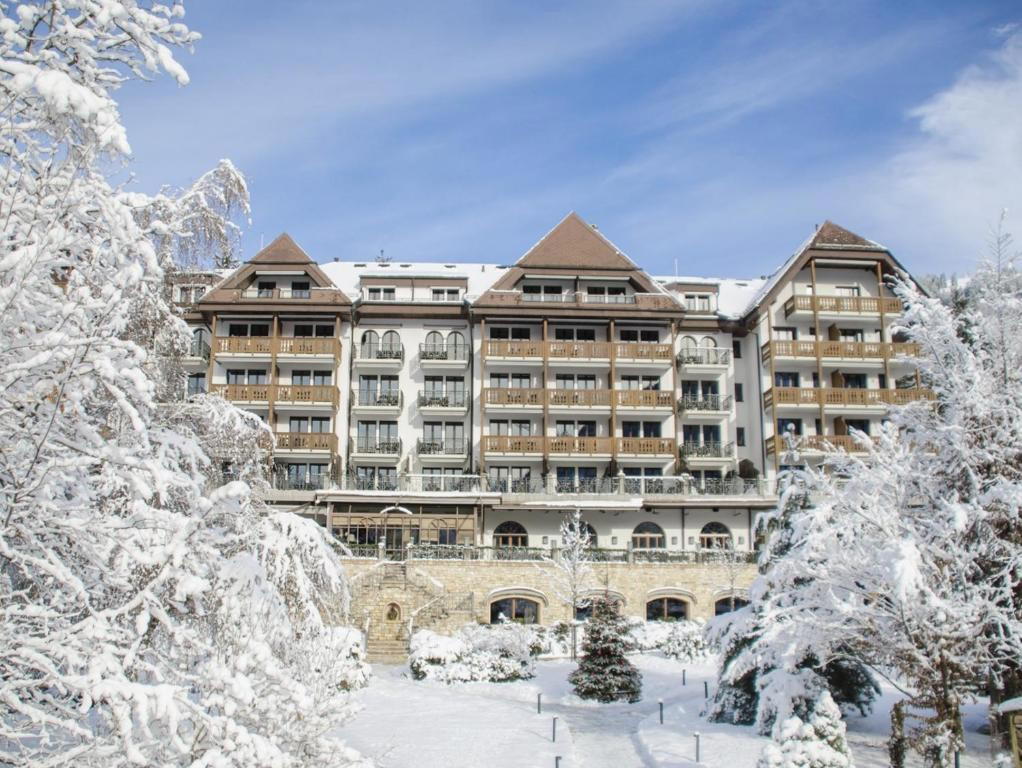
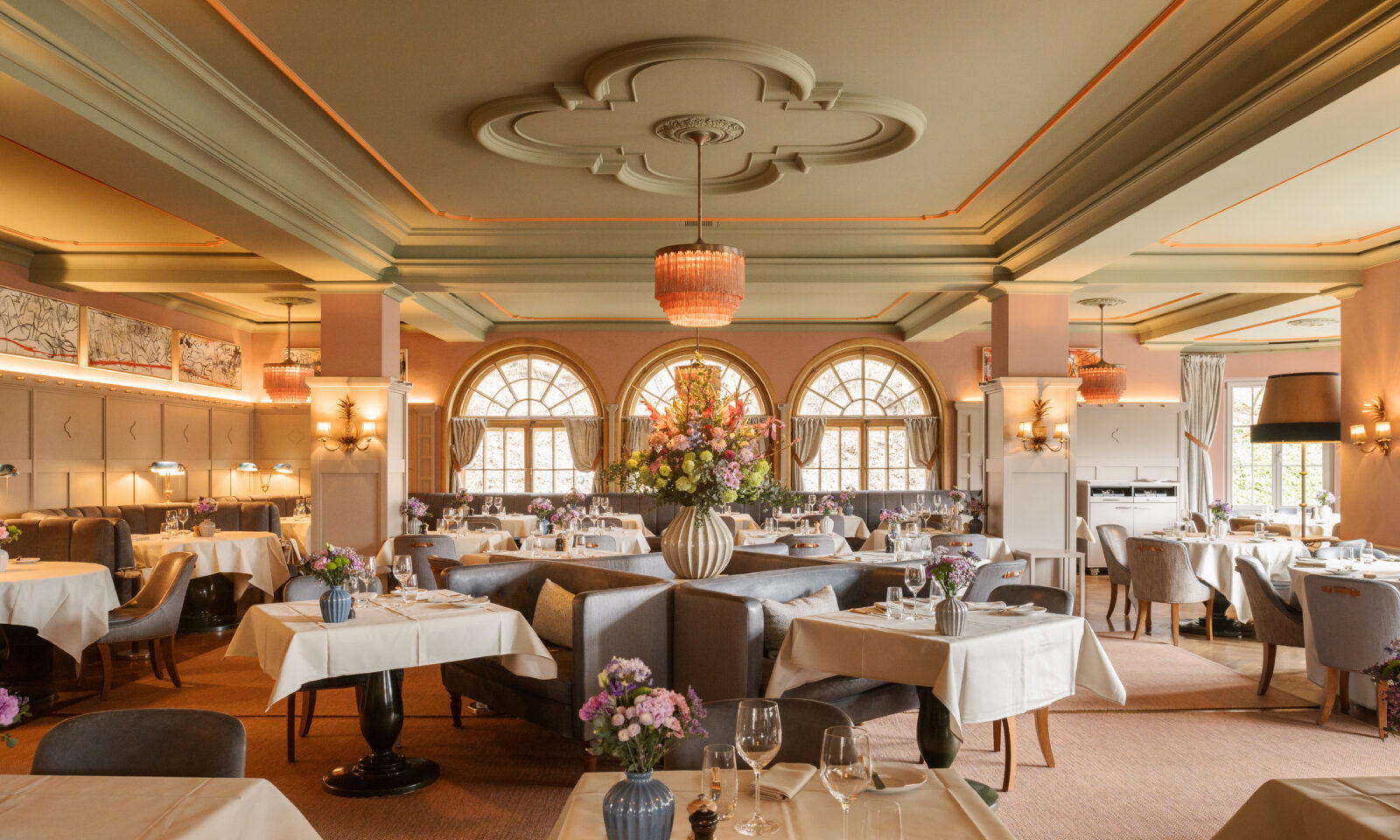
Harmonious modern decor with far-reaching valley views, warm welcoming atmosphere, and beautifully presented cuisine.