
Michelin Plate
Our verdict
On a quiet side street in Dresden's Altstadt fringe, Restaurant finesse occupies the kind of address that rewards the curious traveller willing to look past the obvious.

Pearl is the En Primeur Club membership app — saves, bookings, and concierge access live there. Same editors, same standards.
- Address
- Schützengasse 13, 01067 Dresden, Germany
- Phone
- +4935148454930
- Hours
- Mon–Wed ClosedThu–Sun 5–10 PM
- Website
- restaurant-finesse.de
- Directions
- Get directions
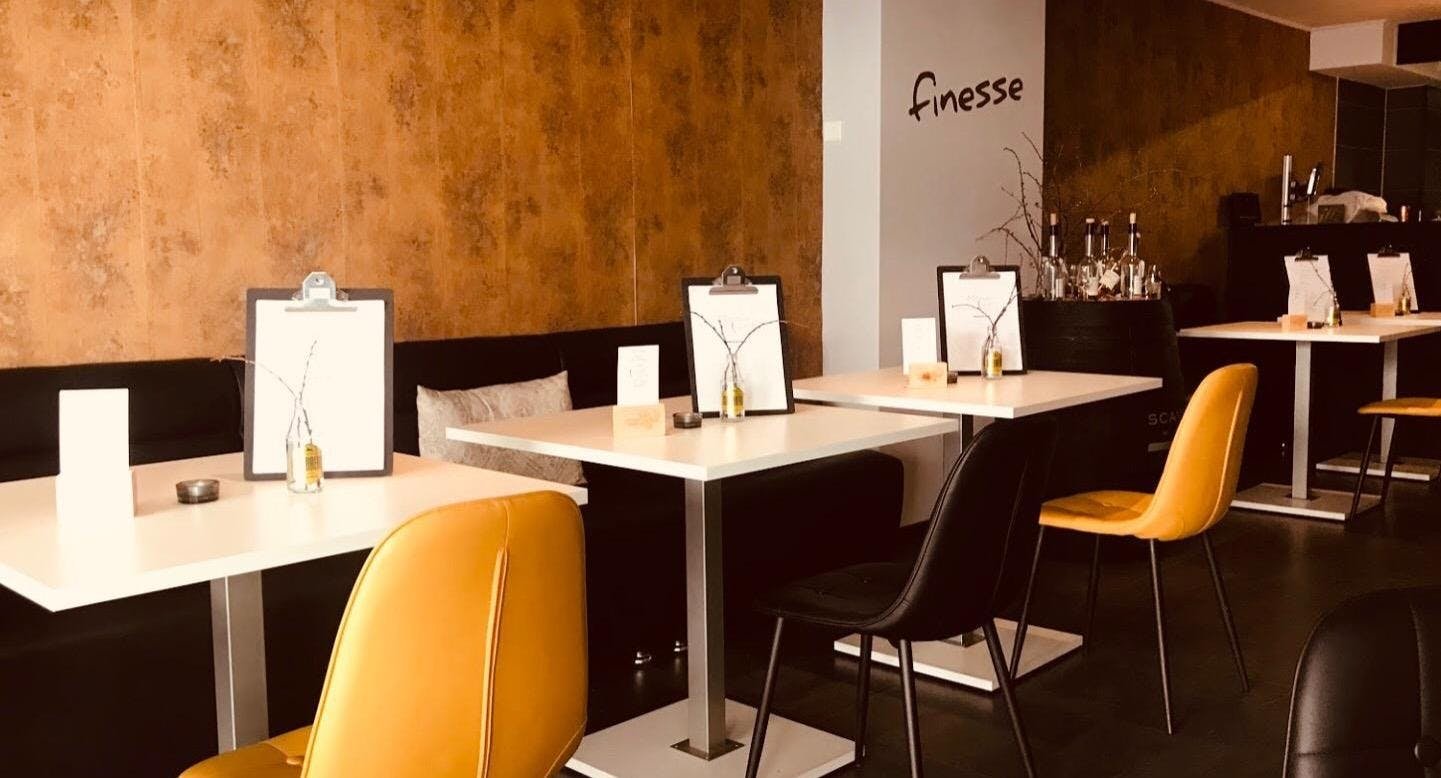
The menu
What to order
- Rinderfilet with Angus beef
- Knödel with beets and feta
- Dim Sum with shrimp
- Potage with truffle
A Street That Sets the Register
Schützengasse is not one of Dresden's postcard addresses. The street runs through the western edge of the Altstadt, close enough to the Zwinger and the Semperoper to draw foot traffic from the city's cultural core, yet removed enough that restaurants here are found by intent rather than accident. In a city where fine dining has historically clustered around hotel dining rooms and the grand baroque set pieces of the old town centre, an address like Schützengasse 13 carries a particular signal: the kitchen is not relying on the surroundings to do the work. That geography shapes the experience before a single course arrives.
Dresden's restaurant scene has undergone a measurable shift over the past decade. The city sits within a wider Saxon dining corridor that includes some of Germany's most technically demanding kitchens, and the pressure of that regional context has pushed Dresden's own operators toward greater ambition. Comparing the current offering to what existed fifteen years ago, the middle tier has compressed while the upper tier has expanded. Restaurant finesse enters that conversation from a Schützengasse address that, by its nature, focuses attention on what happens at the table.
Where finesse Sits in Dresden's Dining Order
Dresden's higher-end restaurants now divide roughly along two axes: those that draw on Saxony's regional larder and present it through a contemporary European lens, and those that operate in a more internationalised modern cuisine idiom without strong regional anchoring. elements and Genuss-Atelier represent the modern cuisine bracket at the €€€€ and €€€ price tiers respectively, while Bülow Palais draws on the German fine dining tradition with the support of a heritage hotel address. Heiderand offers another modern cuisine reference point in the city. Restaurant finesse, positioned on a street that lacks the institutional weight of those hotel-backed or centrally located peers, occupies a space where the proposition rests primarily on the quality of the cooking itself.
That positioning is not unusual in German cities with developed dining cultures. The pattern repeats across the country: credible independent fine dining operations setting up on secondary streets in historic centres, where rents allow for smaller rooms and more focused menus. JAN in Munich and ES:SENZ in Grassau both demonstrate how address can work in favour of a kitchen that prefers to compete on plate rather than postcode. Restaurant finesse operates within that same logic on Schützengasse.
The Tradition Behind the Name
The word finesse carries a specific weight in European fine dining vocabulary. It implies a preference for precision and restraint over generosity and spectacle, a kitchen that edits rather than accumulates. German fine dining at its most technically accomplished has long aligned with that value — it is not the tradition of Franco-German excess but of controlled execution, clean flavour separation, and structural clarity on the plate. That tradition has produced some of the country's most recognised addresses: Aqua in Wolfsburg, Schwarzwaldstube in Baiersbronn, Waldhotel Sonnora in Dreis, and Vendôme in Bergisch Gladbach. A restaurant that names itself after the concept enters a conversation already framed by those references.
Dresden has its own claim on that lineage. Saxony's culinary identity has historically been underestimated relative to Bavaria or the Rhine corridor, but the regional kitchen offers a distinct set of raw materials, and the city's cultural infrastructure, anchored by world-class opera, state art collections, and a dense concentration of international visitors, creates a dining public with calibrated expectations. That audience sustains restaurants that aim above the casual register. It also means that a kitchen on Schützengasse is not operating in isolation: it is being assessed against what visitors have encountered in Berlin, Hamburg, and Frankfurt, and against what the region's stronger kitchens have established as a benchmark.
Dresden in the National Fine Dining Context
Germany's Michelin-recognised fine dining circuit remains concentrated in the west and south, with Hamburg, Munich, and the Black Forest corridor accounting for a disproportionate share of the country's highest-rated tables. Restaurant Haerlin in Hamburg, Schanz in Piesport, and Victor's Fine Dining by Christian Bau in Perl operate in that well-documented western circuit. Dresden, as one of the principal cities of the former East Germany, carries a different historical relationship with the infrastructure of fine dining. The city's higher-end restaurant culture has developed with less institutional support and fewer imported culinary traditions, which has in some respects encouraged a leaner, more self-sufficient approach among the kitchens that have established themselves here.
International comparisons are instructive. The kind of quiet-street independent fine dining that Restaurant finesse represents on Schützengasse has parallels in cities with similarly strong cultural anchors: CODA Dessert Dining in Berlin demonstrates how format-led independent restaurants in secondary addresses can develop sustained critical recognition on the back of a clear culinary proposition. Internationally, Le Bernardin in New York City and Atomix in New York City each illustrate how a singular technical identity, rather than location or scale, drives long-term reputation. The model is consistent: identity precedes address.
Planning a Visit
Restaurant finesse is located at Schützengasse 13, 01067 Dresden, in the western Altstadt. The address is within walking distance of the main cultural institutions along the Elbe — the Semperoper sits roughly ten minutes on foot, and the Zwinger is in a similar radius. For visitors staying in the Neustadt or arriving by train at Dresden Hauptbahnhof, the journey by tram takes under fifteen minutes. Given the absence of published booking data for this address, the most reliable approach is to contact the restaurant directly on arrival in Dresden or to check current reservation availability through local dining platforms, as independent fine dining rooms in this price tier typically operate with advance booking requirements. Dress expectations at this level of German dining tend toward smart casual at minimum, with the evening service drawing a more formally dressed clientele. For orientation across the wider Dresden restaurant scene and comparable addresses in the modern cuisine and German fine categories, see our full Dresden restaurants guide.
Frequently asked questions
What's Restaurant finesse's location?
Restaurant finesse is located at Schützengasse 13, 01067 Dresden, Germany, Dresden.
How does Restaurant finesse compare to other fine dining options in Dresden's Altstadt?
Dresden's fine dining scene is smaller than Germany's western cities but has developed a recognisable tier of precision-focused restaurants in and around the Altstadt. Restaurant finesse at Schützengasse 13 occupies the western edge of that district, close to the main cultural institutions, which places it in competition with restaurants drawing on both Saxon regional tradition and contemporary European technique.
What's the must-try dish at Restaurant finesse?
Specific menu details for Restaurant finesse are not published in advance, which is consistent with tasting-menu formats at this level of Dresden dining. Visiting guests should expect the kitchen to set the agenda. check the venue's official channels at Schützengasse 13 to ask what the current kitchen is focused on before your reservation.
What's the best way to book Restaurant finesse?
Restaurant finesse is located at Schützengasse 13, 01067 Dresden, in the western Altstadt. Fine dining rooms at this address tier in Germany typically fill well in advance, particularly on weekends.
What's the signature at Restaurant finesse?
The name itself signals the kitchen's orientation: finesse in European fine dining vocabulary points toward precision and restraint rather than abundance. Dresden's higher-tier restaurants increasingly position themselves against Saxony's regional larder, and finesse sits within that current. Without a published menu, the defining signature is better understood as an approach than a single dish.
How does Restaurant finesse handle allergies?
No allergy or dietary policy is published for Restaurant finesse. For a fine dining address in Dresden operating at this register, allergy requirements should be communicated at the time of reservation rather than on the night. Reach out in advance through the restaurant's direct contact channels before visiting Schützengasse 13.
Is Restaurant finesse good value for money?
No pricing information is currently published for Restaurant finesse. Dresden as a city sits below Hamburg and Munich on Germany's fine dining price index, which generally means comparable technical ambition at lower per-cover costs than western German peers. Guests should check the venue's official channels to confirm current menu pricing before booking.
The Minimal Set
Comparable venues nearby, for context on price, style, and recognition.
| Venue | Cuisine | Price | Awards | Notes |
|---|---|---|---|---|
| Restaurant finesseThis venue — the venue you are viewing | Modern Mediterranean Fine Dining | $50–100 | Michelin Plate | Not listed |
| e-VITRUM | Modern Saxon | Not listed | Not listed | Seevorstadt Ost - Großer Garten, Modern Saxon |
| Spizz Restaurant | Mediterranean Fine Dining | $30–50 | Not listed | Striesen, Mediterranean Fine Dining |
| Villandry Restaurant | Modern German Bistro | $50–100 | Not listed | Neustadt, Modern German Bistro |
| VEN | Modern European | $30–50 | Michelin Plate | Innere Altstadt, Modern European |
| ElbUferei | Modern Mediterranean Fine Dining | $50–100 | Michelin Bib Gourmand | Neustadt, Modern Mediterranean Fine Dining |
Recognition history
Dated appearances from independent guides and award organizations, with the underlying list record or original source where available.
Michelin Plate
Michelin
Continue exploring
More in Dresden
Restaurants in Dresden
Browse all →
![[m]eatery restaurant in Dresden](https://cdn.enprimeurclub.com/storage/v1/object/public/images/restaurants/399cba83-7e5d-4a0c-9c34-707a5a37a8d2/hero1.jpg?width=3840&quality=75)
Bars in Dresden
Browse all →
Hotels in Dresden
Browse all →
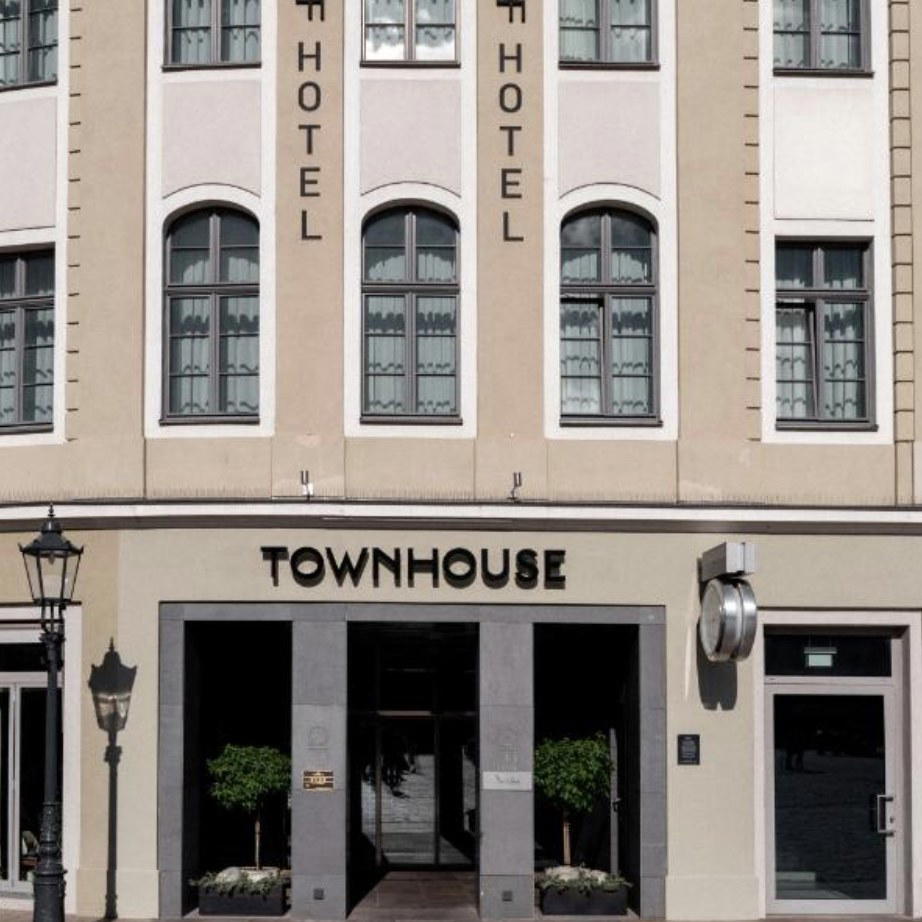
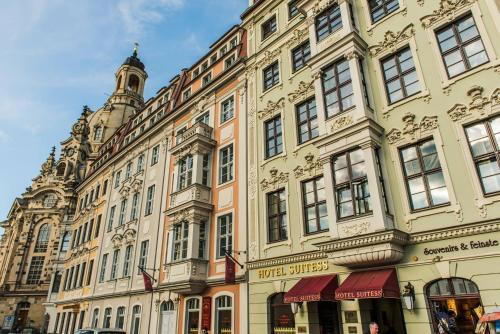
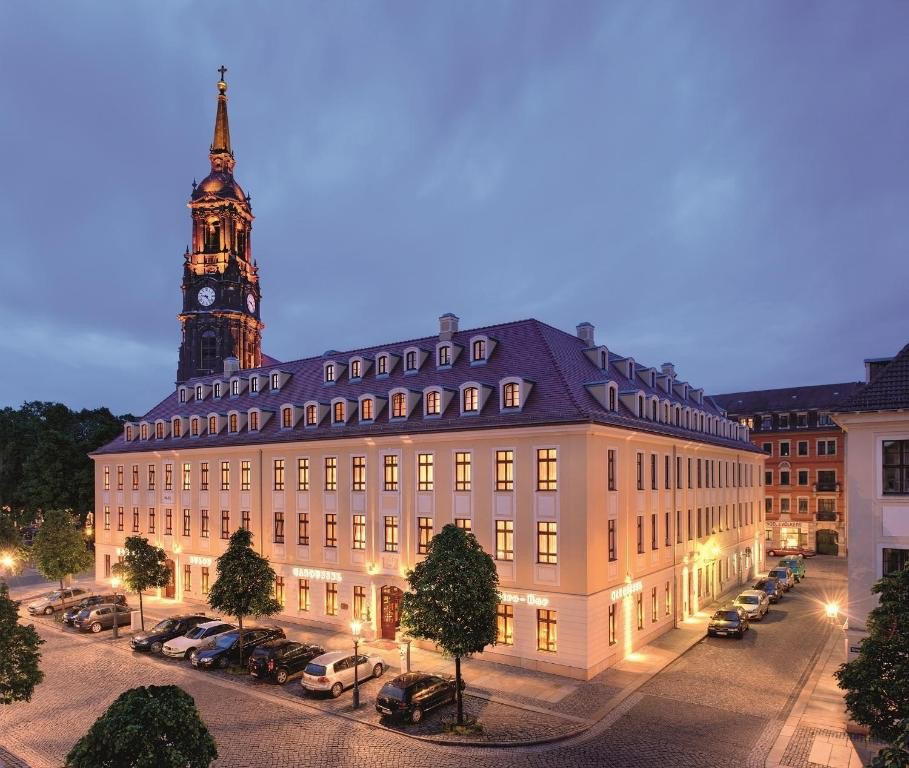

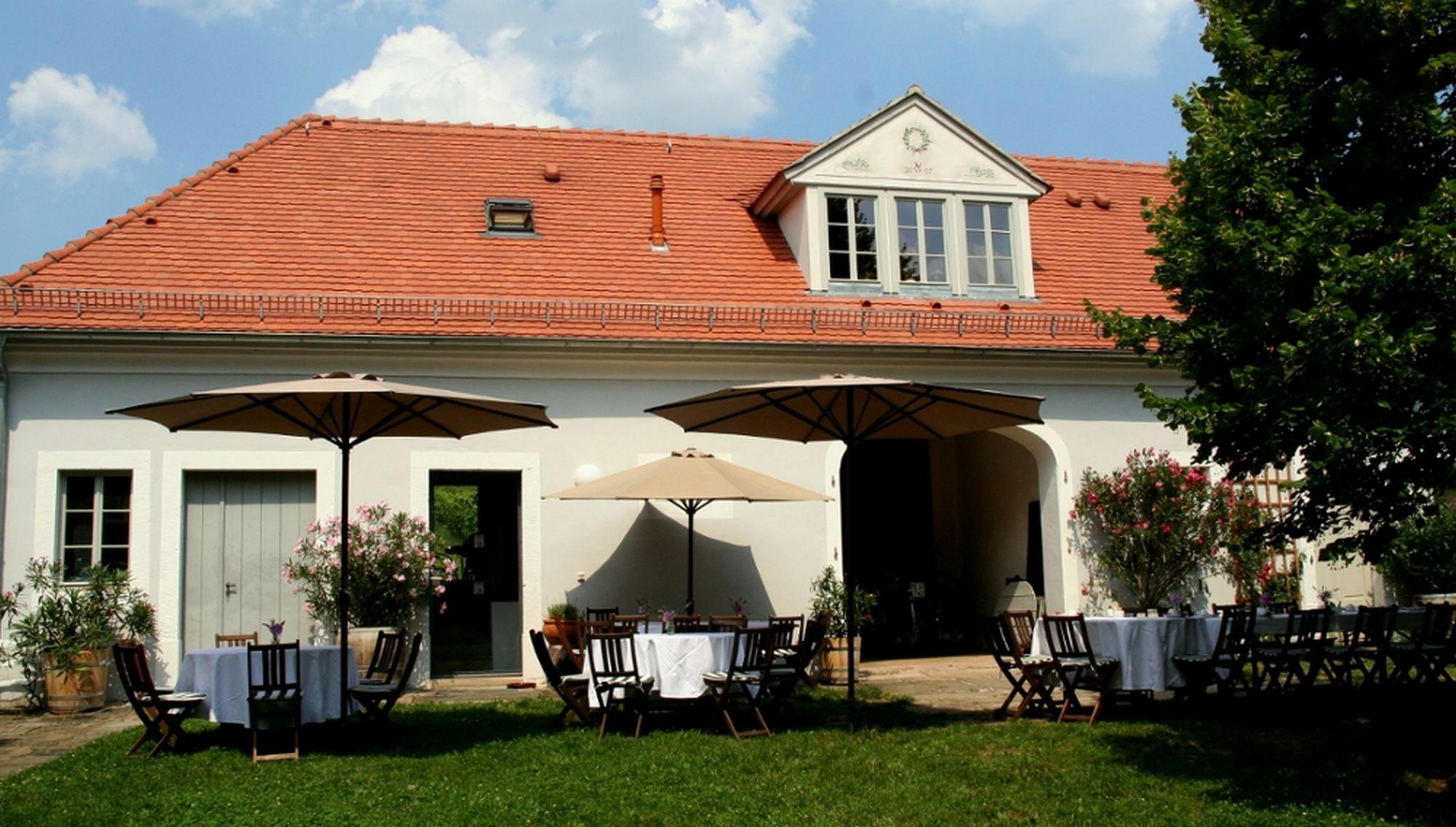
Restaurant finesse
The wine
- Wine program
- Curated wine list
- Sommelier-led
Details
- Intimate
- Elegant
- Minimalist
- Sophisticated
- Date Night
- Special Occasion
- Celebration
- Open Kitchen
- Private Dining
- Sommelier Led
- Tasting Menu
- Prix Fixe
- Wine Pairing
- Vegetarian Friendly
Current opening hours
- Monday
- Closed
- Tuesday
- Closed
- Wednesday
- Closed
- Thursday
- 5–10 PM
- Friday
- 5–10 PM
- Saturday
- 5–10 PM
- Sunday
- 5–10 PM
Hours can change for holidays and private events. Last verified .
Warm, intimate atmosphere with grey minimalist tones and an open kitchen allowing diners to watch the chef work; described as familiar and friendly despite upscale cuisine.