Our verdict
Restaurant ATHOS FLÖHA sits on Augustusburger Strasse in Flöha, a small Saxony town that rarely appears on Germany's fine dining circuit. Check directly for current format, pricing, and availability before making the journey.

Pearl is the En Primeur Club membership app — saves, bookings, and concierge access live there. Same editors, same standards.
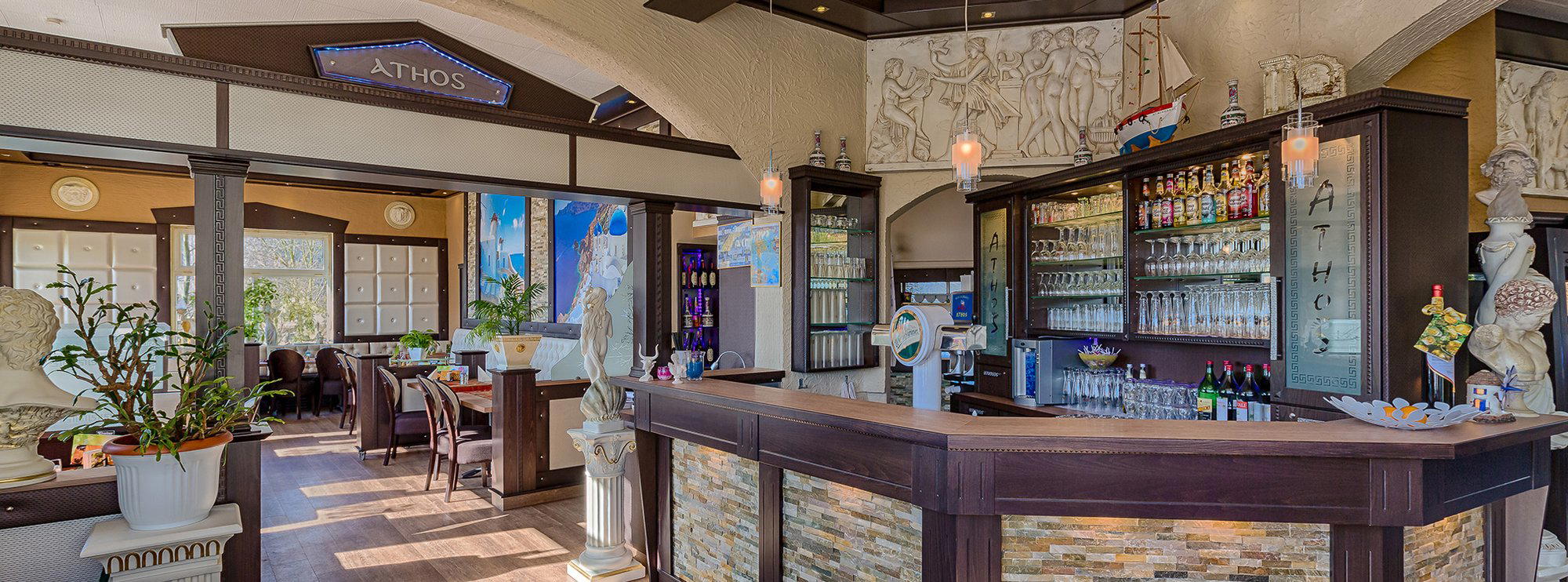
A Saxon Address Off the Recognised Circuit
Germany's serious restaurant conversation tends to cluster around a familiar geography: Hamburg's Haerlin, the Black Forest kitchens around Baiersbronn, the Wolfsburg address of Aqua, or the Bavarian ambitions of JAN in Munich. Saxony sits outside that conversation for most international visitors, and Flöha, a small industrial town on the Flöha river between Chemnitz and the Erzgebirge uplands, sits outside Saxony's own culinary conversation. Restaurant ATHOS FLÖHA, addressed at Augustusburger Strasse 21, occupies that double margin. Whether that marginality reflects a deliberate regional positioning or simply the gap between local reputation and documented national recognition is a question the available record cannot fully answer. What the address does signal is that this is a restaurant functioning in a context shaped more by regional supply and local demand than by the award-driven competitive pressure that defines kitchens like Schwarzwaldstube in Baiersbronn or Vendôme in Bergisch Gladbach.
What Regional Positioning Usually Means for Sourcing
In towns of Flöha's scale and geography, the sourcing story tends to be written by proximity rather than procurement strategy. The Erzgebirge region produces game, freshwater fish from mountain streams, root vegetables suited to cooler elevations, and forest mushrooms across the autumn months. Kitchens working this territory without the national-stage incentive to perform ingredient provenance as a marketing act often end up with supply chains that are shorter and less mediated than those at destination restaurants, simply because the logistics of importing premium product to a small Saxon town make local sourcing the more practical path. That dynamic, where geography enforces a kind of sourcing discipline that urbane restaurants have to construct deliberately, is worth noting when thinking about what ATHOS FLÖHA might offer a visitor arriving from a larger city. The contrast to a kitchen like CODA Dessert Dining in Berlin, where the sourcing narrative is a central part of the conceptual program, is instructive: here, if the sourcing story exists, it is likely quieter and less curated for outside consumption.
Kitchens operating in this part of Saxony also sit within reach of the Czech border, which historically contributed to the regional pantry through cross-border trade in game, cured products, and particular varieties of freshwater fish. That influence is common enough across Saxon border kitchens that it functions as a regional culinary characteristic rather than a venue-specific distinction. For context on how German restaurants in similarly off-circuit locations have built credible programs around regional supply, the work at ES:SENZ in Grassau in the Bavarian foothills offers a useful parallel: a kitchen anchored in local landscape with enough technical ambition to make the journey worthwhile.
The Broader Saxon Dining Pattern
Saxony's restaurant culture operates differently from Bavaria or Baden-Württemberg. The density of Michelin attention thins sharply once you move east of Thuringia, and the restaurants that sustain serious cooking in smaller Saxon towns do so without the infrastructure of wine-tourism, spa-resort dining rooms, or the kind of well-heeled local clientele that supports destination kitchens in wealthier German states. What survives in those conditions tends to be cooking that serves a genuinely local function: regular dining rather than occasion dining, with price points calibrated to regional incomes rather than to the expectations of visitors arriving by train from Frankfurt or Düsseldorf. For comparison, kitchens at the higher end of German ambition, such as Victor's Fine Dining by Christian Bau in Perl or Waldhotel Sonnora in Dreis, operate in similarly rural settings but with established award recognition that attracts national and international visitors specifically for the food. Without that recognition infrastructure, ATHOS FLÖHA is more likely to function as a well-regarded local address than as a pilgrimage destination.
Planning a Visit: What to Do With Incomplete Information
The honest position for a traveller considering Restaurant ATHOS FLÖHA is that the publicly available record is thin. Flöha sits roughly twelve kilometres northwest of Chemnitz, accessible by regional rail on the Chemnitz model railway network, which makes a day trip from Chemnitz city plausible without requiring a car. Chemnitz itself is experiencing a gradual cultural upturn following its designation as European Capital of Culture for 2025, which has increased visitor traffic to the broader region and may be drawing more attention to restaurants in the surrounding towns. Travellers making the trip for that cultural program would find the Flöha address a reasonable detour if they can confirm current operation and format in advance. Contrast this with the more navigable booking situations at Restaurant Haerlin in Hamburg or Schanz in Piesport, where established online reservation systems reduce the planning uncertainty considerably.
For travellers whose interest is specifically in the Saxon region's smaller dining addresses, Bagatelle in Trier and ammolite in Rust illustrate how German kitchens outside the major cities have built recognisable programs worth crossing state lines for. ATHOS FLÖHA would need to be evaluated against that standard by visitors who make the journey. See our full Flöha restaurants guide for additional context on the local dining scene. For those also tracking smaller German destination restaurants with documented ambition, ATAMA by Martin Stopp in Sankt Ingbert and AUGUST in Augsburg represent the kind of off-capital precision cooking that rewards deliberate travel. Further afield, AURA by Alexander Herrmann and Tobias Bätz in Wirsberg shows how Franconian kitchens have built a serious identity without relying on metropolitan proximity. For international reference points on what rigorous sourcing looks like at the top of the format, Le Bernardin in New York City and Atomix in New York City illustrate the discipline that ingredient-led programs require when operating at documented global recognition levels.
Frequently asked questions
Is Restaurant ATHOS FLÖHA child-friendly?
In towns of Flöha's scale, regional restaurants typically operate with flexible seating arrangements suited to a range of diners. Contacting the venue directly at their Augustusburger Str. 21 address is the most reliable way to confirm before visiting with children.
Is Restaurant ATHOS FLÖHA formal or casual?
Saxon regional restaurants outside the major city circuits tend toward relaxed, neighbourhood registers rather than formal dining codes, though this should not be taken as confirmed policy for ATHOS FLÖHA specifically.
Where is Restaurant ATHOS FLÖHA located and how does it relate to nearby Chemnitz?
Restaurant ATHOS FLÖHA is located at Augustusburger Str. 21 in Flöha, a town in Saxony, Germany, positioned within the broader Erzgebirge corridor. Flöha sits in close proximity to Chemnitz, one of Saxony's principal cities, making ATHOS FLÖHA a potential option for travellers based in the Chemnitz area who are exploring the regional dining circuit beyond the city centre.
What's the signature dish at Restaurant ATHOS FLÖHA?
No specific menu items or dish descriptions are confirmed in the public record for ATHOS FLÖHA. The Erzgebirge region surrounding Flöha has a strong tradition of hearty, proximity-sourced cooking, which often shapes menus at restaurants operating at this address and scale. Reaching the venue directly will yield the current offer.
How do I find Restaurant ATHOS FLÖHA?
Restaurant ATHOS FLÖHA is located at Augustusburger Str. 21, 09557 Flöha, Germany, Floha.
Should I book Restaurant ATHOS FLÖHA in advance?
No booking method or reservation policy is publicly confirmed for ATHOS FLÖHA at Augustusburger Str. 21, Flöha. For regional restaurants in smaller Saxon towns, walk-in availability can vary considerably by day and season. Attempting direct contact ahead of any visit is advisable.
What do critics highlight about Restaurant ATHOS FLÖHA?
Saxony's dining scene receives considerably less Michelin or major editorial attention than western German regions, meaning absence of documented recognition is common across restaurants operating in towns of Flöha's size rather than an indicator of quality.
Quick Comparison
Comparable venues nearby, for context on price, style, and recognition.
| Venue | Cuisine | Price | Notes |
|---|---|---|---|
| Restaurant ATHOS FLÖHAThis venue — the venue you are viewing | Greek Seafood | Not listed | Not listed |
| RESTAURANT SYRTAKI | Authentic Greek | Not listed | Neefestraße |
| Raskolnikoff | Regional Saxon-Russian Fusion | $20–30 | Neustadt |
| Café H.b.b. Funk West | Oriental Fusion Street Food | $10–20 | Lindenau |
| Lazy Laurich | Modern Saxon German | $20–30 | Pirna Copitz |
| Spitiko Meze Restaurant | Greek Meze | $20–30 | Innenstadt |
Continue exploring
More in Floha
Restaurants in Floha
All restaurants in Floha →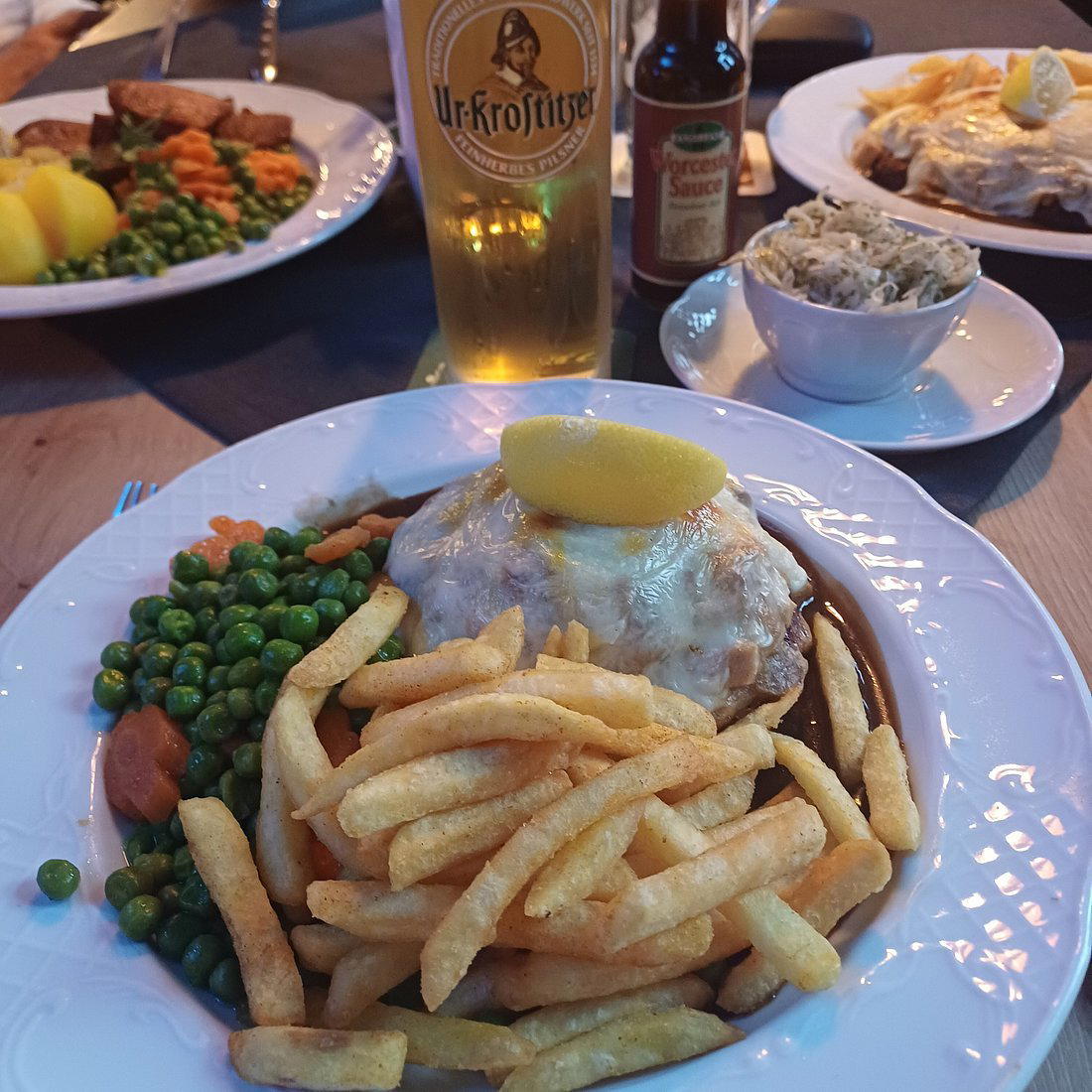
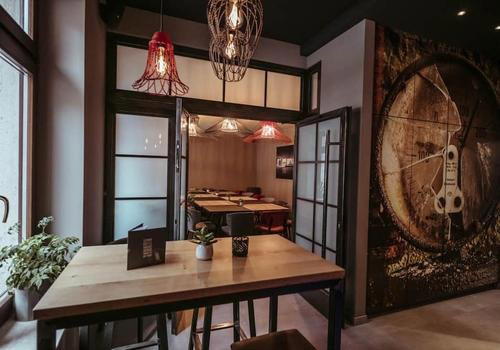
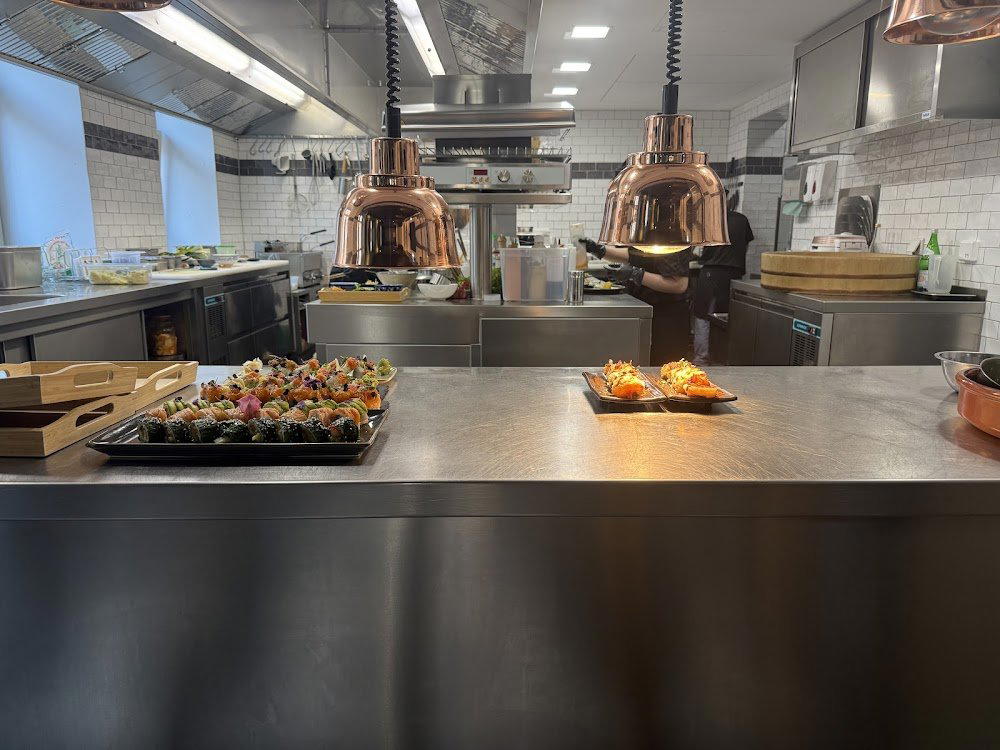
Bars in Floha
Browse all →

Details
- Lively
- Scenic
- Classic
- Casual Hangout
- Group Dining
- Terrace
- A La Carte
- Ouzo
- Pescatarian Friendly
Current opening hours
- Monday
- 5:30–10 PM
- Tuesday
- Closed
- Wednesday
- 11:30 AM–2 PM, 5:30–10 PM
- Thursday
- 11:30 AM–2 PM, 5:30–10 PM
- Friday
- 11:30 AM–2 PM, 5:30–11 PM
- Saturday
- 11:30 AM–2 PM, 5:30–11 PM
- Sunday
- 11:30 AM–2 PM, 5:30–10 PM
Hours can change for holidays and private events. Last verified .
Lively outdoor setting with warm, welcoming Greek hospitality and casual dining atmosphere.