Our verdict
On Pirna's central Hauptplatz, Lazy Laurich occupies a position that rewards visitors willing to look past the town's role as a gateway to Saxon Switzerland. The address alone places it among a small group of dining destinations drawing on the region's agricultural depth, with sourcing choices that reflect Saxony's distinct produce identity rather than generic German comfort fare.

Pearl is the En Primeur Club membership app, where members save venues, book tables and use the concierge.
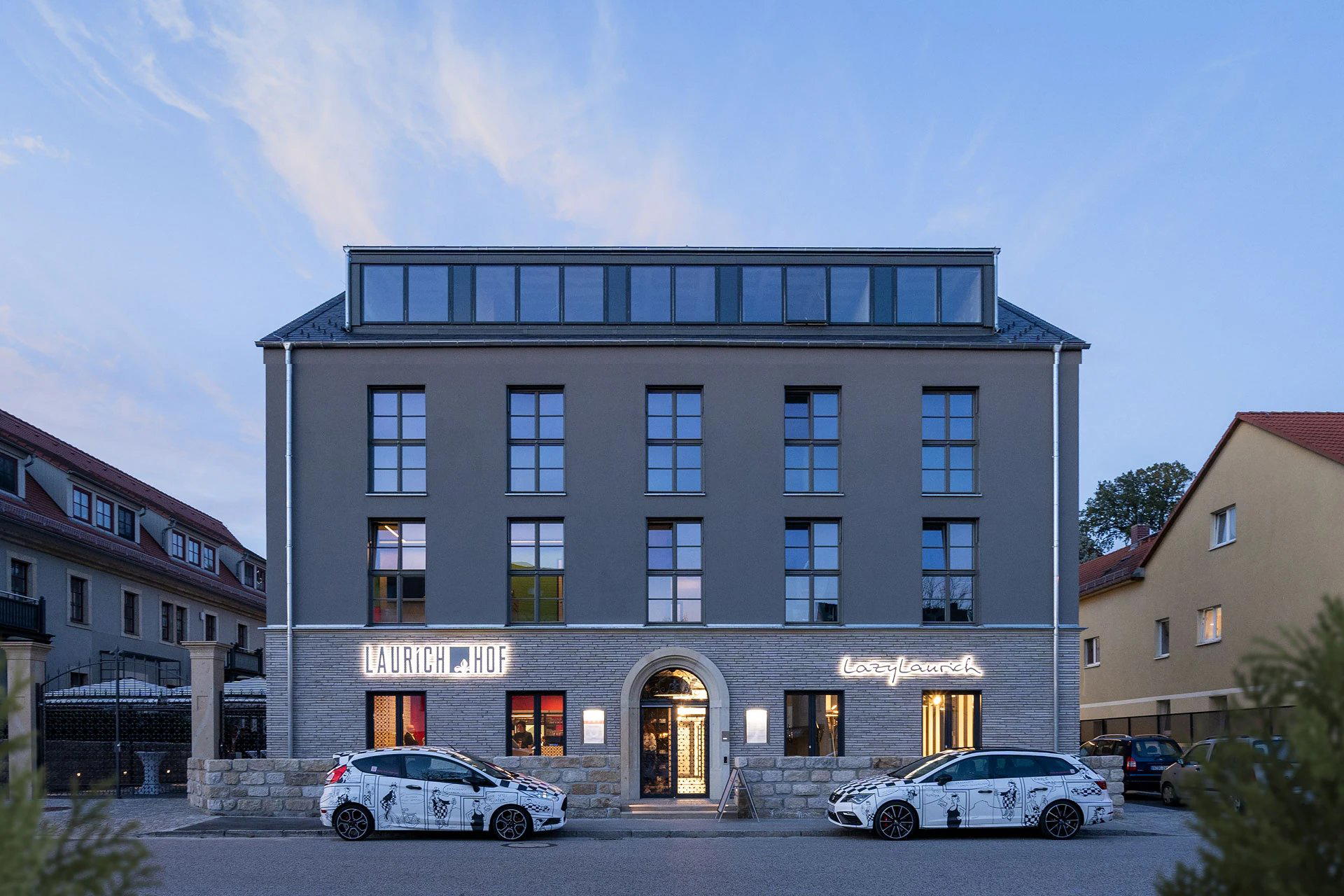
Hauptplatz as a Dining Address
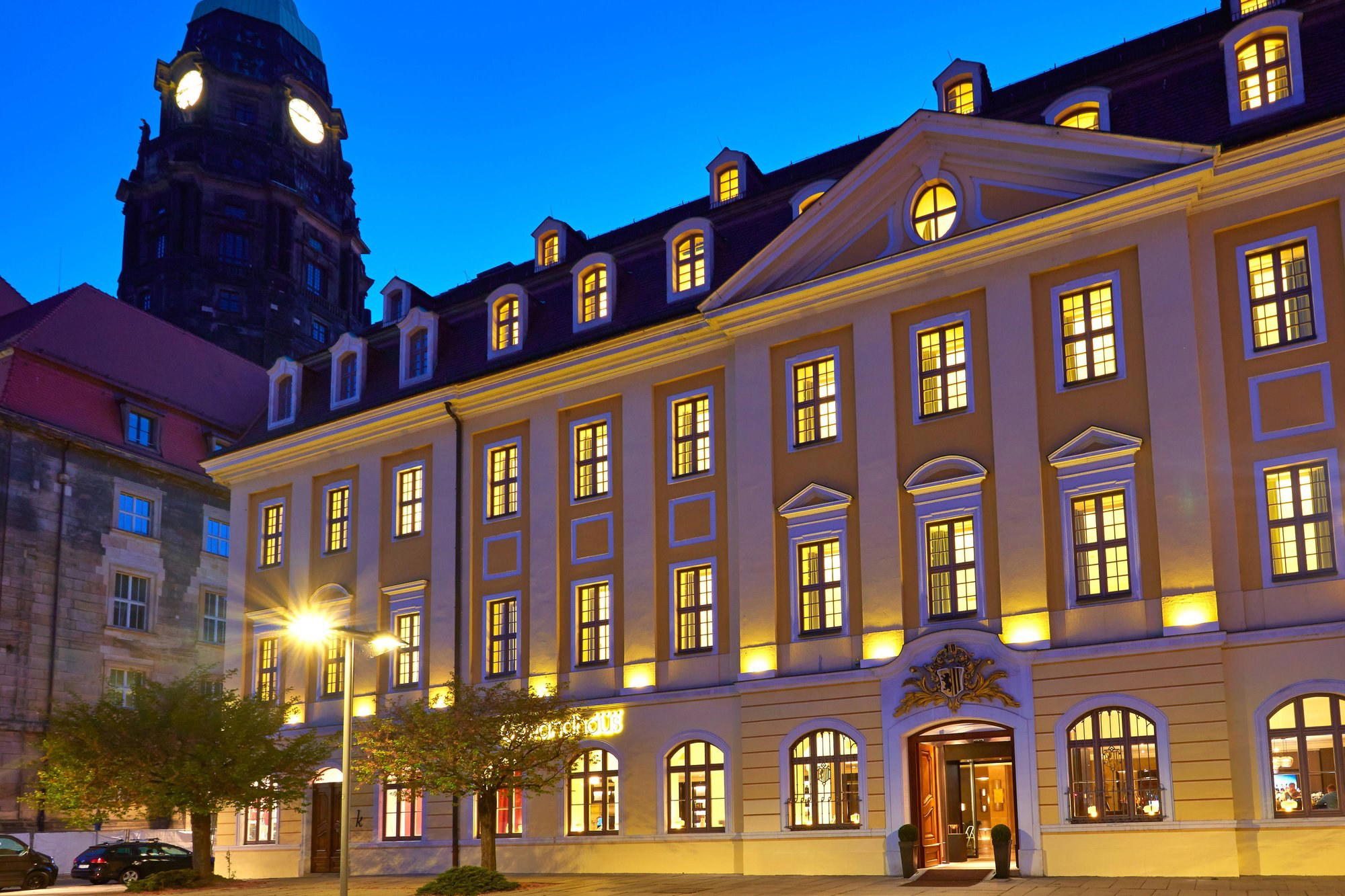
Pirna's Hauptplatz is not the kind of central square that announces itself through volume or spectacle. The sandstone facades that line it are a quiet record of a merchant town that survived the twentieth century with more of its fabric intact than most Saxon counterparts. Arriving at Lazy Laurich from the square's perimeter, you enter through a setting where the architecture does the atmospheric work, no theatrical signage required, no ambient noise spilling onto the cobbles. This is a town that functions on its own rhythms, and a restaurant at Hauptpl. 4 either earns its place within those rhythms or it reads as imported and incongruous. Lazy Laurich, by its address alone, is embedded in the civic centre of one of Saxony's more characterful small towns.
For readers planning a visit, Pirna sits roughly 20 kilometres southeast of Dresden, making it an accessible half-day or full-day excursion from the state capital, and a logical stop for travellers using the Elbe Valley rail corridor into or out of Czech Bohemia. The combination of location and the town's compact walkability means that a meal here rarely exists in isolation, it tends to anchor a broader day rather than stand alone as a destination event. That context shapes what a place like Lazy Laurich needs to deliver: not a spectacle, but a reason to linger.
Saxony's Produce Tradition and Why It Matters Here
Germany's ingredient sourcing conversation has, for the last decade, centred heavily on Bavaria, Baden-Württemberg, and the northern coastal producers. Saxony tends to be underrepresented in that national dialogue despite having genuine agricultural assets: the Elbe valley's market gardens, the orchards of the surrounding hill country, and a soft-fruit and stone-fruit tradition that produces cherries, plums, and apples with a flavour profile shaped by the region's continental climate. The Saxon culinary identity, when it is expressed with any rigour, draws on this produce rather than defaulting to the kind of generic Central European comfort menu that can make regional German dining feel interchangeable across postcodes.
This is the frame through which a restaurant on Pirna's main square should be read. The town is surrounded by the kind of small-scale agricultural production that higher-end German kitchens further west have spent considerable energy sourcing via specialist suppliers and intermediaries. A kitchen working in Pirna has the potential for shorter supply chains and more direct producer relationships than almost any equivalent address in Munich or Hamburg. Whether a given kitchen acts on that potential is the editorial question, and it is the question worth asking before any visit here.
For comparison, the farm-to-table approach that defines Felsenbirne (Farm to table) in the same city makes explicit what the regional produce tradition can look like when a kitchen commits to it fully. That kind of local benchmark raises expectations for any other serious dining address on Pirna's restaurant circuit.
Where Lazy Laurich Sits in the Regional Picture
Saxony has no Michelin-starred restaurant within Pirna itself. The nearest concentrations of awarded German fine dining are in Dresden to the northwest or, further afield, in the Rhineland and Baden corridor where houses like Waldhotel Sonnora in Dreis, Vendôme in Bergisch Gladbach, and Schanz in Piesport represent the country's most decorated tier. Further east, the creative programmes at CODA Dessert Dining in Berlin and the technical ambition of Aqua in Wolfsburg mark what the upper end of German dining now expects from its kitchens. Pirna does not compete in that register, and a restaurant here is not making that argument.
What Pirna does offer is a different kind of dining proposition: regional embeddedness, access to Saxon produce, and a civic setting that carries its own gravitational pull for travellers who have moved beyond Dresden's obvious circuit. It is the smaller category of regional Saxon addresses that serve a local and visitor clientele simultaneously and that earn their position through consistency and sourcing honesty rather than tasting-menu ambition.
Other German kitchens operating in this regional-integrity tier, including ES:SENZ in Grassau, AUGUST in Augsburg, and ATAMA by Martin Stopp in Sankt Ingbert, each make a clear argument for their region's identity on the plate. That is the standard worth holding any Pirna address to, even if the scale and ambition are different. For global reference, the sourcing discipline that defines the upper tier of European dining is equally present at three-Michelin-star addresses like Le Bernardin in New York City, where ingredient provenance functions as the editorial spine of the entire menu. Closer to home, Restaurant Haerlin in Hamburg and Bagatelle in Trier demonstrate what regionality looks like when a kitchen treats it as a programme rather than a marketing note. Victor's Fine Dining by Christian Bau in Perl and ammolite - The Lighthouse Restaurant in Rust push further into cross-cultural sourcing frameworks, while Atomix in New York City shows how produce identity can anchor an entire conceptual approach.
Planning a Visit
Pirna is reached from Dresden Hauptbahnhof in under 30 minutes by S-Bahn on the S1 line, which runs frequently throughout the day. The Hauptplatz is a short walk from Pirna's station, meaning no car or taxi is required between arrival and table. For travellers staying overnight in the Saxon Switzerland area rather than in Dresden, Pirna functions as a dinner base with more character than the resort villages to the east. The practical advice applies to any dining address in a small Saxon town: arrive with confirmed reservations rather than relying on walk-in availability, particularly on weekend evenings when the local visitor volume from Dresden day-trippers compresses table availability quickly.
Frequently asked questions
Is Lazy Laurich okay with children?
Nothing in the available record for Lazy Laurich indicates a policy excluding children. The Hauptplatz address in Pirna is a pedestrian-friendly central square, which tends to suit family visits without the pressures of a traffic-heavy approach.
Is Lazy Laurich formal or casual?
The name and Pirna's character as a mid-sized Saxon town both point away from formality. Pirna sits outside the city circuits where dress codes are routinely enforced, and the Hauptplatz setting is a public square rather than a hotel dining room. That said, no dress code is documented so treating it as relaxed but considered is a reasonable working assumption.
Is Lazy Laurich a good option for a day trip from Dresden?
Pirna is under 30 minutes from Dresden Hauptbahnhof on the S1 S-Bahn, and Lazy Laurich's position at Hauptpl. 4 is within walking distance of the station. That combination makes it a practical lunch or early dinner stop when pairing a visit to Pirna's Old Town with time in Dresden. No cuisine type or price range is formally documented, so checking current offerings before you travel is worth the step.
What should I order at Lazy Laurich?
No menu data is held for Lazy Laurich in Pirna at this time, so specific dish recommendations cannot be made here. Saxony's broader produce tradition draws on river fish from the Elbe corridor, game from the Elbsandsteingebirge hinterland, and stone fruit from the Elbe slopes, worth asking what is in season when you visit.
What's Lazy Laurich's location?
Lazy Laurich is located at Hauptpl. 4, 01796 Pirna, Germany, Pirna.
What's the best way to book Lazy Laurich?
No online booking link or phone number is listed for Lazy Laurich at Hauptpl. 4, Pirna. Walking in or asking your accommodation in Pirna to call ahead are practical alternatives. For a Saturday evening on the Hauptplatz in warmer months, securing a table in advance is advisable given the square's foot traffic.
What's Lazy Laurich best at?
Without menu or award data on record, the clearest credential is the address itself: Hauptpl. 4 puts Lazy Laurich at the centre of Pirna's Old Town, a sandstone-framed square that anchors the town's social life. For visitors arriving from Dresden on the S1 S-Bahn, that location makes it a logical first stop rather than a destination requiring navigation.
Side-by-Side Snapshot
Comparable venues nearby, for context on price, style, and recognition.
| Venue | Cuisine | Price | Awards | Notes |
|---|---|---|---|---|
| Lazy LaurichThis venue (the venue you are viewing) | Modern Saxon German | $20–30 | Not listed | Not listed |
| Felsenbirne | Modern German Regional | $30–50 | Michelin Bib Gourmand | old town |
| Gaumenkitzel | German Slow Food with Mediterranean Influences | $30–50 | Not listed | Radebeul |
| Raskolnikoff | Regional Saxon-Russian Fusion | $20–30 | Not listed | Neustadt |
| Ei-12437-B Restaurant | Modern German Beer Garden | Not listed | Not listed | Plänterwald |
| Gaststätte »Am Kanal« | Traditional German Gaststätte | $10–20 | Not listed | Lindenau |
Continue exploring
More in Pirna
Restaurants in Pirna
All restaurants in Pirna →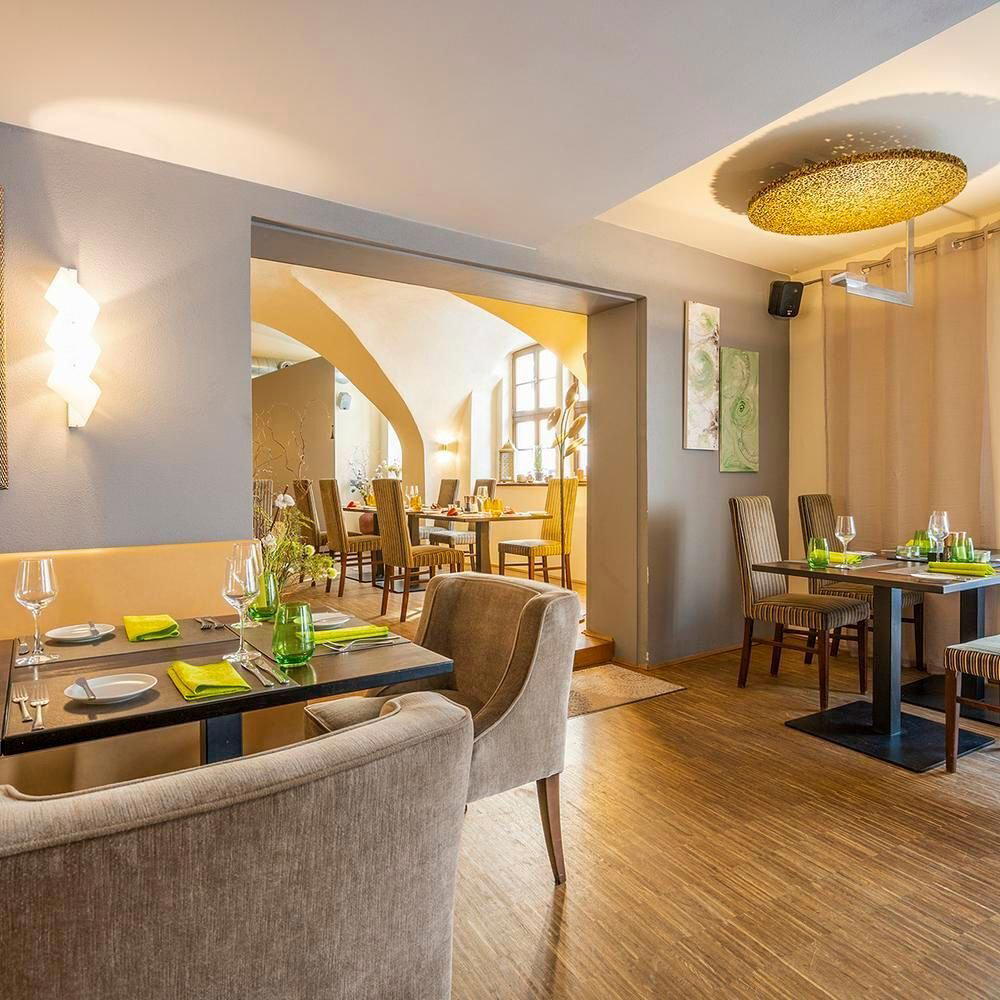
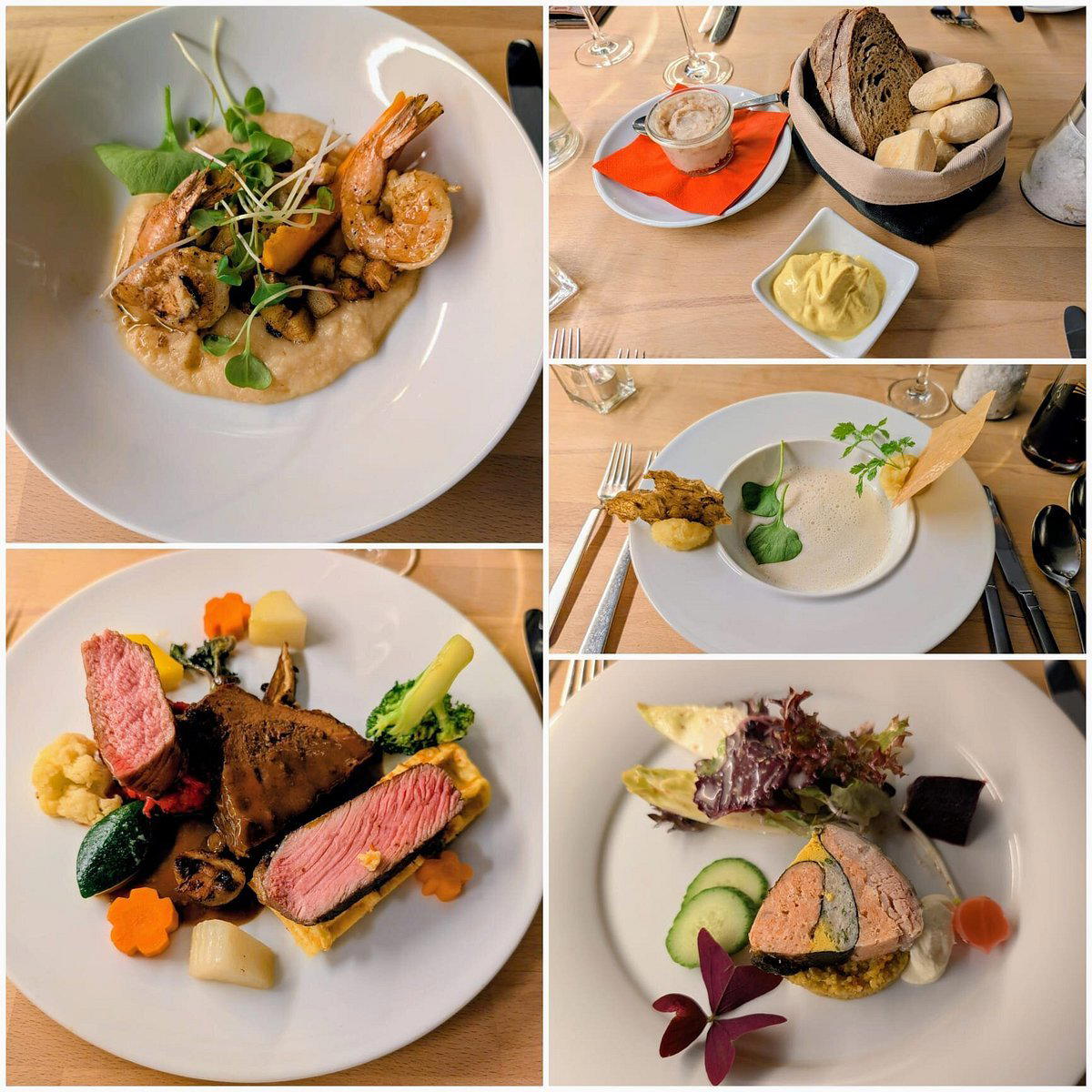
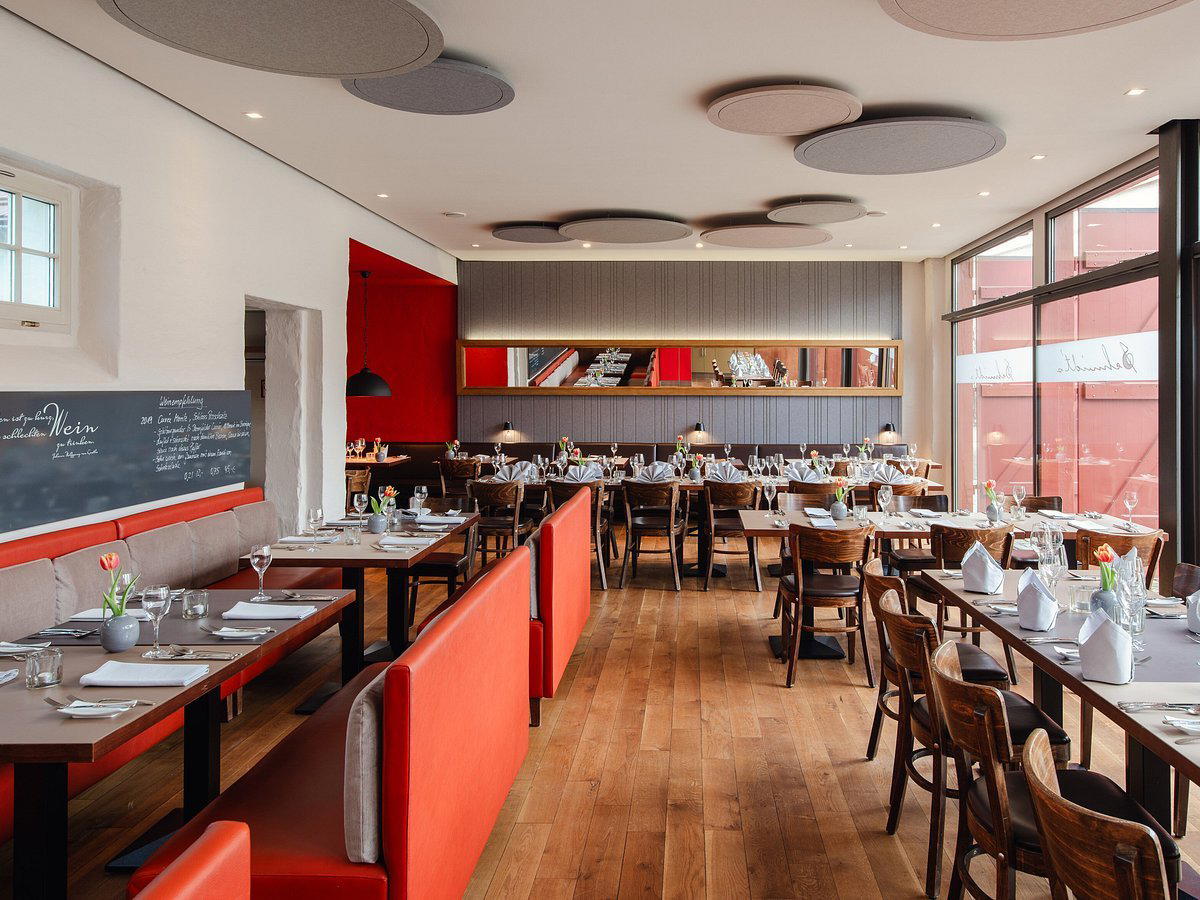
Bars in Pirna
Browse all →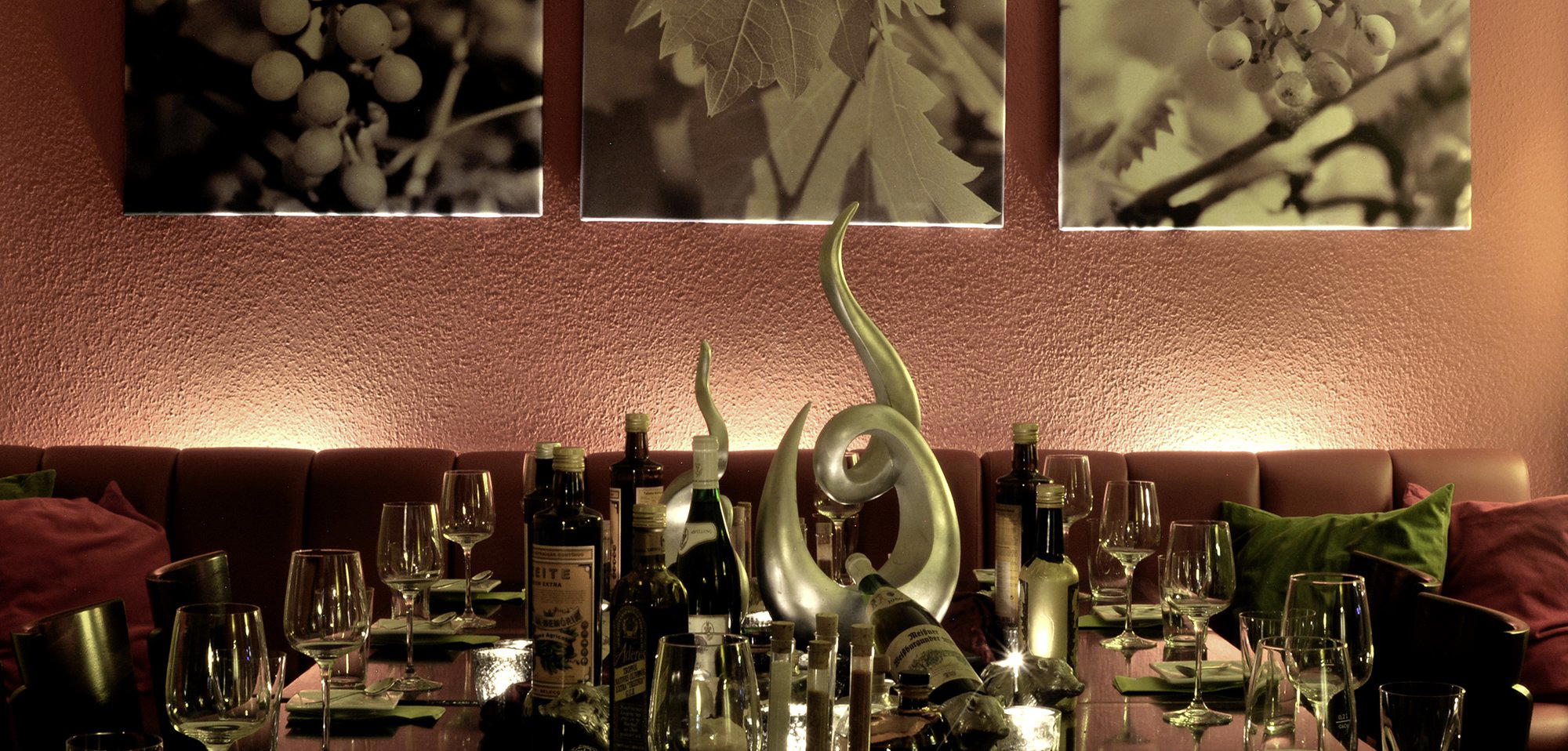
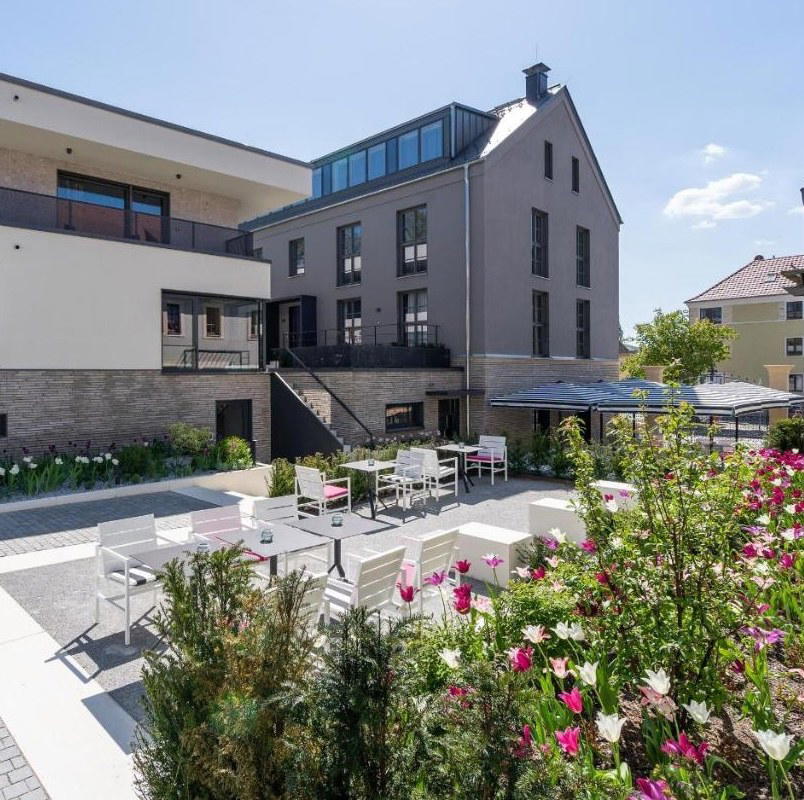

Details
- Modern
- Cozy
- Date Night
- Open Kitchen
- Terrace
- Local Sourcing
- Waterfront
- Street Scene
- A La Carte
- Family Style
Current opening hours
- Monday
- 7–11 AM
- Tuesday
- 7–11 AM, 5–10 PM
- Wednesday
- 7–11 AM, 5–10 PM
- Thursday
- 7–11 AM, 5–10 PM
- Friday
- 7–11 AM, 5–10 PM
- Saturday
- 7–11 AM, 5–10 PM
- Sunday
- 7–11 AM
Hours can change for holidays and private events. Hours as of .
Stylish and lively atmosphere with modern design, suitable for candlelight dinners in a warm, international feel.