Bad Eptingen
Our verdict
Bad Eptingen sits in the Swiss canton of Basel-Landschaft, where the village of Eptingen marks the transition between the Jura foothills and the broader Mittelland. The restaurant draws on the agricultural character of its surroundings, positioning itself within a regional tradition that prizes provenance and seasonal rhythm over spectacle. For visitors tracing Switzerland's quieter dining circuit, it represents a considered stop between the urban centres.

Pearl is the En Primeur Club membership app — saves, bookings, and concierge access live there. Same editors, same standards.
- Address
- Läufelfingerstrasse 2, 4458 Eptingen, Switzerland
- Phone
- +41622852010
- Website
- badeptingen.ch
- Directions
- Get directions
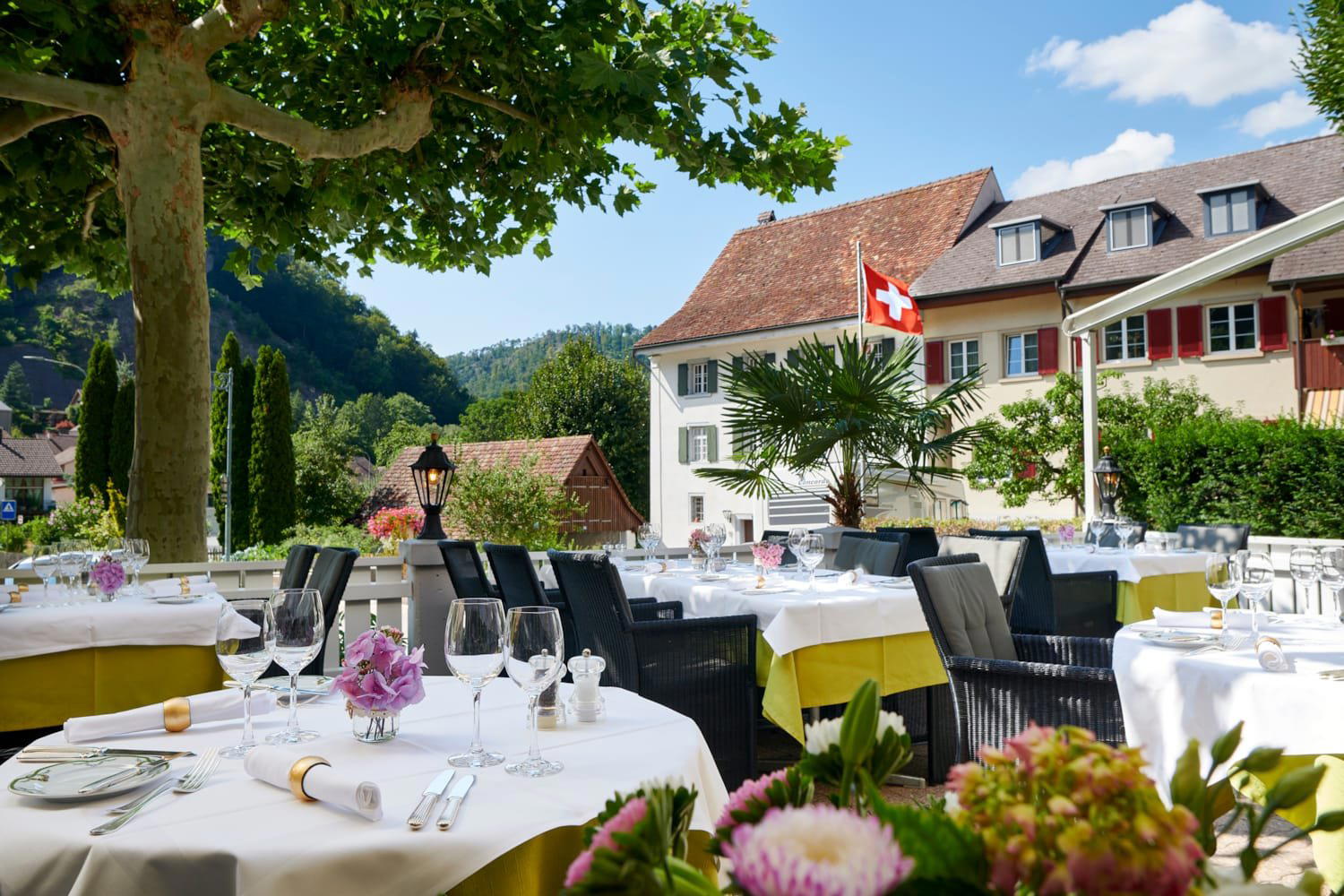
The menu
What to order
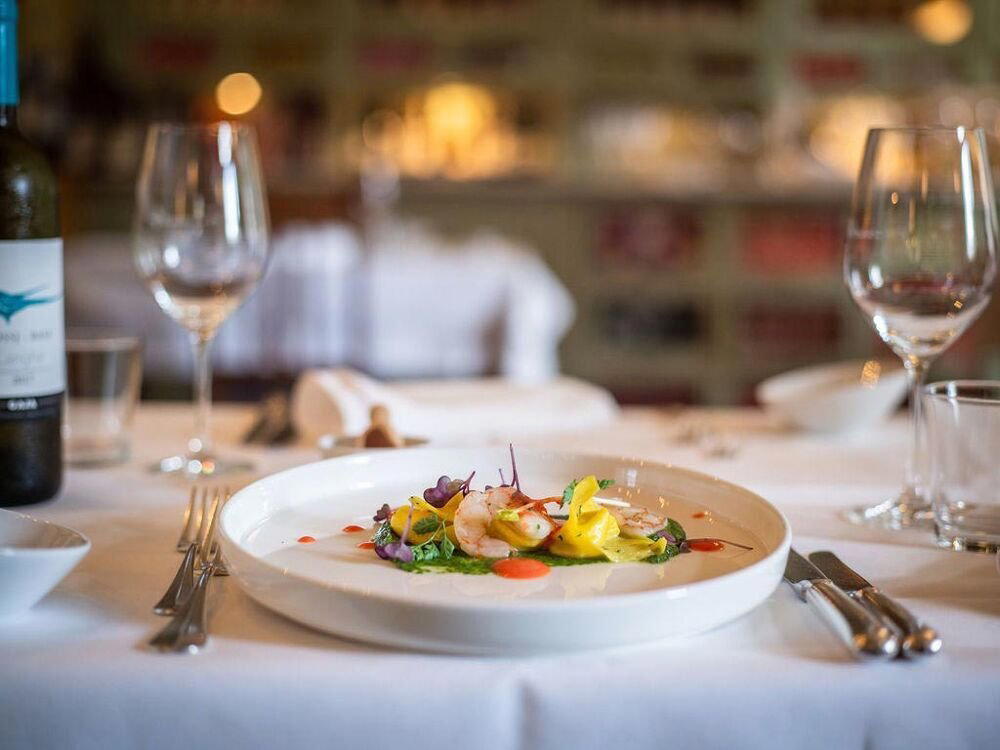
- Lobster cocktail
- Fish variation with spinach and Champagne
Where the Jura Foothills Meet the Table
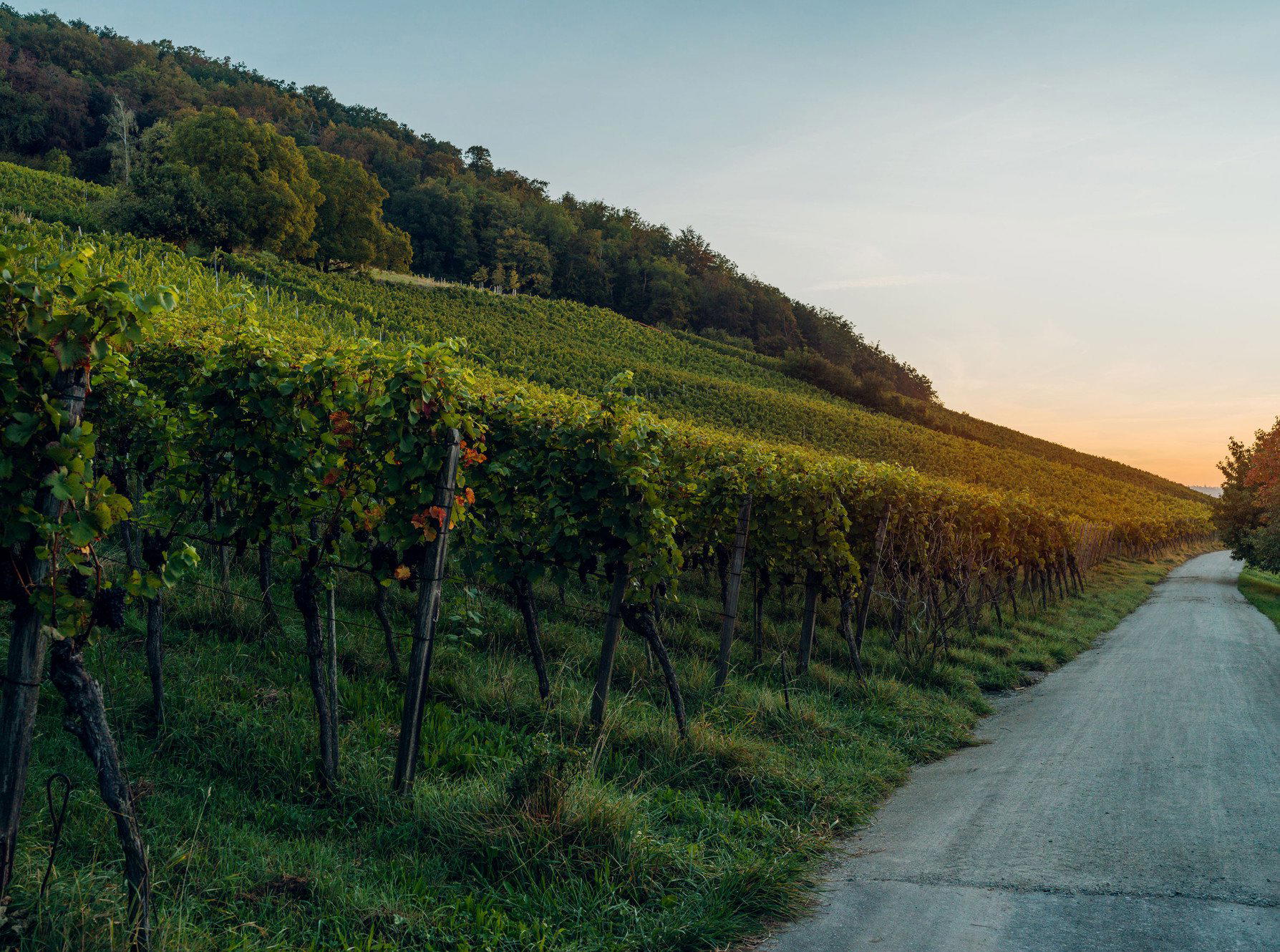
The village of Eptingen sits at an elevation where the limestone ridges of the Jura begin their descent toward the Swiss Mittelland, a geography that has shaped the agricultural patterns of Basel-Landschaft for centuries. Arriving along the Läufelfingerstrasse, the transition from road to village is abrupt in the way that small Swiss communes often are: orchards and pasture giving way to clustered buildings, the air carrying the particular cool of a valley that holds moisture from the surrounding hills. Bad Eptingen, at Läufelfingerstrasse 2, occupies a position within this landscape that makes its name inseparable from its setting. The "Bad" prefix, common in Swiss German-speaking regions, historically signals mineral springs or a health-oriented tradition, a cue to the kind of place this has long been.
That geographic grounding matters when thinking about how Swiss regional restaurants have developed their identity. Where urban counterparts in Basel or Zürich operate within competitive clusters that reward novelty and technique, villages like Eptingen have historically sustained establishments through proximity to producers, fidelity to seasonal rhythms, and a relationship with a local clientele that returns across generations. The sourcing logic is different here: shorter supply chains, direct relationships with farms and dairies in the immediate valley, and an ingredient calendar dictated by what the surrounding land actually yields rather than what a distributor can import.
The Sourcing Argument in Swiss Regional Cooking
Switzerland's most-discussed fine dining addresses tend to concentrate in a narrow bracket: the three-Michelin-star precision of Hotel de Ville Crissier in Crissier, the creative mountain cooking at Schloss Schauenstein in Fürstenau, the modern Swiss ambition of Memories in Bad Ragaz. These are restaurants that have placed themselves in an international conversation. The regional tier below them operates on different terms. Places like Magdalena in Schwyz, which has built a reputation around alpine-vegetarian cooking, or Taverne zum Schäfli in Wigoltingen, with its creative Swiss approach, demonstrate that the country's serious cooking is not confined to its cities or to its most celebrated addresses.
The ingredient-sourcing argument is central to understanding why this tier matters. Basel-Landschaft's agricultural output includes dairy from Jura-edge farms, orchard fruit from the lower slopes, and river fish from the tributaries of the Ergolz and its feeders. A kitchen operating in Eptingen draws on this without the logistical overhead that urban venues carry. That proximity to source is not a marketing position so much as a structural reality of cooking in a small Swiss village, where the alternative to local supply chains is simply more expensive and less fresh. The same logic underpins the reputations of Mammertsberg in Freidorf and La Table du Valrose in Rougemont, two other Swiss addresses that have built their identities around the agricultural specificity of their respective regions.
Eptingen in the Context of Swiss Destination Dining
Switzerland has developed a secondary circuit of destination restaurants outside its major cities and ski resorts. The pattern holds across the country: addresses like Einstein Gourmet in Sankt Gallen, Cheval Blanc by Peter Knogl in Basel, and focus ATELIER in Vitznau draw visitors willing to travel specifically for the table rather than treating the meal as a supplement to tourism. Eptingen sits outside that category of internationally profiled addresses, operating closer to the village-restaurant tradition where the pull is local and regional rather than global.
That distinction is worth making clearly. Visitors arriving from Basel, roughly 35 kilometres to the northwest, or from Olten and the Mittelland to the east, are not making a pilgrimage to a Michelin-starred counter. They are engaging with a different kind of Swiss hospitality, one rooted in the Beizli and Gasthof tradition that predates the country's current fine dining reputation. The Swiss gastronomy conversation often focuses on its internationally recognised peaks, from the alpine creativity at Da Vittorio St. Moritz to the precision cooking at Maison Wenger in Le Noirmont, but the everyday fabric of Swiss dining is carried by places like Bad Eptingen, where the cuisine type, pricing, and format have not been submitted to international award cycles.
Planning a Visit to Bad Eptingen
Eptingen is accessible by road from Basel via the A22 and connecting cantonal routes, with the village sitting along the Läufelfingerstrasse corridor that connects the Jura passes. Public transport connections exist but are infrequent, as is typical for villages of this scale in the canton, making a car the practical choice for most visitors. The address at Läufelfingerstrasse 2 places Bad Eptingen within the village centre. The restaurant sits in a part of Switzerland that rewards visitors who combine a meal with the surrounding Jura landscape, where hiking routes above the valley offer context for the agricultural setting that informs the kitchen's sourcing logic. For a broader picture of the dining options in the area, our full Eptingen restaurants guide covers the full range of addresses worth knowing in the commune and its surroundings.
Internationally, the closest analogues to this kind of village-rooted sourcing philosophy appear at addresses like Lazy Bear in San Francisco and Le Bernardin in New York City, both of which have made ingredient provenance central to their editorial identity, though at a scale and price point far removed from the Swiss regional village tradition. The point of comparison is the sourcing commitment rather than the format or ambition level. And for visitors interested in the Skin's - the restaurant in Lenzburg or The Japanese Restaurant in Andermatt as part of a broader Swiss itinerary, Eptingen sits within a logical geographic arc through the northern cantons and the Jura edge, La Brezza in Ascona extending that arc southward into Ticino.
Frequently asked questions
Is Bad Eptingen a family-friendly restaurant?
Bad Eptingen sits in Eptingen, a small village in the Swiss Jura foothills, which suggests a setting more aligned with relaxed regional dining than urban formality.
Is Bad Eptingen formal or casual?
Eptingen is a working village along the Läufelfingerstrasse corridor, and restaurants in comparable Swiss foothill locations tend toward relaxed, produce-driven settings rather than formal service structures. The address and regional context point toward an unfussy register.
Is Bad Eptingen worth a special trip from Basel for regional Swiss cooking?
Eptingen sits along the Läufelfingerstrasse corridor, accessible from Basel via the A22, placing it within a plausible half-day or full-day excursion range. Switzerland's secondary destination dining circuit has expanded well beyond its ski resorts and city centres, with foothill villages in this part of the Jura gaining ground as draws for regionally minded diners. No awards or chef credentials are currently documented for Bad Eptingen, so the case for a dedicated trip rests on the regional context rather than certified recognition.
What do regulars order at Bad Eptingen?
No menu data is currently documented for Bad Eptingen, so specific dish recommendations can change. The broader context of Swiss regional cooking in the Jura foothills places emphasis on local produce and seasonal availability, which tends to shape what repeat visitors gravitate toward in restaurants of this type. Check the venue's official channels for the latest details.
Where is Bad Eptingen in Eptingen?
Bad Eptingen is located at Läufelfingerstrasse 2, 4458 Eptingen, Switzerland, Eptingen.
What has Bad Eptingen built its reputation on?
Bad Eptingen operates within Switzerland's secondary circuit of destination restaurants outside major urban centres, a category that has grown in profile as diners seek regional sourcing and a stronger sense of place over city-centre convenience.
How It Stacks Up
Comparable venues nearby, for context on price, style, and recognition.
| Venue | Cuisine | Price | Notes |
|---|---|---|---|
| Bad EptingenThis venue — the venue you are viewing | Traditional Swiss | Not listed | Not listed |
| Atlantis | Swiss Fusion with Regional Seasonal Focus | Not listed | Aeschen |
| Wintergarten Pergola | Swiss Regional | Not listed | Bubendorf |
| Hôtel Restaurant Le Mont-Vully | Swiss Seasonal Bistro | $50–100 | Lugnorre |
| Schlüsselzunft | Traditional Swiss Fine Dining | $50–100 | Aeschen |
| Findlerhof | Authentic Swiss with Mediterranean influences | $30–50 | Findeln |
Continue exploring
More in Eptingen
Restaurants in Eptingen
Browse all →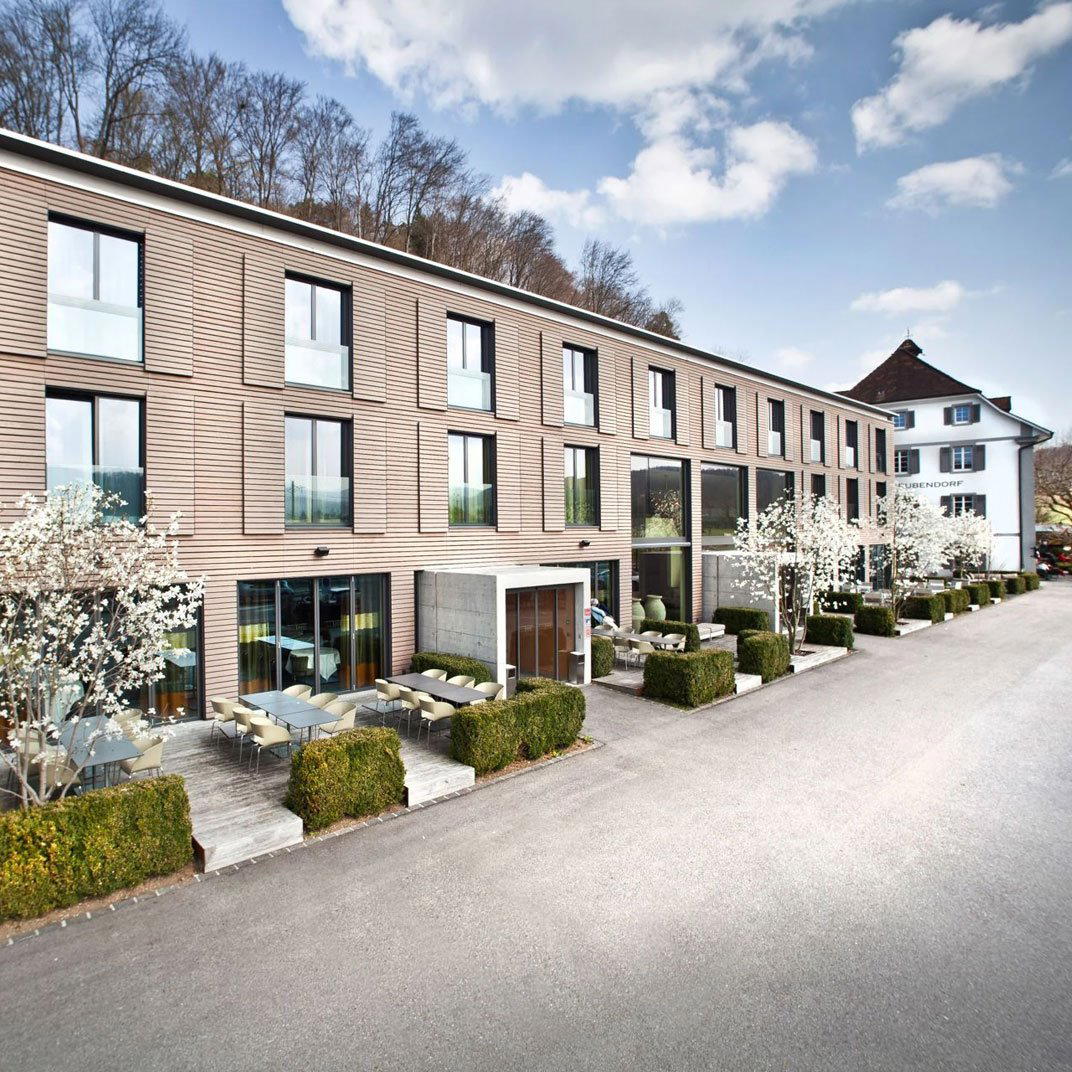
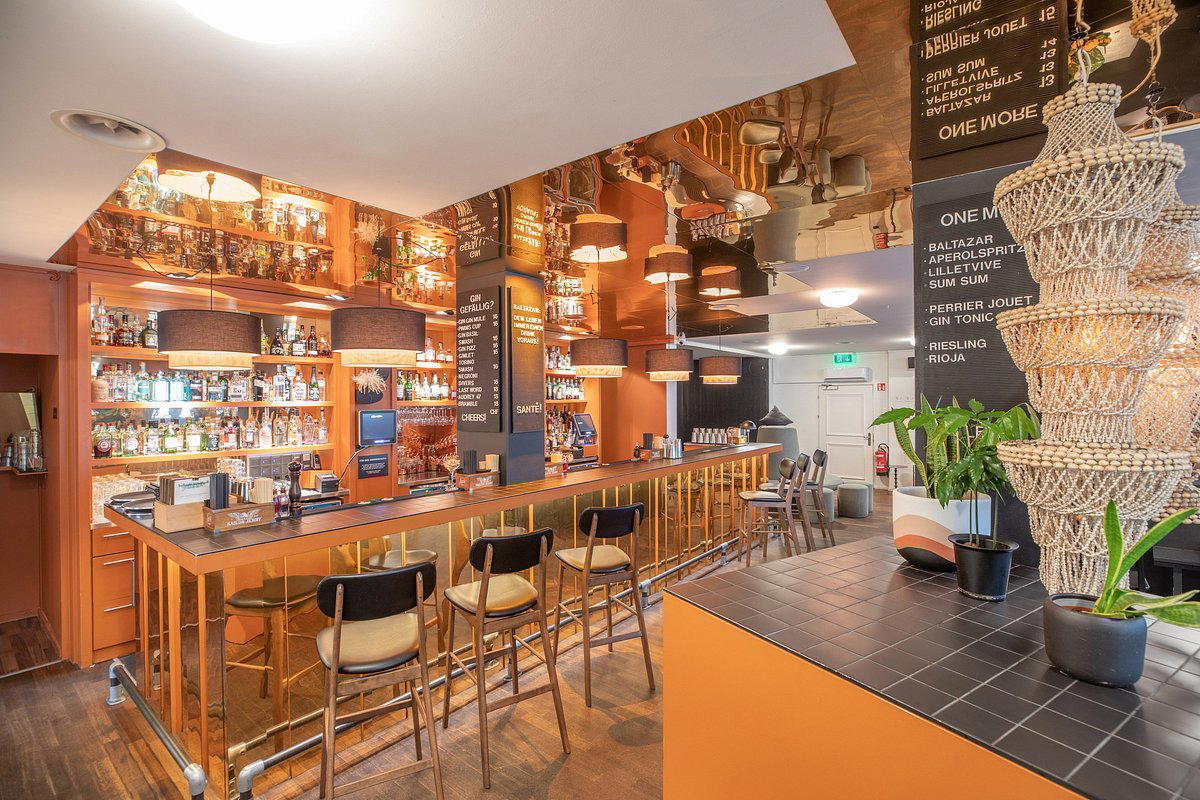
Bars in Eptingen
Browse all →


Hotels in Eptingen
Browse all →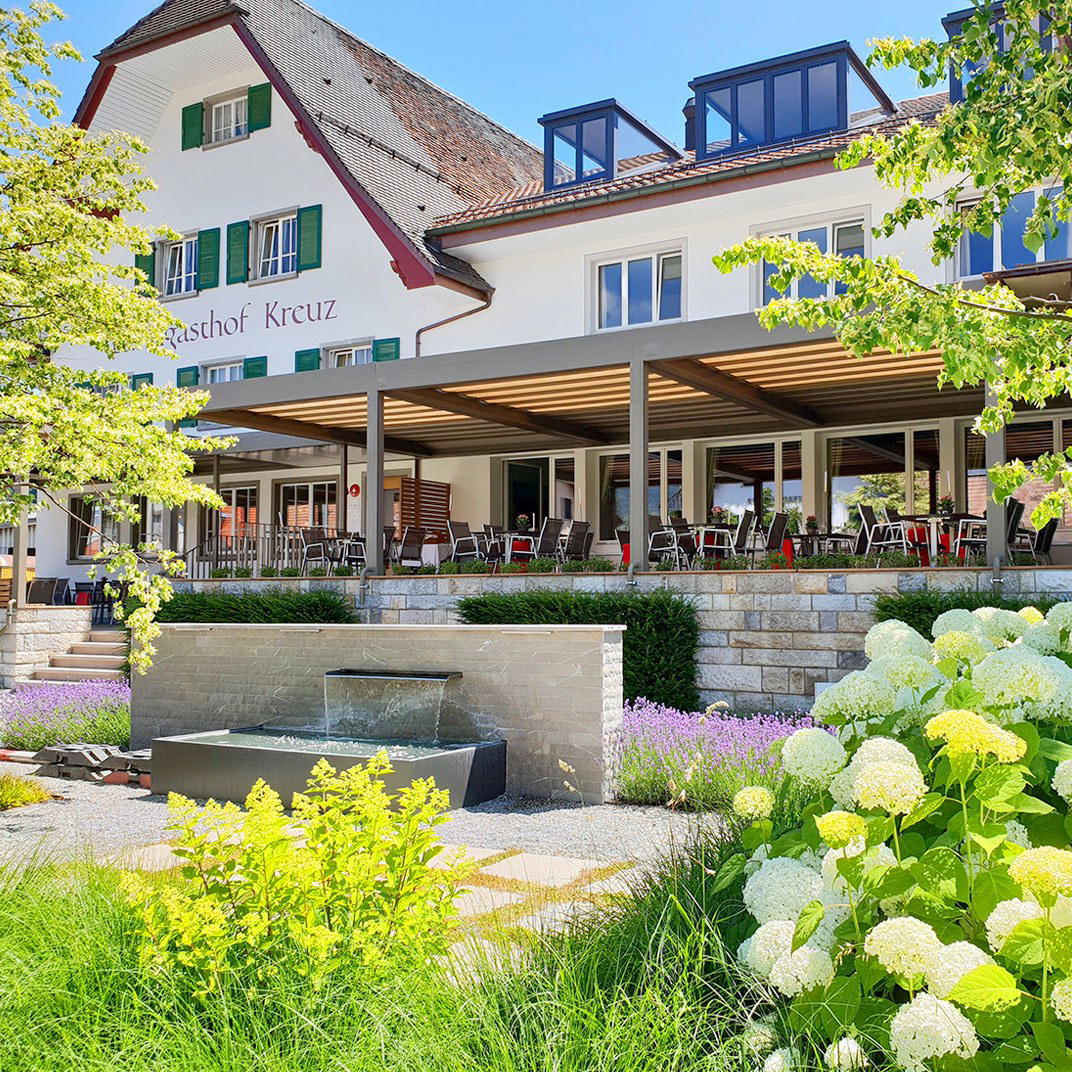

Details
- Classic
- Elegant
- Cozy
- Business Dinner
- Special Occasion
- Garden
- Garden
- A La Carte
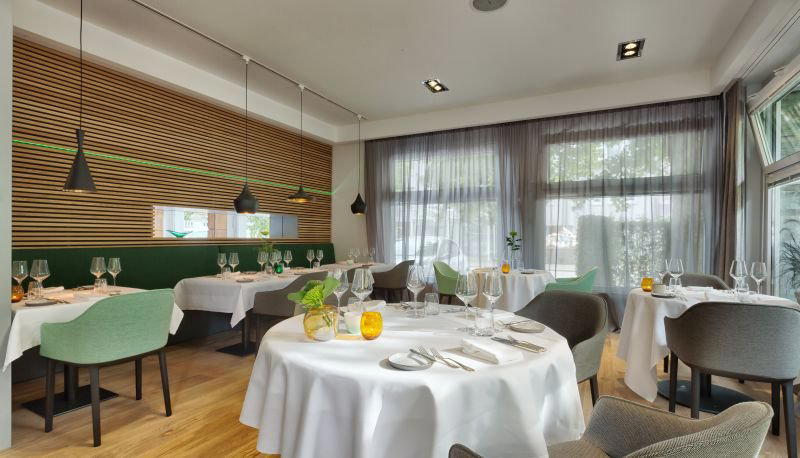
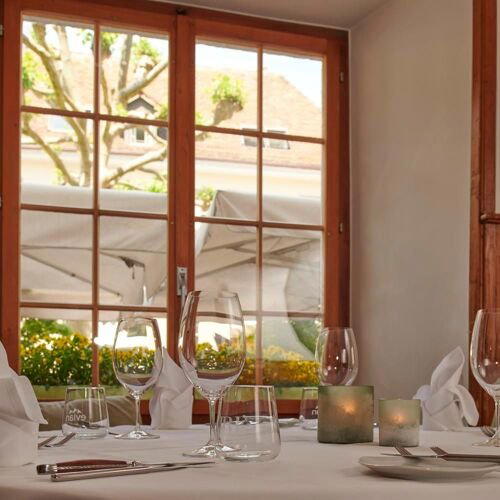
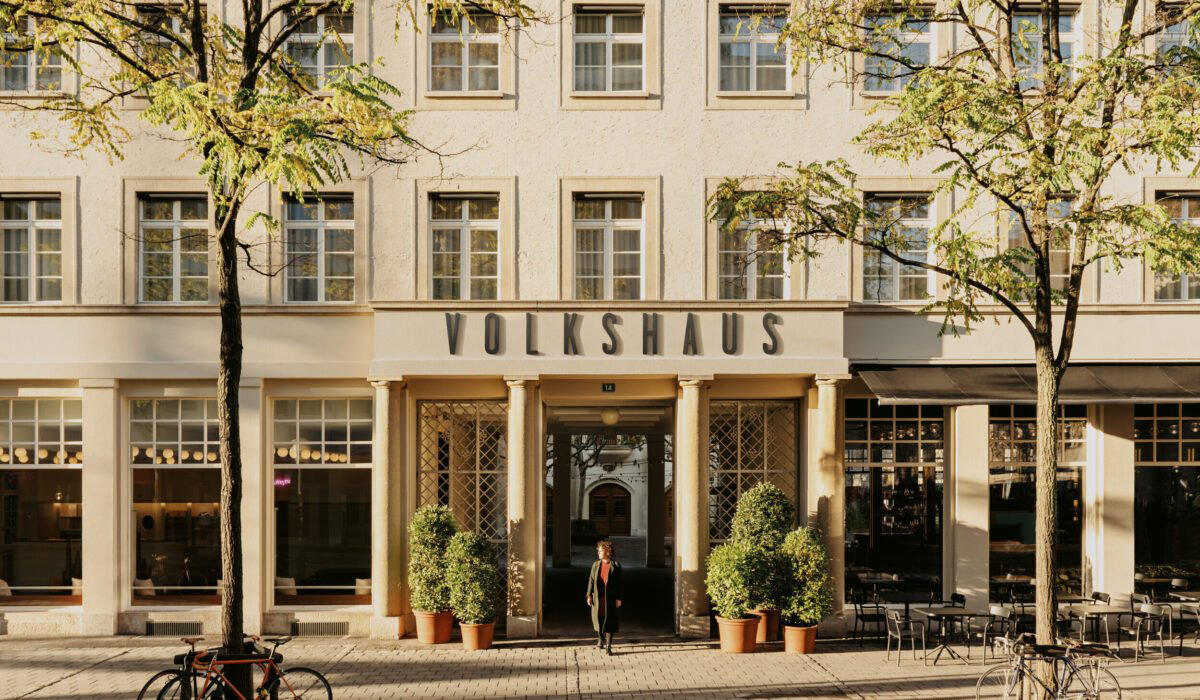
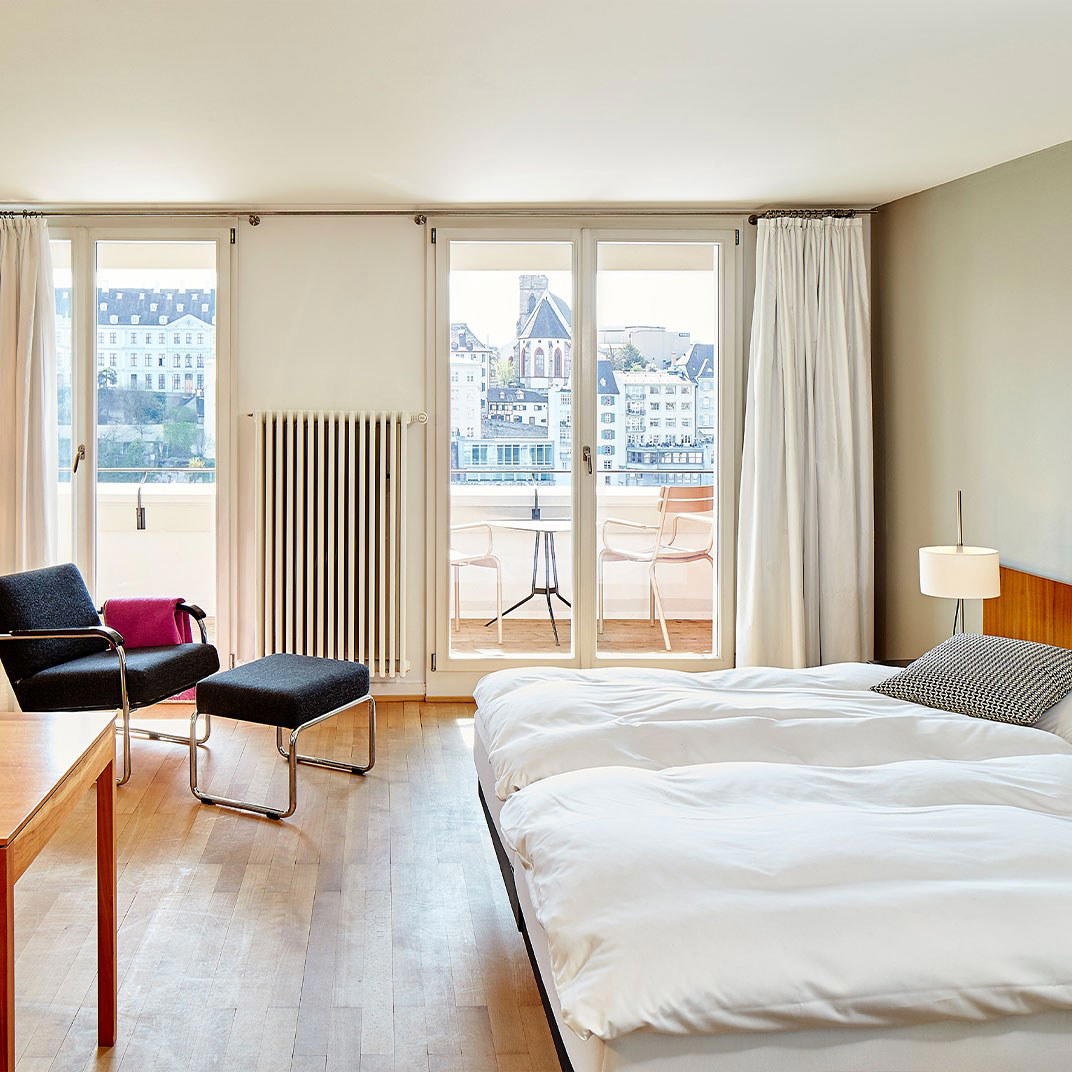
Wonderful ambience with warmly decorated rooms, garden seating, garden hall, Buurestube, and Gourmetstübli options, offering a quiet and elegant country inn atmosphere.