Restaurant Adlisberg
Our verdict
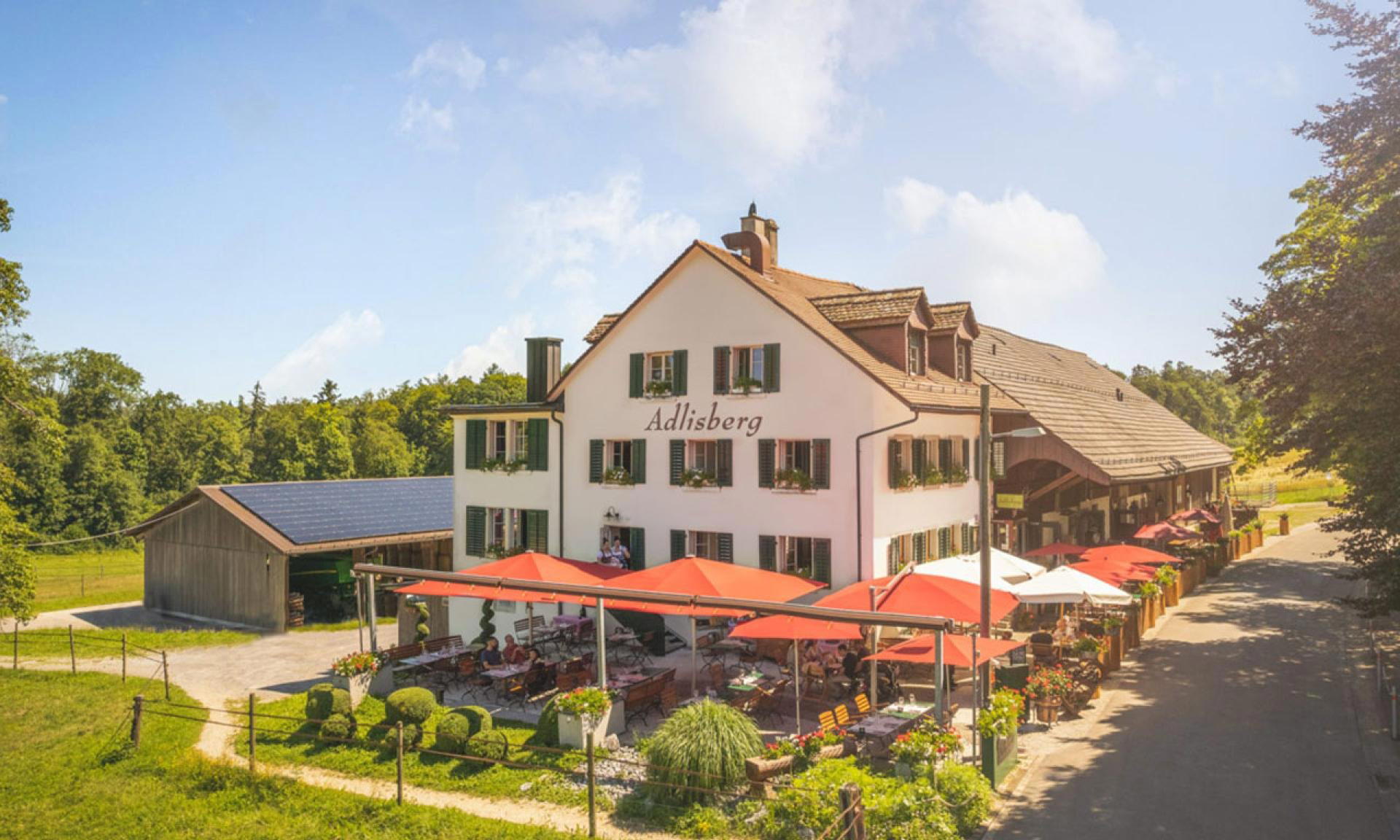
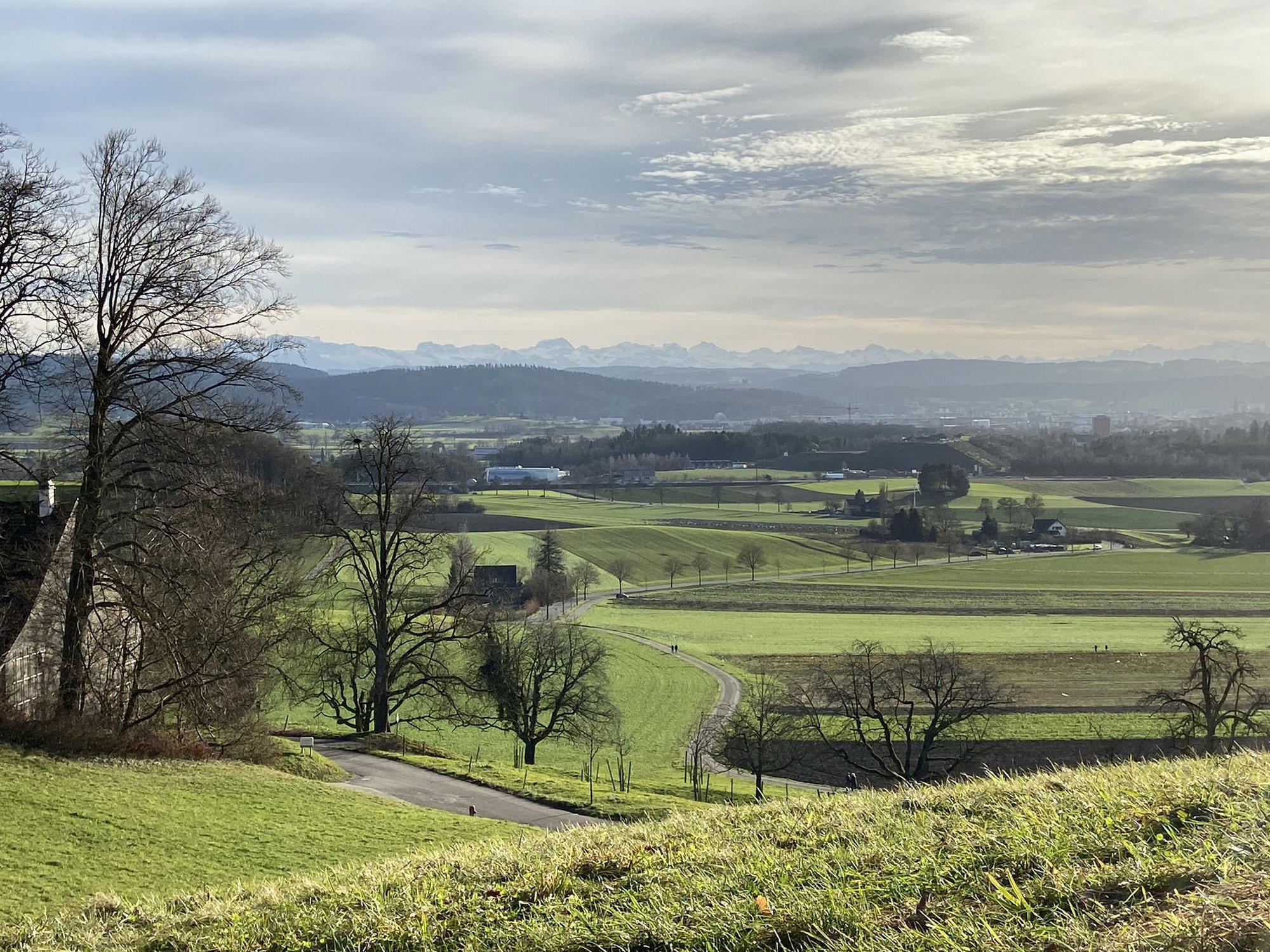
Positioned on the wooded hillside above Zurich's right bank, Restaurant Adlisberg draws a loyal neighbourhood following that returns not for spectacle but for consistency. The setting alone — refined above the city's restaurant density — places it in a quieter register than the downtown dining corridor. For visitors willing to venture beyond the Niederdorf, it represents a different tempo of Swiss hospitality.

Pearl is the En Primeur Club membership app — saves, bookings, and concierge access live there. Same editors, same standards.
- Address
- Adlisbergstrasse 75, 8044 Zürich, Switzerland
- Phone
- +41442669191
- Hours
- Mon–Sat 11:30 AM–11 PMSun 10 AM–11 PM
- Website
- adlisberg.ch
- Directions
- Get directions
- Booking
- Book on the venue's website
The menu
What to order
- Zürcher Geschnetzeltes
- Cordon bleu
- Calf's liver with rösti
Above the City, Below the Radar
Zurich's dining geography has a clear centre of gravity: the Niederdorf, Kreis 1, and the hotel restaurants along the lake. The further you move from that axis, the more the clientele shifts from reservation-hunters to regulars — people who know where they're going and have been going there for years. Adlisbergstrasse 75, set into the hillside east of the city centre, sits firmly in that second category. The approach alone signals the departure: you climb out of the urban grid into a quieter residential zone where restaurants exist to serve a community rather than a market.
That distinction matters more than it sounds. In a city where Andreas Caminada's IGNIV Zürich draws diners from across Europe and The Counter and The Restaurant trade on international recognition, neighbourhood restaurants operating at elevation — literally and socially, function as counterweights. They are harder to discover, less photographed, and more deeply embedded in the rhythms of the people who live nearby. That is precisely why they retain regulars across years rather than quarters.
What the Regulars Already Know
The lens through which to read Restaurant Adlisberg is the returning guest, not the first-timer. Regulars at this kind of Swiss hillside restaurant, and Zurich has a small, coherent tradition of them, are not there for novelty. They return because the kitchen delivers without drift: the same quality across seasons, the same hospitality register, the same sense that the room was designed for their comfort rather than for social media composition.
This is a different value proposition from Zurich's downtown corridor, where Widder and Eden Kitchen & Bar compete on programme, design investment, and rotating prestige. The Adlisberg position trades on something less visible: accumulated trust. A guest who has eaten there across multiple seasons has built a mental map of what to order and when, which table works well, how early to arrive before the room fills. That accumulated knowledge is itself a form of value that no first visit can replicate.
Swiss restaurant culture, particularly outside the Michelin-chasing tier, places significant weight on this kind of sustained relationship. The country's broader fine dining circuit, from Hotel de Ville Crissier in Crissier to Schloss Schauenstein in Fürstenau, operates at a scale of commitment and consistency that filters down even to smaller, less decorated addresses. The expectation is durability: a restaurant should be as reliable on a Tuesday in February as on a Saturday in September.
Situating Adlisberg in Zurich's Dining Map
Zurich has around 1.5 million residents in its greater metropolitan area and supports a restaurant scene that punches above its population weight, partly because Swiss household income levels sustain mid-to-high price points across a broader slice of the population than most comparable European cities. The concentration of wealth in Zurich's eastern and lakeside residential zones creates genuine demand for quality dining outside the centre, not as overflow from the downtown, but as a distinct circuit serving a different professional and social class.
Hillside addresses in this context are not peripheral. They serve the residential money that does not need to go downtown to find a good table. Restaurant Adlisberg's location on the eastern slopes places it within reach of some of Zurich's more affluent residential zones, which historically produce loyal neighbourhood clientele with the means to eat well and the preference to do so close to home. Comparing this to the broader Swiss dining picture, addresses like Memories in Bad Ragaz, Einstein Gourmet in Sankt Gallen, or Colonnade in Lucerne each serve a regional clientele with deep loyalty rather than broad visitor traffic.
For the traveller building a Zurich itinerary, this framing is useful. If you want to eat where Zurich's restaurant industry eats on its nights off, where the reservation is held by a name the host already knows, then hillside neighbourhood restaurants like this one occupy a different register from the lakeside spectacle of Da Vittorio in St. Moritz or the destination-format ambition of 7132 Silver in Vals.
The Swiss Neighbourhood Restaurant Tradition
Switzerland's restaurant culture is not monolithic. The Michelin-recognised tier, which includes addresses like Cheval Blanc by Peter Knogl in Basel and focus ATELIER in Vitznau, sits above a middle tier of serious, consistent restaurants that attract no international headlines but sustain a loyal local trade across decades. That middle tier is arguably where Swiss dining culture is most honestly expressed: no performance anxiety, no tasting-menu theatre, just precise, seasonal cooking delivered with the assurance of a kitchen that has been doing this long enough to stop second-guessing itself.
The seasonal dimension deserves particular attention. Swiss kitchens at this level tend to track the agricultural calendar closely, the shift from summer produce to autumn game and root vegetables marks a genuine change in menu character, not a marketing exercise. For the regular, arriving at the right moment in the seasonal cycle is part of the knowledge they have accumulated. For a visitor, timing a visit to align with autumn or early spring, when Swiss seasonal produce transitions most dramatically, is the equivalent of booking a table at the right moment in the service rather than the wrong one.
For further comparison points across Switzerland's broader dining circuit, L'Atelier Robuchon in Geneva represents the international-format end of the spectrum, while international benchmarks like Le Bernardin in New York City and Atomix illustrate how precision-driven tasting formats have evolved globally. Restaurant Adlisberg operates at a different register entirely, local, embedded, unhurried.
For a fuller picture of where Adlisberg sits within Zurich's dining geography, the EP Club Zurich restaurants guide maps the full range of the city's serious eating options from lakeside to hillside.
Know Before You Go
| Detail | Information |
|---|---|
| Address | Adlisbergstrasse 75, 8044 Zürich, Switzerland |
| Neighbourhood | Eastern hillside, above Zurich's right bank residential zone |
| Reservations | Contact the restaurant directly; hillside neighbourhood restaurants at this level typically require advance booking, particularly on weekend evenings |
| Getting There | The address is outside walkable city-centre range; taxi or rideshare from the centre takes roughly 10 minutes; public transport options connect via the wider Zürich network |
| Leading Season | Autumn and early spring, when Swiss seasonal produce transitions most notably and the hillside setting reads most compellingly |
| Comparable Zurich Addresses | Widder, IGNIV Zürich, Eden Kitchen & Bar |
Frequently asked questions
What's the address for Restaurant Adlisberg?
Restaurant Adlisberg is located at Adlisbergstrasse 75, 8044 Zürich, Switzerland, Zurich.
How far is Restaurant Adlisberg from central Zurich, and how do you get there?
Restaurant Adlisberg is located at Adlisbergstrasse 75 in the 8044 district, which sits on the hillside east of the Niederdorf and Kreis 1 — close enough to central Zurich to reach by tram or bus without significant travel time, yet far enough to feel removed from the tourist-facing restaurant corridor. The uphill address is part of what keeps the clientele local and the atmosphere residential rather than transient.
What's the best thing to order at Restaurant Adlisberg?
Verified menu data for Restaurant Adlisberg is not available through our sourcing process, so naming specific dishes would mean guessing. At Swiss hillside restaurants of this type in Zurich, the pattern among regulars tends toward seasonal market cooking and classic preparations executed without shortcuts — the kind of menu that changes with the month rather than the trend. Booking a table and asking what the kitchen is running that week is the more reliable approach.
Is Restaurant Adlisberg reservation-only?
No confirmed booking policy is documented for Restaurant Adlisberg. That said, neighbourhood restaurants in Zurich's hillside residential zones — particularly those with a loyal returning clientele at an address like Adlisbergstrasse 75 — tend to fill weekend sittings well in advance. Contacting the restaurant directly before visiting on a Friday or Saturday is the practical course.
What is Restaurant Adlisberg known for?
Restaurant Adlisberg holds a position in Zurich's dining map defined by sustained neighbourhood loyalty rather than headline-driven novelty. Located at Adlisbergstrasse 75 in the 8044 postal district, it sits above the city's central restaurant corridors and draws a residential public that returns on its own terms. That returning-guest pattern is the clearest signal of what the kitchen delivers: consistency over spectacle.
City Peers
Comparable venues nearby, for context on price, style, and recognition.
| Venue | Cuisine | Price | Notes |
|---|---|---|---|
| Restaurant AdlisbergThis venue — the venue you are viewing | Traditional Swiss | $30–50 | Not listed |
| Rathaus-Café | European Café & Bar | $20–30 | Fluntern |
| Sarajevska Ćevabdžinica | Authentic Bosnian | $20–30 | Albisrieden |
| Primitivo | Casual American-Mediterranean Bar Food | $20–30 | Unterstrass |
| Viadukt | Modern Swiss | $30–50 | Industriequartier |
| Mascotte | Nightlife Venue Bar | Not listed | Fluntern |
Continue exploring
More in Zürich
Restaurants in Zürich
Browse all →
Bars in Zürich
Browse all →
Hotels in Zürich
Browse all →

Details
- Rustic
- Cozy
- Classic
- Family
- Group Dining
- Brunch
- Terrace
- Local Sourcing
- A La Carte
- Vegetarian Friendly
- Vegan Options
Current opening hours
- Monday
- 11:30 AM–11 PM
- Tuesday
- 11:30 AM–11 PM
- Wednesday
- 11:30 AM–11 PM
- Thursday
- 11:30 AM–11 PM
- Friday
- 11:30 AM–11 PM
- Saturday
- 11:30 AM–11 PM
- Sunday
- 10 AM–11 PM
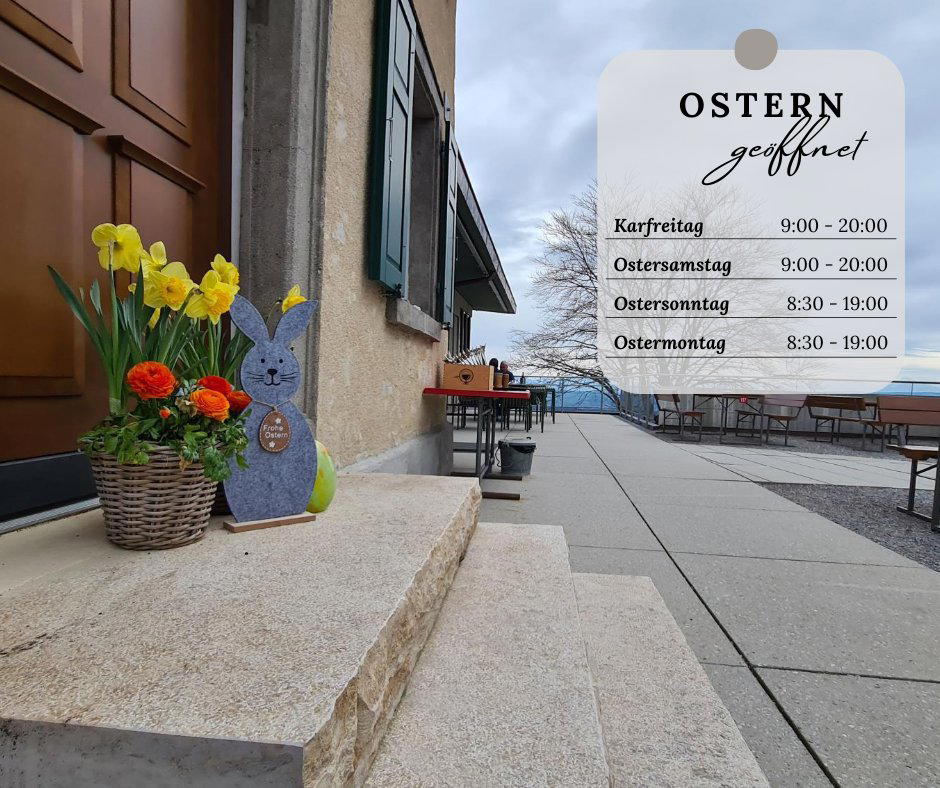
Hours can change for holidays and private events. Last verified .
Rustic coziness with warm, hearty atmosphere evoking traditional Swiss inn culture.