Viadukt
Viadukt sits beneath Zurich's repurposed railway arches in the Langstrasse-adjacent district of Kreis 5, a neighbourhood that has become the city's clearest argument for industrial-to-cultural conversion. Against a Zurich dining scene that trends toward formal tasting menus and Swiss-French precision, Viadukt occupies a different register: casual in posture but considered in execution, drawing a crowd that knows exactly where it is eating.
Pearl is the En Primeur Club membership app — saves, bookings, and concierge access live there. Same editors, same standards.
- Address
- Viaduktstrasse 69/71, 8005 Zürich, Switzerland
- Phone
- +41 43 204 18 99
- Website
- restaurant-viadukt.ch
- Directions
- Get directions
 Saves & bookings on Pearl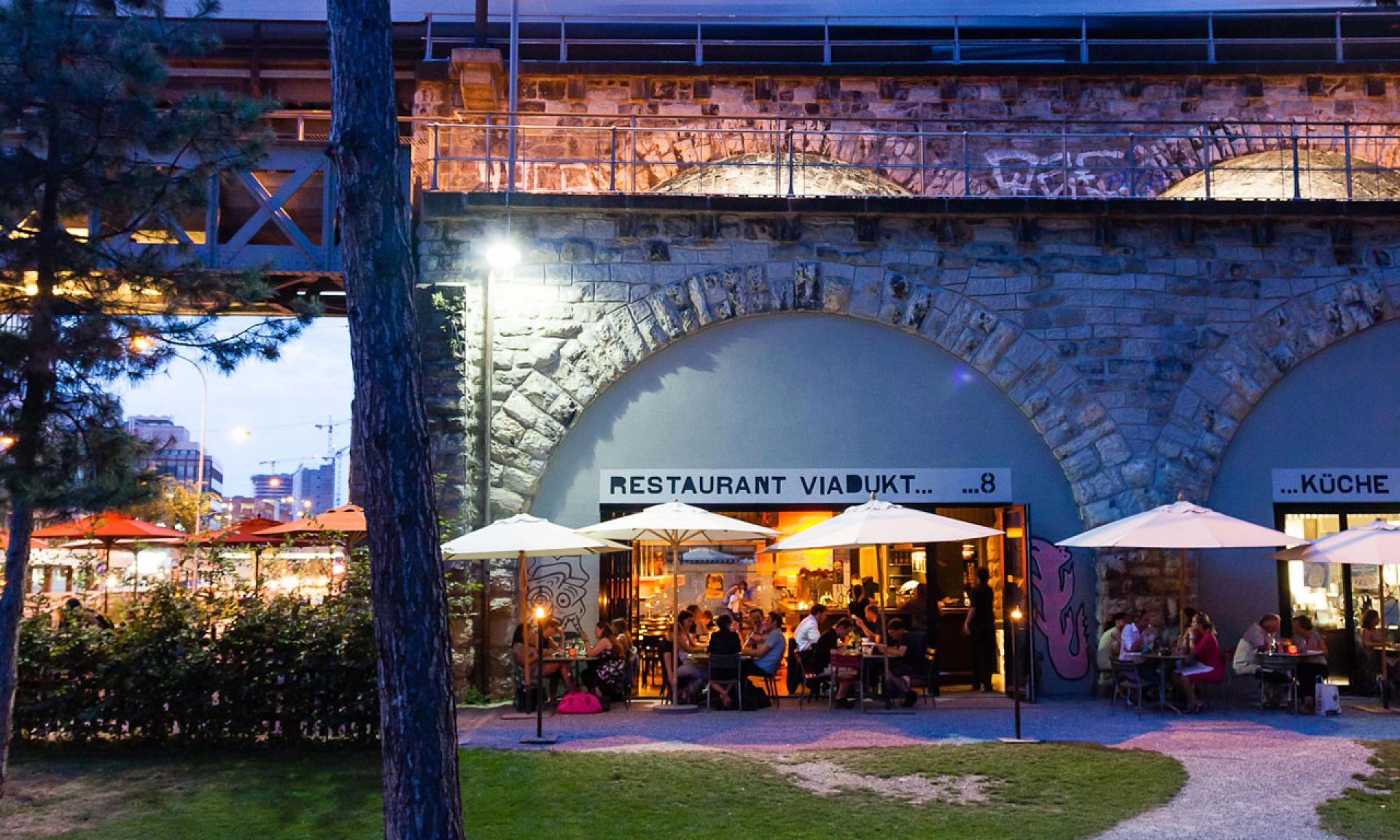
Kreis 5 and the Architecture of Appetite
Zurich's fifth district has spent the last two decades doing what cities rarely manage cleanly: converting industrial infrastructure into something liveable without losing the texture that made it interesting in the first place. The railway viaduct running through Kreis 5 is the physical spine of that transformation. Its arches, each one a discrete unit of brick and steel, were systematically occupied by a mix of food vendors, independent retailers, and workshops across the 2010s, creating a street-level rhythm that feels less like a food hall and more like a city block that happens to share a roof. Viadukt is a restaurant on Viaduktstrasse 69/71 in Zürich, serving Modern Swiss cuisine.
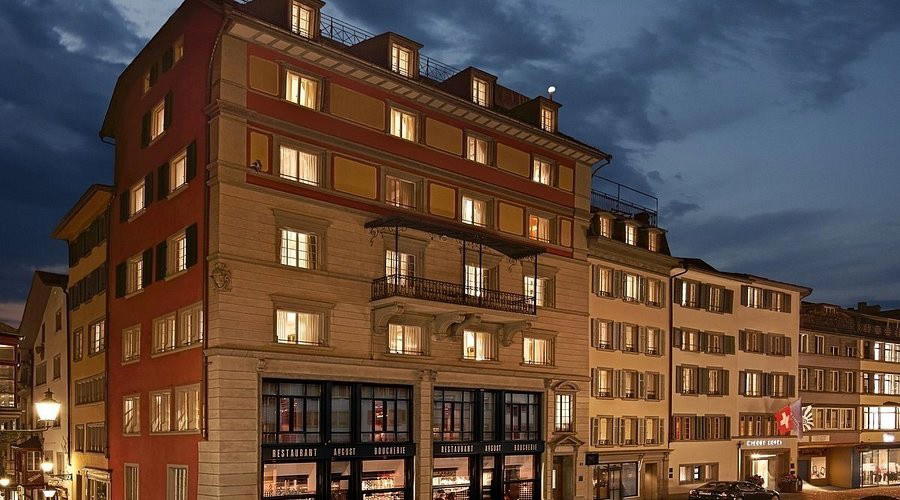
Approaching along Viaduktstrasse, the arches read as a repetitive industrial grid, each one framing a different kind of activity. There is no grand entrance sequence, no doorman, no unmarked door requiring a password. The transparency is architectural: you can see in, and that visibility communicates something about what the space is offering. In a Zurich dining scene that frequently prizes enclosure and ceremony, the curtained private rooms, the hushed service corridors, Viadukt's setting makes a different kind of statement by refusing to make one at all.
Where Viadukt Sits in Zurich's Dining Order
Zurich's restaurant tier structure is worth mapping before placing Viadukt within it. At the upper end, a cluster of tasting-menu restaurants compete on Michelin recognition and multi-course progression: The Restaurant and The Counter represent the creative fine-dining bracket, while IGNIV Zürich by Andreas Caminada reframes that tier through a sharing format. At the other end, neighbourhood brasseries and Swiss-traditional houses like Widder anchor a different kind of regularity. Viadukt does not compete on either axis. Its Kreis 5 address, its physical setting within a converted viaduct, and the demographic it draws place it in a middle register that Zurich genuinely needs: somewhere to eat well without the occasion-dressing that fine dining demands, and without the generic comfort of a hotel restaurant.
For comparison, Eden Kitchen & Bar operates at the higher-priced Italian end of Zurich's casual-to-smart spectrum. Viadukt reads differently, more embedded in its neighbourhood, less focused on a single cuisine identity. That positioning gives it flexibility, but it also means the kitchen's decisions carry more weight. Without a category shorthand to lean on, the menu has to argue for itself.
Reading the Menu as a Document
The editorial angle that matters most when assessing a place like Viadukt is not a single dish but the logic of the menu as a whole. What does its structure reveal about how the kitchen thinks? In venues that operate within industrial-revival settings across Europe, from London's railway arch restaurants to Copenhagen's meatpacking district conversions, there is a recurring temptation to let the room do the work, producing menus that are atmospheric props rather than coherent culinary arguments. The better operators in this format understand that casual surroundings require more disciplined cooking to avoid the whole thing collapsing into expensive bar food.
What can be said is that the venue's position within Kreis 5, a neighbourhood with a food market tradition at Im Viadukt and a density of independent operators, creates an expectation of market-aware, produce-led cooking rather than the classical brigade structures you find in Zurich's more formal dining rooms. The neighbourhood's supply chain logic tends to show up on plates.
Readers who want to compare against the higher-commitment tasting format should look to Switzerland's wider fine-dining circuit: Schloss Schauenstein in Fürstenau, Memories in Bad Ragaz, and Hotel de Ville Crissier represent the country's most awarded rooms. Viadukt is not in that conversation. Similarly, Cheval Blanc by Peter Knogl in Basel, Einstein Gourmet in Sankt Gallen, and Maison Wenger in Le Noirmont each demonstrate how Swiss fine dining anchors itself in regional French technique. Viadukt operates on different terms entirely.
The Neighbourhood as Context
Kreis 5 draws designers, media workers, and the internationally mobile professional class. The area around Langstrasse and the viaduct arches has higher foot traffic on weekday evenings than most of Zurich's more tourist-facing districts, and the regulars here eat out frequently rather than occasionally. That shapes what a venue needs to offer: the menu has to work as a weekly destination, not just a special-occasion script. Restaurants that succeed in this context in other cities, Lazy Bear in San Francisco in its early communal-table incarnation, for instance, often do so by building a format that rewards return visits through rotation and seasonal responsiveness.
The viaduct structure itself also means Viadukt operates in physical proximity to Im Viadukt market, one of Zurich's better-regarded covered food markets. That adjacency is worth registering: the supply and the consumption happen within the same architectural frame, which gives the broader space a coherence that standalone restaurant buildings often lack. Venues in our full Zurich restaurants guide are mapped partly by neighbourhood logic, and Kreis 5 represents a distinct cluster with its own character. Further afield in Switzerland, Da Vittorio in St. Moritz, Mammertsberg in Freidorf, La Table du Valrose in Rougemont, and focus ATELIER in Vitznau each demonstrate how dramatically Swiss restaurant contexts shift once you leave the city. Viadukt is defined by being urban, specific, and inseparable from its district.
For international calibration: the viaduct-as-restaurant-district format has equivalents in cities from London (Bermondsey) to Marseille, but Zurich's version is notably cleaner and more curated, which reflects the city's general relationship with public infrastructure. The arches are well-maintained, the lighting is considered, and the transition between the market hall, the food vendors, and full-service restaurants happens without the friction you encounter in less managed versions of the same idea elsewhere. That civic-level quality control is part of what makes the setting work as a dining address rather than just a novelty.
Planning Your Visit
Viadukt sits at Viaduktstrasse 69/71 in Zurich's Kreis 5, reachable on foot from Zürich HB in under fifteen minutes or directly via tram along Limmatstrasse. Viadukt is recommended for reservations and is typically open Mon to Fri 8 AM to 12 AM, Sat 9 AM to 12 AM, and Sun 10 AM to 12 AM. Dress code expectations in this district run casual to smart-casual, the industrial setting sets that tone without needing to enforce it. For the wider Zurich picture, EP Club's city guide covers the full range from neighbourhood spots to Michelin-level rooms. And for global reference points in ambitious casual-to-creative dining, Le Bernardin in New York City represents the opposite end of the formality dial, useful context for understanding where Viadukt's register sits in the broader spectrum of serious eating.
A Tight Comparison
Comparable venues nearby, for context on price, style, and recognition.
| Venue | Cuisine | Price | Notes |
|---|---|---|---|
| ViaduktThis venue — the venue you are viewing | Industriequartier, Modern Swiss | $$ | Not listed |
| Bar 45 | Not listed | $$ | Aussersihl, Cafe Bar with Spanish Small Plates |
| KulturCafé WHISper | Not listed | $$ | Riesbach, Swiss Café with Healthy, Seasonal Fare |
| Venus | Not listed | $$ | Oerlikon, Swiss Bistro with International Influences |
| Transylvanian Street Food | Not listed | $ | Aussersihl, Traditional Romanian Street Food |
| Bü’s Hopfenau | Albisgutli, Modern Swiss Classics | $$ | Not listed |
At a Glance
- Industrial
- Cozy
- Trendy
- Casual Hangout
- Brunch
- Historic Building
- Open Kitchen
- Terrace
- Local Sourcing
- Garden
- Street Scene
Current opening hours
- Monday
- 8 AM–12 AM
- Tuesday
- 8 AM–12 AM
- Wednesday
- 8 AM–12 AM
- Thursday
- 8 AM–12 AM
- Friday
- 8 AM–12 AM
- Saturday
- 9 AM–12 AM
- Sunday
- 10 AM–12 AM
Hours can change for holidays and private events. Last verified .
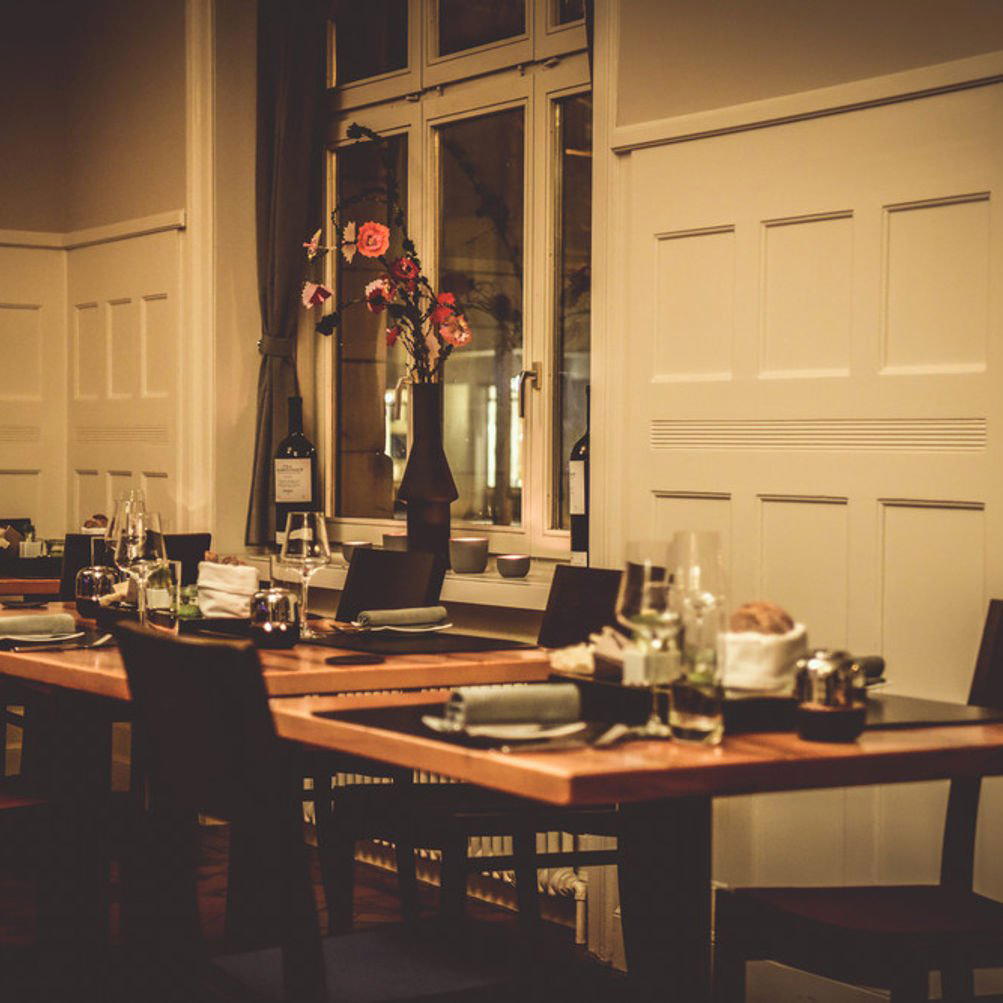
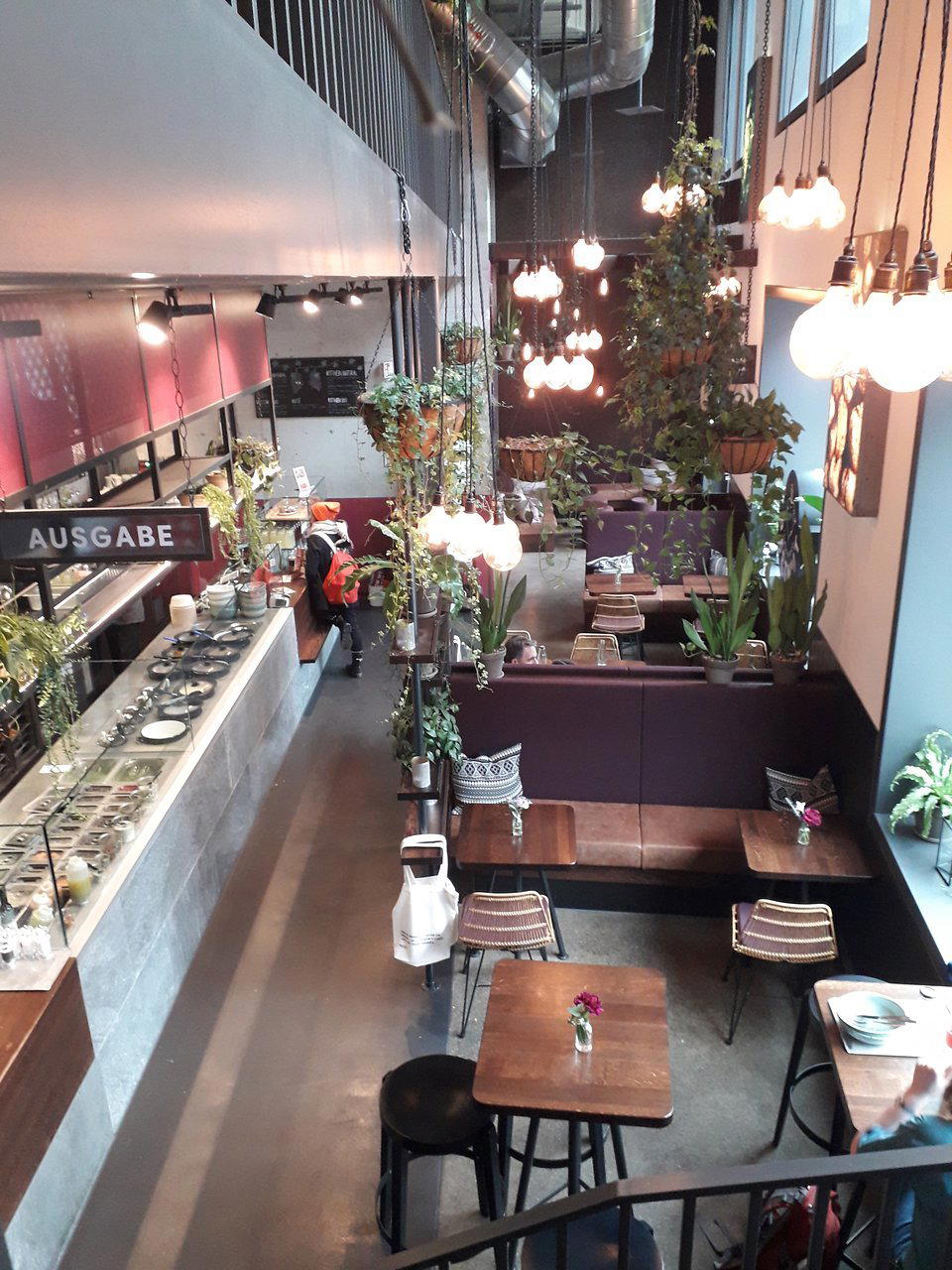
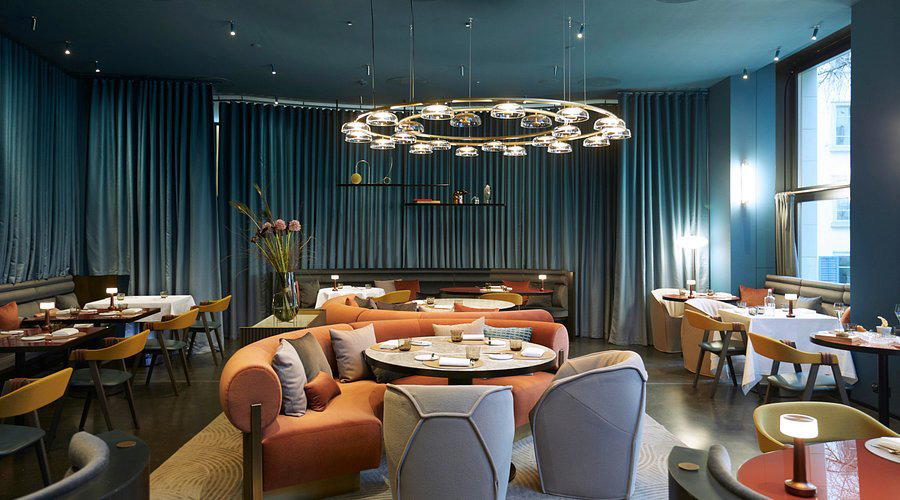
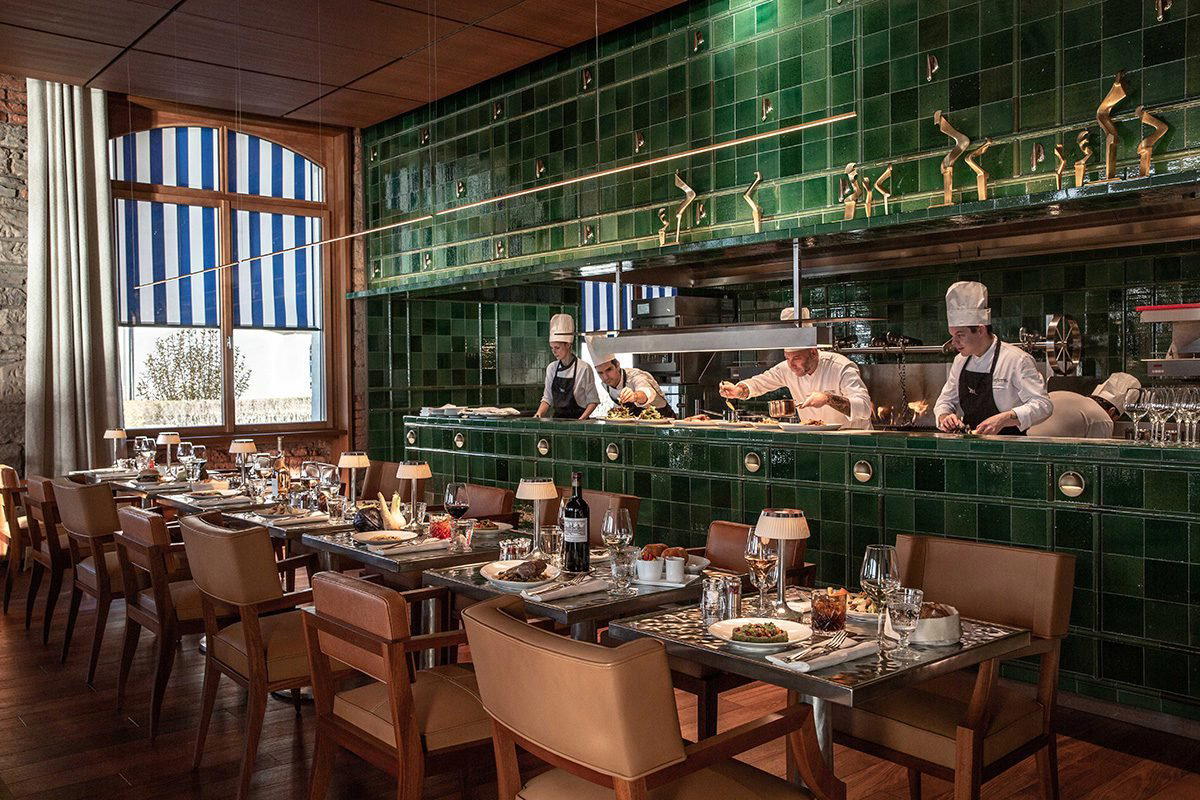
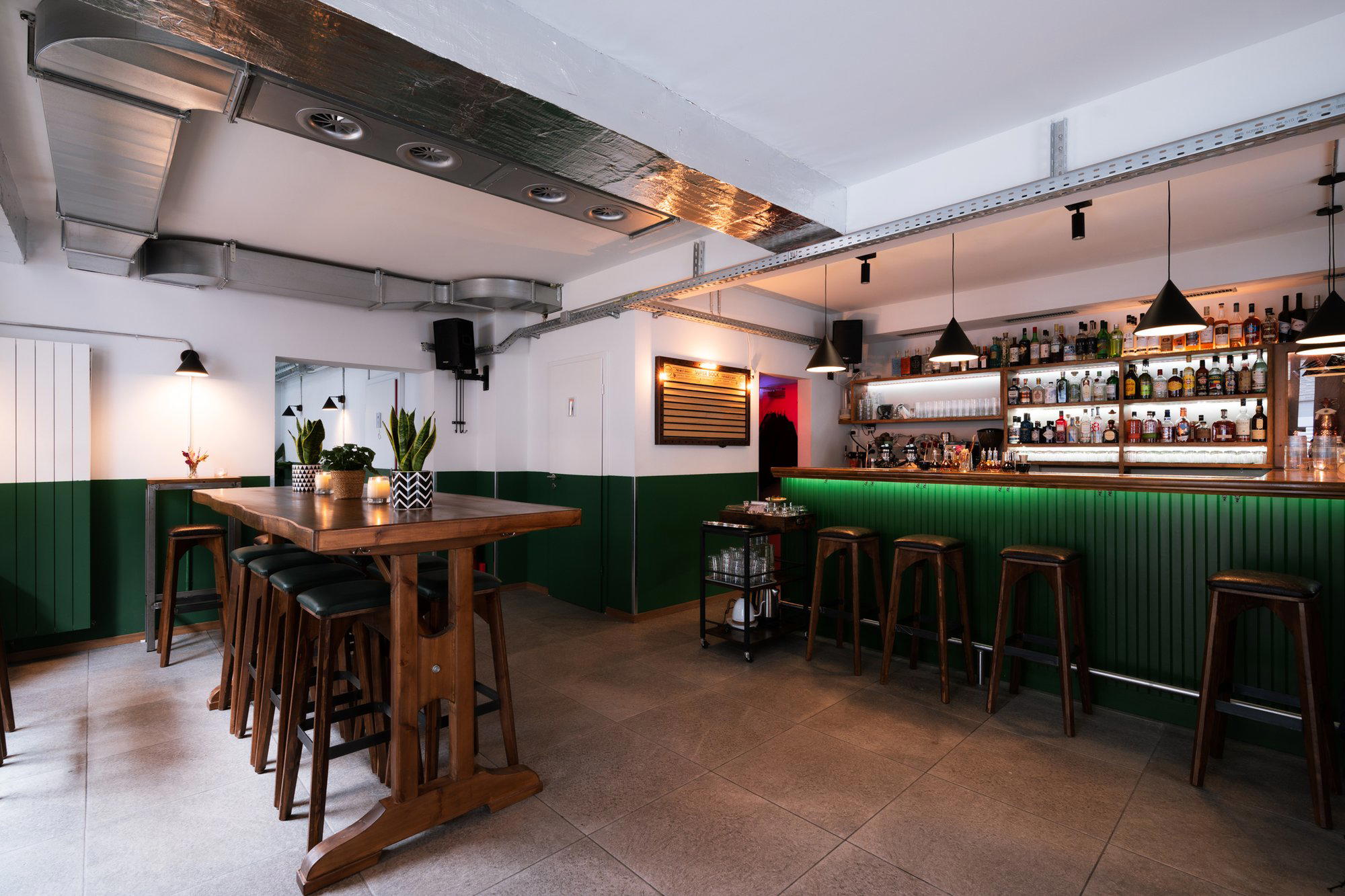
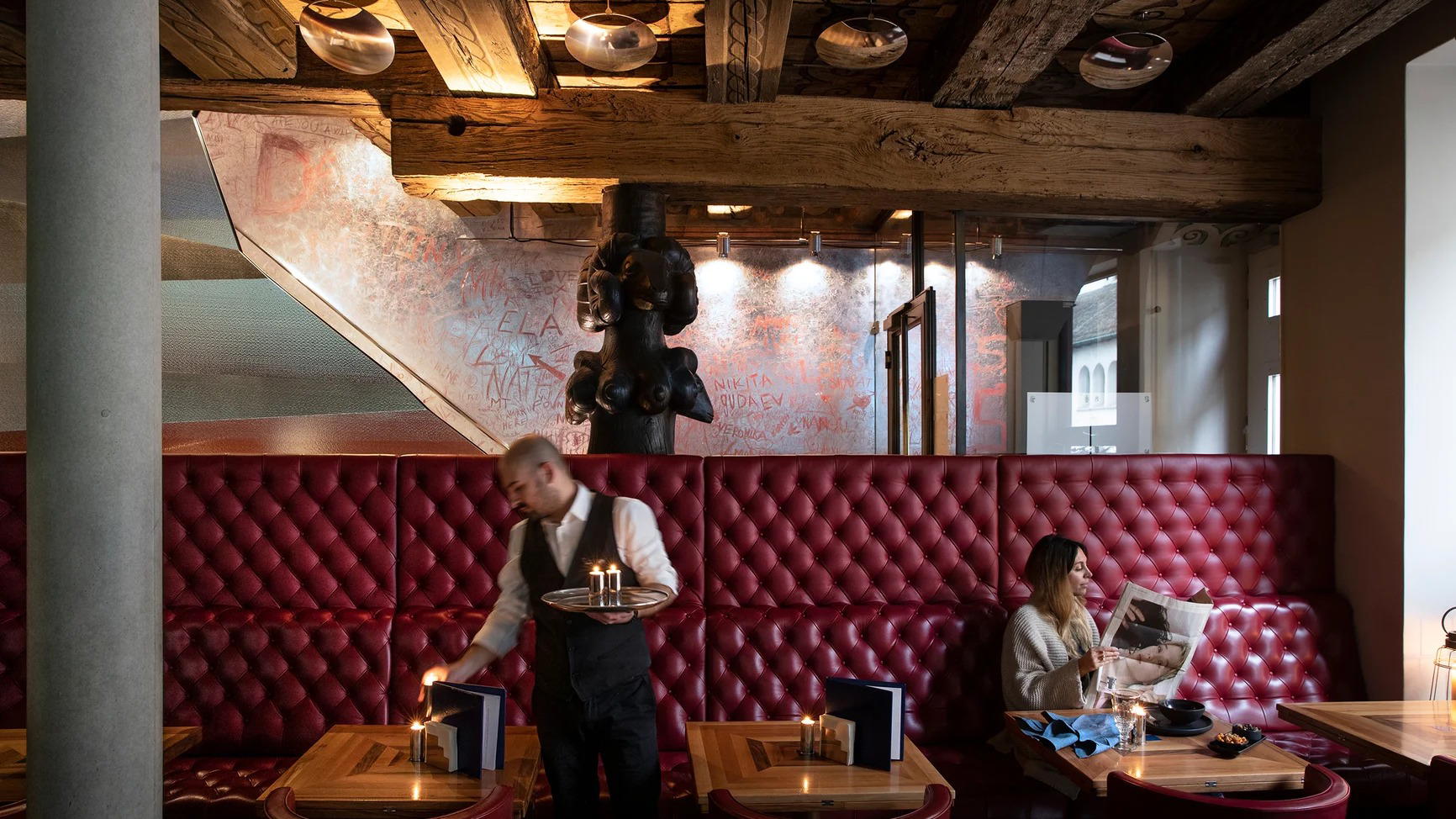
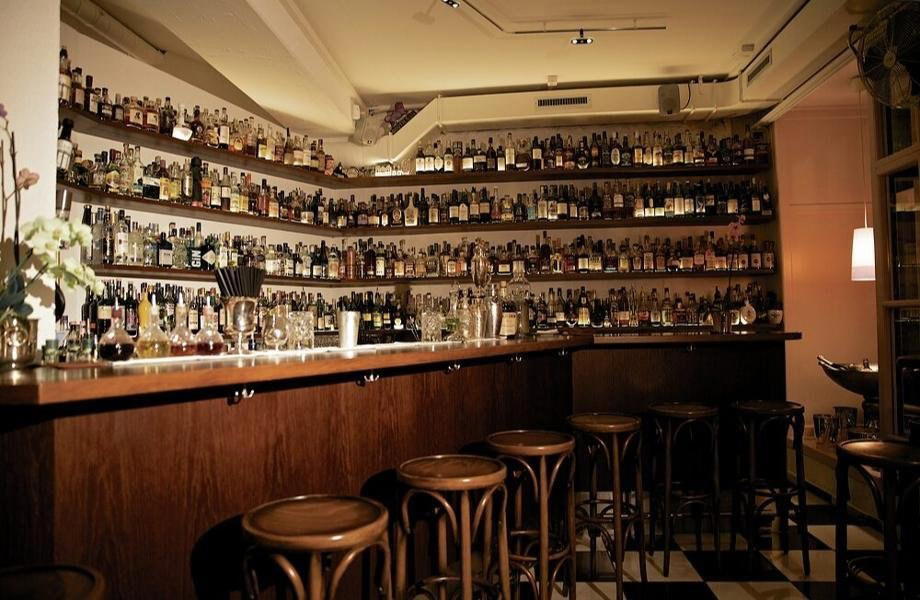
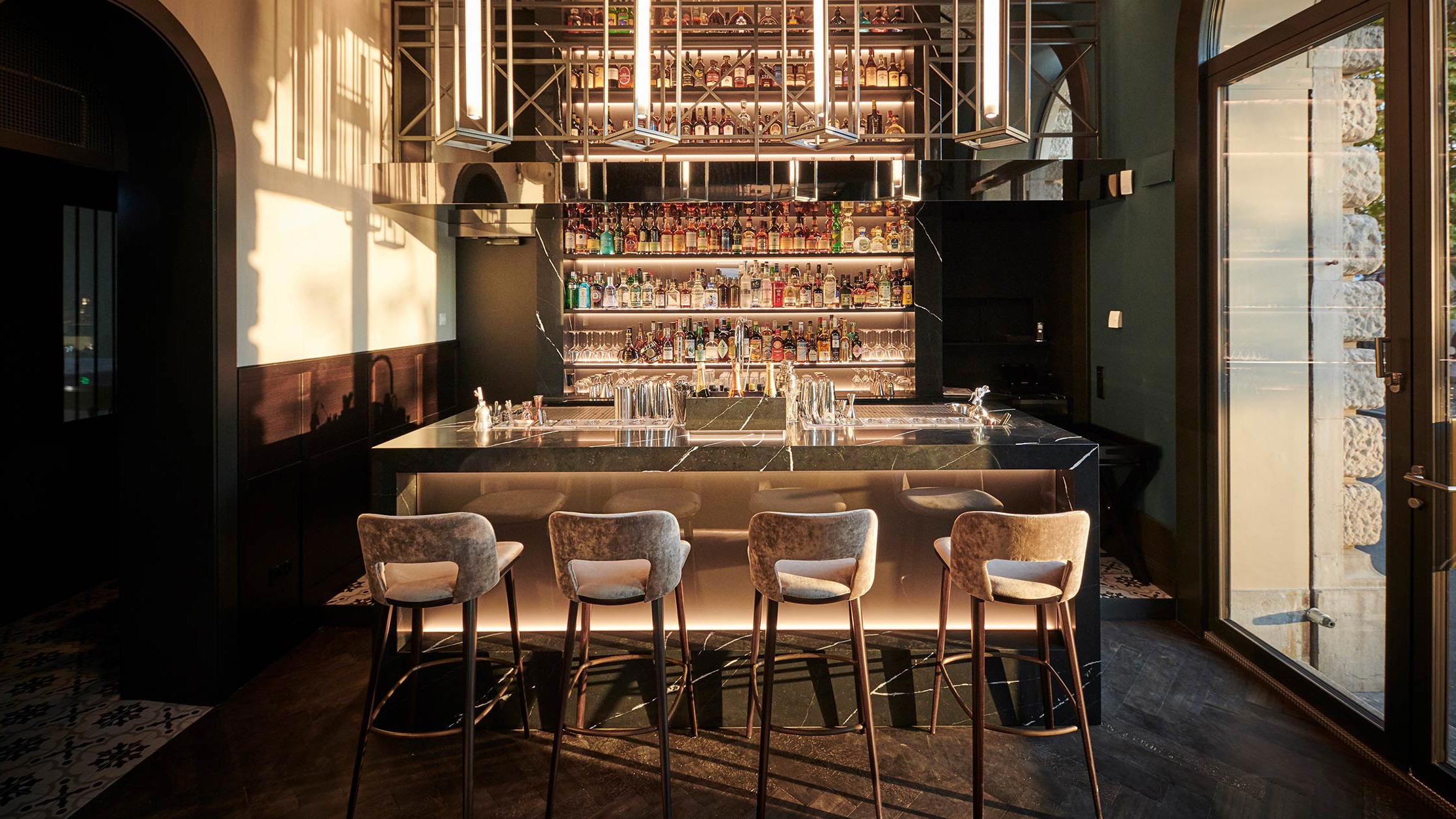
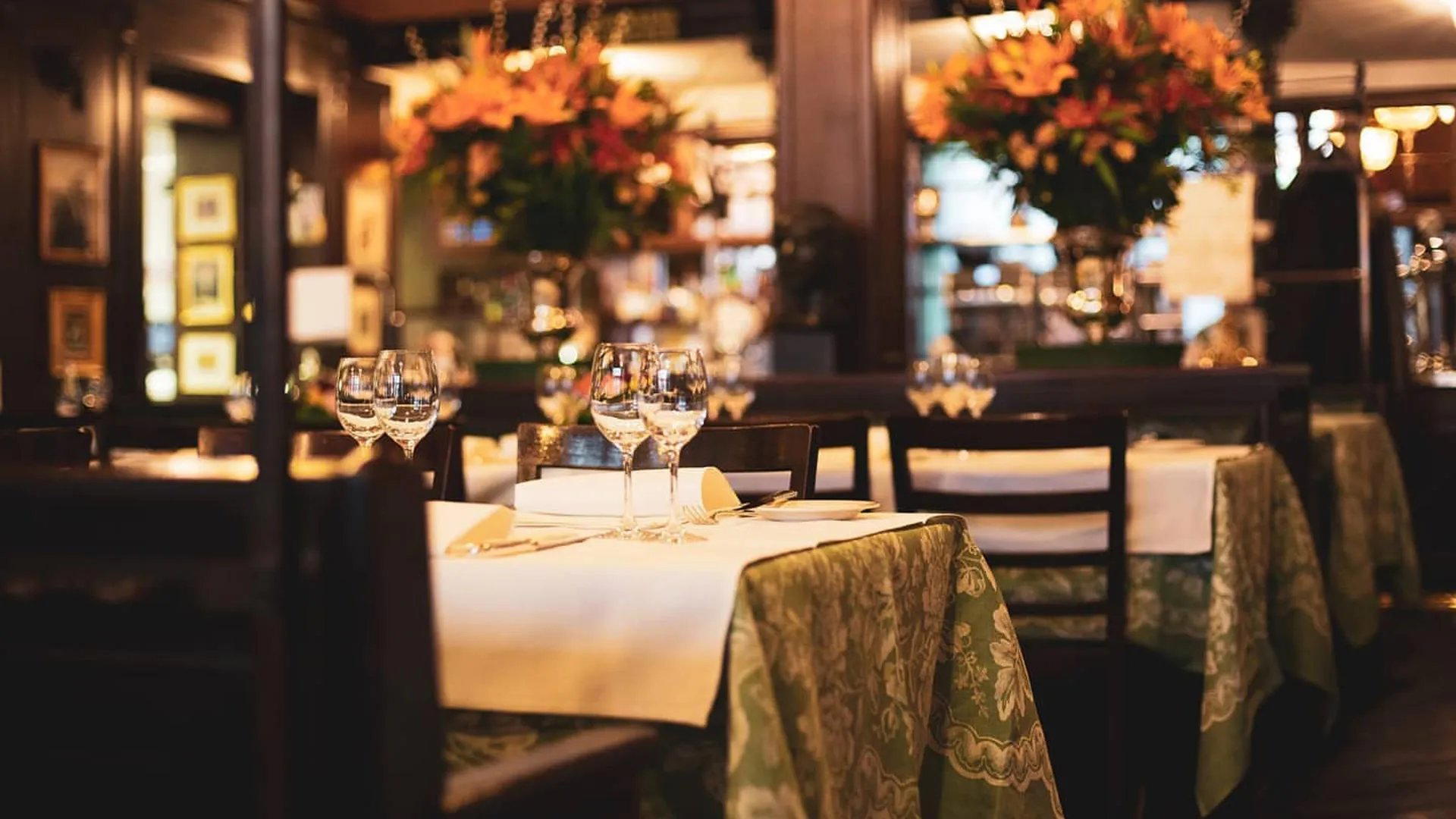
Hipster industrial vibe with stone walls, cozy atmosphere, and sunny park-side garden seating.