On Notre-Dame Street West in Saint-Henri, Restaurant 3734 occupies one of Montreal's most interesting dining corridors, where the neighbourhood's industrial past and its current creative energy sit in close proximity. The address alone places it inside a conversation about how the city's dining scene has shifted west of downtown, making it a reference point for anyone tracing that movement.
Pearl is the En Primeur Club membership app — saves, bookings, and concierge access live there. Same editors, same standards.
- Address
- 3734 Notre-Dame St W, Montreal, Quebec H4C 1P7, Canada
- Phone
- +1 514 303 0777
- Website
- 3734.ca
- Directions
- Get directions
 Saves & bookings on Pearl
Notre-Dame West and the Shift in Montreal's Dining Geography
Montreal's restaurant energy has been moving west along Notre-Dame Street for the better part of a decade. What was once a corridor defined by furniture warehouses and auto-body shops in Saint-Henri and the surrounding Sud-Ouest borough has gradually filled with kitchens that operate outside the downtown circuit. This is not a coincidence of cheap rent alone. The neighbourhood draws a particular kind of operator: one less interested in proximity to the tourist corridors of the Plateau or Old Montreal, and more focused on building a local dining relationship with a residential community that has grown increasingly attentive to what it eats. Restaurant 3734 sits at this address on Notre-Dame Street West, at the number that gives it its name, inside that broader westward movement.
The shift matters for how you experience the meal before you even sit down. Arriving on Notre-Dame West is different from arriving on Laurier or in the Quartier des Spectacles. The street retains a working texture. There is no dense tourist infrastructure surrounding the room, which tends to calibrate both the kitchen's priorities and the clientele's expectations. Across the wider Montreal dining scene, venues operating in this kind of neighbourhood context often carry a different relationship with their regulars than destination restaurants in higher-visibility districts. For reference points on what the city's more formalised fine dining looks like, Jérôme Ferrer - Europea and Mastard both represent the more downtown-anchored end of Montreal's modern cuisine spectrum, with price points and formats that reflect that positioning.
The Sud-Ouest as a Dining District
Saint-Henri and the broader Sud-Ouest have attracted a specific type of restaurant over the past several years: mid-scale to ambitious kitchens that do not require the validation of a hotel dining room or a marquee chef's name to draw a room. This is partly a function of how Montreal's dining culture differs from Toronto's or Vancouver's. The city has a long tradition of neighbourhood restaurants earning loyalty through consistency rather than spectacle, and the Notre-Dame West corridor has become one of the clearer expressions of that tradition in its current form.
Other restaurants in the immediate area reflect this same character. 3 Pierres 1 Feu and Abu el zulof both operate within walking distance, adding further texture to a dining strip that rewards exploration on foot rather than a single-destination visit. The cumulative effect of several independent kitchens on the same corridor is that the neighbourhood itself becomes a reason to visit, rather than any one address being the sole draw.
This is meaningfully different from how the city's most decorated restaurants function. Sabayon operates at a price tier and with a format that positions it as a planned destination. Notre-Dame West restaurants, including 3734, tend to occupy a space where the neighbourhood context is inseparable from the dining experience.
Montreal in the Wider Canadian Dining Conversation
Understanding where Restaurant 3734 sits requires some sense of where Montreal itself sits in the broader Canadian restaurant conversation. Quebec City's Tanière³ represents the kind of nationally recognised, destination-scale ambition that defines one end of the spectrum. Toronto's Alo occupies a similarly celebrated position in Ontario's fine dining hierarchy. Further afield, places like Eigensinn Farm in Singhampton and Fogo Island Inn Dining Room represent the most remote and singular formats in the country's dining canon.
Montreal's contribution to that conversation is not only through its marquee addresses. The city's neighbourhood restaurants have historically been where its culinary identity is most honestly expressed. The brasserie tradition that shaped L'Express, the smoked meat counter at Schwartz's, and the more recent generation of kitchens on Notre-Dame West all participate in the same underlying civic pattern: eating in Montreal is as much about routine and neighbourhood belonging as it is about occasion. Restaurant 3734's address places it firmly in the routine-and-belonging category, which in a city with Montreal's dining culture carries its own kind of authority.
For readers who cross-reference dining in other Canadian cities, AnnaLena in Vancouver and Restaurant Pearl Morissette in Lincoln both demonstrate how neighbourhood-rooted or region-rooted restaurants can build serious reputations without operating inside the formal fine dining tier. Narval in Rimouski is another Quebec example of a kitchen earning recognition well outside a major urban centre. The pattern is consistent: some of Canada's most interesting cooking happens at addresses that do not announce themselves loudly.
Planning a Visit: What to Know Before You Go
Notre-Dame Street West is accessible by public transit, with the Lionel-Groulx and Place-Saint-Henri metro stations both within reasonable walking distance of the 3734 address, depending on where you are coming from on the line. The neighbourhood rewards arriving with time to walk the street before or after a meal, as the concentration of independent businesses gives it a character that repays attention.
For a broader sense of where this address fits in the city's dining map, the EP Club Montreal restaurants guide covers the full range of the city's dining options across neighbourhoods and price tiers. Those planning a wider Canadian dining itinerary may also find value in reviewing options at The Pine in Creemore, Cafe Brio in Victoria, and Busters Barbeque in Kenora for a sense of how independently operated kitchens function across very different Canadian contexts.
For international reference points that illuminate how neighbourhood restaurants build lasting reputations outside the formal fine dining tier, Le Bernardin in New York City and Lazy Bear in San Francisco both demonstrate, from different angles, how a kitchen's relationship with its neighbourhood and its format shapes what a meal means beyond the plate.
Budget and Context
| Venue | Cuisine | Price | Awards |
|---|---|---|---|
| Restaurant 3734This venue — the venue you are viewing | Not listed | This venue | Not listed |
| L’Express | Not listed | $$ | French Bistro, $$ |
| Schwartz’s | Not listed | $ | Delicatessen, $ |
| Toqué | Not listed | $$$$ | French, $$$$ |
| Jérôme Ferrer - Europea | Modern Cuisine | $$$$ | Michelin 1 Star |
| Mastard | Modern Cuisine | $$$ | Michelin 1 Star |
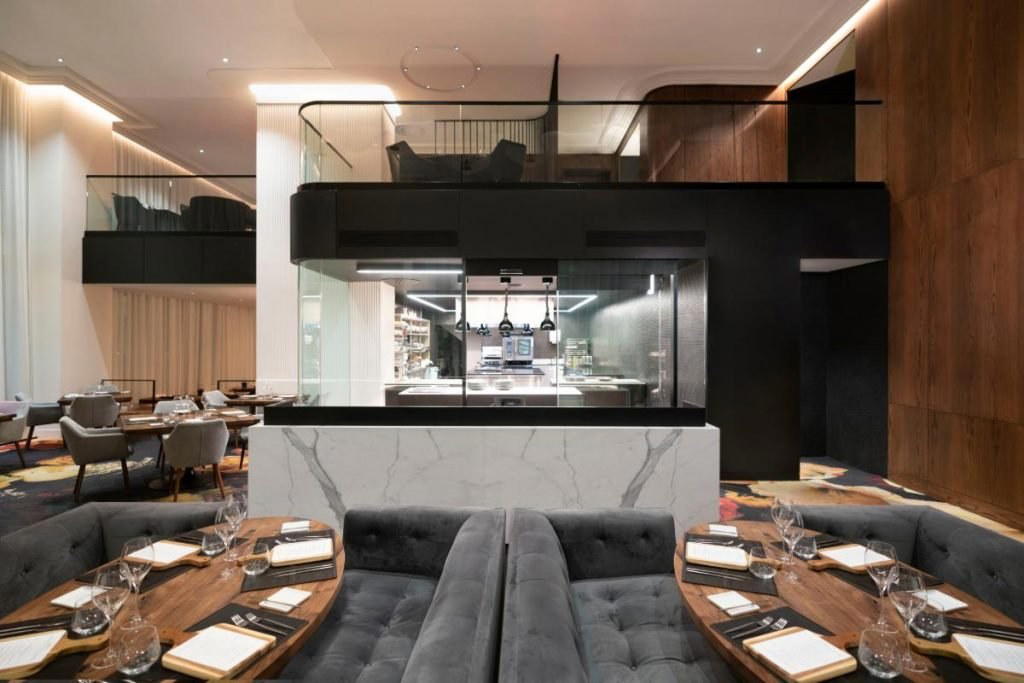
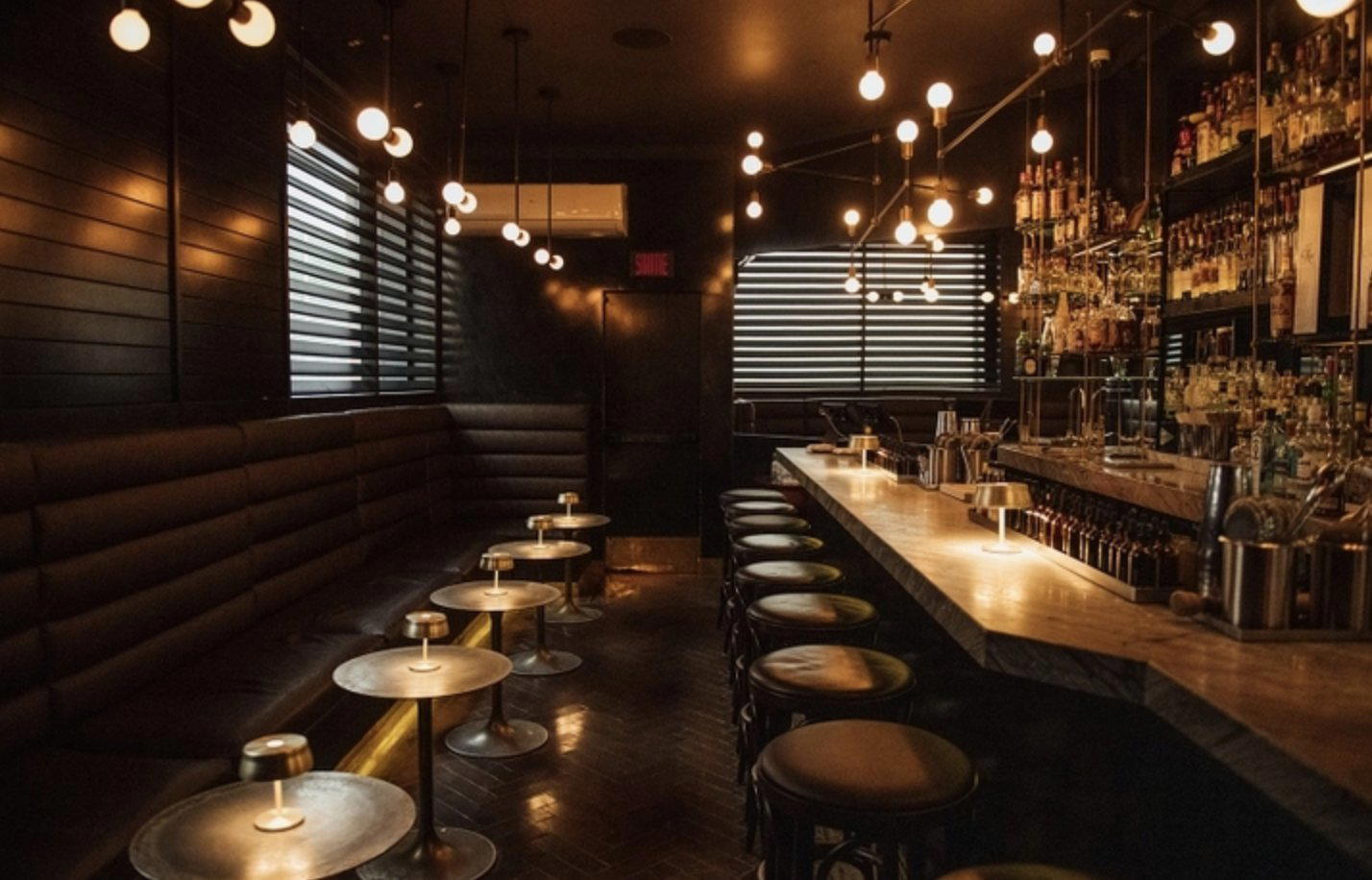
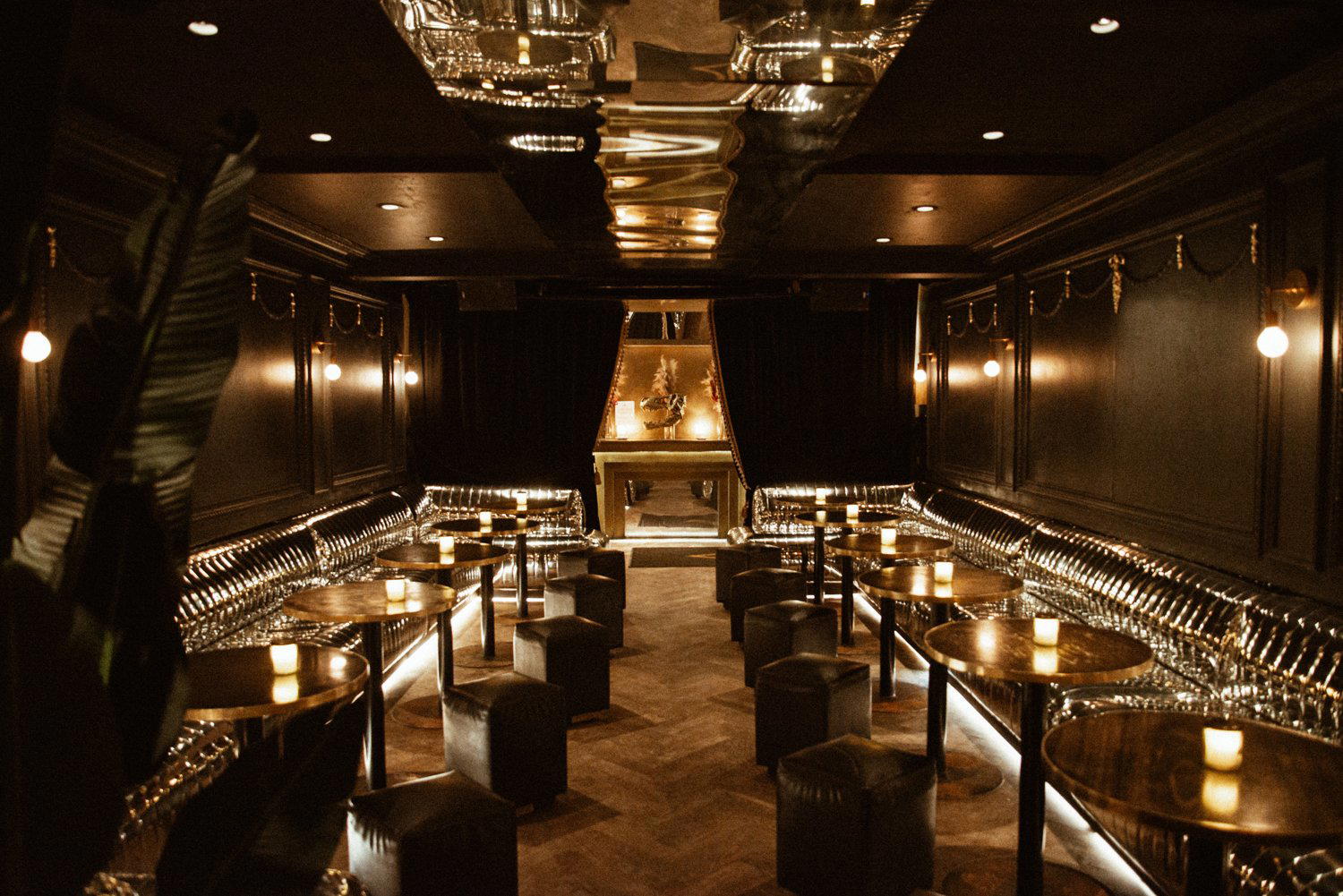
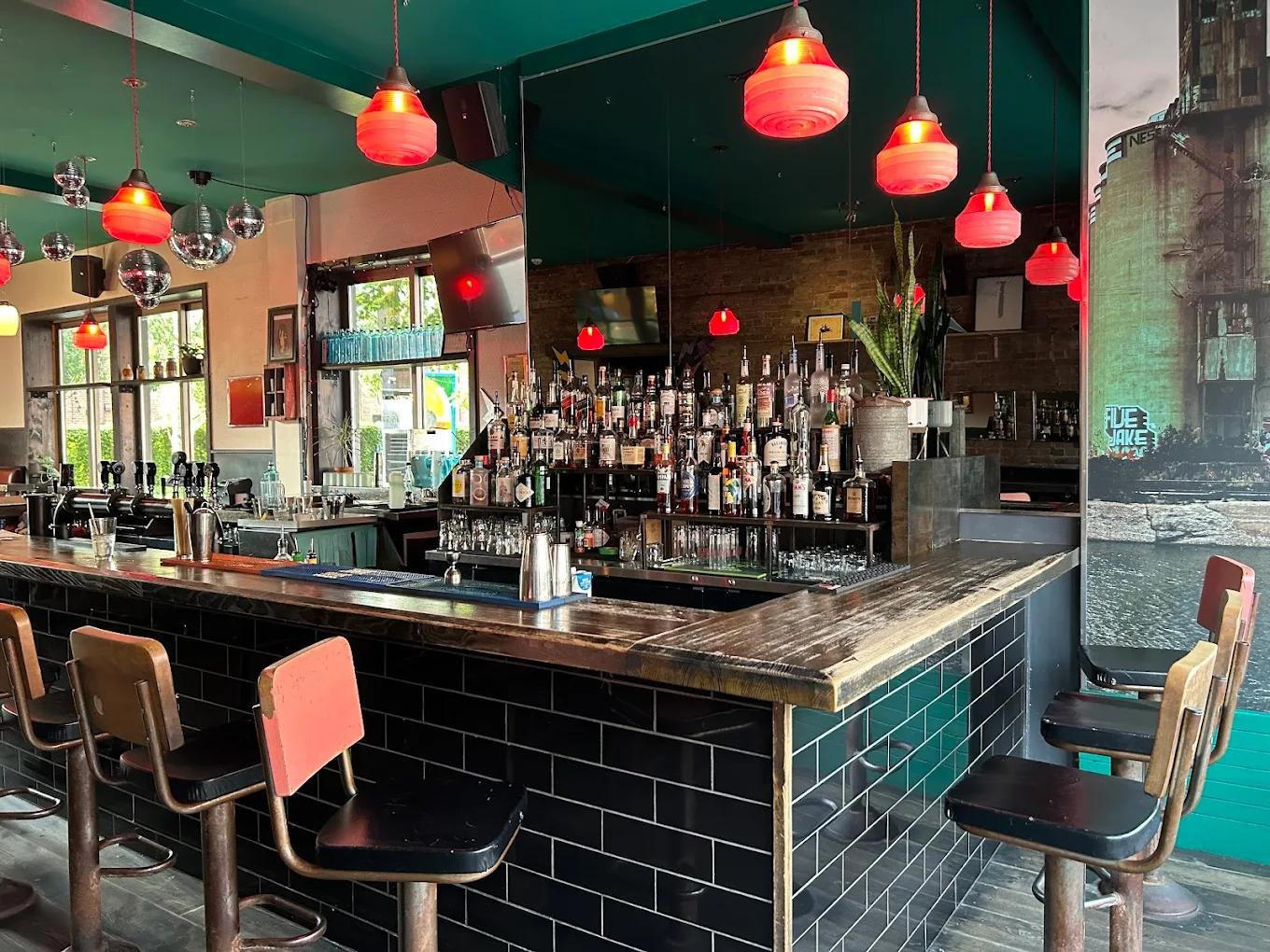
At a Glance
- Cozy
- Casual Hangout
- Standalone
Current opening hours
- Monday
- 12 PM–12 AM
- Tuesday
- 12 PM–12 AM
- Wednesday
- 12 PM–12 AM
- Thursday
- 12 PM–1 AM
- Friday
- 12 PM–1 AM
- Saturday
- 12 PM–1 AM
- Sunday
- 12 PM–12 AM
Hours can change for holidays and private events. Last verified .
Industrial neighborhood setting
Know Before You Go
- Getting there
- 3734 Notre-Dame St W, Montreal, Quebec H4C 1P7, Canada