Our verdict
Restaurang Tako occupies a measured position in Stockholm's competitive fine-dining tier, where Östermalm addresses carry weight and the sourcing conversation has moved from marketing language to menu architecture.

Pearl is the En Primeur Club membership app — saves, bookings, and concierge access live there. Same editors, same standards.
- Address
- Grev Turegatan 1, 114 34 Stockholm, Sweden
- Phone
- +46850139100
- Hours
- Mon–Tue 11:30 AM–11 PMWed–Thu 11:30 AM–1 AMFri 11:30 AM–2 AMSat 12 PM–2 AMSun Closed
- Website
- restaurangtako.se
- Directions
- Get directions
- Booking
- Book on the venue's website
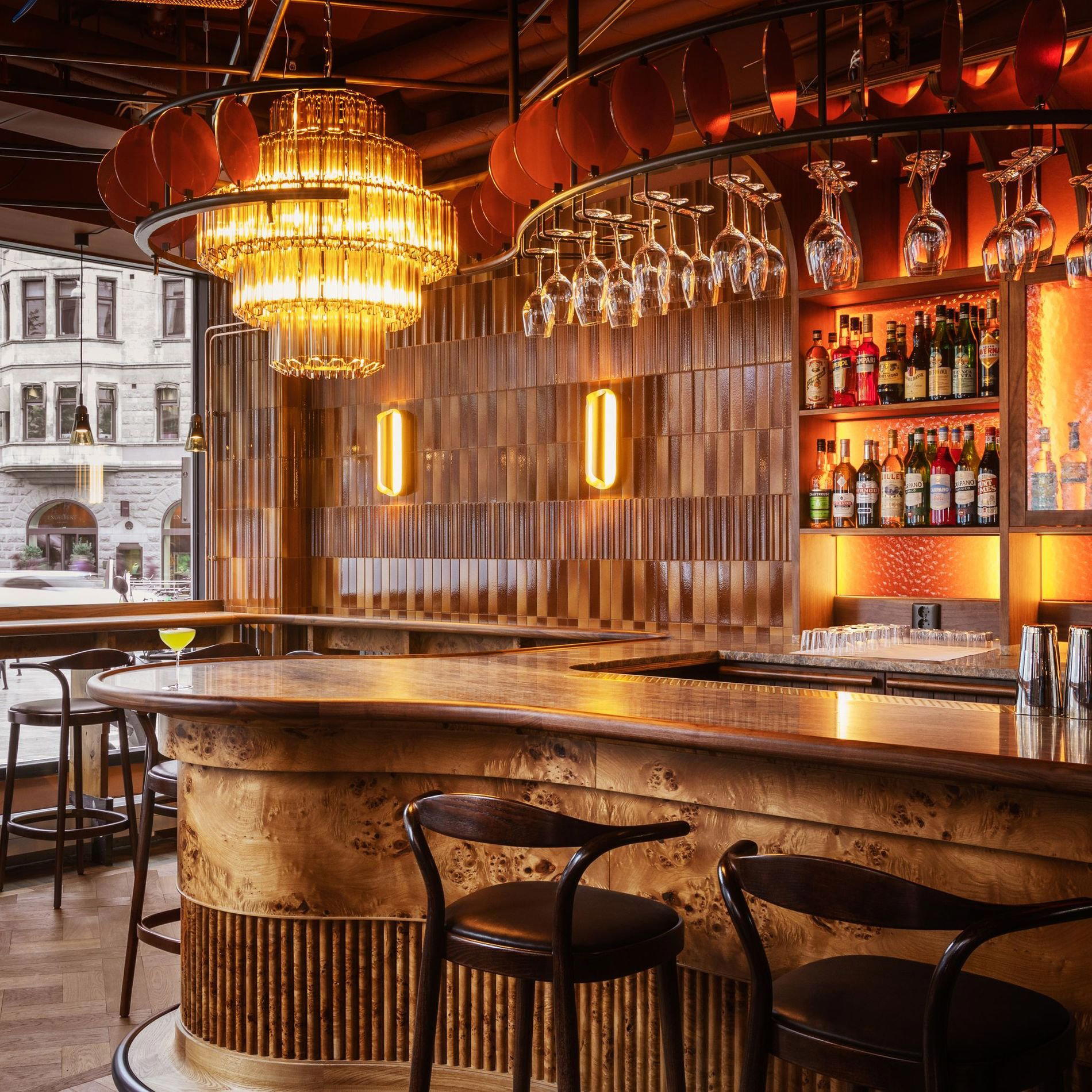
Östermalm's Fine-Dining Address and What It Signals
Stockholm's restaurant geography is not accidental. The Östermalm district, where Grev Turegatan cuts through a neighbourhood of ambassadorial residences and serious retail, functions as the city's highest-stakes dining corridor. A restaurant choosing to open at this address is making a statement about its competitive positioning before a guest has ordered anything. Restaurang Tako, at Grev Turegatan 1, places itself squarely inside that context — in proximity to Stockholm's most scrutinised tasting-menu operations and in dialogue with a dining public that has spent the last decade recalibrating its expectations of what Nordic fine dining can and should do.
That recalibration matters. Stockholm's upper tier has shifted considerably since the early 2010s, when New Nordic provided a unifying aesthetic — foraged herbs, cold-pressed oils, lactic ferments, that gave international critics a usable framework. The scene has since fragmented productively. Frantzén operates at the three-Michelin-star apex, a reference point for the entire Nordic region. Operakällaren holds the classical Swedish tradition at formal register. Newer entrants like AIRA and Aloë have staked positions in modern European and creative tasting formats. Restaurang Tako enters a city where the editorial question is no longer whether Stockholm has serious restaurants, but how each one defines its particular argument.
The Sourcing Conversation as Menu Architecture
Across Scandinavia's fine-dining tier, sustainability has undergone a significant shift in function. What began as a marketing positioning, a handful of bullet points about regional farms and short supply chains, has matured into something closer to a structural principle in kitchens that take it seriously. The most credible operations in Sweden and Denmark no longer announce their sourcing ethics as a supplement to the menu; they build the menu around seasonal availability and supplier relationships, then work backwards to the plate.
This approach is visible across multiple peer venues on the Stockholm scene and at award-winning operations elsewhere in Sweden. ÄNG in Tvååker has built its identity around hyper-local agriculture as a culinary constraint rather than a talking point. Knystaforsen in Rydöbruk operates within a landscape that doubles as its larder. Even urban Stockholm addresses have absorbed this logic: the sourcing conversation at Adam / Albin, which holds Michelin recognition in the New Nordic category, is embedded in the meal's sequencing rather than announced at the door. Understanding where Restaurang Tako positions itself within this spectrum, whether sourcing functions as architecture or accent, is part of the critical assessment any informed visitor should make.
Sweden's geography provides both constraint and advantage. A restaurant in Stockholm operates at the end of supply chains that run through central Sweden's agricultural heartland, the west coast's fishing grounds, and the forested interior where game and wild botanicals remain genuinely seasonal. The most thoughtful kitchens treat that geography as a calendar: what arrives in the kitchen reflects what the season permits, not what a standing order can guarantee year-round. Waste reduction in this framework is less a policy than a consequence of procurement discipline, if you buy what the season produces and use it fully, there is less to discard.
The fine-dining tier in Stockholm operates at price points consistent with other northern European capitals. The €€€€ bracket, occupied by Operakällaren, AIRA, and Adam / Albin, typically signals tasting-menu formats running from eight to fifteen courses, with beverage pairings that can add fifty percent or more to the cover price. This is the cohort against which Restaurang Tako is naturally evaluated, and it is a demanding one: Michelin presence is dense, editorial attention from international publications is consistent, and Stockholm diners are well-travelled enough to hold their own city's kitchens to a comparative standard.
For visitors already planning Stockholm's fine-dining circuit, it is worth noting that the city rewards some geographical planning. Östermalm's concentration of addresses means that pre-dinner drinks, hotel proximity, and next-morning logistics can often be structured around a single neighbourhood. Those extending their exploration of Swedish fine dining beyond the capital will find productive reference points at Vollmers in Malmö, VYN in Simrishamn, and Signum in Mölnlycke, each of which represents a different register of the regional tradition. Further afield, 28+ in Gothenburg and PM & Vänner in Växjö offer comparative data points for understanding how Stockholm's restaurants sit within the national scene. For those building a broader Swedish itinerary, also consider Adrian Restaurang in Borås, Brasserie Park in Jonköping, and Enoteket in Norrköping.
Internationally, the sustainability-forward tasting-menu format that Stockholm's leading kitchens have refined has clear parallels elsewhere. Le Bernardin in New York City operates as a useful comparison for understanding how a technically serious kitchen handles ingredient sourcing and supply-chain ethics at the leading price tier. Atomix, also in New York, offers a contrasting model: a small-counter tasting format where sourcing narrative is built directly into the service sequence.
Planning Your Visit
Restaurang Tako's address on Grev Turegatan places it at the southern edge of Östermalm, reachable on foot from the Östermalmstorg metro station in under five minutes. The neighbourhood's character, formal without being stiff, residential without losing urban density, establishes a baseline for the experience. Visitors should verify current booking procedures, hours, and any format changes directly through the restaurant, as operating details in Stockholm's fine-dining tier shift with seasonal programming. Given the competitive density of the Östermalm corridor, advance reservations are advisable for any evening booking; this is not a neighbourhood where walk-ins reliably succeed at upper-tier addresses. For a full picture of the Stockholm dining scene and how Tako relates to the city's broader options, our full Stockholm restaurants guide maps the landscape across price tiers and neighbourhoods.
Frequently asked questions
Where exactly is Restaurang Tako?
Restaurang Tako is located at Grev Turegatan 1, 114 34 Stockholm, Sweden, Stockholm.
What kind of cuisine does Restaurang Tako serve in Stockholm's Östermalm?
Restaurang Tako's kitchen operates within the Scandinavian fine-dining tradition that has defined Östermalm's upper tier for the past decade, where Nordic produce and seasonal sourcing shape the menu's structure. For guests arriving from outside Sweden, it represents a clear entry point into how the city's current fine-dining direction has evolved beyond the first wave of New Nordic.
What do people recommend at Restaurang Tako?
Specific dish recommendations from current visitors centre on the kitchen's sourcing-led approach, where the menu follows seasonal availability rather than a fixed repertoire. Restaurang Tako sits on Grev Turegatan in Östermalm, a neighbourhood where the dining room tends to attract guests who prioritise what's on the plate over what's on the signage. The strongest indicator of what to order is typically the server's guidance on the night's market-driven selections.
How hard is it to get a table at Restaurang Tako?
Restaurang Tako's address at Grev Turegatan 1 places it in one of Stockholm's most sought-after dining corridors, where reservation windows at comparable fine-dining addresses typically run two to six weeks ahead. Booking directly through their website or by phone gives the clearest picture of current availability. Weekend sittings at this level in Östermalm fill faster than mid-week slots.
What makes Restaurang Tako worth seeking out?
What distinguishes Tako in that context is a kitchen approach that treats sourcing as menu structure rather than a side note. In Stockholm's current fine-dining conversation, that distinction carries weight.
Is Restaurang Tako good for vegetarians?
Across Stockholm's fine-dining tier, kitchens operating at this level on Östermalm's Grev Turegatan routinely accommodate vegetarian guests, particularly where sourcing-led menus are structured around produce rather than a fixed protein programme. The clearest course of action is to flag dietary requirements at the time of booking, which allows the kitchen to build an appropriate progression from the outset.
Should I splurge on Restaurang Tako?
Restaurang Tako operates within Östermalm's fine-dining bracket, a tier in Stockholm where per-person spend at tasting-menu-format addresses typically ranges from SEK 1,200 to SEK 2,500 depending on beverage pairings. If the sourcing-forward approach described by the kitchen aligns with how you eat, the neighbourhood alone signals the calibre of intent. For guests already travelling to Stockholm for its restaurant scene, Grev Turegatan 1 is a considered stop rather than a casual one.
At a Glance
Comparable venues nearby, for context on price, style, and recognition.
| Venue | Cuisine | Price | Awards | Notes |
|---|---|---|---|---|
| Restaurang TakoThis venue — the venue you are viewing | Modern Japanese-Korean Fusion | $50–100 | Not listed | Not listed |
| Nana | Modern Nordic-Japanese Kaiseki | $200–300 | Not listed | Norrmalm, Modern Nordic-Japanese Kaiseki |
| Miyakodori | Japanese Izakaya & Yakitori | $50–100 | Star Wine List · White Guide Sweden Restaurants - Very Fine Level | Norrmalm, Japanese Izakaya & Yakitori |
| The Sparrow Bistro | French Bistro | $50–100 | Not listed | Östermalm, French Bistro |
| Bloomster Stockholm | Östermalm, other | Not listed | Not listed | Not listed |
| Ai Ramen Klara | Japanese Ramen | $20–30 | Not listed | Norrmalm, Japanese Ramen |
Continue exploring
More in Stockholm
Restaurants in Stockholm
Browse all →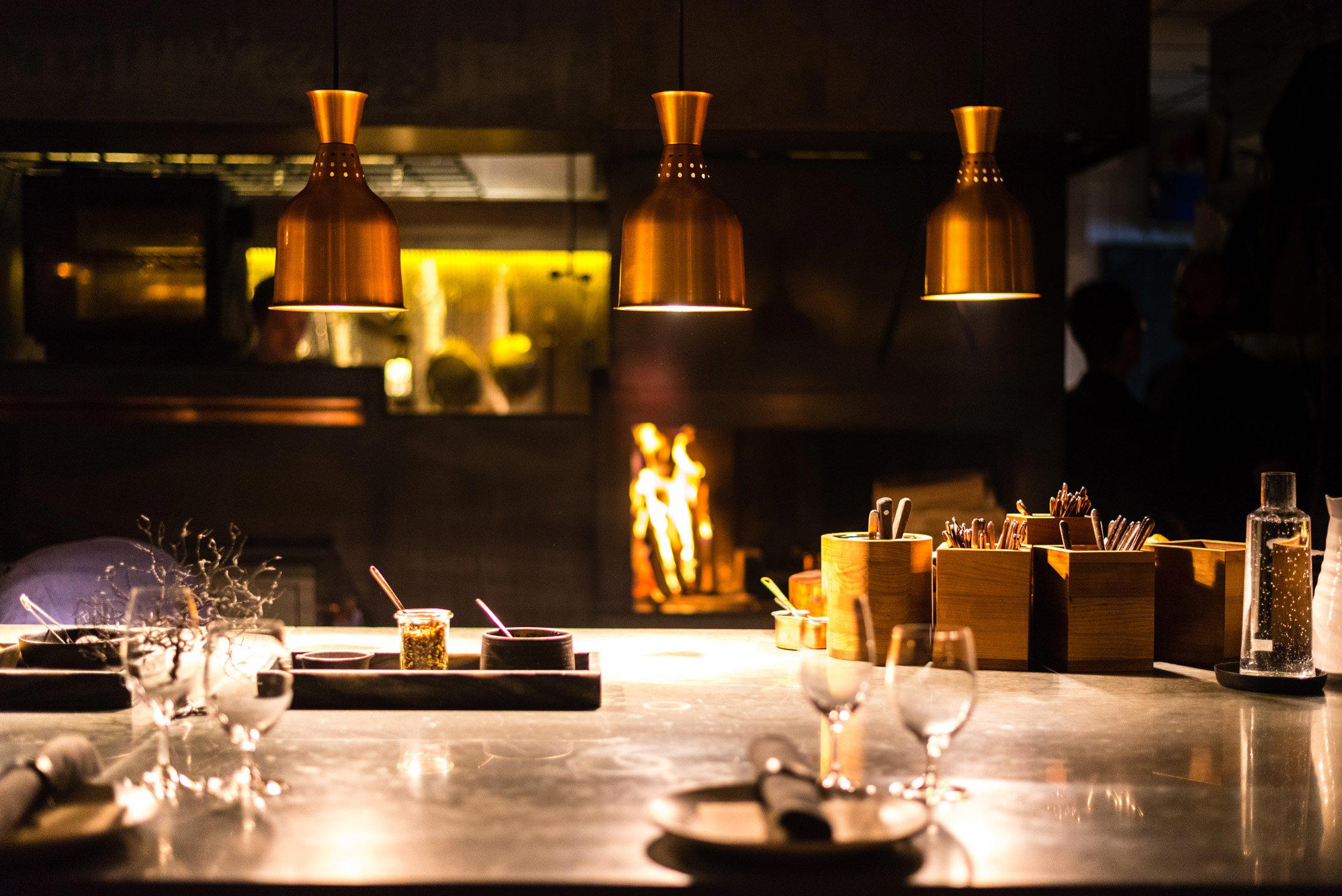
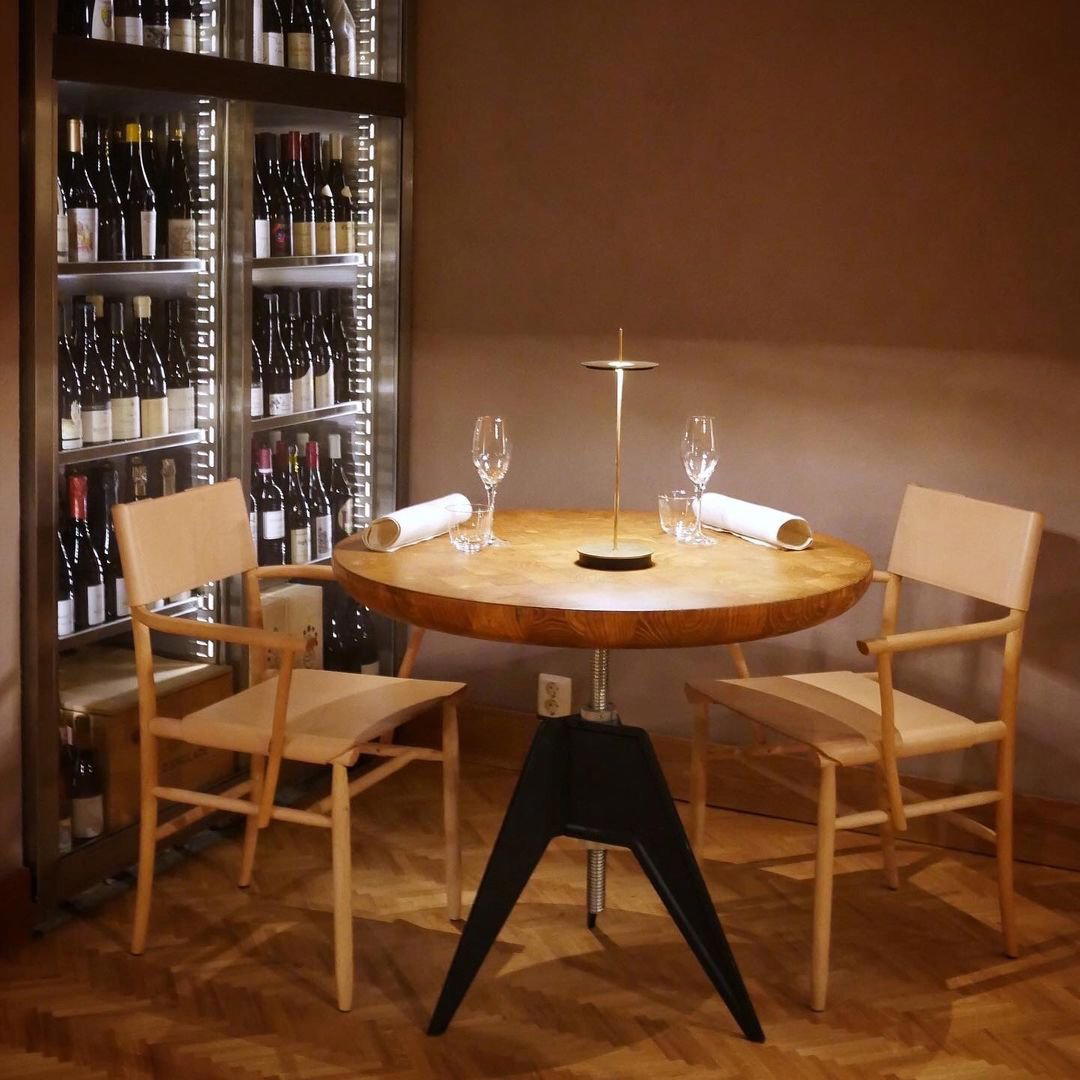
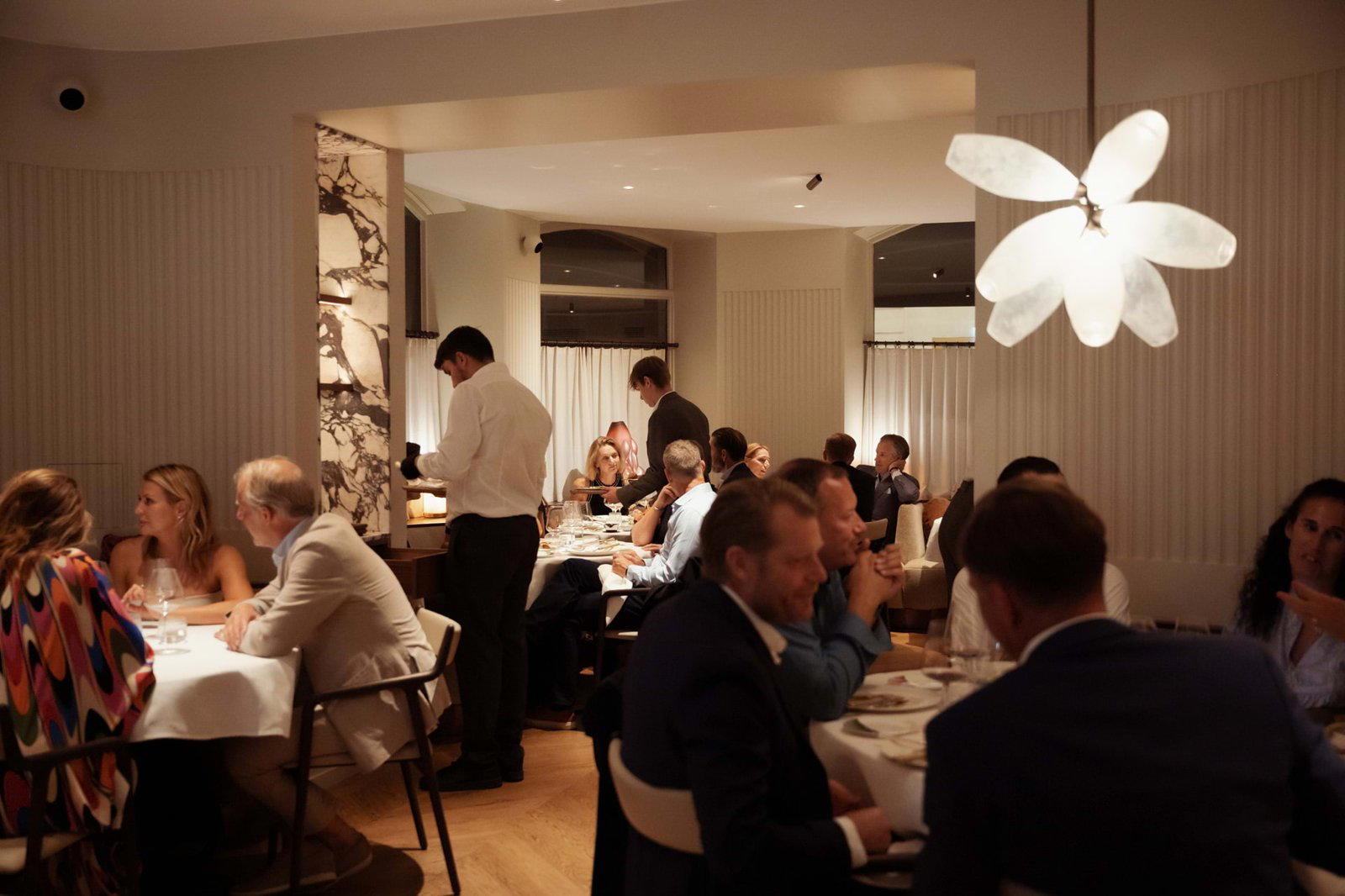
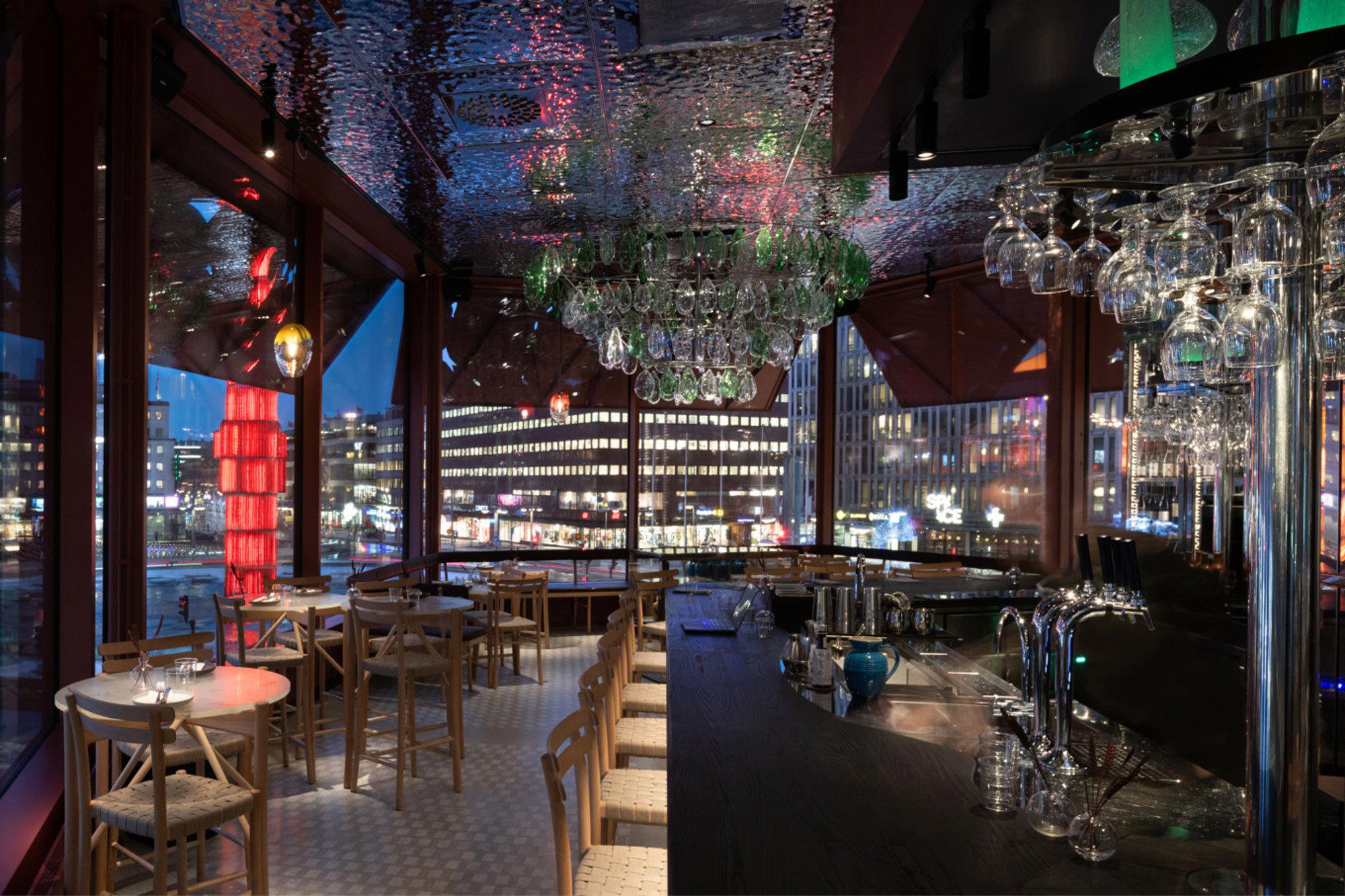
Bars in Stockholm
Browse all →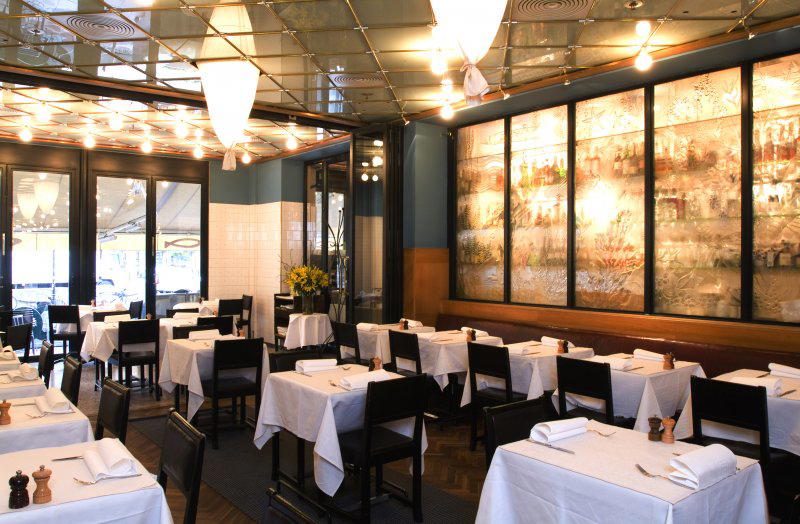
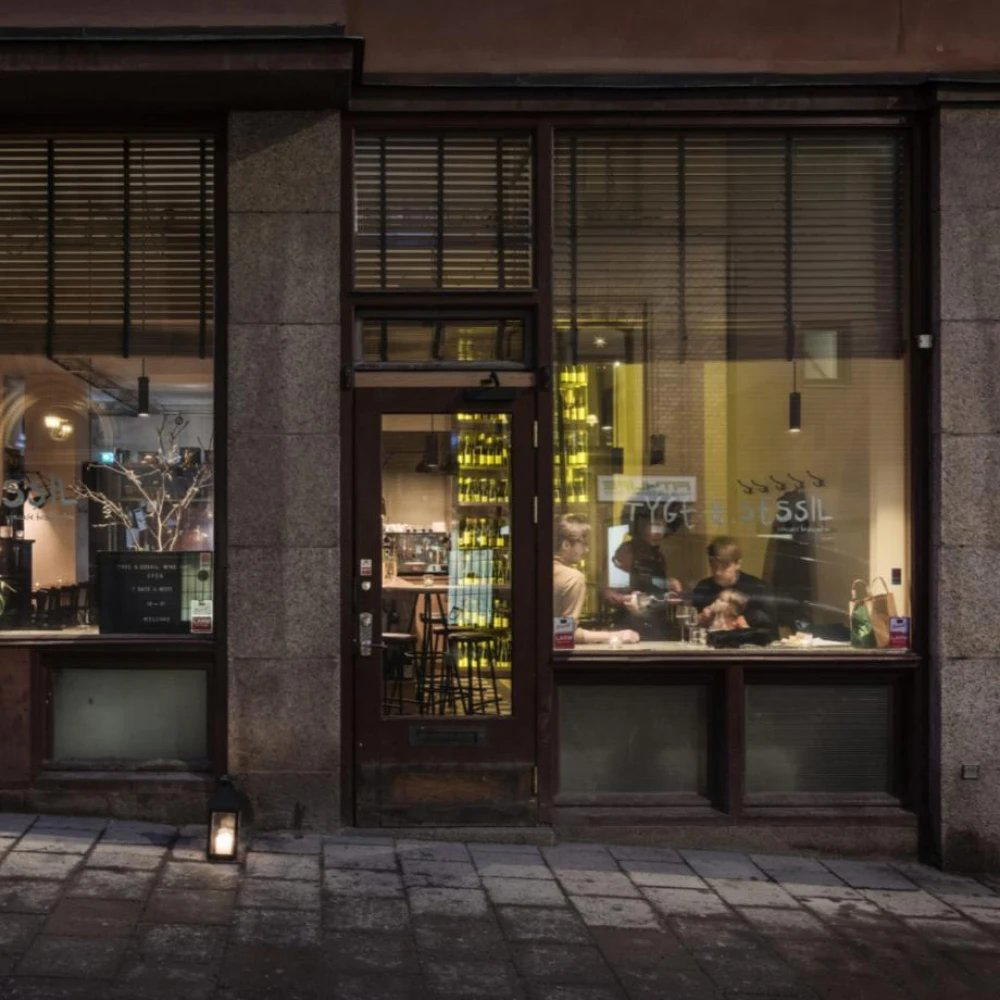
Details
- Trendy
- Sophisticated
- Elegant
- Modern
- Lively
- Date Night
- Group Dining
- Special Occasion
- Late Night
- Open Kitchen
- Private Dining
- Craft Cocktails
- Small Plates
- A La Carte
- Cocktails
- Vegetarian Friendly
- Vegan Options
Current opening hours
- Monday
- 11:30 AM–11 PM
- Tuesday
- 11:30 AM–11 PM
- Wednesday
- 11:30 AM–1 AM
- Thursday
- 11:30 AM–1 AM
- Friday
- 11:30 AM–2 AM
- Saturday
- 12 PM–2 AM
- Sunday
- Closed
Hours can change for holidays and private events. Last verified .
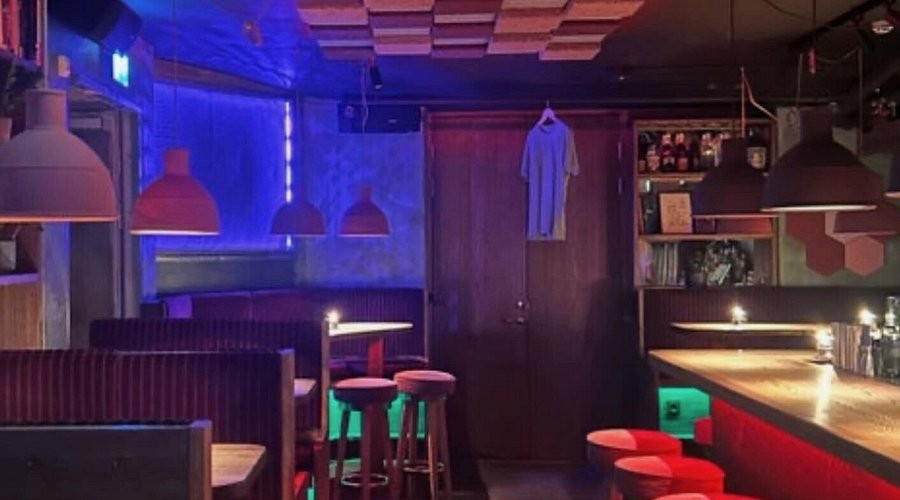
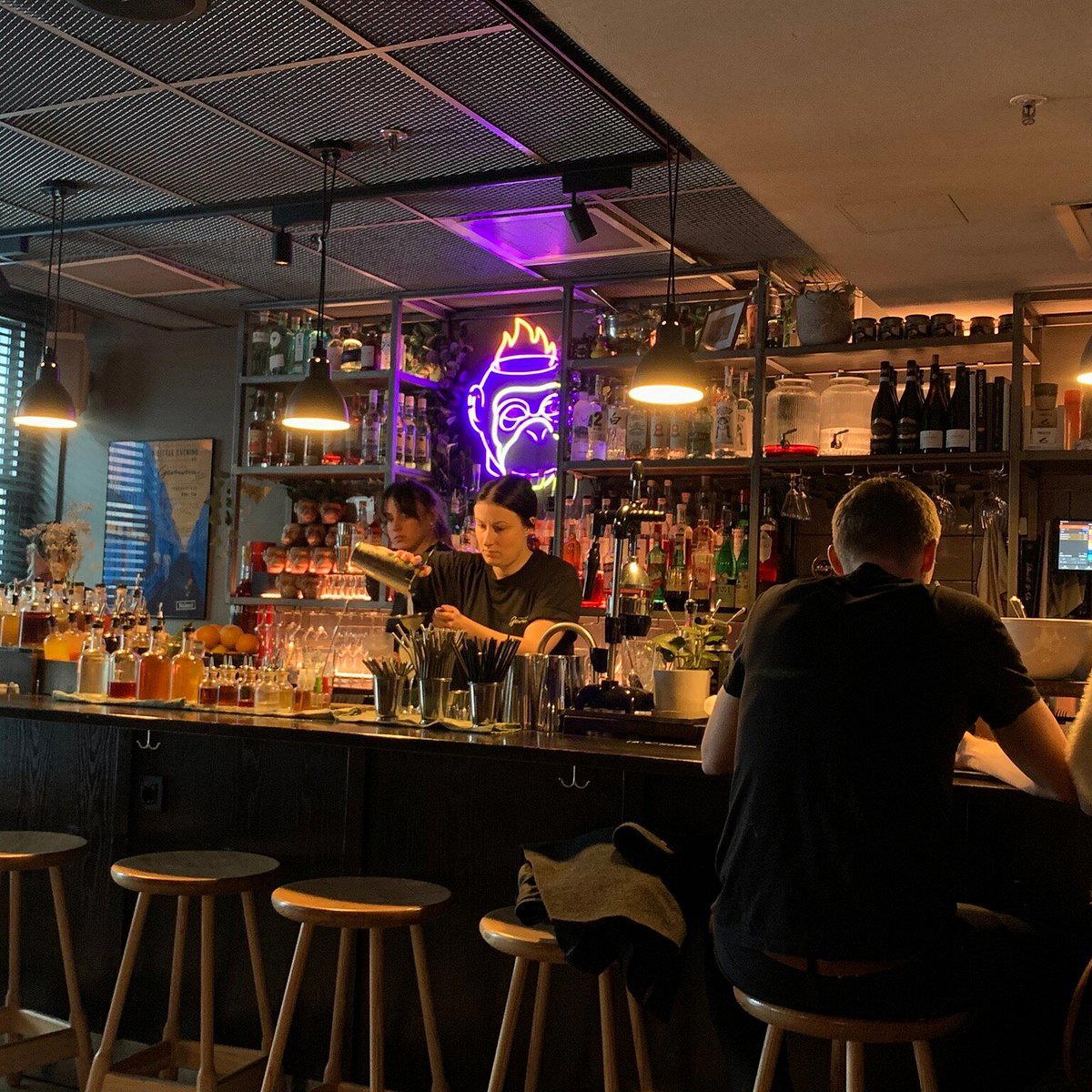
Dimmed lighting with deep jewel tones, moody neo-Eastern speakeasy atmosphere evoking Tokyo backstreets, featuring cozy nooks and an underground vibe.