Our verdict
On Västmannagatan in Vasastan, Nana occupies a corner of Stockholm's neighbourhood dining scene where local sourcing and international technique tend to converge. The address places it among a cluster of resident-facing restaurants that operate at a quieter register than the city's tasting-menu circuit, making it a reference point for how Stockholm's mid-market dining has matured over the past decade.

Pearl is the En Primeur Club membership app — saves, bookings, and concierge access live there. Same editors, same standards.
- Address
- Västmannagatan 17, 113 25 Stockholm, Sweden
- Hours
- Mon–Tue ClosedWed–Sat 5:30–10 PMSun Closed
- Website
- restaurantnana.com
- Directions
- Get directions
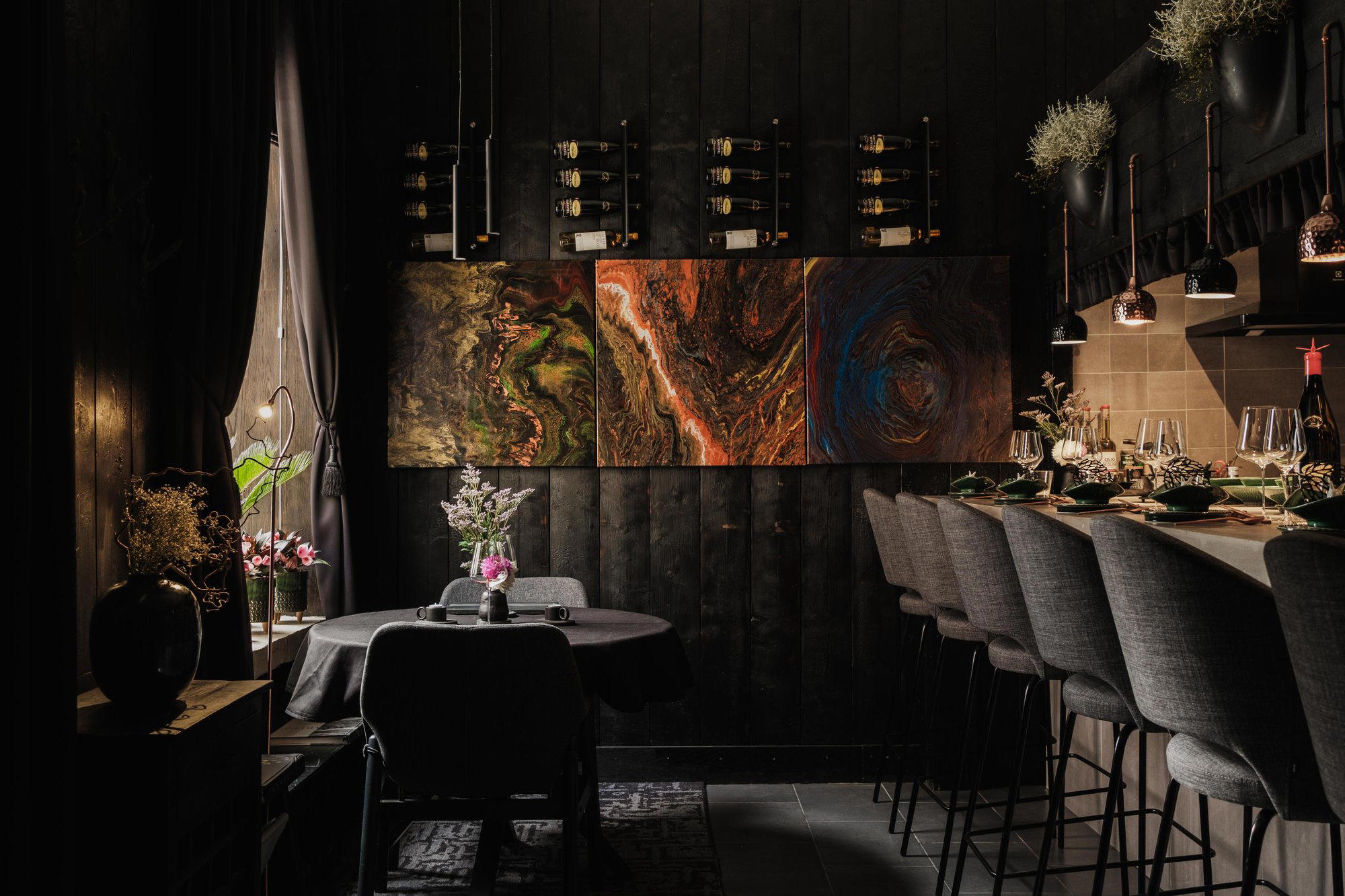
Vasastan and the Shape of Stockholm's Neighbourhood Table
Stockholm's restaurant conversation tends to concentrate on a handful of high-profile addresses: the tasting-menu circuit anchored by places like Frantzén, the grand-dining tradition represented by Operakällaren, and the newer Nordic-progressive rooms such as AIRA and Aloë. What that conversation can obscure is the quieter tier operating in residential districts, where the cooking is often just as considered but the format is built around regulars rather than destination diners. Vasastan, the dense, walkable neighbourhood north of the old city, has become one of the more reliable addresses for that kind of eating. Nana, at Västmannagatan 17, sits within that geography.
Västmannagatan is a long residential artery running through the heart of Vasastan. The street is lined with early twentieth-century apartment blocks and a mix of neighbourhood businesses that serve the people who actually live here rather than visitors moving between sights. A restaurant on this street operates in a different register from one in Östermalm or on Stureplan. The clientele tends to return weekly. The kitchen has to sustain interest across seasons, not just across a single occasion. That sustained relationship with a local audience is, in practice, a more demanding editorial than a one-night tasting menu, because it requires consistency and evolution simultaneously.
Where Local Sourcing Meets Imported Technique
The tension that defines a significant portion of Stockholm's serious cooking is the one between Swedish ingredients and techniques acquired elsewhere. Sweden's larder is not a cliché. The country's cold-climate produce, its wild-harvested herbs and berries, its freshwater fish and coastal shellfish, its game and aged dairy, constitute a genuinely distinctive base. The question for any kitchen working in this tradition is which technical vocabulary to apply to those materials. The answers have ranged from the strict New Nordic orthodoxy practised by Adam / Albin to the more openly French-influenced approaches found elsewhere in the city.
This intersection of indigenous product and imported method is not unique to Stockholm. You find the same negotiation at Vollmers in Malmö, at VYN in Simrishamn, and at smaller regional addresses like ÄNG in Tvååker and Knystaforsen in Rydöbruk. What varies is the proportion and the confidence with which each kitchen owns the combination. The best of this generation of Swedish cooks have stopped treating the foreign reference as something to apologise for or hide. French sauce-making, Japanese precision in product handling, Iberian approaches to fat and smoke — these are tools, and Swedish ingredients are the argument they are deployed to make.
For a neighbourhood restaurant, the practical expression of this approach means sourcing that shifts with the Swedish calendar — root vegetables and preserved fish in winter, foraged greens and early-season shellfish as the light returns, combined with a technical register that can hold a regular audience. A diner returning monthly needs to find the kitchen moving with the season while maintaining a coherent identity. That is the discipline the leading Vasastan restaurants impose on themselves, and it is a more precise test of cooking than a single ambitious tasting menu.
The Seasonal Dimension
Stockholm's restaurant year has a sharper rhythm than many European cities. The long summer brings extended daylight and a particular Swedish attachment to eating outdoors or in light-filled rooms. Autumn shifts the mood toward preservation and depth: ferments, smoked preparations, and the kind of cooking that makes sense when the afternoons shorten quickly. Winter in Vasastan means restaurants become warmer, more deliberate spaces, places where the cooking and the room conspire to counteract the dark. Spring, arriving late by southern European standards, carries a specific charge in Stockholm kitchens, the first fresh ingredients after months of root vegetables and preserved goods represent a genuine shift in what the kitchen can do.
For restaurants operating on Västmannagatan, this seasonal calendar is not marketing language. It is a practical reality that shapes what appears on the plate in any given week. Restaurants drawing on Swedish supply chains feel these transitions directly. A kitchen that pays attention to this rhythm, and communicates it clearly, whether through a menu that changes frequently or through a format built around daily availability, tends to earn the repeat custom that sustains a neighbourhood address.
Comparable discipline around seasonal produce is visible at Signum in Mölnlycke, PM & Vänner in Växjö, and at city-format restaurants like Enoteket in Norrköping, a pattern suggesting that Swedish kitchens outside the tasting-menu tier have become genuinely sophisticated at translating the country's seasonal extremes into a coherent dining offer.
Placing Nana in Stockholm's Mid-Market
Stockholm's dining spectrum is more layered than its international reputation for New Nordic cuisine suggests. Below that tier, a second cohort of restaurants, anchored in neighbourhoods like Vasastan, Södermalm, and Kungsholmen, handles the daily eating of Stockholm's professional class. This is the tier where cooking ambition and neighbourhood practicality have to coexist.
Globally, the closest parallels are the bistronomy model that reshaped Paris's mid-market in the 2010s, or the technically serious but approachable format now visible at addresses like Atomix in New York, though Atomix operates at a different scale and price point entirely. The principle, however, is shared: kitchens with access to fine-dining technique applying it to formats that work for the neighbourhood rather than the occasion. 28+ in Gothenburg and Adrian Restaurang in Borås occupy similar positions within their respective cities. Brasserie Park in Jönköping represents the format applied in a smaller regional market.
For the reader approaching Nana from outside Vasastan, this context matters. The address is not competing with the city's tasting-menu circuit, and it is not trying to. It is operating in a category where the measure of success is whether locals return, not whether international visitors make a special trip. That is a quieter form of ambition, and in Stockholm's current dining culture, it is increasingly well-executed.
Planning a Visit
Nana is located at Västmannagatan 17, 113 25 Stockholm, in the Vasastan district. The address is accessible by metro from Odenplan, which sits on the green line and places the restaurant within a short walk. Vasastan is a residential area and does not draw significant tourist foot traffic, which means the booking pressure here is driven by local demand rather than visitor surges. For weekend tables, advance reservation is advisable; weekday evenings in the neighbourhood tend to be more accommodating, though this varies by season. Stockholm's restaurant scene in the summer months and around major public holidays operates on compressed availability across all price tiers, so earlier planning is worthwhile during those periods. For a fuller map of where Nana sits within the city's dining options, the EP Club Stockholm guide provides context on neighbourhoods, price tiers, and the current shape of the city's serious cooking. Those considering a broader Sweden itinerary may also find value in the regional options at Le Bernardin-level technical reference points internationally, which illuminate how the Swedish approach to classical technique has evolved in its own direction.
Frequently asked questions
What's the address for Nana?
Nana is located at Västmannagatan 17, 113 25 Stockholm, Sweden, Stockholm.
How does Nana fit into Stockholm's Vasastan dining scene compared to the city's high-profile tasting-menu restaurants?
Stockholm's tasting-menu circuit — anchored by addresses with international recognition and multi-month booking windows — occupies a different register from what Vasastan neighbourhood restaurants do. Nana at Västmannagatan 17 operates in the mid-market tier where the priority is seasonal Swedish produce and repeatable neighbourhood hospitality rather than elaborate course sequences. This positions it alongside a cohort of Stockholm kitchens treating Swedish seasonality as a structural principle, not a marketing note, while remaining accessible to diners who find the city's top-end tasting rooms either overcommitted or overpriced.
What do people recommend at Nana?
Nana sits within Vasastan's neighbourhood dining tier, where kitchens typically build menus around seasonal Swedish produce handled with contemporary technique. The menu shifts with the Swedish calendar, which has a sharper rhythm than most European cities — long summer daylight gives way to a root-vegetable and preserved-ingredient winter. Given the address on Västmannagatan 17, regulars tend to treat it as a weekly rotation rather than a special-occasion destination, which shapes what the kitchen puts forward. Specific dish recommendations are best confirmed directly with the restaurant ahead of your visit.
Do they take walk-ins at Nana?
Vasastan restaurants fill quickly on weekends, when the neighbourhood's local following fills tables early. Nana's position on Västmannagatan 17 puts it within the Odenplan catchment, a metro-accessible area that draws diners from across Stockholm.
What makes Nana worth seeking out?
The case for Nana maps onto Vasastan's neighbourhood dining tier more broadly: technically considered cooking in a format built around the rhythms of local life rather than tasting-menu theatre. Stockholm's dining spectrum runs from multi-course destination restaurants down to casual neighbourhood tables, and Vasastan operates in the middle ground where cooking ambition and accessibility coexist. Västmannagatan 17 is three minutes from Odenplan metro, which makes it one of the more accessibly placed neighbourhood addresses in the district.
Peers in This Market
Comparable venues nearby, for context on price, style, and recognition.
| Venue | Cuisine | Price | Awards | Notes |
|---|---|---|---|---|
| NanaThis venue — the venue you are viewing | Modern Nordic-Japanese Kaiseki | $200–300 | Not listed | Not listed |
| Soyokaze | Luxury Omakase Sushi | Not listed | Not listed | Norrmalm |
| Miyakodori | Japanese Izakaya & Yakitori | $50–100 | Star Wine List · White Guide Sweden Restaurants - Very Fine Level | Norrmalm |
| La Tour | French Fine Dining with Seasonal Swedish Ingredients | $200–300 | Star Wine List · White Guide Sweden Restaurants - Masters Level | Marieberg |
| Tak | Nordic-Japanese Fusion | $50–100 | White Guide Sweden Restaurants - Very Fine Level | Norrmalm |
| Sperling & Co. | Modern European Grill | Not listed | Michelin Plate · World's Best Steaks Europe's 50 Best #27 | Östermalm |
Continue exploring
More in Stockholm
Restaurants in Stockholm
Browse all →
Bars in Stockholm
Browse all →


Details
- Intimate
- Elegant
- Sophisticated
- Date Night
- Special Occasion
- Chefs Counter
- Open Kitchen
- Extensive Wine List
- Local Sourcing
- Tasting Menu
- Wine Pairing
- Vegetarian Friendly
Current opening hours
- Monday
- Closed
- Tuesday
- Closed
- Wednesday
- 5:30–10 PM
- Thursday
- 5:30–10 PM
- Friday
- 5:30–10 PM
- Saturday
- 5:30–10 PM
- Sunday
- Closed
Hours can change for holidays and private events. Last verified .
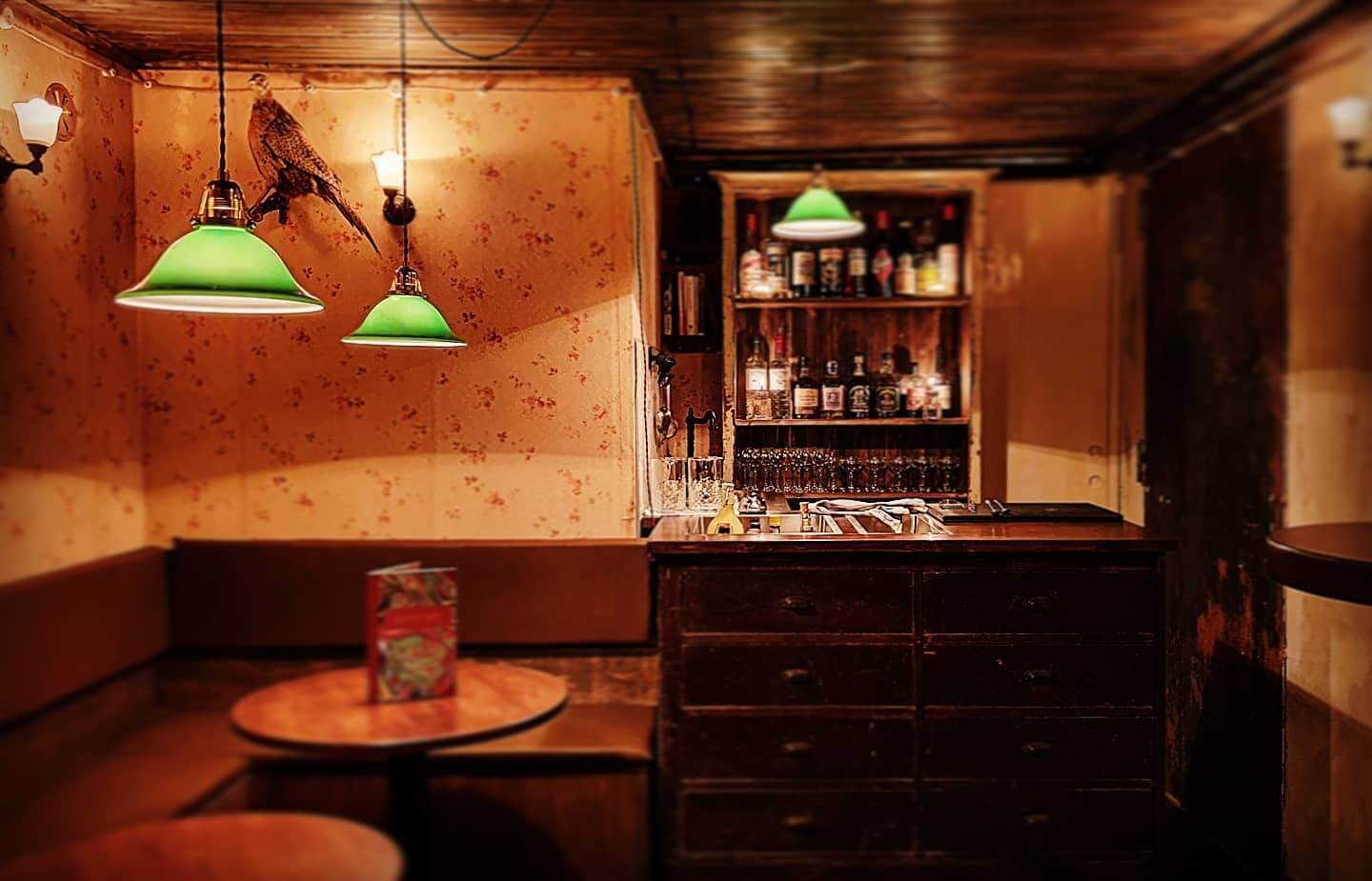
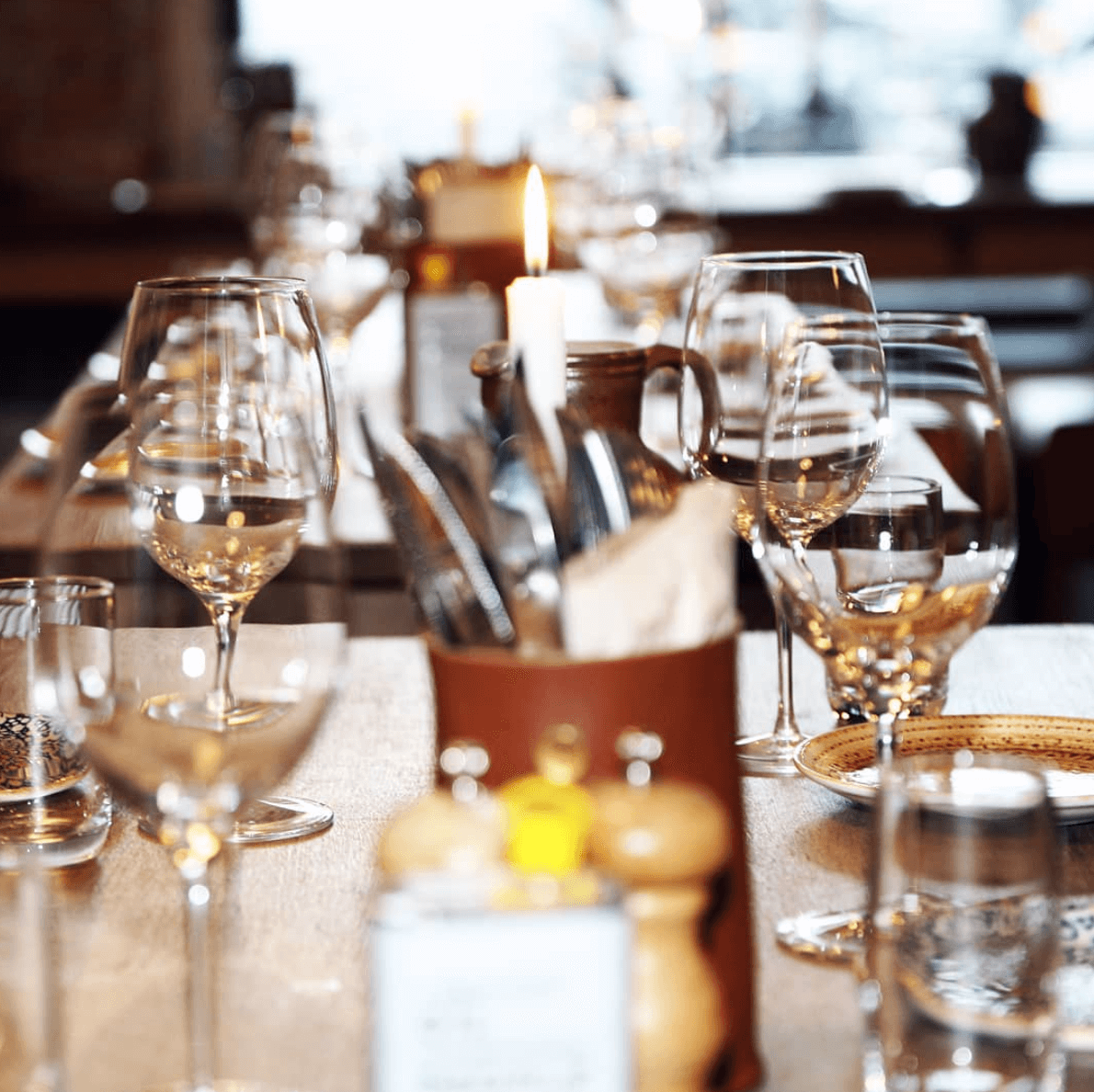
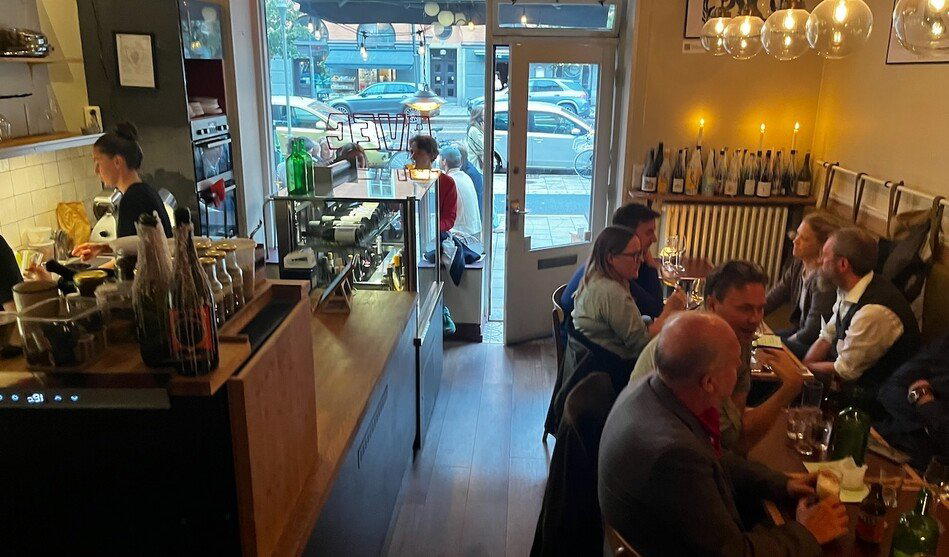
Cozy, intimate atmosphere with warm hospitality, close kitchen views, and a relaxed yet refined setting fostering personal connections.