Japanese Form, Scandinavian Setting
The izakaya sits at an interesting intersection with Nordic dining culture, more than it might first appear. Both traditions share a structural preference for informality underneath what can be, at the higher registers, serious technical execution. Scandinavian food culture has long valued the communal table, the snack that becomes a meal, and the drink that anchors the occasion. Japanese izakaya culture operates on broadly similar social logic. The gap is in the ingredients, the flavour language, and the specific techniques brought to bear on both.
That intersection is where Miyakodori operates editorially. The broader pattern across Stockholm's Japanese-influenced restaurants is a negotiation between imported Japanese technique and locally sourced or locally inflected ingredients. Sweden produces excellent cold-water fish, fermented dairy, game, and root vegetables that behave differently under Japanese preparation methods than the ingredients those methods were originally built around. Where a kitchen applies, say, a Japanese pickling or curing approach to Scandinavian raw material, the result is something that belongs to neither tradition exclusively. That compound approach is increasingly common in European cities with developed Japanese restaurant scenes, and Stockholm has developed one.
The city's Japanese food offer has expanded considerably over the past decade, from sushi counters serving the tourist tier to more considered operations with genuine technique. Miyakodori positions within the latter group by format choice alone: the izakaya mode implies a kitchen that can sustain a long service and a drinks program that functions as a co-equal rather than an afterthought. For comparison, the reflex in Stockholm's formal dining sector runs toward the extensive wine list as status signal; here, the bar's role is structural rather than decorative.
How the Evening Works
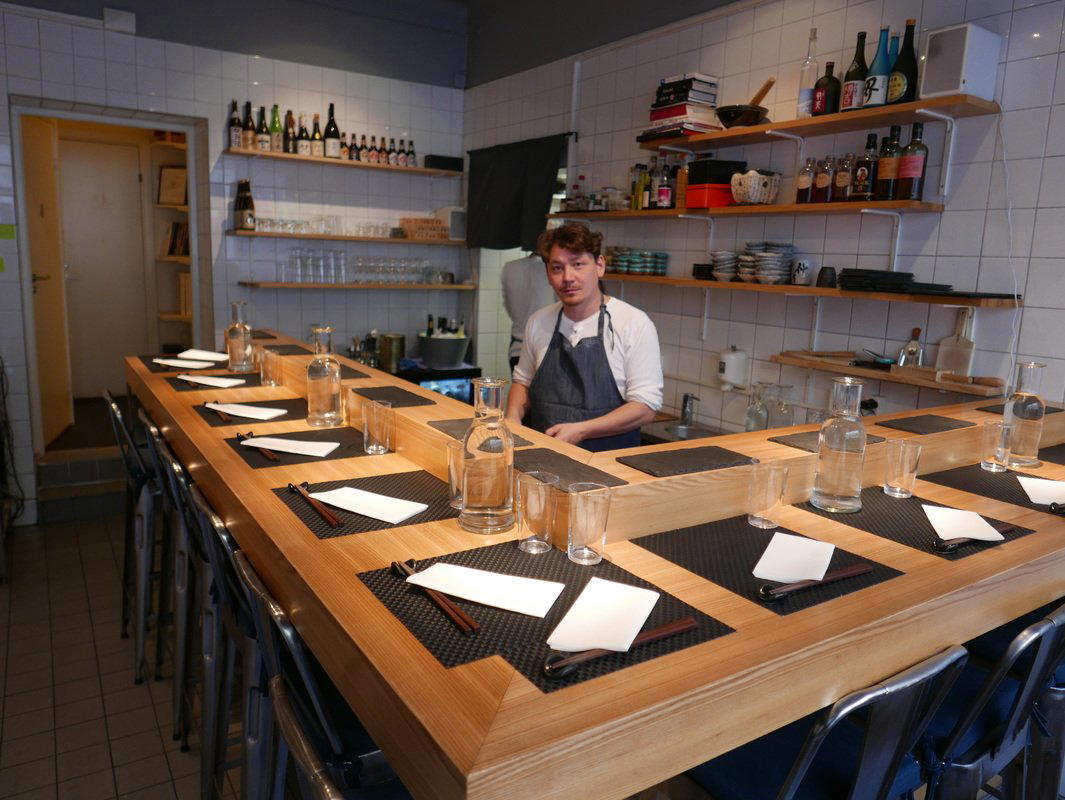
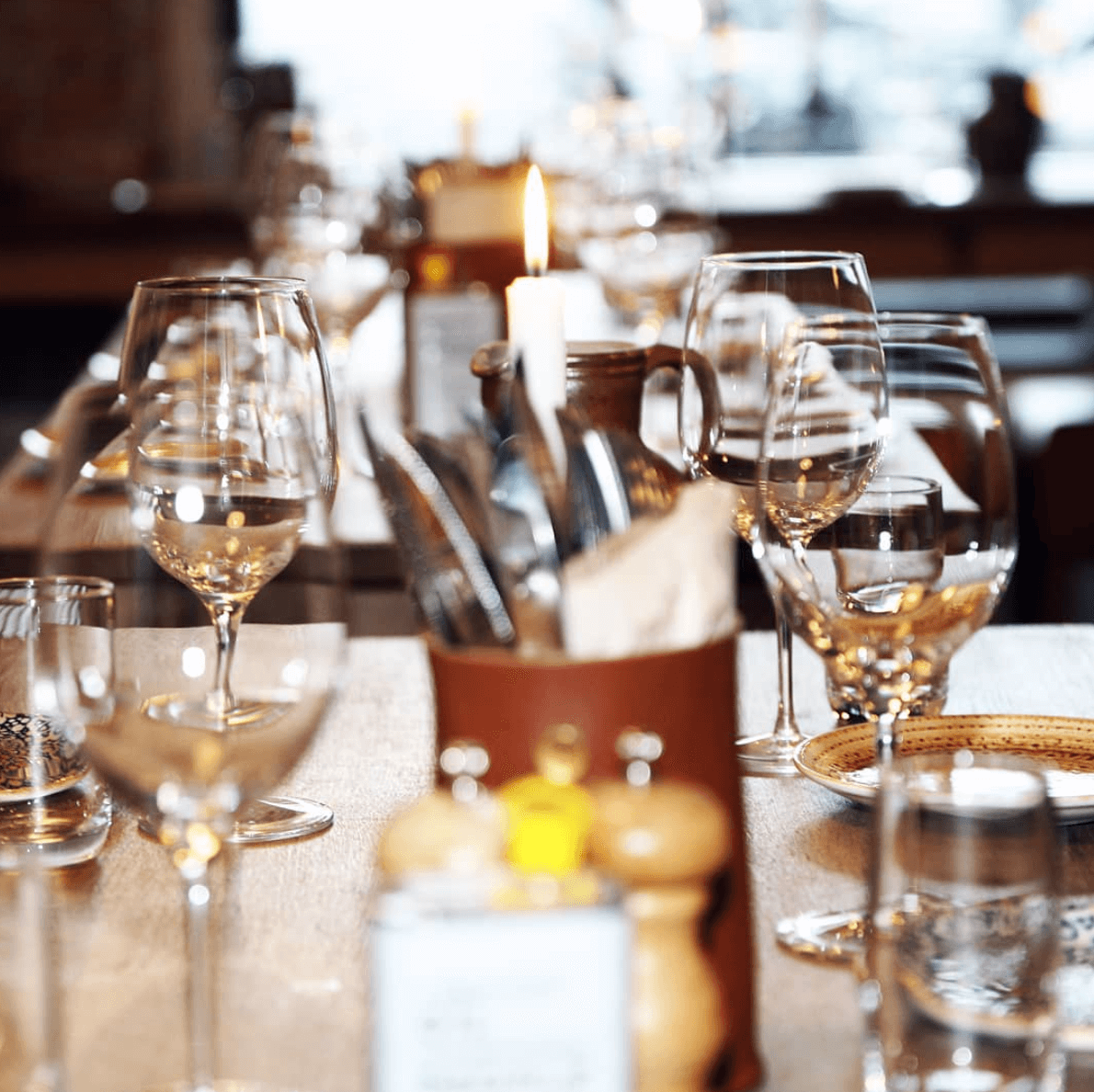
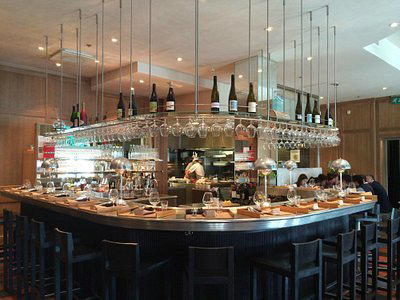
The two-mode format, bookable table or walk-in bar, is worth taking at face value as a planning signal. For a group that wants a full evening, the table-booking option allows the kitchen to be treated more like a progressive meal: plates arriving across an extended window, drinks chosen to track the food rather than precede it. For a solo visitor or a pair with no fixed plan, the bar operates independently. Both uses are legitimate, and neither is the venue's primary identity. That flexibility is relatively rare in Stockholm's central dining scene, where most rooms above a certain price point require commitment before arrival.
Address, Upplandsgatan 7, places the restaurant within walking distance of Odenplan and the Vasastan neighbourhood edge. The area sits slightly outside the concentrated restaurant districts of Östermalm to the east and Södermalm to the south, which tends to mean lower footfall pressure and a slightly more local clientele mix than venues directly on the main tourist circuits. Stockholm's restaurant geography increasingly rewards moving a few blocks off the obvious arteries; the density of interesting independent operators in Vasastan and lower Norrmalm has built steadily. For a full picture of where Miyakodori sits in the broader Stockholm dining and nightlife map, our full Stockholm restaurants guide, bars guide, and experiences guide cover the wider field.
Context Within Sweden's Broader Scene
Stockholm occupies one tier of Sweden's restaurant culture, but the country's serious dining extends well beyond the capital. Vollmers in Malmö and VYN in Simrishamn represent the Skåne region's distinct food identity, rooted in its agricultural flatlands and proximity to Denmark. ÄNG in Tvååker and Knystaforsen in Rydöbruk demonstrate how far the country's Nordic-produce-led fine dining has moved into rural settings. Signum in Mölnlycke and PM & Vänner in Växjö extend the picture further. In that national context, Miyakodori represents something different: a Japanese format operating inside a Swedish city, engaging with European dining culture from an angle that the Nordic tasting-menu tradition does not occupy.
Stockholm's formal end of that spectrum, Operakällaren at the historic Swedish-cuisine register, and Aloë in the creative tier, both operate with the structured formality that defines the city's leading tables. The izakaya model deliberately steps outside that structure. It is worth noting that Japanese restaurants in European capitals often trade on surface signifiers of Japanese culture, the aesthetics of minimalism, the calligraphy on the menu, without engaging the underlying food logic. The izakaya format, by contrast, carries real structural implications: the kitchen must be able to produce a wide range of smaller plates over a long service window, and the drinks program must function with genuine intent. Whether a given kitchen meets those implications is a matter of execution, but choosing the format signals a level of commitment to the model.
For international reference points on kitchens that have absorbed technique from outside their home tradition, restaurants like Le Bernardin in New York City and Emeril's in New Orleans each demonstrate how a transplanted culinary method can take durable root in a different food culture when the technique is actually absorbed rather than referenced. The same test applies to Japanese-format restaurants in Scandinavian cities.
Planning a Visit
Miyakodori is on Upplandsgatan 7, 111 23 Stockholm, in central Norrmalm. The format supports both advance bookings for groups wanting a longer table session and walk-in visits to the bar, which makes it more accommodating of last-minute plans than most Stockholm restaurants at this level of seriousness. Given its dual-mode operation, arriving early in the evening for the bar or booking ahead for a full table experience are both coherent strategies. Stockholm's hotel landscape is covered in our full Stockholm hotels guide for those planning around a stay, and our wineries guide covers producers relevant to the wider drinks picture in the region.