Rene At Tlaquepaque

Wine Spectator Award of Excellence
Our verdict
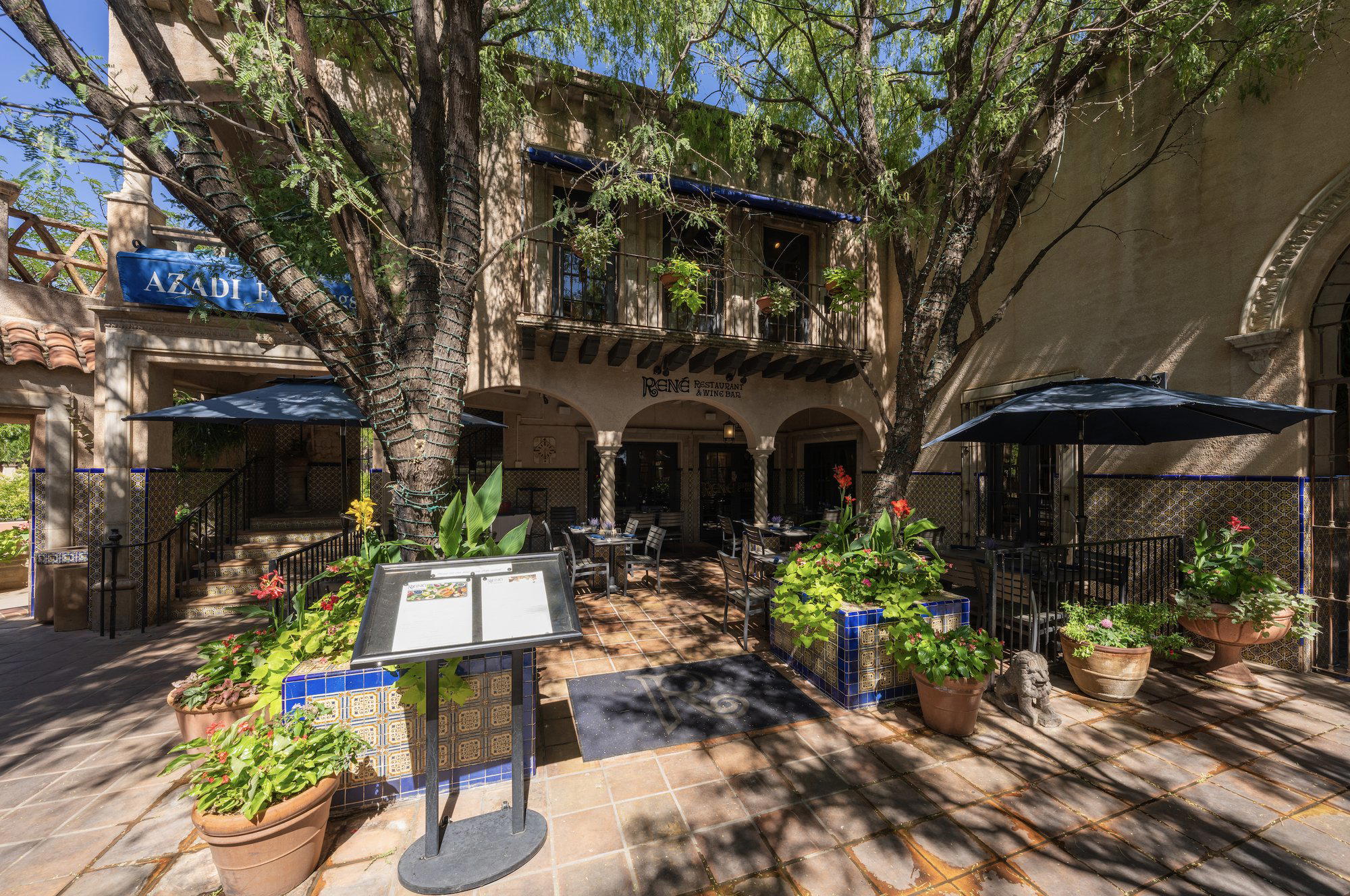
Rene At Tlaquepaque sits within Sedona's beloved arts village on AZ-179, where the dining ritual unfolds against the backdrop of Spanish Colonial architecture and red-rock terrain. The restaurant occupies a position in Sedona's mid-to-upper dining tier, drawing visitors who pair gallery browsing with a measured, sit-down meal. It remains one of the more consistently referenced addresses in the Tlaquepaque complex.

Pearl is the En Primeur Club membership app, where members save venues, book tables and use the concierge.
The menu
What to order
- Colorado rack of lamb
- Chilean sea bass
- French onion soup
- Escargot
- Chocolate soufflé
Dining Inside the Adobe Walls: Tlaquepaque as Setting
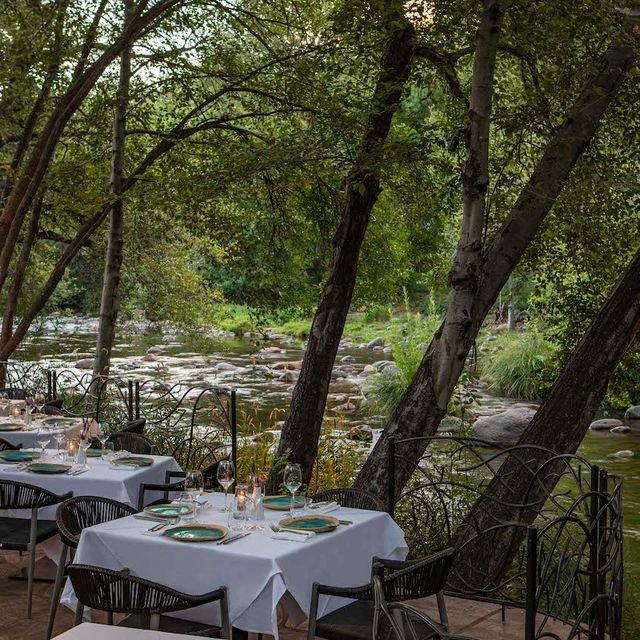
There is a particular rhythm to eating at Rene At Tlaquepaque that has less to do with the menu than with the place itself. The restaurant sits within Tlaquepaque Arts and Shopping Village at 336 AZ-179, a 1970s development built to replicate a traditional Mexican village, complete with hand-laid cobblestone, archways, and interior courtyards shaded by sycamore trees. Arriving here, you move through an environment that operates at a slower frequency than the highway commercial strip a few hundred meters north. The architecture does something specific to your expectations before you ever sit down: it frames the meal as an event rather than a transaction.
That framing matters in Sedona, where dining options span a wide range from casual trailhead cafes to resort-level tasting menus. Rene occupies middle ground in that spectrum, within a setting that does a great deal of the atmospheric heavy lifting. The Tlaquepaque complex has anchored the AZ-179 corridor as a cultural destination for decades, and the restaurant benefits from that accumulated identity.
The Sedona Dining Context: Where Rene Fits
Sedona's restaurant scene is shaped by two overlapping forces: the resort economy, which drives demand for polished, predictable experiences, and the arts-village culture, which rewards character and place-specificity over format conformity. Rene sits closer to the second category. Compared to resort dining rooms at Enchantment or L'Auberge, it operates without the backing of a hotel infrastructure. Compared to the more casual end of the market, represented by spots along Uptown Sedona, it occupies a more deliberate, seated-meal format.
For a broader orientation to where Rene sits among Sedona's dining options, our full Sedona restaurants guide maps the field by neighborhood and format. Within the Tlaquepaque complex itself, El Rincon Restaurante Mexicano operates as a direct neighbor with a distinct Mexican regional focus, creating a natural comparison point for visitors choosing between the two addresses on the same courtyard.
Elsewhere in Sedona's more editorial dining tier, Cress on Oak Creek represents the American Southwest farm-to-table approach, while Che Ah Chi delivers the full resort-view experience at a different price register. Dahl & DiLuca holds its own position as a long-running Italian address with a loyal local following, and ChocolaTree Organic Oasis serves the plant-based and wellness-oriented corner of the market. Rene's position within this field is defined partly by its setting: no other Sedona restaurant operates from inside a functioning arts village with this level of architectural coherence.
The Ritual of the Meal Here
Dining in the Tlaquepaque complex encourages a particular pace. The village is designed for slow movement, and visitors typically arrive having already spent time in the galleries and studios that surround the restaurant. That pre-meal browsing creates a mental state that suits a measured, coursed meal better than a quick turnaround. The ritual of eating at Rene begins, effectively, before you cross the threshold.
This is a pattern worth noting across the broader category of destination restaurants inside cultural or arts environments. Venues like Blue Hill at Stone Barns in Tarrytown or Single Thread Farm in Healdsburg have built their reputations in part on the same principle: the approach to the table is part of the dining experience, and the surrounding environment sets the pace of the meal itself. Rene operates on a more modest scale than either of those properties, but the structural logic is similar.
Within a purely urban fine-dining context, the scene tends to compress. Restaurants like Atomix in New York City or Alinea in Chicago create their ritual internally, through service choreography and course sequencing. In a place like Tlaquepaque, the ritual is partially externalized, distributed across the approach, the courtyard, and the architecture. That distinction shapes what the meal asks of the diner.
Placing Rene in the National Conversation
It would be a category error to place Rene in direct comparison with Michelin-tracked addresses like Le Bernardin in New York City, The French Laundry in Napa, or Providence in Los Angeles. Those restaurants compete in a different tier defined by kitchen ambition, sourcing precision, and service formality. Similarly, Addison in San Diego and The Inn at Little Washington operate within a framework of documented critical recognition that places them in a separate competitive set entirely.
What Rene shares with some of those addresses is a sense that where you eat is inseparable from how you eat. Emeril's in New Orleans and Lazy Bear in San Francisco have both built identities that are site-specific in different ways. In Sedona's context, Rene's location inside Tlaquepaque is its most legible credential: the village carries forty-plus years of cultural investment, and that history is present in the physical fabric of the building.
For visitors comparing options across a longer trip, 8 1/2 Otto e Mezzo Bombana in Hong Kong represents the kind of address where setting, lineage, and kitchen ambition converge at the highest tier. Rene operates well below that register, but the underlying question, what does this place add to the experience of eating here, is the same one worth asking of any restaurant in any city.
Planning the Visit
Tlaquepaque's AZ-179 address places Rene roughly two miles south of Sedona's Uptown commercial district, accessible by car or the free Sedona Trolley that runs along the main corridor. The village operates on gallery hours as a general rule, so arriving mid-afternoon allows time in the shops and studios before transitioning to a dinner reservation. The courtyard setting means weather is a factor in shoulder seasons: late October through early April can bring cool evenings, and summer monsoon season (July through September) produces afternoon storms that pass quickly but can affect open-air movement between buildings.
Because the venue data for Rene does not include confirmed booking channels or current hours, prospective diners should verify reservation availability directly through the Tlaquepaque village directory or the restaurant's listed contact. This is standard practice for independently operated restaurants in arts villages, where hours can shift seasonally and booking systems vary.
Frequently asked questions
What's the address for Rene At Tlaquepaque?
Rene At Tlaquepaque is located at 336 AZ-179, Sedona, AZ 86336, Sedona.
Is Rene At Tlaquepaque a good option for dining before or after exploring the Tlaquepaque arts village?
The restaurant's address at 336 AZ-179 places it directly within the Tlaquepaque arts village complex in Sedona, making it a natural anchor for a half-day visit to the galleries and artisan shops on site. The village's courtyard layout encourages unhurried movement, so pairing a meal at Rene with time spent browsing the surrounding spaces is a practical itinerary rather than an afterthought. It also sits roughly two miles south of Sedona's busier Uptown district, offering a quieter alternative base for the afternoon.
What dish is Rene At Tlaquepaque famous for?
The restaurant's identity is more closely tied to its location inside the Tlaquepaque arts village on AZ-179 in Sedona than to a single marquee plate. For the most accurate picture of what's on the menu, contacting the restaurant directly before visiting is advisable.
How far ahead should I plan for Rene At Tlaquepaque?
Sedona's resort-driven visitor volume means that popular dining rooms along the AZ-179 corridor, including those inside Tlaquepaque, tend to fill on weekends and during peak seasons like spring and fall. Booking at least one to two weeks ahead for weekend visits is a reasonable baseline, though holiday periods may require more lead time. The restaurant's current reservation policy and availability are best confirmed through their direct booking channel.
What's the standout thing about Rene At Tlaquepaque?
The setting is the sharpest differentiator. Rene sits inside the Tlaquepaque arts village at 336 AZ-179, a pedestrian-scaled complex of courtyards and galleries that operates at a slower pace than Sedona's Uptown district two miles north. That physical environment shapes the meal more than most restaurant design choices do, making the visit feel distinct from the resort-polished options elsewhere in town.
What It’s Closest To
Comparable venues nearby, for context on price, style, and recognition.
| Venue | Cuisine | Price | Awards | Notes |
|---|---|---|---|---|
| Rene At TlaquepaqueThis venue (the venue you are viewing) | French Mediterranean Fine Dining | $50–100 | Wine Spectator Award of Excellence | Not listed |
| Mesa Grill Sedona | Southwestern Grill | $30–50 | Not listed | Airport Mesa |
| Che Ah Chi | Modern American with Southwest influences | $30–50 | Star Wine List · Wine Spectator Best of Award of Excellence | Boynton Canyon |
| Spoke & Wheel Tavern | Contemporary American with Southwestern Flair | $20–30 | Not listed | Los Abrigados Resort |
| Thai Spices | Natural Thai Macrobiotic | $20–30 | Not listed | West Sedona |
Recognition history
Dated appearances from independent guides and award organizations, with the underlying list record or original source where available.
Wine Spectator Award of Excellence
Wine Spectator
Continue exploring
More in Sedona
Restaurants in Sedona
All restaurants in Sedona →
Bars in Sedona
Browse all →

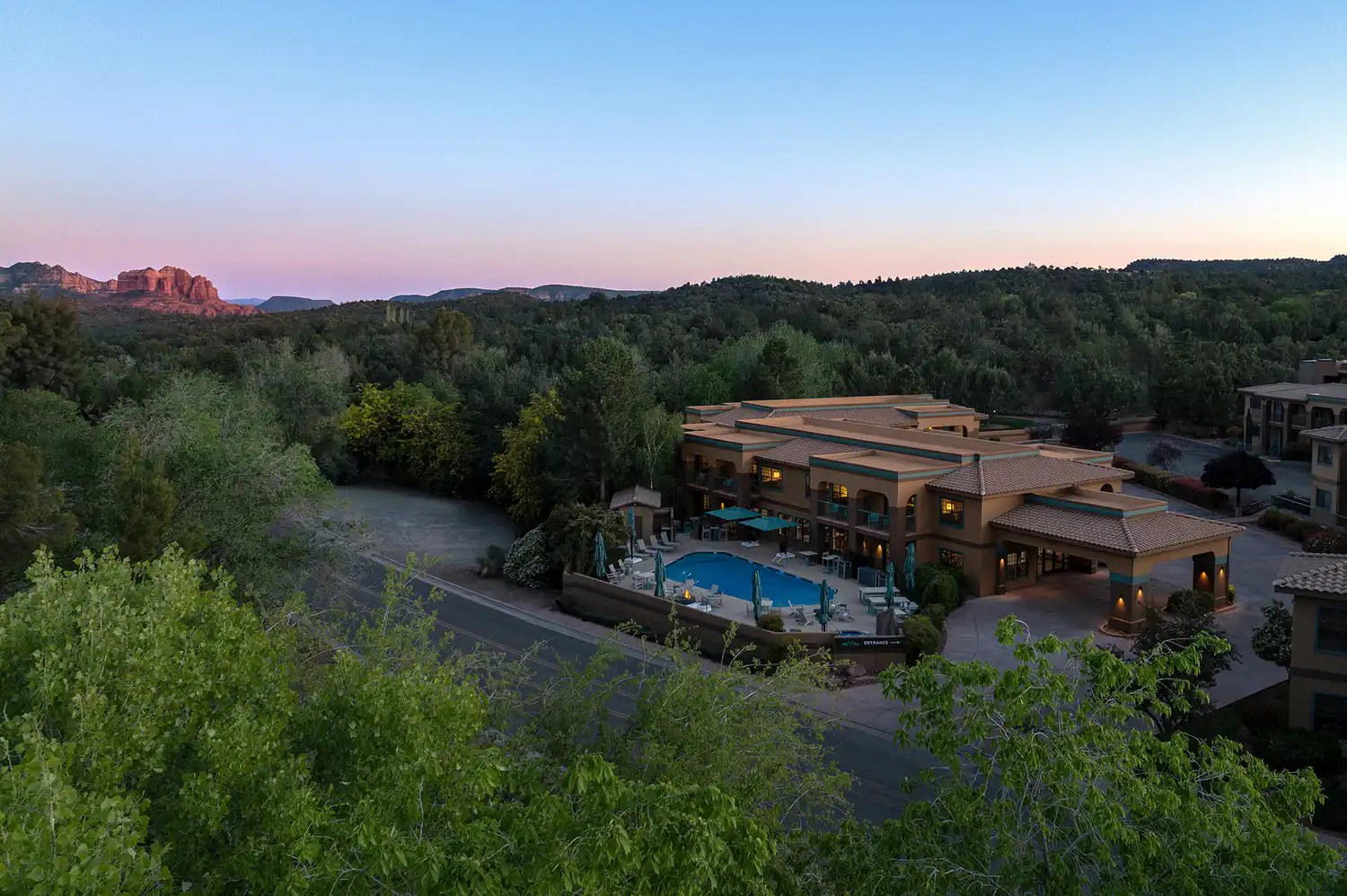
Rene At Tlaquepaque
The wine
Rene At Tlaquepaque holds the Wine Spectator Award of Excellence, which Wine Spectator gives to lists of usually 90 or more selections.
- Wine Spectator
- Wine Spectator Award of Excellence
- Extensive wine list
Details
- Romantic
- Elegant
- Intimate
- Sophisticated
- Date Night
- Special Occasion
- Celebration
- Private Dining
- Courtyard
- Extensive Wine List
- A La Carte
- Vegetarian Friendly
- Gluten Free Options
- Vegan Options
Current opening hours
- Monday
- 12–9 PM
- Tuesday
- 12–9 PM
- Wednesday
- 12–9 PM
- Thursday
- 12–9 PM
- Friday
- 12–9 PM
- Saturday
- 12–9 PM
- Sunday
- 12–9 PM
Hours can change for holidays and private events. Hours as of .
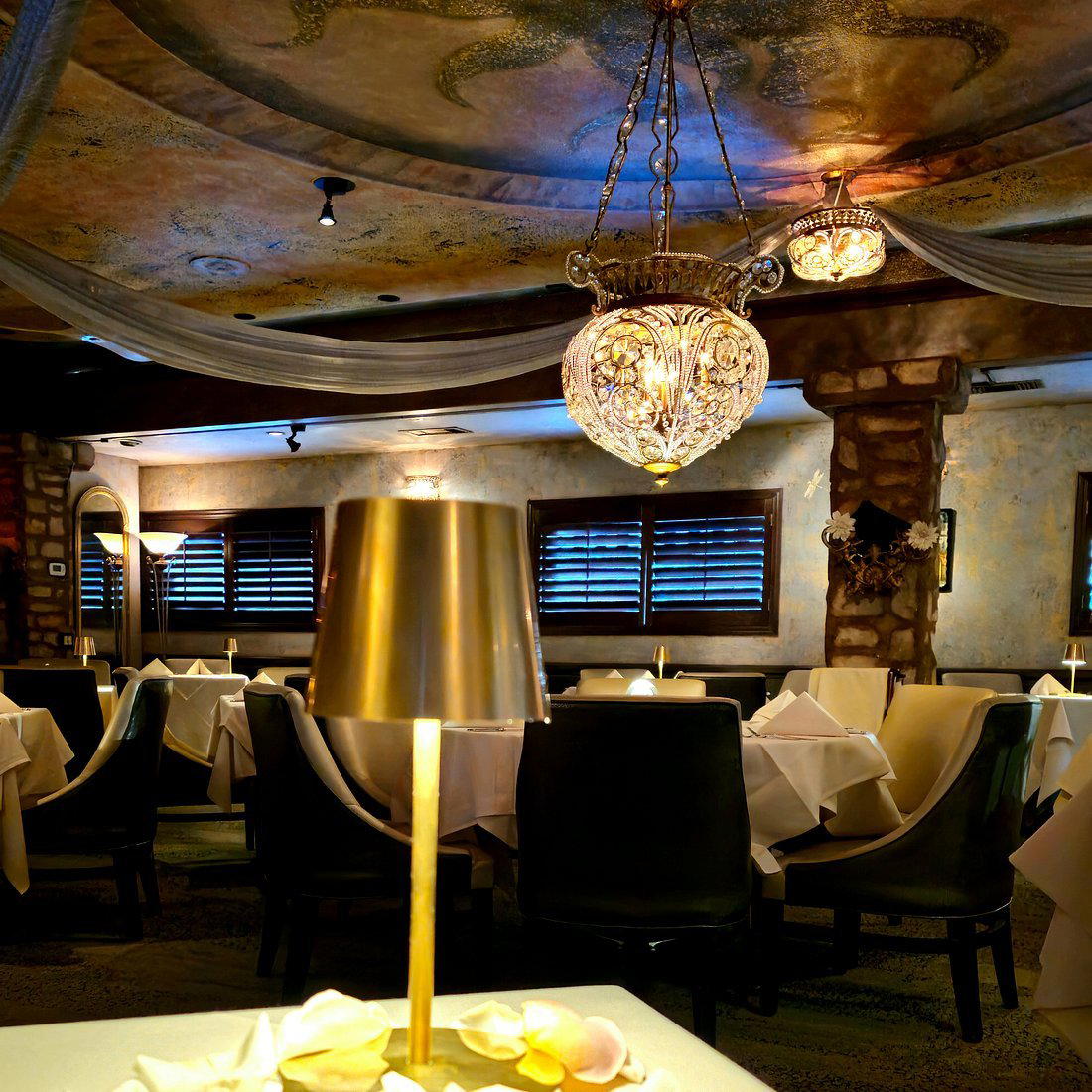
Romantic and enchanting atmosphere with intimate setting, classic Spanish-style courtyards featuring rustic lanterns and tall archways, well-suited for elegant evenings.