Dahl & DiLuca

Dahl & DiLuca is a long-running Italian restaurant in Sedona, Arizona, positioned on Highway 89A in the heart of the tourist corridor. The kitchen draws on traditional Italian-American cooking in a town better known for red-rock scenery than European cuisine, making it a distinct outlier in Sedona's dining mix. Reservations are advised, particularly during peak spring and fall visitation seasons.
Pearl is the En Primeur Club membership app — saves, bookings, and concierge access live there. Same editors, same standards.
- Address
- 2321 AZ-89A, Sedona, AZ 86336
- Phone
- +19282825219
- Website
- dahlanddiluca.com
- Directions
- Get directions
 Saves & bookings on Pearl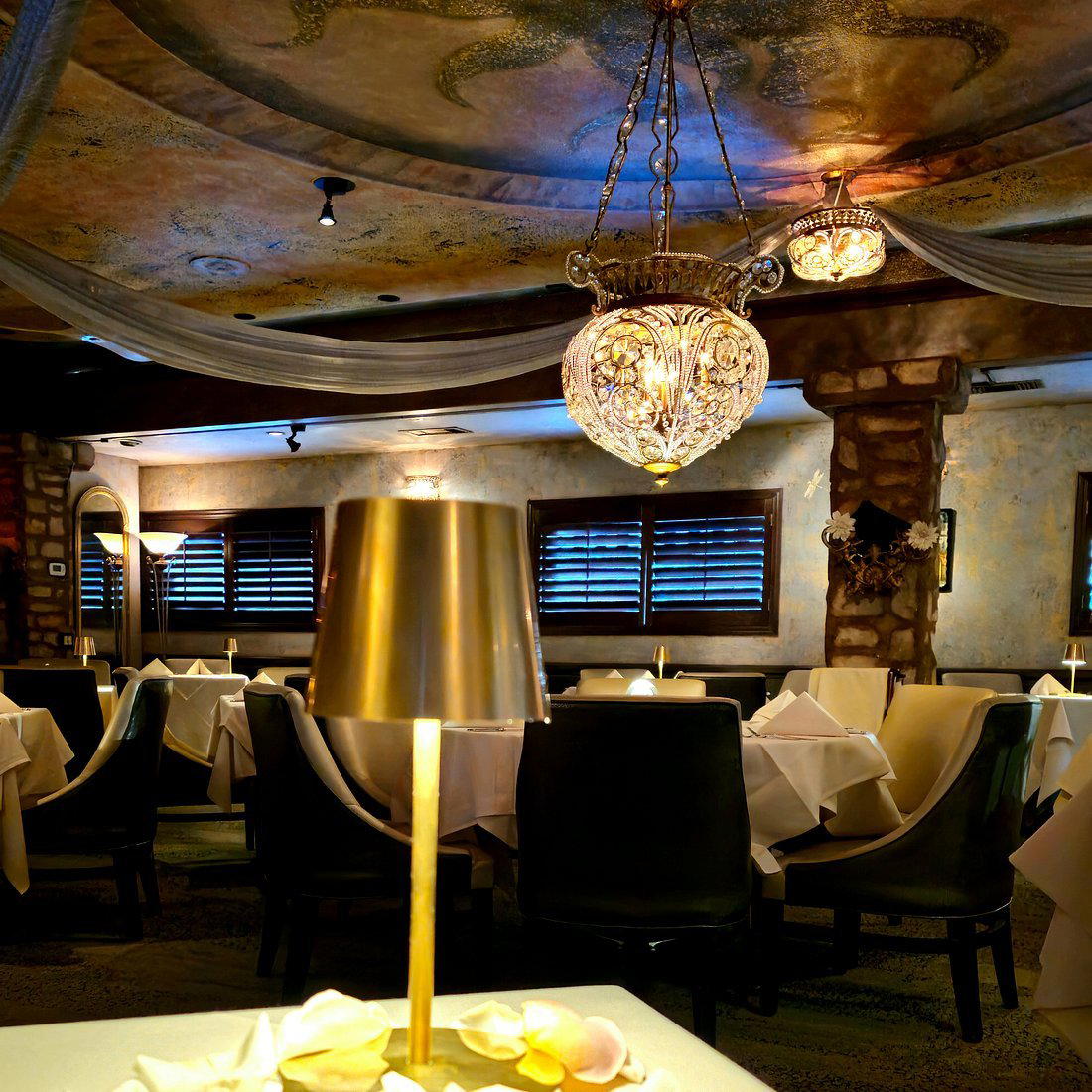
Italian-American Cooking Against a Red-Rock Backdrop
Sedona's restaurant scene has always been shaped by two competing forces: the town's status as a high-volume tourism destination and the genuine ambitions of a small permanent community with specific tastes. Most of the dining corridor along Highway 89A tilts toward the former, with menus calibrated for wide appeal and turnover. Italian-American cooking, by contrast, is a tradition built on repetition, patience, and an inherited sense of proportion, qualities that tend to cut against the grain of resort-town hospitality. Dahl & DiLuca, at 2321 AZ-89A in Sedona, serves refined Italian fine dining in a market where the surrounding competition leans toward Southwestern flavors, health-forward menus, and canyon-view spectacle.
That positioning matters because it tells you something about who the restaurant is for. Visitors arriving at Sedona expecting the terroir-driven American Southwest cooking found at Cress on Oak Creek will find a different register here. Those looking for the organic, plant-forward sensibility of ChocolaTree Organic Oasis will likewise find a divergent kitchen logic. Dahl & DiLuca is not making the case that Arizona ingredients belong in a traditional Italian context. It is, instead, making the older argument: that Italian-American cooking, done with fidelity to its own conventions, is worth doing on its own terms regardless of geography.
The Cultural Weight of Italian-American Dining
Italian-American cuisine occupies an unusual position in the broader American food conversation. It is simultaneously one familiar European-derived culinary tradition in the United States and the frequently misread. Stripped of its immigrant-community context, it becomes breadsticks and red-checkered tablecloths. Understood within that context, it represents one of the more durable and coherent culinary transplants in American food history, a tradition that absorbed regional Italian influences, adapted to American produce and market conditions, and produced a distinct cooking style that is neither purely Italian nor purely American.
The restaurants that do this tradition justice, from old-guard New York red-sauce institutions to the handful of serious Italian-American kitchens operating in secondary markets, tend to share certain commitments: house-made pasta, sauces built over time, proteins treated without excess intervention, and a wine list that takes Italian appellations seriously. These are not decorative choices. They are load-bearing structural elements of the cuisine. In smaller markets like Sedona, where the dominant culinary conversation centers on indigenous Southwest ingredients and canyon-adjacent dining experiences, the decision to maintain fidelity to these conventions represents a specific editorial stance about what the restaurant is for.
By contrast, the broader category of Italian restaurants operating in American resort towns frequently compromises in one of two directions: either toward a generic "Mediterranean" framing that blurs national culinary identities, or toward a localization that substitutes regional ingredients for traditional ones without the structural knowledge to make the substitution coherent. Particularly durable Italian-American kitchens resist both moves. Their longevity tends to be the clearest signal of that resistance.
Where Dahl & DiLuca Sits in Sedona's Dining Mix
Sedona's restaurant offerings span a wider range than the town's scale might suggest. The local dining mix includes resort-attached fine dining at venues like Che Ah Chi, Southwestern and Mexican-inflected casual dining at spots like Javelina Cantina and El Rincon Restaurante Mexicano. Italian-American cooking occupies its own lane in that mix, one without a direct local competitor at the same level of commitment to the tradition.
That differentiation is meaningful context for anyone planning a Sedona trip around dining. The restaurants in the American fine-dining tier that EP Club covers at a national level, The French Laundry in Napa, Le Bernardin in New York City, Smyth in Chicago, Lazy Bear in San Francisco, or Providence in Los Angeles, occupy a different category and a different price tier than what Sedona's market supports. The more relevant comparison set for Dahl & DiLuca is the tier of serious independent kitchens in smaller American markets that maintain a consistent culinary identity. Within that tier, longevity and local loyalty are the primary credentialing signals, and both tend to reflect an underlying kitchen discipline that is harder to sustain in a tourist-dependent market than the restaurant count along any given highway might suggest.
Planning a Visit
The address at 2321 AZ-89A places the restaurant in the main commercial corridor.
Price Lens
Comparable venues nearby, for context on price, style, and recognition.
| Venue | Cuisine | Price | Notes |
|---|---|---|---|
| Dahl & DiLucaThis venue — the venue you are viewing | Sedona, Refined Italian Fine Dining | $$$ | Not listed |
| Thai Spices | West Sedona, Natural Thai Macrobiotic | $$ | Not listed |
| Mii amo | Not listed | $$$$ | Boynton Canyon, Wellness-Focused Seasonal American |
| Spoke & Wheel Tavern | Not listed | $$ | Los Abrigados Resort, Contemporary American with Southwestern Flair |
| ChocolaTree Organic Oasis | West Sedona, Organic Vegetarian Cafe | $$ | Not listed |
| ShadowRock Tap + Table | Not listed | $$ | Village of Oak Creek, Modern Southwestern American |
Recognition history
Dated appearances from independent guides and award organizations, with the underlying list record or original source where available.
Wine Spectator Award of Excellence
Wine Spectator






At a Glance
- Romantic
- Elegant
- Intimate
- Sophisticated
- Date Night
- Special Occasion
- Private Dining
- Extensive Wine List
- Organic
Current opening hours
- Monday
- 5–9 PM
- Tuesday
- 5–9 PM
- Wednesday
- 5–9 PM
- Thursday
- 5–9 PM
- Friday
- 5–10 PM
- Saturday
- 5–10 PM
- Sunday
- 5–9 PM
Hours can change for holidays and private events. Last verified .
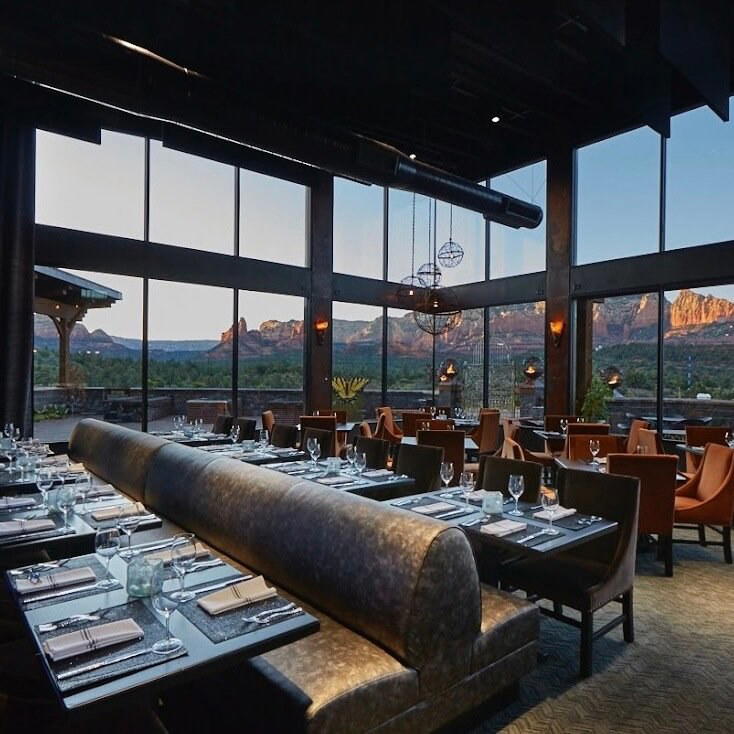
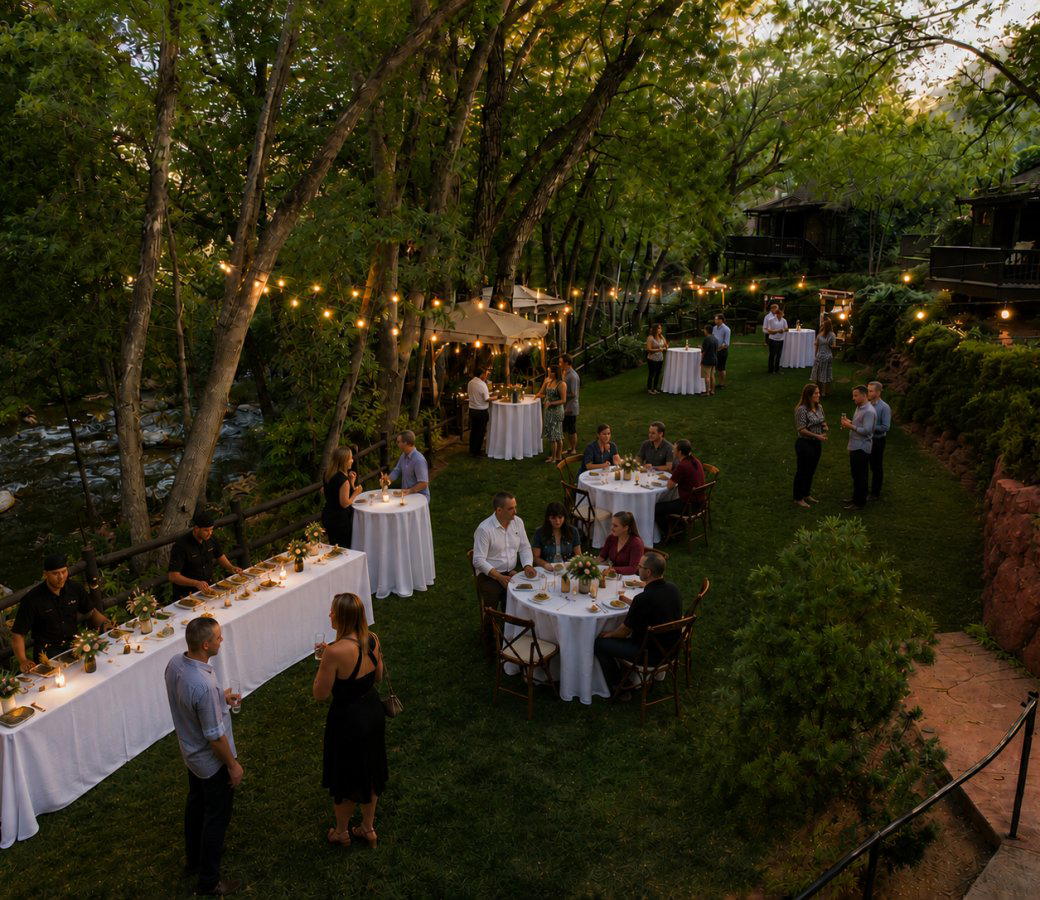
Romantic setting with white tablecloths, candlelight, and occasional live jazz piano, creating an elegant and intimate old-world atmosphere.